


805 Results
Form:
books
books
Actions:
Price:
$102.00
(available to order)
Summary:
Edward Burtynsky’s imagery explores the intricate link between industry and nature, combining the raw elements of mining, quarrying, shipping, oil production, and recycling into eloquent, highly expressive visions that find beauty and humanity in the most unlikely places. These images are metaphors for the dilemma of our modern existence: we are drawn by desire-the desire(...)
$102.00
(available to order)
Summary:
Edward Burtynsky’s imagery explores the intricate link between industry and nature, combining the raw elements of mining, quarrying, shipping, oil production, and recycling into eloquent, highly expressive visions that find beauty and humanity in the most unlikely places. These images are metaphors for the dilemma of our modern existence: we are drawn by desire-the desire(...)
Subject:
Photography monographs
Photography monographs
Publication:
January 2006, Göttingen
January 2006, Göttingen
Title:
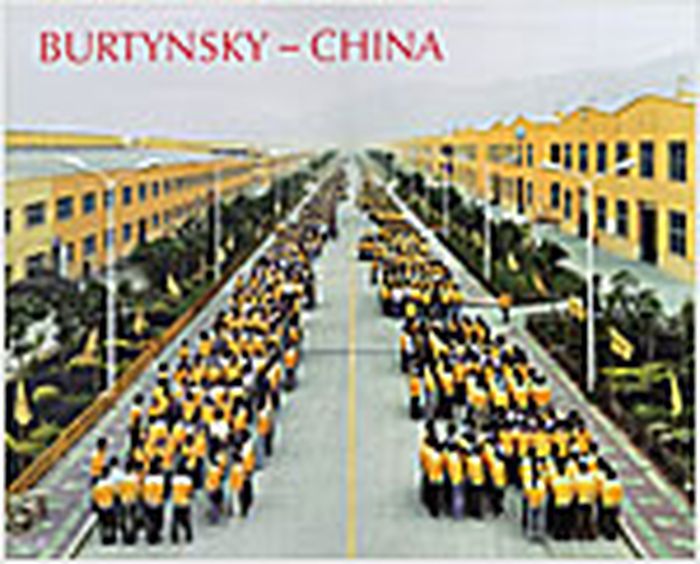
Burtynsky - China : the photographs of Edward Burtynsky
Actions:
Price:
$102.00
(available to order)
Summary:
Edward Burtynsky’s imagery explores the intricate link between industry and nature, combining the raw elements of mining, quarrying, shipping, oil production, and recycling into eloquent, highly expressive visions that find beauty and humanity in the most unlikely places. These images are metaphors for the dilemma of our modern existence: we are drawn by desire-the desire to live well and in comfort-yet we all know that the world is suffering to meet those demands. Our dependence on nature to provide the materials for our consumption and our concern for the health of our planet sets us into uneasy contradiction and feeds the dialogue in Burtynsky’s images between attraction and repulsion, seduction and fear. Burtysnky’s latest body of work gives visual form to the industrial and urban transformation of China, a place where industrial forces are gathering on a scale that the world has never experienced before. If the earth’s resources were up to now under siege through western colonialism and technological progress, then China is on the brink of a sweeping assault on the planet’s ecosystem that is only just forming and is nowhere close to expressing its full impact.
Burtynsky - China : the photographs of Edward Burtynsky
Actions:
Price:
$102.00
(available to order)
Summary:
Edward Burtynsky’s imagery explores the intricate link between industry and nature, combining the raw elements of mining, quarrying, shipping, oil production, and recycling into eloquent, highly expressive visions that find beauty and humanity in the most unlikely places. These images are metaphors for the dilemma of our modern existence: we are drawn by desire-the desire to live well and in comfort-yet we all know that the world is suffering to meet those demands. Our dependence on nature to provide the materials for our consumption and our concern for the health of our planet sets us into uneasy contradiction and feeds the dialogue in Burtynsky’s images between attraction and repulsion, seduction and fear. Burtysnky’s latest body of work gives visual form to the industrial and urban transformation of China, a place where industrial forces are gathering on a scale that the world has never experienced before. If the earth’s resources were up to now under siege through western colonialism and technological progress, then China is on the brink of a sweeping assault on the planet’s ecosystem that is only just forming and is nowhere close to expressing its full impact.
Form:
books
books
Publication:
January 2006, Göttingen
January 2006, Göttingen
Subject:
Photography monographs
Photography monographs
Form:
books
books
Title:
When site lost the plot
When site lost the plot
Actions:
Price:
$37.95
(available to order)
Summary:
The critical concept of site-specificity once seemed to harbour the potential for disruption. But site-specific work has become increasingly assimilated into the capitalist logic of regeneration and value creation. The materialist critique of the art object has been shortcircuited by the franchised idiosyncrasies of international nomad flâneurs. And on a planet whose(...)
$37.95
(available to order)
Summary:
The critical concept of site-specificity once seemed to harbour the potential for disruption. But site-specific work has become increasingly assimilated into the capitalist logic of regeneration and value creation. The materialist critique of the art object has been shortcircuited by the franchised idiosyncrasies of international nomad flâneurs. And on a planet whose(...)
Title:
When site lost the plot
Actions:
Price:
$37.95
(available to order)
Summary:
The critical concept of site-specificity once seemed to harbour the potential for disruption. But site-specific work has become increasingly assimilated into the capitalist logic of regeneration and value creation. The materialist critique of the art object has been shortcircuited by the franchised idiosyncrasies of international nomad flâneurs. And on a planet whose entire surface is mapped and apped, the concept of ‘site’ itself becomes ever more problematic. How can we do justice to the particularity of local sites while unearthing their material conditions? What do a contemporary ‘geo-philosophy’ and the historical legacy of site-specific art have to offer each other? Can we develop methods for the controlled unpacking of the local into the global, avoiding trivial reconciliations between local sites and their global conditions? "When site lost the plot" charts some of the ways in which site continues to be a concern for contemporary practice; and introduces the concept of ‘plot’ as an alternative approach. Alongside artists discussing their practice and their approach to site and plot, contributors from various disciplines introduce concepts from cartography, mathematics, film, fiction, design, and philosophy.
When site lost the plot
Actions:
Price:
$37.95
(available to order)
Summary:
The critical concept of site-specificity once seemed to harbour the potential for disruption. But site-specific work has become increasingly assimilated into the capitalist logic of regeneration and value creation. The materialist critique of the art object has been shortcircuited by the franchised idiosyncrasies of international nomad flâneurs. And on a planet whose entire surface is mapped and apped, the concept of ‘site’ itself becomes ever more problematic. How can we do justice to the particularity of local sites while unearthing their material conditions? What do a contemporary ‘geo-philosophy’ and the historical legacy of site-specific art have to offer each other? Can we develop methods for the controlled unpacking of the local into the global, avoiding trivial reconciliations between local sites and their global conditions? "When site lost the plot" charts some of the ways in which site continues to be a concern for contemporary practice; and introduces the concept of ‘plot’ as an alternative approach. Alongside artists discussing their practice and their approach to site and plot, contributors from various disciplines introduce concepts from cartography, mathematics, film, fiction, design, and philosophy.
Form:
books
books
Publication:
March 2015
March 2015
Subject:
Art Theory
Art Theory
Form:
books
books
Actions:
Price:
$88.00
(available in store)
Summary:
A retrospective of Edward Burtynsky's (born 1955) photography from the past 40 years, The Great Acceleration reveals the depth of the photographer's investigation into the human alteration of natural landscapes around the world, showing their present fragility and enduring beauty in equal measure. "The Great Acceleration" is an established term used to describe the rapid(...)
$88.00
(available in store)
Summary:
A retrospective of Edward Burtynsky's (born 1955) photography from the past 40 years, The Great Acceleration reveals the depth of the photographer's investigation into the human alteration of natural landscapes around the world, showing their present fragility and enduring beauty in equal measure. "The Great Acceleration" is an established term used to describe the rapid(...)
Title:
Edward Burtynsky: The great acceleration
Actions:
Price:
$88.00
(available in store)
Summary:
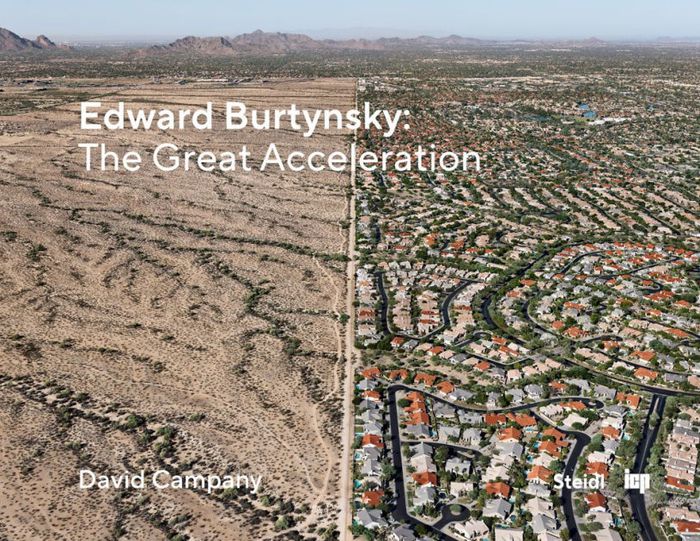
A retrospective of Edward Burtynsky's (born 1955) photography from the past 40 years, The Great Acceleration reveals the depth of the photographer's investigation into the human alteration of natural landscapes around the world, showing their present fragility and enduring beauty in equal measure. "The Great Acceleration" is an established term used to describe the rapid rise of human impact on our planet, among them population growth, water usage, transportation, greenhouse gas emissions, resource extraction and food production, each of which Burtynsky has photographed the signs of in great detail throughout his career. From open pit mines across North America to oil derricks in Azerbaijan, from rice terraces in China to oil bunkering in Nigeria, Burtynsky has traveled the world and back again as part of his restless and seemingly inexhaustible drive to discover the ways, both old and new, that organized human activity has transformed the earth. Including many of Burtynsky's landmark images, and which have never been published, the book is an urgent call to action, inviting us to appreciate the sublimity that remains in nature while deepening our understanding of the challenges and responsibilities confronting us today.
Edward Burtynsky: The great acceleration
Actions:
Price:
$88.00
(available in store)
Summary:
A retrospective of Edward Burtynsky's (born 1955) photography from the past 40 years, The Great Acceleration reveals the depth of the photographer's investigation into the human alteration of natural landscapes around the world, showing their present fragility and enduring beauty in equal measure. "The Great Acceleration" is an established term used to describe the rapid rise of human impact on our planet, among them population growth, water usage, transportation, greenhouse gas emissions, resource extraction and food production, each of which Burtynsky has photographed the signs of in great detail throughout his career. From open pit mines across North America to oil derricks in Azerbaijan, from rice terraces in China to oil bunkering in Nigeria, Burtynsky has traveled the world and back again as part of his restless and seemingly inexhaustible drive to discover the ways, both old and new, that organized human activity has transformed the earth. Including many of Burtynsky's landmark images, and which have never been published, the book is an urgent call to action, inviting us to appreciate the sublimity that remains in nature while deepening our understanding of the challenges and responsibilities confronting us today.
Form:
books
books
Publication:
December 2025
December 2025
Subject:
Photography monographs
Photography monographs
Form:
books
books
Price:
$35.00
(available to order)
Summary:
Over the past century, American demographics and social norms have shifted dramatically. More people are living alone, marrying later in life, and having smaller families. At the same time, their lifestyles are changing, whether by choice or by force, to become more virtual, more mobile, and less stable. But despite the ways that today's America is different and more(...)
$35.00
(available to order)
Summary:
Over the past century, American demographics and social norms have shifted dramatically. More people are living alone, marrying later in life, and having smaller families. At the same time, their lifestyles are changing, whether by choice or by force, to become more virtual, more mobile, and less stable. But despite the ways that today's America is different and more(...)
Title:
Brave New Home: Our future in smarter, simpler, happier housing
Actions:
Price:
$35.00
(available to order)
Summary:
Over the past century, American demographics and social norms have shifted dramatically. More people are living alone, marrying later in life, and having smaller families. At the same time, their lifestyles are changing, whether by choice or by force, to become more virtual, more mobile, and less stable. But despite the ways that today's America is different and more diverse, housing still looks stuck in the 1950s. In ''Brave new home,'' Diana Lind shows why a country full of single-family houses is bad for us and our planet, and details the new efforts underway that better reflect the way we live now, to ensure that the way we live next is both less lonely and more affordable. Lind takes readers into the homes and communities that are seeking alternatives to the American norm, from multi-generational living, in-law suites, and co-living to microapartments, tiny houses, and new rural communities. Drawing on Lind's expertise and the stories of Americans caught in or forging their own paths outside of our cookie-cutter housing trap, ''Brave new home'' offers a diagnosis of the current American housing crisis and a radical re-imagining of future possibilities.
Brave New Home: Our future in smarter, simpler, happier housing
Actions:
Price:
$35.00
(available to order)
Summary:
Over the past century, American demographics and social norms have shifted dramatically. More people are living alone, marrying later in life, and having smaller families. At the same time, their lifestyles are changing, whether by choice or by force, to become more virtual, more mobile, and less stable. But despite the ways that today's America is different and more diverse, housing still looks stuck in the 1950s. In ''Brave new home,'' Diana Lind shows why a country full of single-family houses is bad for us and our planet, and details the new efforts underway that better reflect the way we live now, to ensure that the way we live next is both less lonely and more affordable. Lind takes readers into the homes and communities that are seeking alternatives to the American norm, from multi-generational living, in-law suites, and co-living to microapartments, tiny houses, and new rural communities. Drawing on Lind's expertise and the stories of Americans caught in or forging their own paths outside of our cookie-cutter housing trap, ''Brave new home'' offers a diagnosis of the current American housing crisis and a radical re-imagining of future possibilities.
Form:
books
books
Publication:
October 2020
October 2020
Subject:
Architectural Theory
Architectural Theory
Form:
books
books
Actions:
Price:
$66.00
(available to order)
Summary:
Natural, renewable, reusable, and aesthetically pleasing, wood is the consummate building material. Thanks to incredible advances in both application and sustainability, it is being used across the world to create new and surprising styles. This global survey features exquisite photography that captures a wide range of twenty-first century construction in residential,(...)
$66.00
(available to order)
Summary:
Natural, renewable, reusable, and aesthetically pleasing, wood is the consummate building material. Thanks to incredible advances in both application and sustainability, it is being used across the world to create new and surprising styles. This global survey features exquisite photography that captures a wide range of twenty-first century construction in residential,(...)
Title:
Building with wood: the new timber architecture
Actions:
Price:
$66.00
(available to order)
Summary:
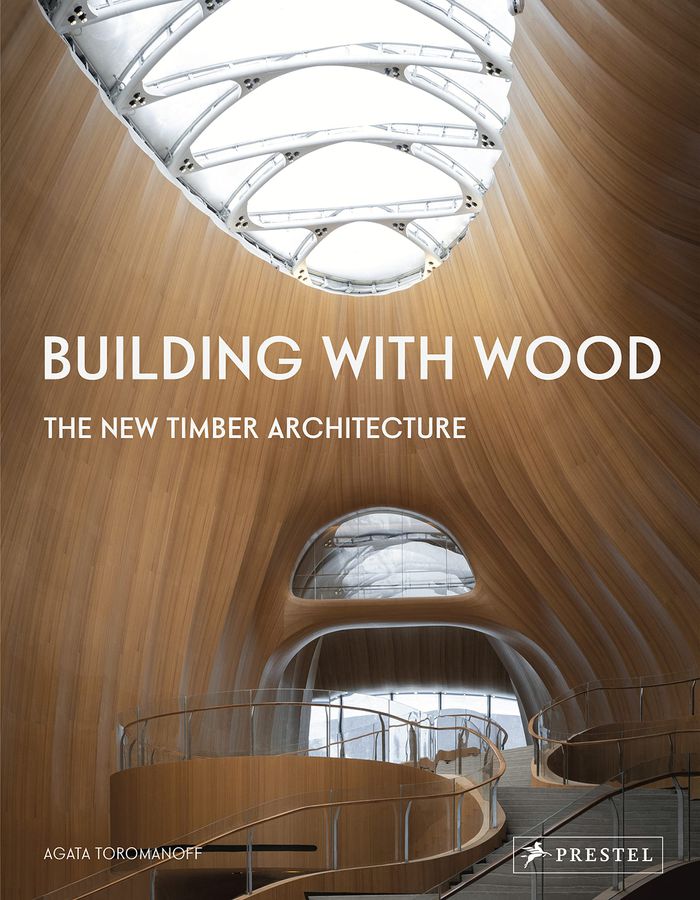
Natural, renewable, reusable, and aesthetically pleasing, wood is the consummate building material. Thanks to incredible advances in both application and sustainability, it is being used across the world to create new and surprising styles. This global survey features exquisite photography that captures a wide range of twenty-first century construction in residential, public, cultural, educational, commercial, and entertainment-related spaces. From the Mount Fuji World Heritage Center in Shizuoka, Japan and the Eystur Town Hall in the Faroe Islands to the College of Forestry at Oregon State University, each building is featured in double-page spreads with colour photographs that allow readers to appreciate timber’s intrinsic qualities against a variety of backgrounds, scales, and typologies. Plans and building specifications are accompanied by the latest developments in research and design. Eco-friendly and robust, timber’s applications are almost unlimited, extending to the tallest skyscrapers, and to every livable corner of our planet. This volume offers encouraging proof that architects around the world are responding to the climate crisis in ways that not only preserve the earth, but also provide pleasing environments in which to live, work, and play.
Building with wood: the new timber architecture
Actions:
Price:
$66.00
(available to order)
Summary:
Natural, renewable, reusable, and aesthetically pleasing, wood is the consummate building material. Thanks to incredible advances in both application and sustainability, it is being used across the world to create new and surprising styles. This global survey features exquisite photography that captures a wide range of twenty-first century construction in residential, public, cultural, educational, commercial, and entertainment-related spaces. From the Mount Fuji World Heritage Center in Shizuoka, Japan and the Eystur Town Hall in the Faroe Islands to the College of Forestry at Oregon State University, each building is featured in double-page spreads with colour photographs that allow readers to appreciate timber’s intrinsic qualities against a variety of backgrounds, scales, and typologies. Plans and building specifications are accompanied by the latest developments in research and design. Eco-friendly and robust, timber’s applications are almost unlimited, extending to the tallest skyscrapers, and to every livable corner of our planet. This volume offers encouraging proof that architects around the world are responding to the climate crisis in ways that not only preserve the earth, but also provide pleasing environments in which to live, work, and play.
Form:
books
books
Publication:
July 2023
July 2023
Subject:
Timber Construction
Timber Construction
Form:
books
books
Actions:
Price:
$11.95
(available to order)
Summary:
Landscapes are all around us, but most of us know very little about how they have developed, what goes on in them, and how they react to changing climates, tectonics, and human activities. Examining what landscape is, and how we use a range of ideas and techniques to study it, Andrew Goudie and Heather Viles demonstrate how scientists have built on classic(...)
$11.95
(available to order)
Summary:
Landscapes are all around us, but most of us know very little about how they have developed, what goes on in them, and how they react to changing climates, tectonics, and human activities. Examining what landscape is, and how we use a range of ideas and techniques to study it, Andrew Goudie and Heather Viles demonstrate how scientists have built on classic(...)
Title:
Landscape and geomorphology: A very short Introduction
Actions:
Price:
$11.95
(available to order)
Summary:
Landscapes are all around us, but most of us know very little about how they have developed, what goes on in them, and how they react to changing climates, tectonics, and human activities. Examining what landscape is, and how we use a range of ideas and techniques to study it, Andrew Goudie and Heather Viles demonstrate how scientists have built on classic methods--pioneered by the great researchers of the nineteenth century--to shed new light on our planet. Using examples from around the world, including New Zealand, the Tibetan Plateau, and the deserts of the Middle East, they examine some of the key controls on landscape today such as tectonics and climate, as well as humans and the living world. They also discuss some major "landscape detectives" from the past, including Charles Darwin, who did some important, but often overlooked, research on landscape. Concluding with the cultural importance of landscape, and exploring how this has led to the conservation of much "earth heritage," they delve into the future and look at how we can predict the response of landscapes to the projected climate change.
Landscape and geomorphology: A very short Introduction
Actions:
Price:
$11.95
(available to order)
Summary:
Landscapes are all around us, but most of us know very little about how they have developed, what goes on in them, and how they react to changing climates, tectonics, and human activities. Examining what landscape is, and how we use a range of ideas and techniques to study it, Andrew Goudie and Heather Viles demonstrate how scientists have built on classic methods--pioneered by the great researchers of the nineteenth century--to shed new light on our planet. Using examples from around the world, including New Zealand, the Tibetan Plateau, and the deserts of the Middle East, they examine some of the key controls on landscape today such as tectonics and climate, as well as humans and the living world. They also discuss some major "landscape detectives" from the past, including Charles Darwin, who did some important, but often overlooked, research on landscape. Concluding with the cultural importance of landscape, and exploring how this has led to the conservation of much "earth heritage," they delve into the future and look at how we can predict the response of landscapes to the projected climate change.
Form:
books
books
Publication:
September 2010
September 2010
Subject:
Landscape Theory
Landscape Theory
Form:
books
books
Holdings:
Author:
Subject:
Publication:
Montréal : VOX, centre de l'image contemporaine, 2018.
Montréal : VOX, centre de l'image contemporaine, 2018.
Form:
books
books
Publication:
Montréal : VOX, centre de l'image contemporaine, 2018.
Montréal : VOX, centre de l'image contemporaine, 2018.
Author:
Subject:
Form:
books
books
Holdings:
Description:
139 pages : illustrations (some color) ; 24 cm
Description:
139 pages : illustrations (some color) ; 24 cm
Author:
Subject:
Publication:
Marseille : Parenthèses, [ 2024], ©2024
Marseille : Parenthèses, [ 2024], ©2024
Title:
Baudrillard et le monstre : (l'architecture) / Jean-Louis Violeau.
Actions:
Holdings:
Description:
139 pages : illustrations (some color) ; 24 cm
Baudrillard et le monstre : (l'architecture) / Jean-Louis Violeau.
Actions:
Holdings:
Description:
139 pages : illustrations (some color) ; 24 cm
Form:
books
books
Publication:
Marseille : Parenthèses, [ 2024], ©2024
Marseille : Parenthèses, [ 2024], ©2024
Author:
Subject:
Form:
books
books
Actions:
Price:
$83.00
(available to order)
Summary:
The ecological approach to building is the great untold story in the architectural history of the past century. This book is essential reading for architects and students. As an urgent wake-up call on the state of our built environment, it will be of interest to everyone who cares about the future of our planet. In the past, many of the key tenets of the ecological(...)
$83.00
(available to order)
Summary:
The ecological approach to building is the great untold story in the architectural history of the past century. This book is essential reading for architects and students. As an urgent wake-up call on the state of our built environment, it will be of interest to everyone who cares about the future of our planet. In the past, many of the key tenets of the ecological(...)
Title:
Ecological architecture : a critical history
Actions:
Price:
$83.00
(available to order)
Summary:
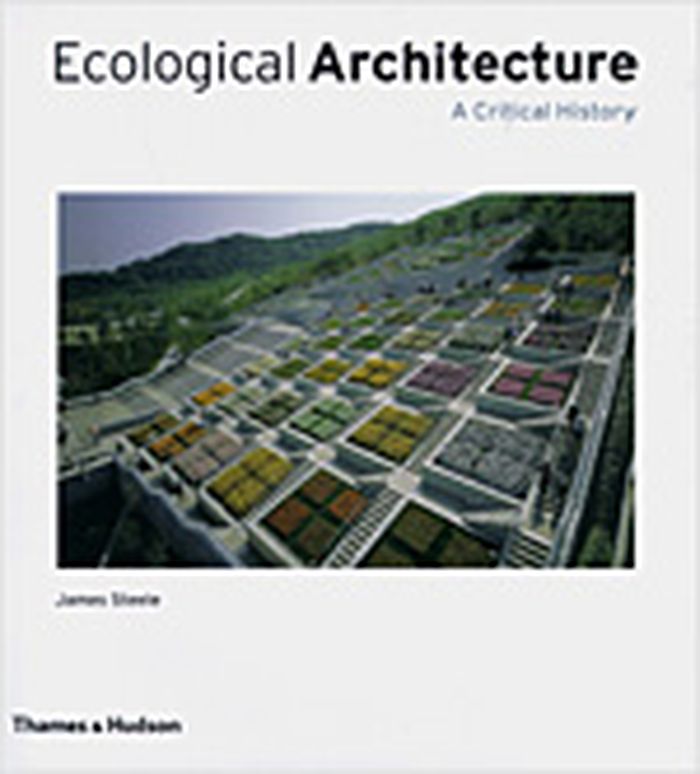
The ecological approach to building is the great untold story in the architectural history of the past century. This book is essential reading for architects and students. As an urgent wake-up call on the state of our built environment, it will be of interest to everyone who cares about the future of our planet. In the past, many of the key tenets of the ecological philosophy - sustainability, energy efficiency, harmonious relationship with the environment - appeared to stand contrast to the sweep of science-led ‘progress’ that characterized the modern movement. Today, however, past visionaries are vindicated and yesterday’s eccentricities are today’s legal requirements: every architect has an obligation to the environment as well as to his or her client. After an introduction to the terminology of ecological architecture - including terms such as ‘green’ and ‘sustainable’, ’Part one’ identifies recurring themes in ecological architecture. ‘Part two’ features twenty-five case studies each focusing on a specific architect, movement or topic. Some of the names are familiar in this context - Rasem Badran, Hassan Fathy - but there are also plenty of surprises - Le Corbusier, Buckminster Fuller, Rudolf Schindler. ‘Part three’ looks to the future as ecological architecture struggles to deal with global urbanization.
Ecological architecture : a critical history
Actions:
Price:
$83.00
(available to order)
Summary:
The ecological approach to building is the great untold story in the architectural history of the past century. This book is essential reading for architects and students. As an urgent wake-up call on the state of our built environment, it will be of interest to everyone who cares about the future of our planet. In the past, many of the key tenets of the ecological philosophy - sustainability, energy efficiency, harmonious relationship with the environment - appeared to stand contrast to the sweep of science-led ‘progress’ that characterized the modern movement. Today, however, past visionaries are vindicated and yesterday’s eccentricities are today’s legal requirements: every architect has an obligation to the environment as well as to his or her client. After an introduction to the terminology of ecological architecture - including terms such as ‘green’ and ‘sustainable’, ’Part one’ identifies recurring themes in ecological architecture. ‘Part two’ features twenty-five case studies each focusing on a specific architect, movement or topic. Some of the names are familiar in this context - Rasem Badran, Hassan Fathy - but there are also plenty of surprises - Le Corbusier, Buckminster Fuller, Rudolf Schindler. ‘Part three’ looks to the future as ecological architecture struggles to deal with global urbanization.
Form:
books
books
Publication:
October 2005, London
October 2005, London
Subject:
Green Architecture
Green Architecture
Form:
books
books
Actions:
Price:
$25.95
(available to order)
Summary:
The crackling of a campfire. The scratch, hiss, and pop of a vinyl record. The first glug of wine as it is poured from a bottle. These are just a few of writer Caspar Henderson’s favorite sounds. In ''A book of noises,'' Henderson invites readers to use their ears a little better—to tune in to the world in all its surprising noisiness. Describing sounds from around(...)
$25.95
(available to order)
Summary:
The crackling of a campfire. The scratch, hiss, and pop of a vinyl record. The first glug of wine as it is poured from a bottle. These are just a few of writer Caspar Henderson’s favorite sounds. In ''A book of noises,'' Henderson invites readers to use their ears a little better—to tune in to the world in all its surprising noisiness. Describing sounds from around(...)
Title:
A book of noises: notes on the auraculous
Actions:
Price:
$25.95
(available to order)
Summary:
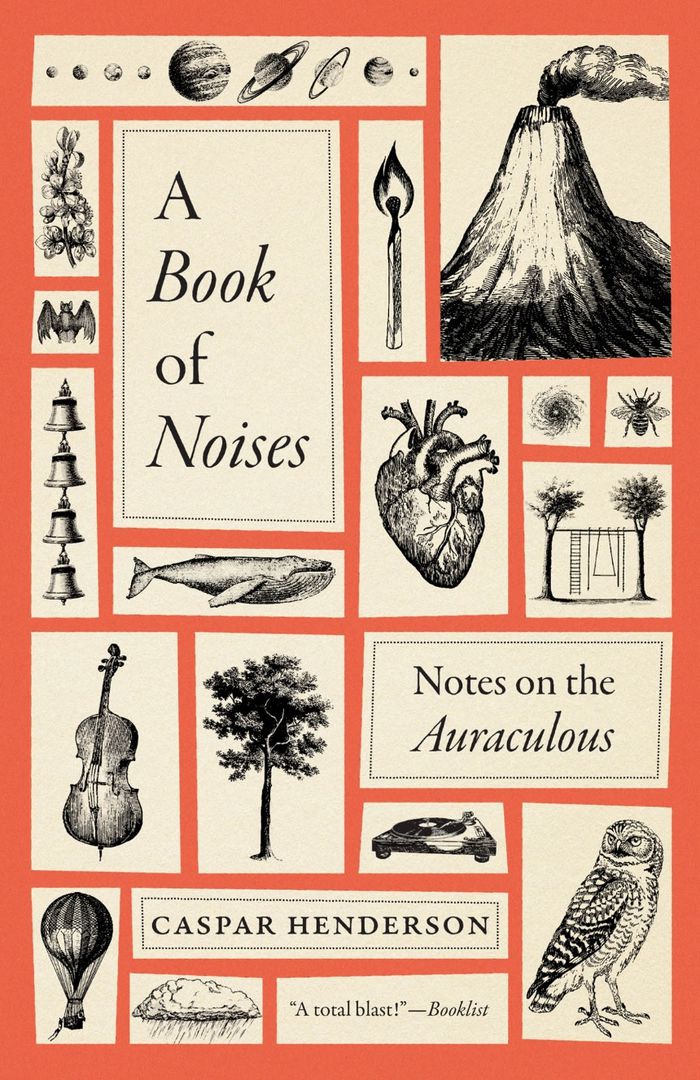
The crackling of a campfire. The scratch, hiss, and pop of a vinyl record. The first glug of wine as it is poured from a bottle. These are just a few of writer Caspar Henderson’s favorite sounds. In ''A book of noises,'' Henderson invites readers to use their ears a little better—to tune in to the world in all its surprising noisiness. Describing sounds from around the natural and human world, the forty-eight essays that make up A Book of Noises are a celebration of all things ''auraculous.'' Henderson calls on his characteristic curiosity to explore sounds related to humans (anthropophony), other life (biophony), the planet (geophony), and space (cosmophony). Henderson finds the beauty in everyday sounds, like the ringing of a bell, the buzz of a bee, or the ''earworm'' songs that get stuck in our heads.''A book of noises'' also explores the marvelous, miraculous sounds we may never get the chance to hear, like the deep boom of a volcano or the quiet, rustling sound of the Northern Lights. ''A book of noises'' will teach readers to really listen to the sounds of the world around them, to broaden and deepen their appreciation of the humans, animals, rocks, and trees simultaneously broadcasting across the whole spectrum of sentience.
A book of noises: notes on the auraculous
Actions:
Price:
$25.95
(available to order)
Summary:
The crackling of a campfire. The scratch, hiss, and pop of a vinyl record. The first glug of wine as it is poured from a bottle. These are just a few of writer Caspar Henderson’s favorite sounds. In ''A book of noises,'' Henderson invites readers to use their ears a little better—to tune in to the world in all its surprising noisiness. Describing sounds from around the natural and human world, the forty-eight essays that make up A Book of Noises are a celebration of all things ''auraculous.'' Henderson calls on his characteristic curiosity to explore sounds related to humans (anthropophony), other life (biophony), the planet (geophony), and space (cosmophony). Henderson finds the beauty in everyday sounds, like the ringing of a bell, the buzz of a bee, or the ''earworm'' songs that get stuck in our heads.''A book of noises'' also explores the marvelous, miraculous sounds we may never get the chance to hear, like the deep boom of a volcano or the quiet, rustling sound of the Northern Lights. ''A book of noises'' will teach readers to really listen to the sounds of the world around them, to broaden and deepen their appreciation of the humans, animals, rocks, and trees simultaneously broadcasting across the whole spectrum of sentience.
Form:
books
books
Publication:
May 2025
May 2025


