


796 Results
Form:
books
books
Title:
Bauhaus Dream-house
Bauhaus Dream-house
Actions:
Price:
$54.95
(available in store)
Summary:
Bauhaus Dream-house brings critical social theory to bear on the ideas of architectural and design education at the Bauhaus - tracing the spread and influence of these ideas worldwide. Developed in post WW1 Germany, the principles of Bauhaus architecture and design were transferred by some of its leading figures to architecture schools at Harvard, Chicago and the(...)
$54.95
(available in store)
Summary:
Bauhaus Dream-house brings critical social theory to bear on the ideas of architectural and design education at the Bauhaus - tracing the spread and influence of these ideas worldwide. Developed in post WW1 Germany, the principles of Bauhaus architecture and design were transferred by some of its leading figures to architecture schools at Harvard, Chicago and the(...)
Title:
Bauhaus Dream-house
Actions:
Price:
$54.95
(available in store)
Summary:
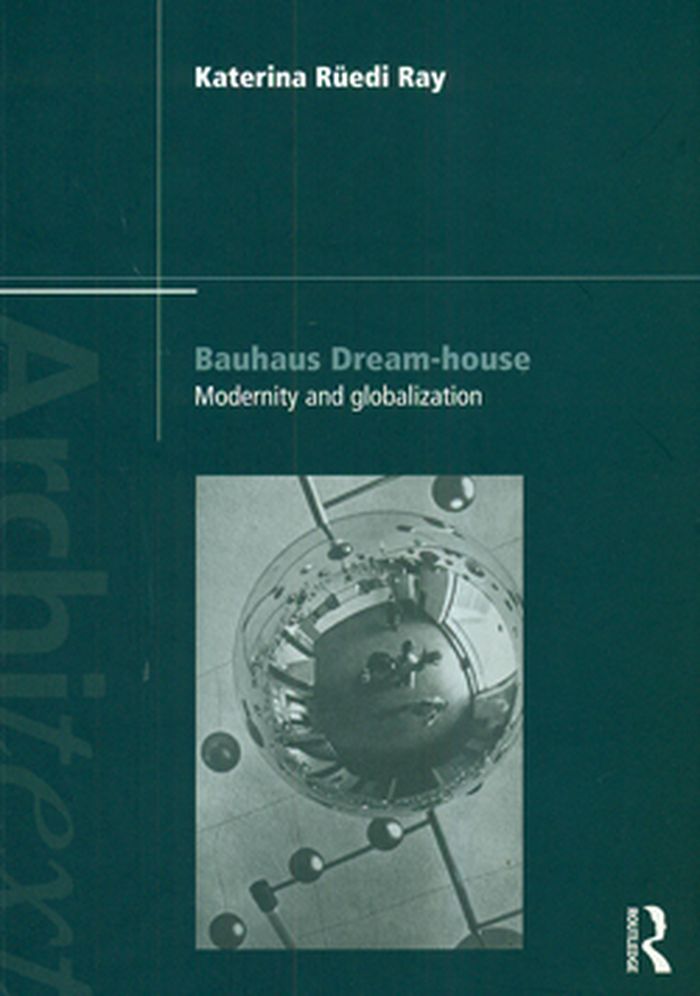
Bauhaus Dream-house brings critical social theory to bear on the ideas of architectural and design education at the Bauhaus - tracing the spread and influence of these ideas worldwide. Developed in post WW1 Germany, the principles of Bauhaus architecture and design were transferred by some of its leading figures to architecture schools at Harvard, Chicago and the IIT. Yet in the postwar era, they also became increasingly influential in architecture schools in Western and Central Europe, Japan, South America, Africa and the Middle East. This book provides a critical examination of the profound social, cultural and spatial consequences of these developments and the erasure of class, race, gender and culture which the ‘modernisation’ of design embodied.
Bauhaus Dream-house
Actions:
Price:
$54.95
(available in store)
Summary:
Bauhaus Dream-house brings critical social theory to bear on the ideas of architectural and design education at the Bauhaus - tracing the spread and influence of these ideas worldwide. Developed in post WW1 Germany, the principles of Bauhaus architecture and design were transferred by some of its leading figures to architecture schools at Harvard, Chicago and the IIT. Yet in the postwar era, they also became increasingly influential in architecture schools in Western and Central Europe, Japan, South America, Africa and the Middle East. This book provides a critical examination of the profound social, cultural and spatial consequences of these developments and the erasure of class, race, gender and culture which the ‘modernisation’ of design embodied.
Form:
books
books
Publication:
July 2010
July 2010
Subject:
Modernism
Modernism
Form:
journals and magazines
journals and magazines

Actions:
Price:
$16.95
(available to order)
Summary:
Welcome to the 59th issue of ''The Funambulist'' (May-June 2025), dedicated to Black Indigeneities. The association of these two terms will certainly appear obvious to many, while it might surprise others, depending on readers’ personal and regional imaginaries. The issue examines the Indigeneity-Blackness nexus in Melanesia —in Fiji (Mara Mahoney and Ratu Ropate Rakuita(...)
$16.95
(available to order)
Summary:
Welcome to the 59th issue of ''The Funambulist'' (May-June 2025), dedicated to Black Indigeneities. The association of these two terms will certainly appear obvious to many, while it might surprise others, depending on readers’ personal and regional imaginaries. The issue examines the Indigeneity-Blackness nexus in Melanesia —in Fiji (Mara Mahoney and Ratu Ropate Rakuita(...)
Title:
The Funambulist 59: Black indigeneities
Actions:
Price:
$16.95
(available to order)
Summary:
Welcome to the 59th issue of ''The Funambulist'' (May-June 2025), dedicated to Black Indigeneities. The association of these two terms will certainly appear obvious to many, while it might surprise others, depending on readers’ personal and regional imaginaries. The issue examines the Indigeneity-Blackness nexus in Melanesia —in Fiji (Mara Mahoney and Ratu Ropate Rakuita Wailutu Kama) and beyond, in Aotearoa New Zealand (Nathan Rew and Makanaka Tuwe)—in several regions of the African Continent—South Africa (Zoé Samudzi and Mpho Matheolane/Nolan Oswald Dennis), Nubia (Menna Agha), Eritrea (Semhar Haile), and the Gabonese forests (Maya Mihindou)—in the Caribbean—Guiana (Karl Joseph and Marc-Alexandre Tareau) and Haiti (Tessa Mars)—as well as in the diaspora. The cover artwork by Tessa Mars.
The Funambulist 59: Black indigeneities
Actions:
Price:
$16.95
(available to order)
Summary:
Welcome to the 59th issue of ''The Funambulist'' (May-June 2025), dedicated to Black Indigeneities. The association of these two terms will certainly appear obvious to many, while it might surprise others, depending on readers’ personal and regional imaginaries. The issue examines the Indigeneity-Blackness nexus in Melanesia —in Fiji (Mara Mahoney and Ratu Ropate Rakuita Wailutu Kama) and beyond, in Aotearoa New Zealand (Nathan Rew and Makanaka Tuwe)—in several regions of the African Continent—South Africa (Zoé Samudzi and Mpho Matheolane/Nolan Oswald Dennis), Nubia (Menna Agha), Eritrea (Semhar Haile), and the Gabonese forests (Maya Mihindou)—in the Caribbean—Guiana (Karl Joseph and Marc-Alexandre Tareau) and Haiti (Tessa Mars)—as well as in the diaspora. The cover artwork by Tessa Mars.
Form:
journals and magazines
journals and magazines
Publication:
May 2025
May 2025
Subject:
Magazines
Magazines
Form:
books
books
Actions:
Price:
$69.95
(available to order)
Summary:
This book provides an in-depth overview of graphic and visual communication styles for conveying climate change and climate action within the landscape architectural profession and in academia. The book features visualizations of climate adaptation and resilience, developed by award-winning landscape architects and academics from Canada, the United States, the United(...)
$69.95
(available to order)
Summary:
This book provides an in-depth overview of graphic and visual communication styles for conveying climate change and climate action within the landscape architectural profession and in academia. The book features visualizations of climate adaptation and resilience, developed by award-winning landscape architects and academics from Canada, the United States, the United(...)
Title:
Representing landscapes: Visualizing climate action
Actions:
Price:
$69.95
(available to order)
Summary:
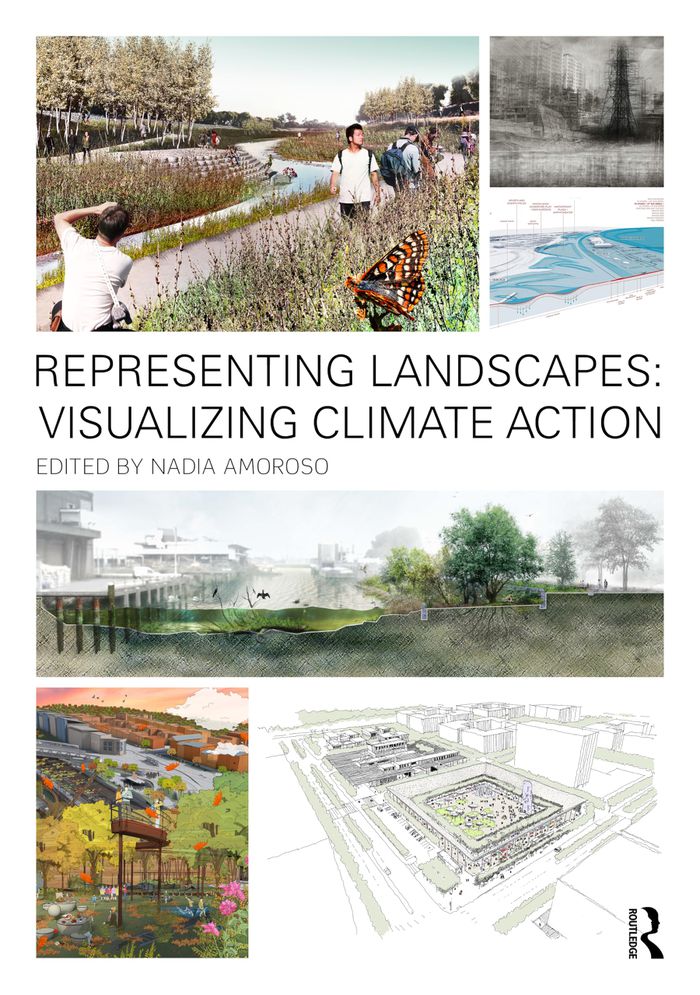
This book provides an in-depth overview of graphic and visual communication styles for conveying climate change and climate action within the landscape architectural profession and in academia. The book features visualizations of climate adaptation and resilience, developed by award-winning landscape architects and academics from Canada, the United States, the United Kingdom, The Netherlands, Denmark, Germany, Italy, France, Finland, South Africa, Singapore, and China. ''Representing Landscapes: Visualizing Climate Action'' illustrates the imaginative ways in which climate action and climate resilient concepts are visually presented, communicated, and perceived. The book will be especially valuable for students and practitioners in landscape architecture, urban planning, and related fields to understand how to visually capture climate change issues and design solutions, and to deliver this message to the public.
Representing landscapes: Visualizing climate action
Actions:
Price:
$69.95
(available to order)
Summary:
This book provides an in-depth overview of graphic and visual communication styles for conveying climate change and climate action within the landscape architectural profession and in academia. The book features visualizations of climate adaptation and resilience, developed by award-winning landscape architects and academics from Canada, the United States, the United Kingdom, The Netherlands, Denmark, Germany, Italy, France, Finland, South Africa, Singapore, and China. ''Representing Landscapes: Visualizing Climate Action'' illustrates the imaginative ways in which climate action and climate resilient concepts are visually presented, communicated, and perceived. The book will be especially valuable for students and practitioners in landscape architecture, urban planning, and related fields to understand how to visually capture climate change issues and design solutions, and to deliver this message to the public.
Form:
books
books
Publication:
August 2024
August 2024
Subject:
Urban Landscapes
Urban Landscapes
Form:
books
books
Actions:
Price:
$39.95
(available to order)
Summary:
In Imagining the Urban, Shonaleeka Kaul turns to Sanskrit literature to discover the characteristics—both physical and social—of ancient Indian cities. Kaul examines nearly a thousand years of Sanskrit kvyas to see what India’s early historic cities were like as living, lived-in, entities—and discovers that the cities were vibrant and teeming with variety and life. (...)
$39.95
(available to order)
Summary:
In Imagining the Urban, Shonaleeka Kaul turns to Sanskrit literature to discover the characteristics—both physical and social—of ancient Indian cities. Kaul examines nearly a thousand years of Sanskrit kvyas to see what India’s early historic cities were like as living, lived-in, entities—and discovers that the cities were vibrant and teeming with variety and life. (...)
Title:
Imagining the urban: Sanskrit and the city in early India
Actions:
Price:
$39.95
(available to order)
Summary:
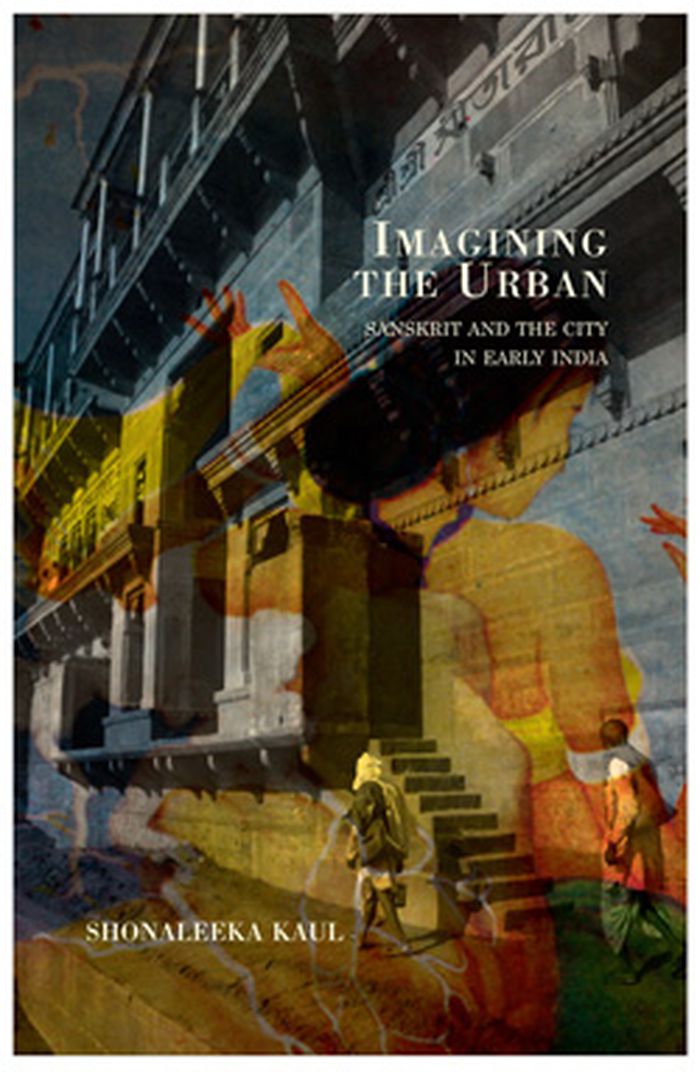
In Imagining the Urban, Shonaleeka Kaul turns to Sanskrit literature to discover the characteristics—both physical and social—of ancient Indian cities. Kaul examines nearly a thousand years of Sanskrit kvyas to see what India’s early historic cities were like as living, lived-in, entities—and discovers that the cities were vibrant and teeming with variety and life. As much about Sanskrit literature as about urban spaces—insofar as that literature reveals significant aspects of the Indian urban past— Imagining the Urban shows that Sanskrit literature is a rich source for historical understanding. Advocating the kvyas as an important historical source, this book shows distinctive ways of thought and behavior that relate to tradition, morality, and authority. With its provocative new questions about early Indian cities and ancient Indian texts, this book will be an essential read for scholars of urban history, Sanskrit writings, and South Asian antiquity.
Imagining the urban: Sanskrit and the city in early India
Actions:
Price:
$39.95
(available to order)
Summary:
In Imagining the Urban, Shonaleeka Kaul turns to Sanskrit literature to discover the characteristics—both physical and social—of ancient Indian cities. Kaul examines nearly a thousand years of Sanskrit kvyas to see what India’s early historic cities were like as living, lived-in, entities—and discovers that the cities were vibrant and teeming with variety and life. As much about Sanskrit literature as about urban spaces—insofar as that literature reveals significant aspects of the Indian urban past— Imagining the Urban shows that Sanskrit literature is a rich source for historical understanding. Advocating the kvyas as an important historical source, this book shows distinctive ways of thought and behavior that relate to tradition, morality, and authority. With its provocative new questions about early Indian cities and ancient Indian texts, this book will be an essential read for scholars of urban history, Sanskrit writings, and South Asian antiquity.
Form:
books
books
Publication:
March 2011
March 2011
Subject:
Arch Southwest Asia & North Africa
Arch Southwest Asia & North Africa
Form:
books
books
Actions:
Price:
$69.95
(available to order)
Summary:
The 200 houses showcased in this book spotlight the astounding variety seen in new residential architecture. This collection of contemporary homes comes from North America, South America, Europe, Australia/New Zealand, Asia and Africa. Some homes incorporate an intense dedication to cultural traditions, while others are on the edge of new trends. All share the need of(...)
$69.95
(available to order)
Summary:
The 200 houses showcased in this book spotlight the astounding variety seen in new residential architecture. This collection of contemporary homes comes from North America, South America, Europe, Australia/New Zealand, Asia and Africa. Some homes incorporate an intense dedication to cultural traditions, while others are on the edge of new trends. All share the need of(...)
Subject:
Residential Architecture
Residential Architecture
Publication:
September 2007, Buffalo, Richmond Hill
September 2007, Buffalo, Richmond Hill
Title:
Residential Designs for the 21st century
Actions:
Price:
$69.95
(available to order)
Summary:
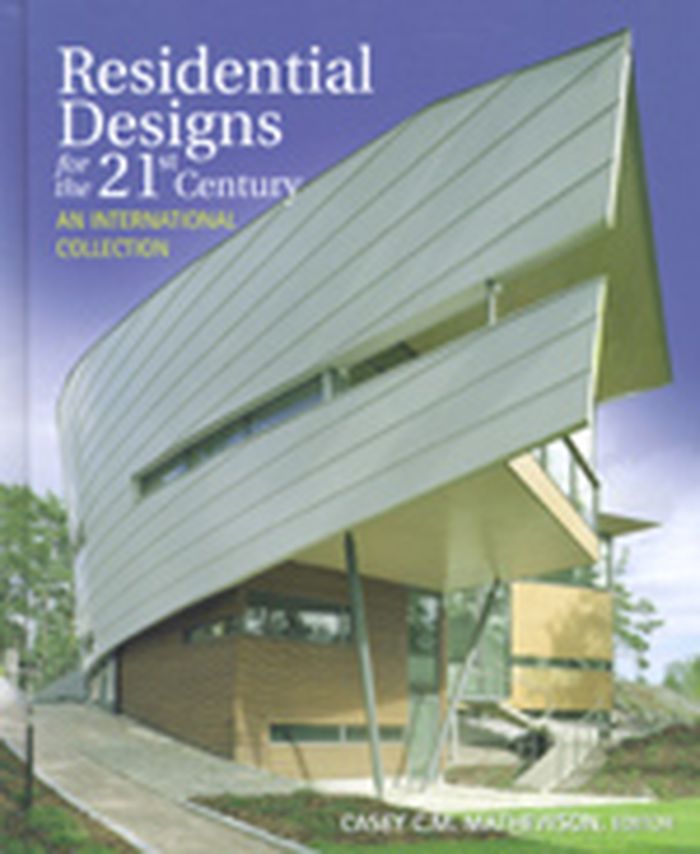
The 200 houses showcased in this book spotlight the astounding variety seen in new residential architecture. This collection of contemporary homes comes from North America, South America, Europe, Australia/New Zealand, Asia and Africa. Some homes incorporate an intense dedication to cultural traditions, while others are on the edge of new trends. All share the need of providing shelter. The diversity in this global inventory is vast: seaside, energy efficient, hilltop, geometrically shaped, tiny, narrow, inventive extensions, traditional materials, prefab, in-ground, slope-side, elevated, floating. Some of the distinct locations included are Oregon's rugged coastline, Australia's scorching interior, South America's mountainside cities, Finland's wintry forests, Indonesia's steamy beaches, inner city neighborhoods, outlying suburbs and rural locales. A great many of the designs respond to extremely challenging building sites with solutions that are nothing short of brilliant. Concise descriptions of each home include key features, along with floor plans and photographs showing interiors, exteriors and details. Each house is identified by name, location, year built and square footage as well as information on the architect. Profiles of 20 of the world's most creative architectural firms provide depth and background to the portfolio of designs.
Residential Designs for the 21st century
Actions:
Price:
$69.95
(available to order)
Summary:
The 200 houses showcased in this book spotlight the astounding variety seen in new residential architecture. This collection of contemporary homes comes from North America, South America, Europe, Australia/New Zealand, Asia and Africa. Some homes incorporate an intense dedication to cultural traditions, while others are on the edge of new trends. All share the need of providing shelter. The diversity in this global inventory is vast: seaside, energy efficient, hilltop, geometrically shaped, tiny, narrow, inventive extensions, traditional materials, prefab, in-ground, slope-side, elevated, floating. Some of the distinct locations included are Oregon's rugged coastline, Australia's scorching interior, South America's mountainside cities, Finland's wintry forests, Indonesia's steamy beaches, inner city neighborhoods, outlying suburbs and rural locales. A great many of the designs respond to extremely challenging building sites with solutions that are nothing short of brilliant. Concise descriptions of each home include key features, along with floor plans and photographs showing interiors, exteriors and details. Each house is identified by name, location, year built and square footage as well as information on the architect. Profiles of 20 of the world's most creative architectural firms provide depth and background to the portfolio of designs.
Form:
books
books
Publication:
September 2007, Buffalo, Richmond Hill
September 2007, Buffalo, Richmond Hill
Subject:
Residential Architecture
Residential Architecture
Form:
books
books
Actions:
Price:
$44.50
(available to order)
Summary:
"Chandigarh rethink" captures the rich, ongoing discourse on radically transforming urbanities within the Global South with specific reference to India's social, historical, economic and cultural repositioning. It examines urban edge 'figures' and their rural 'grounds', relevant not just to Chandigarh, but also to cities in general, while suggesting narrative strategies(...)
$44.50
(available to order)
Summary:
"Chandigarh rethink" captures the rich, ongoing discourse on radically transforming urbanities within the Global South with specific reference to India's social, historical, economic and cultural repositioning. It examines urban edge 'figures' and their rural 'grounds', relevant not just to Chandigarh, but also to cities in general, while suggesting narrative strategies(...)
Title:
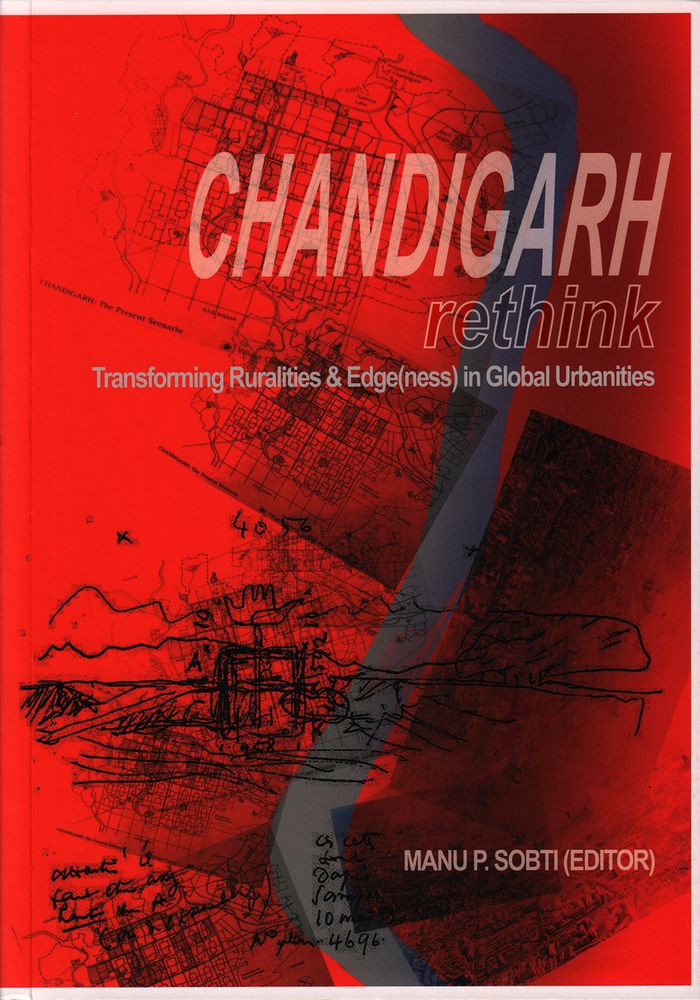
Chandigarh rethink: transforming ruralities & edeg(ness) in global urbanities
Actions:
Price:
$44.50
(available to order)
Summary:
"Chandigarh rethink" captures the rich, ongoing discourse on radically transforming urbanities within the Global South with specific reference to India's social, historical, economic and cultural repositioning. It examines urban edge 'figures' and their rural 'grounds', relevant not just to Chandigarh, but also to cities in general, while suggesting narrative strategies via provocative design studio design work. These introspections are framed within themed contributions from a globally recognized group of scholars who represent the diverse disciplines of architecture, planning, urban design, landscape ecologies and the humanities. As a topical publication on global urbanities transforming a 'signature' urban project, "Chandigarh rethink" anticipates the Buildings-Landscapes-Cultures (blc) program and SARUP's efforts to uniquely aligning urban research, pedagogy and critical design practice towards examining global urbanities that continue to defy normative urban analysis. Beyond serving as an exemplar for globally aware architectural schools nationwide and beyond, it is also directed to serve as an instructive primer for design students and instructors examining global urban sites.
Chandigarh rethink: transforming ruralities & edeg(ness) in global urbanities
Actions:
Price:
$44.50
(available to order)
Summary:
"Chandigarh rethink" captures the rich, ongoing discourse on radically transforming urbanities within the Global South with specific reference to India's social, historical, economic and cultural repositioning. It examines urban edge 'figures' and their rural 'grounds', relevant not just to Chandigarh, but also to cities in general, while suggesting narrative strategies via provocative design studio design work. These introspections are framed within themed contributions from a globally recognized group of scholars who represent the diverse disciplines of architecture, planning, urban design, landscape ecologies and the humanities. As a topical publication on global urbanities transforming a 'signature' urban project, "Chandigarh rethink" anticipates the Buildings-Landscapes-Cultures (blc) program and SARUP's efforts to uniquely aligning urban research, pedagogy and critical design practice towards examining global urbanities that continue to defy normative urban analysis. Beyond serving as an exemplar for globally aware architectural schools nationwide and beyond, it is also directed to serve as an instructive primer for design students and instructors examining global urban sites.
Form:
books
books
Publication:
June 2017
June 2017
Subject:
Arch Southwest Asia & North Africa
Arch Southwest Asia & North Africa
Form:
books
books
Actions:
Price:
$55.00
(available in store)
Summary:
Denise Scott Brown has shaped the course of contemporary architecture since the 1960s. She is particularly well known for ''Learning from Las Vegas,'' an enormously successful research project with her companion in life and work, Robert Venturi, and Steven Izenour, which challenged the way many architects saw the city. Widely cited and sometimes misunderstood, Scott(...)
$55.00
(available in store)
Summary:
Denise Scott Brown has shaped the course of contemporary architecture since the 1960s. She is particularly well known for ''Learning from Las Vegas,'' an enormously successful research project with her companion in life and work, Robert Venturi, and Steven Izenour, which challenged the way many architects saw the city. Widely cited and sometimes misunderstood, Scott(...)
Subject:
Architecture Monographs
Architecture Monographs
Publication:
March 2019
March 2019
Title:
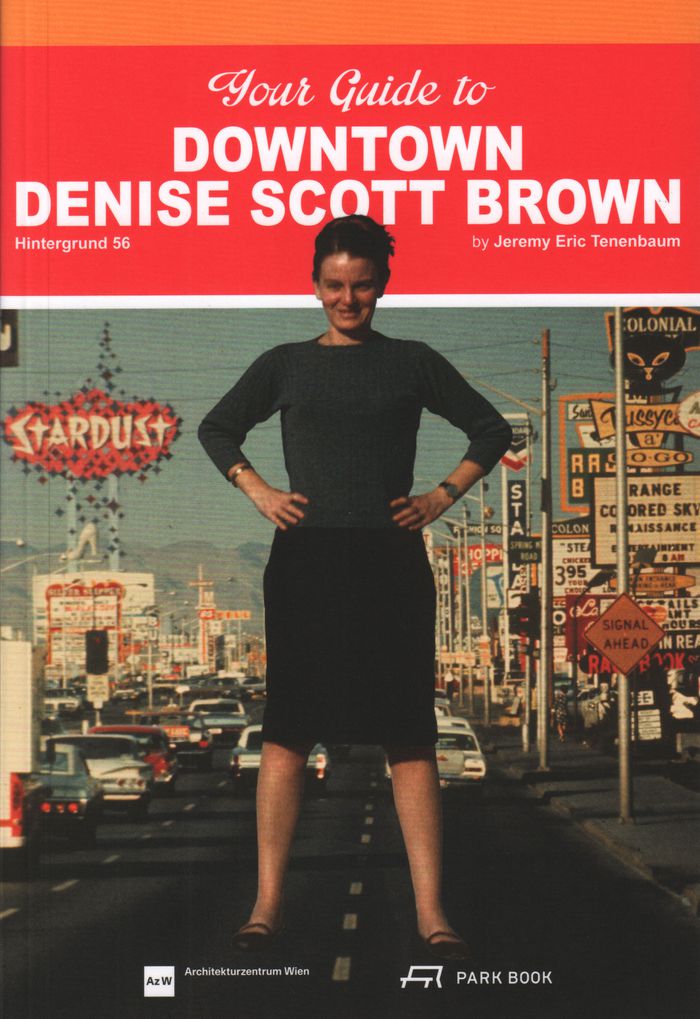
Your guide to Downtown Denise Scott Brown, hintergrund 56
Actions:
Price:
$55.00
(available in store)
Summary:
Denise Scott Brown has shaped the course of contemporary architecture since the 1960s. She is particularly well known for ''Learning from Las Vegas,'' an enormously successful research project with her companion in life and work, Robert Venturi, and Steven Izenour, which challenged the way many architects saw the city. Widely cited and sometimes misunderstood, Scott Brown's insistence that we cast a critical eye on modernism ignorant of context, history, and joint creativity remains impactful today. The first book to focus exclusively on Denise Scott Brown, '' Your Guide to Downtown Denise Scott Brown Brown'' takes readers through her childhood in 1930s South Africa and her education in 1950s England, to her well-known work in photography, her writings and studies, and her work as an architect and urban planner on four continents.
Your guide to Downtown Denise Scott Brown, hintergrund 56
Actions:
Price:
$55.00
(available in store)
Summary:
Denise Scott Brown has shaped the course of contemporary architecture since the 1960s. She is particularly well known for ''Learning from Las Vegas,'' an enormously successful research project with her companion in life and work, Robert Venturi, and Steven Izenour, which challenged the way many architects saw the city. Widely cited and sometimes misunderstood, Scott Brown's insistence that we cast a critical eye on modernism ignorant of context, history, and joint creativity remains impactful today. The first book to focus exclusively on Denise Scott Brown, '' Your Guide to Downtown Denise Scott Brown Brown'' takes readers through her childhood in 1930s South Africa and her education in 1950s England, to her well-known work in photography, her writings and studies, and her work as an architect and urban planner on four continents.
Form:
books
books
Publication:
March 2019
March 2019
Subject:
Architecture Monographs
Architecture Monographs
Form:
books
books
Title:
Decoding dictatorial statues
Decoding dictatorial statues
Actions:
Price:
$49.95
(available to order)
Summary:
In the words of Hannah Arendt, “Half of politics is image-making, the other half is the art of making people believe the image.” From South Africa to Charlottesville, heated discussions over statues, their removal and their vandalism frequently make the news. “Decoding Dictatorial Statues”, a project by Korean graphic design researcher Ted Hyunhak Yoon, is a collection of(...)
$49.95
(available to order)
Summary:
In the words of Hannah Arendt, “Half of politics is image-making, the other half is the art of making people believe the image.” From South Africa to Charlottesville, heated discussions over statues, their removal and their vandalism frequently make the news. “Decoding Dictatorial Statues”, a project by Korean graphic design researcher Ted Hyunhak Yoon, is a collection of(...)
Title:
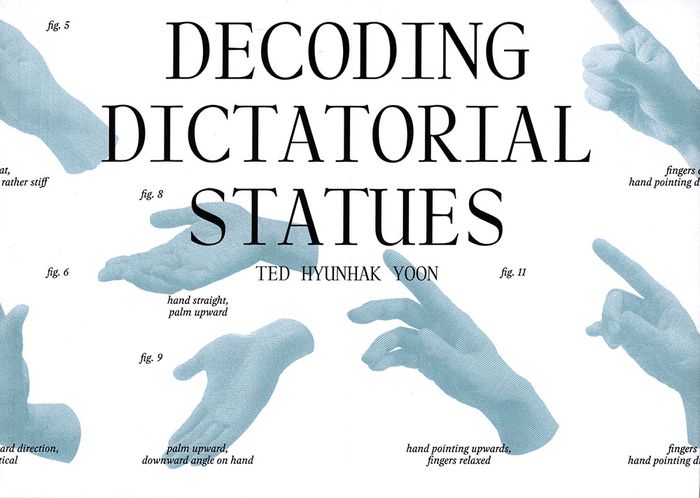
Decoding dictatorial statues
Actions:
Price:
$49.95
(available to order)
Summary:
In the words of Hannah Arendt, “Half of politics is image-making, the other half is the art of making people believe the image.” From South Africa to Charlottesville, heated discussions over statues, their removal and their vandalism frequently make the news. “Decoding Dictatorial Statues”, a project by Korean graphic design researcher Ted Hyunhak Yoon, is a collection of images and texts exploring the visual rhetoric of statues in public space. How can we decode statues and their languages, their objecthood and materiality, their role as media icons and their voice in political debates? The book responds to urgent concerns about the representation of our heritage by not only asking us to examine what history gets put on a pedestal, but also to consider the visual rhetoric of the statue itself.
Decoding dictatorial statues
Actions:
Price:
$49.95
(available to order)
Summary:
In the words of Hannah Arendt, “Half of politics is image-making, the other half is the art of making people believe the image.” From South Africa to Charlottesville, heated discussions over statues, their removal and their vandalism frequently make the news. “Decoding Dictatorial Statues”, a project by Korean graphic design researcher Ted Hyunhak Yoon, is a collection of images and texts exploring the visual rhetoric of statues in public space. How can we decode statues and their languages, their objecthood and materiality, their role as media icons and their voice in political debates? The book responds to urgent concerns about the representation of our heritage by not only asking us to examine what history gets put on a pedestal, but also to consider the visual rhetoric of the statue itself.
Form:
books
books
Publication:
June 2019
June 2019
Subject:
Art Theory
Art Theory
Form:
books
books

Title:
Nick Waplington: settlement
Nick Waplington: settlement
Actions:
Price:
$92.00
(available to order)
Summary:
The book investigates the topography of Jewish identity in the West Bank, which is in conflict not only with the Palestinian majority but also with mainstream Israeli society: While all the settlers are Jewish, and almost all are Israeli citizens, many are not natives of Israel. Most of the men and women photographed by Waplington are immigrants who arrived in the West(...)
$92.00
(available to order)
Summary:
The book investigates the topography of Jewish identity in the West Bank, which is in conflict not only with the Palestinian majority but also with mainstream Israeli society: While all the settlers are Jewish, and almost all are Israeli citizens, many are not natives of Israel. Most of the men and women photographed by Waplington are immigrants who arrived in the West(...)
Title:
Nick Waplington: settlement
Actions:
Price:
$92.00
(available to order)
Summary:
The book investigates the topography of Jewish identity in the West Bank, which is in conflict not only with the Palestinian majority but also with mainstream Israeli society: While all the settlers are Jewish, and almost all are Israeli citizens, many are not natives of Israel. Most of the men and women photographed by Waplington are immigrants who arrived in the West Bank from the United States, South Africa, Australia, the UK, the former Soviet Union, and other parts of the wider Jewish diaspora. The exact number of settlements cannot be determined with accuracy, as both construction and demolition take place regularly throughout the region. In general, however, the presence of Jewish settlers in the West Bank is entrenched, and their building projects continue with the support of the state of Israel.
Nick Waplington: settlement
Actions:
Price:
$92.00
(available to order)
Summary:
The book investigates the topography of Jewish identity in the West Bank, which is in conflict not only with the Palestinian majority but also with mainstream Israeli society: While all the settlers are Jewish, and almost all are Israeli citizens, many are not natives of Israel. Most of the men and women photographed by Waplington are immigrants who arrived in the West Bank from the United States, South Africa, Australia, the UK, the former Soviet Union, and other parts of the wider Jewish diaspora. The exact number of settlements cannot be determined with accuracy, as both construction and demolition take place regularly throughout the region. In general, however, the presence of Jewish settlers in the West Bank is entrenched, and their building projects continue with the support of the state of Israel.
Form:
books
books
Publication:
November 2014
November 2014
Subject:
Photography monographs
Photography monographs
Form:
books
books
Title:
Theme park
Theme park
Actions:
Price:
$41.95
(available to order)
Summary:
This book takes the primitive amusements of pleasure gardens as its starting point and launches from there into a rich, in-depth investigation of the evolution of the theme park over the twentieth century. Lukas examines theme parks in countries around the world – including the United States, UK, Europe, Japan, China, South Africa and Australia – and how themed fairs and(...)
$41.95
(available to order)
Summary:
This book takes the primitive amusements of pleasure gardens as its starting point and launches from there into a rich, in-depth investigation of the evolution of the theme park over the twentieth century. Lukas examines theme parks in countries around the world – including the United States, UK, Europe, Japan, China, South Africa and Australia – and how themed fairs and(...)
Title:
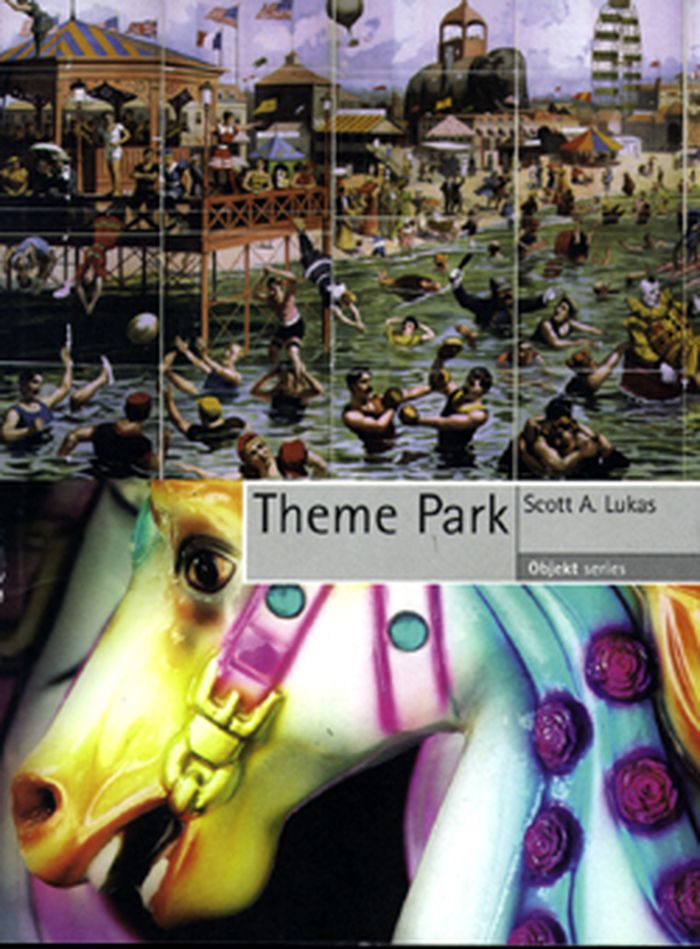
Theme park
Actions:
Price:
$41.95
(available to order)
Summary:
This book takes the primitive amusements of pleasure gardens as its starting point and launches from there into a rich, in-depth investigation of the evolution of the theme park over the twentieth century. Lukas examines theme parks in countries around the world – including the United States, UK, Europe, Japan, China, South Africa and Australia – and how themed fairs and parks developed through diverse means and in a variety of settings. The book examines world-famous and lesser-known parks, including the early parks of Coney Island, a series of World Fairs and their luxurious exhibition halls, Six Flags parks and virtual theme parks today, and, of course, Disneyland and Walt Disney World. Lukas analyses the theme park as a living entity that unexpectedly shapes people, their relationships and the world around them.
Theme park
Actions:
Price:
$41.95
(available to order)
Summary:
This book takes the primitive amusements of pleasure gardens as its starting point and launches from there into a rich, in-depth investigation of the evolution of the theme park over the twentieth century. Lukas examines theme parks in countries around the world – including the United States, UK, Europe, Japan, China, South Africa and Australia – and how themed fairs and parks developed through diverse means and in a variety of settings. The book examines world-famous and lesser-known parks, including the early parks of Coney Island, a series of World Fairs and their luxurious exhibition halls, Six Flags parks and virtual theme parks today, and, of course, Disneyland and Walt Disney World. Lukas analyses the theme park as a living entity that unexpectedly shapes people, their relationships and the world around them.
Form:
books
books
Publication:
November 2008, London
November 2008, London
Subject:
Urban Theory
Urban Theory


