


13794 Results
Form:
books
books
Actions:
Price:
$27.95
(available to order)
Summary:
What is Architectural History? considers the questions and problems posed by architectural historians since the rise of the discipline in the late nineteenth century. How do historians of architecture organise past time and relate it to the present? How does historical evidence translate into historical narrative? Leach treats the disciplinarity of architectural history(...)
$27.95
(available to order)
Summary:
What is Architectural History? considers the questions and problems posed by architectural historians since the rise of the discipline in the late nineteenth century. How do historians of architecture organise past time and relate it to the present? How does historical evidence translate into historical narrative? Leach treats the disciplinarity of architectural history(...)
Title:
What is architectural history?
Actions:
Price:
$27.95
(available to order)
Summary:
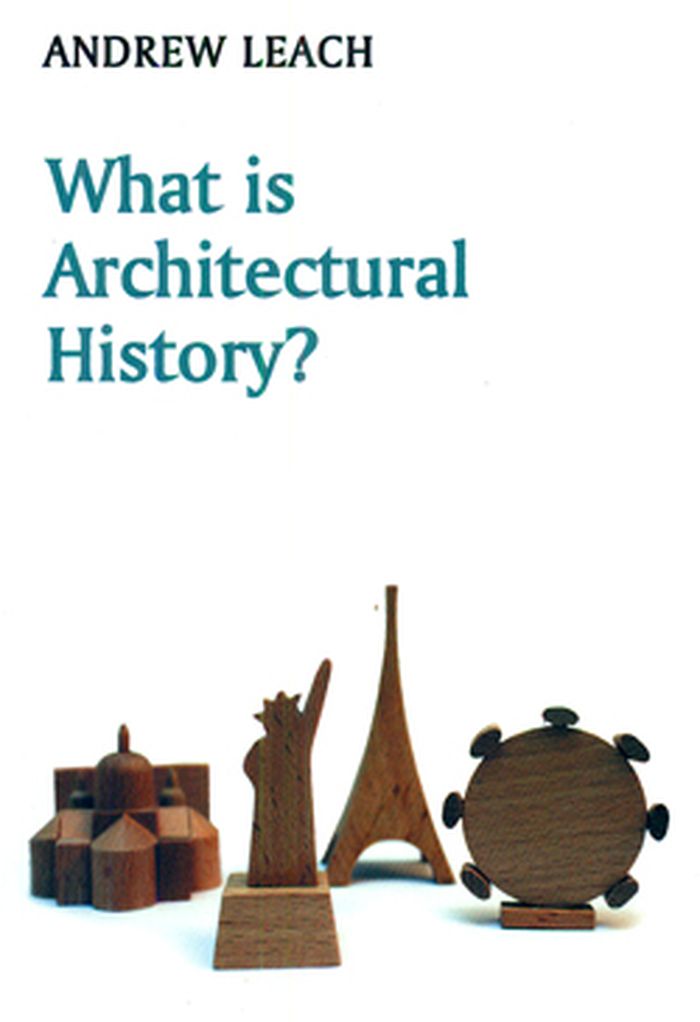
What is Architectural History? considers the questions and problems posed by architectural historians since the rise of the discipline in the late nineteenth century. How do historians of architecture organise past time and relate it to the present? How does historical evidence translate into historical narrative? Leach treats the disciplinarity of architectural history as an open question, moving between three key approaches to historical knowledge of architecture: within art history, as an historical specialisation and, most prominently, within architecture.
What is architectural history?
Actions:
Price:
$27.95
(available to order)
Summary:
What is Architectural History? considers the questions and problems posed by architectural historians since the rise of the discipline in the late nineteenth century. How do historians of architecture organise past time and relate it to the present? How does historical evidence translate into historical narrative? Leach treats the disciplinarity of architectural history as an open question, moving between three key approaches to historical knowledge of architecture: within art history, as an historical specialisation and, most prominently, within architecture.
Form:
books
books
Publication:
May 2010
May 2010
Subject:
Architectural Theory
Architectural Theory
Form:
books
books
Actions:
Price:
$29.95
(available to order)
Summary:
The Studio Reader pulls back the curtain from the art world to reveal the real activities behind artistic production. What does it mean to be in the studio? What is the space of the studio in the artist’s practice? This anthology features an array of contributors, ranging from Svetlana Alpers, Bruce Nauman, and Robert Storr to Daniel Buren, Carolee Schneemann, Katy(...)
$29.95
(available to order)
Summary:
The Studio Reader pulls back the curtain from the art world to reveal the real activities behind artistic production. What does it mean to be in the studio? What is the space of the studio in the artist’s practice? This anthology features an array of contributors, ranging from Svetlana Alpers, Bruce Nauman, and Robert Storr to Daniel Buren, Carolee Schneemann, Katy(...)
Title:
The studio reader: on the space of of artists
Actions:
Price:
$29.95
(available to order)
Summary:
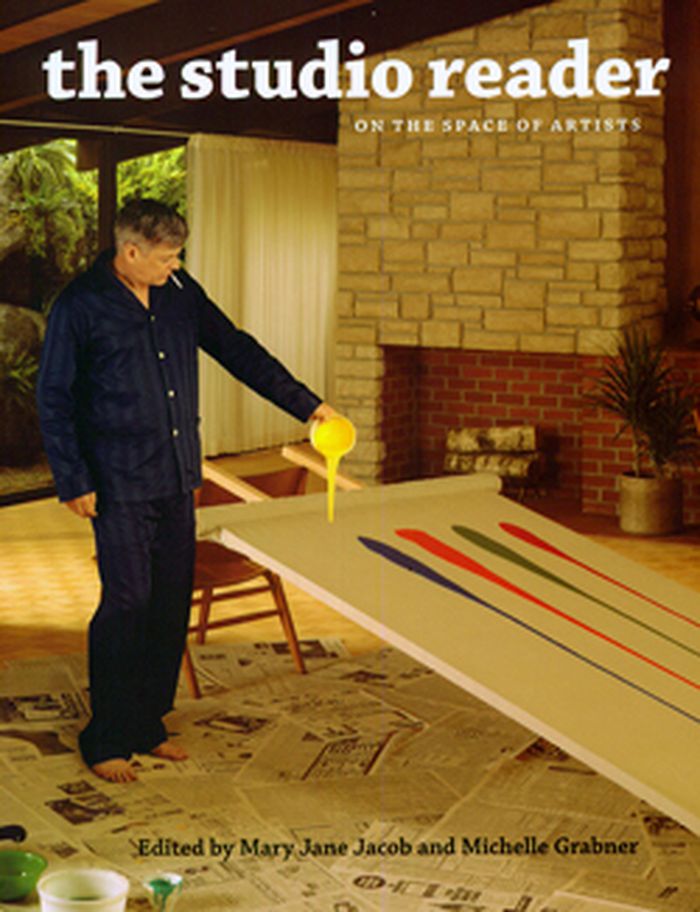
The Studio Reader pulls back the curtain from the art world to reveal the real activities behind artistic production. What does it mean to be in the studio? What is the space of the studio in the artist’s practice? This anthology features an array of contributors, ranging from Svetlana Alpers, Bruce Nauman, and Robert Storr to Daniel Buren, Carolee Schneemann, Katy Siegel, John Baldessari, and more.
The studio reader: on the space of of artists
Actions:
Price:
$29.95
(available to order)
Summary:
The Studio Reader pulls back the curtain from the art world to reveal the real activities behind artistic production. What does it mean to be in the studio? What is the space of the studio in the artist’s practice? This anthology features an array of contributors, ranging from Svetlana Alpers, Bruce Nauman, and Robert Storr to Daniel Buren, Carolee Schneemann, Katy Siegel, John Baldessari, and more.
Form:
books
books
Publication:
June 2010
June 2010
Subject:
Art Theory
Art Theory
Form:
books
books
Title:
The Light club
The Light club
Actions:
Price:
$48.95
(available to order)
Summary:
In 1912, Paul Scheerbart published The Light Club of Batavia, a novella about the formation of a club dedicated to building a spa for bathing—not in water, but in light—at the bottom of an abandoned mineshaft. Translated here into English for the first time, this rare story serves as a point of departure for Josiah McElheny, who offers a fascinating array of responses to(...)
$48.95
(available to order)
Summary:
In 1912, Paul Scheerbart published The Light Club of Batavia, a novella about the formation of a club dedicated to building a spa for bathing—not in water, but in light—at the bottom of an abandoned mineshaft. Translated here into English for the first time, this rare story serves as a point of departure for Josiah McElheny, who offers a fascinating array of responses to(...)
Title:
The Light club
Actions:
Price:
$48.95
(available to order)
Summary:
In 1912, Paul Scheerbart published The Light Club of Batavia, a novella about the formation of a club dedicated to building a spa for bathing—not in water, but in light—at the bottom of an abandoned mineshaft. Translated here into English for the first time, this rare story serves as a point of departure for Josiah McElheny, who offers a fascinating array of responses to this enigmatic work. The Light Club makes clear that the themes of utopian hope, desire, and madness in Scheerbart’s tale represent a part of modernism’s lost project: a world based on political and spiritual ideals rather than efficiency and logic.
The Light club
Actions:
Price:
$48.95
(available to order)
Summary:
In 1912, Paul Scheerbart published The Light Club of Batavia, a novella about the formation of a club dedicated to building a spa for bathing—not in water, but in light—at the bottom of an abandoned mineshaft. Translated here into English for the first time, this rare story serves as a point of departure for Josiah McElheny, who offers a fascinating array of responses to this enigmatic work. The Light Club makes clear that the themes of utopian hope, desire, and madness in Scheerbart’s tale represent a part of modernism’s lost project: a world based on political and spiritual ideals rather than efficiency and logic.
Form:
books
books
Publication:
May 2010
May 2010
Subject:
Art Theory
Art Theory
Form:
books
books
Actions:
Price:
$21.99
(available to order)
Summary:
Tom Vanderbilt maps the visible and invisible legacies of the cold war, exhuming the blueprints for the apocalypse we once envisioned and chronicling a time when we all lived at ground zero. In this road trip among ruined missile silos, atomic storage bunkers, and secret test sites, a lost battleground emerges amid the architecture of the 1950s, accompanied by Walter(...)
$21.99
(available to order)
Summary:
Tom Vanderbilt maps the visible and invisible legacies of the cold war, exhuming the blueprints for the apocalypse we once envisioned and chronicling a time when we all lived at ground zero. In this road trip among ruined missile silos, atomic storage bunkers, and secret test sites, a lost battleground emerges amid the architecture of the 1950s, accompanied by Walter(...)
Title:
Survival city: adventures among the ruins of atomic America
Actions:
Price:
$21.99
(available to order)
Summary:
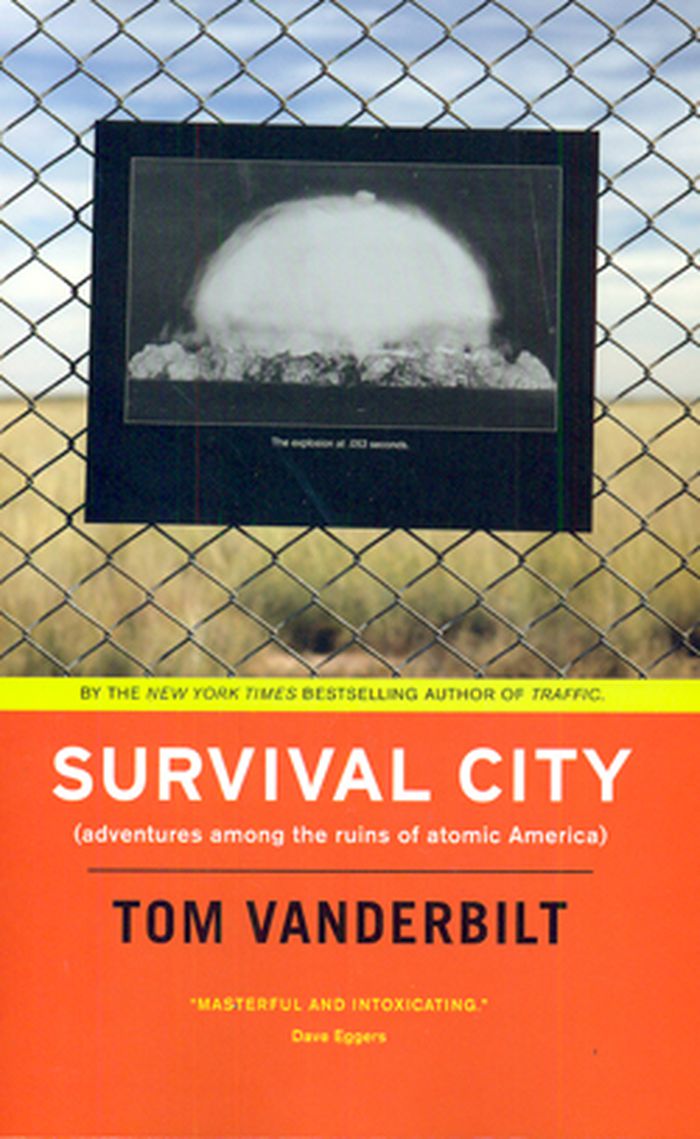
Tom Vanderbilt maps the visible and invisible legacies of the cold war, exhuming the blueprints for the apocalypse we once envisioned and chronicling a time when we all lived at ground zero. In this road trip among ruined missile silos, atomic storage bunkers, and secret test sites, a lost battleground emerges amid the architecture of the 1950s, accompanied by Walter Cotten’s stunning photographs. Survival City looks deep into the national soul, unearthing the dreams and fears that drove us during the latter half of the twentieth century.
Survival city: adventures among the ruins of atomic America
Actions:
Price:
$21.99
(available to order)
Summary:
Tom Vanderbilt maps the visible and invisible legacies of the cold war, exhuming the blueprints for the apocalypse we once envisioned and chronicling a time when we all lived at ground zero. In this road trip among ruined missile silos, atomic storage bunkers, and secret test sites, a lost battleground emerges amid the architecture of the 1950s, accompanied by Walter Cotten’s stunning photographs. Survival City looks deep into the national soul, unearthing the dreams and fears that drove us during the latter half of the twentieth century.
Form:
books
books
Publication:
April 2010
April 2010
Subject:
Urban Theory
Urban Theory
Form:
books
books
Price:
$29.99
(available to order)
Summary:
Computer covers many issues ignored by other histories of computing, which have focused on technology and the design and promotion of computers and their general reception. Here, Atkinson chronicles the changes in physical design of the computer and shows how these changes in design are related to changes in popular attitude. Atkinson is fascinated by how the(...)
$29.99
(available to order)
Summary:
Computer covers many issues ignored by other histories of computing, which have focused on technology and the design and promotion of computers and their general reception. Here, Atkinson chronicles the changes in physical design of the computer and shows how these changes in design are related to changes in popular attitude. Atkinson is fascinated by how the(...)
Title:
Computer
Actions:
Price:
$29.99
(available to order)
Summary:
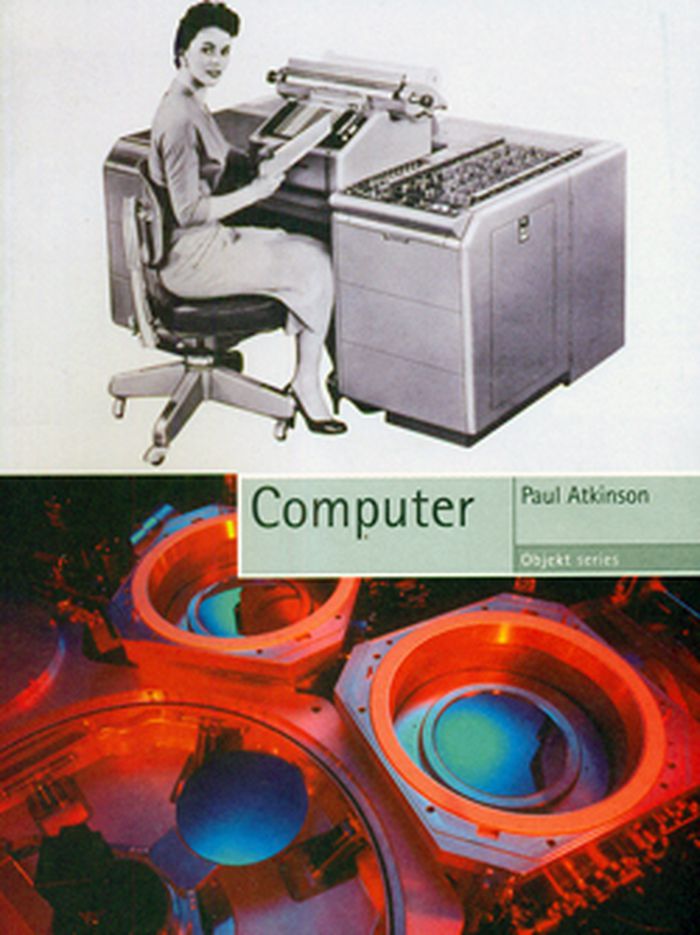
Computer covers many issues ignored by other histories of computing, which have focused on technology and the design and promotion of computers and their general reception. Here, Atkinson chronicles the changes in physical design of the computer and shows how these changes in design are related to changes in popular attitude. Atkinson is fascinated by how the computer has been represented and promoted in advertising. For example, in contrast to ads from the 1970s and ’80s, today’s PC is very PC—genderless, and largely status free. Computer also considers the role of the computer as a cultural touchstone, as evidenced by its regular appearance in popular culture, including the iconography of the space age, HAL from 2001: A Space Odyssey, James Bond’s gadgetry, and Stars War and Star Trek.
Computer
Actions:
Price:
$29.99
(available to order)
Summary:
Computer covers many issues ignored by other histories of computing, which have focused on technology and the design and promotion of computers and their general reception. Here, Atkinson chronicles the changes in physical design of the computer and shows how these changes in design are related to changes in popular attitude. Atkinson is fascinated by how the computer has been represented and promoted in advertising. For example, in contrast to ads from the 1970s and ’80s, today’s PC is very PC—genderless, and largely status free. Computer also considers the role of the computer as a cultural touchstone, as evidenced by its regular appearance in popular culture, including the iconography of the space age, HAL from 2001: A Space Odyssey, James Bond’s gadgetry, and Stars War and Star Trek.
Form:
books
books
Publication:
June 2010
June 2010
Subject:
Design Theory
Design Theory
Form:
books
books

Actions:
Price:
$54.99
(available to order)
Summary:
Inherently ephemeral and often overlooked, wallpaper had by the late twentieth century become a bit of a joke in the decorative arts. But over the past decade or so, a number of contemporary avant-garde artists have created installations with backdrops of specially designed wallpaper to explore themes such as warfare, racism, gender, and sexuality. Featured are(...)
$54.99
(available to order)
Summary:
Inherently ephemeral and often overlooked, wallpaper had by the late twentieth century become a bit of a joke in the decorative arts. But over the past decade or so, a number of contemporary avant-garde artists have created installations with backdrops of specially designed wallpaper to explore themes such as warfare, racism, gender, and sexuality. Featured are(...)
Title:
Walls are talking: wallpaper, art and culture
Actions:
Price:
$54.99
(available to order)
Summary:
Inherently ephemeral and often overlooked, wallpaper had by the late twentieth century become a bit of a joke in the decorative arts. But over the past decade or so, a number of contemporary avant-garde artists have created installations with backdrops of specially designed wallpaper to explore themes such as warfare, racism, gender, and sexuality. Featured are wallpaper designs from more than thirty internationally renowned artists, including Damien Hirst, Sonia Boyce, Thomas Demand, Robert Gober, Abigail Lane, Francesco Simeti, and Niki de St. Phalle. Published to accompany exhibitions at the Whitworth Art Gallery in Manchester and the Victoria and Albert Museum in London.
Walls are talking: wallpaper, art and culture
Actions:
Price:
$54.99
(available to order)
Summary:
Inherently ephemeral and often overlooked, wallpaper had by the late twentieth century become a bit of a joke in the decorative arts. But over the past decade or so, a number of contemporary avant-garde artists have created installations with backdrops of specially designed wallpaper to explore themes such as warfare, racism, gender, and sexuality. Featured are wallpaper designs from more than thirty internationally renowned artists, including Damien Hirst, Sonia Boyce, Thomas Demand, Robert Gober, Abigail Lane, Francesco Simeti, and Niki de St. Phalle. Published to accompany exhibitions at the Whitworth Art Gallery in Manchester and the Victoria and Albert Museum in London.
Form:
books
books
Publication:
February 2010
February 2010
Subject:
Design Theory
Design Theory
Form:
books
books
Title:
Persons and things
Persons and things
Actions:
Price:
$24.95
(available to order)
Summary:
In Persons and Things, Johnson turns deconstruction around to make a fundamental contribution to the new aesthetics. Moving effortlessly between symbolist poetry and Barbie dolls, artificial intelligence and Kleist, Kant, and Winnicott, Barbara Johnson not only clarifies psychological and social dynamics; she also re-dramatizes the work of important tropes—without ever(...)
$24.95
(available to order)
Summary:
In Persons and Things, Johnson turns deconstruction around to make a fundamental contribution to the new aesthetics. Moving effortlessly between symbolist poetry and Barbie dolls, artificial intelligence and Kleist, Kant, and Winnicott, Barbara Johnson not only clarifies psychological and social dynamics; she also re-dramatizes the work of important tropes—without ever(...)
Title:
Persons and things
Actions:
Price:
$24.95
(available to order)
Summary:
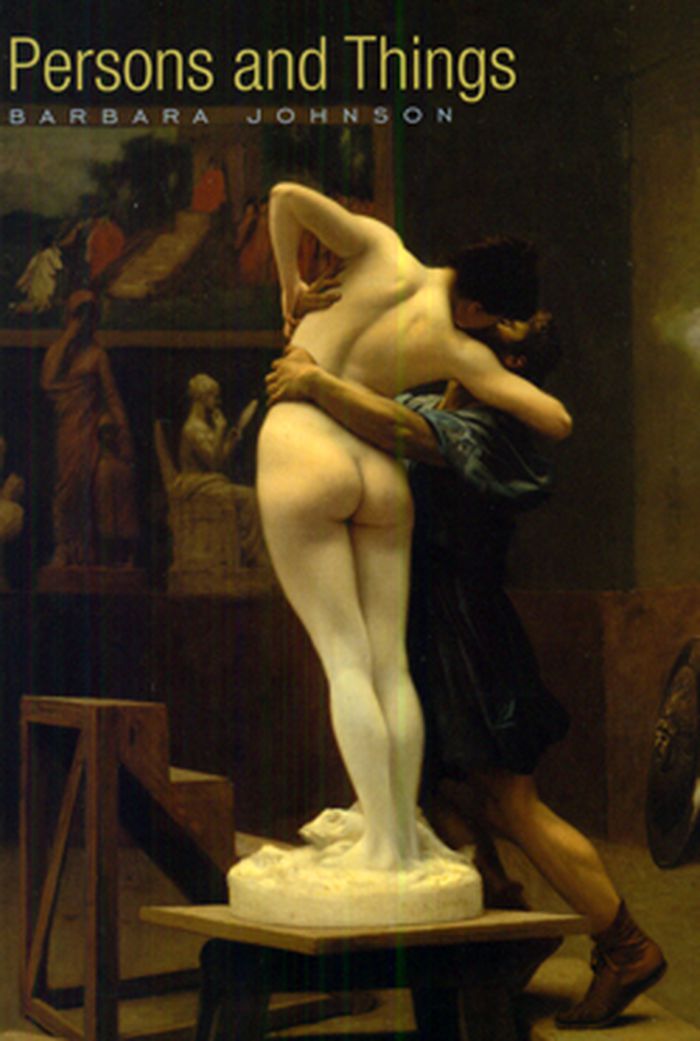
In Persons and Things, Johnson turns deconstruction around to make a fundamental contribution to the new aesthetics. Moving effortlessly between symbolist poetry and Barbie dolls, artificial intelligence and Kleist, Kant, and Winnicott, Barbara Johnson not only clarifies psychological and social dynamics; she also re-dramatizes the work of important tropes—without ever losing sight of the ethical imperative with which she begins: the need to treat persons as persons.
Persons and things
Actions:
Price:
$24.95
(available to order)
Summary:
In Persons and Things, Johnson turns deconstruction around to make a fundamental contribution to the new aesthetics. Moving effortlessly between symbolist poetry and Barbie dolls, artificial intelligence and Kleist, Kant, and Winnicott, Barbara Johnson not only clarifies psychological and social dynamics; she also re-dramatizes the work of important tropes—without ever losing sight of the ethical imperative with which she begins: the need to treat persons as persons.
Form:
books
books
Publication:
March 2010
March 2010
Subject:
Art Theory
Art Theory
Form:
books
books
Actions:
Price:
$30.00
(available to order)
Summary:
Nye looks at America's development of its electrical grid, which made large-scale power failures possible; military blackouts before and during World War II ("The silence was the big surprise of the blackout, the darkness discounted," wrote Harold Ross in The New Yorker in 1942); New York City's contrasting 1965 and 1977 blackout experiences (the first characterized by(...)
$30.00
(available to order)
Summary:
Nye looks at America's development of its electrical grid, which made large-scale power failures possible; military blackouts before and during World War II ("The silence was the big surprise of the blackout, the darkness discounted," wrote Harold Ross in The New Yorker in 1942); New York City's contrasting 1965 and 1977 blackout experiences (the first characterized by(...)
Title:
When the lights went out, a history of blackouts in America
Actions:
Price:
$30.00
(available to order)
Summary:
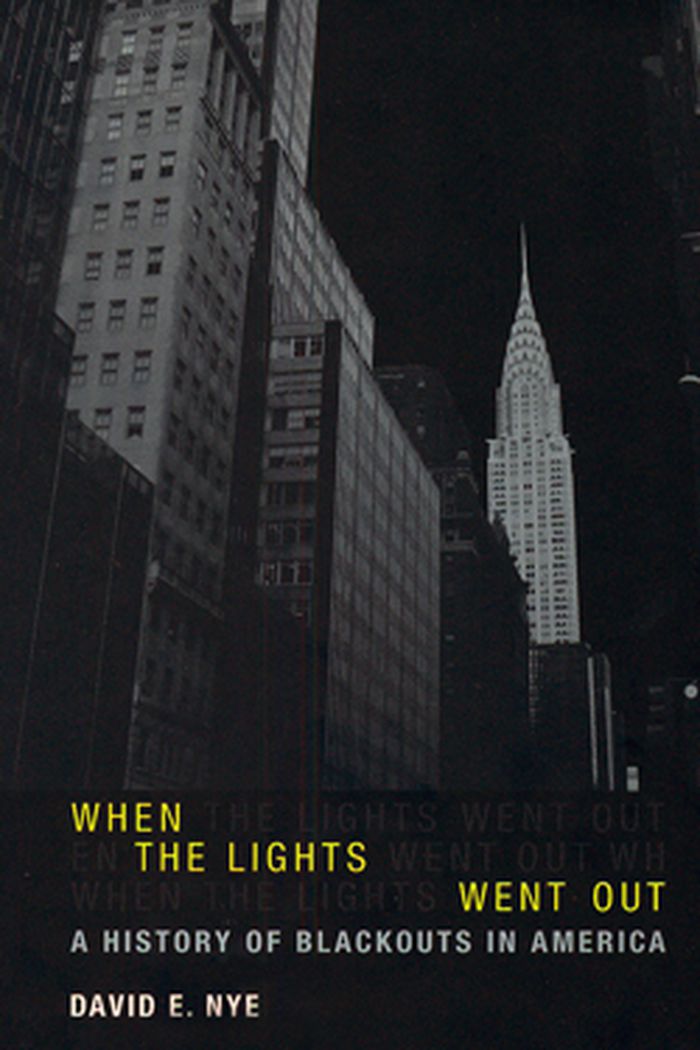
Nye looks at America's development of its electrical grid, which made large-scale power failures possible; military blackouts before and during World War II ("The silence was the big surprise of the blackout, the darkness discounted," wrote Harold Ross in The New Yorker in 1942); New York City's contrasting 1965 and 1977 blackout experiences (the first characterized by cooperation, the second by looting and disorder); the growth in consumer demand that led to rolling blackouts made worse by energy traders' market manipulations; blackouts caused by terrorist attacks and sabotage; and, finally, the "greenout" (exemplified by the new tradition of "Earth Hour"), a voluntary reduction organized by environmental organizations. Blackouts, writes Nye, are breaks in the flow of social time that reveal much about the trajectory of American history. Each time one occurs, Americans confront their essential condition—not as isolated individuals, but as a community that increasingly binds itself together with electrical wires and signals.
When the lights went out, a history of blackouts in America
Actions:
Price:
$30.00
(available to order)
Summary:
Nye looks at America's development of its electrical grid, which made large-scale power failures possible; military blackouts before and during World War II ("The silence was the big surprise of the blackout, the darkness discounted," wrote Harold Ross in The New Yorker in 1942); New York City's contrasting 1965 and 1977 blackout experiences (the first characterized by cooperation, the second by looting and disorder); the growth in consumer demand that led to rolling blackouts made worse by energy traders' market manipulations; blackouts caused by terrorist attacks and sabotage; and, finally, the "greenout" (exemplified by the new tradition of "Earth Hour"), a voluntary reduction organized by environmental organizations. Blackouts, writes Nye, are breaks in the flow of social time that reveal much about the trajectory of American history. Each time one occurs, Americans confront their essential condition—not as isolated individuals, but as a community that increasingly binds itself together with electrical wires and signals.
Form:
books
books
Publication:
March 2010
March 2010
Subject:
Urban Theory
Urban Theory
Form:
books
books
Title:
Perpetual inventory
Perpetual inventory
Actions:
Price:
$32.95
(available to order)
Summary:
The job of an art critic is to take perpetual inventory, constantly revising her ideas about the direction of contemporary art and the significance of the work she writes about. In these essays, which span three decades of assessment and reassessment, Rosalind Krauss considers what she has come to call the "post-medium condition"—the abandonment by contemporary art of the(...)
$32.95
(available to order)
Summary:
The job of an art critic is to take perpetual inventory, constantly revising her ideas about the direction of contemporary art and the significance of the work she writes about. In these essays, which span three decades of assessment and reassessment, Rosalind Krauss considers what she has come to call the "post-medium condition"—the abandonment by contemporary art of the(...)
Title:
Perpetual inventory
Actions:
Price:
$32.95
(available to order)
Summary:
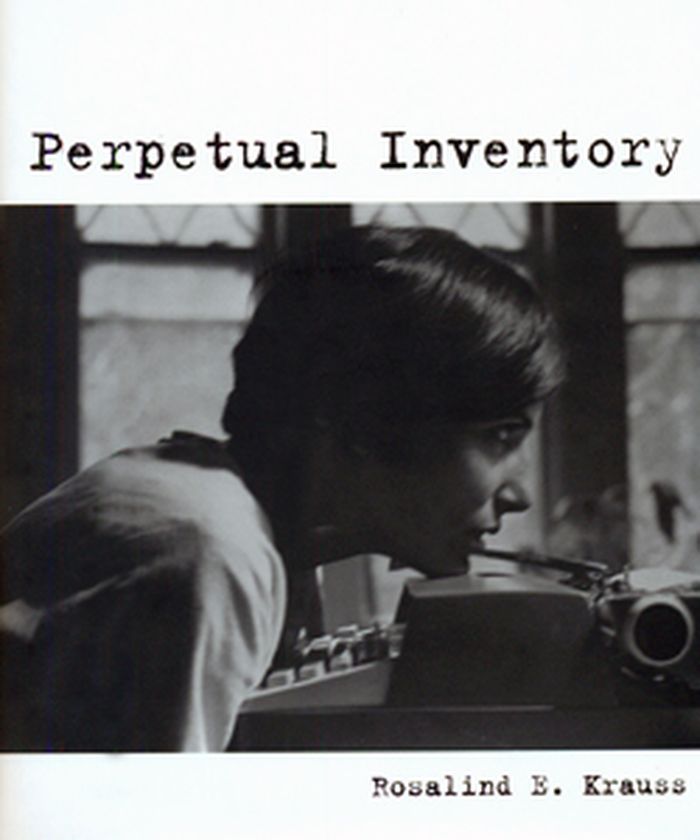
The job of an art critic is to take perpetual inventory, constantly revising her ideas about the direction of contemporary art and the significance of the work she writes about. In these essays, which span three decades of assessment and reassessment, Rosalind Krauss considers what she has come to call the "post-medium condition"—the abandonment by contemporary art of the modernist emphasis on the medium as the source of artistic significance. Jean-François Lyotard argued that the postmodern condition is characterized by the end of a "master narrative," and Krauss sees in the post-medium condition of contemporary art a similar farewell to coherence. The master narrative of contemporary art ended when conceptual art and other contemporary practices jettisoned the specific medium in order to juxtapose image and written text in the same work. For Krauss, this spells the end of serious art, and she devotes much of Perpetual Inventory to "wrest[ling] new media to the mat of specificity."
Perpetual inventory
Actions:
Price:
$32.95
(available to order)
Summary:
The job of an art critic is to take perpetual inventory, constantly revising her ideas about the direction of contemporary art and the significance of the work she writes about. In these essays, which span three decades of assessment and reassessment, Rosalind Krauss considers what she has come to call the "post-medium condition"—the abandonment by contemporary art of the modernist emphasis on the medium as the source of artistic significance. Jean-François Lyotard argued that the postmodern condition is characterized by the end of a "master narrative," and Krauss sees in the post-medium condition of contemporary art a similar farewell to coherence. The master narrative of contemporary art ended when conceptual art and other contemporary practices jettisoned the specific medium in order to juxtapose image and written text in the same work. For Krauss, this spells the end of serious art, and she devotes much of Perpetual Inventory to "wrest[ling] new media to the mat of specificity."
Form:
books
books
Publication:
March 2010
March 2010
Subject:
Art Theory
Art Theory
Form:
books
books
Actions:
Price:
$27.95
(available to order)
Summary:
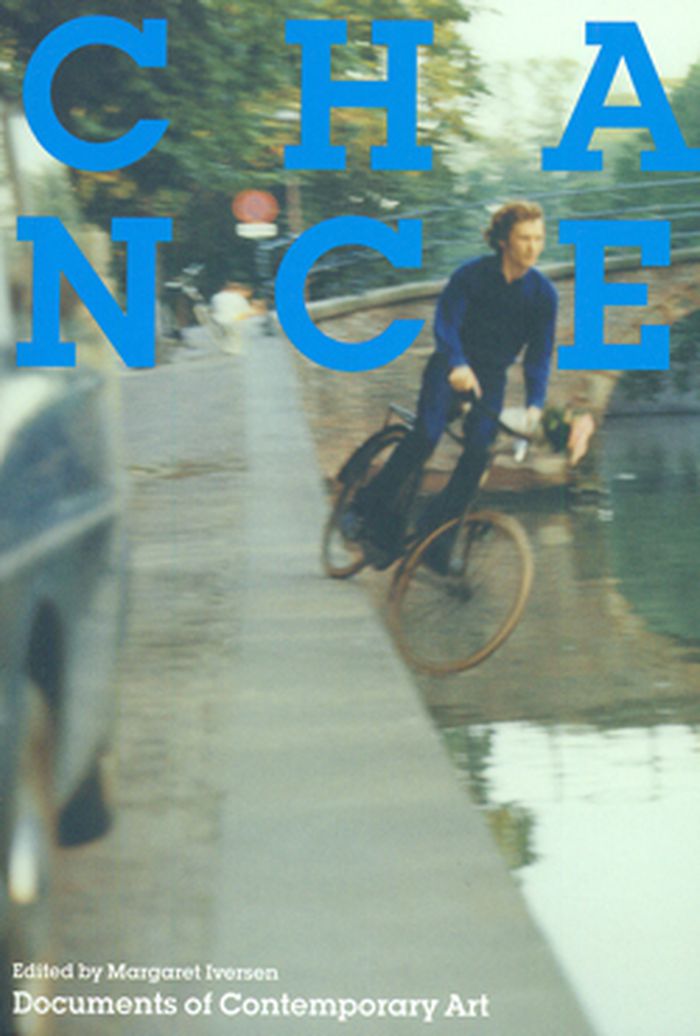
The writings in this anthology examine the gap between intention and outcome, showing it to be crucial to the meaning of chance in art. The book provides a new critical context for chance procedures in art since 1900 and aims to answer such questions as why artists deliberately set up such a gap in their practice; what new possibilities this suggests; and why the viewer(...)
$27.95
(available to order)
Summary:
The writings in this anthology examine the gap between intention and outcome, showing it to be crucial to the meaning of chance in art. The book provides a new critical context for chance procedures in art since 1900 and aims to answer such questions as why artists deliberately set up such a gap in their practice; what new possibilities this suggests; and why the viewer(...)
Title:
Chance: Documents of contemporary art
Actions:
Price:
$27.95
(available to order)
Summary:
The writings in this anthology examine the gap between intention and outcome, showing it to be crucial to the meaning of chance in art. The book provides a new critical context for chance procedures in art since 1900 and aims to answer such questions as why artists deliberately set up such a gap in their practice; what new possibilities this suggests; and why the viewer finds the art so engaging.
Chance: Documents of contemporary art
Actions:
Price:
$27.95
(available to order)
Summary:
The writings in this anthology examine the gap between intention and outcome, showing it to be crucial to the meaning of chance in art. The book provides a new critical context for chance procedures in art since 1900 and aims to answer such questions as why artists deliberately set up such a gap in their practice; what new possibilities this suggests; and why the viewer finds the art so engaging.
Form:
books
books
Publication:
March 2010
March 2010
Subject:
Art Theory
Art Theory


