


10592 Results
Form:
books
books
Actions:
Price:
$62.50
(available to order)
Summary:
This original collection examines how architectural ideas, social models and building forms circulate round the world and become mediated and adapted to local conditions. The book shows how types such as skyscrapers, mosques or living history museums are imported, adapted and contested in different societies and how urban landscapes are reshaped by the global circulation(...)
$62.50
(available to order)
Summary:
This original collection examines how architectural ideas, social models and building forms circulate round the world and become mediated and adapted to local conditions. The book shows how types such as skyscrapers, mosques or living history museums are imported, adapted and contested in different societies and how urban landscapes are reshaped by the global circulation(...)
Title:
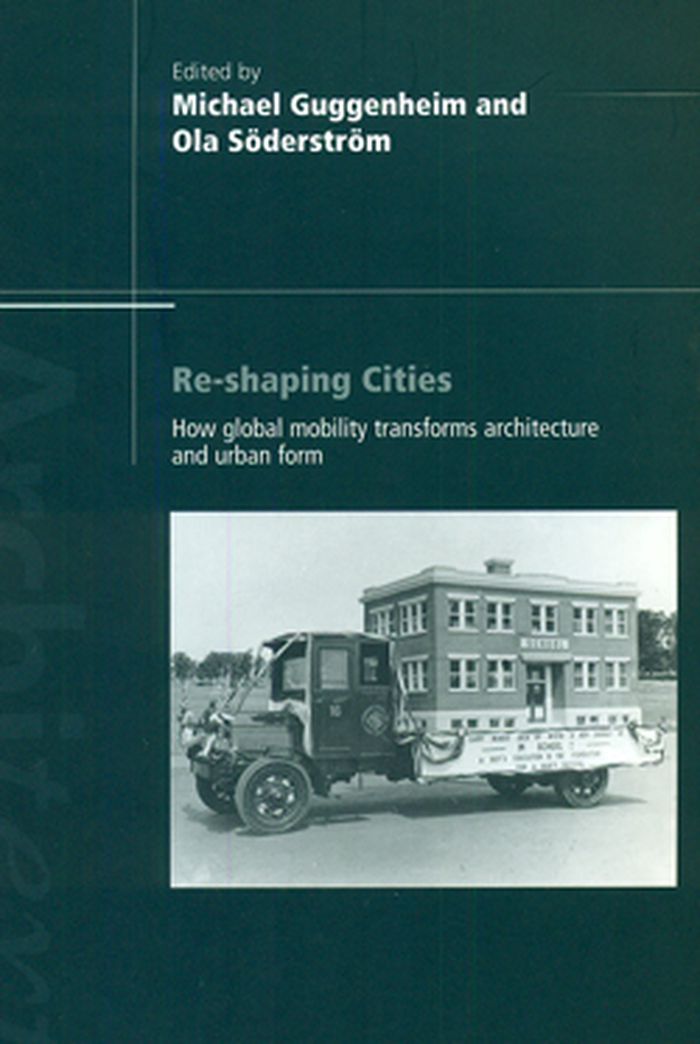
Re-shaping cities: how global mobility transforms architecture and urban form
Actions:
Price:
$62.50
(available to order)
Summary:
This original collection examines how architectural ideas, social models and building forms circulate round the world and become mediated and adapted to local conditions. The book shows how types such as skyscrapers, mosques or living history museums are imported, adapted and contested in different societies and how urban landscapes are reshaped by the global circulation of models drawn from elsewhere. Written by scholars from different disciplinary backgrounds –architecture, anthropology, geography, linguistics, science studies and sociology – the book draws its inspiration from a series of different approaches and offers both original theoretical reflection and carefully crafted case-studies.
Re-shaping cities: how global mobility transforms architecture and urban form
Actions:
Price:
$62.50
(available to order)
Summary:
This original collection examines how architectural ideas, social models and building forms circulate round the world and become mediated and adapted to local conditions. The book shows how types such as skyscrapers, mosques or living history museums are imported, adapted and contested in different societies and how urban landscapes are reshaped by the global circulation of models drawn from elsewhere. Written by scholars from different disciplinary backgrounds –architecture, anthropology, geography, linguistics, science studies and sociology – the book draws its inspiration from a series of different approaches and offers both original theoretical reflection and carefully crafted case-studies.
Form:
books
books
Publication:
December 2009
December 2009
Subject:
Urban Theory
Urban Theory
Form:
books
books
Actions:
Price:
$62.50
(available to order)
Summary:
While the potential of agency is most frequently taken to be the power and freedom to act for oneself, for the architectural community this also involves the power and responsibility to act as intermediaries on behalf of others. Presenting current thinking from practitioners and scholars from around the world, this book asks for a more active relationship between the(...)
$62.50
(available to order)
Summary:
While the potential of agency is most frequently taken to be the power and freedom to act for oneself, for the architectural community this also involves the power and responsibility to act as intermediaries on behalf of others. Presenting current thinking from practitioners and scholars from around the world, this book asks for a more active relationship between the(...)
Subject:
Architectural Theory
Architectural Theory
Publication:
January 2010
January 2010
Title:
Agency: working with uncertain architecture
Actions:
Price:
$62.50
(available to order)
Summary:
While the potential of agency is most frequently taken to be the power and freedom to act for oneself, for the architectural community this also involves the power and responsibility to act as intermediaries on behalf of others. Presenting current thinking from practitioners and scholars from around the world, this book asks for a more active relationship between the humanities, the architectural profession, and society. Considering issues of architectural research as an agency of transformation, this book explores how humanities research can better contribute towards understanding current architectural needs.
Agency: working with uncertain architecture
Actions:
Price:
$62.50
(available to order)
Summary:
While the potential of agency is most frequently taken to be the power and freedom to act for oneself, for the architectural community this also involves the power and responsibility to act as intermediaries on behalf of others. Presenting current thinking from practitioners and scholars from around the world, this book asks for a more active relationship between the humanities, the architectural profession, and society. Considering issues of architectural research as an agency of transformation, this book explores how humanities research can better contribute towards understanding current architectural needs.
Form:
books
books
Publication:
January 2010
January 2010
Subject:
Architectural Theory
Architectural Theory
Form:
books
books
Actions:
Price:
$62.50
(available to order)
Summary:
Formerly grounded in values of craftsmanship, in the skilled making of products, ‘quality’ is now associated with the management of administrative or technical processes. Its appreciation, once based in the exercise of individual judgement and taste, is now often founded on supposedly objective systems of evaluation. Practitioners of design are under pressure to(...)
$62.50
(available to order)
Summary:
Formerly grounded in values of craftsmanship, in the skilled making of products, ‘quality’ is now associated with the management of administrative or technical processes. Its appreciation, once based in the exercise of individual judgement and taste, is now often founded on supposedly objective systems of evaluation. Practitioners of design are under pressure to(...)
Subject:
Architectural Theory
Architectural Theory
Publication:
January 2010
January 2010
Title:
Quality out of control: standards for measuring architecture
Actions:
Price:
$62.50
(available to order)
Summary:
Formerly grounded in values of craftsmanship, in the skilled making of products, ‘quality’ is now associated with the management of administrative or technical processes. Its appreciation, once based in the exercise of individual judgement and taste, is now often founded on supposedly objective systems of evaluation. Practitioners of design are under pressure to quantify ‘quality’, but it is questionable whether it is possible or even desirable to do so. This book considers this important issue, looking at how quality is defined,appreciated, evaluated, managed, and produced. With contributions from eminent architects and architectural critics, this book is for architects, academics, students and anyone interested in what architectural quality is, and how it may be achieved.
Quality out of control: standards for measuring architecture
Actions:
Price:
$62.50
(available to order)
Summary:
Formerly grounded in values of craftsmanship, in the skilled making of products, ‘quality’ is now associated with the management of administrative or technical processes. Its appreciation, once based in the exercise of individual judgement and taste, is now often founded on supposedly objective systems of evaluation. Practitioners of design are under pressure to quantify ‘quality’, but it is questionable whether it is possible or even desirable to do so. This book considers this important issue, looking at how quality is defined,appreciated, evaluated, managed, and produced. With contributions from eminent architects and architectural critics, this book is for architects, academics, students and anyone interested in what architectural quality is, and how it may be achieved.
Form:
books
books
Publication:
January 2010
January 2010
Subject:
Architectural Theory
Architectural Theory
Form:
books
books
Actions:
Price:
$64.50
(available to order)
Summary:
Bringing to light the debt twentieth-century modernist architects owe to the vernacular building traditions of the Mediterranean region, this book considers architectural practice and discourse from the 1920s to the 1980s. The essays here situate Mediterranean modernism in relation to concepts such as regionalism, nationalism, internationalism, critical regionalism, and(...)
$64.50
(available to order)
Summary:
Bringing to light the debt twentieth-century modernist architects owe to the vernacular building traditions of the Mediterranean region, this book considers architectural practice and discourse from the 1920s to the 1980s. The essays here situate Mediterranean modernism in relation to concepts such as regionalism, nationalism, internationalism, critical regionalism, and(...)
Subject:
Architectural Theory
Architectural Theory
Publication:
January 2010
January 2010
Title:
Modern architecture and the Mediterranean: vernacular dialogues and contested identities
Actions:
Price:
$64.50
(available to order)
Summary:
Bringing to light the debt twentieth-century modernist architects owe to the vernacular building traditions of the Mediterranean region, this book considers architectural practice and discourse from the 1920s to the 1980s. The essays here situate Mediterranean modernism in relation to concepts such as regionalism, nationalism, internationalism, critical regionalism, and postmodernism - an alternative history of the modern architecture and urbanism of a critical period in the twentieth century.
Modern architecture and the Mediterranean: vernacular dialogues and contested identities
Actions:
Price:
$64.50
(available to order)
Summary:
Bringing to light the debt twentieth-century modernist architects owe to the vernacular building traditions of the Mediterranean region, this book considers architectural practice and discourse from the 1920s to the 1980s. The essays here situate Mediterranean modernism in relation to concepts such as regionalism, nationalism, internationalism, critical regionalism, and postmodernism - an alternative history of the modern architecture and urbanism of a critical period in the twentieth century.
Form:
books
books
Publication:
January 2010
January 2010
Subject:
Architectural Theory
Architectural Theory
Form:
books
books
Actions:
Price:
$45.00
(available to order)
Summary:
Speaking of Art presents 43 artists, composers and curators who have changed the course of recent art history. Collected from the archives of Audio Arts, a one-of-a-kind audiocassette magazine begun in 1973, Speaking of Art provides invaluable insight into the most creative minds of modern and contemporary art, from Marcel Duchamp, John Cage, Joseph Beuys, Jeff Wall,(...)
$45.00
(available to order)
Summary:
Speaking of Art presents 43 artists, composers and curators who have changed the course of recent art history. Collected from the archives of Audio Arts, a one-of-a-kind audiocassette magazine begun in 1973, Speaking of Art provides invaluable insight into the most creative minds of modern and contemporary art, from Marcel Duchamp, John Cage, Joseph Beuys, Jeff Wall,(...)
Title:
Speaking of art: four decades of art in conversation
Actions:
Price:
$45.00
(available to order)
Summary:
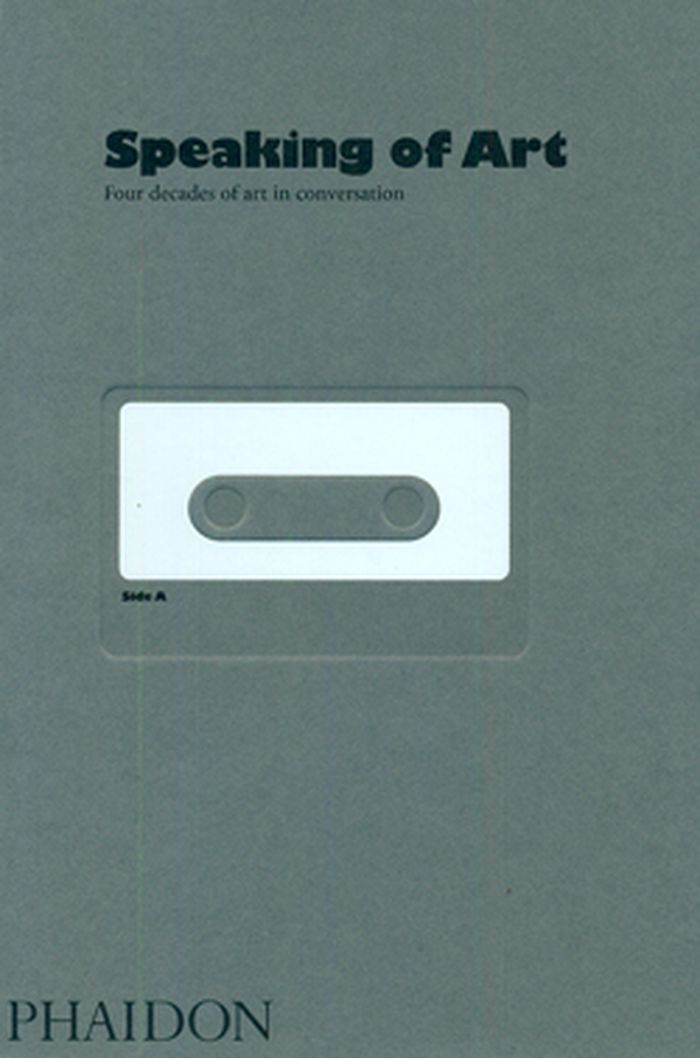
Speaking of Art presents 43 artists, composers and curators who have changed the course of recent art history. Collected from the archives of Audio Arts, a one-of-a-kind audiocassette magazine begun in 1973, Speaking of Art provides invaluable insight into the most creative minds of modern and contemporary art, from Marcel Duchamp, John Cage, Joseph Beuys, Jeff Wall, Damien Hirst and Tacita Dean. Dennis Oppenheim, Tadeusz Kantor, Philip Glass, Richard Long, Frank Stella, Joseph Beuys, Mona Hatoum, Roy Lichtenstein, Ilya Kabakov, Jeff Koons, Anish Kapoor, Rachel Whiteread, Mike Kelley, Richard Serra, Marina Abramovic, Bill Viola, Tacita Dean, Ed Ruscha, Wolfgang Tillmans, Damien Hirst, Jeff Wall, Gilbert & George, Thomas Demand, Hans Ulrich Obrist, John Baldessari, Shirin Neshat and many more.
Speaking of art: four decades of art in conversation
Actions:
Price:
$45.00
(available to order)
Summary:
Speaking of Art presents 43 artists, composers and curators who have changed the course of recent art history. Collected from the archives of Audio Arts, a one-of-a-kind audiocassette magazine begun in 1973, Speaking of Art provides invaluable insight into the most creative minds of modern and contemporary art, from Marcel Duchamp, John Cage, Joseph Beuys, Jeff Wall, Damien Hirst and Tacita Dean. Dennis Oppenheim, Tadeusz Kantor, Philip Glass, Richard Long, Frank Stella, Joseph Beuys, Mona Hatoum, Roy Lichtenstein, Ilya Kabakov, Jeff Koons, Anish Kapoor, Rachel Whiteread, Mike Kelley, Richard Serra, Marina Abramovic, Bill Viola, Tacita Dean, Ed Ruscha, Wolfgang Tillmans, Damien Hirst, Jeff Wall, Gilbert & George, Thomas Demand, Hans Ulrich Obrist, John Baldessari, Shirin Neshat and many more.
Form:
books
books
Publication:
March 2010
March 2010
Subject:
Art Theory
Art Theory
Form:
books
books
Actions:
Price:
$49.95
(available to order)
Summary:
This book is a follow-up to Hertzberger's Lessons for Students in Architecture published in 1991. Similar in approach to the earlier book, it aims to trace some of the sources for, and examples of, the author's architectural projects of the last 10 years.
$49.95
(available to order)
Summary:
This book is a follow-up to Hertzberger's Lessons for Students in Architecture published in 1991. Similar in approach to the earlier book, it aims to trace some of the sources for, and examples of, the author's architectural projects of the last 10 years.
Title:
Space and the architect, lessons in architecture 2
Actions:
Price:
$49.95
(available to order)
Summary:
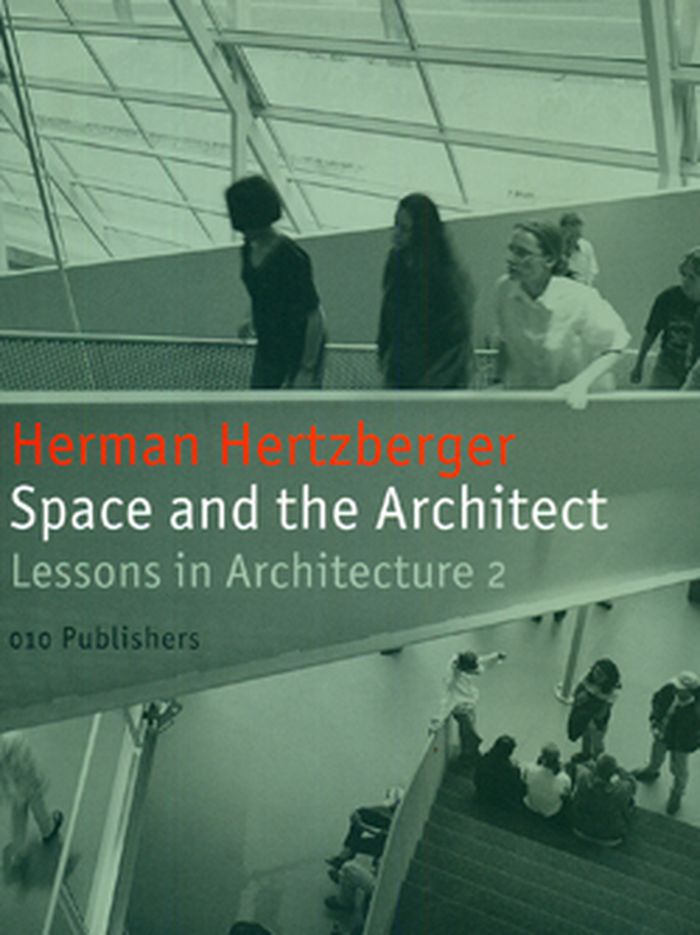
This book is a follow-up to Hertzberger's Lessons for Students in Architecture published in 1991. Similar in approach to the earlier book, it aims to trace some of the sources for, and examples of, the author's architectural projects of the last 10 years.
Space and the architect, lessons in architecture 2
Actions:
Price:
$49.95
(available to order)
Summary:
This book is a follow-up to Hertzberger's Lessons for Students in Architecture published in 1991. Similar in approach to the earlier book, it aims to trace some of the sources for, and examples of, the author's architectural projects of the last 10 years.
Form:
books
books
Publication:
February 2010
February 2010
Subject:
Architectural Theory
Architectural Theory
Form:
books
books
Title:
Objectivity
Objectivity
Actions:
Price:
$42.00
(available to order)
Summary:
Objectivity has a history, and it is full of surprises. In Objectivity, Lorraine Daston and Peter Galison chart the emergence of objectivity in the mid-nineteenth-century sciences—and show how the concept differs from its alternatives, truth-to-nature and trained judgment. This is a story of lofty epistemic ideals fused with workaday practices in the making of scientific(...)
$42.00
(available to order)
Summary:
Objectivity has a history, and it is full of surprises. In Objectivity, Lorraine Daston and Peter Galison chart the emergence of objectivity in the mid-nineteenth-century sciences—and show how the concept differs from its alternatives, truth-to-nature and trained judgment. This is a story of lofty epistemic ideals fused with workaday practices in the making of scientific(...)
Title:
Objectivity
Actions:
Price:
$42.00
(available to order)
Summary:
Objectivity has a history, and it is full of surprises. In Objectivity, Lorraine Daston and Peter Galison chart the emergence of objectivity in the mid-nineteenth-century sciences—and show how the concept differs from its alternatives, truth-to-nature and trained judgment. This is a story of lofty epistemic ideals fused with workaday practices in the making of scientific images. From the eighteenth through the early twenty-first centuries, the images that reveal the deepest commitments of the empirical sciences—from anatomy to crystallography—are those featured in scientific atlases, the compendia that teach practitioners what is worth looking at and how to look at it. Galison and Daston use atlas images to uncover a hidden history of scientific objectivity and its rivals. Whether an atlas maker idealizes an image to capture the essentials in the name of truth-to-nature or refuses to erase even the most incidental detail in the name of objectivity or highlights patterns in the name of trained judgment is a decision enforced by an ethos as well as by an epistemology.
Objectivity
Actions:
Price:
$42.00
(available to order)
Summary:
Objectivity has a history, and it is full of surprises. In Objectivity, Lorraine Daston and Peter Galison chart the emergence of objectivity in the mid-nineteenth-century sciences—and show how the concept differs from its alternatives, truth-to-nature and trained judgment. This is a story of lofty epistemic ideals fused with workaday practices in the making of scientific images. From the eighteenth through the early twenty-first centuries, the images that reveal the deepest commitments of the empirical sciences—from anatomy to crystallography—are those featured in scientific atlases, the compendia that teach practitioners what is worth looking at and how to look at it. Galison and Daston use atlas images to uncover a hidden history of scientific objectivity and its rivals. Whether an atlas maker idealizes an image to capture the essentials in the name of truth-to-nature or refuses to erase even the most incidental detail in the name of objectivity or highlights patterns in the name of trained judgment is a decision enforced by an ethos as well as by an epistemology.
Form:
books
books
Publication:
January 2007
January 2007
Subject:
Architectural Theory
Architectural Theory
Form:
books
books
Actions:
Price:
$16.95
(available to order)
Summary:
En urbanisme, la sécurité est traditionnellement associée au modèle de la clôture, de la ville-forteresse. Mais un autre modèle est en train de naître, qui ne vise plus tant à interdire la pénétration des lieux qu'à réguler les flux par leur séparation de façon à éliminer les risques de friction sociale et humaine. Conçue à partir des stades et des aéroports, cette(...)
$16.95
(available to order)
Summary:
En urbanisme, la sécurité est traditionnellement associée au modèle de la clôture, de la ville-forteresse. Mais un autre modèle est en train de naître, qui ne vise plus tant à interdire la pénétration des lieux qu'à réguler les flux par leur séparation de façon à éliminer les risques de friction sociale et humaine. Conçue à partir des stades et des aéroports, cette(...)
Title:
L'architecture la ville et la sécurité
Actions:
Price:
$16.95
(available to order)
Summary:
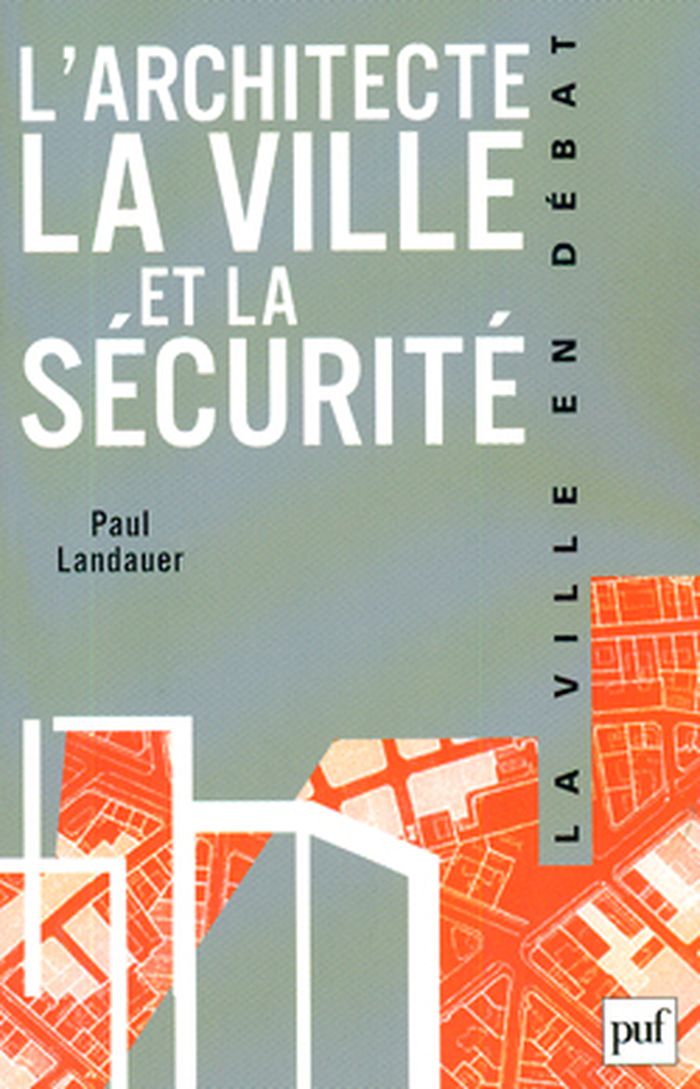
En urbanisme, la sécurité est traditionnellement associée au modèle de la clôture, de la ville-forteresse. Mais un autre modèle est en train de naître, qui ne vise plus tant à interdire la pénétration des lieux qu'à réguler les flux par leur séparation de façon à éliminer les risques de friction sociale et humaine. Conçue à partir des stades et des aéroports, cette formule envahit la ville et y réduit les lieux propices à l'immobilité, ceux-là même qui rendent possible cette fonction urbaine par excellence qu'est la rencontre. Comment peut-on préserver les valeurs d'urbanité dans des espaces conçus pour éviter les croisements ? Tel est le défi que doivent relever les architectes et les urbanistes de la ville contemporaine.
L'architecture la ville et la sécurité
Actions:
Price:
$16.95
(available to order)
Summary:
En urbanisme, la sécurité est traditionnellement associée au modèle de la clôture, de la ville-forteresse. Mais un autre modèle est en train de naître, qui ne vise plus tant à interdire la pénétration des lieux qu'à réguler les flux par leur séparation de façon à éliminer les risques de friction sociale et humaine. Conçue à partir des stades et des aéroports, cette formule envahit la ville et y réduit les lieux propices à l'immobilité, ceux-là même qui rendent possible cette fonction urbaine par excellence qu'est la rencontre. Comment peut-on préserver les valeurs d'urbanité dans des espaces conçus pour éviter les croisements ? Tel est le défi que doivent relever les architectes et les urbanistes de la ville contemporaine.
Form:
books
books
Publication:
November 2009, Paris
November 2009, Paris
Subject:
Urban Theory
Urban Theory
Form:
books
books
Actions:
Price:
$16.95
(available to order)
Summary:
Les maires des grandes villes affirment tous que leur préoccupation première est de développer l'attractivité de leur cité. Comment ? En faisant de celle-ci un lieu propice à la créativité, en y combinant les ressources du talent, de la tolérance et de la technologie : c'est la recette proposée par le géographe et économiste Richard Florida pour réunir sous l'enseigne de(...)
$16.95
(available to order)
Summary:
Les maires des grandes villes affirment tous que leur préoccupation première est de développer l'attractivité de leur cité. Comment ? En faisant de celle-ci un lieu propice à la créativité, en y combinant les ressources du talent, de la tolérance et de la technologie : c'est la recette proposée par le géographe et économiste Richard Florida pour réunir sous l'enseigne de(...)
Title:
Qu'est-ce que la ville créative?
Actions:
Price:
$16.95
(available to order)
Summary:
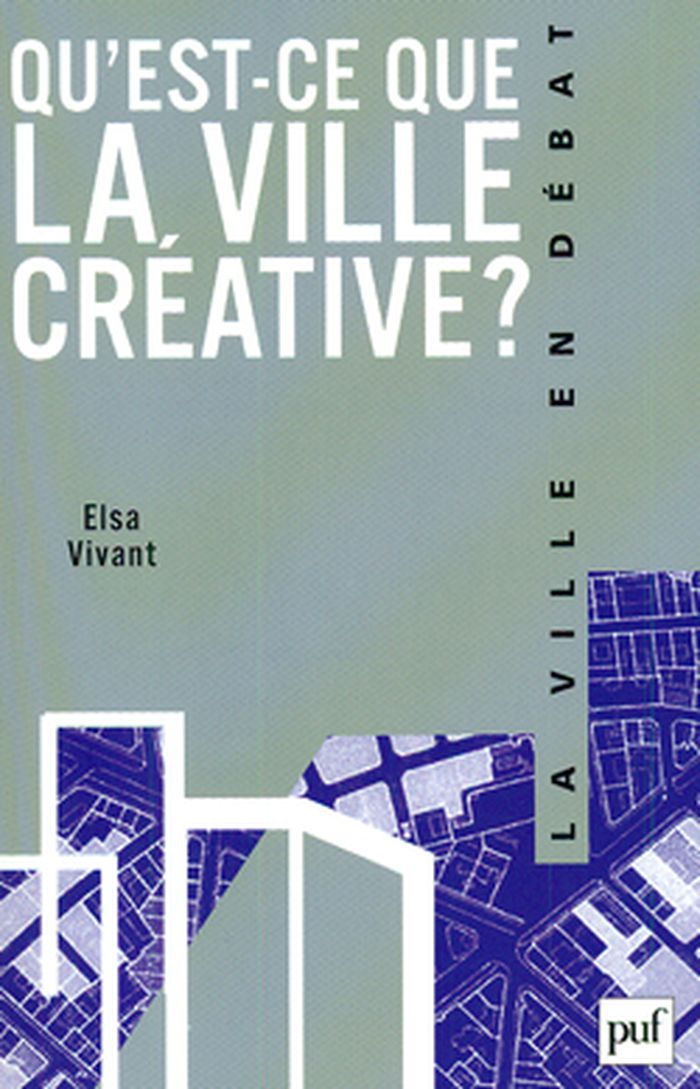
Les maires des grandes villes affirment tous que leur préoccupation première est de développer l'attractivité de leur cité. Comment ? En faisant de celle-ci un lieu propice à la créativité, en y combinant les ressources du talent, de la tolérance et de la technologie : c'est la recette proposée par le géographe et économiste Richard Florida pour réunir sous l'enseigne de " classe créative " artistes, intellectuels et prestataires de services aux grandes firmes. Un tel assemblage va-t-il de soi ? Il mêle hâtivement deux phénomènes distincts : d'une part, le processus de " gentrification " urbaine par lequel les " créateurs " - artistes et professions culturelles et intellectuelles - réinvestissent la ville, lieu d'opportunités et de rencontres ; d'autre part, un traitement volontariste et foncier du paysage urbain destiné à attirer les " créatifs " de la publicité et des banques. Mais peut-on attirer les " créatifs " sans faire fuir les " créateurs " ?
Qu'est-ce que la ville créative?
Actions:
Price:
$16.95
(available to order)
Summary:
Les maires des grandes villes affirment tous que leur préoccupation première est de développer l'attractivité de leur cité. Comment ? En faisant de celle-ci un lieu propice à la créativité, en y combinant les ressources du talent, de la tolérance et de la technologie : c'est la recette proposée par le géographe et économiste Richard Florida pour réunir sous l'enseigne de " classe créative " artistes, intellectuels et prestataires de services aux grandes firmes. Un tel assemblage va-t-il de soi ? Il mêle hâtivement deux phénomènes distincts : d'une part, le processus de " gentrification " urbaine par lequel les " créateurs " - artistes et professions culturelles et intellectuelles - réinvestissent la ville, lieu d'opportunités et de rencontres ; d'autre part, un traitement volontariste et foncier du paysage urbain destiné à attirer les " créatifs " de la publicité et des banques. Mais peut-on attirer les " créatifs " sans faire fuir les " créateurs " ?
Form:
books
books
Publication:
November 2009, Paris
November 2009, Paris
Subject:
Urban Theory
Urban Theory
Form:
books
books
Actions:
Price:
$54.95
(available to order)
Summary:
C’est par l’analyse de la société que l’on peut comprendre la ville. Les grandes régions urbaines contemporaines – les métapoles – matérialisent les caractéristiques de la société hypertexte. Elles en sont comme l’avant-garde. Aussi, un nouveau capitalisme cognitif et écologique apparaît où l’individu-roi peut «?naviguer?» entre les situations, les connaissances, les(...)
$54.95
(available to order)
Summary:
C’est par l’analyse de la société que l’on peut comprendre la ville. Les grandes régions urbaines contemporaines – les métapoles – matérialisent les caractéristiques de la société hypertexte. Elles en sont comme l’avant-garde. Aussi, un nouveau capitalisme cognitif et écologique apparaît où l’individu-roi peut «?naviguer?» entre les situations, les connaissances, les(...)
Title:
L'âge des métapoles- grand prix de l'urbanisme 2009
Actions:
Price:
$54.95
(available to order)
Summary:
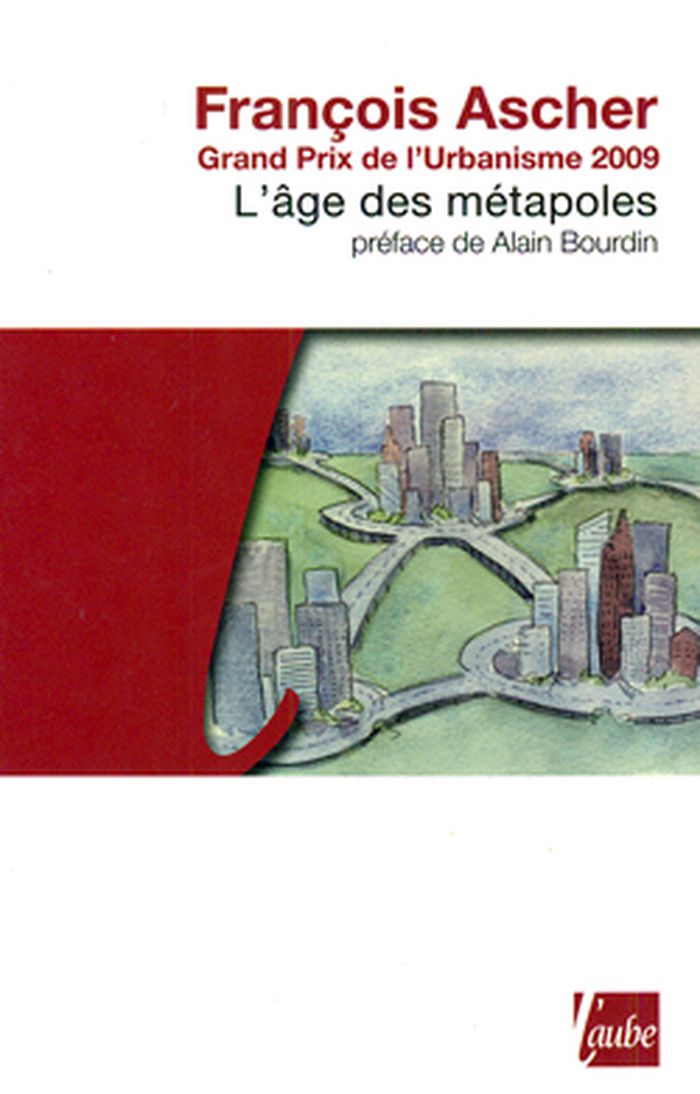
C’est par l’analyse de la société que l’on peut comprendre la ville. Les grandes régions urbaines contemporaines – les métapoles – matérialisent les caractéristiques de la société hypertexte. Elles en sont comme l’avant-garde. Aussi, un nouveau capitalisme cognitif et écologique apparaît où l’individu-roi peut «?naviguer?» entre les situations, les connaissances, les croyances, les milieux sociaux… accroissant les différenciations sociales. Comment ces processus façonnent-ils la société, et donc la ville ? François Ascher ne répond pas à cette question en utilisant les approches classiques. Au contraire, les siennes partent de différents points de vue – la politique, l’alimentation, la vie quotidienne… en laissant sa place à l’imprévu, qui est l’une des caractéristiques de notre modernité. Il faut aussi associer la connaissance et l’action, le débat scientifique et le débat politique. C’est à cette démarche que nous invite François Ascher dans ce livre, présenté et conçu par Alain Bourdin, qui alterne des genres différents : articles scientifiques, exposés pédagogiques, conférences dans le monde professionnel de l’urbain, interventions dans le débat public et politique. Un livre à l’image des propositions hypertextes de son auteur.
L'âge des métapoles- grand prix de l'urbanisme 2009
Actions:
Price:
$54.95
(available to order)
Summary:
C’est par l’analyse de la société que l’on peut comprendre la ville. Les grandes régions urbaines contemporaines – les métapoles – matérialisent les caractéristiques de la société hypertexte. Elles en sont comme l’avant-garde. Aussi, un nouveau capitalisme cognitif et écologique apparaît où l’individu-roi peut «?naviguer?» entre les situations, les connaissances, les croyances, les milieux sociaux… accroissant les différenciations sociales. Comment ces processus façonnent-ils la société, et donc la ville ? François Ascher ne répond pas à cette question en utilisant les approches classiques. Au contraire, les siennes partent de différents points de vue – la politique, l’alimentation, la vie quotidienne… en laissant sa place à l’imprévu, qui est l’une des caractéristiques de notre modernité. Il faut aussi associer la connaissance et l’action, le débat scientifique et le débat politique. C’est à cette démarche que nous invite François Ascher dans ce livre, présenté et conçu par Alain Bourdin, qui alterne des genres différents : articles scientifiques, exposés pédagogiques, conférences dans le monde professionnel de l’urbain, interventions dans le débat public et politique. Un livre à l’image des propositions hypertextes de son auteur.
Form:
books
books
Publication:
December 2009
December 2009
Subject:
Urban Theory
Urban Theory


