


10713 Results
Form:
books
books
Price:
$42.95
(available to order)
Summary:
Its restrained design once again makes this year's annual an inspiring overview of present-day design education. This annual gives an overall view of education at the Academy of Architecture in Amsterdam. Shedding light on how theory and professional skills are conveyed, it also shows how a new generation of architects, urban designers and landscape architects adopts a(...)
$42.95
(available to order)
Summary:
Its restrained design once again makes this year's annual an inspiring overview of present-day design education. This annual gives an overall view of education at the Academy of Architecture in Amsterdam. Shedding light on how theory and professional skills are conveyed, it also shows how a new generation of architects, urban designers and landscape architects adopts a(...)
Subject:
Architecture since 1900, Europe
Architecture since 1900, Europe
Publication:
January 1900, Rotterdam
January 1900, Rotterdam
Title:
A/S/L - A/U/L : yearbook academy of architecture, amsterdam 2003-2004
Actions:
Price:
$42.95
(available to order)
Summary:
Its restrained design once again makes this year's annual an inspiring overview of present-day design education. This annual gives an overall view of education at the Academy of Architecture in Amsterdam. Shedding light on how theory and professional skills are conveyed, it also shows how a new generation of architects, urban designers and landscape architects adopts a design stance and relates it to current design briefs. To give form to the study programme, the Academy enlists the aid of top designers and researchers and organizes public exhibitions, talks and discussions.
A/S/L - A/U/L : yearbook academy of architecture, amsterdam 2003-2004
Actions:
Price:
$42.95
(available to order)
Summary:
Its restrained design once again makes this year's annual an inspiring overview of present-day design education. This annual gives an overall view of education at the Academy of Architecture in Amsterdam. Shedding light on how theory and professional skills are conveyed, it also shows how a new generation of architects, urban designers and landscape architects adopts a design stance and relates it to current design briefs. To give form to the study programme, the Academy enlists the aid of top designers and researchers and organizes public exhibitions, talks and discussions.
Form:
books
books
Publication:
January 1900, Rotterdam
January 1900, Rotterdam
Subject:
Architecture since 1900, Europe
Architecture since 1900, Europe
Form:
books
books
Actions:
Price:
$87.50
(available to order)
Summary:
This book is a presentation the ten nominees of the year, chosen from a total of 151 entries. The selection shows the foremost achievements of Swedish wooden architecture in the past four years, "Swedish architecture in wood" is illustrated by photographer Åke E:son Lindman and with descriptions and drawings from the architects themselves. The Timber Prize was founded(...)
$87.50
(available to order)
Summary:
This book is a presentation the ten nominees of the year, chosen from a total of 151 entries. The selection shows the foremost achievements of Swedish wooden architecture in the past four years, "Swedish architecture in wood" is illustrated by photographer Åke E:son Lindman and with descriptions and drawings from the architects themselves. The Timber Prize was founded(...)
Subject:
Architecture since 1900, Europe
Architecture since 1900, Europe
Publication:
January 1900, Stockholm
January 1900, Stockholm
Title:
Swedish architecture in wood : the 2004 Timber prize
Actions:
Price:
$87.50
(available to order)
Summary:
This book is a presentation the ten nominees of the year, chosen from a total of 151 entries. The selection shows the foremost achievements of Swedish wooden architecture in the past four years, "Swedish architecture in wood" is illustrated by photographer Åke E:son Lindman and with descriptions and drawings from the architects themselves. The Timber Prize was founded in 1967 and is presented by the Swedish Forest Industries Federation.
Swedish architecture in wood : the 2004 Timber prize
Actions:
Price:
$87.50
(available to order)
Summary:
This book is a presentation the ten nominees of the year, chosen from a total of 151 entries. The selection shows the foremost achievements of Swedish wooden architecture in the past four years, "Swedish architecture in wood" is illustrated by photographer Åke E:son Lindman and with descriptions and drawings from the architects themselves. The Timber Prize was founded in 1967 and is presented by the Swedish Forest Industries Federation.
Form:
books
books
Publication:
January 1900, Stockholm
January 1900, Stockholm
Subject:
Architecture since 1900, Europe
Architecture since 1900, Europe
Form:
books
books
Actions:
Price:
$54.95
(available to order)
Summary:
A fully revised, updated and expanded edition of this survey of the projects that define the architectural renaissance of Britain’s capital at the beginning of the twenty-first century. Illustrated in colour throughout are not just the headline-grabbing works such as the British Airways London Eye, Tate Modern, the Millennium Bridge and the Swiss Re tower (winner of the(...)
$54.95
(available to order)
Summary:
A fully revised, updated and expanded edition of this survey of the projects that define the architectural renaissance of Britain’s capital at the beginning of the twenty-first century. Illustrated in colour throughout are not just the headline-grabbing works such as the British Airways London Eye, Tate Modern, the Millennium Bridge and the Swiss Re tower (winner of the(...)
Subject:
Architecture since 1900, Europe
Architecture since 1900, Europe
Publication:
May 2005, London, New York
May 2005, London, New York
Title:
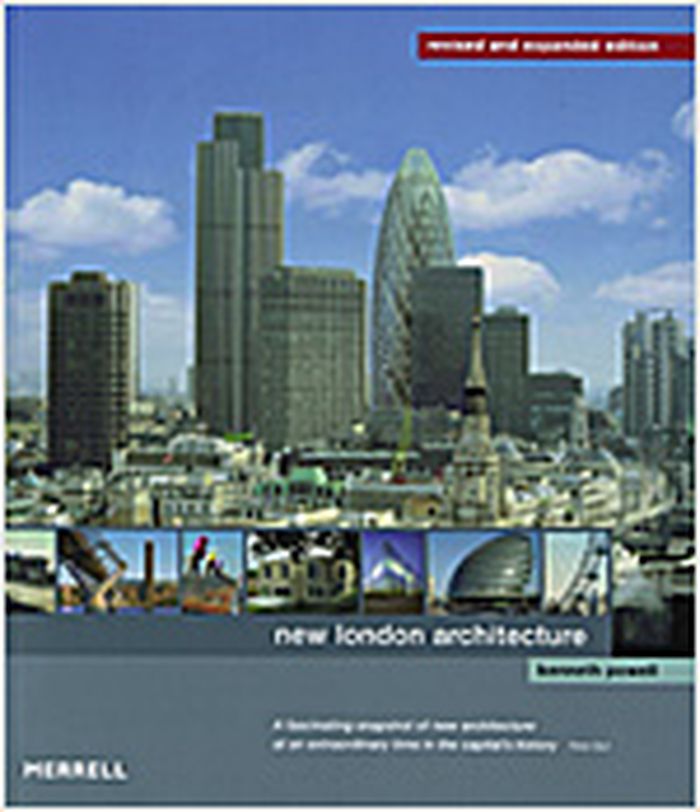
New London architecture, revised and expanded edition
Actions:
Price:
$54.95
(available to order)
Summary:
A fully revised, updated and expanded edition of this survey of the projects that define the architectural renaissance of Britain’s capital at the beginning of the twenty-first century. Illustrated in colour throughout are not just the headline-grabbing works such as the British Airways London Eye, Tate Modern, the Millennium Bridge and the Swiss Re tower (winner of the Stirling Prize in 2004), but also a wide variety of smaller-scale projects such as schools, libraries, shops and private houses. New London Architecture remains one detailed and authoritative portrait – indispensable to professionals and the public alike – of a world city avid to embrace the best of the new.
New London architecture, revised and expanded edition
Actions:
Price:
$54.95
(available to order)
Summary:
A fully revised, updated and expanded edition of this survey of the projects that define the architectural renaissance of Britain’s capital at the beginning of the twenty-first century. Illustrated in colour throughout are not just the headline-grabbing works such as the British Airways London Eye, Tate Modern, the Millennium Bridge and the Swiss Re tower (winner of the Stirling Prize in 2004), but also a wide variety of smaller-scale projects such as schools, libraries, shops and private houses. New London Architecture remains one detailed and authoritative portrait – indispensable to professionals and the public alike – of a world city avid to embrace the best of the new.
Form:
books
books
Publication:
May 2005, London, New York
May 2005, London, New York
Subject:
Architecture since 1900, Europe
Architecture since 1900, Europe
Form:
books
books
Title:
Atlas of Dutch water cities
Atlas of Dutch water cities
Actions:
Price:
$51.95
(available to order)
Summary:
This book explains the relationship between urban development and water engineering. It illustrates projects that integrate waterways and flood defence infrastructure into architectural concepts.
$51.95
(available to order)
Summary:
This book explains the relationship between urban development and water engineering. It illustrates projects that integrate waterways and flood defence infrastructure into architectural concepts.
Subject:
Architecture since 1900, Europe
Architecture since 1900, Europe
Publication:
January 1900, Amsterdam
January 1900, Amsterdam
Title:
Atlas of Dutch water cities
Actions:
Price:
$51.95
(available to order)
Summary:
This book explains the relationship between urban development and water engineering. It illustrates projects that integrate waterways and flood defence infrastructure into architectural concepts.
Atlas of Dutch water cities
Actions:
Price:
$51.95
(available to order)
Summary:
This book explains the relationship between urban development and water engineering. It illustrates projects that integrate waterways and flood defence infrastructure into architectural concepts.
Form:
books
books
Publication:
January 1900, Amsterdam
January 1900, Amsterdam
Subject:
Architecture since 1900, Europe
Architecture since 1900, Europe
Form:
books
books
Price:
$37.50
(available to order)
Summary:
From as early as 1900 Finland, at that time ruled by Russia, was to see in architecture a political and social vehicle. Modern architecture, with the promises it held for social change and hopes for technological progress, was to become a cultural phenomenon over the course of the twentieth century. This book explores the shape of architecture from Finland’s independence(...)
$37.50
(available to order)
Summary:
From as early as 1900 Finland, at that time ruled by Russia, was to see in architecture a political and social vehicle. Modern architecture, with the promises it held for social change and hopes for technological progress, was to become a cultural phenomenon over the course of the twentieth century. This book explores the shape of architecture from Finland’s independence(...)
Title:
Finland
Actions:
Price:
$37.50
(available to order)
Summary:
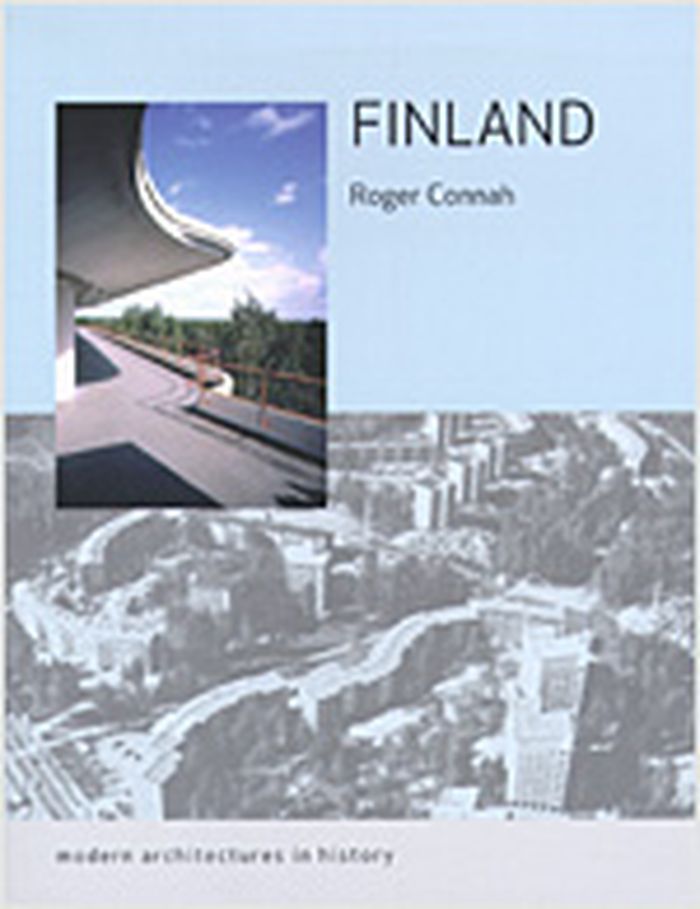
From as early as 1900 Finland, at that time ruled by Russia, was to see in architecture a political and social vehicle. Modern architecture, with the promises it held for social change and hopes for technological progress, was to become a cultural phenomenon over the course of the twentieth century. This book explores the shape of architecture from Finland’s independence in 1917 until the present day, and how the ‘modern agenda’ became a blueprint to advance the nation’s society and define its identity. Roger Connah assesses the work of well-known heroes of Finnish architecture such as Reima Pietila, Juhä Leiviskä and ‘modern master’ Alvar Aalto, as well as many other less familiar figures whose contribution is little known outside Finland. He discusses developments in architecture in relation to the culture and politics of the new independent Finland, as well as parallel movements in the arts, and also surveys the early part of the century, as Finland came into its own as a new nation state. He examines the rationalised developments of the 1930s, the ‘organic’ and vernacular tendencies of modern architecture, and how some of modernism’s devices were combined with a particular Nordic sensibility. He also looks at the reconstruction and urbanisation of the post-war years, the use of industrial building methods and prefabricated materials, the ‘golden age’ of Finnish modernism in the 1950s, and the developments thereafter. Connah also considers how architecture has been publicised in magazines, galleries and through exhibitions. By the end of the twentieth century Finland had transformed itself into a modern industrial economy at the cutting edge of the it world, and its buildings continue to be regarded as exemplary modern works. Roger Connah assesses Finnish modern architecture’s relation to the broader cultural and political conditions of Finland and modernity at large, making this study crucial to our understanding of Finland’s place in architecture and in culture today.
Finland
Actions:
Price:
$37.50
(available to order)
Summary:
From as early as 1900 Finland, at that time ruled by Russia, was to see in architecture a political and social vehicle. Modern architecture, with the promises it held for social change and hopes for technological progress, was to become a cultural phenomenon over the course of the twentieth century. This book explores the shape of architecture from Finland’s independence in 1917 until the present day, and how the ‘modern agenda’ became a blueprint to advance the nation’s society and define its identity. Roger Connah assesses the work of well-known heroes of Finnish architecture such as Reima Pietila, Juhä Leiviskä and ‘modern master’ Alvar Aalto, as well as many other less familiar figures whose contribution is little known outside Finland. He discusses developments in architecture in relation to the culture and politics of the new independent Finland, as well as parallel movements in the arts, and also surveys the early part of the century, as Finland came into its own as a new nation state. He examines the rationalised developments of the 1930s, the ‘organic’ and vernacular tendencies of modern architecture, and how some of modernism’s devices were combined with a particular Nordic sensibility. He also looks at the reconstruction and urbanisation of the post-war years, the use of industrial building methods and prefabricated materials, the ‘golden age’ of Finnish modernism in the 1950s, and the developments thereafter. Connah also considers how architecture has been publicised in magazines, galleries and through exhibitions. By the end of the twentieth century Finland had transformed itself into a modern industrial economy at the cutting edge of the it world, and its buildings continue to be regarded as exemplary modern works. Roger Connah assesses Finnish modern architecture’s relation to the broader cultural and political conditions of Finland and modernity at large, making this study crucial to our understanding of Finland’s place in architecture and in culture today.
Form:
books
books
Publication:
September 2005, London
September 2005, London
Subject:
Architecture since 1900, Europe
Architecture since 1900, Europe
Form:
books
books
Actions:
Price:
$66.95
(available to order)
Summary:
Actes de la septième conférence internationale de DOCOMONO (Paris, 16-19 septembre 2002): "Vers une histoire culturelle de la modernité architecturale : les démarches radicales s'inscrivent souvent dans un espace transcendant. C'est ce qui est arrivé à la modernité architecturale, bien connue pour ses héros, ses icônes, ses manifestes et ses intentions sociales(...)
$66.95
(available to order)
Summary:
Actes de la septième conférence internationale de DOCOMONO (Paris, 16-19 septembre 2002): "Vers une histoire culturelle de la modernité architecturale : les démarches radicales s'inscrivent souvent dans un espace transcendant. C'est ce qui est arrivé à la modernité architecturale, bien connue pour ses héros, ses icônes, ses manifestes et ses intentions sociales(...)
Subject:
Architecture since 1900, Europe
Architecture since 1900, Europe
Publication:
September 2005, Saint-Étienne
September 2005, Saint-Étienne
Title:
La réception de l'architecture du Mouvement moderne : image, usage, héritage - The reception of architecture of the modern movement : image, usage, heritage
Actions:
Price:
$66.95
(available to order)
Summary:
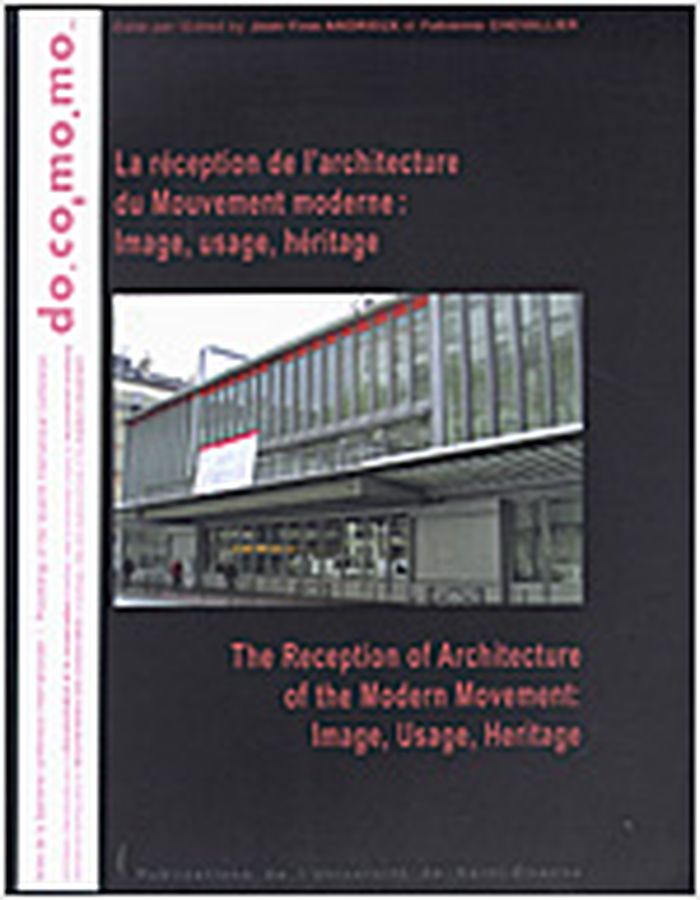
Actes de la septième conférence internationale de DOCOMONO (Paris, 16-19 septembre 2002): "Vers une histoire culturelle de la modernité architecturale : les démarches radicales s'inscrivent souvent dans un espace transcendant. C'est ce qui est arrivé à la modernité architecturale, bien connue pour ses héros, ses icônes, ses manifestes et ses intentions sociales généreuses. Mais comment l'architecture, art de l'utilitas, aurait-elle pu se délier des contraintes du XXe siècle ? Elle est bien la fille des mythes, des contradictions, des aspirations et plus encore, des rapports de force en transformation du siècle passé." Proceedings of the seventh international conference DOCOMOMO : "radical approaches often subscribe to the notion of the transcendence of time. This assertion characterize architecural modernity, with its celebrated heroes, icons, manifestoes and noble social intentions. Yet how could architecture, the art of utilitas, have entirely freed itself from the constraints of the rwentieth century? Indeed architectural modernity emerges directly from the myths, the aspirations and, even more, the changing power relations of the century past."
La réception de l'architecture du Mouvement moderne : image, usage, héritage - The reception of architecture of the modern movement : image, usage, heritage
Actions:
Price:
$66.95
(available to order)
Summary:
Actes de la septième conférence internationale de DOCOMONO (Paris, 16-19 septembre 2002): "Vers une histoire culturelle de la modernité architecturale : les démarches radicales s'inscrivent souvent dans un espace transcendant. C'est ce qui est arrivé à la modernité architecturale, bien connue pour ses héros, ses icônes, ses manifestes et ses intentions sociales généreuses. Mais comment l'architecture, art de l'utilitas, aurait-elle pu se délier des contraintes du XXe siècle ? Elle est bien la fille des mythes, des contradictions, des aspirations et plus encore, des rapports de force en transformation du siècle passé." Proceedings of the seventh international conference DOCOMOMO : "radical approaches often subscribe to the notion of the transcendence of time. This assertion characterize architecural modernity, with its celebrated heroes, icons, manifestoes and noble social intentions. Yet how could architecture, the art of utilitas, have entirely freed itself from the constraints of the rwentieth century? Indeed architectural modernity emerges directly from the myths, the aspirations and, even more, the changing power relations of the century past."
Form:
books
books
Publication:
September 2005, Saint-Étienne
September 2005, Saint-Étienne
Subject:
Architecture since 1900, Europe
Architecture since 1900, Europe
Form:
books
books
Actions:
Price:
$74.00
(available to order)
Summary:
The use of natural stone in international architecture has gained momentum in recent years owing to countless new buildings in Germany. These have not only been influential because they reveal the technical and constructive uses of the material, but also because they show stone as an element of architectural language. Examining current building projects of notable(...)
$74.00
(available to order)
Summary:
The use of natural stone in international architecture has gained momentum in recent years owing to countless new buildings in Germany. These have not only been influential because they reveal the technical and constructive uses of the material, but also because they show stone as an element of architectural language. Examining current building projects of notable(...)
Title:
New stone architecture in Germany
Actions:
Price:
$74.00
(available to order)
Summary:
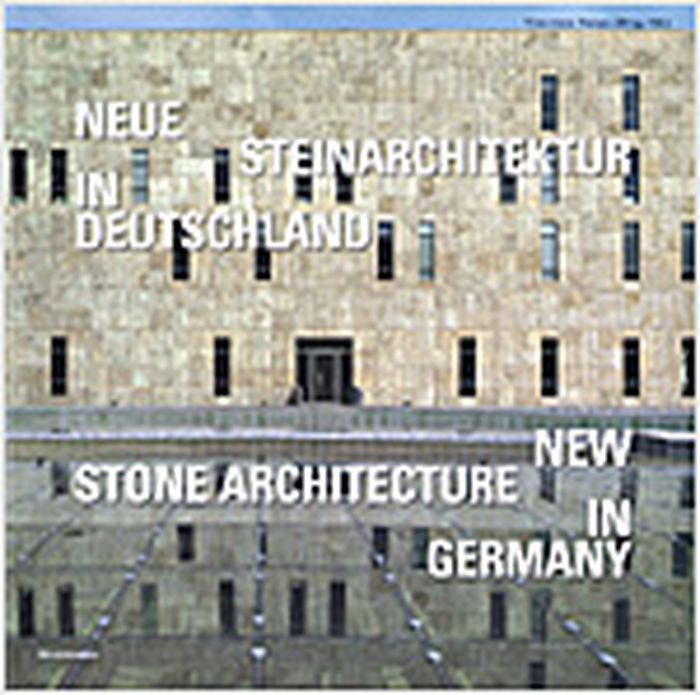
The use of natural stone in international architecture has gained momentum in recent years owing to countless new buildings in Germany. These have not only been influential because they reveal the technical and constructive uses of the material, but also because they show stone as an element of architectural language. Examining current building projects of notable architects including gmp, Hans Kollhoff, Ortner – Ortner, I. M. Pei, O. M. Ungers and Gesine Weinmiller, this book presents new opportunities for using natural stone in architectural and also structural contexts. The subject is documented impressively and extensively with a large number of technical drawings, detail photographs and comprehensive project data.
New stone architecture in Germany
Actions:
Price:
$74.00
(available to order)
Summary:
The use of natural stone in international architecture has gained momentum in recent years owing to countless new buildings in Germany. These have not only been influential because they reveal the technical and constructive uses of the material, but also because they show stone as an element of architectural language. Examining current building projects of notable architects including gmp, Hans Kollhoff, Ortner – Ortner, I. M. Pei, O. M. Ungers and Gesine Weinmiller, this book presents new opportunities for using natural stone in architectural and also structural contexts. The subject is documented impressively and extensively with a large number of technical drawings, detail photographs and comprehensive project data.
Form:
books
books
Publication:
January 2005, Basel
January 2005, Basel
Subject:
Architecture since 1900, Europe
Architecture since 1900, Europe
Form:
books
books
Price:
$59.95
(available to order)
Summary:
"The Artist as Producer" reshapes our understanding of the fundamental contribution of the Russian avant-garde to the development of modernism. Focusing on the single most important hotbed of Constructivist activity in the early 1920s - the Institute of Artistic Culture (INKhUK) in Moscow - Maria Gough offers a powerful reinterpretation of the work of the first group of(...)
$59.95
(available to order)
Summary:
"The Artist as Producer" reshapes our understanding of the fundamental contribution of the Russian avant-garde to the development of modernism. Focusing on the single most important hotbed of Constructivist activity in the early 1920s - the Institute of Artistic Culture (INKhUK) in Moscow - Maria Gough offers a powerful reinterpretation of the work of the first group of(...)
Title:
The artist as producer : Russian Constructivism in revolution
Actions:
Price:
$59.95
(available to order)
Summary:
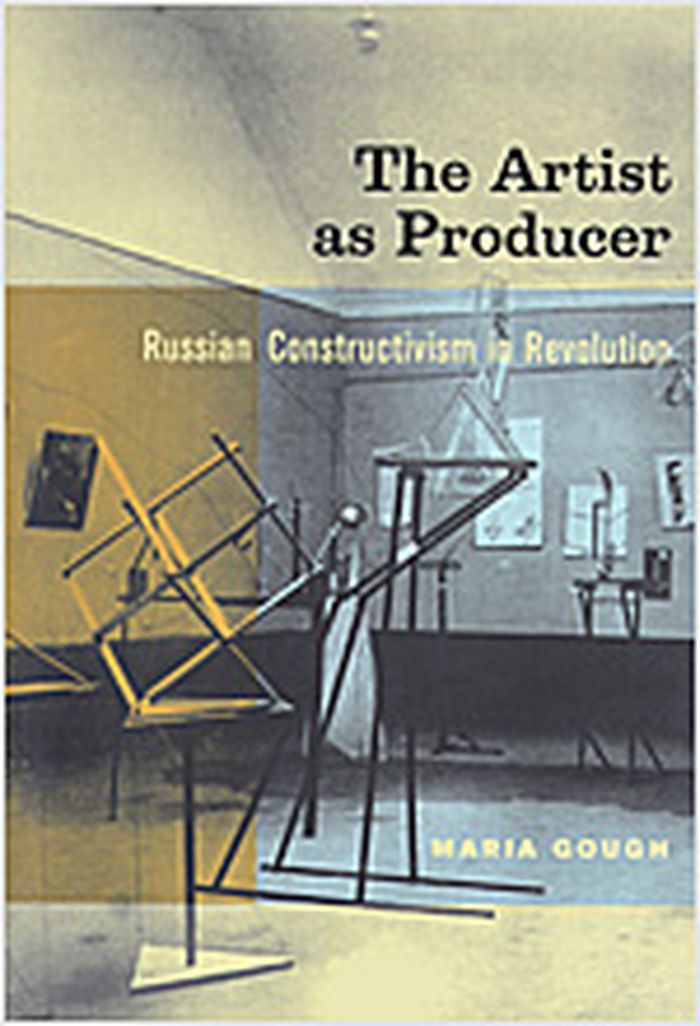
"The Artist as Producer" reshapes our understanding of the fundamental contribution of the Russian avant-garde to the development of modernism. Focusing on the single most important hotbed of Constructivist activity in the early 1920s - the Institute of Artistic Culture (INKhUK) in Moscow - Maria Gough offers a powerful reinterpretation of the work of the first group of artists to call themselves Constructivists. Her lively narrative ranges from famous figures such as Aleksandr Rodchenko to others who are much less well known, such as Karl Ioganson, a key member of the state-funded INKhUK whose work paved the way for an eventual dematerialization of the integral art object. Through the mining of untapped archives and collections in Russia and Latvia and a close reading of key Constructivist works, Gough highlights fundamental differences among the Moscow group in their handling of the experimental new sculptural form - the spatial construction - and of their subsequent shift to industrial production. "The Artist as Producer" upends the standard view that the Moscow group's formalism and abstraction were incompatible with the sociopolitical imperatives of the new Communist state. It challenges the common equation of Constructivism with functionalism and utilitarianism by delineating a contrary tendency toward non-determinism and an alternate orientation to process rather than product. Finally, the book counters the popular perception that Constructivism failed in its ambition to enter production by presenting the first-ever case study of how a Constructivist could, and in fact did, operate within an industrial environment. "The Artist as Producer" offers provocative new perspectives on three critical issues - formalism, functionalism, and failure - that are of central importance to our understanding not only of the Soviet phenomenon but also of the European vanguards more generally.
The artist as producer : Russian Constructivism in revolution
Actions:
Price:
$59.95
(available to order)
Summary:
"The Artist as Producer" reshapes our understanding of the fundamental contribution of the Russian avant-garde to the development of modernism. Focusing on the single most important hotbed of Constructivist activity in the early 1920s - the Institute of Artistic Culture (INKhUK) in Moscow - Maria Gough offers a powerful reinterpretation of the work of the first group of artists to call themselves Constructivists. Her lively narrative ranges from famous figures such as Aleksandr Rodchenko to others who are much less well known, such as Karl Ioganson, a key member of the state-funded INKhUK whose work paved the way for an eventual dematerialization of the integral art object. Through the mining of untapped archives and collections in Russia and Latvia and a close reading of key Constructivist works, Gough highlights fundamental differences among the Moscow group in their handling of the experimental new sculptural form - the spatial construction - and of their subsequent shift to industrial production. "The Artist as Producer" upends the standard view that the Moscow group's formalism and abstraction were incompatible with the sociopolitical imperatives of the new Communist state. It challenges the common equation of Constructivism with functionalism and utilitarianism by delineating a contrary tendency toward non-determinism and an alternate orientation to process rather than product. Finally, the book counters the popular perception that Constructivism failed in its ambition to enter production by presenting the first-ever case study of how a Constructivist could, and in fact did, operate within an industrial environment. "The Artist as Producer" offers provocative new perspectives on three critical issues - formalism, functionalism, and failure - that are of central importance to our understanding not only of the Soviet phenomenon but also of the European vanguards more generally.
Form:
books
books
Publication:
January 1900, Berkeley
January 1900, Berkeley
Subject:
Architecture since 1900, Europe
Architecture since 1900, Europe
Form:
books
books
Actions:
Price:
$48.00
(available to order)
Summary:
The 13th-century town of Tübingen, Germany, is best known for its university, which spawned both Hegel and Kepler. And now, something very progressive is going on in the southern sector of the city. A field where an army barracks once stood has been transformed into a new district which has won international praise and awards for the way it has forged a livable and lovely(...)
$48.00
(available to order)
Summary:
The 13th-century town of Tübingen, Germany, is best known for its university, which spawned both Hegel and Kepler. And now, something very progressive is going on in the southern sector of the city. A field where an army barracks once stood has been transformed into a new district which has won international praise and awards for the way it has forged a livable and lovely(...)
Subject:
Architecture since 1900, Europe
Architecture since 1900, Europe
Publication:
September 2005, Berlin
September 2005, Berlin
Title:
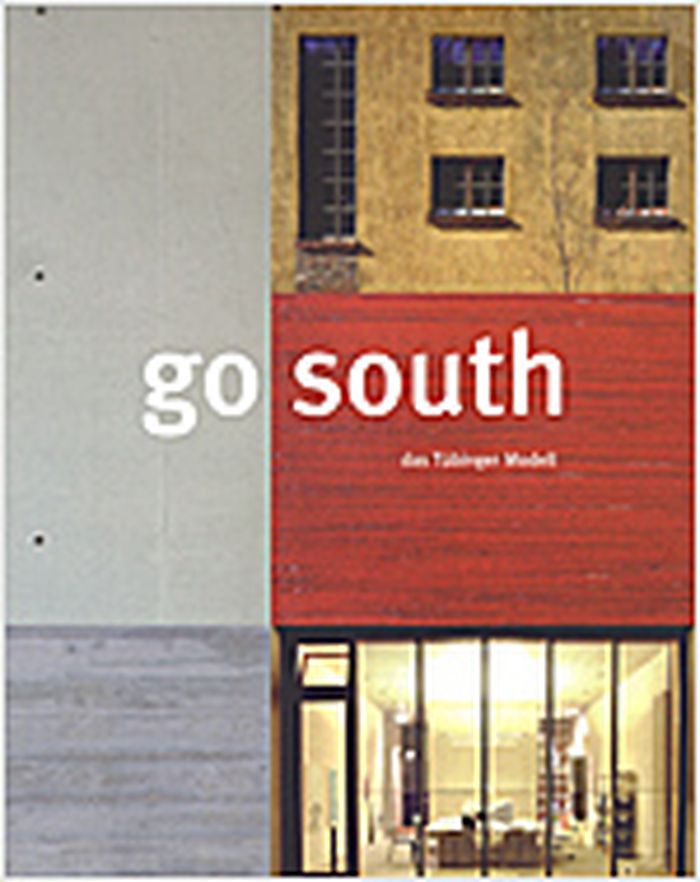
Go south : the Tübinger model
Actions:
Price:
$48.00
(available to order)
Summary:
The 13th-century town of Tübingen, Germany, is best known for its university, which spawned both Hegel and Kepler. And now, something very progressive is going on in the southern sector of the city. A field where an army barracks once stood has been transformed into a new district which has won international praise and awards for the way it has forged a livable and lovely mixed-use environment out of thin (and clean) air. "Go South", in essays and in the color photographs of Gudrun Theresia de Maddalena, tells the story of what should become a model for urban and suburban development. The palette of buildings and spaces ranges from single-family homes to a townhouse for almost 30 families, from a business promotion center to a passive-solar mixed-use building, complete with apartments, office units, shops, a kindergarten, and a greenhouse lobby. The Tübingen South district received the European Municipal Construction Award in 2002 and the Deutsche Immobilien Fonds AG award for Europe's Best Districts in 2004.
Go south : the Tübinger model
Actions:
Price:
$48.00
(available to order)
Summary:
The 13th-century town of Tübingen, Germany, is best known for its university, which spawned both Hegel and Kepler. And now, something very progressive is going on in the southern sector of the city. A field where an army barracks once stood has been transformed into a new district which has won international praise and awards for the way it has forged a livable and lovely mixed-use environment out of thin (and clean) air. "Go South", in essays and in the color photographs of Gudrun Theresia de Maddalena, tells the story of what should become a model for urban and suburban development. The palette of buildings and spaces ranges from single-family homes to a townhouse for almost 30 families, from a business promotion center to a passive-solar mixed-use building, complete with apartments, office units, shops, a kindergarten, and a greenhouse lobby. The Tübingen South district received the European Municipal Construction Award in 2002 and the Deutsche Immobilien Fonds AG award for Europe's Best Districts in 2004.
Form:
books
books
Publication:
September 2005, Berlin
September 2005, Berlin
Subject:
Architecture since 1900, Europe
Architecture since 1900, Europe
Form:
books
books
Actions:
Price:
$38.95
(available to order)
Summary:
How does one reintegrate old textile mills into the fabric of a community? At a former Leipzig cotton-spinning mill (now the site of the Federkiel Foundation), a group of architects, critics, preservationists, city planners, and artists (among them Anne Dressen and Philipp Oswalt) convened to discuss the conversion of industrial space into cultural gathering place.(...)
$38.95
(available to order)
Summary:
How does one reintegrate old textile mills into the fabric of a community? At a former Leipzig cotton-spinning mill (now the site of the Federkiel Foundation), a group of architects, critics, preservationists, city planners, and artists (among them Anne Dressen and Philipp Oswalt) convened to discuss the conversion of industrial space into cultural gathering place.(...)
Title:
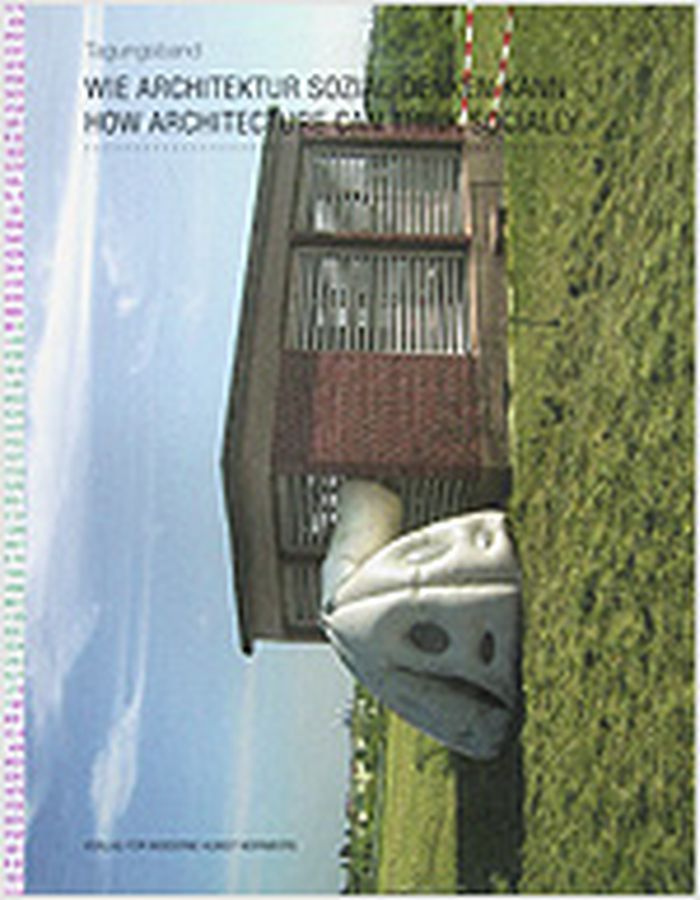
How architecture can think socially
Actions:
Price:
$38.95
(available to order)
Summary:
How does one reintegrate old textile mills into the fabric of a community? At a former Leipzig cotton-spinning mill (now the site of the Federkiel Foundation), a group of architects, critics, preservationists, city planners, and artists (among them Anne Dressen and Philipp Oswalt) convened to discuss the conversion of industrial space into cultural gathering place. Chapters here cover P.S.1 in New York and MASS MoCA.
How architecture can think socially
Actions:
Price:
$38.95
(available to order)
Summary:
How does one reintegrate old textile mills into the fabric of a community? At a former Leipzig cotton-spinning mill (now the site of the Federkiel Foundation), a group of architects, critics, preservationists, city planners, and artists (among them Anne Dressen and Philipp Oswalt) convened to discuss the conversion of industrial space into cultural gathering place. Chapters here cover P.S.1 in New York and MASS MoCA.
Form:
books
books
Publication:
August 2005, Nürnberg
August 2005, Nürnberg
Subject:
Architecture since 1900, Europe
Architecture since 1900, Europe


