


95 Results
Form:
books
books
Actions:
Price:
$75.00
(available to order)
Summary:
From the first sets of photographic records made by Western travelers to doctored portraits of Chairman Mao and the avant-garde photographic performances of the post–Cultural Revolution era, photography in China has followed divergent paths. In this book, Wu Hung explores the multiple histories of photographic production in China, using them to tell a larger story about(...)
$75.00
(available to order)
Summary:
From the first sets of photographic records made by Western travelers to doctored portraits of Chairman Mao and the avant-garde photographic performances of the post–Cultural Revolution era, photography in China has followed divergent paths. In this book, Wu Hung explores the multiple histories of photographic production in China, using them to tell a larger story about(...)
Title:
Zooming in: histories of photography in China
Actions:
Price:
$75.00
(available to order)
Summary:
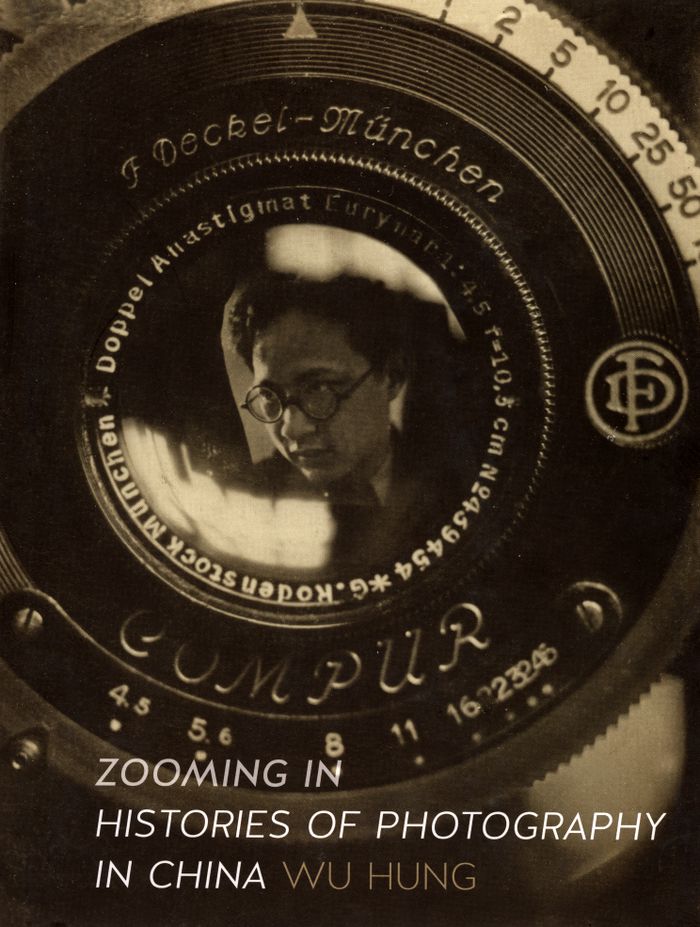
From the first sets of photographic records made by Western travelers to doctored portraits of Chairman Mao and the avant-garde photographic performances of the post–Cultural Revolution era, photography in China has followed divergent paths. In this book, Wu Hung explores the multiple histories of photographic production in China, using them to tell a larger story about China’s shifting sociopolitical contexts and the different agendas, technologies, and aesthetics that have helped define its arts.
Zooming in: histories of photography in China
Actions:
Price:
$75.00
(available to order)
Summary:
From the first sets of photographic records made by Western travelers to doctored portraits of Chairman Mao and the avant-garde photographic performances of the post–Cultural Revolution era, photography in China has followed divergent paths. In this book, Wu Hung explores the multiple histories of photographic production in China, using them to tell a larger story about China’s shifting sociopolitical contexts and the different agendas, technologies, and aesthetics that have helped define its arts.
Form:
books
books
Publication:
June 2016
June 2016
Subject:
Theory of Photography
Theory of Photography
Form:
books
books
Title:
Ai Weiwei : architecture
Ai Weiwei : architecture
Actions:
Price:
$42.95
(available to order)
Summary:
Ai Weiwei, born in the Socialist People's Republic of China, is one of the most important artists of the present global art scene. For his provocative political opinion he had been taken under house detention - he plant a celebration for the official governmental demolition of his Studio. His creations are based on the idea to provoke discussions about their content. For(...)
$42.95
(available to order)
Summary:
Ai Weiwei, born in the Socialist People's Republic of China, is one of the most important artists of the present global art scene. For his provocative political opinion he had been taken under house detention - he plant a celebration for the official governmental demolition of his Studio. His creations are based on the idea to provoke discussions about their content. For(...)
Title:
Ai Weiwei : architecture
Actions:
Price:
$42.95
(available to order)
Summary:
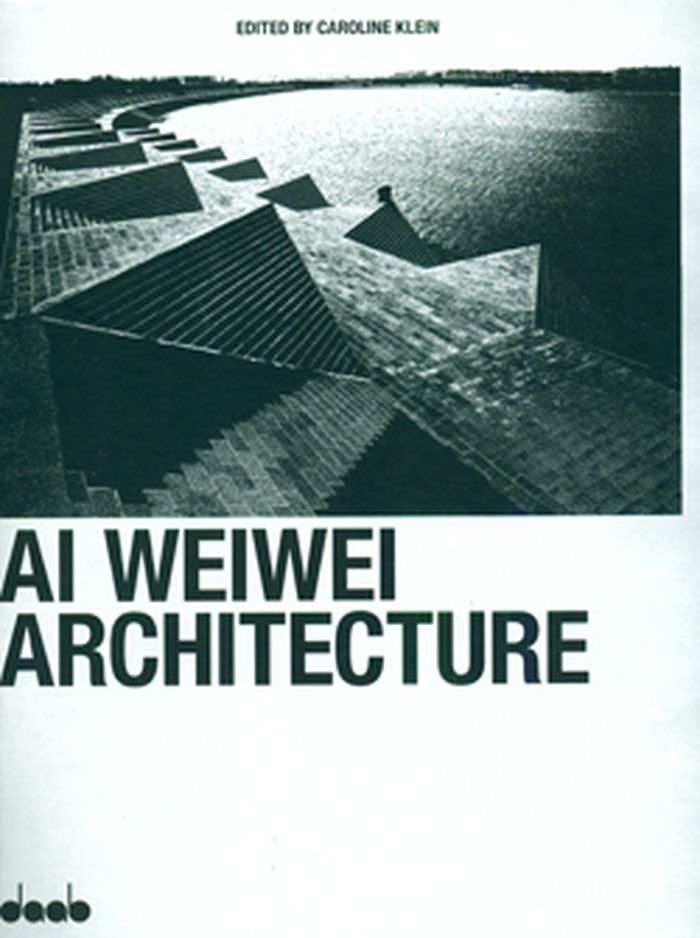
Ai Weiwei, born in the Socialist People's Republic of China, is one of the most important artists of the present global art scene. For his provocative political opinion he had been taken under house detention - he plant a celebration for the official governmental demolition of his Studio. His creations are based on the idea to provoke discussions about their content. For example, he spread about 150 tons of porcelain sunflower seeds on the floor of the Tate Modern in London to remind especially young Chinese people of propagandistic pictures which show Mao Tse-tung in the middle of sunshine and sunflower seeds. This book embraces some of the astonishing works of the exceptional artist.
Ai Weiwei : architecture
Actions:
Price:
$42.95
(available to order)
Summary:
Ai Weiwei, born in the Socialist People's Republic of China, is one of the most important artists of the present global art scene. For his provocative political opinion he had been taken under house detention - he plant a celebration for the official governmental demolition of his Studio. His creations are based on the idea to provoke discussions about their content. For example, he spread about 150 tons of porcelain sunflower seeds on the floor of the Tate Modern in London to remind especially young Chinese people of propagandistic pictures which show Mao Tse-tung in the middle of sunshine and sunflower seeds. This book embraces some of the astonishing works of the exceptional artist.
Form:
books
books
Publication:
May 2011
May 2011
Subject:
Architecture Monographs
Architecture Monographs
Form:
books
books
Title:
The pentagram papers
The pentagram papers
Actions:
Price:
$70.00
(available to order)
Summary:
The Pentagram Papers -- Celebrated global design firm Pentagram has produced a series of signature annual documents, known as Pentagram Papers, exclusively for clients and colleagues since 1975. On the occasion of the firm's 35-year anniversary, these quirky and influential Papers are collected here together for the first time. Each Paper explores a unique and curious(...)
$70.00
(available to order)
Summary:
The Pentagram Papers -- Celebrated global design firm Pentagram has produced a series of signature annual documents, known as Pentagram Papers, exclusively for clients and colleagues since 1975. On the occasion of the firm's 35-year anniversary, these quirky and influential Papers are collected here together for the first time. Each Paper explores a unique and curious(...)
Title:
The pentagram papers
Actions:
Price:
$70.00
(available to order)
Summary:
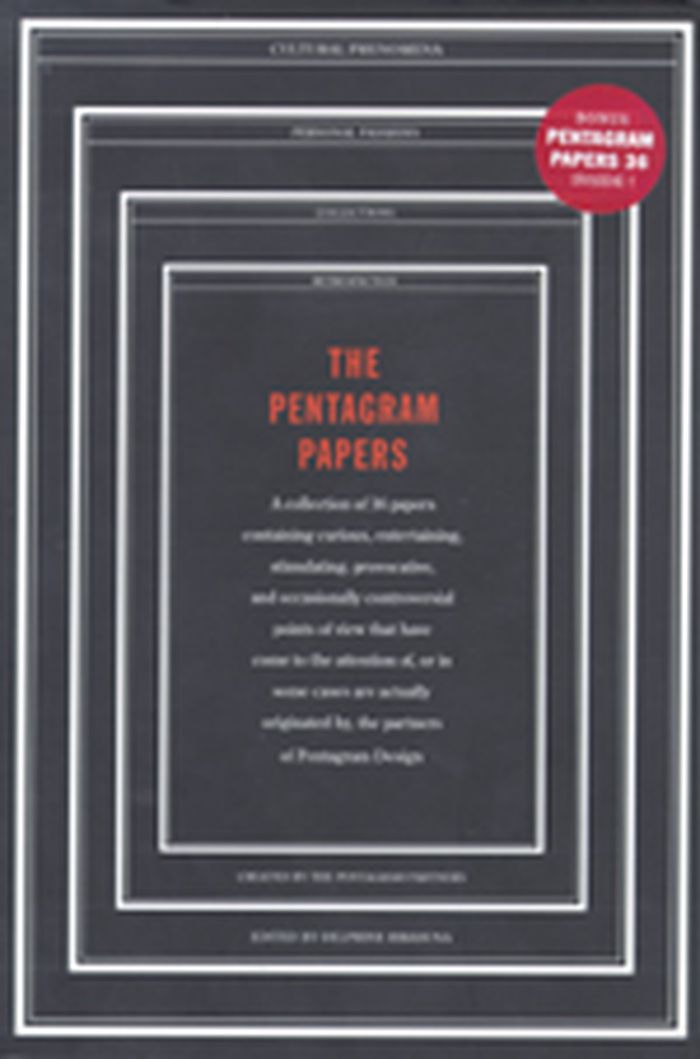
The Pentagram Papers -- Celebrated global design firm Pentagram has produced a series of signature annual documents, known as Pentagram Papers, exclusively for clients and colleagues since 1975. On the occasion of the firm's 35-year anniversary, these quirky and influential Papers are collected here together for the first time. Each Paper explores a unique and curious topic of interest to the Pentagram designers—Mao buttons, the Savoy ballroom, rural Australian mailboxes, and the pop architecture of Wildwood, New Jersey, have all been featured subjects. Included here are not only in-depth reproductions and detailed discussion of the Papers' origins, but also an exclusive new Paper created especially for the book and set into a tray inside its back cover.
The pentagram papers
Actions:
Price:
$70.00
(available to order)
Summary:
The Pentagram Papers -- Celebrated global design firm Pentagram has produced a series of signature annual documents, known as Pentagram Papers, exclusively for clients and colleagues since 1975. On the occasion of the firm's 35-year anniversary, these quirky and influential Papers are collected here together for the first time. Each Paper explores a unique and curious topic of interest to the Pentagram designers—Mao buttons, the Savoy ballroom, rural Australian mailboxes, and the pop architecture of Wildwood, New Jersey, have all been featured subjects. Included here are not only in-depth reproductions and detailed discussion of the Papers' origins, but also an exclusive new Paper created especially for the book and set into a tray inside its back cover.
Form:
books
books
Publication:
November 2006, San Francisco
November 2006, San Francisco
Subject:
Book Design
Book Design
Form:
books
books
Title:
Architecture in Asia now
Architecture in Asia now
Actions:
Price:
$9.99
(available to order)
Summary:
Asia's recent economic explosion has resulted in an unprecedented building boom of some of the world's most innovative architecture. Organized by country, "Architecture in Asia Now" is the first book of its kind to focus on buildings throughout the Asian continent. While it showcases prominent skyscrapers such as the Jin Mao Centre in Shanghai, the Nihonbashi 1-Chome(...)
$9.99
(available to order)
Summary:
Asia's recent economic explosion has resulted in an unprecedented building boom of some of the world's most innovative architecture. Organized by country, "Architecture in Asia Now" is the first book of its kind to focus on buildings throughout the Asian continent. While it showcases prominent skyscrapers such as the Jin Mao Centre in Shanghai, the Nihonbashi 1-Chome(...)
Title:
Architecture in Asia now
Actions:
Price:
$9.99
(available to order)
Summary:
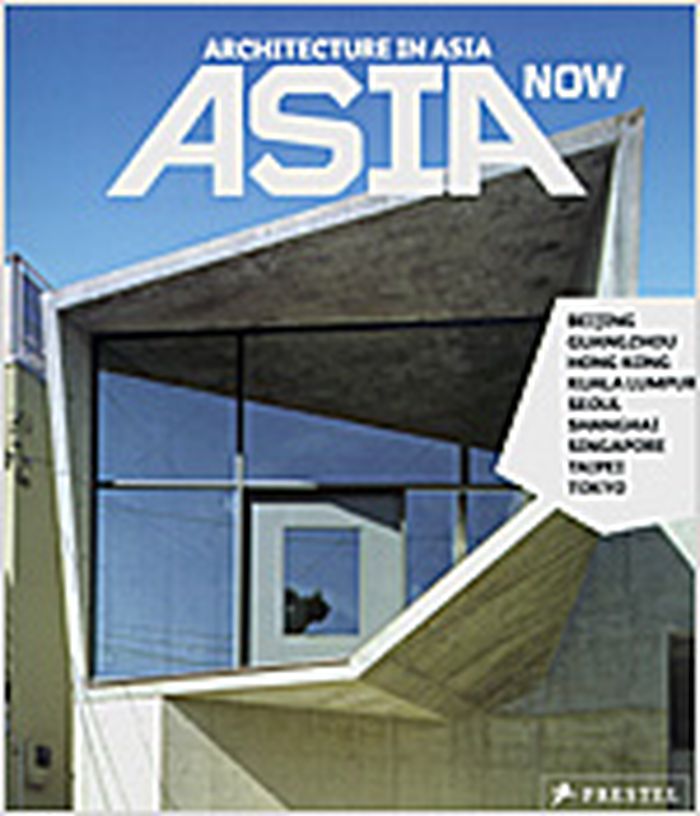
Asia's recent economic explosion has resulted in an unprecedented building boom of some of the world's most innovative architecture. Organized by country, "Architecture in Asia Now" is the first book of its kind to focus on buildings throughout the Asian continent. While it showcases prominent skyscrapers such as the Jin Mao Centre in Shanghai, the Nihonbashi 1-Chome Building in Tokyo, and the world's tallest building - the Petronas Towers in Malaysia - this volume also features extraordinary achievements in the design of retail stores, airports, restaurants, museums, churches and temples. The book is illustrated with full color photographs and offers detailed information about building plans and sites. Surveying buildings in six countries, and including more than 200 photographs, this volume celebrates a rapidly developing region.
Architecture in Asia now
Actions:
Price:
$9.99
(available to order)
Summary:
Asia's recent economic explosion has resulted in an unprecedented building boom of some of the world's most innovative architecture. Organized by country, "Architecture in Asia Now" is the first book of its kind to focus on buildings throughout the Asian continent. While it showcases prominent skyscrapers such as the Jin Mao Centre in Shanghai, the Nihonbashi 1-Chome Building in Tokyo, and the world's tallest building - the Petronas Towers in Malaysia - this volume also features extraordinary achievements in the design of retail stores, airports, restaurants, museums, churches and temples. The book is illustrated with full color photographs and offers detailed information about building plans and sites. Surveying buildings in six countries, and including more than 200 photographs, this volume celebrates a rapidly developing region.
Form:
books
books
Publication:
September 2006, Munich
September 2006, Munich
Subject:
sale books
sale books
Form:
books
books
Actions:
Holdings:
Description:
297 pages : illustrations (some color), plans, portraits ; 22 cm
Description:
297 pages : illustrations (some color), plans, portraits ; 22 cm
Author:
Subject:
Publication:
[Tel Aviv] : Tel Aviv Museum of Art, ©2004.
[Tel Aviv] : Tel Aviv Museum of Art, ©2004.
Title:
A new building, Tel Aviv Museum of Art : the Herta and Paul Amir Architectural Competition / [editor, Meira Yagid-Haimovici, with Nathalie Kertesz and Zeev Maor ; text editing and Hebrew translation, Daphna Raz ; English translation and editing, Richard Flantz].
Actions:
Holdings:
Description:
297 pages : illustrations (some color), plans, portraits ; 22 cm
A new building, Tel Aviv Museum of Art : the Herta and Paul Amir Architectural Competition / [editor, Meira Yagid-Haimovici, with Nathalie Kertesz and Zeev Maor ; text editing and Hebrew translation, Daphna Raz ; English translation and editing, Richard Flantz].
Actions:
Holdings:
Description:
297 pages : illustrations (some color), plans, portraits ; 22 cm
Form:
books
books
Publication:
[Tel Aviv] : Tel Aviv Museum of Art, ©2004.
[Tel Aviv] : Tel Aviv Museum of Art, ©2004.
Author:
Subject:
Form:
books
books
Title:
Andy Warhol: China 1982
Andy Warhol: China 1982
Actions:
Price:
$79.00
(available to order)
Summary:
A documentation of Andy Warhol's 1982 visit to China, this volume offers a unique glimpse of the international pop star by Christopher Makos, his personal photographer. With the advantage of hindsight, this volume becomes complexly ironic--in China in the 80s, almost no one knew who Warhol was. Just a few decades later, in 2006, Warhol's 1972 "Mao" sold for $17.4 million(...)
$79.00
(available to order)
Summary:
A documentation of Andy Warhol's 1982 visit to China, this volume offers a unique glimpse of the international pop star by Christopher Makos, his personal photographer. With the advantage of hindsight, this volume becomes complexly ironic--in China in the 80s, almost no one knew who Warhol was. Just a few decades later, in 2006, Warhol's 1972 "Mao" sold for $17.4 million(...)
Title:
Andy Warhol: China 1982
Actions:
Price:
$79.00
(available to order)
Summary:
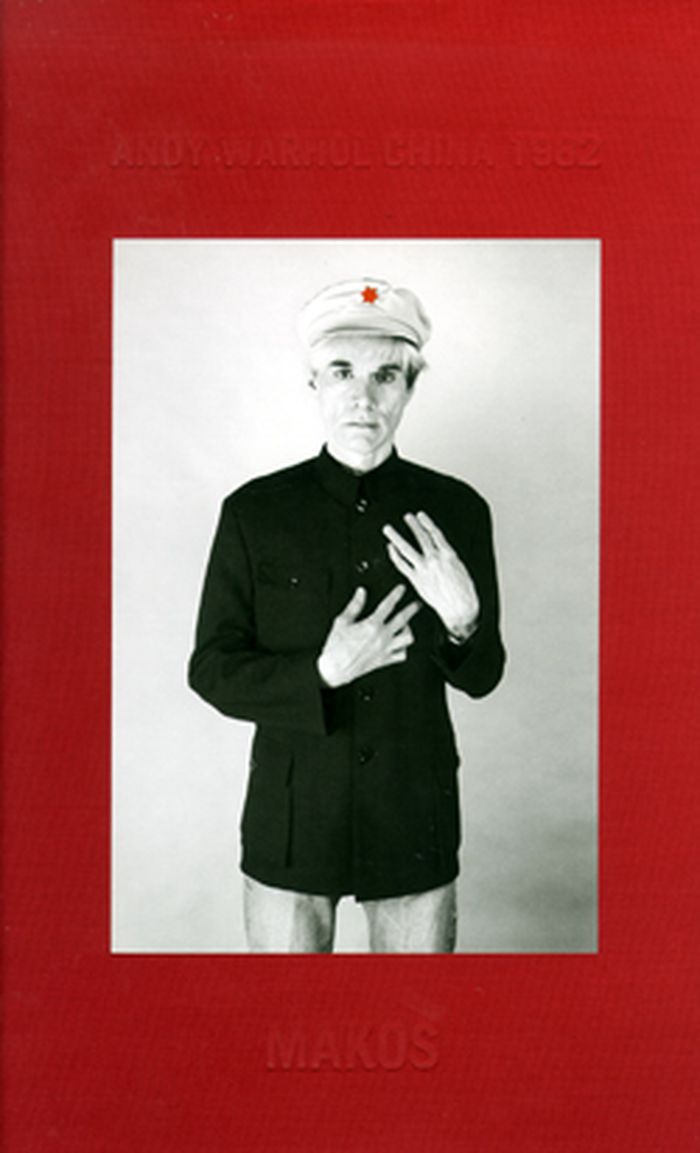
A documentation of Andy Warhol's 1982 visit to China, this volume offers a unique glimpse of the international pop star by Christopher Makos, his personal photographer. With the advantage of hindsight, this volume becomes complexly ironic--in China in the 80s, almost no one knew who Warhol was. Just a few decades later, in 2006, Warhol's 1972 "Mao" sold for $17.4 million to a Hong Kong real estate tycoon. And Chinese artists have, for years, been incorporating Western pop iconography into their work. Photographer Christopher Makos became known in the 1970s for his candid shots of Warhol. Henry Geldzahler, the former Curator of Contemporary Art at The Metropolitan Museum of Art in New York has written: "It is a great asset in Chris Makos' photographs that they reveal new and unfamiliar faces of the legendary pop figure..."
Andy Warhol: China 1982
Actions:
Price:
$79.00
(available to order)
Summary:
A documentation of Andy Warhol's 1982 visit to China, this volume offers a unique glimpse of the international pop star by Christopher Makos, his personal photographer. With the advantage of hindsight, this volume becomes complexly ironic--in China in the 80s, almost no one knew who Warhol was. Just a few decades later, in 2006, Warhol's 1972 "Mao" sold for $17.4 million to a Hong Kong real estate tycoon. And Chinese artists have, for years, been incorporating Western pop iconography into their work. Photographer Christopher Makos became known in the 1970s for his candid shots of Warhol. Henry Geldzahler, the former Curator of Contemporary Art at The Metropolitan Museum of Art in New York has written: "It is a great asset in Chris Makos' photographs that they reveal new and unfamiliar faces of the legendary pop figure..."
Form:
books
books
Publication:
August 2008
August 2008
Subject:
Photography monographs
Photography monographs
Form:
books
books
Actions:
Price:
$78.95
(available in store)
Summary:
n the years following China’s Cultural Revolution, architecture played an active role in the country’s reintegration into the global economy and capitalist world. Looking at the ways in which political and social reform transformed Chinese architecture and how, in turn, architecture gave structure to the reforms, Cole Roskam underlines architecture’s unique ability to(...)
$78.95
(available in store)
Summary:
n the years following China’s Cultural Revolution, architecture played an active role in the country’s reintegration into the global economy and capitalist world. Looking at the ways in which political and social reform transformed Chinese architecture and how, in turn, architecture gave structure to the reforms, Cole Roskam underlines architecture’s unique ability to(...)
Title:
Designing reform: architecture in the People's Republic of China, 1970-1992
Actions:
Price:
$78.95
(available in store)
Summary:
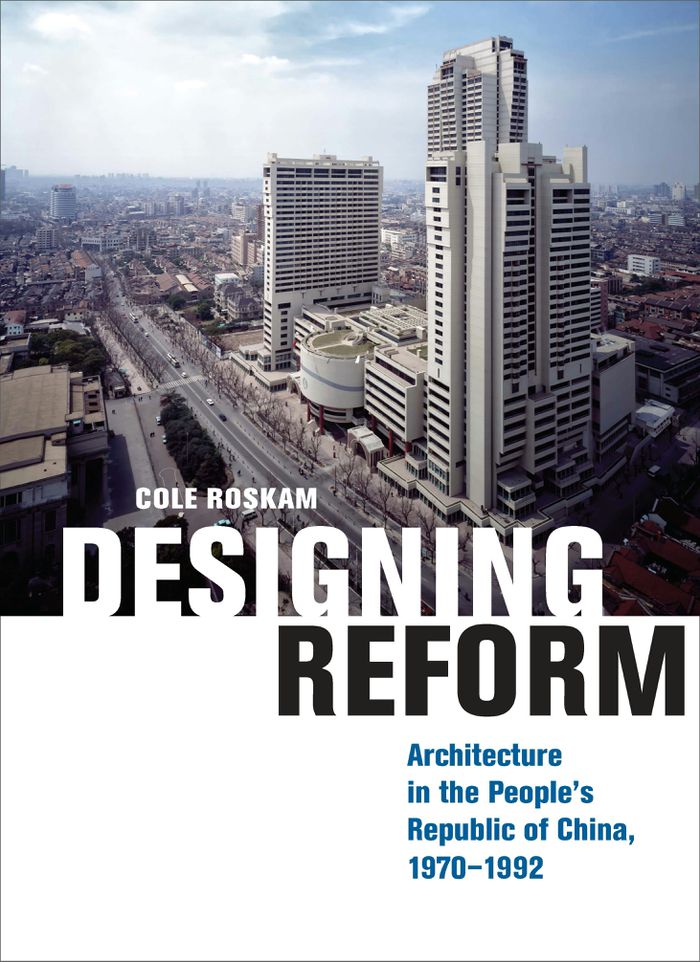
n the years following China’s Cultural Revolution, architecture played an active role in the country’s reintegration into the global economy and capitalist world. Looking at the ways in which political and social reform transformed Chinese architecture and how, in turn, architecture gave structure to the reforms, Cole Roskam underlines architecture’s unique ability to shape space as well as behavior. Roskam traces how foreign influences like postmodernism began to permeate Chinese architectural discourse in the 1970s and 1980s and how figures such as Kevin Lynch, I. M. Pei, and John Portman became key forces in the introduction of Western educational ideologies and new modes of production. Offering important insights into architecture’s relationship to the politics, economics, and diplomacy of post-Mao China, this unprecedented interdisciplinary study examines architecture’s multivalent status as an art, science, and physical manifestation of cultural identity.
Designing reform: architecture in the People's Republic of China, 1970-1992
Actions:
Price:
$78.95
(available in store)
Summary:
n the years following China’s Cultural Revolution, architecture played an active role in the country’s reintegration into the global economy and capitalist world. Looking at the ways in which political and social reform transformed Chinese architecture and how, in turn, architecture gave structure to the reforms, Cole Roskam underlines architecture’s unique ability to shape space as well as behavior. Roskam traces how foreign influences like postmodernism began to permeate Chinese architectural discourse in the 1970s and 1980s and how figures such as Kevin Lynch, I. M. Pei, and John Portman became key forces in the introduction of Western educational ideologies and new modes of production. Offering important insights into architecture’s relationship to the politics, economics, and diplomacy of post-Mao China, this unprecedented interdisciplinary study examines architecture’s multivalent status as an art, science, and physical manifestation of cultural identity.
Form:
books
books
Publication:
November 2021
November 2021
Form:
books
books
Title:
La commune de Shanghai
La commune de Shanghai
Actions:
Price:
$27.95
(available to order)
Summary:
Février 1967, la Révolution culturelle est à son point d’incandescence. Shanghai bouillonne. Un groupe d’ouvriers et d’étudiants rebelles, d’abord minoritaire mais bien décidé, va réussir l’impossible : se débarrasser du vieux parti communiste local et de la municipalité somnolente, et prendre le pouvoir dans la ville. Se réclamant explicitement de la Commune de Paris,(...)
$27.95
(available to order)
Summary:
Février 1967, la Révolution culturelle est à son point d’incandescence. Shanghai bouillonne. Un groupe d’ouvriers et d’étudiants rebelles, d’abord minoritaire mais bien décidé, va réussir l’impossible : se débarrasser du vieux parti communiste local et de la municipalité somnolente, et prendre le pouvoir dans la ville. Se réclamant explicitement de la Commune de Paris,(...)
Publication:
October 2014
October 2014
Title:
La commune de Shanghai
Actions:
Price:
$27.95
(available to order)
Summary:
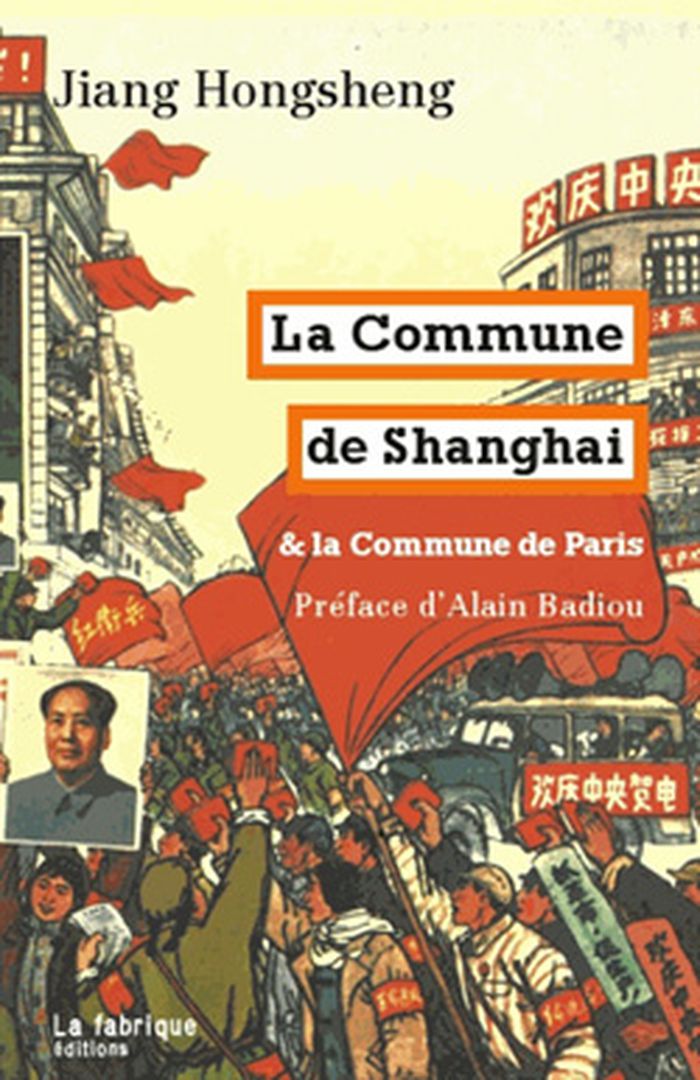
Février 1967, la Révolution culturelle est à son point d’incandescence. Shanghai bouillonne. Un groupe d’ouvriers et d’étudiants rebelles, d’abord minoritaire mais bien décidé, va réussir l’impossible : se débarrasser du vieux parti communiste local et de la municipalité somnolente, et prendre le pouvoir dans la ville. Se réclamant explicitement de la Commune de Paris, ils créent un organisme nouveau, la Commune de Shanghai. Les ouvriers et les étudiants sont maîtres de la plus grande ville industrielle de Chine. Le livre retrace presque jour par jour cette aventure unique : la montée de la révolte, les luttes internes, la résistance féroce de ceux qui s’accrochent au pouvoir en s’appuyant sur l’armée, la victoire de la Commune – et puis le recul sur ordre de Mao qui craint lui-même que l’armée le lâche. La Commune de Shanghai, qui devient Comité révolutionnaire, aura duré moins longtemps que la Commune de Paris.
La commune de Shanghai
Actions:
Price:
$27.95
(available to order)
Summary:
Février 1967, la Révolution culturelle est à son point d’incandescence. Shanghai bouillonne. Un groupe d’ouvriers et d’étudiants rebelles, d’abord minoritaire mais bien décidé, va réussir l’impossible : se débarrasser du vieux parti communiste local et de la municipalité somnolente, et prendre le pouvoir dans la ville. Se réclamant explicitement de la Commune de Paris, ils créent un organisme nouveau, la Commune de Shanghai. Les ouvriers et les étudiants sont maîtres de la plus grande ville industrielle de Chine. Le livre retrace presque jour par jour cette aventure unique : la montée de la révolte, les luttes internes, la résistance féroce de ceux qui s’accrochent au pouvoir en s’appuyant sur l’armée, la victoire de la Commune – et puis le recul sur ordre de Mao qui craint lui-même que l’armée le lâche. La Commune de Shanghai, qui devient Comité révolutionnaire, aura duré moins longtemps que la Commune de Paris.
Form:
books
books
Publication:
October 2014
October 2014
Form:
books
books

Actions:
Price:
$124.95
(available in store)
Summary:
A travers les abondantes archives de la Fondation HCB, ce livre retrace et analyse un des moments clés de la carrière d'Henri Cartier-Bresson, le séjour en Chine, de décembre 1948 à septembre 1949. Suite à une commande de Life magazine, et peu après la création de l'agence coopérative Magnum, HCB réalise ce voyage au moment de la transition entre le régime nationaliste de(...)
$124.95
(available in store)
Summary:
A travers les abondantes archives de la Fondation HCB, ce livre retrace et analyse un des moments clés de la carrière d'Henri Cartier-Bresson, le séjour en Chine, de décembre 1948 à septembre 1949. Suite à une commande de Life magazine, et peu après la création de l'agence coopérative Magnum, HCB réalise ce voyage au moment de la transition entre le régime nationaliste de(...)
Title:
Henri Cartier-Bresson - Chine 1948-1949 / 1958
Actions:
Price:
$124.95
(available in store)
Summary:
A travers les abondantes archives de la Fondation HCB, ce livre retrace et analyse un des moments clés de la carrière d'Henri Cartier-Bresson, le séjour en Chine, de décembre 1948 à septembre 1949. Suite à une commande de Life magazine, et peu après la création de l'agence coopérative Magnum, HCB réalise ce voyage au moment de la transition entre le régime nationaliste de Chiang Kaï-shek et le régime communiste de Mao Zedong. Plus que des photographies dites « de reportage », les images qui en résultent, dont beaucoup sont restées parmi ses plus célèbres, témoignent d'événements marquants, de circonstances sociales et de modes de vie qui vont disparaître, et surtout retiennent l'attention par leurs qualités empathiques et poétiques. Marqué par le pays et sa culture, comme par les mutations politiques de l'époque, HCB retournera en Chine en 1958 et constatera les effets du changement de régime. Elargissant le propos du livre, ce second séjour vient ici compléter le premier, à la fois en résonance et en contraste.
Henri Cartier-Bresson - Chine 1948-1949 / 1958
Actions:
Price:
$124.95
(available in store)
Summary:
A travers les abondantes archives de la Fondation HCB, ce livre retrace et analyse un des moments clés de la carrière d'Henri Cartier-Bresson, le séjour en Chine, de décembre 1948 à septembre 1949. Suite à une commande de Life magazine, et peu après la création de l'agence coopérative Magnum, HCB réalise ce voyage au moment de la transition entre le régime nationaliste de Chiang Kaï-shek et le régime communiste de Mao Zedong. Plus que des photographies dites « de reportage », les images qui en résultent, dont beaucoup sont restées parmi ses plus célèbres, témoignent d'événements marquants, de circonstances sociales et de modes de vie qui vont disparaître, et surtout retiennent l'attention par leurs qualités empathiques et poétiques. Marqué par le pays et sa culture, comme par les mutations politiques de l'époque, HCB retournera en Chine en 1958 et constatera les effets du changement de régime. Elargissant le propos du livre, ce second séjour vient ici compléter le premier, à la fois en résonance et en contraste.
Form:
books
books
Publication:
October 2019
October 2019
Subject:
Photography monographs
Photography monographs
Form:
books
books
Actions:
Price:
$47.95
(available in store)
Summary:
From fashion sketches of smartly dressed Shanghai dandies in the 1920s, to multipanel drawings of refugee urbanites during the war against Japan, to panoramic pictures of anti-American propaganda rallies in the early 1950s, the polymorphic cartoon-style art known as manhua helped define China's modern experience. ''Manhua Modernity'' offers a richly illustrated, deeply(...)
$47.95
(available in store)
Summary:
From fashion sketches of smartly dressed Shanghai dandies in the 1920s, to multipanel drawings of refugee urbanites during the war against Japan, to panoramic pictures of anti-American propaganda rallies in the early 1950s, the polymorphic cartoon-style art known as manhua helped define China's modern experience. ''Manhua Modernity'' offers a richly illustrated, deeply(...)
Publication:
September 2025
September 2025
Title:
Manhua modernity: Chinese culture and the pictorial turn
Actions:
Price:
$47.95
(available in store)
Summary:
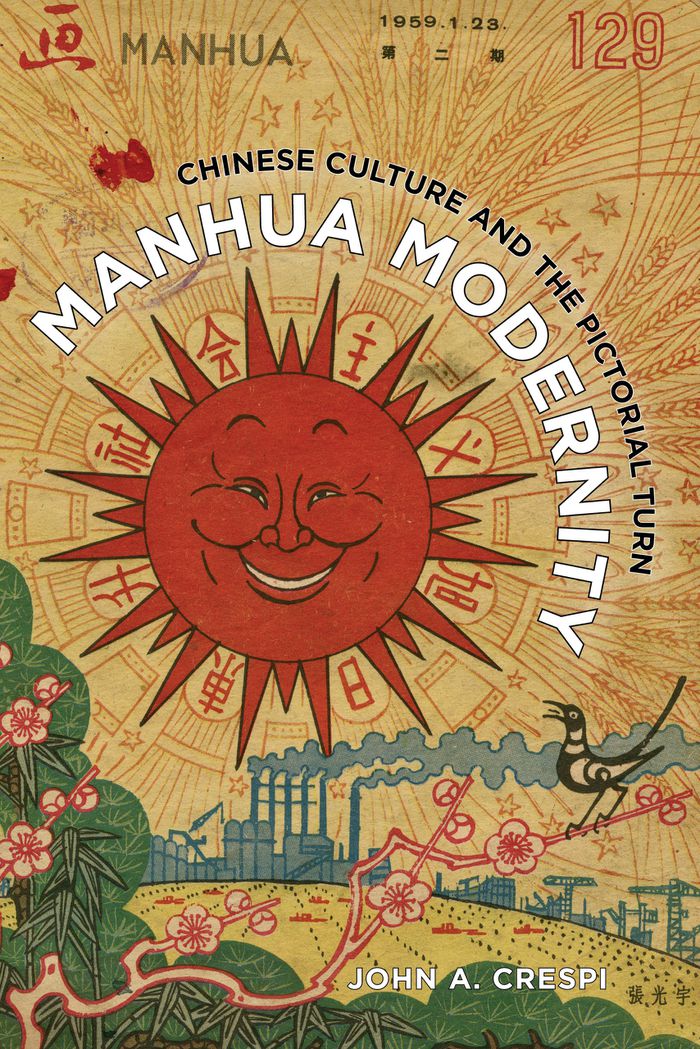
From fashion sketches of smartly dressed Shanghai dandies in the 1920s, to multipanel drawings of refugee urbanites during the war against Japan, to panoramic pictures of anti-American propaganda rallies in the early 1950s, the polymorphic cartoon-style art known as manhua helped define China's modern experience. ''Manhua Modernity'' offers a richly illustrated, deeply contextualized analysis of these illustrations across the lively pages of popular pictorial magazines that entertained, informed, and mobilized a nation through a half century of political and cultural transformation. In this compelling media history, John Crespi argues that manhua must be understood in the context of the pictorial magazines that hosted them, and in turn these magazines must be seen as important mediators of the modern urban experience. Even as times changed—from interwar-era consumerism to war-time mobilization to Mao-style propaganda—the art form adapted to stay on the cutting edge of both politics and style.
Manhua modernity: Chinese culture and the pictorial turn
Actions:
Price:
$47.95
(available in store)
Summary:
From fashion sketches of smartly dressed Shanghai dandies in the 1920s, to multipanel drawings of refugee urbanites during the war against Japan, to panoramic pictures of anti-American propaganda rallies in the early 1950s, the polymorphic cartoon-style art known as manhua helped define China's modern experience. ''Manhua Modernity'' offers a richly illustrated, deeply contextualized analysis of these illustrations across the lively pages of popular pictorial magazines that entertained, informed, and mobilized a nation through a half century of political and cultural transformation. In this compelling media history, John Crespi argues that manhua must be understood in the context of the pictorial magazines that hosted them, and in turn these magazines must be seen as important mediators of the modern urban experience. Even as times changed—from interwar-era consumerism to war-time mobilization to Mao-style propaganda—the art form adapted to stay on the cutting edge of both politics and style.
Form:
books
books
Publication:
September 2025
September 2025


