


84 Results
Form:
books
books
Actions:
Holdings:
Description:
320 pages : illustrations ; 18 cm
Description:
320 pages : illustrations ; 18 cm
Author:
Subject:
Publication:
Berlin : Sternberg Press, [2015], ©2015
Berlin : Sternberg Press, [2015], ©2015
Title:
The Internet does not exist / editors, Julieta Aranda, Brian Kuan Wood, Anton Vidokle.
Actions:
Holdings:
Description:
320 pages : illustrations ; 18 cm
The Internet does not exist / editors, Julieta Aranda, Brian Kuan Wood, Anton Vidokle.
Actions:
Holdings:
Description:
320 pages : illustrations ; 18 cm
Form:
books
books
Publication:
Berlin : Sternberg Press, [2015], ©2015
Berlin : Sternberg Press, [2015], ©2015
Author:
Subject:
Form:
books
books
Actions:
Price:
$38.99
(available to order)
Summary:
The Institute for Advanced Architecture of Catalonia investigates global projects for sustainable development on the cutting edge of self-sufficient housing, addressing environmental, economic and social needs. The projects investigate construction techniques and processes to build houses with local means, from the intelligent application of traditional techniques to(...)
$38.99
(available to order)
Summary:
The Institute for Advanced Architecture of Catalonia investigates global projects for sustainable development on the cutting edge of self-sufficient housing, addressing environmental, economic and social needs. The projects investigate construction techniques and processes to build houses with local means, from the intelligent application of traditional techniques to(...)
Title:
Self fab house: 2nd advanced architecture contest
Actions:
Price:
$38.99
(available to order)
Summary:
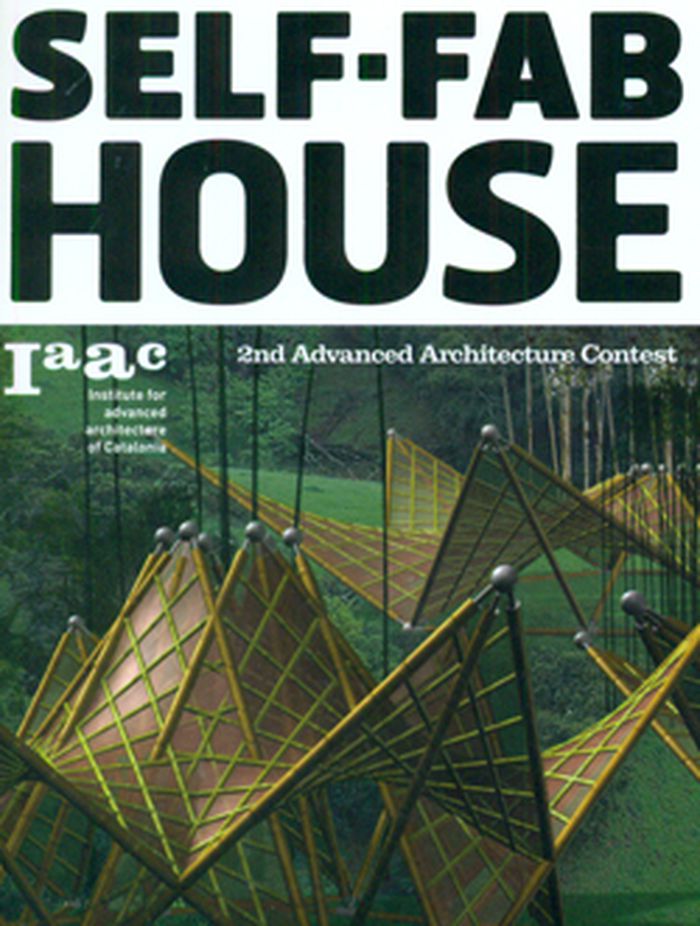
The Institute for Advanced Architecture of Catalonia investigates global projects for sustainable development on the cutting edge of self-sufficient housing, addressing environmental, economic and social needs. The projects investigate construction techniques and processes to build houses with local means, from the intelligent application of traditional techniques to advanced digital processes and fabrication. This book is a fascinating compilation of the most innovative projects for single dwellings and residential buildings, proposing the most creative designs and construction through the use of new materials and energy systems, and the integration of architecture into the landscape. Based in Barcelona, the IAAC is an international centre of architectural research in territorial analysis, urban development, digital fabrications and informational environments for improving cultural, economic and social conditions.
Self fab house: 2nd advanced architecture contest
Actions:
Price:
$38.99
(available to order)
Summary:
The Institute for Advanced Architecture of Catalonia investigates global projects for sustainable development on the cutting edge of self-sufficient housing, addressing environmental, economic and social needs. The projects investigate construction techniques and processes to build houses with local means, from the intelligent application of traditional techniques to advanced digital processes and fabrication. This book is a fascinating compilation of the most innovative projects for single dwellings and residential buildings, proposing the most creative designs and construction through the use of new materials and energy systems, and the integration of architecture into the landscape. Based in Barcelona, the IAAC is an international centre of architectural research in territorial analysis, urban development, digital fabrications and informational environments for improving cultural, economic and social conditions.
Form:
books
books
Publication:
May 2009
May 2009
Subject:
Green Architecture
Green Architecture
Form:
books
books
Actions:
Price:
$24.99
(available to order)
Summary:
Only in the last decade have climatologists developed an accurate picture of yearly climate conditions in historical times. This development confirmed a long-standing suspicion: that the world endured a 500-year cold snap -- The Little Ice Age -- that lasted roughly from A.D. 1300 until 1850. "The little ice age" tells the story of the turbulent, unpredictable and often(...)
$24.99
(available to order)
Summary:
Only in the last decade have climatologists developed an accurate picture of yearly climate conditions in historical times. This development confirmed a long-standing suspicion: that the world endured a 500-year cold snap -- The Little Ice Age -- that lasted roughly from A.D. 1300 until 1850. "The little ice age" tells the story of the turbulent, unpredictable and often(...)
Title:
The little ice age: How climate made history 1300-1850
Actions:
Price:
$24.99
(available to order)
Summary:
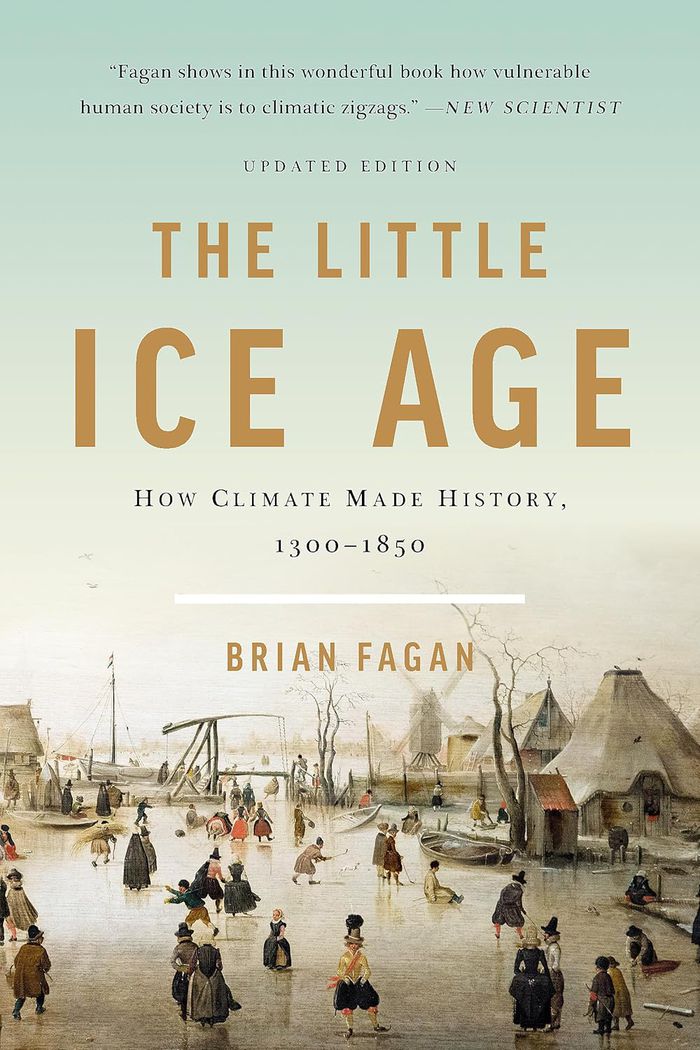
Only in the last decade have climatologists developed an accurate picture of yearly climate conditions in historical times. This development confirmed a long-standing suspicion: that the world endured a 500-year cold snap -- The Little Ice Age -- that lasted roughly from A.D. 1300 until 1850. "The little ice age" tells the story of the turbulent, unpredictable and often very cold years of modern European history, how climate altered historical events, and what they mean in the context of today's global warming. With its basis in cutting-edge science, "The little ice age" offers a new perspective on familiar events. Renowned archaeologist Brian Fagan shows how the increasing cold affected Norse exploration; how changing sea temperatures caused English and Basque fishermen to follow vast shoals of cod all the way to the New World; how a generations-long subsistence crisis in France contributed to social disintegration and ultimately revolution; and how English efforts to improve farm productivity in the face of a deteriorating climate helped pave the way for the Industrial Revolution and hence for global warming.
The little ice age: How climate made history 1300-1850
Actions:
Price:
$24.99
(available to order)
Summary:
Only in the last decade have climatologists developed an accurate picture of yearly climate conditions in historical times. This development confirmed a long-standing suspicion: that the world endured a 500-year cold snap -- The Little Ice Age -- that lasted roughly from A.D. 1300 until 1850. "The little ice age" tells the story of the turbulent, unpredictable and often very cold years of modern European history, how climate altered historical events, and what they mean in the context of today's global warming. With its basis in cutting-edge science, "The little ice age" offers a new perspective on familiar events. Renowned archaeologist Brian Fagan shows how the increasing cold affected Norse exploration; how changing sea temperatures caused English and Basque fishermen to follow vast shoals of cod all the way to the New World; how a generations-long subsistence crisis in France contributed to social disintegration and ultimately revolution; and how English efforts to improve farm productivity in the face of a deteriorating climate helped pave the way for the Industrial Revolution and hence for global warming.
Form:
books
books
Publication:
November 2019
November 2019
Subject:
Current Exhibitions
Current Exhibitions
Form:
books
books
Price:
$37.50
(available to order)
Summary:
From as early as 1900 Finland, at that time ruled by Russia, was to see in architecture a political and social vehicle. Modern architecture, with the promises it held for social change and hopes for technological progress, was to become a cultural phenomenon over the course of the twentieth century. This book explores the shape of architecture from Finland’s independence(...)
$37.50
(available to order)
Summary:
From as early as 1900 Finland, at that time ruled by Russia, was to see in architecture a political and social vehicle. Modern architecture, with the promises it held for social change and hopes for technological progress, was to become a cultural phenomenon over the course of the twentieth century. This book explores the shape of architecture from Finland’s independence(...)
Title:
Finland
Actions:
Price:
$37.50
(available to order)
Summary:
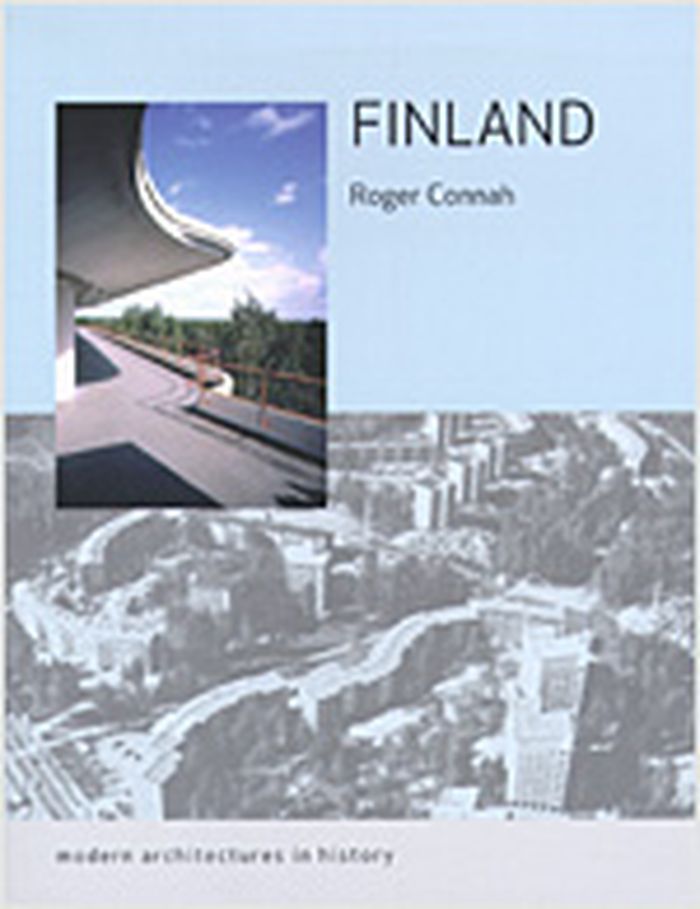
From as early as 1900 Finland, at that time ruled by Russia, was to see in architecture a political and social vehicle. Modern architecture, with the promises it held for social change and hopes for technological progress, was to become a cultural phenomenon over the course of the twentieth century. This book explores the shape of architecture from Finland’s independence in 1917 until the present day, and how the ‘modern agenda’ became a blueprint to advance the nation’s society and define its identity. Roger Connah assesses the work of well-known heroes of Finnish architecture such as Reima Pietila, Juhä Leiviskä and ‘modern master’ Alvar Aalto, as well as many other less familiar figures whose contribution is little known outside Finland. He discusses developments in architecture in relation to the culture and politics of the new independent Finland, as well as parallel movements in the arts, and also surveys the early part of the century, as Finland came into its own as a new nation state. He examines the rationalised developments of the 1930s, the ‘organic’ and vernacular tendencies of modern architecture, and how some of modernism’s devices were combined with a particular Nordic sensibility. He also looks at the reconstruction and urbanisation of the post-war years, the use of industrial building methods and prefabricated materials, the ‘golden age’ of Finnish modernism in the 1950s, and the developments thereafter. Connah also considers how architecture has been publicised in magazines, galleries and through exhibitions. By the end of the twentieth century Finland had transformed itself into a modern industrial economy at the cutting edge of the it world, and its buildings continue to be regarded as exemplary modern works. Roger Connah assesses Finnish modern architecture’s relation to the broader cultural and political conditions of Finland and modernity at large, making this study crucial to our understanding of Finland’s place in architecture and in culture today.
Finland
Actions:
Price:
$37.50
(available to order)
Summary:
From as early as 1900 Finland, at that time ruled by Russia, was to see in architecture a political and social vehicle. Modern architecture, with the promises it held for social change and hopes for technological progress, was to become a cultural phenomenon over the course of the twentieth century. This book explores the shape of architecture from Finland’s independence in 1917 until the present day, and how the ‘modern agenda’ became a blueprint to advance the nation’s society and define its identity. Roger Connah assesses the work of well-known heroes of Finnish architecture such as Reima Pietila, Juhä Leiviskä and ‘modern master’ Alvar Aalto, as well as many other less familiar figures whose contribution is little known outside Finland. He discusses developments in architecture in relation to the culture and politics of the new independent Finland, as well as parallel movements in the arts, and also surveys the early part of the century, as Finland came into its own as a new nation state. He examines the rationalised developments of the 1930s, the ‘organic’ and vernacular tendencies of modern architecture, and how some of modernism’s devices were combined with a particular Nordic sensibility. He also looks at the reconstruction and urbanisation of the post-war years, the use of industrial building methods and prefabricated materials, the ‘golden age’ of Finnish modernism in the 1950s, and the developments thereafter. Connah also considers how architecture has been publicised in magazines, galleries and through exhibitions. By the end of the twentieth century Finland had transformed itself into a modern industrial economy at the cutting edge of the it world, and its buildings continue to be regarded as exemplary modern works. Roger Connah assesses Finnish modern architecture’s relation to the broader cultural and political conditions of Finland and modernity at large, making this study crucial to our understanding of Finland’s place in architecture and in culture today.
Form:
books
books
Publication:
September 2005, London
September 2005, London
Subject:
Architecture since 1900, Europe
Architecture since 1900, Europe


