


12071 Results
Form:
books
books
Actions:
Price:
$80.00
(available in store)
Summary:
"Proto Vernacular" is both art object and architectural meditation, a richly visual and philosophical publication by Pezo von Ellrichshausen. It explores architecture’s most primordial tension, tracing the shift from anonymous building traditions to authored design. Bringing together "Vernacular" drawings (pencil studies of archetypal buildings) and "Proto" paintings, the(...)
$80.00
(available in store)
Summary:
"Proto Vernacular" is both art object and architectural meditation, a richly visual and philosophical publication by Pezo von Ellrichshausen. It explores architecture’s most primordial tension, tracing the shift from anonymous building traditions to authored design. Bringing together "Vernacular" drawings (pencil studies of archetypal buildings) and "Proto" paintings, the(...)
Subject:
Architecture Monographs
Architecture Monographs
Publication:
April 2026
April 2026
Title:
Pezo von Ellrichshausen: Proto vernacular
Actions:
Price:
$80.00
(available in store)
Summary:
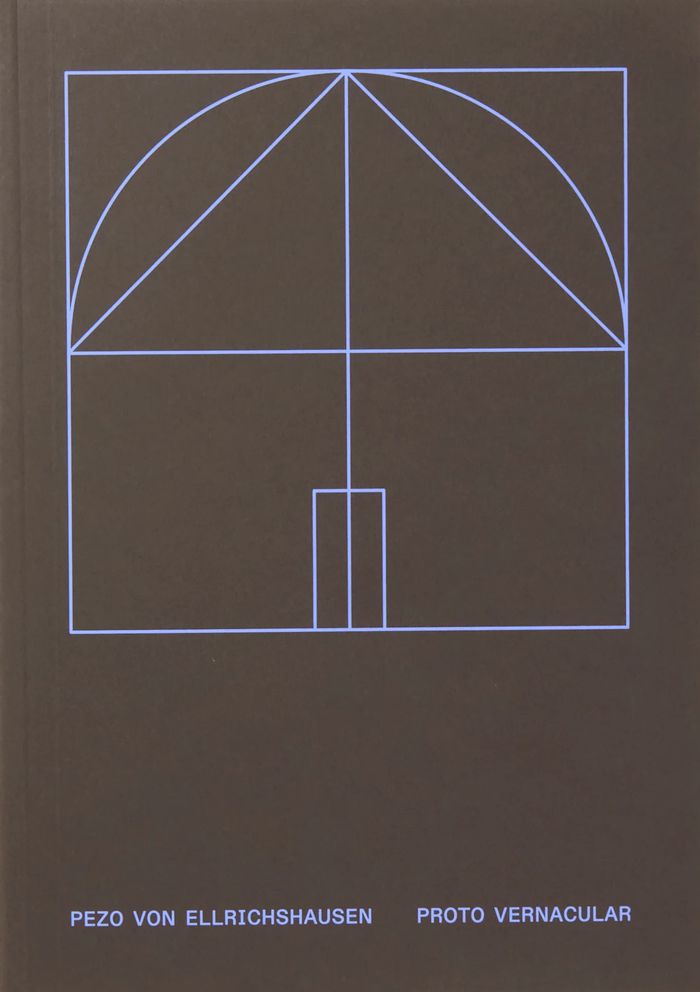
"Proto Vernacular" is both art object and architectural meditation, a richly visual and philosophical publication by Pezo von Ellrichshausen. It explores architecture’s most primordial tension, tracing the shift from anonymous building traditions to authored design. Bringing together "Vernacular" drawings (pencil studies of archetypal buildings) and "Proto" paintings, the book reflects on origins, repetition, and architecture’s desire to return to a “first” state. A thoughtful text on the making of Luna House reveals how seclusion, material necessity, and the interruptions of daily life shape architectural thought. The book also features essays by Hans Ibelings and Pezo von Ellrichshausen.
Pezo von Ellrichshausen: Proto vernacular
Actions:
Price:
$80.00
(available in store)
Summary:
"Proto Vernacular" is both art object and architectural meditation, a richly visual and philosophical publication by Pezo von Ellrichshausen. It explores architecture’s most primordial tension, tracing the shift from anonymous building traditions to authored design. Bringing together "Vernacular" drawings (pencil studies of archetypal buildings) and "Proto" paintings, the book reflects on origins, repetition, and architecture’s desire to return to a “first” state. A thoughtful text on the making of Luna House reveals how seclusion, material necessity, and the interruptions of daily life shape architectural thought. The book also features essays by Hans Ibelings and Pezo von Ellrichshausen.
Form:
books
books
Publication:
April 2026
April 2026
Subject:
Architecture Monographs
Architecture Monographs
Form:
books
books
Actions:
Price:
$86.00
(available in store)
Summary:
This book explores the great exemplars of Nordic residential architecture from the past 120 years, featuring groundbreaking modernist homes and contemporary dream residences. The Nordic region is one of the most influential when it comes to the modern home. Nordic architects and designers such as Alvar Aalto, Arne Jacobsen, and Jørn Utzon played a key part in the(...)
$86.00
(available in store)
Summary:
This book explores the great exemplars of Nordic residential architecture from the past 120 years, featuring groundbreaking modernist homes and contemporary dream residences. The Nordic region is one of the most influential when it comes to the modern home. Nordic architects and designers such as Alvar Aalto, Arne Jacobsen, and Jørn Utzon played a key part in the(...)
Title:
The iconic Nordic house: Modern masterworks Since 1900
Actions:
Price:
$86.00
(available in store)
Summary:
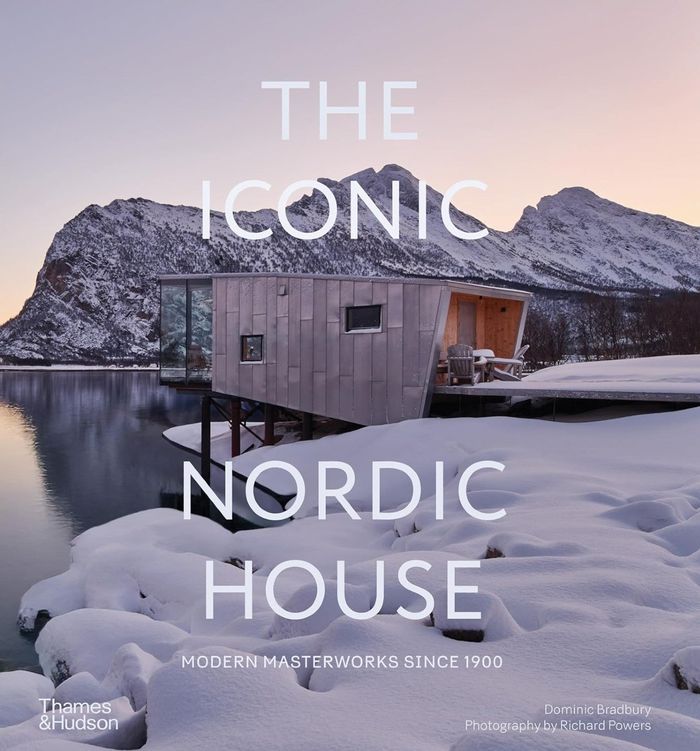
This book explores the great exemplars of Nordic residential architecture from the past 120 years, featuring groundbreaking modernist homes and contemporary dream residences. The Nordic region is one of the most influential when it comes to the modern home. Nordic architects and designers such as Alvar Aalto, Arne Jacobsen, and Jørn Utzon played a key part in the development of Nordic modernism, with its unique sense of character and warmth. This collection of forty of the region’s most iconic houses shows why the Nordic home holds a powerful allure for architects, designers, and homeowners around the world.
The iconic Nordic house: Modern masterworks Since 1900
Actions:
Price:
$86.00
(available in store)
Summary:
This book explores the great exemplars of Nordic residential architecture from the past 120 years, featuring groundbreaking modernist homes and contemporary dream residences. The Nordic region is one of the most influential when it comes to the modern home. Nordic architects and designers such as Alvar Aalto, Arne Jacobsen, and Jørn Utzon played a key part in the development of Nordic modernism, with its unique sense of character and warmth. This collection of forty of the region’s most iconic houses shows why the Nordic home holds a powerful allure for architects, designers, and homeowners around the world.
Form:
books
books
Publication:
February 2026
February 2026
Subject:
Residential Architecture
Residential Architecture
Form:
books
books
Title:
Aalto: Alvar, Aino, Elissa
Aalto: Alvar, Aino, Elissa
Actions:
Price:
$85.00
(available to order)
Summary:
To mark the 50th anniversary of the death of Alvar Aalto, one of the most important figures in architectural history, this exhibition will showcase the extensive body of work he created with his two wives, Aino and Elissa. The Aaltos revolutionised the humanist aspect of modern architecture by grounding it in an organic connection to nature, producing countless designs in(...)
$85.00
(available to order)
Summary:
To mark the 50th anniversary of the death of Alvar Aalto, one of the most important figures in architectural history, this exhibition will showcase the extensive body of work he created with his two wives, Aino and Elissa. The Aaltos revolutionised the humanist aspect of modern architecture by grounding it in an organic connection to nature, producing countless designs in(...)
Subject:
Architecture Monographs
Architecture Monographs
Publication:
January 2025
January 2025
Title:
Aalto: Alvar, Aino, Elissa
Actions:
Price:
$85.00
(available to order)
Summary:
To mark the 50th anniversary of the death of Alvar Aalto, one of the most important figures in architectural history, this exhibition will showcase the extensive body of work he created with his two wives, Aino and Elissa. The Aaltos revolutionised the humanist aspect of modern architecture by grounding it in an organic connection to nature, producing countless designs in the process. Between the two world wars, the Aaltos helped to create an identity for the young Finnish nation. They participated in the International Congresses of Modern Architecture and the Paris and New York exhibitions and designed masterpieces such as the Viipuri Library (now in Russia), Villa Mairea in Finland, Baker House in the United States and Maison Carré in France. Following the introduction of antibiotics, their Paimio Sanatorium set an example to the world by demonstrating how spaces could be made healthier and more accessible, through studies of solar incidence, natural ventilation and silent washbasins. Sanatorium is one of the thirteen Aalto-designed projects currently proposed as UNESCO World Heritage Sites. The book accompanying the exhibition features a preface by António Choupina, director of the Architecture Department at the Serralves Foundation and curator of the exhibition, and Jukka Savolainen, director of the Alvar Aalto Museum. It also includes contributions from architect Álvaro Siza and Juhani Pallasmaa, architect, professor emeritus at Aalto University, Helsinki, and writer.
Aalto: Alvar, Aino, Elissa
Actions:
Price:
$85.00
(available to order)
Summary:
To mark the 50th anniversary of the death of Alvar Aalto, one of the most important figures in architectural history, this exhibition will showcase the extensive body of work he created with his two wives, Aino and Elissa. The Aaltos revolutionised the humanist aspect of modern architecture by grounding it in an organic connection to nature, producing countless designs in the process. Between the two world wars, the Aaltos helped to create an identity for the young Finnish nation. They participated in the International Congresses of Modern Architecture and the Paris and New York exhibitions and designed masterpieces such as the Viipuri Library (now in Russia), Villa Mairea in Finland, Baker House in the United States and Maison Carré in France. Following the introduction of antibiotics, their Paimio Sanatorium set an example to the world by demonstrating how spaces could be made healthier and more accessible, through studies of solar incidence, natural ventilation and silent washbasins. Sanatorium is one of the thirteen Aalto-designed projects currently proposed as UNESCO World Heritage Sites. The book accompanying the exhibition features a preface by António Choupina, director of the Architecture Department at the Serralves Foundation and curator of the exhibition, and Jukka Savolainen, director of the Alvar Aalto Museum. It also includes contributions from architect Álvaro Siza and Juhani Pallasmaa, architect, professor emeritus at Aalto University, Helsinki, and writer.
Form:
books
books
Publication:
January 2025
January 2025
Subject:
Architecture Monographs
Architecture Monographs
Form:
books
books
Price:
$82.50
(available in store)
Summary:
Gio Ponti (1891–1979) was a giant of Italian Modernism, contributing to a multitude of fields: architecture, industrial design, furniture design, education, art criticism and publishing. From 1923 to 1930, Ponti served as the artistic director of the now cult Italian tableware manufacturer Richard Ginori. In 1928, he founded the internationally renowned magazine Domus,(...)
$82.50
(available in store)
Summary:
Gio Ponti (1891–1979) was a giant of Italian Modernism, contributing to a multitude of fields: architecture, industrial design, furniture design, education, art criticism and publishing. From 1923 to 1930, Ponti served as the artistic director of the now cult Italian tableware manufacturer Richard Ginori. In 1928, he founded the internationally renowned magazine Domus,(...)
Subject:
Architecture Monographs
Architecture Monographs
Publication:
October 2025
October 2025
Title:
More than one: Gio Ponti. Critic, editor, graphic artist, architect
Actions:
Price:
$82.50
(available in store)
Summary:
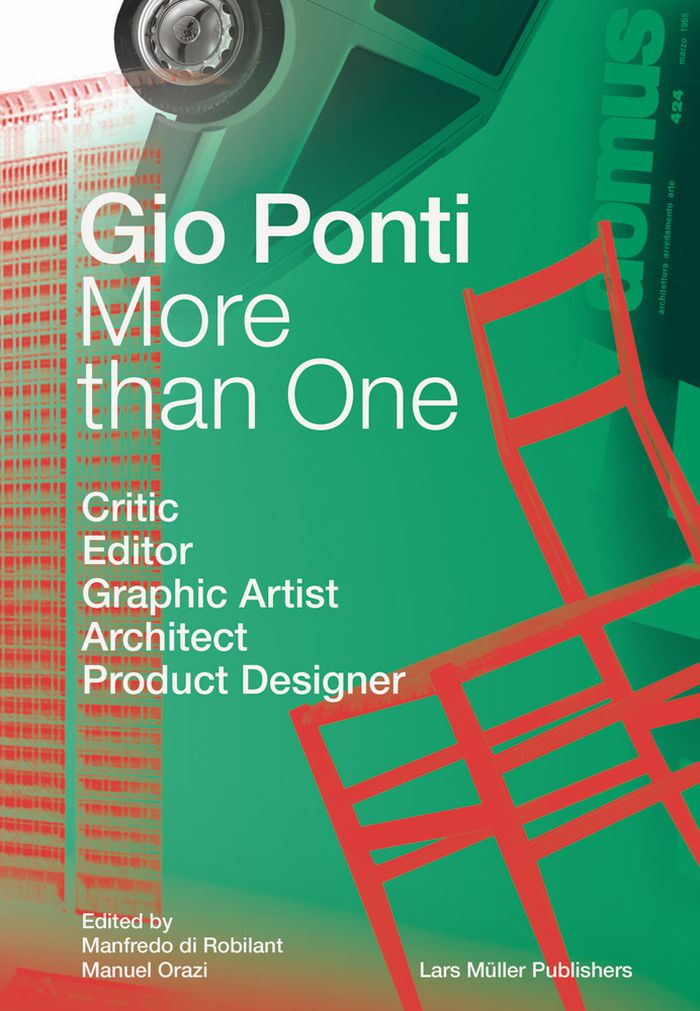
Gio Ponti (1891–1979) was a giant of Italian Modernism, contributing to a multitude of fields: architecture, industrial design, furniture design, education, art criticism and publishing. From 1923 to 1930, Ponti served as the artistic director of the now cult Italian tableware manufacturer Richard Ginori. In 1928, he founded the internationally renowned magazine Domus, which, apart from a break in the 1940s, he continued to direct for the rest of his life. In the postwar era, Ponti and his associates Antonio Fornaroli and Alberto Rosselli shaped the architectural image of Milan but were also active across the globe from Caracas to Tehran, Denver, Islamabad and Eindhoven. "More than one: Gio Ponti" delves into the many components of Ponti’s creative contribution to the 20th century and traces his enduring influence in Italy and across the globe.
More than one: Gio Ponti. Critic, editor, graphic artist, architect
Actions:
Price:
$82.50
(available in store)
Summary:
Gio Ponti (1891–1979) was a giant of Italian Modernism, contributing to a multitude of fields: architecture, industrial design, furniture design, education, art criticism and publishing. From 1923 to 1930, Ponti served as the artistic director of the now cult Italian tableware manufacturer Richard Ginori. In 1928, he founded the internationally renowned magazine Domus, which, apart from a break in the 1940s, he continued to direct for the rest of his life. In the postwar era, Ponti and his associates Antonio Fornaroli and Alberto Rosselli shaped the architectural image of Milan but were also active across the globe from Caracas to Tehran, Denver, Islamabad and Eindhoven. "More than one: Gio Ponti" delves into the many components of Ponti’s creative contribution to the 20th century and traces his enduring influence in Italy and across the globe.
Form:
books
books
Publication:
October 2025
October 2025
Subject:
Architecture Monographs
Architecture Monographs
Form:
books
books
Actions:
Price:
$120.00
(available to order)
Summary:
What is architecture when computers redefine it? Two books explore the nature and potential of architecture in the age of artificial intelligence. Inspired by architect Fritz Haller (1924-2012), a virtual persona asks him about the architecture of the future. The first book uses artificial intelligence to network the Internet of Things into a new architecture. The second(...)
$120.00
(available to order)
Summary:
What is architecture when computers redefine it? Two books explore the nature and potential of architecture in the age of artificial intelligence. Inspired by architect Fritz Haller (1924-2012), a virtual persona asks him about the architecture of the future. The first book uses artificial intelligence to network the Internet of Things into a new architecture. The second(...)
Title:
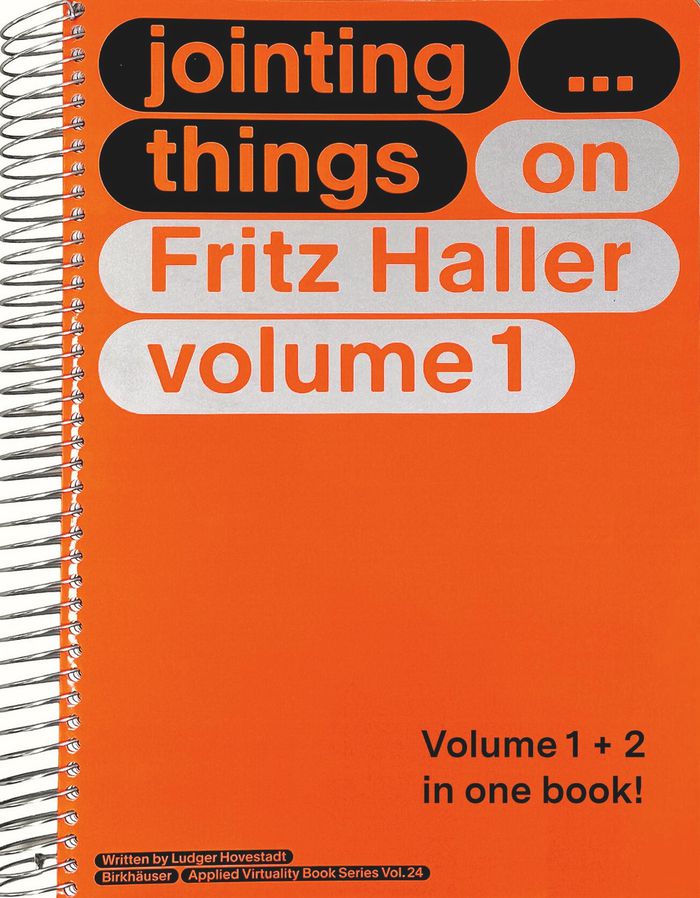
Jointing things... on Fritz Haller volume 1 & 2
Actions:
Price:
$120.00
(available to order)
Summary:
What is architecture when computers redefine it? Two books explore the nature and potential of architecture in the age of artificial intelligence. Inspired by architect Fritz Haller (1924-2012), a virtual persona asks him about the architecture of the future. The first book uses artificial intelligence to network the Internet of Things into a new architecture. The second presents six works by Fritz Haller in the multidisciplinary light of the 2020s and shows them like icons that already contain what was only thought of later. The two volumes are neither historical nor analytical - they are visionary and projective and, in some respects, represent an experiment in themselves. They show an architecture that does rethink and does not evaluate.
Jointing things... on Fritz Haller volume 1 & 2
Actions:
Price:
$120.00
(available to order)
Summary:
What is architecture when computers redefine it? Two books explore the nature and potential of architecture in the age of artificial intelligence. Inspired by architect Fritz Haller (1924-2012), a virtual persona asks him about the architecture of the future. The first book uses artificial intelligence to network the Internet of Things into a new architecture. The second presents six works by Fritz Haller in the multidisciplinary light of the 2020s and shows them like icons that already contain what was only thought of later. The two volumes are neither historical nor analytical - they are visionary and projective and, in some respects, represent an experiment in themselves. They show an architecture that does rethink and does not evaluate.
Form:
books
books
Publication:
May 2026
May 2026
Subject:
Architectural Theory
Architectural Theory
Form:
books
books
Price:
$55.00
(available in store)
Summary:
Leboncoin. A studio about strange transformations, selective frugality, building engineering poetry, and eventually finding other ways to inhabit what’s already there. Leboncoin is a book featuring the work of second-year B.arch students at ENSA-Versailles. Re-edition of the book originally published in 2020.
$55.00
(available in store)
Summary:
Leboncoin. A studio about strange transformations, selective frugality, building engineering poetry, and eventually finding other ways to inhabit what’s already there. Leboncoin is a book featuring the work of second-year B.arch students at ENSA-Versailles. Re-edition of the book originally published in 2020.
Title:
Leboncoin
Actions:
Price:
$55.00
(available in store)
Summary:
Leboncoin. A studio about strange transformations, selective frugality, building engineering poetry, and eventually finding other ways to inhabit what’s already there. Leboncoin is a book featuring the work of second-year B.arch students at ENSA-Versailles. Re-edition of the book originally published in 2020.
Leboncoin
Actions:
Price:
$55.00
(available in store)
Summary:
Leboncoin. A studio about strange transformations, selective frugality, building engineering poetry, and eventually finding other ways to inhabit what’s already there. Leboncoin is a book featuring the work of second-year B.arch students at ENSA-Versailles. Re-edition of the book originally published in 2020.
Form:
books
books
Publication:
January 2020
January 2020
Subject:
Contemporary Architecture
Contemporary Architecture
Form:
books
books
Actions:
Price:
$72.95
(available in store)
Summary:
On croit connaître Jean Prouvé. On évoque le proche de Charlotte Perriand et de Le Corbusier, le créateur de mobilier industrialisé dont les pièces alimentent désormais le marché de l’art. On célèbre l’inventeur de la tôle pliée, le pionnier du mur-rideau, le constructeur visionnaire qui transforma durablement l’usage du métal dans l’architecture. À travers des textes(...)
$72.95
(available in store)
Summary:
On croit connaître Jean Prouvé. On évoque le proche de Charlotte Perriand et de Le Corbusier, le créateur de mobilier industrialisé dont les pièces alimentent désormais le marché de l’art. On célèbre l’inventeur de la tôle pliée, le pionnier du mur-rideau, le constructeur visionnaire qui transforma durablement l’usage du métal dans l’architecture. À travers des textes(...)
Title:
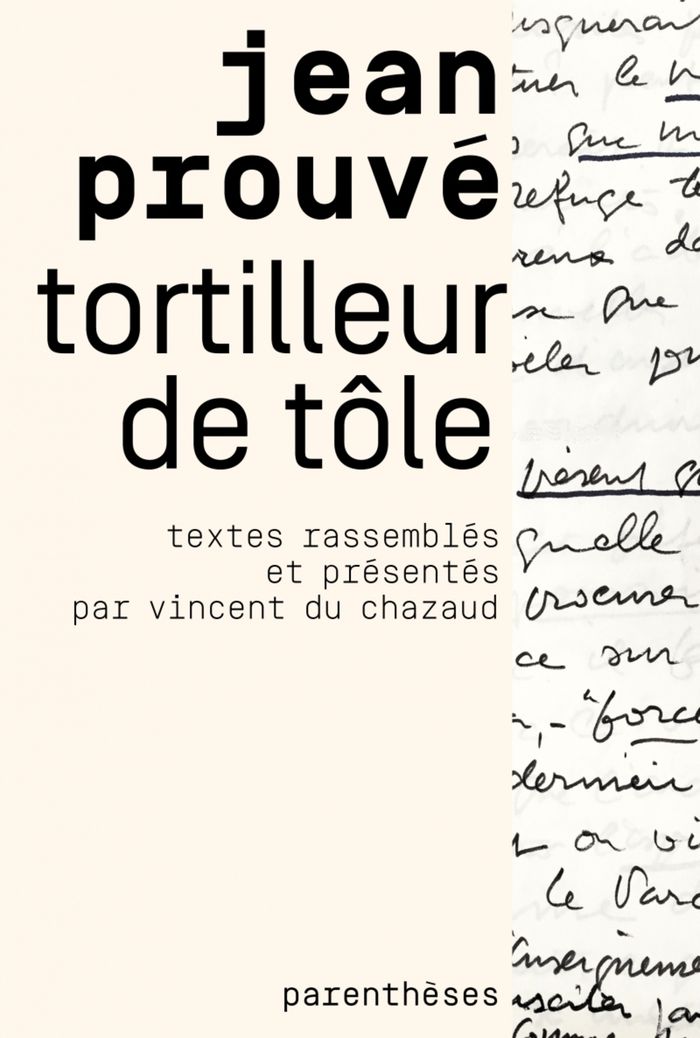
Jean Prouvé : Tortilleur de tôle
Actions:
Price:
$72.95
(available in store)
Summary:
On croit connaître Jean Prouvé. On évoque le proche de Charlotte Perriand et de Le Corbusier, le créateur de mobilier industrialisé dont les pièces alimentent désormais le marché de l’art. On célèbre l’inventeur de la tôle pliée, le pionnier du mur-rideau, le constructeur visionnaire qui transforma durablement l’usage du métal dans l’architecture. À travers des textes rédigés entre 1944 et 1982 — conférences, articles, lettres, hommages, prises de position parfois indignées — se révèle une voix singulière, libre, exigeante. Celle d’un constructeur qui refusait les étiquettes, se méfiait du mot « designer », se disait simplement « tortilleur de tôle », parfois industriel, constructeur ou entrepreneur, mais pas architecte ou ingénieur. Il rejetait les querelles de chapelle : « Architecte ? Ingénieur ?… Il s’agit de bâtir. ». Ces écrits, conservés à la bibliothèque Kandinsky du Centre Pompidou et réunis ici pour la première fois dans leur cohérence, dévoilent un Jean Prouvé théoricien malgré lui, pédagogue passionné, humaniste convaincu que l’industrie pouvait être mise au service du plus grand nombre. On y découvre son engagement dans la Reconstruction, sa foi inébranlable dans l’industrialisation du bâtiment, sa résilience après la perte de son usine de Maxéville, son attention constante aux jeunes architectes et aux étudiants du Conservatoire national des arts et métiers.
Jean Prouvé : Tortilleur de tôle
Actions:
Price:
$72.95
(available in store)
Summary:
On croit connaître Jean Prouvé. On évoque le proche de Charlotte Perriand et de Le Corbusier, le créateur de mobilier industrialisé dont les pièces alimentent désormais le marché de l’art. On célèbre l’inventeur de la tôle pliée, le pionnier du mur-rideau, le constructeur visionnaire qui transforma durablement l’usage du métal dans l’architecture. À travers des textes rédigés entre 1944 et 1982 — conférences, articles, lettres, hommages, prises de position parfois indignées — se révèle une voix singulière, libre, exigeante. Celle d’un constructeur qui refusait les étiquettes, se méfiait du mot « designer », se disait simplement « tortilleur de tôle », parfois industriel, constructeur ou entrepreneur, mais pas architecte ou ingénieur. Il rejetait les querelles de chapelle : « Architecte ? Ingénieur ?… Il s’agit de bâtir. ». Ces écrits, conservés à la bibliothèque Kandinsky du Centre Pompidou et réunis ici pour la première fois dans leur cohérence, dévoilent un Jean Prouvé théoricien malgré lui, pédagogue passionné, humaniste convaincu que l’industrie pouvait être mise au service du plus grand nombre. On y découvre son engagement dans la Reconstruction, sa foi inébranlable dans l’industrialisation du bâtiment, sa résilience après la perte de son usine de Maxéville, son attention constante aux jeunes architectes et aux étudiants du Conservatoire national des arts et métiers.
Form:
books
books
Publication:
May 2026
May 2026
Subject:
Architecture Monographs
Architecture Monographs
Form:
books
books
Title:
Japanese homes
Japanese homes
Actions:
Price:
$77.50
(available in store)
Summary:
Life in Japan – and therefore also the culture of living – oscillates between two very contrasting poles: on the one hand, the tranquility of country life, surrounded by the sounds of nature, with tatami floors, flexible sliding walls, and wraparound engawa wooden verandas, and on the other, the frenetic dynamism of the metropolises and large cities with minimalist(...)
$77.50
(available in store)
Summary:
Life in Japan – and therefore also the culture of living – oscillates between two very contrasting poles: on the one hand, the tranquility of country life, surrounded by the sounds of nature, with tatami floors, flexible sliding walls, and wraparound engawa wooden verandas, and on the other, the frenetic dynamism of the metropolises and large cities with minimalist(...)
Title:
Japanese homes
Actions:
Price:
$77.50
(available in store)
Summary:
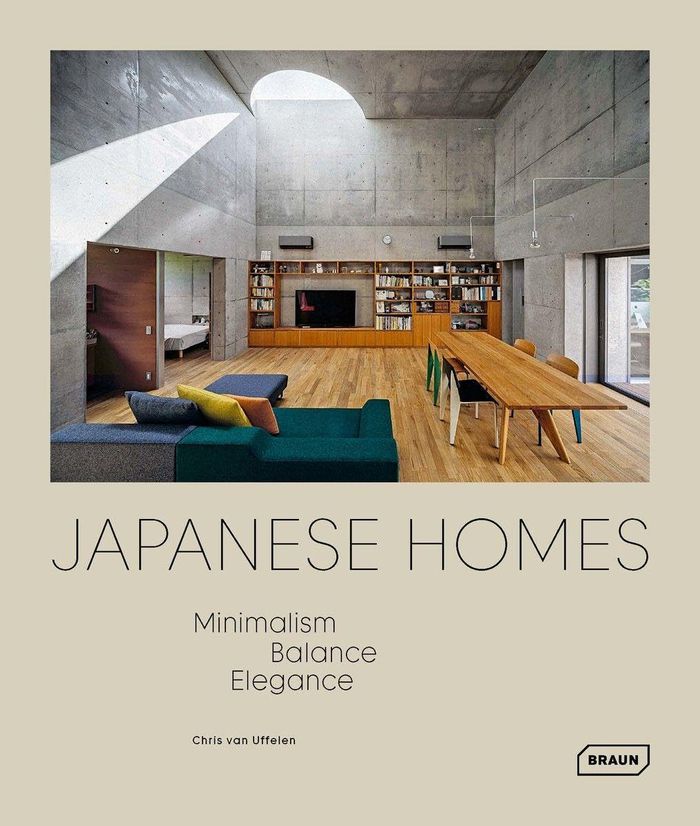
Life in Japan – and therefore also the culture of living – oscillates between two very contrasting poles: on the one hand, the tranquility of country life, surrounded by the sounds of nature, with tatami floors, flexible sliding walls, and wraparound engawa wooden verandas, and on the other, the frenetic dynamism of the metropolises and large cities with minimalist townhouses on narrow plots and sophisticated micro-apartments. It becomes exciting when these worlds of tradition and modernity meet and interact with each other in terms of design. This volume offers a multifaceted overview of contemporary Japanese residential architecture and introduces the art of creating spaces that combine functionality and spirituality. It offers unique insights into the principles that make them so special and shows how living spaces are not only designed but also experienced. The selected projects invite you to understand and reinterpret the essence of Japanese living cultures.
Japanese homes
Actions:
Price:
$77.50
(available in store)
Summary:
Life in Japan – and therefore also the culture of living – oscillates between two very contrasting poles: on the one hand, the tranquility of country life, surrounded by the sounds of nature, with tatami floors, flexible sliding walls, and wraparound engawa wooden verandas, and on the other, the frenetic dynamism of the metropolises and large cities with minimalist townhouses on narrow plots and sophisticated micro-apartments. It becomes exciting when these worlds of tradition and modernity meet and interact with each other in terms of design. This volume offers a multifaceted overview of contemporary Japanese residential architecture and introduces the art of creating spaces that combine functionality and spirituality. It offers unique insights into the principles that make them so special and shows how living spaces are not only designed but also experienced. The selected projects invite you to understand and reinterpret the essence of Japanese living cultures.
Form:
books
books
Publication:
March 2026
March 2026
Subject:
Residential Architecture
Residential Architecture
Form:
books
books
Price:
$40.00
(available in store)
Summary:
Comment la géographie savante s'est-elle développée et institutionnalisée au Québec? Qu'est-ce qui a contribué à sa construction sociohistorique? Dans cet ouvrage, la trajectoire de la géographie est mise en évidence afin d'illustrer sa valeur disciplinaire et historique. Du rôle fondateur des premiers départements universitaires à la structuration de la vie associative(...)
$40.00
(available in store)
Summary:
Comment la géographie savante s'est-elle développée et institutionnalisée au Québec? Qu'est-ce qui a contribué à sa construction sociohistorique? Dans cet ouvrage, la trajectoire de la géographie est mise en évidence afin d'illustrer sa valeur disciplinaire et historique. Du rôle fondateur des premiers départements universitaires à la structuration de la vie associative(...)
Title:
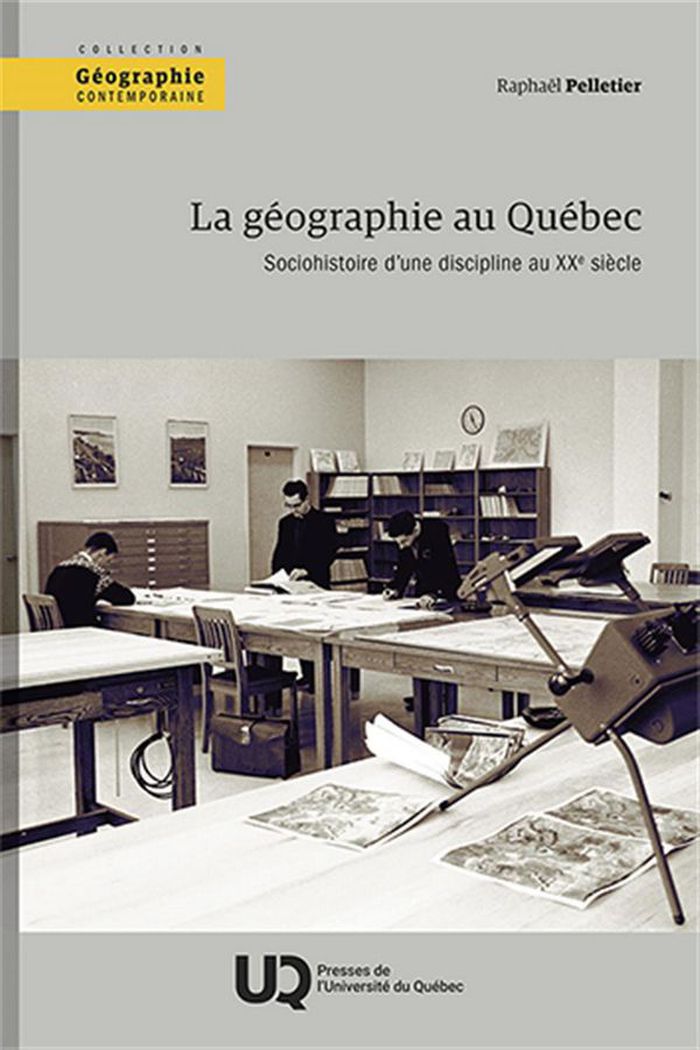
La géographie au Québec : Sociohistoire d'une discipline au XXe siècle
Actions:
Price:
$40.00
(available in store)
Summary:
Comment la géographie savante s'est-elle développée et institutionnalisée au Québec? Qu'est-ce qui a contribué à sa construction sociohistorique? Dans cet ouvrage, la trajectoire de la géographie est mise en évidence afin d'illustrer sa valeur disciplinaire et historique. Du rôle fondateur des premiers départements universitaires à la structuration de la vie associative des géographes, en passant par les débats sur la professionnalisation et la spécialisation de la discipline, on y retrace la genèse d'une science ancrée dans l'évolution de la société québécoise, mais également le parcours de figures marquantes, comme celui de Louis-Edmond Hamelin. Adoptant un point de vue contextuel, l'auteur met en lumière les dynamiques sociales et politiques qui ont façonné la discipline tout au long du XXe siècle et explore les espaces de pratiques que sont les milieux universitaire, associatif et professionnel. A la croisée de l'histoire intellectuelle et de la sociologie du savoir, ce livre offre une réflexion sur la manière dont une société pense, construit et pratique la géographie.
La géographie au Québec : Sociohistoire d'une discipline au XXe siècle
Actions:
Price:
$40.00
(available in store)
Summary:
Comment la géographie savante s'est-elle développée et institutionnalisée au Québec? Qu'est-ce qui a contribué à sa construction sociohistorique? Dans cet ouvrage, la trajectoire de la géographie est mise en évidence afin d'illustrer sa valeur disciplinaire et historique. Du rôle fondateur des premiers départements universitaires à la structuration de la vie associative des géographes, en passant par les débats sur la professionnalisation et la spécialisation de la discipline, on y retrace la genèse d'une science ancrée dans l'évolution de la société québécoise, mais également le parcours de figures marquantes, comme celui de Louis-Edmond Hamelin. Adoptant un point de vue contextuel, l'auteur met en lumière les dynamiques sociales et politiques qui ont façonné la discipline tout au long du XXe siècle et explore les espaces de pratiques que sont les milieux universitaire, associatif et professionnel. A la croisée de l'histoire intellectuelle et de la sociologie du savoir, ce livre offre une réflexion sur la manière dont une société pense, construit et pratique la géographie.
Form:
books
books
Publication:
April 2026
April 2026
Subject:
Architecture du Québec
Architecture du Québec
Form:
books
books
Actions:
Price:
$29.95
(available to order)
Summary:
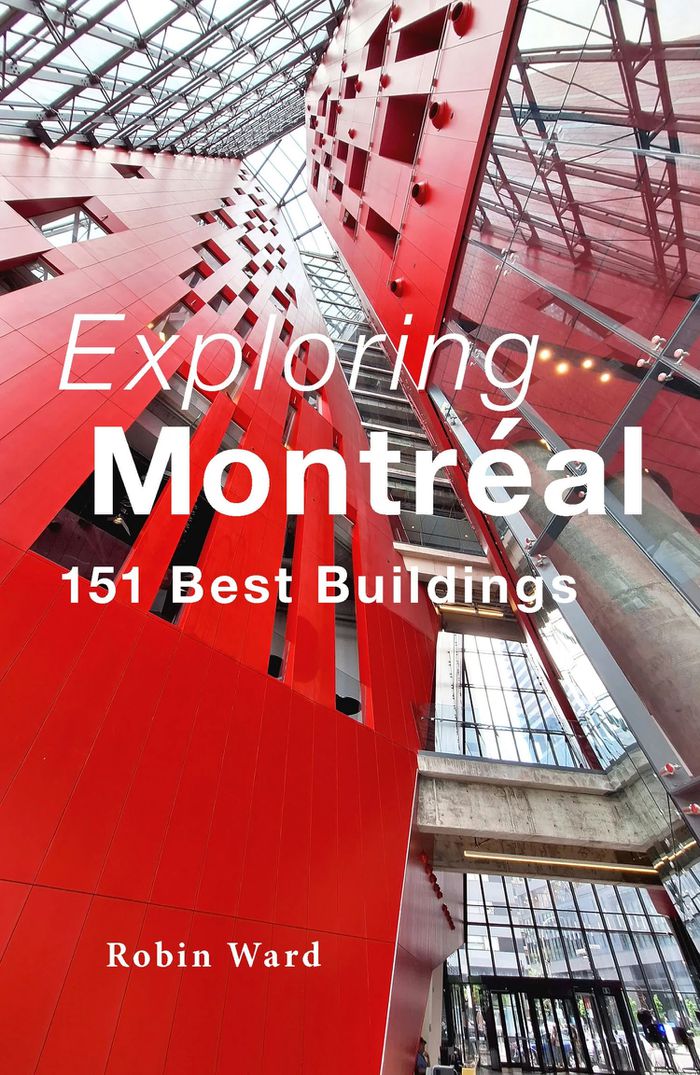
Montréal boasts Canada’s most diverse array of architecture, spanning styles from the missionary and fur-trade era of New France to striking twenty-first-century designs. In this engaging and accessible guide, architectural writer Robin Ward introduces a curated selection of the city’s most fascinating landmarks: grand public buildings, museums, banking halls, churches,(...)
$29.95
(available to order)
Summary:
Montréal boasts Canada’s most diverse array of architecture, spanning styles from the missionary and fur-trade era of New France to striking twenty-first-century designs. In this engaging and accessible guide, architectural writer Robin Ward introduces a curated selection of the city’s most fascinating landmarks: grand public buildings, museums, banking halls, churches,(...)
Title:
Exploring Montreal: 151 best buildings
Actions:
Price:
$29.95
(available to order)
Summary:
Montréal boasts Canada’s most diverse array of architecture, spanning styles from the missionary and fur-trade era of New France to striking twenty-first-century designs. In this engaging and accessible guide, architectural writer Robin Ward introduces a curated selection of the city’s most fascinating landmarks: grand public buildings, museums, banking halls, churches, theatres, the mansions of the fabled Golden Square Mile, French and British monuments, industrial heritage sites and innovative contemporary structures reshaping the urban landscape. Over one hundred and fifty buildings and points of interest are illustrated with colour photographs and arranged into self-guided routes that cover various neighbourhoods. All are easily accessible on foot, by bicycle or via public transit—especially the city’s efficient Métro system. For wayfinding, entries are numbered and keyed to maps.
Exploring Montreal: 151 best buildings
Actions:
Price:
$29.95
(available to order)
Summary:
Montréal boasts Canada’s most diverse array of architecture, spanning styles from the missionary and fur-trade era of New France to striking twenty-first-century designs. In this engaging and accessible guide, architectural writer Robin Ward introduces a curated selection of the city’s most fascinating landmarks: grand public buildings, museums, banking halls, churches, theatres, the mansions of the fabled Golden Square Mile, French and British monuments, industrial heritage sites and innovative contemporary structures reshaping the urban landscape. Over one hundred and fifty buildings and points of interest are illustrated with colour photographs and arranged into self-guided routes that cover various neighbourhoods. All are easily accessible on foot, by bicycle or via public transit—especially the city’s efficient Métro system. For wayfinding, entries are numbered and keyed to maps.
Form:
books
books
Publication:
May 2026
May 2026
Subject:
Architecture de Montréal
Architecture de Montréal


