


13794 Results
Form:
books
books
Title:
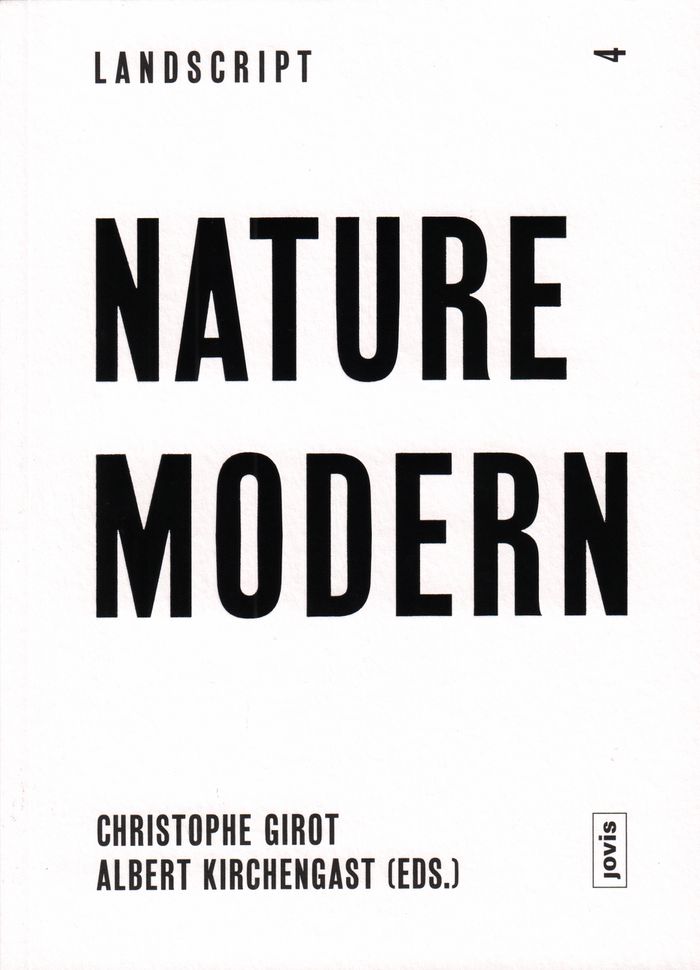
Landscript 04: nature modern
Landscript 04: nature modern
Actions:
Price:
$50.00
(available to order)
Summary:
This fourth volume in the Landscript series, entitled "Nature Modern", examines the modern conception of nature as a construct, and how it is made "visible" through the built environment, drawing on several key projects and essays.
$50.00
(available to order)
Summary:
This fourth volume in the Landscript series, entitled "Nature Modern", examines the modern conception of nature as a construct, and how it is made "visible" through the built environment, drawing on several key projects and essays.
Title:
Landscript 04: nature modern
Actions:
Price:
$50.00
(available to order)
Summary:
This fourth volume in the Landscript series, entitled "Nature Modern", examines the modern conception of nature as a construct, and how it is made "visible" through the built environment, drawing on several key projects and essays.
Landscript 04: nature modern
Actions:
Price:
$50.00
(available to order)
Summary:
This fourth volume in the Landscript series, entitled "Nature Modern", examines the modern conception of nature as a construct, and how it is made "visible" through the built environment, drawing on several key projects and essays.
Form:
books
books
Publication:
May 2018
May 2018
Subject:
Landscape Theory
Landscape Theory
Form:
books
books
Actions:
Price:
$35.00
(available to order)
Summary:
This publication is a result of visits and discussions carried out by Hans Ulrich Obrist in artists’ studios in Prague around 2001 and 2008. Interviews with Milan Grygar, Jií Kovanda, Karel Malich, Zdenk Sýkora, and many others, map the historical events as well as unknown stories of the actors of the Czech “second avant-garde” or “neo-modernism” of the former socialist(...)
$35.00
(available to order)
Summary:
This publication is a result of visits and discussions carried out by Hans Ulrich Obrist in artists’ studios in Prague around 2001 and 2008. Interviews with Milan Grygar, Jií Kovanda, Karel Malich, Zdenk Sýkora, and many others, map the historical events as well as unknown stories of the actors of the Czech “second avant-garde” or “neo-modernism” of the former socialist(...)
Title:
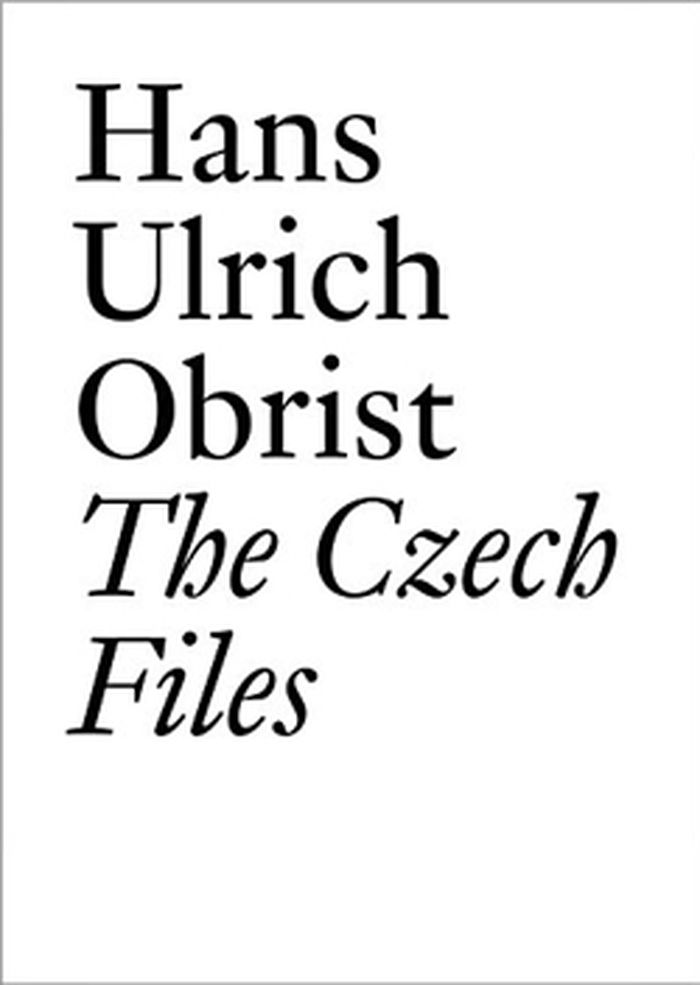
Hans Ulrich Obrist : the Czech files
Actions:
Price:
$35.00
(available to order)
Summary:
This publication is a result of visits and discussions carried out by Hans Ulrich Obrist in artists’ studios in Prague around 2001 and 2008. Interviews with Milan Grygar, Jií Kovanda, Karel Malich, Zdenk Sýkora, and many others, map the historical events as well as unknown stories of the actors of the Czech “second avant-garde” or “neo-modernism” of the former socialist block. The artists and intellectuals of this generation were born in between 1920–1945. They lived through the 1960s cultural upheaval known as the Prague Spring, becoming part of international cultural movements for a limited time, and witnessed the “normalization” of the 1970s when censorship was re-introduced. This series of interviews contextualize a generation of Czech artists within the historical events that marked their lives and careers, and draw attention to their urgency to resist historical events while keeping their artistic practices sustained, radical, and vital.
Hans Ulrich Obrist : the Czech files
Actions:
Price:
$35.00
(available to order)
Summary:
This publication is a result of visits and discussions carried out by Hans Ulrich Obrist in artists’ studios in Prague around 2001 and 2008. Interviews with Milan Grygar, Jií Kovanda, Karel Malich, Zdenk Sýkora, and many others, map the historical events as well as unknown stories of the actors of the Czech “second avant-garde” or “neo-modernism” of the former socialist block. The artists and intellectuals of this generation were born in between 1920–1945. They lived through the 1960s cultural upheaval known as the Prague Spring, becoming part of international cultural movements for a limited time, and witnessed the “normalization” of the 1970s when censorship was re-introduced. This series of interviews contextualize a generation of Czech artists within the historical events that marked their lives and careers, and draw attention to their urgency to resist historical events while keeping their artistic practices sustained, radical, and vital.
Form:
books
books
Publication:
February 2015
February 2015
Subject:
Art Theory
Art Theory
Form:
books
books
Actions:
Price:
$35.00
(available to order)
Summary:
Parachute was founded in 1975 by Chantal Pontbriand and France Morin. Following the previous three Parachute volumes, this last title of the Parachute anthology focuses on painting, sculpture, installation and architecture. These topics are approached from several perspectives: from new theories of aesthetic production, especially painting, to the expansion of the art(...)
$35.00
(available to order)
Summary:
Parachute was founded in 1975 by Chantal Pontbriand and France Morin. Following the previous three Parachute volumes, this last title of the Parachute anthology focuses on painting, sculpture, installation and architecture. These topics are approached from several perspectives: from new theories of aesthetic production, especially painting, to the expansion of the art(...)
Title:
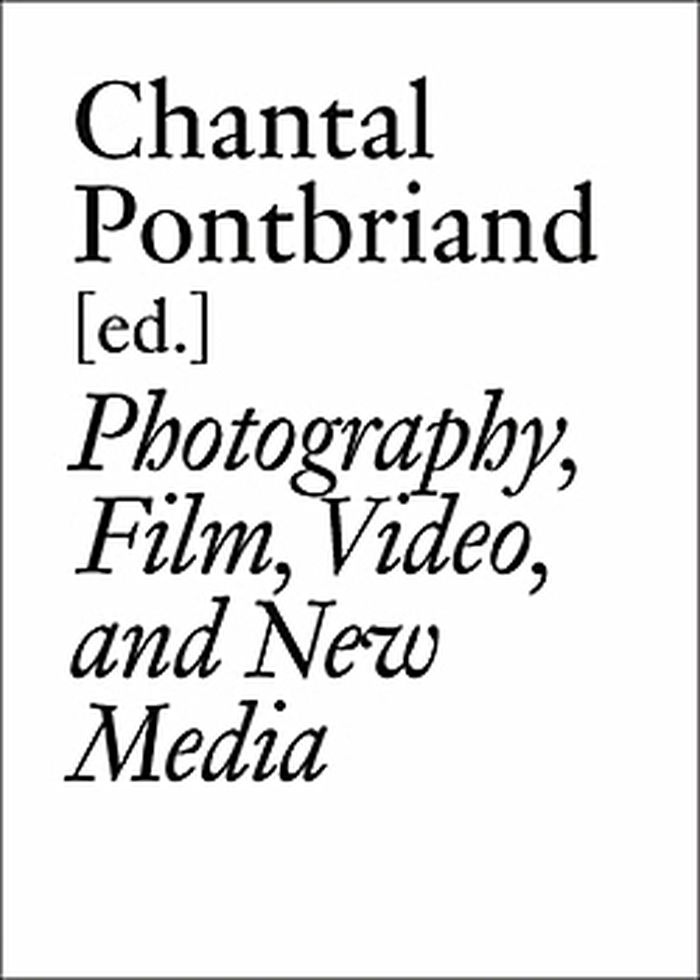
Parachute : the anthology, vol. III
Actions:
Price:
$35.00
(available to order)
Summary:
Parachute was founded in 1975 by Chantal Pontbriand and France Morin. Following the previous three Parachute volumes, this last title of the Parachute anthology focuses on painting, sculpture, installation and architecture. These topics are approached from several perspectives: from new theories of aesthetic production, especially painting, to the expansion of the art world to other artistic territories during the 1980s and 1990s (Russia and South America, for instance), from the "lessons" of postmodernism to the proliferation of installation art. The essays discuss works by artists such as Lothar Baumgarten, Mona Hatoum, Guillermo Kuitca, Louise Lawler, Reinhard Mucha, Jackson Pollock, Robert Ryman, Michael Snow and Sots Art artists, and include two particularly seminal artist's essays: Dan Graham on Gordon Matta-Clark, and Jeff Wall on Édouard Manet.
Parachute : the anthology, vol. III
Actions:
Price:
$35.00
(available to order)
Summary:
Parachute was founded in 1975 by Chantal Pontbriand and France Morin. Following the previous three Parachute volumes, this last title of the Parachute anthology focuses on painting, sculpture, installation and architecture. These topics are approached from several perspectives: from new theories of aesthetic production, especially painting, to the expansion of the art world to other artistic territories during the 1980s and 1990s (Russia and South America, for instance), from the "lessons" of postmodernism to the proliferation of installation art. The essays discuss works by artists such as Lothar Baumgarten, Mona Hatoum, Guillermo Kuitca, Louise Lawler, Reinhard Mucha, Jackson Pollock, Robert Ryman, Michael Snow and Sots Art artists, and include two particularly seminal artist's essays: Dan Graham on Gordon Matta-Clark, and Jeff Wall on Édouard Manet.
Form:
books
books
Publication:
February 2015
February 2015
Subject:
Art Theory
Art Theory
Form:
books
books
Actions:
Price:
$35.00
(available to order)
Summary:
Can art express questions about justice? Could art, perhaps, even create justice? In Aesthetic Justice, sociologist Pascal Gielen and curator Niels Van Tomme invite a variety of artists and critical thinkers—including Zoe Beloff, Arne De Boever, Mark Fisher, Matt Fraser, Tessa Overbeek, Kerry James Marshall, Viktor Misiano, Carlos Motta, Nat Muller, Julie Atlas Muz,(...)
$35.00
(available to order)
Summary:
Can art express questions about justice? Could art, perhaps, even create justice? In Aesthetic Justice, sociologist Pascal Gielen and curator Niels Van Tomme invite a variety of artists and critical thinkers—including Zoe Beloff, Arne De Boever, Mark Fisher, Matt Fraser, Tessa Overbeek, Kerry James Marshall, Viktor Misiano, Carlos Motta, Nat Muller, Julie Atlas Muz,(...)
Title:
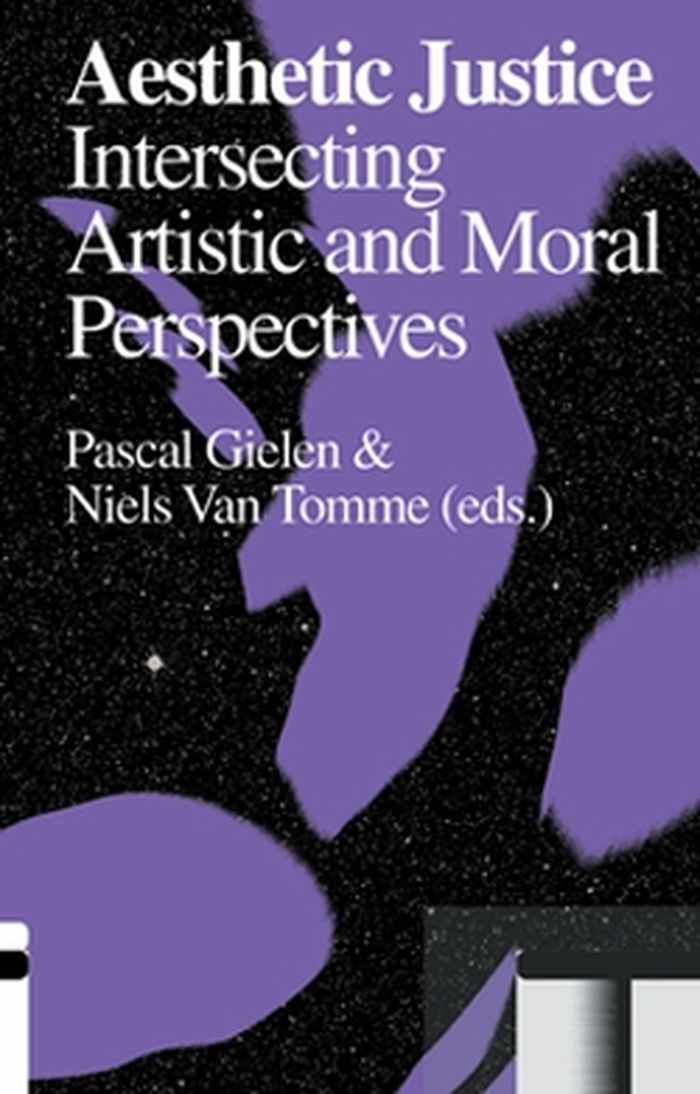
Aesthetic justice: artistic and moral perspectives
Actions:
Price:
$35.00
(available to order)
Summary:
Can art express questions about justice? Could art, perhaps, even create justice? In Aesthetic Justice, sociologist Pascal Gielen and curator Niels Van Tomme invite a variety of artists and critical thinkers—including Zoe Beloff, Arne De Boever, Mark Fisher, Matt Fraser, Tessa Overbeek, Kerry James Marshall, Viktor Misiano, Carlos Motta, Nat Muller, Julie Atlas Muz, Gerald Raunig, Dieter Roelstraete, Hito Steyerl, Julia Svetlichnaja, Hakan Topal, Samuel Vriezen and Christian Wolff—to reflect on new futures for the notion and practice of justice. The book offers thought-provoking views on the ways in which art may confront and potentially redirect social and political futures. Incorporating analyses of contemporary artworks that challenge the social, political or economic status quo, as well as interviews with artists and theoretical reflections, Aesthetic Justice considers the liberating potential of aesthetic frameworks and suggests alternatives for a more just future.
Aesthetic justice: artistic and moral perspectives
Actions:
Price:
$35.00
(available to order)
Summary:
Can art express questions about justice? Could art, perhaps, even create justice? In Aesthetic Justice, sociologist Pascal Gielen and curator Niels Van Tomme invite a variety of artists and critical thinkers—including Zoe Beloff, Arne De Boever, Mark Fisher, Matt Fraser, Tessa Overbeek, Kerry James Marshall, Viktor Misiano, Carlos Motta, Nat Muller, Julie Atlas Muz, Gerald Raunig, Dieter Roelstraete, Hito Steyerl, Julia Svetlichnaja, Hakan Topal, Samuel Vriezen and Christian Wolff—to reflect on new futures for the notion and practice of justice. The book offers thought-provoking views on the ways in which art may confront and potentially redirect social and political futures. Incorporating analyses of contemporary artworks that challenge the social, political or economic status quo, as well as interviews with artists and theoretical reflections, Aesthetic Justice considers the liberating potential of aesthetic frameworks and suggests alternatives for a more just future.
Form:
books
books
Publication:
March 2015
March 2015
Subject:
Art Theory
Art Theory
Form:
books
books
Title:
Architecture/Astrology
Architecture/Astrology
Actions:
Price:
$50.00
(available to order)
Summary:
Artist Dan Graham and writer Jessica Russell's playful Architecture/Astrology considers some of the most important and innovative figures in the world of architecture from an angle few would expect: their star signs. Originally published as a column for Domus magazine, Graham and Russell's book integrates critical analysis with astrology and mythology to offer alternative(...)
$50.00
(available to order)
Summary:
Artist Dan Graham and writer Jessica Russell's playful Architecture/Astrology considers some of the most important and innovative figures in the world of architecture from an angle few would expect: their star signs. Originally published as a column for Domus magazine, Graham and Russell's book integrates critical analysis with astrology and mythology to offer alternative(...)
Title:
Architecture/Astrology
Actions:
Price:
$50.00
(available to order)
Summary:
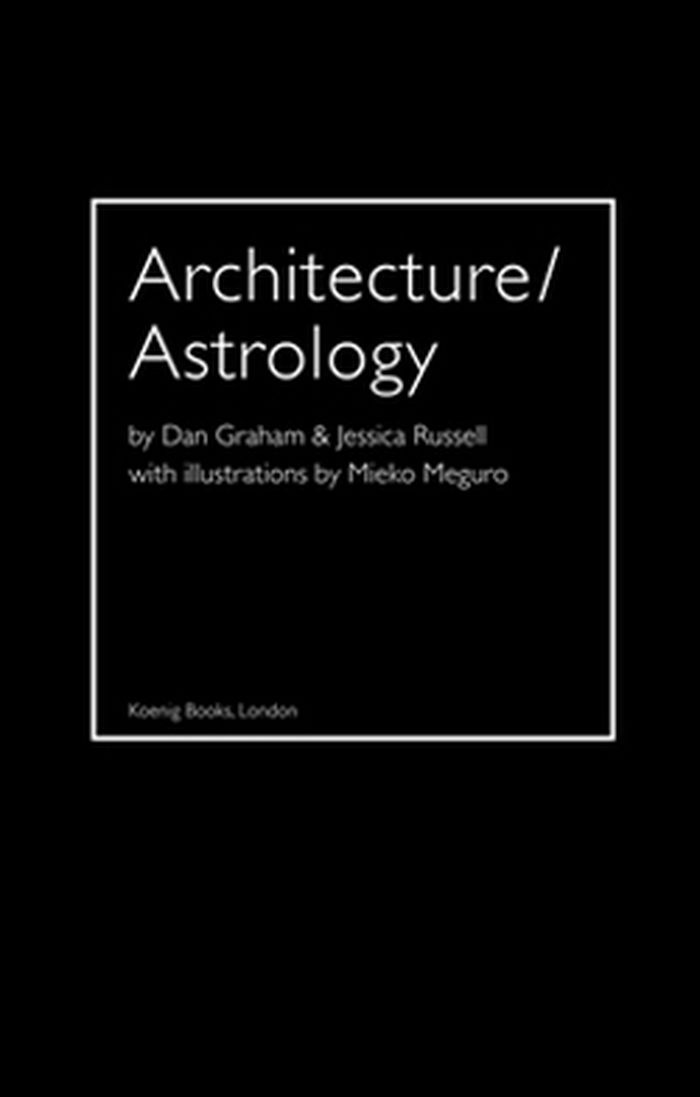
Artist Dan Graham and writer Jessica Russell's playful Architecture/Astrology considers some of the most important and innovative figures in the world of architecture from an angle few would expect: their star signs. Originally published as a column for Domus magazine, Graham and Russell's book integrates critical analysis with astrology and mythology to offer alternative perspectives on the work and personalities of artist/architects including Frank Gehry (a restless, dreamy Pisces), Frank Lloyd Wright (a romantic Gemini with one foot in the past and the other in the future), Eero Saarinen (a dynamic, dramatic Leo) and Le Corbusier (a logical, balanced Libra). With accompanying illustrations by Mieko Meguro.
Architecture/Astrology
Actions:
Price:
$50.00
(available to order)
Summary:
Artist Dan Graham and writer Jessica Russell's playful Architecture/Astrology considers some of the most important and innovative figures in the world of architecture from an angle few would expect: their star signs. Originally published as a column for Domus magazine, Graham and Russell's book integrates critical analysis with astrology and mythology to offer alternative perspectives on the work and personalities of artist/architects including Frank Gehry (a restless, dreamy Pisces), Frank Lloyd Wright (a romantic Gemini with one foot in the past and the other in the future), Eero Saarinen (a dynamic, dramatic Leo) and Le Corbusier (a logical, balanced Libra). With accompanying illustrations by Mieko Meguro.
Form:
books
books
Publication:
February 2015
February 2015
Subject:
Architectural Theory
Architectural Theory
Form:
books
books
Actions:
Price:
$55.00
(available to order)
Summary:
Without the work of French artist, poet, publisher, activist and translator Jean-Jacques Lebel (born 1936), the emergence of happenings in 1960s Europe would be hard to imagine. From the very outset of the decade, Lebel was instigating happenings-often politically themed- in Venice, Milan, London, Paris and New York, as the leading exponent for this new form of(...)
$55.00
(available to order)
Summary:
Without the work of French artist, poet, publisher, activist and translator Jean-Jacques Lebel (born 1936), the emergence of happenings in 1960s Europe would be hard to imagine. From the very outset of the decade, Lebel was instigating happenings-often politically themed- in Venice, Milan, London, Paris and New York, as the leading exponent for this new form of(...)
Title:
Jean-Jacques Lebel: barricades
Actions:
Price:
$55.00
(available to order)
Summary:
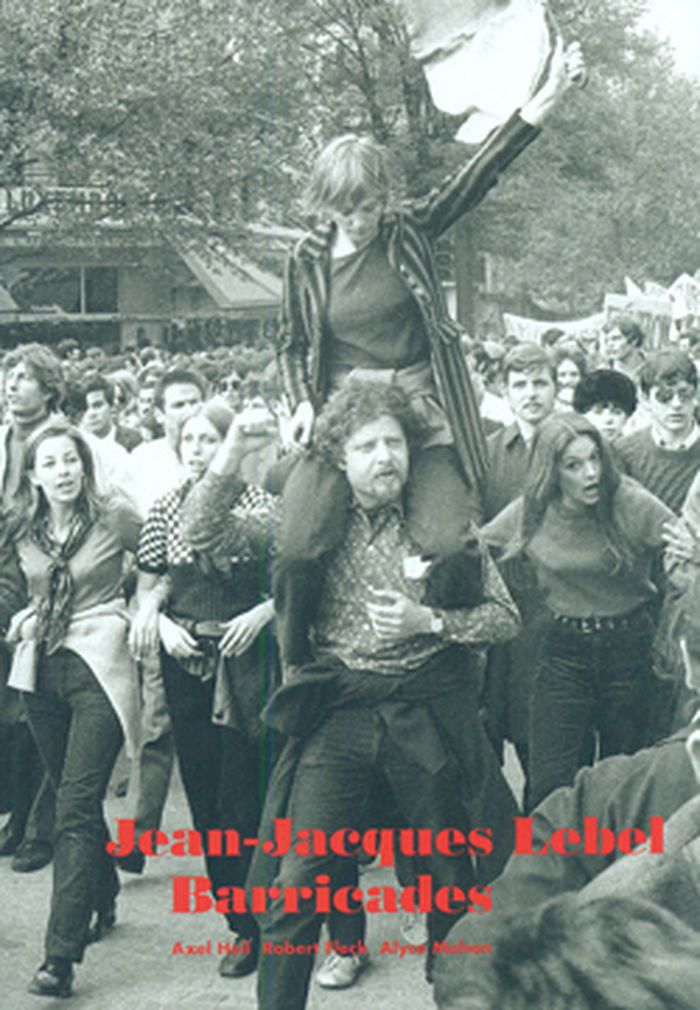
Without the work of French artist, poet, publisher, activist and translator Jean-Jacques Lebel (born 1936), the emergence of happenings in 1960s Europe would be hard to imagine. From the very outset of the decade, Lebel was instigating happenings-often politically themed- in Venice, Milan, London, Paris and New York, as the leading exponent for this new form of performance and a close associate of the Living Theater. In 1979 he founded the Polyphonix Festival, devoted to sound poetry and performance art. This hefty volume provides the most comprehensive overview of the life and oeuvre of this diversely talented figure.
Jean-Jacques Lebel: barricades
Actions:
Price:
$55.00
(available to order)
Summary:
Without the work of French artist, poet, publisher, activist and translator Jean-Jacques Lebel (born 1936), the emergence of happenings in 1960s Europe would be hard to imagine. From the very outset of the decade, Lebel was instigating happenings-often politically themed- in Venice, Milan, London, Paris and New York, as the leading exponent for this new form of performance and a close associate of the Living Theater. In 1979 he founded the Polyphonix Festival, devoted to sound poetry and performance art. This hefty volume provides the most comprehensive overview of the life and oeuvre of this diversely talented figure.
Form:
books
books
Publication:
February 2015
February 2015
Subject:
Art Theory
Art Theory
Form:
books
books
Title:
The century of bed
The century of bed
Actions:
Price:
$35.00
(available to order)
Summary:
The Century of the Bed addresses the use of the bed as an office and workspace. How can we define and reexamine the bed as an architectural space? This publication offers insight into the diverse artistic research on this topic.
$35.00
(available to order)
Summary:
The Century of the Bed addresses the use of the bed as an office and workspace. How can we define and reexamine the bed as an architectural space? This publication offers insight into the diverse artistic research on this topic.
Subject:
Architectural Theory
Architectural Theory
Publication:
February 2015
February 2015
Title:
The century of bed
Actions:
Price:
$35.00
(available to order)
Summary:
The Century of the Bed addresses the use of the bed as an office and workspace. How can we define and reexamine the bed as an architectural space? This publication offers insight into the diverse artistic research on this topic.
The century of bed
Actions:
Price:
$35.00
(available to order)
Summary:
The Century of the Bed addresses the use of the bed as an office and workspace. How can we define and reexamine the bed as an architectural space? This publication offers insight into the diverse artistic research on this topic.
Form:
books
books
Publication:
February 2015
February 2015
Subject:
Architectural Theory
Architectural Theory
Form:
books
books

Actions:
Price:
$43.95
(available to order)
Summary:
Les arbres ont toujours suscité la passion des hommes, et la fascination pour les grands végétaux est vieille comme l'humanité. D'abord furent sacralisés les plus majestueux d'entre eux, puis le goût de la merveille et de l'exotisme donna naissance à maintes vocations de botanistes exceptionnels, savants aventuriers, tout à la fois explorateurs, missionnaires et marins du(...)
$43.95
(available to order)
Summary:
Les arbres ont toujours suscité la passion des hommes, et la fascination pour les grands végétaux est vieille comme l'humanité. D'abord furent sacralisés les plus majestueux d'entre eux, puis le goût de la merveille et de l'exotisme donna naissance à maintes vocations de botanistes exceptionnels, savants aventuriers, tout à la fois explorateurs, missionnaires et marins du(...)
Title:
Petit dictionnaire des hommes et des arbres: curiosités botaniques d'Europe et d'ailleurs
Actions:
Price:
$43.95
(available to order)
Summary:
Les arbres ont toujours suscité la passion des hommes, et la fascination pour les grands végétaux est vieille comme l'humanité. D'abord furent sacralisés les plus majestueux d'entre eux, puis le goût de la merveille et de l'exotisme donna naissance à maintes vocations de botanistes exceptionnels, savants aventuriers, tout à la fois explorateurs, missionnaires et marins du grand large, parcourant le monde au péril de leur vie pour rapporter en Europe l'eucalyptus de Tasmanie, le pin Douglas d'Amérique du Nord, le lilas de Topkapi, et des centaines d'espèces qui ornent aujourd'hui parcs et jardins. De l'abricotier au tilleul, au travers de nombreux exemples classés selon un ordre alphabétique, cet ouvrage nous fait découvrir de multiples curiosités.
Petit dictionnaire des hommes et des arbres: curiosités botaniques d'Europe et d'ailleurs
Actions:
Price:
$43.95
(available to order)
Summary:
Les arbres ont toujours suscité la passion des hommes, et la fascination pour les grands végétaux est vieille comme l'humanité. D'abord furent sacralisés les plus majestueux d'entre eux, puis le goût de la merveille et de l'exotisme donna naissance à maintes vocations de botanistes exceptionnels, savants aventuriers, tout à la fois explorateurs, missionnaires et marins du grand large, parcourant le monde au péril de leur vie pour rapporter en Europe l'eucalyptus de Tasmanie, le pin Douglas d'Amérique du Nord, le lilas de Topkapi, et des centaines d'espèces qui ornent aujourd'hui parcs et jardins. De l'abricotier au tilleul, au travers de nombreux exemples classés selon un ordre alphabétique, cet ouvrage nous fait découvrir de multiples curiosités.
Form:
books
books
Publication:
March 2015
March 2015
Subject:
Landscape Theory
Landscape Theory
Form:
books
books
Price:
$16.95
(available to order)
Summary:
Si ses racines remontent à la Renaissance, le design naît au début du XXe siècle, lors-qu’artistes, architectes, artisans décident d’assumer la production industrielle standardisée et mécanisée et de travailler non plus contre elle et à cause d’elle, mais avec elle et grâce à elle. Derrière l’apparition du mot « design », c’est une nouvelle culture du projet et du(...)
$16.95
(available to order)
Summary:
Si ses racines remontent à la Renaissance, le design naît au début du XXe siècle, lors-qu’artistes, architectes, artisans décident d’assumer la production industrielle standardisée et mécanisée et de travailler non plus contre elle et à cause d’elle, mais avec elle et grâce à elle. Derrière l’apparition du mot « design », c’est une nouvelle culture du projet et du(...)
Title:
Le design
Actions:
Price:
$16.95
(available to order)
Summary:
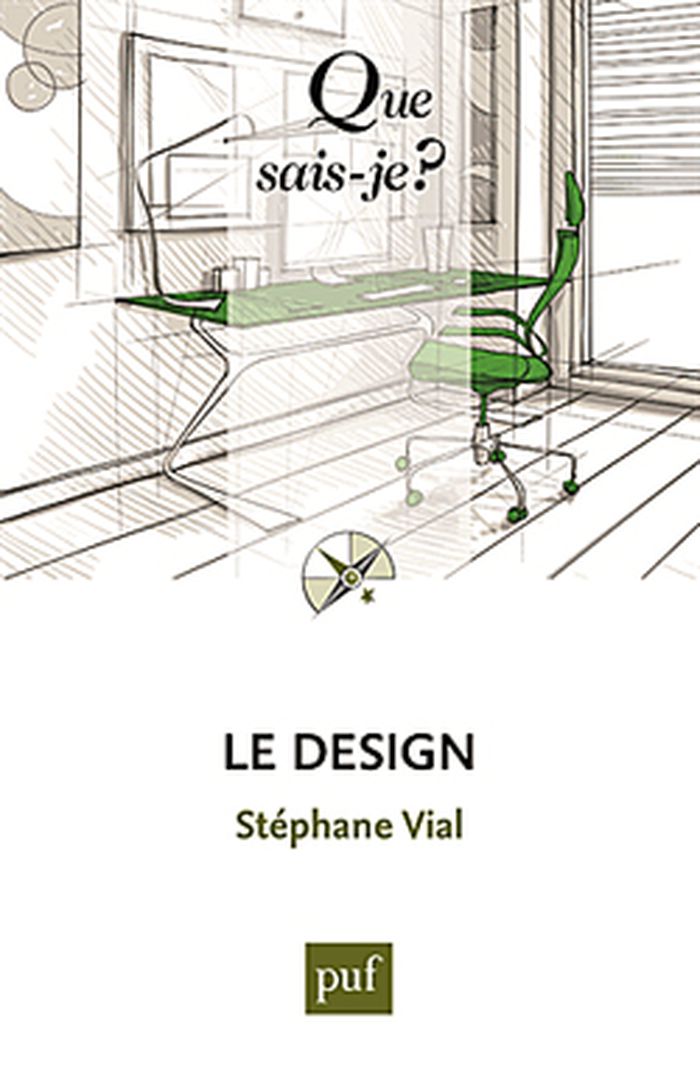
Si ses racines remontent à la Renaissance, le design naît au début du XXe siècle, lors-qu’artistes, architectes, artisans décident d’assumer la production industrielle standardisée et mécanisée et de travailler non plus contre elle et à cause d’elle, mais avec elle et grâce à elle. Derrière l’apparition du mot « design », c’est une nouvelle culture du projet et du prototype qui se fait jour, et qui n’a de cesse d’évoluer depuis. En retraçant l’histoire de l’essor et de l’âge d’or du design industriel, puis sa crise d’identité et le renouveau du design contemporain, Stéphane Vial nous invite à comprendre, au-delà de la spécificité d’un métier, l’originalité d’une culture et d’une discipline scientifique à part entière.
Le design
Actions:
Price:
$16.95
(available to order)
Summary:
Si ses racines remontent à la Renaissance, le design naît au début du XXe siècle, lors-qu’artistes, architectes, artisans décident d’assumer la production industrielle standardisée et mécanisée et de travailler non plus contre elle et à cause d’elle, mais avec elle et grâce à elle. Derrière l’apparition du mot « design », c’est une nouvelle culture du projet et du prototype qui se fait jour, et qui n’a de cesse d’évoluer depuis. En retraçant l’histoire de l’essor et de l’âge d’or du design industriel, puis sa crise d’identité et le renouveau du design contemporain, Stéphane Vial nous invite à comprendre, au-delà de la spécificité d’un métier, l’originalité d’une culture et d’une discipline scientifique à part entière.
Form:
books
books
Publication:
March 2015
March 2015
Subject:
Design Theory
Design Theory
Form:
books
books
Actions:
Price:
$13.99
(available in store)
Summary:
Reinhold Martin’s Mediators is a series of linked meditations on the globalized city. Focusing on infrastructural, technical, and social systems, Martin explores how the aesthetics and the political economy of cities overlap and interact. He discusses a range of subjects, including the architecture of finance written into urban policy, regimes of enumeration that remix(...)
$13.99
(available in store)
Summary:
Reinhold Martin’s Mediators is a series of linked meditations on the globalized city. Focusing on infrastructural, technical, and social systems, Martin explores how the aesthetics and the political economy of cities overlap and interact. He discusses a range of subjects, including the architecture of finance written into urban policy, regimes of enumeration that remix(...)
Title:
Mediators: aesthetics, politics, and the City
Actions:
Price:
$13.99
(available in store)
Summary:
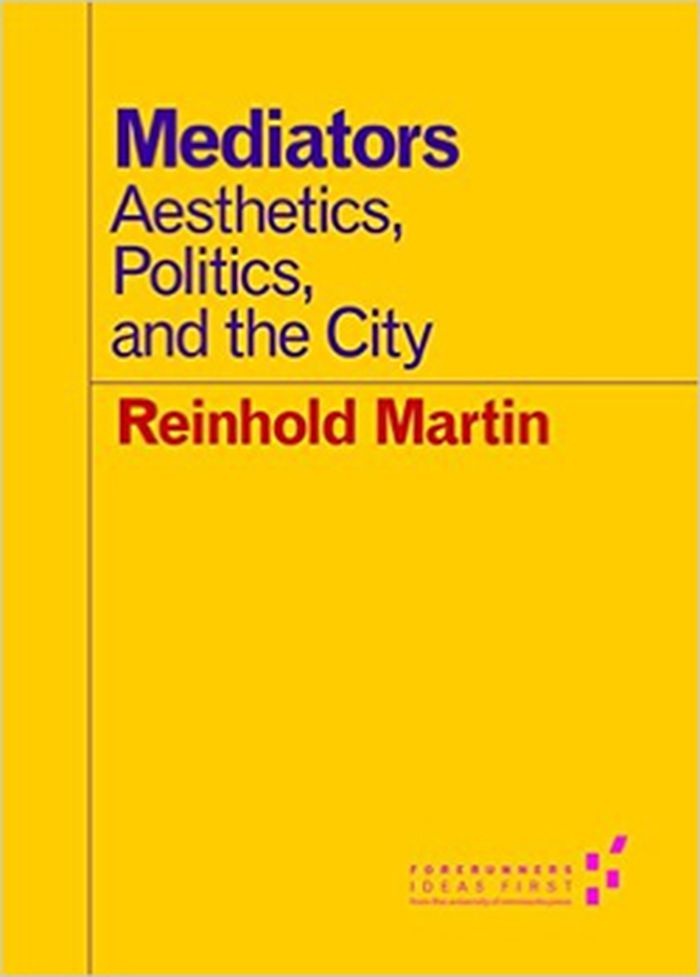
Reinhold Martin’s Mediators is a series of linked meditations on the globalized city. Focusing on infrastructural, technical, and social systems, Martin explores how the aesthetics and the political economy of cities overlap and interact. He discusses a range of subjects, including the architecture of finance written into urban policy, regimes of enumeration that remix city and country, fictional ecologies that rewrite biopolitics, the ruins of socialism strewn amid the transnational commons, and memories of revolution stored in everyday urban hardware. For Martin, these mediators—the objects, processes, and imaginaries from which these phenomena emerge—serve to explain disparate fragments of a global urbanity.
Mediators: aesthetics, politics, and the City
Actions:
Price:
$13.99
(available in store)
Summary:
Reinhold Martin’s Mediators is a series of linked meditations on the globalized city. Focusing on infrastructural, technical, and social systems, Martin explores how the aesthetics and the political economy of cities overlap and interact. He discusses a range of subjects, including the architecture of finance written into urban policy, regimes of enumeration that remix city and country, fictional ecologies that rewrite biopolitics, the ruins of socialism strewn amid the transnational commons, and memories of revolution stored in everyday urban hardware. For Martin, these mediators—the objects, processes, and imaginaries from which these phenomena emerge—serve to explain disparate fragments of a global urbanity.
Form:
books
books
Publication:
March 2015
March 2015
Subject:
Architectural Theory
Architectural Theory


