


822 Results
Form:
books
books
Title:
The lost subways of North America: A Cartographic guide to the past, present, what might have been
The lost subways of North America: A Cartographic guide to the past, present, what might have been
Actions:
Price:
$51.95
(available to order)
Summary:
Every driver in North America shares one miserable, soul-sucking universal experience—being stuck in traffic. But things weren’t always like this. Why is it that the mass transit systems of most cities in the United States and Canada are now utterly inadequate? ''The lost subways of North America'' offers a new way to consider this eternal question, with a strikingly(...)
$51.95
(available to order)
Summary:
Every driver in North America shares one miserable, soul-sucking universal experience—being stuck in traffic. But things weren’t always like this. Why is it that the mass transit systems of most cities in the United States and Canada are now utterly inadequate? ''The lost subways of North America'' offers a new way to consider this eternal question, with a strikingly(...)
Title:
The lost subways of North America: A Cartographic guide to the past, present, what might have been
Actions:
Price:
$51.95
(available to order)
Summary:
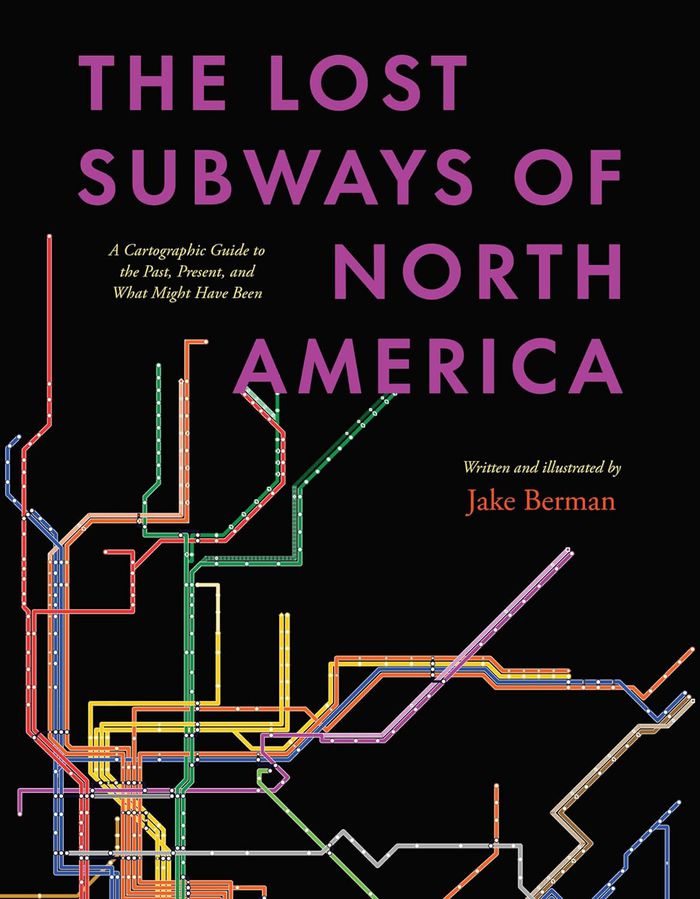
Every driver in North America shares one miserable, soul-sucking universal experience—being stuck in traffic. But things weren’t always like this. Why is it that the mass transit systems of most cities in the United States and Canada are now utterly inadequate? ''The lost subways of North America'' offers a new way to consider this eternal question, with a strikingly visual—and fun—journey through past, present, and unbuilt urban transit. Using meticulous archival research, cartographer and artist Jake Berman has successfully plotted maps of old train networks covering twenty-three North American metropolises, ranging from New York City’s Civil War–era plan for a steam-powered subway under Fifth Avenue to the ultramodern automated Vancouver SkyTrain and the thousand-mile electric railway system of pre–World War II Los Angeles. He takes us through colorful maps of old, often forgotten streetcar lines, lost ideas for never-built transit, and modern rail systems—drawing us into the captivating transit histories of US and Canadian cities. Berman combines vintage styling with modern printing technology to create a sweeping visual history of North American public transit and urban development. With more than one hundred original maps, accompanied by essays on each city’s urban development, this book presents a fascinating look at North American rapid transit systems.
The lost subways of North America: A Cartographic guide to the past, present, what might have been
Actions:
Price:
$51.95
(available to order)
Summary:
Every driver in North America shares one miserable, soul-sucking universal experience—being stuck in traffic. But things weren’t always like this. Why is it that the mass transit systems of most cities in the United States and Canada are now utterly inadequate? ''The lost subways of North America'' offers a new way to consider this eternal question, with a strikingly visual—and fun—journey through past, present, and unbuilt urban transit. Using meticulous archival research, cartographer and artist Jake Berman has successfully plotted maps of old train networks covering twenty-three North American metropolises, ranging from New York City’s Civil War–era plan for a steam-powered subway under Fifth Avenue to the ultramodern automated Vancouver SkyTrain and the thousand-mile electric railway system of pre–World War II Los Angeles. He takes us through colorful maps of old, often forgotten streetcar lines, lost ideas for never-built transit, and modern rail systems—drawing us into the captivating transit histories of US and Canadian cities. Berman combines vintage styling with modern printing technology to create a sweeping visual history of North American public transit and urban development. With more than one hundred original maps, accompanied by essays on each city’s urban development, this book presents a fascinating look at North American rapid transit systems.
Form:
books
books
Publication:
November 2023
November 2023
Subject:
Architectural Plans and Cartography
Architectural Plans and Cartography
Form:
books
books
Actions:
Price:
$36.95
(available to order)
Summary:
Modern city-dwellers suffer their share of unpleasant experiences�traffic jams, noisy neighbors, pollution, food scares�but urban nuisances of the past existed on a different scale entirely, this book explains in vivid detail. Focusing on offenses to the eyes, ears, noses, taste buds, and skin of inhabitants of England�s pre-Industrial Revolution cities, Hubbub(...)
$36.95
(available to order)
Summary:
Modern city-dwellers suffer their share of unpleasant experiences�traffic jams, noisy neighbors, pollution, food scares�but urban nuisances of the past existed on a different scale entirely, this book explains in vivid detail. Focusing on offenses to the eyes, ears, noses, taste buds, and skin of inhabitants of England�s pre-Industrial Revolution cities, Hubbub(...)
Title:
Hubbub: Filth, noise & stench in England
Actions:
Price:
$36.95
(available to order)
Summary:
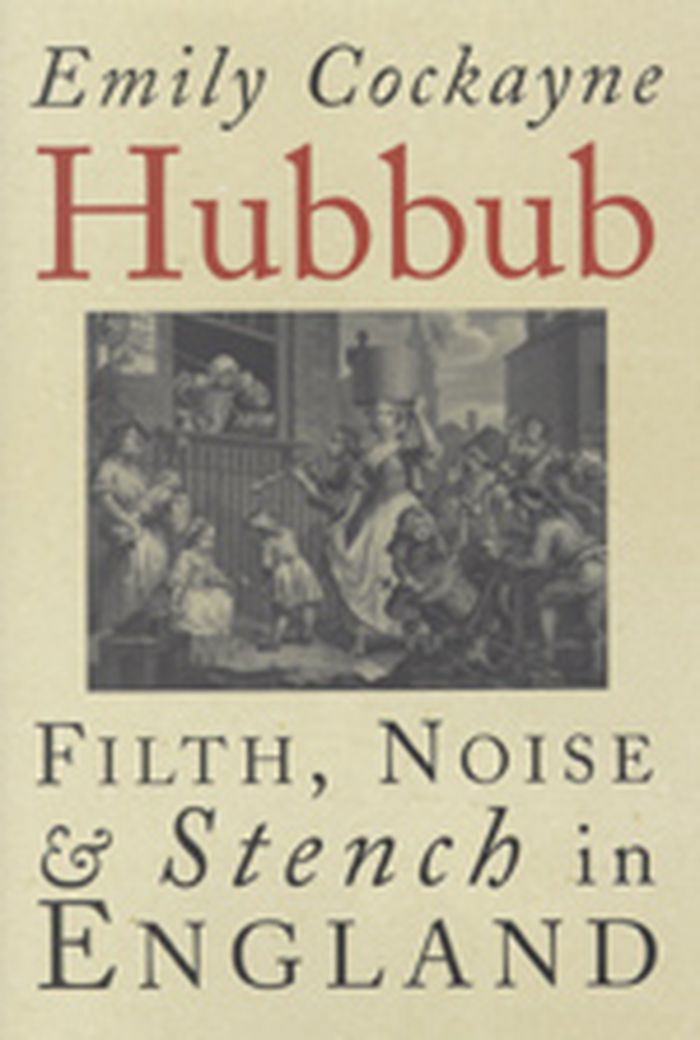
Modern city-dwellers suffer their share of unpleasant experiences�traffic jams, noisy neighbors, pollution, food scares�but urban nuisances of the past existed on a different scale entirely, this book explains in vivid detail. Focusing on offenses to the eyes, ears, noses, taste buds, and skin of inhabitants of England�s pre-Industrial Revolution cities, Hubbub transports us to a world in which residents were scarred by smallpox, refuse rotted in the streets, pigs and dogs roamed free, and food hygiene consisted of little more than spit and polish. Through the stories of a large cast of characters from varied walks of life, the book compares what daily life was like in different cities across England from 1600 to 1770. Using a vast array of sources, from novels to records of urban administration to diaries, Emily Cockayne populates her book with anecdotes from the quirky lives of the famous and the obscure�all of whom confronted urban nuisances and physical ailments. Each chapter addresses an unpleasant aspect of city life (noise, violence, moldy food, smelly streets, poor air quality), and the volume is enhanced with a rich array of illustrations. Awakening both our senses and our imaginations, Cockayne creates a nuanced portrait of early modern English city life, unparalleled in breadth and unforgettable in detail.
Hubbub: Filth, noise & stench in England
Actions:
Price:
$36.95
(available to order)
Summary:
Modern city-dwellers suffer their share of unpleasant experiences�traffic jams, noisy neighbors, pollution, food scares�but urban nuisances of the past existed on a different scale entirely, this book explains in vivid detail. Focusing on offenses to the eyes, ears, noses, taste buds, and skin of inhabitants of England�s pre-Industrial Revolution cities, Hubbub transports us to a world in which residents were scarred by smallpox, refuse rotted in the streets, pigs and dogs roamed free, and food hygiene consisted of little more than spit and polish. Through the stories of a large cast of characters from varied walks of life, the book compares what daily life was like in different cities across England from 1600 to 1770. Using a vast array of sources, from novels to records of urban administration to diaries, Emily Cockayne populates her book with anecdotes from the quirky lives of the famous and the obscure�all of whom confronted urban nuisances and physical ailments. Each chapter addresses an unpleasant aspect of city life (noise, violence, moldy food, smelly streets, poor air quality), and the volume is enhanced with a rich array of illustrations. Awakening both our senses and our imaginations, Cockayne creates a nuanced portrait of early modern English city life, unparalleled in breadth and unforgettable in detail.
Form:
books
books
Publication:
May 2007, New Haven & London
May 2007, New Haven & London
Subject:
History until 1900
History until 1900
Form:
books
books
Actions:
Price:
$52.50
(available to order)
Summary:
In this fascinating and innovative look at nineteenth-century London, this book offers a new account of modernity and metropolitan life. It charts the relationship between London's formation into a modern organized city in the 1860s and the emergence of new(...)
$52.50
(available to order)
Summary:
In this fascinating and innovative look at nineteenth-century London, this book offers a new account of modernity and metropolitan life. It charts the relationship between London's formation into a modern organized city in the 1860s and the emergence of new(...)
Title:
Victorian Babylon : people, streets and images in nineteenth-century London
Actions:
Price:
$52.50
(available to order)
Summary:
In this fascinating and innovative look at nineteenth-century London, this book offers a new account of modernity and metropolitan life. It charts the relationship between London's formation into a modern organized city in the 1860s and the emergence of new types of production and consumption of visual culture. She considers the role visual images played in the creation of a vibrant and diverse urban culture and how new kinds of publics were created for these representations. Shifting the focus of the history of modernity from Paris to London, Nead here argues for a different understanding of gender and public space in a society where women joined the everyday life of city streets and entered the debates concerning morality, spectacle, and adventure. The book draws on texts and images of many kinds -- including acts of Parliament, literature, newspaper reports, private letters, maps, paintings, advertisements, posters, and banned obscene publications. Taking a highly interdisciplinary approach, Nead explores such intriguing topics as the efforts of urban improvers to move water, air, traffic, goods, and people in the Victorian metropolis; the impact of gas lighting and glass on urban leisure; and the obscenity legislation that emerged in response to new forms of visual mass culture that were perceived as dangerous and pervasive.
Victorian Babylon : people, streets and images in nineteenth-century London
Actions:
Price:
$52.50
(available to order)
Summary:
In this fascinating and innovative look at nineteenth-century London, this book offers a new account of modernity and metropolitan life. It charts the relationship between London's formation into a modern organized city in the 1860s and the emergence of new types of production and consumption of visual culture. She considers the role visual images played in the creation of a vibrant and diverse urban culture and how new kinds of publics were created for these representations. Shifting the focus of the history of modernity from Paris to London, Nead here argues for a different understanding of gender and public space in a society where women joined the everyday life of city streets and entered the debates concerning morality, spectacle, and adventure. The book draws on texts and images of many kinds -- including acts of Parliament, literature, newspaper reports, private letters, maps, paintings, advertisements, posters, and banned obscene publications. Taking a highly interdisciplinary approach, Nead explores such intriguing topics as the efforts of urban improvers to move water, air, traffic, goods, and people in the Victorian metropolis; the impact of gas lighting and glass on urban leisure; and the obscenity legislation that emerged in response to new forms of visual mass culture that were perceived as dangerous and pervasive.
Form:
books
books
Publication:
November 2000, New Haven
November 2000, New Haven
Subject:
Urban Theory
Urban Theory
Form:
books
books
Actions:
Price:
$63.00
(available to order)
Summary:
Emmet Gowin has been taking aerial photographs of the landscape in the United States, Mexico, Czechoslovakia, Asia, and the Middle East for over twenty years. In his most compelling photographs, one witnesses how man’s footprint has visually scarred and continually altered the earth’s surface. This book, published in conjunction with the first major touring exhibition of(...)
$63.00
(available to order)
Summary:
Emmet Gowin has been taking aerial photographs of the landscape in the United States, Mexico, Czechoslovakia, Asia, and the Middle East for over twenty years. In his most compelling photographs, one witnesses how man’s footprint has visually scarred and continually altered the earth’s surface. This book, published in conjunction with the first major touring exhibition of(...)
Title:
Emmet Gowin : changing the earth - aerial photographs
Actions:
Price:
$63.00
(available to order)
Summary:
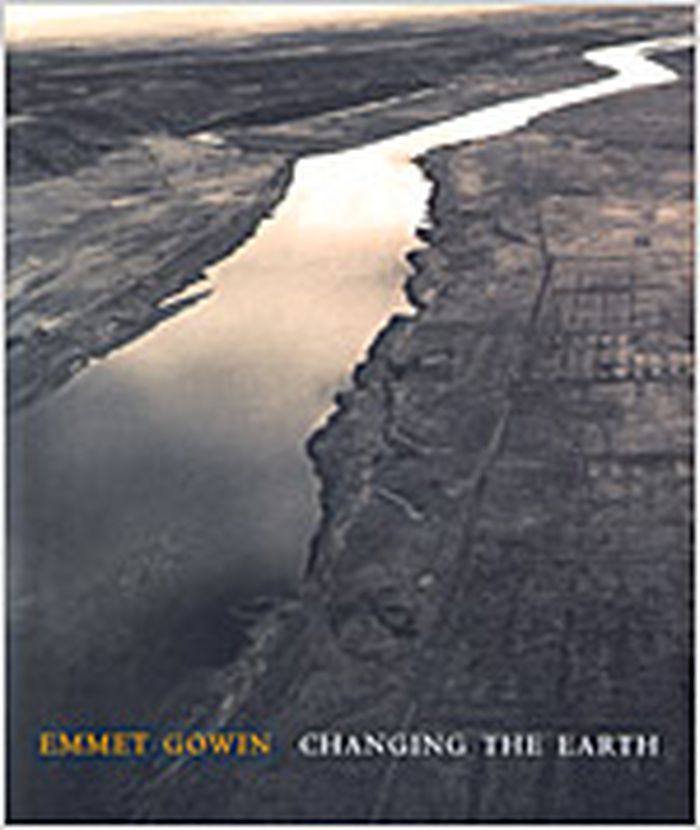
Emmet Gowin has been taking aerial photographs of the landscape in the United States, Mexico, Czechoslovakia, Asia, and the Middle East for over twenty years. In his most compelling photographs, one witnesses how man’s footprint has visually scarred and continually altered the earth’s surface. This book, published in conjunction with the first major touring exhibition of Gowin’s photographs in over ten years, focuses on images created after 1986. That was the year Gowin began to extend his aerial photography explorations in America by recording images of military test sites, missile silos, ammunition storage and disposal facilities, coal mining, pivot irrigation, offroad motor traffic, and more. The book also surveys his more recent works, which focus on other regions of the world, including the battlefields of Kuwait, new golf courses in Japan, and the chemo-petrol industries of the Czech Republic. Gowin’s richly toned black-and-white images have been characterized as "immorally gorgeous," since at a distance even his most disturbing images can appear to be beautiful. In this volume, Jock Reynolds provides an overview of Gowin’s aerial photography and places it in the context of his earlier work and that of such photographers as Carleton Watkins, Alfred Stieglitz, Ansel Adams, and Frederick Sommer. Philip Brookman illuminates Gowin’s recent work in the Czech Republic, while Terry Tempest Williams discusses Gowin’s images from the American West, especially his Nevada Test Site series.
Emmet Gowin : changing the earth - aerial photographs
Actions:
Price:
$63.00
(available to order)
Summary:
Emmet Gowin has been taking aerial photographs of the landscape in the United States, Mexico, Czechoslovakia, Asia, and the Middle East for over twenty years. In his most compelling photographs, one witnesses how man’s footprint has visually scarred and continually altered the earth’s surface. This book, published in conjunction with the first major touring exhibition of Gowin’s photographs in over ten years, focuses on images created after 1986. That was the year Gowin began to extend his aerial photography explorations in America by recording images of military test sites, missile silos, ammunition storage and disposal facilities, coal mining, pivot irrigation, offroad motor traffic, and more. The book also surveys his more recent works, which focus on other regions of the world, including the battlefields of Kuwait, new golf courses in Japan, and the chemo-petrol industries of the Czech Republic. Gowin’s richly toned black-and-white images have been characterized as "immorally gorgeous," since at a distance even his most disturbing images can appear to be beautiful. In this volume, Jock Reynolds provides an overview of Gowin’s aerial photography and places it in the context of his earlier work and that of such photographers as Carleton Watkins, Alfred Stieglitz, Ansel Adams, and Frederick Sommer. Philip Brookman illuminates Gowin’s recent work in the Czech Republic, while Terry Tempest Williams discusses Gowin’s images from the American West, especially his Nevada Test Site series.
Form:
books
books
Publication:
May 2002, New Haven / London
May 2002, New Haven / London
Subject:
Photography monographs
Photography monographs
Form:
books
books
Price:
$60.00
(available to order)
Summary:
In the 1950s, the figure of the arrow had a strange kind of ubiquity in architectural drawings, publications, and advertisements, symbolizing everything from the circulation of cold and warm air in a kitchen fridge to the flow of traffic in assorted New Towns. Twenty-five years earlier there were barely any arrows within architectural publications, and 15 years later they(...)
$60.00
(available to order)
Summary:
In the 1950s, the figure of the arrow had a strange kind of ubiquity in architectural drawings, publications, and advertisements, symbolizing everything from the circulation of cold and warm air in a kitchen fridge to the flow of traffic in assorted New Towns. Twenty-five years earlier there were barely any arrows within architectural publications, and 15 years later they(...)
Title:
On arrows: Essays in British architecture and its environments
Actions:
Price:
$60.00
(available to order)
Summary:
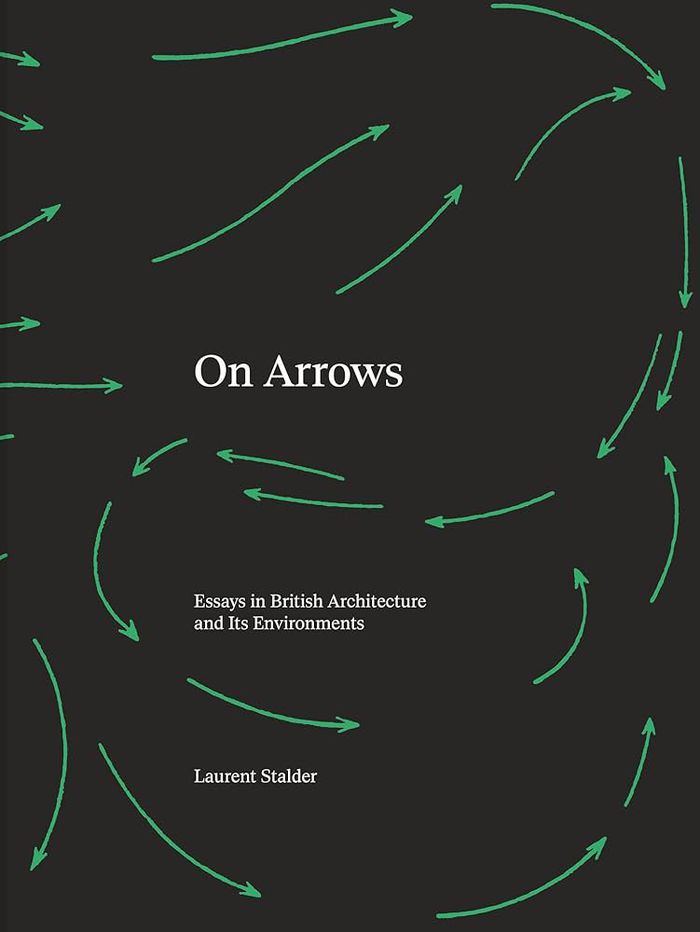
In the 1950s, the figure of the arrow had a strange kind of ubiquity in architectural drawings, publications, and advertisements, symbolizing everything from the circulation of cold and warm air in a kitchen fridge to the flow of traffic in assorted New Towns. Twenty-five years earlier there were barely any arrows within architectural publications, and 15 years later they had all but disappeared. In ''On Arrows'', Laurent Stalder looks back at the near past to trace the idea of performance in architecture by following this pervasive yet relatively unnoticed figure within the history of British architecture. During its short, intense period of use, the arrow pointed beyond any one singular author, typology, or scale, to the operative dimension of architecture and its environments, working both as an appropriate representational technique and a concrete tool for design. Stalder uses the arrow to move through the different dimensions of performance, mapping out the changing set of constellations that made up postwar British architecture and its environments: the constructive aspects, structural properties, infrastructural innovations, spatial challenges as well as their aesthetic and practical consequences. It is the arrow, he writes, that brings together debates from within different disciplines—from building physics, to sociology, structural design, and historiography, inscribed as they are in the materials, spaces, and buildings that are all too often considered in isolation from one another.
On arrows: Essays in British architecture and its environments
Actions:
Price:
$60.00
(available to order)
Summary:
In the 1950s, the figure of the arrow had a strange kind of ubiquity in architectural drawings, publications, and advertisements, symbolizing everything from the circulation of cold and warm air in a kitchen fridge to the flow of traffic in assorted New Towns. Twenty-five years earlier there were barely any arrows within architectural publications, and 15 years later they had all but disappeared. In ''On Arrows'', Laurent Stalder looks back at the near past to trace the idea of performance in architecture by following this pervasive yet relatively unnoticed figure within the history of British architecture. During its short, intense period of use, the arrow pointed beyond any one singular author, typology, or scale, to the operative dimension of architecture and its environments, working both as an appropriate representational technique and a concrete tool for design. Stalder uses the arrow to move through the different dimensions of performance, mapping out the changing set of constellations that made up postwar British architecture and its environments: the constructive aspects, structural properties, infrastructural innovations, spatial challenges as well as their aesthetic and practical consequences. It is the arrow, he writes, that brings together debates from within different disciplines—from building physics, to sociology, structural design, and historiography, inscribed as they are in the materials, spaces, and buildings that are all too often considered in isolation from one another.
Form:
books
books
Publication:
January 2025
January 2025
Subject:
Architectural Theory
Architectural Theory
Form:
books
books
Title:
Boring postcards
Boring postcards
Actions:
Price:
$14.95
(available to order)
Summary:
Martin Parr is a key figure in the world of photography and contemporary art. Some accuse him of cruelty, but many more appreciate the wit and irony with which he tackles such subjects as bad taste, food, the tourist, shopping and the foibles of the British. Parr has been collecting postcards for twenty years, and here is the cream of his collection – his boring(...)
$14.95
(available to order)
Summary:
Martin Parr is a key figure in the world of photography and contemporary art. Some accuse him of cruelty, but many more appreciate the wit and irony with which he tackles such subjects as bad taste, food, the tourist, shopping and the foibles of the British. Parr has been collecting postcards for twenty years, and here is the cream of his collection – his boring(...)
Title:
Boring postcards
Actions:
Price:
$14.95
(available to order)
Summary:
Martin Parr is a key figure in the world of photography and contemporary art. Some accuse him of cruelty, but many more appreciate the wit and irony with which he tackles such subjects as bad taste, food, the tourist, shopping and the foibles of the British. Parr has been collecting postcards for twenty years, and here is the cream of his collection – his boring postcards. With no introduction or commentary of any kind, Parr’s boring postcards are reproduced straight: they are exactly what they say they are, namely boring picture postcards showing boring photographs of boring places … presumably for boring people to buy to send to their boring friends. All of them are shot in Britain, taking us on a boring tour of its motorways, ring roads, traffic interchanges, bus stations, pedestrian precincts, factories, housing estates, airports, caravan sites, convalescent homes and shopping centres. Some attempt to idealize their subjects, only to fail dismally. Others lack any apparent purpose or interest … but the resultant collection of photographic images is wholly compelling. Boring Postcards is multi-layered: a commentary on British architecture, social life and identity, a record of a folk photography which is today being appropriated by the most fashionable photographers (including Parr), an exercise in sublime minimalism … and, above all, a richly comic photographic entertainment
Boring postcards
Actions:
Price:
$14.95
(available to order)
Summary:
Martin Parr is a key figure in the world of photography and contemporary art. Some accuse him of cruelty, but many more appreciate the wit and irony with which he tackles such subjects as bad taste, food, the tourist, shopping and the foibles of the British. Parr has been collecting postcards for twenty years, and here is the cream of his collection – his boring postcards. With no introduction or commentary of any kind, Parr’s boring postcards are reproduced straight: they are exactly what they say they are, namely boring picture postcards showing boring photographs of boring places … presumably for boring people to buy to send to their boring friends. All of them are shot in Britain, taking us on a boring tour of its motorways, ring roads, traffic interchanges, bus stations, pedestrian precincts, factories, housing estates, airports, caravan sites, convalescent homes and shopping centres. Some attempt to idealize their subjects, only to fail dismally. Others lack any apparent purpose or interest … but the resultant collection of photographic images is wholly compelling. Boring Postcards is multi-layered: a commentary on British architecture, social life and identity, a record of a folk photography which is today being appropriated by the most fashionable photographers (including Parr), an exercise in sublime minimalism … and, above all, a richly comic photographic entertainment
Form:
books
books
Publication:
February 2004, London
February 2004, London
Subject:
Theory of Photography
Theory of Photography
Form:
books
books

Actions:
Price:
$18.00
(available to order)
Summary:
“Bad Places” – defines spaces of urban wasteland, of landfills but also neglected parks or harmful and unfriendly traffic and infrastructure solutions. In their exhibition in AedesLand, Latz + Partner describe their approach to dealing with these places – the necessity of which goes beyond aesthetic standards in a time where we are faced with a shortage of space and yet(...)
$18.00
(available to order)
Summary:
“Bad Places” – defines spaces of urban wasteland, of landfills but also neglected parks or harmful and unfriendly traffic and infrastructure solutions. In their exhibition in AedesLand, Latz + Partner describe their approach to dealing with these places – the necessity of which goes beyond aesthetic standards in a time where we are faced with a shortage of space and yet(...)
Subject:
small format
small format
Publication:
January 1900, Berlin
January 1900, Berlin
Title:
Latz+partner bad places and oases
Actions:
Price:
$18.00
(available to order)
Summary:
“Bad Places” – defines spaces of urban wasteland, of landfills but also neglected parks or harmful and unfriendly traffic and infrastructure solutions. In their exhibition in AedesLand, Latz + Partner describe their approach to dealing with these places – the necessity of which goes beyond aesthetic standards in a time where we are faced with a shortage of space and yet continually create new wastelands. “Oases” – selective interventions and special places give an answer to bad places. Primarily, this revolves around the acceptance of devastated and polluted spaces, around the qualities that even such spaces can hold and around the layers that define them and hold the potential of fascinating information. Landscape does not merely exist physically. It represents a repertoire of information which is continually interpreted and re-interpreted by the beholder. The design philosophy of Latz + Partner is rooted in the ambition of facilitating and furnishing new ideas to this process. The exhibition focuses on two key, future-oriented projects: Hiriya, Tel Aviv and Crystal Palace Park, London. These projects, both of which are currently in the planning phase, are complemented by images of built projects, such as the blast furnace park in Duisburg, the Old Harbour in Bremerhaven and the urban transformation on the Plateau de Kirchberg in Luxembourg. Public participation is of great significance in all projects and ecological principles are innate to all of the work.
Latz+partner bad places and oases
Actions:
Price:
$18.00
(available to order)
Summary:
“Bad Places” – defines spaces of urban wasteland, of landfills but also neglected parks or harmful and unfriendly traffic and infrastructure solutions. In their exhibition in AedesLand, Latz + Partner describe their approach to dealing with these places – the necessity of which goes beyond aesthetic standards in a time where we are faced with a shortage of space and yet continually create new wastelands. “Oases” – selective interventions and special places give an answer to bad places. Primarily, this revolves around the acceptance of devastated and polluted spaces, around the qualities that even such spaces can hold and around the layers that define them and hold the potential of fascinating information. Landscape does not merely exist physically. It represents a repertoire of information which is continually interpreted and re-interpreted by the beholder. The design philosophy of Latz + Partner is rooted in the ambition of facilitating and furnishing new ideas to this process. The exhibition focuses on two key, future-oriented projects: Hiriya, Tel Aviv and Crystal Palace Park, London. These projects, both of which are currently in the planning phase, are complemented by images of built projects, such as the blast furnace park in Duisburg, the Old Harbour in Bremerhaven and the urban transformation on the Plateau de Kirchberg in Luxembourg. Public participation is of great significance in all projects and ecological principles are innate to all of the work.
Form:
books
books
Publication:
January 1900, Berlin
January 1900, Berlin
Subject:
small format
small format
Form:
books
books
Title:
Brooklyn by name
Brooklyn by name
Actions:
Price:
$22.50
(available to order)
Summary:
From Bedford-Stuyvesant to Williamsburg, Brooklyn's historic names are emblems of American culture and history. Uncovering the remarkable stories behind the landmarks, "Brooklyn by name" takes readers on a stroll through the streets and places of this thriving metropolis to reveal the borough's textured past. Listing more than 500 of Brooklyn's most prominent place(...)
$22.50
(available to order)
Summary:
From Bedford-Stuyvesant to Williamsburg, Brooklyn's historic names are emblems of American culture and history. Uncovering the remarkable stories behind the landmarks, "Brooklyn by name" takes readers on a stroll through the streets and places of this thriving metropolis to reveal the borough's textured past. Listing more than 500 of Brooklyn's most prominent place(...)
Title:
Brooklyn by name
Actions:
Price:
$22.50
(available to order)
Summary:
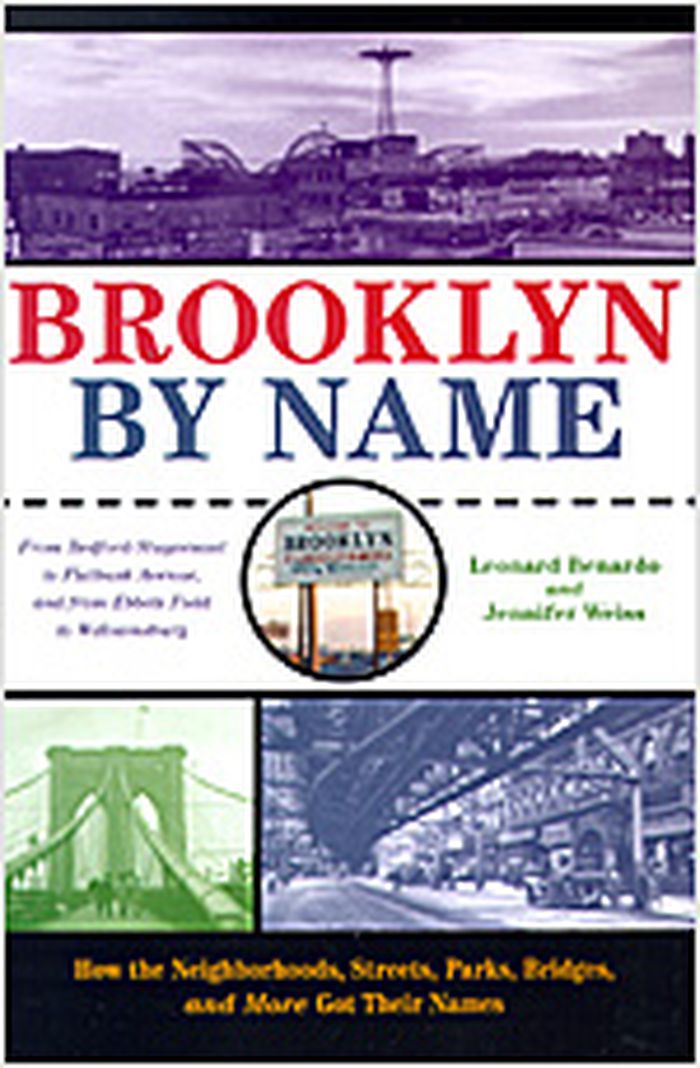
From Bedford-Stuyvesant to Williamsburg, Brooklyn's historic names are emblems of American culture and history. Uncovering the remarkable stories behind the landmarks, "Brooklyn by name" takes readers on a stroll through the streets and places of this thriving metropolis to reveal the borough's textured past. Listing more than 500 of Brooklyn's most prominent place names, organized alphabetically by region, and illustrated with photographs and current maps the book captures the diverse threads of American history. We learn about the Canarsie Indians, the region's first settlers, whose language survives in daily traffic reports about the Gowanus Expressway. The arrival of the Dutch West India Company in 1620 brought the first wave of European names, from Boswijck ("town in the woods," later Bushwick) to Bedford-Stuyvesant, after the controversial administrator of the Dutch colony, to numerous places named after prominent Dutch families like the Bergens. The English takeover of the area in 1664 led to the Anglicization of Dutch names, (vlackebos, meaning "wooded plain," became Flatbush) and the introduction of distinctively English names (Kensington, Brighton Beach). A century later the American Revolution swept away most Tory monikers, replacing them with signers of the Declaration of Independence and international figures who supported the revolution such as Lafayette (France), De Kalb (Germany), and Kosciuszko (Poland). We learn too of the dark corners of Brooklyn's past, encountering over 70 streets named for prominent slaveholders like Lefferts and Lott but none for its most famous abolitionist, Walt Whitman. From the earliest settlements to recent commemorations such as Malcolm X Boulevard, this book tells the tales of the poets, philosophers, baseball heroes, diplomats, warriors, and saints who have left their imprint on this polyethnic borough that was once almost disastrously renamed "New York East."
Brooklyn by name
Actions:
Price:
$22.50
(available to order)
Summary:
From Bedford-Stuyvesant to Williamsburg, Brooklyn's historic names are emblems of American culture and history. Uncovering the remarkable stories behind the landmarks, "Brooklyn by name" takes readers on a stroll through the streets and places of this thriving metropolis to reveal the borough's textured past. Listing more than 500 of Brooklyn's most prominent place names, organized alphabetically by region, and illustrated with photographs and current maps the book captures the diverse threads of American history. We learn about the Canarsie Indians, the region's first settlers, whose language survives in daily traffic reports about the Gowanus Expressway. The arrival of the Dutch West India Company in 1620 brought the first wave of European names, from Boswijck ("town in the woods," later Bushwick) to Bedford-Stuyvesant, after the controversial administrator of the Dutch colony, to numerous places named after prominent Dutch families like the Bergens. The English takeover of the area in 1664 led to the Anglicization of Dutch names, (vlackebos, meaning "wooded plain," became Flatbush) and the introduction of distinctively English names (Kensington, Brighton Beach). A century later the American Revolution swept away most Tory monikers, replacing them with signers of the Declaration of Independence and international figures who supported the revolution such as Lafayette (France), De Kalb (Germany), and Kosciuszko (Poland). We learn too of the dark corners of Brooklyn's past, encountering over 70 streets named for prominent slaveholders like Lefferts and Lott but none for its most famous abolitionist, Walt Whitman. From the earliest settlements to recent commemorations such as Malcolm X Boulevard, this book tells the tales of the poets, philosophers, baseball heroes, diplomats, warriors, and saints who have left their imprint on this polyethnic borough that was once almost disastrously renamed "New York East."
Form:
books
books
Publication:
January 1900, New York
January 1900, New York
Subject:
City Guides
City Guides
Form:
books
books
Actions:
Price:
$37.50
(available to order)
Summary:
Drivers in the nation's capital face a host of hazards: high-speed traffic circles, presidential motorcades, jaywalking tourists, and bewildering signs that send unsuspecting motorists from the Lincoln Memorial into suburban Virginia in less than two minutes. And parking? Don't bet on it unless you're in the fast lane of the Capital Beltway during rush hour. Little(...)
$37.50
(available to order)
Summary:
Drivers in the nation's capital face a host of hazards: high-speed traffic circles, presidential motorcades, jaywalking tourists, and bewildering signs that send unsuspecting motorists from the Lincoln Memorial into suburban Virginia in less than two minutes. And parking? Don't bet on it unless you're in the fast lane of the Capital Beltway during rush hour. Little(...)
Title:
The Great Society subway : a history of the Washington Metro
Actions:
Price:
$37.50
(available to order)
Summary:
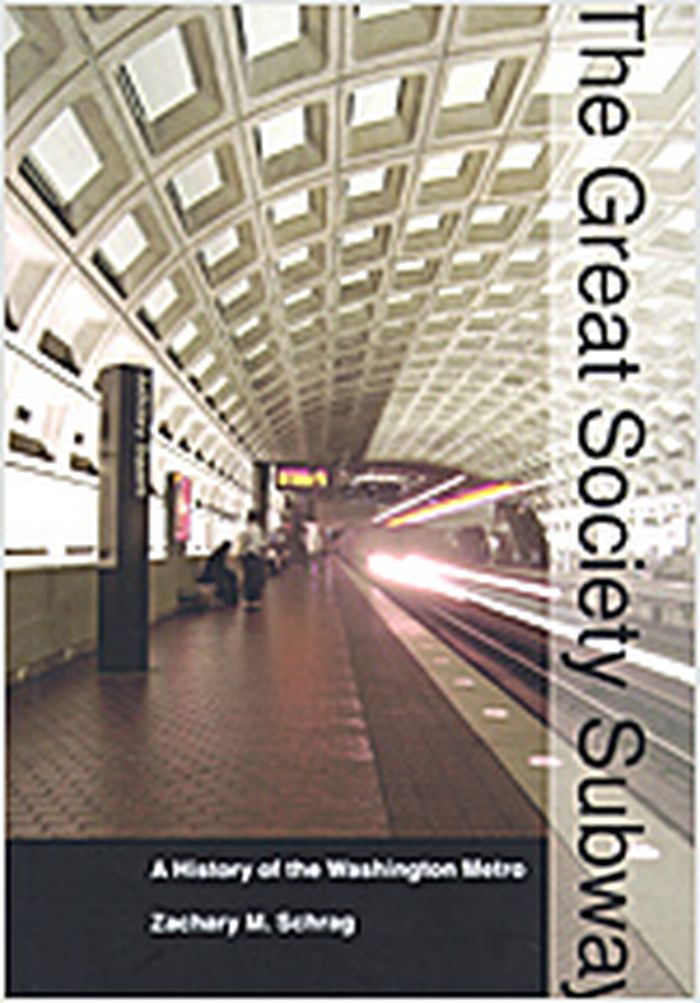
Drivers in the nation's capital face a host of hazards: high-speed traffic circles, presidential motorcades, jaywalking tourists, and bewildering signs that send unsuspecting motorists from the Lincoln Memorial into suburban Virginia in less than two minutes. And parking? Don't bet on it unless you're in the fast lane of the Capital Beltway during rush hour. Little wonder, then, that so many residents and visitors rely on the Washington Metro, the 106-mile rapid transit system that serves the District of Columbia and its inner suburbs. In the first comprehensive history of the Metro, Zachary M. Schrag tells the story of the Great Society subway from its earliest rumblings to the present day, from Arlington to College Park, Eisenhower to Marion Barry. Unlike the pre–World War II rail systems of New York, Chicago, and Philadelphia, the Metro was built at a time when most American families already owned cars, and when most American cities had dedicated themselves to freeways, not subways. Why did the nation's capital take a different path? What were the consequences of that decision? Using extensive archival research as well as oral history, Schrag argues that the Metro can be understood only in the political context from which it was born: the Great Society liberalism of the Kennedy, Johnson, and Nixon administrations. The Metro emerged from a period when Americans believed in public investments suited to the grandeur and dignity of the world's richest nation. The Metro was built not merely to move commuters, but in the words of Lyndon Johnson, to create "a place where the city of man serves not only the needs of the body and the demands of commerce but the desire for beauty and the hunger for community." Schrag scrutinizes the project from its earliest days, including general planning, routes, station architecture, funding decisions, land-use impacts, and the behavior of Metro riders. The story of the Great society subway sheds light on the development of metropolitan Washington, postwar urban policy, and the promises and limits of rail transit in American cities.
The Great Society subway : a history of the Washington Metro
Actions:
Price:
$37.50
(available to order)
Summary:
Drivers in the nation's capital face a host of hazards: high-speed traffic circles, presidential motorcades, jaywalking tourists, and bewildering signs that send unsuspecting motorists from the Lincoln Memorial into suburban Virginia in less than two minutes. And parking? Don't bet on it unless you're in the fast lane of the Capital Beltway during rush hour. Little wonder, then, that so many residents and visitors rely on the Washington Metro, the 106-mile rapid transit system that serves the District of Columbia and its inner suburbs. In the first comprehensive history of the Metro, Zachary M. Schrag tells the story of the Great Society subway from its earliest rumblings to the present day, from Arlington to College Park, Eisenhower to Marion Barry. Unlike the pre–World War II rail systems of New York, Chicago, and Philadelphia, the Metro was built at a time when most American families already owned cars, and when most American cities had dedicated themselves to freeways, not subways. Why did the nation's capital take a different path? What were the consequences of that decision? Using extensive archival research as well as oral history, Schrag argues that the Metro can be understood only in the political context from which it was born: the Great Society liberalism of the Kennedy, Johnson, and Nixon administrations. The Metro emerged from a period when Americans believed in public investments suited to the grandeur and dignity of the world's richest nation. The Metro was built not merely to move commuters, but in the words of Lyndon Johnson, to create "a place where the city of man serves not only the needs of the body and the demands of commerce but the desire for beauty and the hunger for community." Schrag scrutinizes the project from its earliest days, including general planning, routes, station architecture, funding decisions, land-use impacts, and the behavior of Metro riders. The story of the Great society subway sheds light on the development of metropolitan Washington, postwar urban policy, and the promises and limits of rail transit in American cities.
Form:
books
books
Publication:
February 2006, Baltimore
February 2006, Baltimore
Subject:
Engineering Structures
Engineering Structures
Form:
books
books
Actions:
Holdings:
Description:
191 pages : illustrations (some color), facsimiles, plans, portraits ; 26 cm
Description:
191 pages : illustrations (some color), facsimiles, plans, portraits ; 26 cm
Author:
Subject:
Publication:
[Vanves] : Hazan ; Paris : Musée d'Orsay, [2024], ©2024
[Vanves] : Hazan ; Paris : Musée d'Orsay, [2024], ©2024
Title:
La gare d'Orsay et ses métamorphoses / sous la direction de Clémence Raynaud.
Actions:
Holdings:
Description:
191 pages : illustrations (some color), facsimiles, plans, portraits ; 26 cm
La gare d'Orsay et ses métamorphoses / sous la direction de Clémence Raynaud.
Actions:
Holdings:
Description:
191 pages : illustrations (some color), facsimiles, plans, portraits ; 26 cm
Form:
books
books
Publication:
[Vanves] : Hazan ; Paris : Musée d'Orsay, [2024], ©2024
[Vanves] : Hazan ; Paris : Musée d'Orsay, [2024], ©2024
Author:
Subject:


