


1027 Results
Form:
books
books
Price:
$48.00
(available in store)
Summary:
What has planetary-scale computation done to our geopolitical realities? It takes different forms at different scales—from energy and mineral sourcing and subterranean cloud infrastructure to urban software and massive universal addressing systems; from interfaces drawn by the augmentation of the hand and eye to users identified by self-quantification and the arrival of(...)
$48.00
(available in store)
Summary:
What has planetary-scale computation done to our geopolitical realities? It takes different forms at different scales—from energy and mineral sourcing and subterranean cloud infrastructure to urban software and massive universal addressing systems; from interfaces drawn by the augmentation of the hand and eye to users identified by self-quantification and the arrival of(...)
Title:
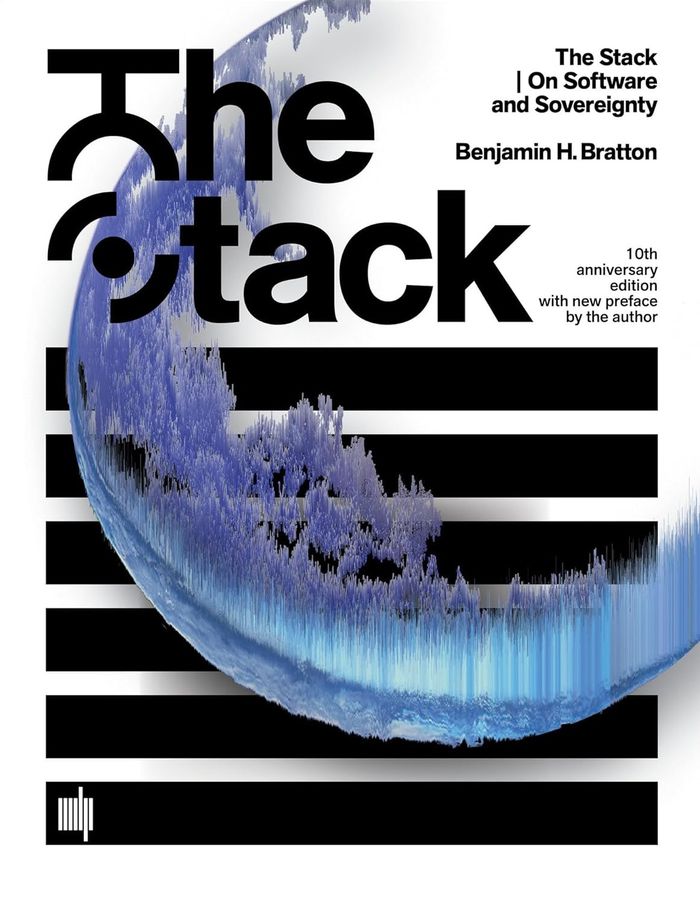
The stack: On software and sovereignty. 10th anniversary edition
Actions:
Price:
$48.00
(available in store)
Summary:
What has planetary-scale computation done to our geopolitical realities? It takes different forms at different scales—from energy and mineral sourcing and subterranean cloud infrastructure to urban software and massive universal addressing systems; from interfaces drawn by the augmentation of the hand and eye to users identified by self-quantification and the arrival of legions of sensors, algorithms, and robots. Together, how do these distort and deform modern political geographies and produce new territories in their own image? In an account that is both theoretical and technical, drawing on political philosophy, design theory, and computer science, Bratton explores six layers of ''The Stack'': Earth, Cloud, City, Address, Interface, User.
The stack: On software and sovereignty. 10th anniversary edition
Actions:
Price:
$48.00
(available in store)
Summary:
What has planetary-scale computation done to our geopolitical realities? It takes different forms at different scales—from energy and mineral sourcing and subterranean cloud infrastructure to urban software and massive universal addressing systems; from interfaces drawn by the augmentation of the hand and eye to users identified by self-quantification and the arrival of legions of sensors, algorithms, and robots. Together, how do these distort and deform modern political geographies and produce new territories in their own image? In an account that is both theoretical and technical, drawing on political philosophy, design theory, and computer science, Bratton explores six layers of ''The Stack'': Earth, Cloud, City, Address, Interface, User.
Form:
books
books
Publication:
March 2026
March 2026
Subject:
Archive, library and the digital
Archive, library and the digital
Form:
books
books
Price:
$48.00
(available in store)
Summary:
Our contemporary digital landscape often reflects a strange logic: Elon Musk believes there’s a one-in-a-billion chance that we are not living in a computer simulation. People argue about culturally collective false memories popularly known as "Mandela Effects." And various factions engaged in a magic meme war leading up to the 2016 election. In "The unseen internet,"(...)
$48.00
(available in store)
Summary:
Our contemporary digital landscape often reflects a strange logic: Elon Musk believes there’s a one-in-a-billion chance that we are not living in a computer simulation. People argue about culturally collective false memories popularly known as "Mandela Effects." And various factions engaged in a magic meme war leading up to the 2016 election. In "The unseen internet,"(...)
Title:
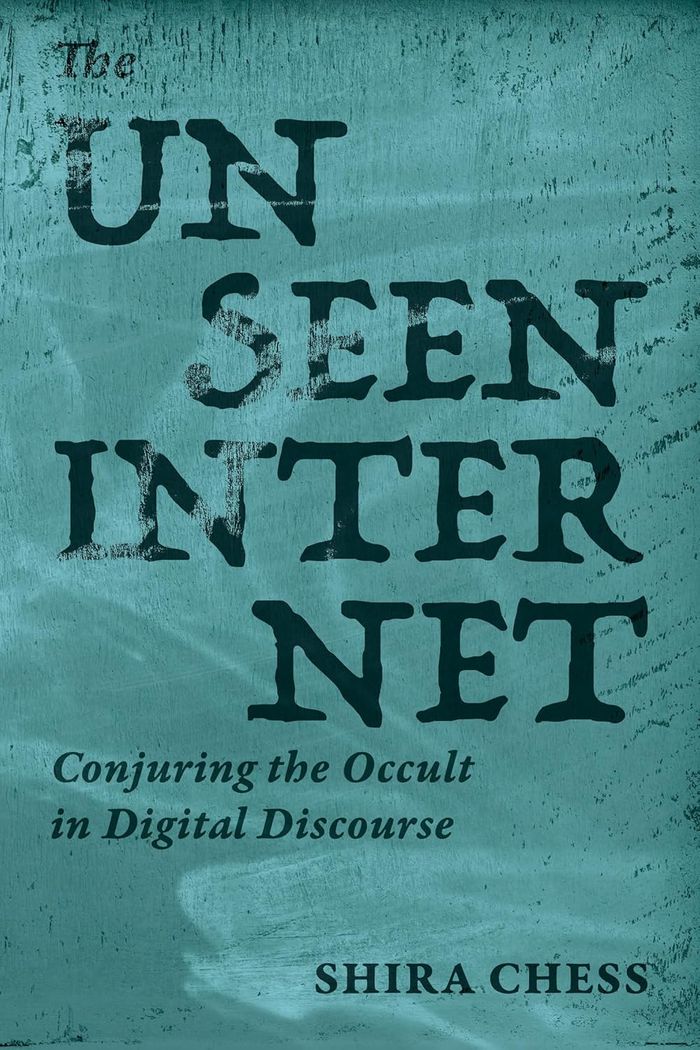
The unseen internet: Conjuring the occult in digital discourse
Actions:
Price:
$48.00
(available in store)
Summary:
Our contemporary digital landscape often reflects a strange logic: Elon Musk believes there’s a one-in-a-billion chance that we are not living in a computer simulation. People argue about culturally collective false memories popularly known as "Mandela Effects." And various factions engaged in a magic meme war leading up to the 2016 election. In "The unseen internet," Shira Chess explores the tensions between the occult and digital spaces in the twenty-first century. These practices have resulted in distinct kinds of otherworldly discourse that affects the broader popular perceptions of reality in the twenty-first century, within and beyond the internet.
The unseen internet: Conjuring the occult in digital discourse
Actions:
Price:
$48.00
(available in store)
Summary:
Our contemporary digital landscape often reflects a strange logic: Elon Musk believes there’s a one-in-a-billion chance that we are not living in a computer simulation. People argue about culturally collective false memories popularly known as "Mandela Effects." And various factions engaged in a magic meme war leading up to the 2016 election. In "The unseen internet," Shira Chess explores the tensions between the occult and digital spaces in the twenty-first century. These practices have resulted in distinct kinds of otherworldly discourse that affects the broader popular perceptions of reality in the twenty-first century, within and beyond the internet.
Form:
books
books
Publication:
February 2026
February 2026
Subject:
Archive, library and the digital
Archive, library and the digital
Form:
books
books

Actions:
Price:
$49.95
(available to order)
Summary:
This book is a history. It gathers anecdotes, artworks, and historical artifacts that reveal the pervasive and perverted origins of our digital tools. This book is a script. It documents "A sexual history of the internet," a participatory lecture performance told through the audience’s phones. It is a polyvocal story, whose citations are read aloud by the audience —(...)
$49.95
(available to order)
Summary:
This book is a history. It gathers anecdotes, artworks, and historical artifacts that reveal the pervasive and perverted origins of our digital tools. This book is a script. It documents "A sexual history of the internet," a participatory lecture performance told through the audience’s phones. It is a polyvocal story, whose citations are read aloud by the audience —(...)
Title:
A sexual history of the internet
Actions:
Price:
$49.95
(available to order)
Summary:
This book is a history. It gathers anecdotes, artworks, and historical artifacts that reveal the pervasive and perverted origins of our digital tools. This book is a script. It documents "A sexual history of the internet," a participatory lecture performance told through the audience’s phones. It is a polyvocal story, whose citations are read aloud by the audience — performance as re-citation. This book is a fiscal experiment of redistribution. In it, you’ll find citations by 45 people who have shaped my understanding of the internet, sex, and sexual technologies. When you buy this book, they will split a percentage of profits. We call this experiment "Citational Splits," a new model of attribution.
A sexual history of the internet
Actions:
Price:
$49.95
(available to order)
Summary:
This book is a history. It gathers anecdotes, artworks, and historical artifacts that reveal the pervasive and perverted origins of our digital tools. This book is a script. It documents "A sexual history of the internet," a participatory lecture performance told through the audience’s phones. It is a polyvocal story, whose citations are read aloud by the audience — performance as re-citation. This book is a fiscal experiment of redistribution. In it, you’ll find citations by 45 people who have shaped my understanding of the internet, sex, and sexual technologies. When you buy this book, they will split a percentage of profits. We call this experiment "Citational Splits," a new model of attribution.
Form:
books
books
Publication:
November 2025
November 2025
Subject:
Archive, library and the digital
Archive, library and the digital
Form:
books
books
Actions:
Price:
$32.95
(available to order)
Summary:
Earth Moves, Bernard Cache's first major work, conceptualizes a series of architectural images as vehicles for two important developments. First, he offers a new understanding of the architectural image itself. Following Gilles Deleuze and Henri Bergson, he develops an account of the image that is nonrepresentational and constructive—images as constituents of a primary,(...)
$32.95
(available to order)
Summary:
Earth Moves, Bernard Cache's first major work, conceptualizes a series of architectural images as vehicles for two important developments. First, he offers a new understanding of the architectural image itself. Following Gilles Deleuze and Henri Bergson, he develops an account of the image that is nonrepresentational and constructive—images as constituents of a primary,(...)
Title:
Earth moves: the furnishing of territories
Actions:
Price:
$32.95
(available to order)
Summary:
Earth Moves, Bernard Cache's first major work, conceptualizes a series of architectural images as vehicles for two important developments. First, he offers a new understanding of the architectural image itself. Following Gilles Deleuze and Henri Bergson, he develops an account of the image that is nonrepresentational and constructive—images as constituents of a primary, image world, of which subjectivity itself is a special kind of image. Second, Cache redefines architecture beyond building proper to include cinematic, pictoral, and other framings. Complementary to this classification, Cache offers what is to date the only Deleuzean architectural development of the "fold," a form and concept that has become important over the last few years. For Cache, as for Deleuze, what is significant about the fold is that it provides a way to rethink the relationship between interior and exterior, between past and present, and between architecture and the urban.
Earth moves: the furnishing of territories
Actions:
Price:
$32.95
(available to order)
Summary:
Earth Moves, Bernard Cache's first major work, conceptualizes a series of architectural images as vehicles for two important developments. First, he offers a new understanding of the architectural image itself. Following Gilles Deleuze and Henri Bergson, he develops an account of the image that is nonrepresentational and constructive—images as constituents of a primary, image world, of which subjectivity itself is a special kind of image. Second, Cache redefines architecture beyond building proper to include cinematic, pictoral, and other framings. Complementary to this classification, Cache offers what is to date the only Deleuzean architectural development of the "fold," a form and concept that has become important over the last few years. For Cache, as for Deleuze, what is significant about the fold is that it provides a way to rethink the relationship between interior and exterior, between past and present, and between architecture and the urban.
Form:
books
books
Publication:
January 1995
January 1995
Subject:
Archive, library and the digital
Archive, library and the digital
Form:
books
books
Actions:
Price:
$8.95
(available to order)
Summary:
L'auteure analyse les codes et les usages des membres de communautés d'internautes amateurs de produits Apple. Elle montre que l'imaginaire déployé découle d'une volonté de la marque de créer un univers technologique au sein duquel les attentes et les rêves des clients sont comblés par une offre de produits informatiques.
$8.95
(available to order)
Summary:
L'auteure analyse les codes et les usages des membres de communautés d'internautes amateurs de produits Apple. Elle montre que l'imaginaire déployé découle d'une volonté de la marque de créer un univers technologique au sein duquel les attentes et les rêves des clients sont comblés par une offre de produits informatiques.
Title:
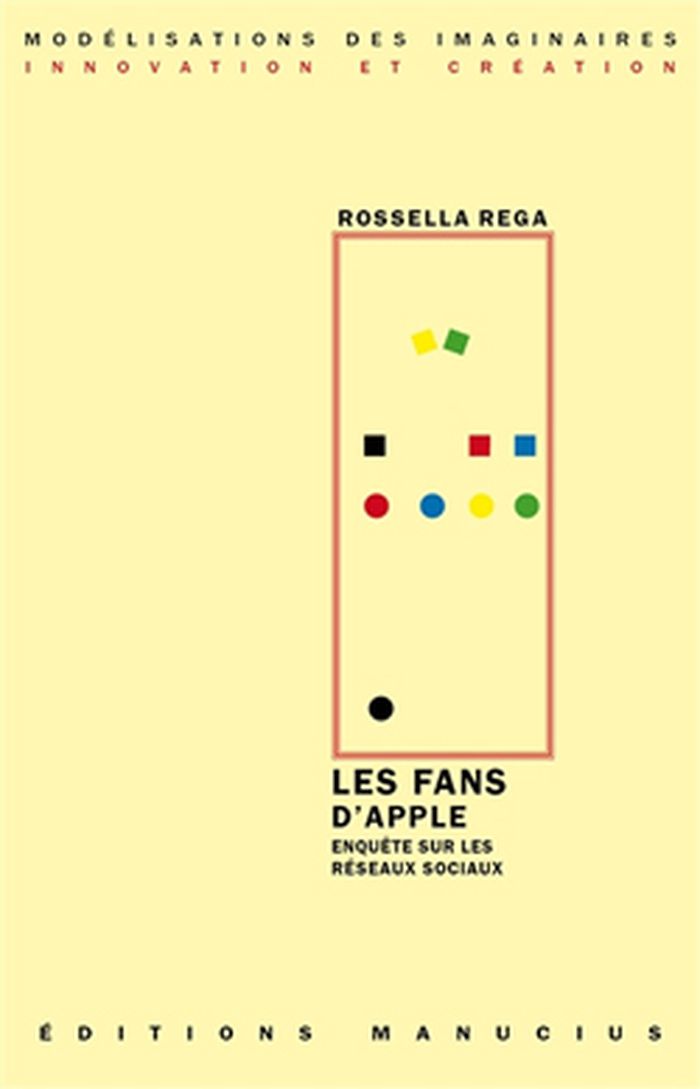
Les Fans d'Apple : enquête sur les réseaux sociaux
Actions:
Price:
$8.95
(available to order)
Summary:
L'auteure analyse les codes et les usages des membres de communautés d'internautes amateurs de produits Apple. Elle montre que l'imaginaire déployé découle d'une volonté de la marque de créer un univers technologique au sein duquel les attentes et les rêves des clients sont comblés par une offre de produits informatiques.
Les Fans d'Apple : enquête sur les réseaux sociaux
Actions:
Price:
$8.95
(available to order)
Summary:
L'auteure analyse les codes et les usages des membres de communautés d'internautes amateurs de produits Apple. Elle montre que l'imaginaire déployé découle d'une volonté de la marque de créer un univers technologique au sein duquel les attentes et les rêves des clients sont comblés par une offre de produits informatiques.
Form:
books
books
Publication:
February 2016
February 2016
Subject:
Archive, library and the digital
Archive, library and the digital
Form:
books
books
Title:
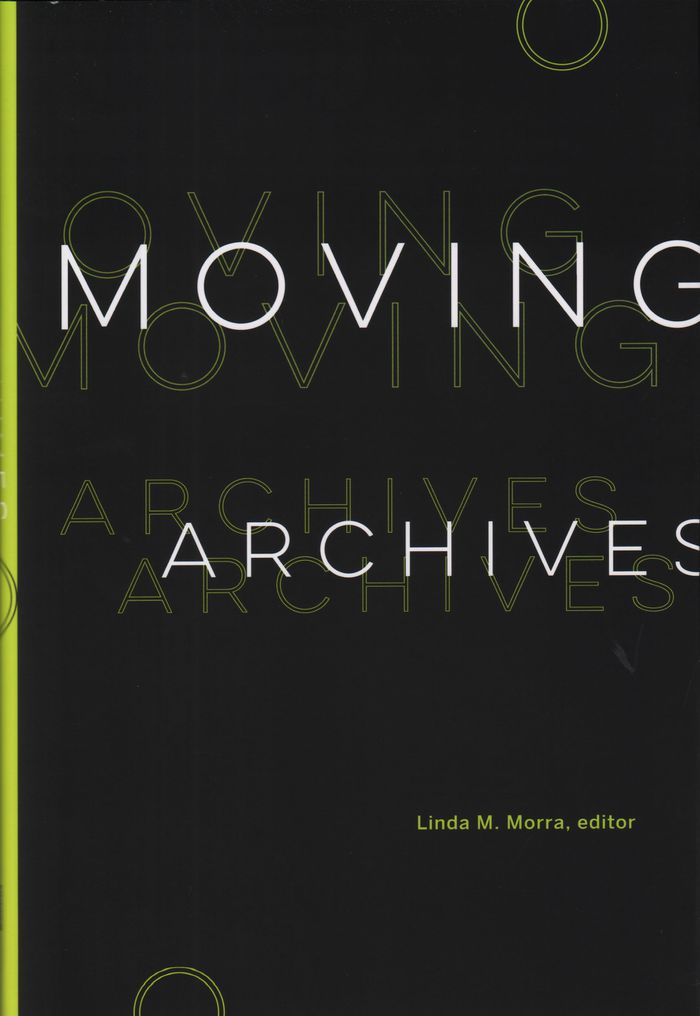
Moving archives
Moving archives
Actions:
Price:
$85.00
(available to order)
Summary:
The image of the dusty, undisturbed archive has been swept away in response to growing interest across disciplines in the materials they house and the desire to find and make meaning through an engagement with those materials. Archival studies scholars and archivists are developing related theoretical frameworks and practices that recognize that the archives are anything(...)
$85.00
(available to order)
Summary:
The image of the dusty, undisturbed archive has been swept away in response to growing interest across disciplines in the materials they house and the desire to find and make meaning through an engagement with those materials. Archival studies scholars and archivists are developing related theoretical frameworks and practices that recognize that the archives are anything(...)
Title:
Moving archives
Actions:
Price:
$85.00
(available to order)
Summary:
The image of the dusty, undisturbed archive has been swept away in response to growing interest across disciplines in the materials they house and the desire to find and make meaning through an engagement with those materials. Archival studies scholars and archivists are developing related theoretical frameworks and practices that recognize that the archives are anything but static. Archival deposits are proliferating, and the architects, practitioners, and scholars engaged with them are scarcely able to keep abreast of them. Archives, archival theory, and archival practice are on the move. But what of the archives that were once safely housed and have since been lost, or are under threat? What of the urgency that underscores the appeals made on behalf of these archives? As scholars in this volume argue, archives—their materialization, their preservation, and the research produced about them—are moving in a different way: they are involved in an emotionally engaged and charged process, one that acts equally upon archival subjects and those engaged with them. So too do archives at once represent members of various communities and the fields of study drawn to them. "Moving Archives" grounds itself in the critical trajectory related to what Sara Ahmed calls “affective economies” to offer fresh insights about the process of archiving and approaching literary materials. These economies are not necessarily determined by ethical impulses, although many scholars have called out for such impulses to underwrite current archival practices; rather, they form the crucial affective contexts for the legitimization of archival caches in the present moment and for future use.
Moving archives
Actions:
Price:
$85.00
(available to order)
Summary:
The image of the dusty, undisturbed archive has been swept away in response to growing interest across disciplines in the materials they house and the desire to find and make meaning through an engagement with those materials. Archival studies scholars and archivists are developing related theoretical frameworks and practices that recognize that the archives are anything but static. Archival deposits are proliferating, and the architects, practitioners, and scholars engaged with them are scarcely able to keep abreast of them. Archives, archival theory, and archival practice are on the move. But what of the archives that were once safely housed and have since been lost, or are under threat? What of the urgency that underscores the appeals made on behalf of these archives? As scholars in this volume argue, archives—their materialization, their preservation, and the research produced about them—are moving in a different way: they are involved in an emotionally engaged and charged process, one that acts equally upon archival subjects and those engaged with them. So too do archives at once represent members of various communities and the fields of study drawn to them. "Moving Archives" grounds itself in the critical trajectory related to what Sara Ahmed calls “affective economies” to offer fresh insights about the process of archiving and approaching literary materials. These economies are not necessarily determined by ethical impulses, although many scholars have called out for such impulses to underwrite current archival practices; rather, they form the crucial affective contexts for the legitimization of archival caches in the present moment and for future use.
Form:
books
books
Publication:
January 2020
January 2020
Subject:
Archive, library and the digital
Archive, library and the digital
Form:
books
books
Price:
$26.95
(available to order)
Summary:
Archives have become a nexus in the wake of the digital turn. Electronic files, search engines, video sites, and media player libraries make the concepts of “archival” and “retrieval” practically synonymous with the experience of interconnected computing. Archives today are the center of much attention but few agendas. Can archives inform the redistribution of power and(...)
$26.95
(available to order)
Summary:
Archives have become a nexus in the wake of the digital turn. Electronic files, search engines, video sites, and media player libraries make the concepts of “archival” and “retrieval” practically synonymous with the experience of interconnected computing. Archives today are the center of much attention but few agendas. Can archives inform the redistribution of power and(...)
Subject:
Archive, library and the digital
Archive, library and the digital
Publication:
July 2019
July 2019
Title:
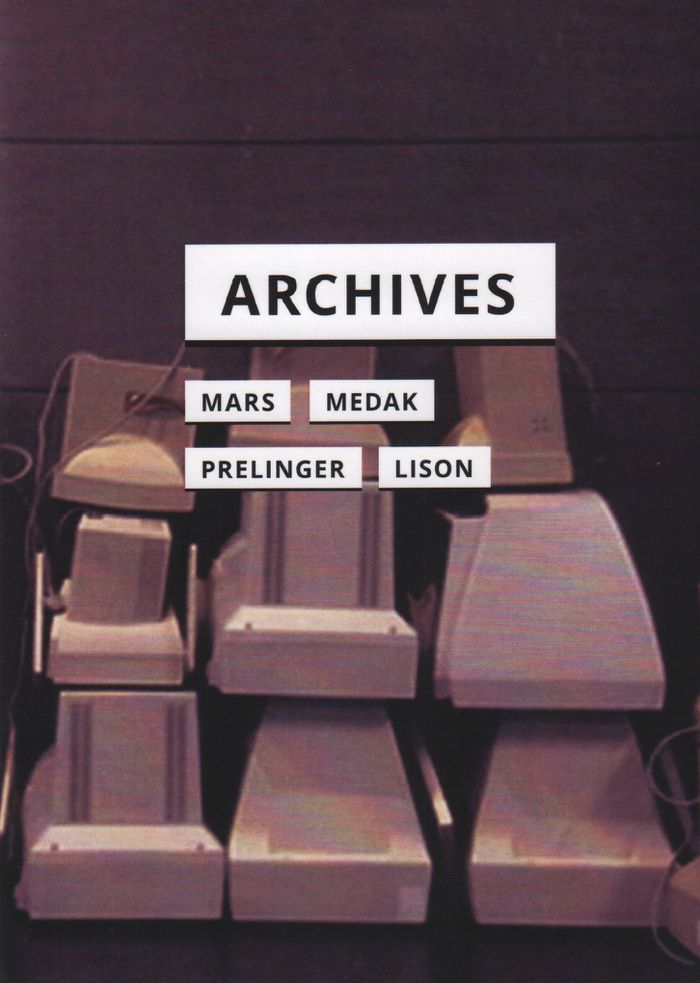
Archives
Actions:
Price:
$26.95
(available to order)
Summary:
Archives have become a nexus in the wake of the digital turn. Electronic files, search engines, video sites, and media player libraries make the concepts of “archival” and “retrieval” practically synonymous with the experience of interconnected computing. Archives today are the center of much attention but few agendas. Can archives inform the redistribution of power and resources when the concept of the public library as an institution makes knowledge and culture accessible to all members of society regardless of social or economic status? This book sets out to show that archives need our active support and continuing engagement.
Archives
Actions:
Price:
$26.95
(available to order)
Summary:
Archives have become a nexus in the wake of the digital turn. Electronic files, search engines, video sites, and media player libraries make the concepts of “archival” and “retrieval” practically synonymous with the experience of interconnected computing. Archives today are the center of much attention but few agendas. Can archives inform the redistribution of power and resources when the concept of the public library as an institution makes knowledge and culture accessible to all members of society regardless of social or economic status? This book sets out to show that archives need our active support and continuing engagement.
Form:
books
books
Publication:
July 2019
July 2019
Subject:
Archive, library and the digital
Archive, library and the digital
Form:
books
books
Price:
$26.95
(available to order)
Summary:
Media organize things into patterns and relations. As intermediaries among people and between people and worlds, media shape sociotechnical orders. At the same time, media are organized: while they condition different organizational forms and processes, they, too, are formed and can be re-formed. This intimate relation of media and organizing is timeless. Yet arguably,(...)
$26.95
(available to order)
Summary:
Media organize things into patterns and relations. As intermediaries among people and between people and worlds, media shape sociotechnical orders. At the same time, media are organized: while they condition different organizational forms and processes, they, too, are formed and can be re-formed. This intimate relation of media and organizing is timeless. Yet arguably,(...)
Subject:
Archive, library and the digital
Archive, library and the digital
Publication:
October 2019
October 2019
Title:
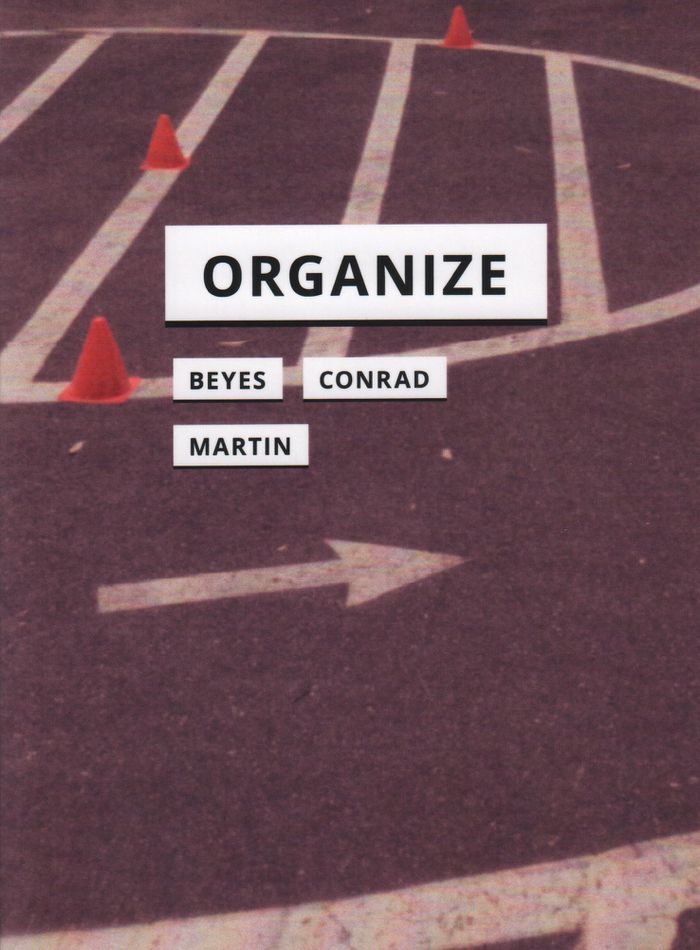
Organize
Actions:
Price:
$26.95
(available to order)
Summary:
Media organize things into patterns and relations. As intermediaries among people and between people and worlds, media shape sociotechnical orders. At the same time, media are organized: while they condition different organizational forms and processes, they, too, are formed and can be re-formed. This intimate relation of media and organizing is timeless. Yet arguably, digital media technologies repose the question of organization—and thus of power and domination, control and surveillance, disruption and emancipation. Bringing together leading media thinkers and organization theorists, this book interrogates organization as an effect and condition of media. How can we understand the recursive relation between media and organization? How can we think, explore, critique, and perhaps alter the organizational bodies and scripts that shape contemporary life?
Organize
Actions:
Price:
$26.95
(available to order)
Summary:
Media organize things into patterns and relations. As intermediaries among people and between people and worlds, media shape sociotechnical orders. At the same time, media are organized: while they condition different organizational forms and processes, they, too, are formed and can be re-formed. This intimate relation of media and organizing is timeless. Yet arguably, digital media technologies repose the question of organization—and thus of power and domination, control and surveillance, disruption and emancipation. Bringing together leading media thinkers and organization theorists, this book interrogates organization as an effect and condition of media. How can we understand the recursive relation between media and organization? How can we think, explore, critique, and perhaps alter the organizational bodies and scripts that shape contemporary life?
Form:
books
books
Publication:
October 2019
October 2019
Subject:
Archive, library and the digital
Archive, library and the digital
Form:
books
books
Title:
Being material
Being material
Actions:
Price:
$55.95
(available to order)
Summary:
In 'Being Material', artists and technologists explore the relationship of the digital to the material, demonstrating that processes that seem wholly immaterial function within material constraints. Digital technologies themselves, they remind us, are material things—constituted by atoms of gold, silver, silicon, copper, tin, tungsten, and more.
$55.95
(available to order)
Summary:
In 'Being Material', artists and technologists explore the relationship of the digital to the material, demonstrating that processes that seem wholly immaterial function within material constraints. Digital technologies themselves, they remind us, are material things—constituted by atoms of gold, silver, silicon, copper, tin, tungsten, and more.
Subject:
Archive, library and the digital
Archive, library and the digital
Publication:
October 2019
October 2019
Title:
Being material
Actions:
Price:
$55.95
(available to order)
Summary:
In 'Being Material', artists and technologists explore the relationship of the digital to the material, demonstrating that processes that seem wholly immaterial function within material constraints. Digital technologies themselves, they remind us, are material things—constituted by atoms of gold, silver, silicon, copper, tin, tungsten, and more.
Being material
Actions:
Price:
$55.95
(available to order)
Summary:
In 'Being Material', artists and technologists explore the relationship of the digital to the material, demonstrating that processes that seem wholly immaterial function within material constraints. Digital technologies themselves, they remind us, are material things—constituted by atoms of gold, silver, silicon, copper, tin, tungsten, and more.
Form:
books
books
Publication:
October 2019
October 2019
Subject:
Archive, library and the digital
Archive, library and the digital
Form:
books
books

Actions:
Price:
$27.95
(available to order)
Summary:
Philippe Artières s'adresse au public.Revêtu d'une blouse grise, assis derrière un bureau en carton confectionné pour l'occasion, il attend ses futurs interlocuteurs. Il recueille leur parole, leurs souvenirs et parfois même des documents. Autant de témoignages intimes, de microhistoires qu'il collecte précieusement et qui constituent une archive sur le lien sensible(...)
$27.95
(available to order)
Summary:
Philippe Artières s'adresse au public.Revêtu d'une blouse grise, assis derrière un bureau en carton confectionné pour l'occasion, il attend ses futurs interlocuteurs. Il recueille leur parole, leurs souvenirs et parfois même des documents. Autant de témoignages intimes, de microhistoires qu'il collecte précieusement et qui constituent une archive sur le lien sensible(...)
Title:
Le Bureau des archives populaires
Actions:
Price:
$27.95
(available to order)
Summary:
Philippe Artières s'adresse au public.Revêtu d'une blouse grise, assis derrière un bureau en carton confectionné pour l'occasion, il attend ses futurs interlocuteurs. Il recueille leur parole, leurs souvenirs et parfois même des documents. Autant de témoignages intimes, de microhistoires qu'il collecte précieusement et qui constituent une archive sur le lien sensible entre le Centre Pompidou et ses visiteurs, sur le lien personnel que ceux-ci entretiennent avec l'art et la culture.
Le Bureau des archives populaires
Actions:
Price:
$27.95
(available to order)
Summary:
Philippe Artières s'adresse au public.Revêtu d'une blouse grise, assis derrière un bureau en carton confectionné pour l'occasion, il attend ses futurs interlocuteurs. Il recueille leur parole, leurs souvenirs et parfois même des documents. Autant de témoignages intimes, de microhistoires qu'il collecte précieusement et qui constituent une archive sur le lien sensible entre le Centre Pompidou et ses visiteurs, sur le lien personnel que ceux-ci entretiennent avec l'art et la culture.
Form:
books
books
Publication:
May 2019
May 2019
Subject:
Archive, library and the digital
Archive, library and the digital


