


8786 Results
Form:
books
books
Title:
Based on Bas Oudt
Based on Bas Oudt
Actions:
Price:
$72.00
(available in store)
Summary:
A retrospective survey in which the Amsterdam graphic designer, Bas Oudt takes a look at his own oeuvre – which he himself considers “unsuccessful”. Irrespective of his self-criticism, Oudt’s creations for non-commercial clients are noted for their subtle, inventive and consequent designs. Alongside his practice Oudt gave lessons in his unconventional approach at the(...)
$72.00
(available in store)
Summary:
A retrospective survey in which the Amsterdam graphic designer, Bas Oudt takes a look at his own oeuvre – which he himself considers “unsuccessful”. Irrespective of his self-criticism, Oudt’s creations for non-commercial clients are noted for their subtle, inventive and consequent designs. Alongside his practice Oudt gave lessons in his unconventional approach at the(...)
Subject:
Graphic Designers, Monographs
Graphic Designers, Monographs
Publication:
November 2009
November 2009
Title:
Based on Bas Oudt
Actions:
Price:
$72.00
(available in store)
Summary:
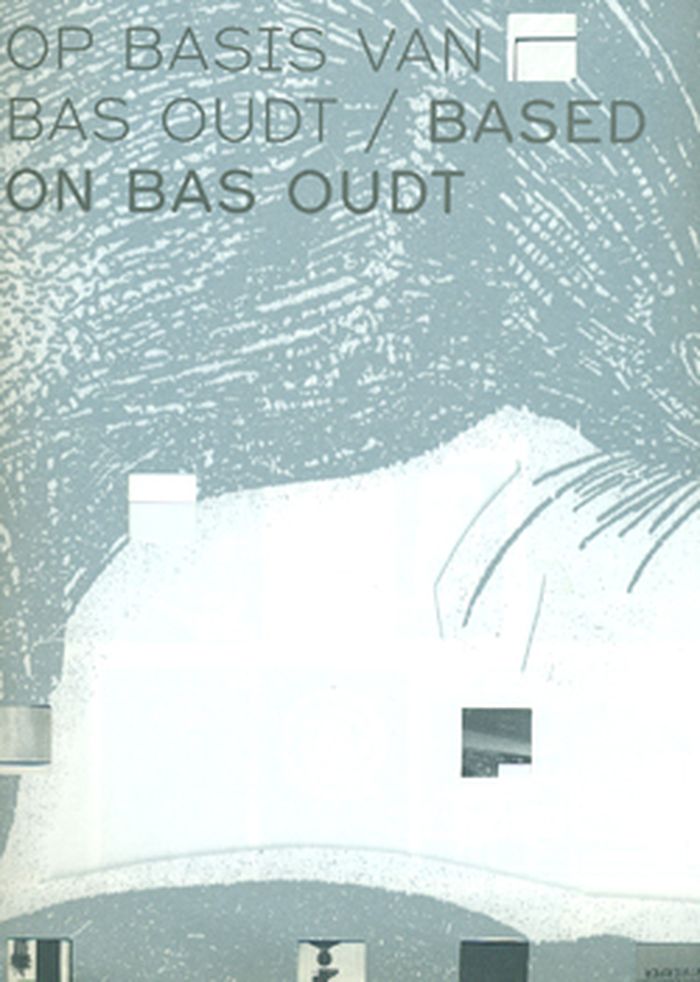
A retrospective survey in which the Amsterdam graphic designer, Bas Oudt takes a look at his own oeuvre – which he himself considers “unsuccessful”. Irrespective of his self-criticism, Oudt’s creations for non-commercial clients are noted for their subtle, inventive and consequent designs. Alongside his practice Oudt gave lessons in his unconventional approach at the Gerrit Rietveld Academy, influencing subsequent generations of graphic designers. This tribute to Oudt, designed by Claudi Kessels and with photographs by Uta Eisenreich, provides an opportunity for this generation of students to react to his design mentality, while also celebrating his substantial legacy. Elegantly conceived, with different papers utilised, the edition includes hand-printed sections, essays, interviews, archive material and a poster. The list of graphic contributors includes: Jozee Brouwer, Ron Faas, Yolanda Huntelaar & Pieter Boddaert (Werkplaats Amsterdam) Harmen Liemberg and Richard Niessen.
Based on Bas Oudt
Actions:
Price:
$72.00
(available in store)
Summary:
A retrospective survey in which the Amsterdam graphic designer, Bas Oudt takes a look at his own oeuvre – which he himself considers “unsuccessful”. Irrespective of his self-criticism, Oudt’s creations for non-commercial clients are noted for their subtle, inventive and consequent designs. Alongside his practice Oudt gave lessons in his unconventional approach at the Gerrit Rietveld Academy, influencing subsequent generations of graphic designers. This tribute to Oudt, designed by Claudi Kessels and with photographs by Uta Eisenreich, provides an opportunity for this generation of students to react to his design mentality, while also celebrating his substantial legacy. Elegantly conceived, with different papers utilised, the edition includes hand-printed sections, essays, interviews, archive material and a poster. The list of graphic contributors includes: Jozee Brouwer, Ron Faas, Yolanda Huntelaar & Pieter Boddaert (Werkplaats Amsterdam) Harmen Liemberg and Richard Niessen.
Form:
books
books
Publication:
November 2009
November 2009
Subject:
Graphic Designers, Monographs
Graphic Designers, Monographs
Form:
books
books
Actions:
Price:
$96.00
(available in store)
Summary:
Over the years, hospitals, psychiatric institutions and hospice facilities for the elderly have been subject to radical change. To a great extent, these buildings--their amenities and accommodations--have been shaped by developments in medicine and government, shifts in societal and patient perceptions, as well as evolution in architectural ideologies and theories.(...)
$96.00
(available in store)
Summary:
Over the years, hospitals, psychiatric institutions and hospice facilities for the elderly have been subject to radical change. To a great extent, these buildings--their amenities and accommodations--have been shaped by developments in medicine and government, shifts in societal and patient perceptions, as well as evolution in architectural ideologies and theories.(...)
Subject:
Commercial interiors, Building types
Commercial interiors, Building types
Publication:
September 2010
September 2010
Title:
Healthcare architecture in the Netherlands
Actions:
Price:
$96.00
(available in store)
Summary:
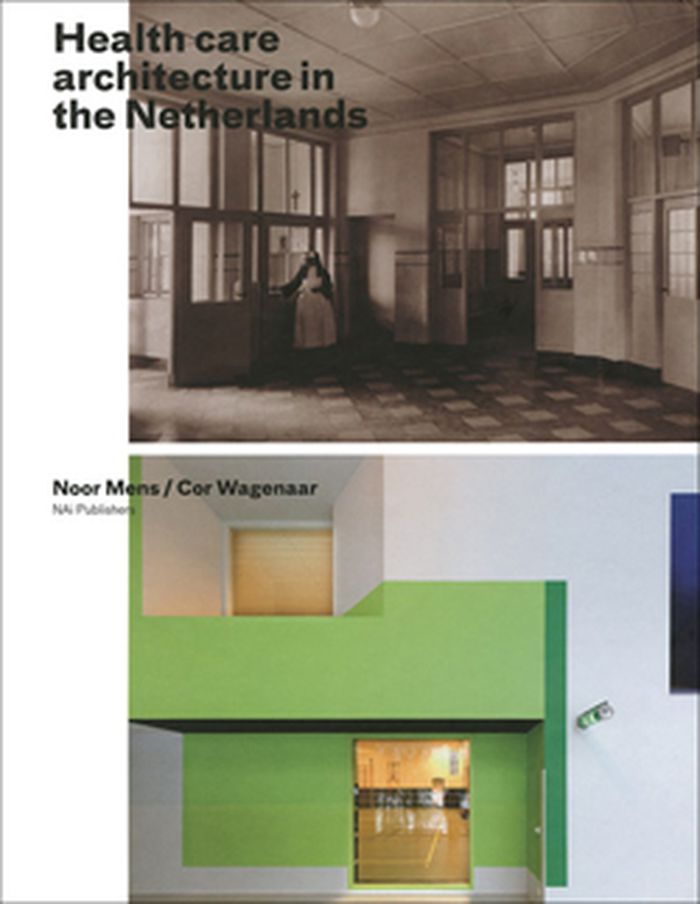
Over the years, hospitals, psychiatric institutions and hospice facilities for the elderly have been subject to radical change. To a great extent, these buildings--their amenities and accommodations--have been shaped by developments in medicine and government, shifts in societal and patient perceptions, as well as evolution in architectural ideologies and theories. Healthcare Architecture in the Netherlands describes the historical evolution of industry-specific design in the healthcare arena, providing a detailed chronological overview from the emergence of healthcare architecture as its own genre within architectural practice to the most recent innovative complexes. It also features approximately 50 buildings from the last 150 years, with illustrations and detailed descriptions, plus a series of texts that addresses aspects of national and international architecture of the twentieth and twenty-first centuries in relation to the health care sector.
Healthcare architecture in the Netherlands
Actions:
Price:
$96.00
(available in store)
Summary:
Over the years, hospitals, psychiatric institutions and hospice facilities for the elderly have been subject to radical change. To a great extent, these buildings--their amenities and accommodations--have been shaped by developments in medicine and government, shifts in societal and patient perceptions, as well as evolution in architectural ideologies and theories. Healthcare Architecture in the Netherlands describes the historical evolution of industry-specific design in the healthcare arena, providing a detailed chronological overview from the emergence of healthcare architecture as its own genre within architectural practice to the most recent innovative complexes. It also features approximately 50 buildings from the last 150 years, with illustrations and detailed descriptions, plus a series of texts that addresses aspects of national and international architecture of the twentieth and twenty-first centuries in relation to the health care sector.
Form:
books
books
Publication:
September 2010
September 2010
Subject:
Commercial interiors, Building types
Commercial interiors, Building types
Form:
books
books
Actions:
Price:
$48.00
(available to order)
Summary:
More than any other Surrealist, Swiss artist Meret Oppenheim embraced, pursued and defined Surrealism's cult of the object, fashioning such classic works as the famous fur cup and the trussed high-heels, infusing everyday domestic objects with a concise eroticism. Yet many facets of her innovative and wide-ranging practice remain unknown to this day, including her(...)
$48.00
(available to order)
Summary:
More than any other Surrealist, Swiss artist Meret Oppenheim embraced, pursued and defined Surrealism's cult of the object, fashioning such classic works as the famous fur cup and the trussed high-heels, infusing everyday domestic objects with a concise eroticism. Yet many facets of her innovative and wide-ranging practice remain unknown to this day, including her(...)
Title:
Meret Oppenheim: Fountain stories
Actions:
Price:
$48.00
(available to order)
Summary:
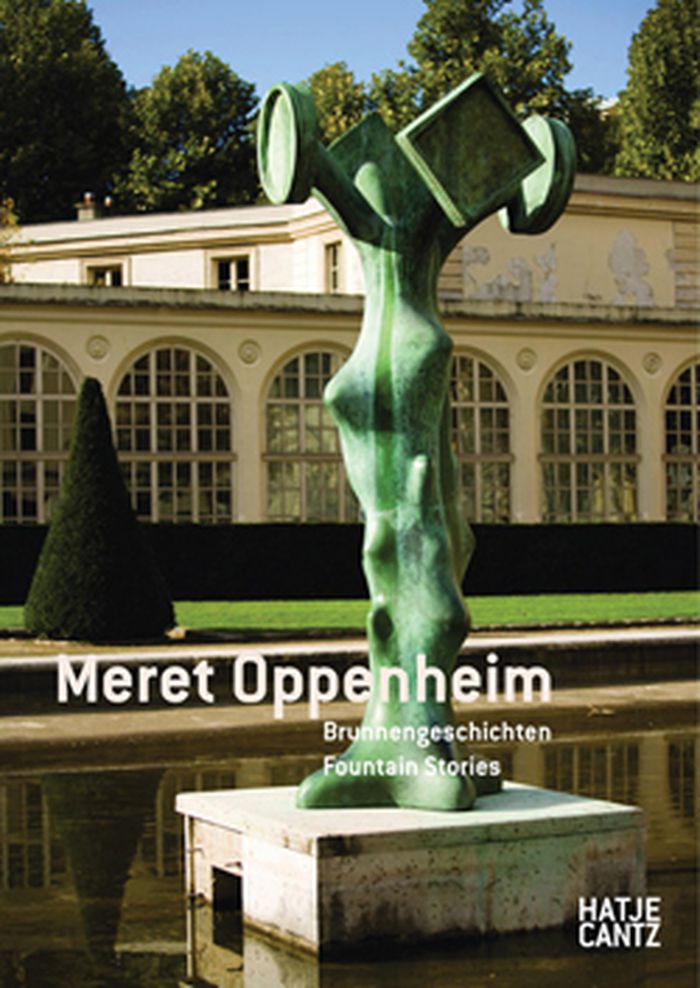
More than any other Surrealist, Swiss artist Meret Oppenheim embraced, pursued and defined Surrealism's cult of the object, fashioning such classic works as the famous fur cup and the trussed high-heels, infusing everyday domestic objects with a concise eroticism. Yet many facets of her innovative and wide-ranging practice remain unknown to this day, including her extraordinary fountain projects. From the late 1960s until her death, Oppenheim designed and produced models for a series of freewheeling aquatic sculptures. Only three of these have been realized: the "Meret Oppenheim Fountain" in Bern in her native Switzerland, the "Spiral (Nature's Course)" in Paris and the "Hermes Fountain" located in the garden of artist and onetime collaborator Daniel Spoerri in Seggiano, Italy. Fountain Stories is the first to gather all of Oppenheim's fountain projects, including her drawings and unrealized models, into a single definitive publication.
Meret Oppenheim: Fountain stories
Actions:
Price:
$48.00
(available to order)
Summary:
More than any other Surrealist, Swiss artist Meret Oppenheim embraced, pursued and defined Surrealism's cult of the object, fashioning such classic works as the famous fur cup and the trussed high-heels, infusing everyday domestic objects with a concise eroticism. Yet many facets of her innovative and wide-ranging practice remain unknown to this day, including her extraordinary fountain projects. From the late 1960s until her death, Oppenheim designed and produced models for a series of freewheeling aquatic sculptures. Only three of these have been realized: the "Meret Oppenheim Fountain" in Bern in her native Switzerland, the "Spiral (Nature's Course)" in Paris and the "Hermes Fountain" located in the garden of artist and onetime collaborator Daniel Spoerri in Seggiano, Italy. Fountain Stories is the first to gather all of Oppenheim's fountain projects, including her drawings and unrealized models, into a single definitive publication.
Form:
books
books
Publication:
September 2010
September 2010
Subject:
Contemporary Art Monographs
Contemporary Art Monographs
Form:
books
books
Actions:
Price:
$47.50
(available to order)
Summary:
The artist's house is a prism through which to view not only the artistic practice of its inhabitant but also to apprehend broader developments in sculpture and contemporary art in relation to domestic architecture and interior space. Based on a series of interviews and site visits with living artists about the role of their home in relation to their work,(...)
$47.50
(available to order)
Summary:
The artist's house is a prism through which to view not only the artistic practice of its inhabitant but also to apprehend broader developments in sculpture and contemporary art in relation to domestic architecture and interior space. Based on a series of interviews and site visits with living artists about the role of their home in relation to their work,(...)
Title:
The artist's house: from workplace to artwork
Actions:
Price:
$47.50
(available to order)
Summary:
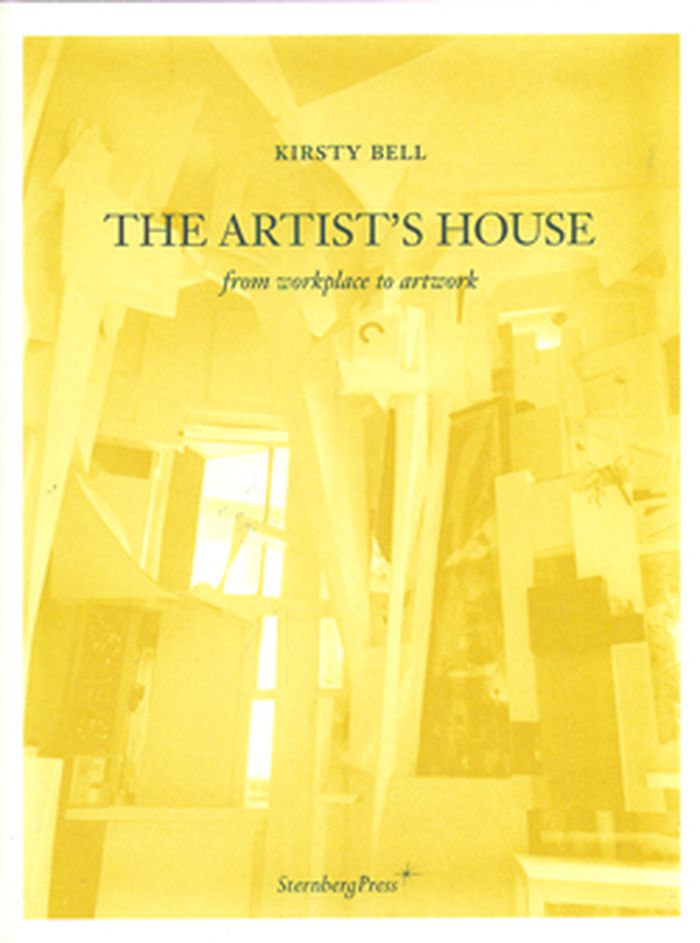
The artist's house is a prism through which to view not only the artistic practice of its inhabitant but also to apprehend broader developments in sculpture and contemporary art in relation to domestic architecture and interior space. Based on a series of interviews and site visits with living artists about the role of their home in relation to their work, Cambridge-trained art historian Kirsty Bell looks at the house as receptacle, vehicle, model, theater or dream space. In-depth analyses of these contemporary examples including Jorge Pardo, Miros aw Ba ka, Danh Vo, Gregor Schneider, Frances Stark, Marc Camille Chaimowicz, Dominique Gonzalez-Foerster, Mark Leckey, Monika Sosnowska, Gabriel Orozco and Andrea Zittel are contextualized by key artists of the 20th century such as Kurt Schwitters, Alice Neel, Edward Krasin ski, Carlo Mollino and Louise Bourgeois.
The artist's house: from workplace to artwork
Actions:
Price:
$47.50
(available to order)
Summary:
The artist's house is a prism through which to view not only the artistic practice of its inhabitant but also to apprehend broader developments in sculpture and contemporary art in relation to domestic architecture and interior space. Based on a series of interviews and site visits with living artists about the role of their home in relation to their work, Cambridge-trained art historian Kirsty Bell looks at the house as receptacle, vehicle, model, theater or dream space. In-depth analyses of these contemporary examples including Jorge Pardo, Miros aw Ba ka, Danh Vo, Gregor Schneider, Frances Stark, Marc Camille Chaimowicz, Dominique Gonzalez-Foerster, Mark Leckey, Monika Sosnowska, Gabriel Orozco and Andrea Zittel are contextualized by key artists of the 20th century such as Kurt Schwitters, Alice Neel, Edward Krasin ski, Carlo Mollino and Louise Bourgeois.
Form:
books
books
Publication:
April 2014
April 2014
Subject:
Architectural Theory
Architectural Theory
Form:
books
books
Title:
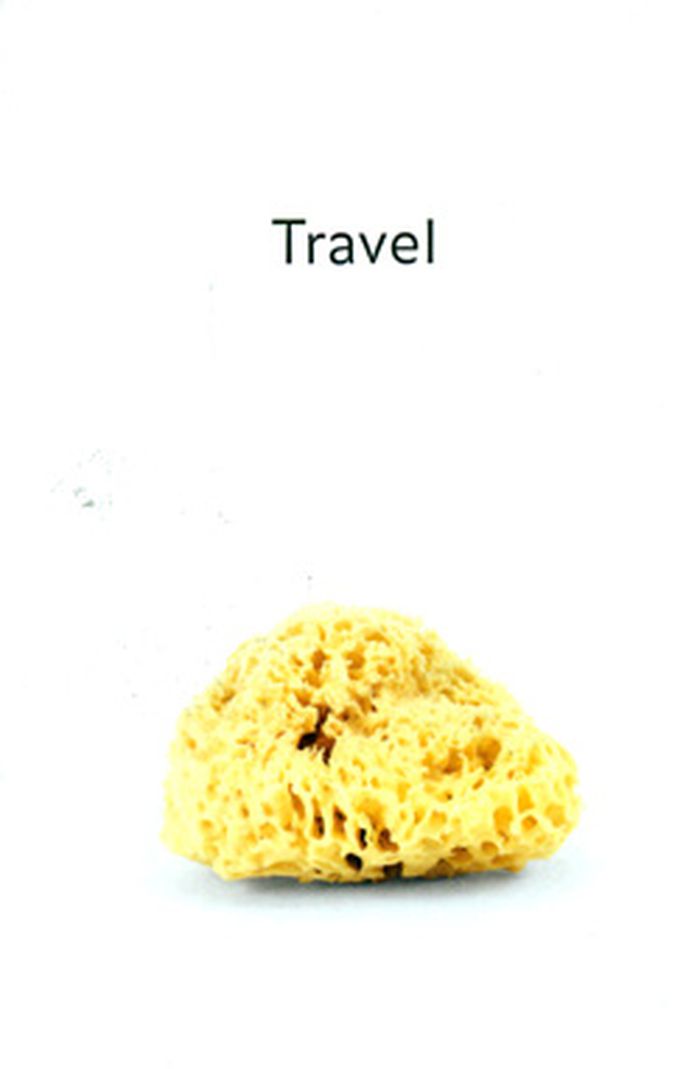
Haim Steinbach : travel
Haim Steinbach : travel
Actions:
Price:
$40.00
(available to order)
Summary:
Haim Steinbach is interested in the shared social ritual of collecting, arranging and presenting everyday objects and materials, an experience that extends to us all, whether in the way we arrange our homes or the way we select and wear our clothes. Travel explores Steinbach's recent exhibition at White Cube Mason's Yard, London and is comprised of two new series of works(...)
$40.00
(available to order)
Summary:
Haim Steinbach is interested in the shared social ritual of collecting, arranging and presenting everyday objects and materials, an experience that extends to us all, whether in the way we arrange our homes or the way we select and wear our clothes. Travel explores Steinbach's recent exhibition at White Cube Mason's Yard, London and is comprised of two new series of works(...)
Title:
Haim Steinbach : travel
Actions:
Price:
$40.00
(available to order)
Summary:
Haim Steinbach is interested in the shared social ritual of collecting, arranging and presenting everyday objects and materials, an experience that extends to us all, whether in the way we arrange our homes or the way we select and wear our clothes. Travel explores Steinbach's recent exhibition at White Cube Mason's Yard, London and is comprised of two new series of works that trace a trajectory in the artist's practice that stretches from the 1970s to today. In 1976, Steinbach produced a series of works based on grid-like geometric patterns created with strips of linoleum flooring. The Linopanel works evoke a pivotal moment in Steinbach's career, when he abandoned his investigation into minimalist painting and began to work with found objects. Jenny Jaskey's text explores Steinbach's interest in collecting and the methodologies of display forms.
Haim Steinbach : travel
Actions:
Price:
$40.00
(available to order)
Summary:
Haim Steinbach is interested in the shared social ritual of collecting, arranging and presenting everyday objects and materials, an experience that extends to us all, whether in the way we arrange our homes or the way we select and wear our clothes. Travel explores Steinbach's recent exhibition at White Cube Mason's Yard, London and is comprised of two new series of works that trace a trajectory in the artist's practice that stretches from the 1970s to today. In 1976, Steinbach produced a series of works based on grid-like geometric patterns created with strips of linoleum flooring. The Linopanel works evoke a pivotal moment in Steinbach's career, when he abandoned his investigation into minimalist painting and began to work with found objects. Jenny Jaskey's text explores Steinbach's interest in collecting and the methodologies of display forms.
Form:
books
books
Publication:
August 2014
August 2014
Subject:
Contemporary Art Monographs
Contemporary Art Monographs
Form:
books
books
Actions:
Price:
$27.00
(available to order)
Summary:
Gerhard Richter’s ongoing, encyclopedic Atlas project began in 1964, and now comprises more than 5,000 gridded photographs, diagrams, drawings and sketches. As an image archive, work tool and artist’s book, Atlas sits at the very heart of Richter’s practice, offering a massive summation of his masterful explorations of the tensions between photography and painting,(...)
$27.00
(available to order)
Summary:
Gerhard Richter’s ongoing, encyclopedic Atlas project began in 1964, and now comprises more than 5,000 gridded photographs, diagrams, drawings and sketches. As an image archive, work tool and artist’s book, Atlas sits at the very heart of Richter’s practice, offering a massive summation of his masterful explorations of the tensions between photography and painting,(...)
Title:
Gerhard Richter: Atlas, the reader
Actions:
Price:
$27.00
(available to order)
Summary:
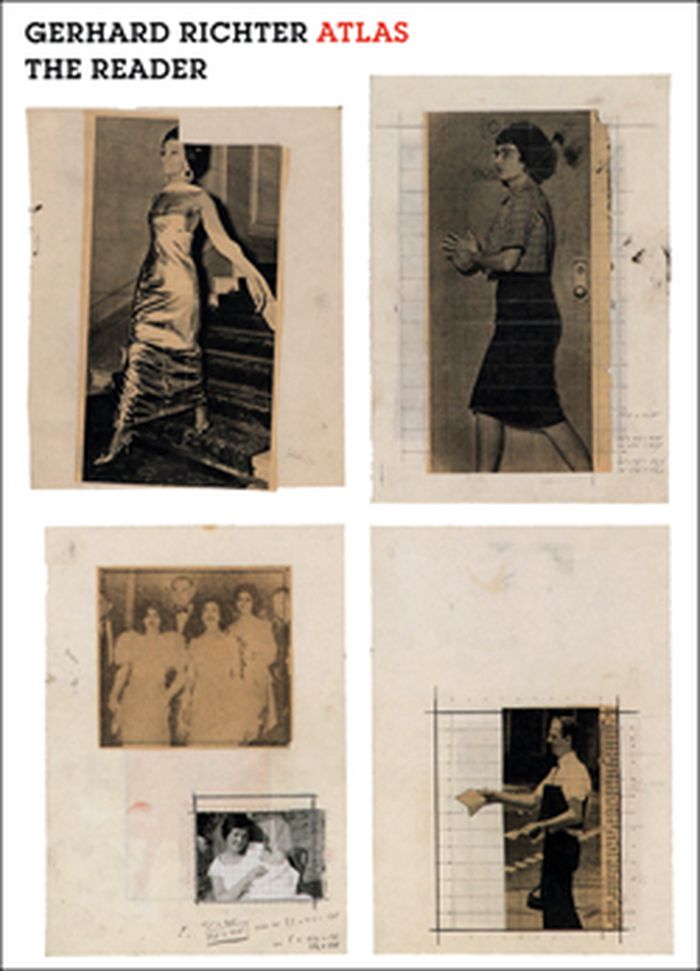
Gerhard Richter’s ongoing, encyclopedic Atlas project began in 1964, and now comprises more than 5,000 gridded photographs, diagrams, drawings and sketches. As an image archive, work tool and artist’s book, Atlas sits at the very heart of Richter’s practice, offering a massive summation of his masterful explorations of the tensions between photography and painting, history and memory, perception and representation. As a publication, Atlas has gone through numerous editions, each new volume expanding on the previous with elaborations of persistent themes. This book provides a critical tool for navigating Atlas, bringing together Richter’s own writings alongside commentaries by the art historians and curators Armin Zweite, Jean-François Chevrier, Benjamin H.D. Buchloh, Lynne Cooke and Helmut Friedel. Originally published in 2003 to coincide with the Whitechapel Gallery’s exhibition Gerhard Richter: Atlas, this updated edition also includes a review of the exhibition by Adrian Searle.
Gerhard Richter: Atlas, the reader
Actions:
Price:
$27.00
(available to order)
Summary:
Gerhard Richter’s ongoing, encyclopedic Atlas project began in 1964, and now comprises more than 5,000 gridded photographs, diagrams, drawings and sketches. As an image archive, work tool and artist’s book, Atlas sits at the very heart of Richter’s practice, offering a massive summation of his masterful explorations of the tensions between photography and painting, history and memory, perception and representation. As a publication, Atlas has gone through numerous editions, each new volume expanding on the previous with elaborations of persistent themes. This book provides a critical tool for navigating Atlas, bringing together Richter’s own writings alongside commentaries by the art historians and curators Armin Zweite, Jean-François Chevrier, Benjamin H.D. Buchloh, Lynne Cooke and Helmut Friedel. Originally published in 2003 to coincide with the Whitechapel Gallery’s exhibition Gerhard Richter: Atlas, this updated edition also includes a review of the exhibition by Adrian Searle.
Form:
books
books
Publication:
October 2012
October 2012
Subject:
Art Theory
Art Theory
Form:
books
books
Actions:
Price:
$36.95
(available to order)
Summary:
In ''Designs for the Pluriverse'' Arturo Escobar presents a new vision of design theory and practice aimed at channeling design's world-making capacity toward ways of being and doing that are deeply attuned to justice and the Earth. Noting that most design—from consumer goods and digital technologies to built environments—currently serves capitalist ends, Escobar argues(...)
$36.95
(available to order)
Summary:
In ''Designs for the Pluriverse'' Arturo Escobar presents a new vision of design theory and practice aimed at channeling design's world-making capacity toward ways of being and doing that are deeply attuned to justice and the Earth. Noting that most design—from consumer goods and digital technologies to built environments—currently serves capitalist ends, Escobar argues(...)
Title:
Designs for the pluriverse: Radical interdependence, autonomy, and the making of world
Actions:
Price:
$36.95
(available to order)
Summary:
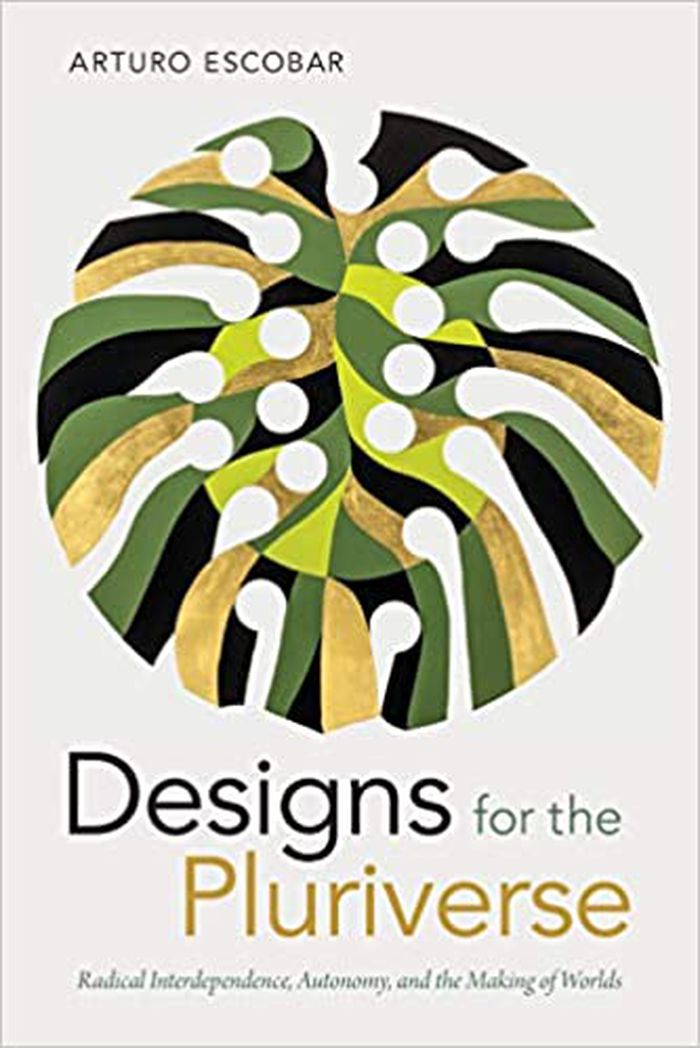
In ''Designs for the Pluriverse'' Arturo Escobar presents a new vision of design theory and practice aimed at channeling design's world-making capacity toward ways of being and doing that are deeply attuned to justice and the Earth. Noting that most design—from consumer goods and digital technologies to built environments—currently serves capitalist ends, Escobar argues for the development of an 'autonomous design' that eschews commercial and modernizing aims in favor of more collaborative and placed-based approaches. Such design attends to questions of environment, experience, and politics while focusing on the production of human experience based on the radical interdependence of all beings. Mapping autonomous design’s principles to the history of decolonial efforts of indigenous and Afro-descended people in Latin America, Escobar shows how refiguring current design practices could lead to the creation of more just and sustainable social orders.
Designs for the pluriverse: Radical interdependence, autonomy, and the making of world
Actions:
Price:
$36.95
(available to order)
Summary:
In ''Designs for the Pluriverse'' Arturo Escobar presents a new vision of design theory and practice aimed at channeling design's world-making capacity toward ways of being and doing that are deeply attuned to justice and the Earth. Noting that most design—from consumer goods and digital technologies to built environments—currently serves capitalist ends, Escobar argues for the development of an 'autonomous design' that eschews commercial and modernizing aims in favor of more collaborative and placed-based approaches. Such design attends to questions of environment, experience, and politics while focusing on the production of human experience based on the radical interdependence of all beings. Mapping autonomous design’s principles to the history of decolonial efforts of indigenous and Afro-descended people in Latin America, Escobar shows how refiguring current design practices could lead to the creation of more just and sustainable social orders.
Form:
books
books
Publication:
March 2018
March 2018
Subject:
Environment and environmental theory
Environment and environmental theory
Form:
books
books
Title:
Architecture is fun
Architecture is fun
Actions:
Price:
$40.00
(available to order)
Summary:
In a follow-up to thel monograph "Design for kids" (Images Publishing, 2007), here Sharon Exley and Peter Exley go about expanding on the key philosophies behind their unique practice. Namely, that play is an invitation to "Architecture is fun." Through architecture, play can be manifest, challenged, and celebrated. Finding out who will play (and live, work, and learn) in(...)
$40.00
(available to order)
Summary:
In a follow-up to thel monograph "Design for kids" (Images Publishing, 2007), here Sharon Exley and Peter Exley go about expanding on the key philosophies behind their unique practice. Namely, that play is an invitation to "Architecture is fun." Through architecture, play can be manifest, challenged, and celebrated. Finding out who will play (and live, work, and learn) in(...)
Subject:
Commercial interiors, Building types
Commercial interiors, Building types
Publication:
September 2021
September 2021
Title:
Architecture is fun
Actions:
Price:
$40.00
(available to order)
Summary:
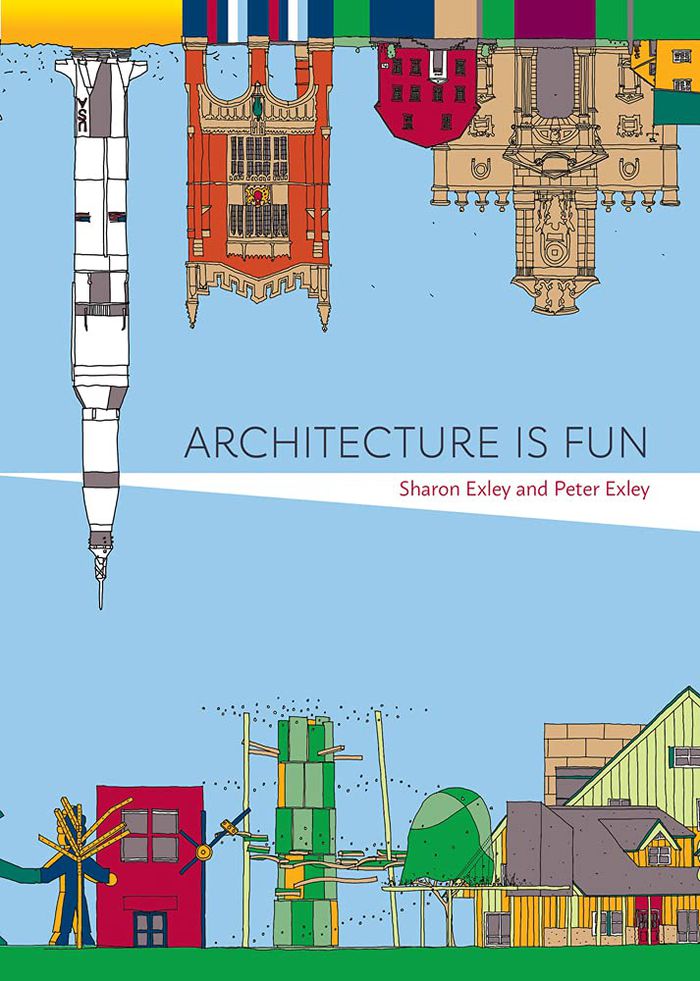
In a follow-up to thel monograph "Design for kids" (Images Publishing, 2007), here Sharon Exley and Peter Exley go about expanding on the key philosophies behind their unique practice. Namely, that play is an invitation to "Architecture is fun." Through architecture, play can be manifest, challenged, and celebrated. Finding out who will play (and live, work, and learn) in our buildings is an intriguing challenge. The firm likes to discover the architectural catalysts that will give character to a building. Often this involves the universal language of Play. Play fits all bodies. Play is accessible. Play inspires innovation. Play puts us in the present. Play engages us. Play is memorable. Play connects us to others and to the world. This illustrated book offers a glimpse into the firm's interdisciplinary and participatory processes and how it believes that architecture and play are transformative.
Architecture is fun
Actions:
Price:
$40.00
(available to order)
Summary:
In a follow-up to thel monograph "Design for kids" (Images Publishing, 2007), here Sharon Exley and Peter Exley go about expanding on the key philosophies behind their unique practice. Namely, that play is an invitation to "Architecture is fun." Through architecture, play can be manifest, challenged, and celebrated. Finding out who will play (and live, work, and learn) in our buildings is an intriguing challenge. The firm likes to discover the architectural catalysts that will give character to a building. Often this involves the universal language of Play. Play fits all bodies. Play is accessible. Play inspires innovation. Play puts us in the present. Play engages us. Play is memorable. Play connects us to others and to the world. This illustrated book offers a glimpse into the firm's interdisciplinary and participatory processes and how it believes that architecture and play are transformative.
Form:
books
books
Publication:
September 2021
September 2021
Subject:
Commercial interiors, Building types
Commercial interiors, Building types
Form:
books
books
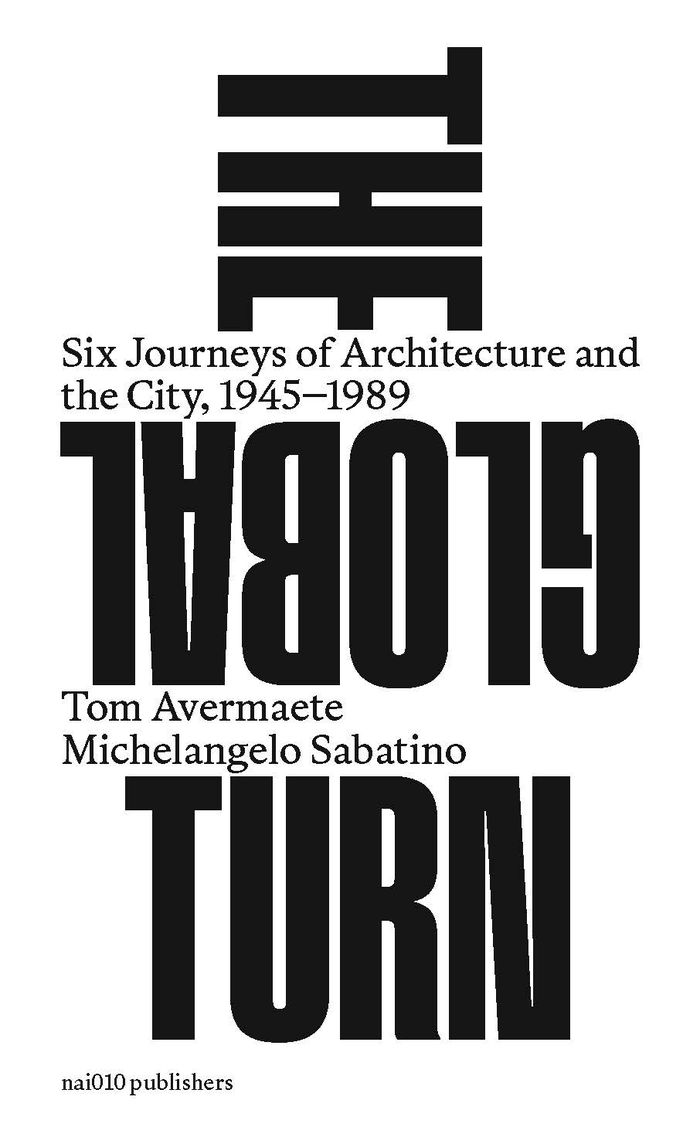
Price:
$42.00
(available in store)
Summary:
To what extent did the circulation of people, commodities and knowledge affect architecture and urban design between World War II and the fall of the Berlin Wall in 1989? Swiss urban studies professor Tom Avermaete teams up with Chicago-based architect Michelangelo Sabatino to interrogate the influence of globalization on postwar architecture. Globalization is a complex(...)
$42.00
(available in store)
Summary:
To what extent did the circulation of people, commodities and knowledge affect architecture and urban design between World War II and the fall of the Berlin Wall in 1989? Swiss urban studies professor Tom Avermaete teams up with Chicago-based architect Michelangelo Sabatino to interrogate the influence of globalization on postwar architecture. Globalization is a complex(...)
Title:
The global turn: six journeys of architecture and the city, 1945-1989
Actions:
Price:
$42.00
(available in store)
Summary:
To what extent did the circulation of people, commodities and knowledge affect architecture and urban design between World War II and the fall of the Berlin Wall in 1989? Swiss urban studies professor Tom Avermaete teams up with Chicago-based architect Michelangelo Sabatino to interrogate the influence of globalization on postwar architecture. Globalization is a complex phenomenon that has profoundly affected the practice of designers and engineers in the postwar era as it simultaneously expands and shrinks the world in which we live. Avermaete and Sabatino arrive at several conclusions through a diligent analysis of spatial, political and social geographies, from airports and hotels to construction materials and labor. ''The Global Turn'' presents their findings in a series of six short essays, providing a fresh viewpoint on a new worldwide environment that gives as much as it takes.
The global turn: six journeys of architecture and the city, 1945-1989
Actions:
Price:
$42.00
(available in store)
Summary:
To what extent did the circulation of people, commodities and knowledge affect architecture and urban design between World War II and the fall of the Berlin Wall in 1989? Swiss urban studies professor Tom Avermaete teams up with Chicago-based architect Michelangelo Sabatino to interrogate the influence of globalization on postwar architecture. Globalization is a complex phenomenon that has profoundly affected the practice of designers and engineers in the postwar era as it simultaneously expands and shrinks the world in which we live. Avermaete and Sabatino arrive at several conclusions through a diligent analysis of spatial, political and social geographies, from airports and hotels to construction materials and labor. ''The Global Turn'' presents their findings in a series of six short essays, providing a fresh viewpoint on a new worldwide environment that gives as much as it takes.
Form:
books
books
Publication:
June 2025
June 2025
Subject:
Architectural Theory
Architectural Theory
Form:
books
books

Title:
Dudok by Iwan Baan
Dudok by Iwan Baan
Actions:
Price:
$84.00
(available to order)
Summary:
The celebrated Dutch architectural photographer Iwan Baan (born 1975) has dedicated his career to capturing the stories told by buildings. This publication compiles his series on Willem Marinus Dudok (1884–1974), known as the father of Dutch modernism. Decades after their construction, Dudok’s designs remain keenly relevant for their exceptional spatial sensitivity. In(...)
$84.00
(available to order)
Summary:
The celebrated Dutch architectural photographer Iwan Baan (born 1975) has dedicated his career to capturing the stories told by buildings. This publication compiles his series on Willem Marinus Dudok (1884–1974), known as the father of Dutch modernism. Decades after their construction, Dudok’s designs remain keenly relevant for their exceptional spatial sensitivity. In(...)
Title:
Dudok by Iwan Baan
Actions:
Price:
$84.00
(available to order)
Summary:
The celebrated Dutch architectural photographer Iwan Baan (born 1975) has dedicated his career to capturing the stories told by buildings. This publication compiles his series on Willem Marinus Dudok (1884–1974), known as the father of Dutch modernism. Decades after their construction, Dudok’s designs remain keenly relevant for their exceptional spatial sensitivity. In this series, Baan expands his lens to encompass Dudok as a designer not only of singular buildings but of whole landscapes in which people are able to live, work and learn. Through impressive aerial and street photography, Baan conveys the breadth of Dudok’s practice as an urban designer, focusing in particular on his ability to expand metropolitan neighborhoods in a way that felt entirely natural. Additional insight into Dudok’s craft and its lasting influence on contemporary European architecture is provided by architectural historian Lara Voerman.
Dudok by Iwan Baan
Actions:
Price:
$84.00
(available to order)
Summary:
The celebrated Dutch architectural photographer Iwan Baan (born 1975) has dedicated his career to capturing the stories told by buildings. This publication compiles his series on Willem Marinus Dudok (1884–1974), known as the father of Dutch modernism. Decades after their construction, Dudok’s designs remain keenly relevant for their exceptional spatial sensitivity. In this series, Baan expands his lens to encompass Dudok as a designer not only of singular buildings but of whole landscapes in which people are able to live, work and learn. Through impressive aerial and street photography, Baan conveys the breadth of Dudok’s practice as an urban designer, focusing in particular on his ability to expand metropolitan neighborhoods in a way that felt entirely natural. Additional insight into Dudok’s craft and its lasting influence on contemporary European architecture is provided by architectural historian Lara Voerman.
Form:
books
books
Publication:
June 2021
June 2021
Subject:
Photography monographs
Photography monographs


