


13794 Results
Form:
books
books
Actions:
Price:
$36.95
(available to order)
Summary:
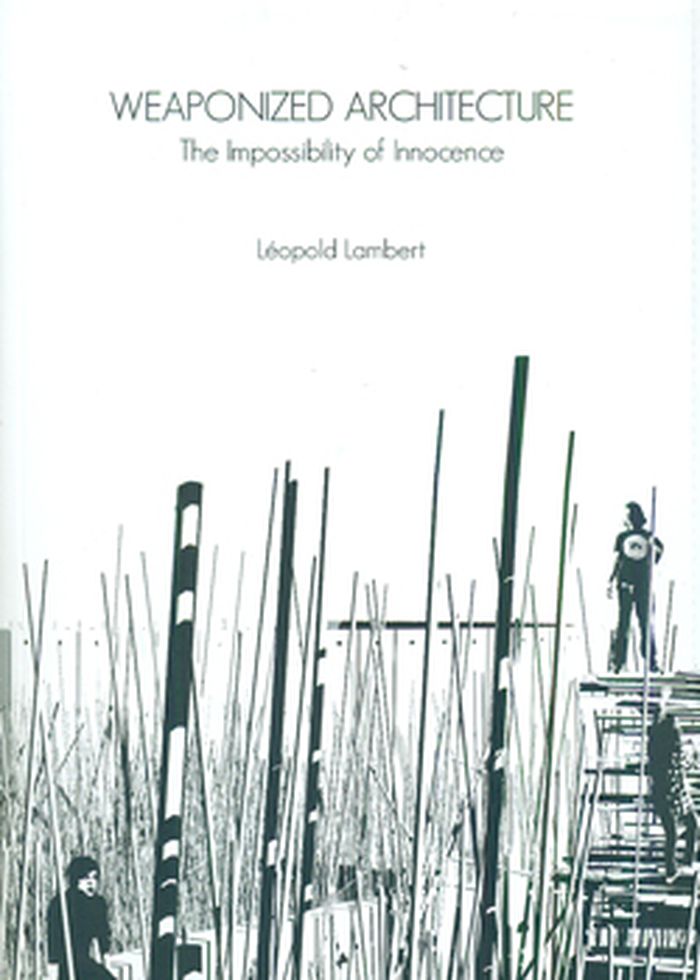
This publication is an examination of the inherent intrumentalization of architecture as a political weapon; research informs the development of a project which, rather than defusing these characteristics, attemps to integrate them with the scene of a political struggle.
$36.95
(available to order)
Summary:
This publication is an examination of the inherent intrumentalization of architecture as a political weapon; research informs the development of a project which, rather than defusing these characteristics, attemps to integrate them with the scene of a political struggle.
Title:
Weaponized architecture : the impossibility of innocence
Actions:
Price:
$36.95
(available to order)
Summary:
This publication is an examination of the inherent intrumentalization of architecture as a political weapon; research informs the development of a project which, rather than defusing these characteristics, attemps to integrate them with the scene of a political struggle.
Weaponized architecture : the impossibility of innocence
Actions:
Price:
$36.95
(available to order)
Summary:
This publication is an examination of the inherent intrumentalization of architecture as a political weapon; research informs the development of a project which, rather than defusing these characteristics, attemps to integrate them with the scene of a political struggle.
Form:
books
books
Publication:
August 2013
August 2013
Subject:
Architectural Theory
Architectural Theory
Form:
books
books
Title:
La ville dans tous ses états
La ville dans tous ses états
Actions:
Price:
$47.95
(available to order)
Summary:
Sociologue photographe et "climatologue" de la ville, Fabio La Rocca nous invite à penser la métropole comme un personnage de cinéma, avec ses panneaux publicitaires, ses graffitis, ses inter-connexions, ses flux numériques. Il interroge la prolifération de l'image dans l'espace urbain et propose quelques concepts clés : "Hype City", "Superlieux", "bladerunnerisation"(...)
$47.95
(available to order)
Summary:
Sociologue photographe et "climatologue" de la ville, Fabio La Rocca nous invite à penser la métropole comme un personnage de cinéma, avec ses panneaux publicitaires, ses graffitis, ses inter-connexions, ses flux numériques. Il interroge la prolifération de l'image dans l'espace urbain et propose quelques concepts clés : "Hype City", "Superlieux", "bladerunnerisation"(...)
Title:
La ville dans tous ses états
Actions:
Price:
$47.95
(available to order)
Summary:
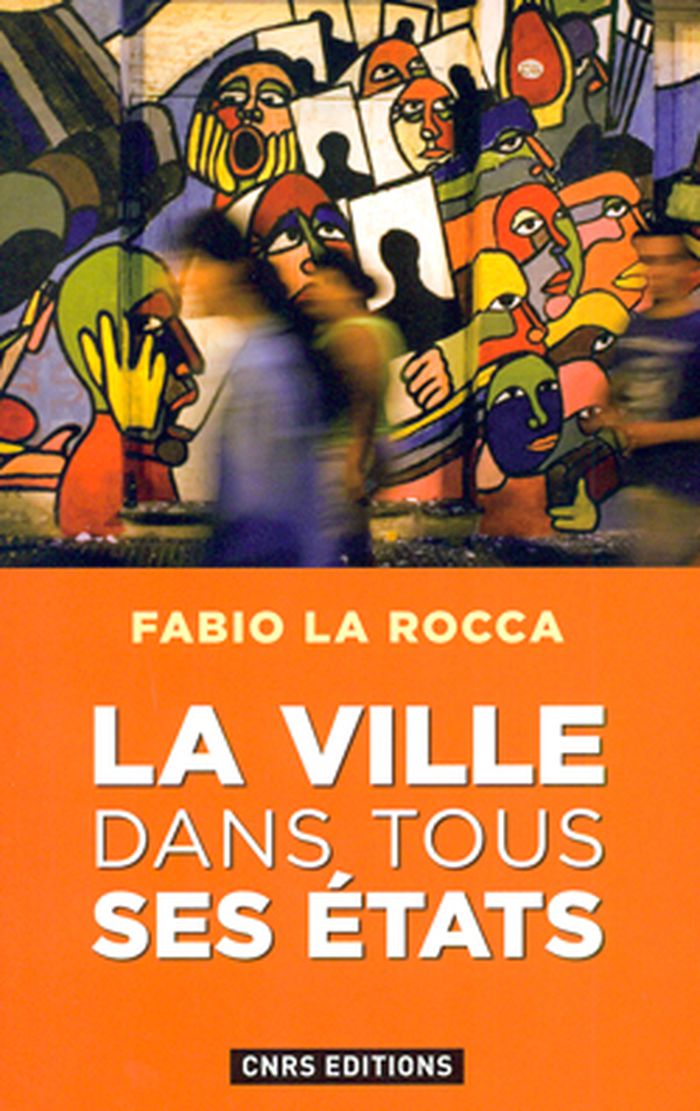
Sociologue photographe et "climatologue" de la ville, Fabio La Rocca nous invite à penser la métropole comme un personnage de cinéma, avec ses panneaux publicitaires, ses graffitis, ses inter-connexions, ses flux numériques. Il interroge la prolifération de l'image dans l'espace urbain et propose quelques concepts clés : "Hype City", "Superlieux", "bladerunnerisation" du territoire.
La ville dans tous ses états
Actions:
Price:
$47.95
(available to order)
Summary:
Sociologue photographe et "climatologue" de la ville, Fabio La Rocca nous invite à penser la métropole comme un personnage de cinéma, avec ses panneaux publicitaires, ses graffitis, ses inter-connexions, ses flux numériques. Il interroge la prolifération de l'image dans l'espace urbain et propose quelques concepts clés : "Hype City", "Superlieux", "bladerunnerisation" du territoire.
Form:
books
books
Publication:
August 2013
August 2013
Subject:
Urban Theory
Urban Theory
Form:
books
books
Price:
$22.95
(available to order)
Summary:
Collectivize! makes a case for the rehabilitation of the idea of the “common”. By taking the reader on a trip through built social laboratories and fictional utopias (or dystopias), this collection of four essays explores the role of collective ownership and identity in an increasingly individualized and compartmentalized world. With diverse contributions by Massimo De(...)
$22.95
(available to order)
Summary:
Collectivize! makes a case for the rehabilitation of the idea of the “common”. By taking the reader on a trip through built social laboratories and fictional utopias (or dystopias), this collection of four essays explores the role of collective ownership and identity in an increasingly individualized and compartmentalized world. With diverse contributions by Massimo De(...)
Title:
Collectivize! Essays on the political economy of Urban form vol.2
Actions:
Price:
$22.95
(available to order)
Summary:
Collectivize! makes a case for the rehabilitation of the idea of the “common”. By taking the reader on a trip through built social laboratories and fictional utopias (or dystopias), this collection of four essays explores the role of collective ownership and identity in an increasingly individualized and compartmentalized world. With diverse contributions by Massimo De Angelis, Jesse Le Cavalier, Arno Brandlhuber and Christian Posthofen, and Zvi Efrat.
Collectivize! Essays on the political economy of Urban form vol.2
Actions:
Price:
$22.95
(available to order)
Summary:
Collectivize! makes a case for the rehabilitation of the idea of the “common”. By taking the reader on a trip through built social laboratories and fictional utopias (or dystopias), this collection of four essays explores the role of collective ownership and identity in an increasingly individualized and compartmentalized world. With diverse contributions by Massimo De Angelis, Jesse Le Cavalier, Arno Brandlhuber and Christian Posthofen, and Zvi Efrat.
Form:
books
books
Publication:
August 2013
August 2013
Subject:
Urban Theory
Urban Theory
Form:
books
books
Title:
Architecture and capitalism
Architecture and capitalism
Actions:
Price:
$102.50
(available to order)
Summary:
Architecture and Capitalism tells a story of the relationship between the economy and architectural design. Eleven historians each discuss in brand new essays the time period they know best, looking at cultural and economic issues, which in light of current economic crises you will find have dealt with diverse but surprisingly familiar economic issues. Told through case(...)
$102.50
(available to order)
Summary:
Architecture and Capitalism tells a story of the relationship between the economy and architectural design. Eleven historians each discuss in brand new essays the time period they know best, looking at cultural and economic issues, which in light of current economic crises you will find have dealt with diverse but surprisingly familiar economic issues. Told through case(...)
Title:
Architecture and capitalism
Actions:
Price:
$102.50
(available to order)
Summary:
Architecture and Capitalism tells a story of the relationship between the economy and architectural design. Eleven historians each discuss in brand new essays the time period they know best, looking at cultural and economic issues, which in light of current economic crises you will find have dealt with diverse but surprisingly familiar economic issues. Told through case studies, the narrative begins in the mid-nineteenth century and ends with 2011, with introductions by Editor Peggy Deamer to pull the main themes together so that you can see how other architects in different times and in different countries have dealt with similar economic conditions.
Architecture and capitalism
Actions:
Price:
$102.50
(available to order)
Summary:
Architecture and Capitalism tells a story of the relationship between the economy and architectural design. Eleven historians each discuss in brand new essays the time period they know best, looking at cultural and economic issues, which in light of current economic crises you will find have dealt with diverse but surprisingly familiar economic issues. Told through case studies, the narrative begins in the mid-nineteenth century and ends with 2011, with introductions by Editor Peggy Deamer to pull the main themes together so that you can see how other architects in different times and in different countries have dealt with similar economic conditions.
Form:
books
books
Publication:
August 2013
August 2013
Subject:
Architectural Theory
Architectural Theory
Form:
books
books
Price:
$84.95
(available to order)
Summary:
We see the city, we hear the city, but above all: we smell the city. Scent has unique qualities: ubiquity, persistence, and an unparalleled connection to memory, yet it has gone overlooked in discussions of sensory design. What scents shape the city? How does scent contribute to placemaking? How do we design smell environments in the city? Urban Smellscapes makes a(...)
$84.95
(available to order)
Summary:
We see the city, we hear the city, but above all: we smell the city. Scent has unique qualities: ubiquity, persistence, and an unparalleled connection to memory, yet it has gone overlooked in discussions of sensory design. What scents shape the city? How does scent contribute to placemaking? How do we design smell environments in the city? Urban Smellscapes makes a(...)
Title:
Urban smellscapes : understanding and designing city smell environments
Actions:
Price:
$84.95
(available to order)
Summary:
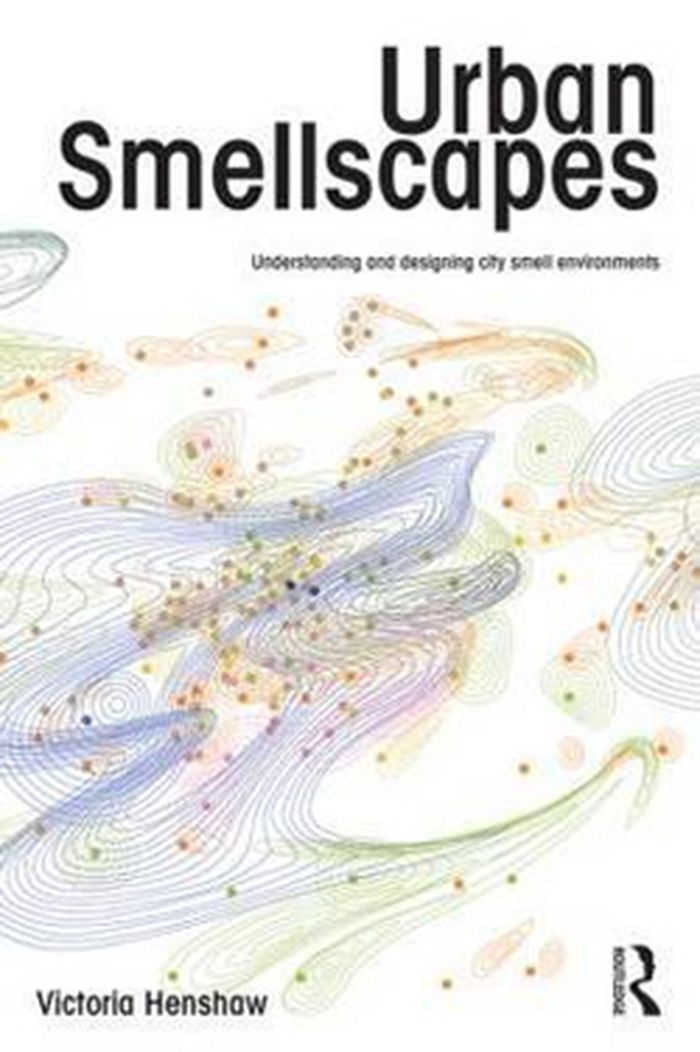
We see the city, we hear the city, but above all: we smell the city. Scent has unique qualities: ubiquity, persistence, and an unparalleled connection to memory, yet it has gone overlooked in discussions of sensory design. What scents shape the city? How does scent contribute to placemaking? How do we design smell environments in the city? Urban Smellscapes makes a notable contribution towards the growing body of literature on the senses and design by providing some answers to these questions and contributing towards the wider research agenda regarding how people sensually experience urban environments.
Urban smellscapes : understanding and designing city smell environments
Actions:
Price:
$84.95
(available to order)
Summary:
We see the city, we hear the city, but above all: we smell the city. Scent has unique qualities: ubiquity, persistence, and an unparalleled connection to memory, yet it has gone overlooked in discussions of sensory design. What scents shape the city? How does scent contribute to placemaking? How do we design smell environments in the city? Urban Smellscapes makes a notable contribution towards the growing body of literature on the senses and design by providing some answers to these questions and contributing towards the wider research agenda regarding how people sensually experience urban environments.
Form:
books
books
Publication:
September 2013
September 2013
Subject:
Urban Theory
Urban Theory
Form:
books
books
Title:
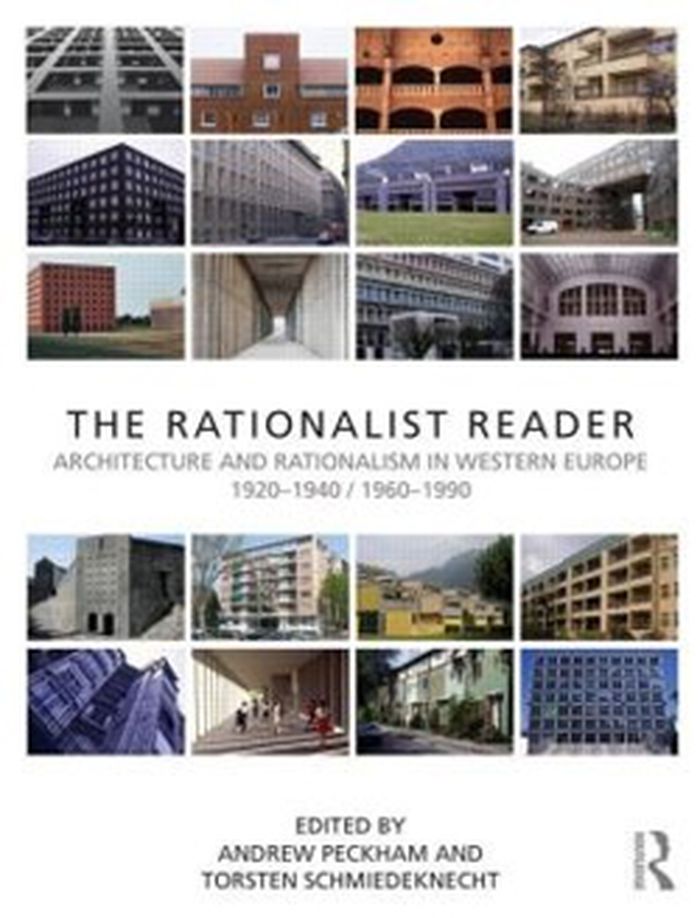
The rationalist reader: architecture and rationalism in Western Europe, 1920-1940 / 1960-11990
The rationalist reader: architecture and rationalism in Western Europe, 1920-1940 / 1960-11990
Actions:
Price:
$66.50
(available to order)
Summary:
The Rationalist Reader incorporates the first documentary collection of writing on rationalism in twentieth century architecture, providing an accessible introduction to the subject, direct insight into the thinking of individual architects and their critics, and a current re-evaluation of the context from which they emerged. German architectural historian Thilo Hilpert(...)
$66.50
(available to order)
Summary:
The Rationalist Reader incorporates the first documentary collection of writing on rationalism in twentieth century architecture, providing an accessible introduction to the subject, direct insight into the thinking of individual architects and their critics, and a current re-evaluation of the context from which they emerged. German architectural historian Thilo Hilpert(...)
Subject:
Architectural Theory
Architectural Theory
Publication:
September 2013
September 2013
Title:
The rationalist reader: architecture and rationalism in Western Europe, 1920-1940 / 1960-11990
Actions:
Price:
$66.50
(available to order)
Summary:
The Rationalist Reader incorporates the first documentary collection of writing on rationalism in twentieth century architecture, providing an accessible introduction to the subject, direct insight into the thinking of individual architects and their critics, and a current re-evaluation of the context from which they emerged. German architectural historian Thilo Hilpert and Dutch architect and critic Henk Engel, provide introductions to the two periods, while Cambridge historian Nicholas Bullock contributes a linking piece focused on French experience post-war. A postscript samples retrospective views.
The rationalist reader: architecture and rationalism in Western Europe, 1920-1940 / 1960-11990
Actions:
Price:
$66.50
(available to order)
Summary:
The Rationalist Reader incorporates the first documentary collection of writing on rationalism in twentieth century architecture, providing an accessible introduction to the subject, direct insight into the thinking of individual architects and their critics, and a current re-evaluation of the context from which they emerged. German architectural historian Thilo Hilpert and Dutch architect and critic Henk Engel, provide introductions to the two periods, while Cambridge historian Nicholas Bullock contributes a linking piece focused on French experience post-war. A postscript samples retrospective views.
Form:
books
books
Publication:
September 2013
September 2013
Subject:
Architectural Theory
Architectural Theory
Form:
books
books
Price:
$54.95
(available to order)
Summary:
Examining the complex social and material relationships between architecture and ecology which constitute modern cultures, this collection responds to the need to extend architectural thinking about ecology beyond current design literatures. This book shows how the "habitats", "natural milieus", "places" or "shelters" that construct architectural ecologies are composed of(...)
$54.95
(available to order)
Summary:
Examining the complex social and material relationships between architecture and ecology which constitute modern cultures, this collection responds to the need to extend architectural thinking about ecology beyond current design literatures. This book shows how the "habitats", "natural milieus", "places" or "shelters" that construct architectural ecologies are composed of(...)
Title:
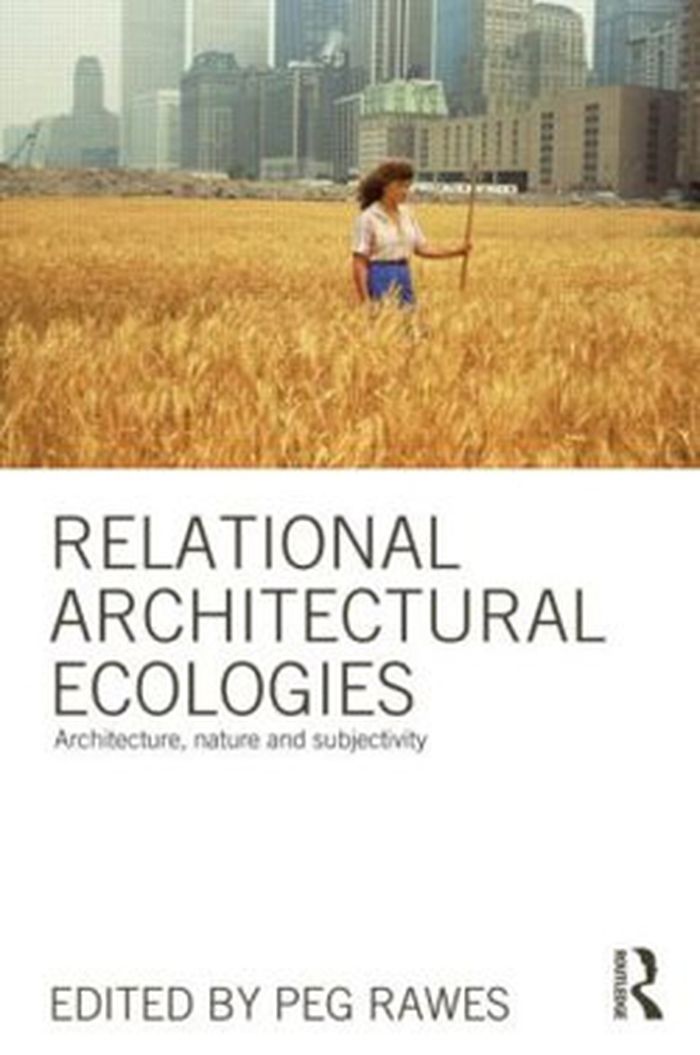
Relational architectural ecologies : architecture, nature and subjectivity
Actions:
Price:
$54.95
(available to order)
Summary:
Examining the complex social and material relationships between architecture and ecology which constitute modern cultures, this collection responds to the need to extend architectural thinking about ecology beyond current design literatures. This book shows how the "habitats", "natural milieus", "places" or "shelters" that construct architectural ecologies are composed of complex and dynamic material, spatial, social, political, economic and ecological concerns.
Relational architectural ecologies : architecture, nature and subjectivity
Actions:
Price:
$54.95
(available to order)
Summary:
Examining the complex social and material relationships between architecture and ecology which constitute modern cultures, this collection responds to the need to extend architectural thinking about ecology beyond current design literatures. This book shows how the "habitats", "natural milieus", "places" or "shelters" that construct architectural ecologies are composed of complex and dynamic material, spatial, social, political, economic and ecological concerns.
Form:
books
books
Publication:
August 2013
August 2013
Subject:
Architectural Theory
Architectural Theory
Form:
books
books
Actions:
Price:
$73.95
(available to order)
Summary:
Finnish architect Pekka Harni runs a design and architecture practice in Helsinki together with industrial designer Yuka Takahashi. Their collaboration results in a variety of work, of which this book on the classification of objects is just one part. Based on a morphological-functional consideration of the properties of household objects, the study proposes to organise(...)
$73.95
(available to order)
Summary:
Finnish architect Pekka Harni runs a design and architecture practice in Helsinki together with industrial designer Yuka Takahashi. Their collaboration results in a variety of work, of which this book on the classification of objects is just one part. Based on a morphological-functional consideration of the properties of household objects, the study proposes to organise(...)
Title:
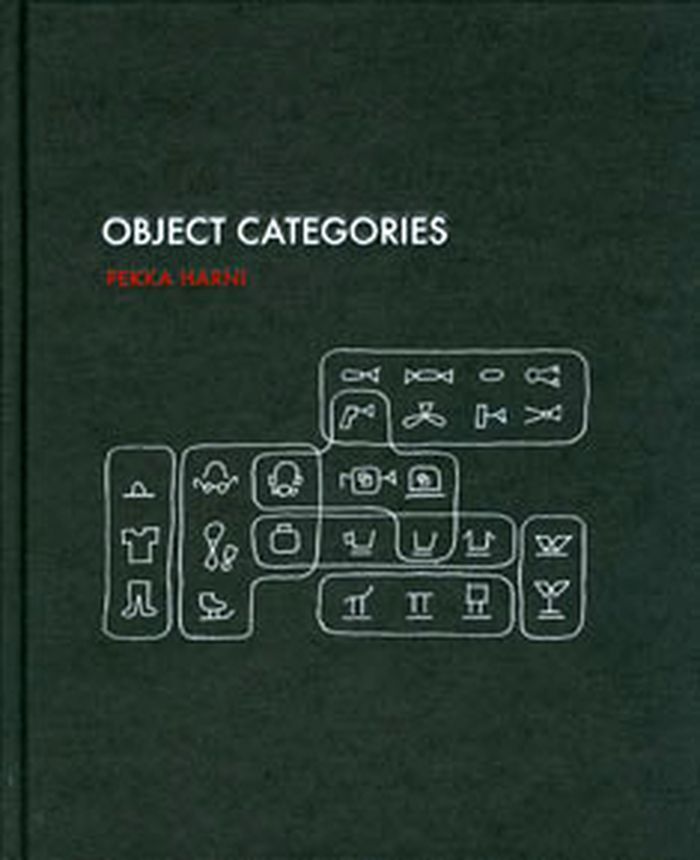
Object categories : typology of tools
Actions:
Price:
$73.95
(available to order)
Summary:
Finnish architect Pekka Harni runs a design and architecture practice in Helsinki together with industrial designer Yuka Takahashi. Their collaboration results in a variety of work, of which this book on the classification of objects is just one part. Based on a morphological-functional consideration of the properties of household objects, the study proposes to organise the forms of artefacts, determine the significance of their parts and explain the relationships between objects and the environment, thus describing their most important basic properties while exploring the realm of functional form.
Object categories : typology of tools
Actions:
Price:
$73.95
(available to order)
Summary:
Finnish architect Pekka Harni runs a design and architecture practice in Helsinki together with industrial designer Yuka Takahashi. Their collaboration results in a variety of work, of which this book on the classification of objects is just one part. Based on a morphological-functional consideration of the properties of household objects, the study proposes to organise the forms of artefacts, determine the significance of their parts and explain the relationships between objects and the environment, thus describing their most important basic properties while exploring the realm of functional form.
Form:
books
books
Publication:
August 2013
August 2013
Subject:
Design Theory
Design Theory
Form:
books
books
Title:
Relive : media art histories
Relive : media art histories
Actions:
Price:
$56.95
(available to order)
Summary:
In Relive, leading historians of the media arts grapple with this dilemma: how can we speak of "new media" and at the same time write the histories of these arts? These scholars and practitioners redefine the nature of the field, focusing on the materials of history -- the materials through which the past is mediated. Drawing on the tools of media archaeology and the(...)
$56.95
(available to order)
Summary:
In Relive, leading historians of the media arts grapple with this dilemma: how can we speak of "new media" and at the same time write the histories of these arts? These scholars and practitioners redefine the nature of the field, focusing on the materials of history -- the materials through which the past is mediated. Drawing on the tools of media archaeology and the(...)
Title:
Relive : media art histories
Actions:
Price:
$56.95
(available to order)
Summary:
In Relive, leading historians of the media arts grapple with this dilemma: how can we speak of "new media" and at the same time write the histories of these arts? These scholars and practitioners redefine the nature of the field, focusing on the materials of history -- the materials through which the past is mediated. Drawing on the tools of media archaeology and the history and philosophy of media, they propose a new materialist media art history.
Relive : media art histories
Actions:
Price:
$56.95
(available to order)
Summary:
In Relive, leading historians of the media arts grapple with this dilemma: how can we speak of "new media" and at the same time write the histories of these arts? These scholars and practitioners redefine the nature of the field, focusing on the materials of history -- the materials through which the past is mediated. Drawing on the tools of media archaeology and the history and philosophy of media, they propose a new materialist media art history.
Form:
books
books
Publication:
November 2013
November 2013
Subject:
Art Theory
Art Theory
Form:
books
books
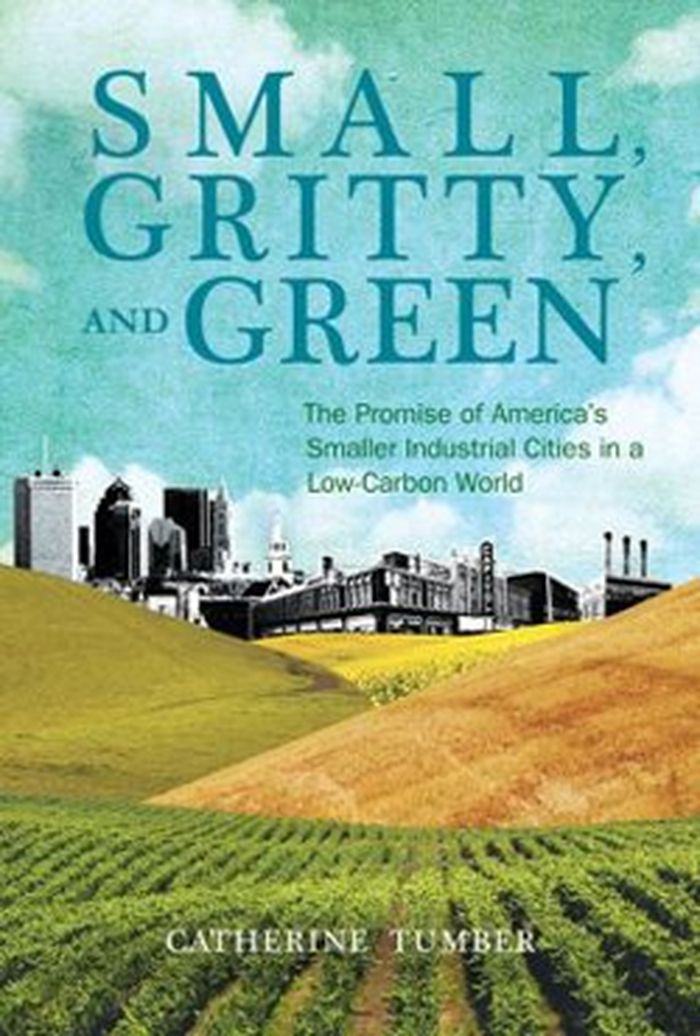
Title:
Small, gritty and green: the promise of America's smaller industrial cities in a low-carbon world
Small, gritty and green: the promise of America's smaller industrial cities in a low-carbon world
Actions:
Price:
$16.95
(available to order)
Summary:
As we wean ourselves from fossil fuels and realize the environmental costs of suburban sprawl, we will see that small cities offer many assets for sustainable living not shared by their big city or small town counterparts, including population density and nearby, fertile farmland available for new environmentally friendly uses. Tumber traveled to twenty-five cities in(...)
$16.95
(available to order)
Summary:
As we wean ourselves from fossil fuels and realize the environmental costs of suburban sprawl, we will see that small cities offer many assets for sustainable living not shared by their big city or small town counterparts, including population density and nearby, fertile farmland available for new environmentally friendly uses. Tumber traveled to twenty-five cities in(...)
Title:
Small, gritty and green: the promise of America's smaller industrial cities in a low-carbon world
Actions:
Price:
$16.95
(available to order)
Summary:
As we wean ourselves from fossil fuels and realize the environmental costs of suburban sprawl, we will see that small cities offer many assets for sustainable living not shared by their big city or small town counterparts, including population density and nearby, fertile farmland available for new environmentally friendly uses. Tumber traveled to twenty-five cities in the Northeast and Midwest -- from Buffalo to Peoria to Detroit to Rochester -- interviewing planners, city officials, and activists, and weaving their stories into this exploration of small-scale urbanism.
Small, gritty and green: the promise of America's smaller industrial cities in a low-carbon world
Actions:
Price:
$16.95
(available to order)
Summary:
As we wean ourselves from fossil fuels and realize the environmental costs of suburban sprawl, we will see that small cities offer many assets for sustainable living not shared by their big city or small town counterparts, including population density and nearby, fertile farmland available for new environmentally friendly uses. Tumber traveled to twenty-five cities in the Northeast and Midwest -- from Buffalo to Peoria to Detroit to Rochester -- interviewing planners, city officials, and activists, and weaving their stories into this exploration of small-scale urbanism.
Form:
books
books
Publication:
November 2013
November 2013
Subject:
Urban Theory
Urban Theory


