


1046 Results
Form:
books
books
Actions:
Price:
$59.95
(available to order)
Summary:
Ludwig Mies van der Rohe was one of the leading figures of twentieth-century architecture. For architects and many others who are committed to the modernist tradition, he is a pivotal figure. With in-depth, scholarly essays and opulent photographs and plans, this book traces the multifaceted development of his work, including his first Berlin buildings, his villa(...)
$59.95
(available to order)
Summary:
Ludwig Mies van der Rohe was one of the leading figures of twentieth-century architecture. For architects and many others who are committed to the modernist tradition, he is a pivotal figure. With in-depth, scholarly essays and opulent photographs and plans, this book traces the multifaceted development of his work, including his first Berlin buildings, his villa(...)
Title:
Ludwig Mies van der Rohe: second and updated edition
Actions:
Price:
$59.95
(available to order)
Summary:
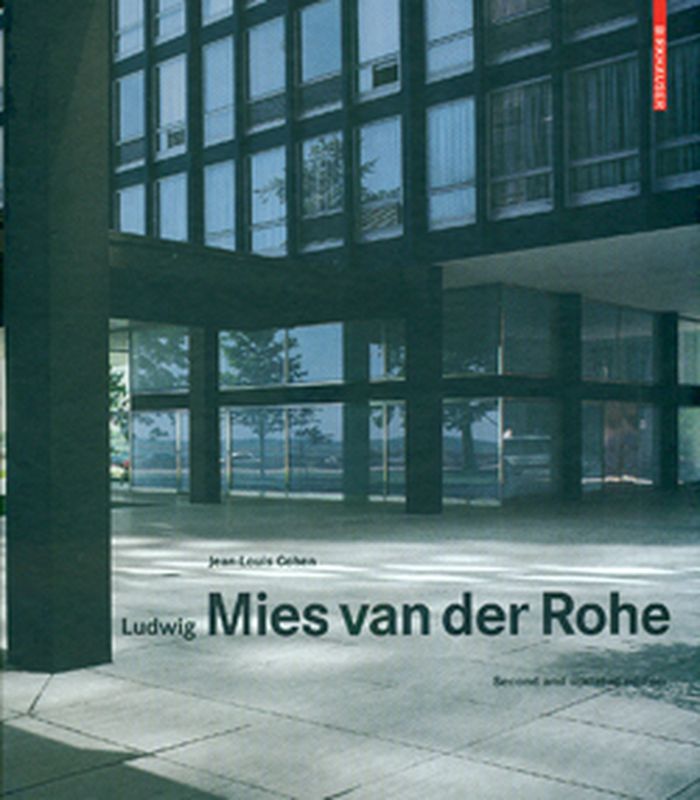
Ludwig Mies van der Rohe was one of the leading figures of twentieth-century architecture. For architects and many others who are committed to the modernist tradition, he is a pivotal figure. With in-depth, scholarly essays and opulent photographs and plans, this book traces the multifaceted development of his work, including his first Berlin buildings, his villa projects, his work at the Bauhaus in the 1930s, and his American projects of the postwar years.
Ludwig Mies van der Rohe: second and updated edition
Actions:
Price:
$59.95
(available to order)
Summary:
Ludwig Mies van der Rohe was one of the leading figures of twentieth-century architecture. For architects and many others who are committed to the modernist tradition, he is a pivotal figure. With in-depth, scholarly essays and opulent photographs and plans, this book traces the multifaceted development of his work, including his first Berlin buildings, his villa projects, his work at the Bauhaus in the 1930s, and his American projects of the postwar years.
Form:
books
books
Publication:
May 2011
May 2011
Subject:
Architecture Monographs
Architecture Monographs
Form:
books
books
Actions:
Price:
$72.00
(available to order)
Summary:
This exhibition catalogue celebrates in-depth for the first time Richard Diebenkorn's seminal Ocean Park works, serving as a major reference and a source of new scholarship on the series. As he traversed the worlds of abstract expressionism and figurative painting, Diebenkorn became one of America's most beloved postwar artists. The Ocean Park series, begun in 1967and(...)
$72.00
(available to order)
Summary:
This exhibition catalogue celebrates in-depth for the first time Richard Diebenkorn's seminal Ocean Park works, serving as a major reference and a source of new scholarship on the series. As he traversed the worlds of abstract expressionism and figurative painting, Diebenkorn became one of America's most beloved postwar artists. The Ocean Park series, begun in 1967and(...)
Title:
Richard Diebenkorn: the ocean park series
Actions:
Price:
$72.00
(available to order)
Summary:
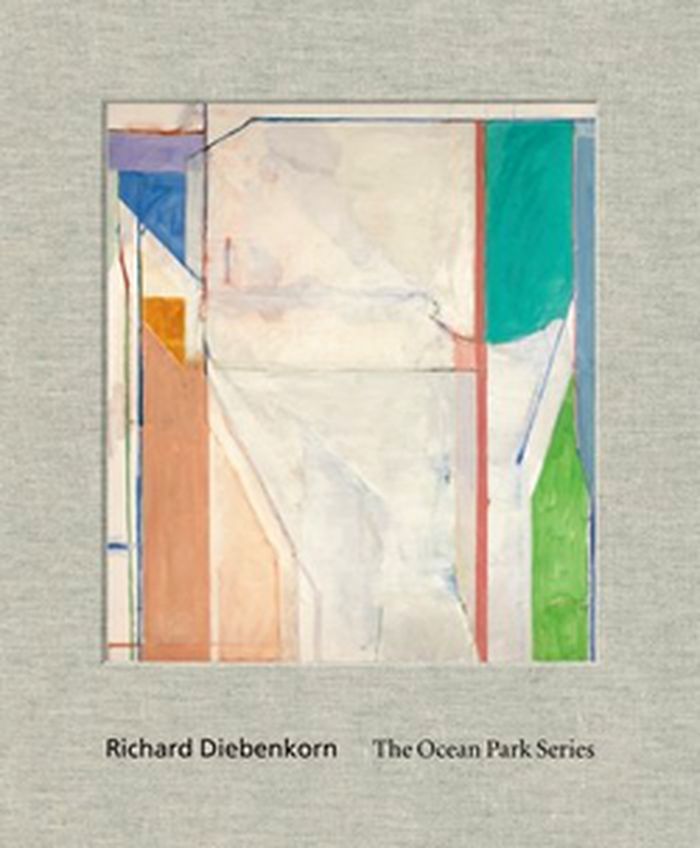
This exhibition catalogue celebrates in-depth for the first time Richard Diebenkorn's seminal Ocean Park works, serving as a major reference and a source of new scholarship on the series. As he traversed the worlds of abstract expressionism and figurative painting, Diebenkorn became one of America's most beloved postwar artists. The Ocean Park series, begun in 1967and comprising works in a variety of media, is arguably the most celebrated of his illustrious career.
Richard Diebenkorn: the ocean park series
Actions:
Price:
$72.00
(available to order)
Summary:
This exhibition catalogue celebrates in-depth for the first time Richard Diebenkorn's seminal Ocean Park works, serving as a major reference and a source of new scholarship on the series. As he traversed the worlds of abstract expressionism and figurative painting, Diebenkorn became one of America's most beloved postwar artists. The Ocean Park series, begun in 1967and comprising works in a variety of media, is arguably the most celebrated of his illustrious career.
Form:
books
books
Publication:
October 2011
October 2011
Subject:
Contemporary Art Monographs
Contemporary Art Monographs
Form:
books
books
Actions:
Price:
$54.00
(available to order)
Summary:
This unashamed visual feast celebrates the best designed and illustrated picturebooks from around the world over the past one hundred years. Each book is a creation of genius and inventiveness, and their design and illustration represent such diverse trends as the Russian Constructivists, Italian Futurists, and Postwar Neo-romantics. They are also mirrors of their times(...)
$54.00
(available to order)
Summary:
This unashamed visual feast celebrates the best designed and illustrated picturebooks from around the world over the past one hundred years. Each book is a creation of genius and inventiveness, and their design and illustration represent such diverse trends as the Russian Constructivists, Italian Futurists, and Postwar Neo-romantics. They are also mirrors of their times(...)
Title:
100 great children's picturebooks
Actions:
Price:
$54.00
(available to order)
Summary:
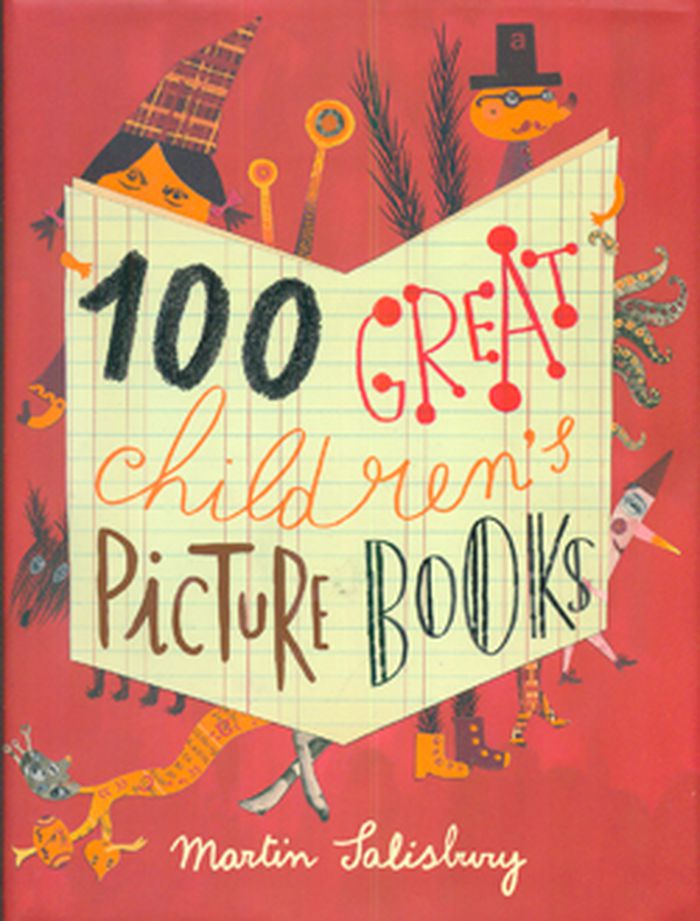
This unashamed visual feast celebrates the best designed and illustrated picturebooks from around the world over the past one hundred years. Each book is a creation of genius and inventiveness, and their design and illustration represent such diverse trends as the Russian Constructivists, Italian Futurists, and Postwar Neo-romantics. They are also mirrors of their times reflecting social concerns from a child's and family's perspectives throughout the twentieth and into the twenty-first century.
100 great children's picturebooks
Actions:
Price:
$54.00
(available to order)
Summary:
This unashamed visual feast celebrates the best designed and illustrated picturebooks from around the world over the past one hundred years. Each book is a creation of genius and inventiveness, and their design and illustration represent such diverse trends as the Russian Constructivists, Italian Futurists, and Postwar Neo-romantics. They are also mirrors of their times reflecting social concerns from a child's and family's perspectives throughout the twentieth and into the twenty-first century.
Form:
books
books
Publication:
March 2015
March 2015
Subject:
Children's Books
Children's Books
Form:
books
books
Actions:
Price:
$65.00
(available to order)
Summary:
This comprehensive book examines the work of celebrated modernist industrial designer Peter Muller-Munk, an international leader in his field during the mid-twentieth century. This groundbreaking book situates Peter Muller-Munk (1904-1967), a German émigré to the U.S., among the most influential designers of his generation. It presents the untold story of a man who rose(...)
$65.00
(available to order)
Summary:
This comprehensive book examines the work of celebrated modernist industrial designer Peter Muller-Munk, an international leader in his field during the mid-twentieth century. This groundbreaking book situates Peter Muller-Munk (1904-1967), a German émigré to the U.S., among the most influential designers of his generation. It presents the untold story of a man who rose(...)
Title:
Silver to steel: the modern designs of Peter Muller-Munk
Actions:
Price:
$65.00
(available to order)
Summary:
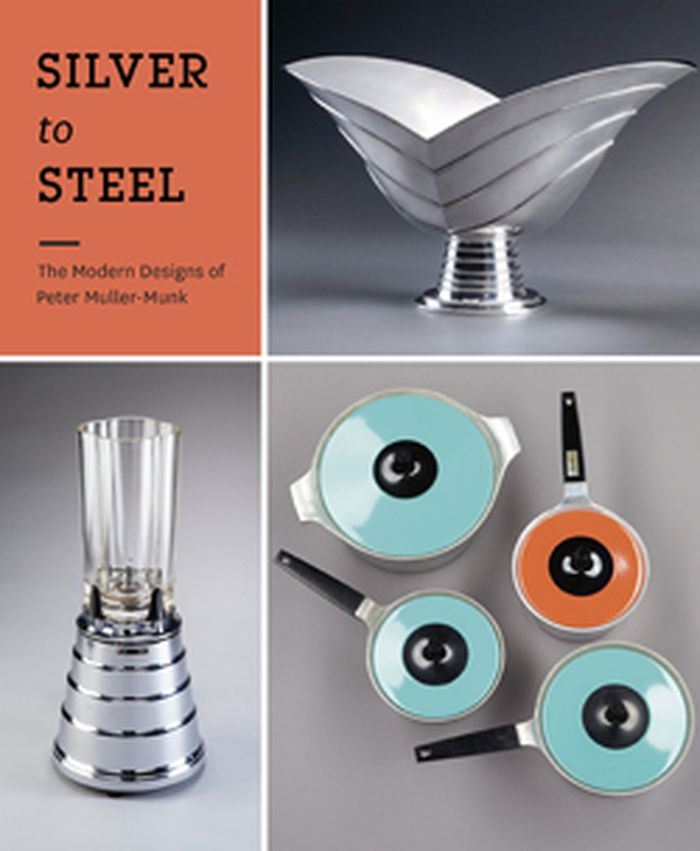
This comprehensive book examines the work of celebrated modernist industrial designer Peter Muller-Munk, an international leader in his field during the mid-twentieth century. This groundbreaking book situates Peter Muller-Munk (1904-1967), a German émigré to the U.S., among the most influential designers of his generation. It presents the untold story of a man who rose from anonymity as a young silversmith at Tiffany & Co. to become a crucial postwar designer
Silver to steel: the modern designs of Peter Muller-Munk
Actions:
Price:
$65.00
(available to order)
Summary:
This comprehensive book examines the work of celebrated modernist industrial designer Peter Muller-Munk, an international leader in his field during the mid-twentieth century. This groundbreaking book situates Peter Muller-Munk (1904-1967), a German émigré to the U.S., among the most influential designers of his generation. It presents the untold story of a man who rose from anonymity as a young silversmith at Tiffany & Co. to become a crucial postwar designer
Form:
books
books
Publication:
November 2015
November 2015
Subject:
Design Monographs
Design Monographs
Form:
books
books
Title:
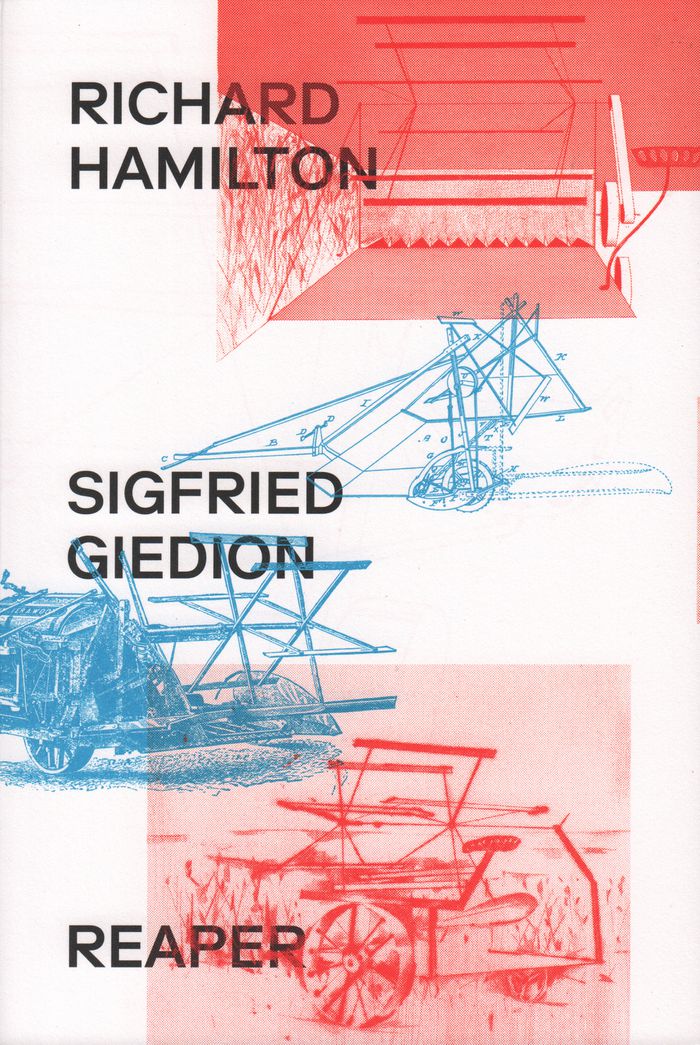
Richard Hamilton: Reaper
Richard Hamilton: Reaper
Actions:
Price:
$64.95
(available to order)
Summary:
In 1949 Richard Hamilton created the Reaper print series as a reaction to Giedion's 1948 book Mechanization Takes Command, in which he describes the mechanization of everyday life. Reproducing Hamilton's complete Reaper series alongside illustrations created by Giedion plus related images, this publication brings together seven essays by renowned international scholars.(...)
$64.95
(available to order)
Summary:
In 1949 Richard Hamilton created the Reaper print series as a reaction to Giedion's 1948 book Mechanization Takes Command, in which he describes the mechanization of everyday life. Reproducing Hamilton's complete Reaper series alongside illustrations created by Giedion plus related images, this publication brings together seven essays by renowned international scholars.(...)
Subject:
Contemporary Art Monographs
Contemporary Art Monographs
Publication:
August 2017
August 2017
Title:
Richard Hamilton: Reaper
Actions:
Price:
$64.95
(available to order)
Summary:
In 1949 Richard Hamilton created the Reaper print series as a reaction to Giedion's 1948 book Mechanization Takes Command, in which he describes the mechanization of everyday life. Reproducing Hamilton's complete Reaper series alongside illustrations created by Giedion plus related images, this publication brings together seven essays by renowned international scholars. Among the topics discussed are Hamilton's early works and exhibition installation practice, postwar British biotechnology and architecture, "Hippie Modernism" and the visual strategy of Giedion's books.
Richard Hamilton: Reaper
Actions:
Price:
$64.95
(available to order)
Summary:
In 1949 Richard Hamilton created the Reaper print series as a reaction to Giedion's 1948 book Mechanization Takes Command, in which he describes the mechanization of everyday life. Reproducing Hamilton's complete Reaper series alongside illustrations created by Giedion plus related images, this publication brings together seven essays by renowned international scholars. Among the topics discussed are Hamilton's early works and exhibition installation practice, postwar British biotechnology and architecture, "Hippie Modernism" and the visual strategy of Giedion's books.
Form:
books
books
Publication:
August 2017
August 2017
Subject:
Contemporary Art Monographs
Contemporary Art Monographs
Form:
books
books
Actions:
Price:
$76.50
(available to order)
Summary:
Beginning in 1965, but especially in the years between 1967 and 1971, Lewis Baltz made a body of work concentrated on the dialectic between simple, regular geometric forms found in the postwar industrial landscape, and the culture that generated such forms. Stucco walls, parking lots, the sides of warehouse sheds or disused billboards baked in the steady Californian(...)
$76.50
(available to order)
Summary:
Beginning in 1965, but especially in the years between 1967 and 1971, Lewis Baltz made a body of work concentrated on the dialectic between simple, regular geometric forms found in the postwar industrial landscape, and the culture that generated such forms. Stucco walls, parking lots, the sides of warehouse sheds or disused billboards baked in the steady Californian(...)
Title:
Lewis Baltz : The prototype works
Actions:
Price:
$76.50
(available to order)
Summary:
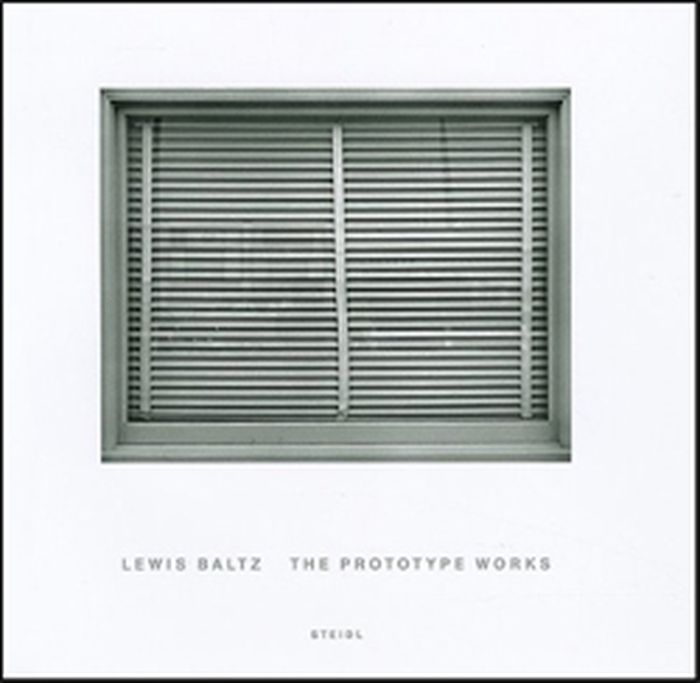
Beginning in 1965, but especially in the years between 1967 and 1971, Lewis Baltz made a body of work concentrated on the dialectic between simple, regular geometric forms found in the postwar industrial landscape, and the culture that generated such forms. Stucco walls, parking lots, the sides of warehouse sheds or disused billboards baked in the steady Californian sunlight. Baltz called his works "Prototypes," by which he meant replicable social conventions as well as model structures of replicable manufacture.
Lewis Baltz : The prototype works
Actions:
Price:
$76.50
(available to order)
Summary:
Beginning in 1965, but especially in the years between 1967 and 1971, Lewis Baltz made a body of work concentrated on the dialectic between simple, regular geometric forms found in the postwar industrial landscape, and the culture that generated such forms. Stucco walls, parking lots, the sides of warehouse sheds or disused billboards baked in the steady Californian sunlight. Baltz called his works "Prototypes," by which he meant replicable social conventions as well as model structures of replicable manufacture.
Form:
books
books
Publication:
May 2011
May 2011
Subject:
Photography monographs
Photography monographs
Form:
books
books
Title:
Candida Höfer: Haus Ludwig
Candida Höfer: Haus Ludwig
Actions:
Price:
$40.00
(available to order)
Summary:
In Haus Ludwig, Candida Höfer (born 1944), internationally renowned for her photographs of museums and libraries, documents the private collection and interiors of the house of Irene and Peter Ludwig in Aachen, Germany. The collection itself contains a wealth of works by European modernist greats such as August Macke, Fernand Léger, Henri Matisse, Lyonel Feininger and(...)
$40.00
(available to order)
Summary:
In Haus Ludwig, Candida Höfer (born 1944), internationally renowned for her photographs of museums and libraries, documents the private collection and interiors of the house of Irene and Peter Ludwig in Aachen, Germany. The collection itself contains a wealth of works by European modernist greats such as August Macke, Fernand Léger, Henri Matisse, Lyonel Feininger and(...)
Title:
Candida Höfer: Haus Ludwig
Actions:
Price:
$40.00
(available to order)
Summary:
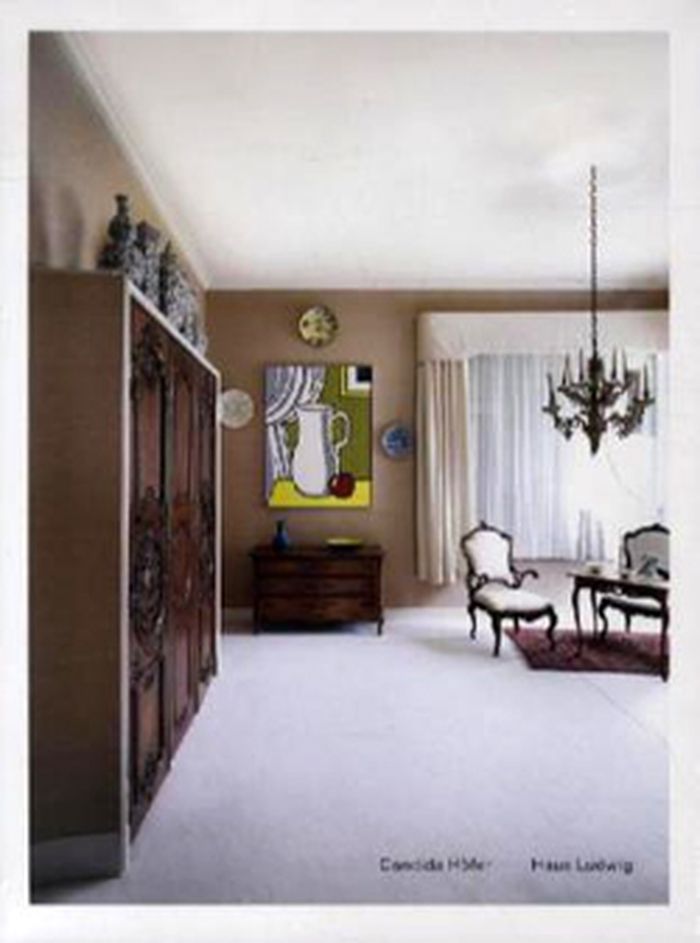
In Haus Ludwig, Candida Höfer (born 1944), internationally renowned for her photographs of museums and libraries, documents the private collection and interiors of the house of Irene and Peter Ludwig in Aachen, Germany. The collection itself contains a wealth of works by European modernist greats such as August Macke, Fernand Léger, Henri Matisse, Lyonel Feininger and Alexej von Jawlensky, as well as by postwar American Pop-era artists such as Roy Lichtenstein, Jasper Johns and Jackson Pollock.
Candida Höfer: Haus Ludwig
Actions:
Price:
$40.00
(available to order)
Summary:
In Haus Ludwig, Candida Höfer (born 1944), internationally renowned for her photographs of museums and libraries, documents the private collection and interiors of the house of Irene and Peter Ludwig in Aachen, Germany. The collection itself contains a wealth of works by European modernist greats such as August Macke, Fernand Léger, Henri Matisse, Lyonel Feininger and Alexej von Jawlensky, as well as by postwar American Pop-era artists such as Roy Lichtenstein, Jasper Johns and Jackson Pollock.
Form:
books
books
Publication:
March 2013
March 2013
Subject:
Photography monographs
Photography monographs
Form:
books
books
Actions:
Price:
$34.95
(available to order)
Summary:
This publication analyzes diverse aspects of the architectural, theoretical, and didactical oeuvre of Oskar Hansen, who was the Polish member of Team 10, a group of architects that challenged standard views of urbanism more than fifty years ago. In chronicling the impact of Hansen’s theory of “Open Form” on architecture, urban planning, experimental film, and visual arts(...)
$34.95
(available to order)
Summary:
This publication analyzes diverse aspects of the architectural, theoretical, and didactical oeuvre of Oskar Hansen, who was the Polish member of Team 10, a group of architects that challenged standard views of urbanism more than fifty years ago. In chronicling the impact of Hansen’s theory of “Open Form” on architecture, urban planning, experimental film, and visual arts(...)
Title:
Oskar Hansen : opening Modernism. On open form architecture, art and didactics
Actions:
Price:
$34.95
(available to order)
Summary:
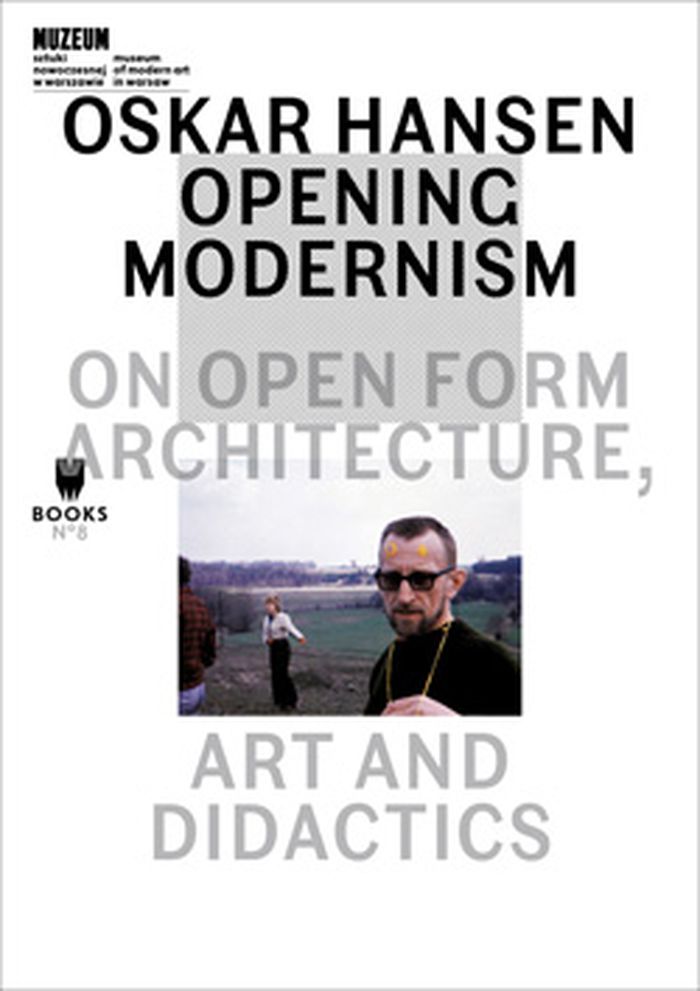
This publication analyzes diverse aspects of the architectural, theoretical, and didactical oeuvre of Oskar Hansen, who was the Polish member of Team 10, a group of architects that challenged standard views of urbanism more than fifty years ago. In chronicling the impact of Hansen’s theory of “Open Form” on architecture, urban planning, experimental film, and visual arts in postwar Poland, this volume traces the flow of architectural ideas in a Europe divided by the Cold War.
Oskar Hansen : opening Modernism. On open form architecture, art and didactics
Actions:
Price:
$34.95
(available to order)
Summary:
This publication analyzes diverse aspects of the architectural, theoretical, and didactical oeuvre of Oskar Hansen, who was the Polish member of Team 10, a group of architects that challenged standard views of urbanism more than fifty years ago. In chronicling the impact of Hansen’s theory of “Open Form” on architecture, urban planning, experimental film, and visual arts in postwar Poland, this volume traces the flow of architectural ideas in a Europe divided by the Cold War.
Form:
books
books
Publication:
June 2014
June 2014
Subject:
Architectural Theory
Architectural Theory
Form:
books
books
Actions:
Price:
$54.95
(available to order)
Summary:
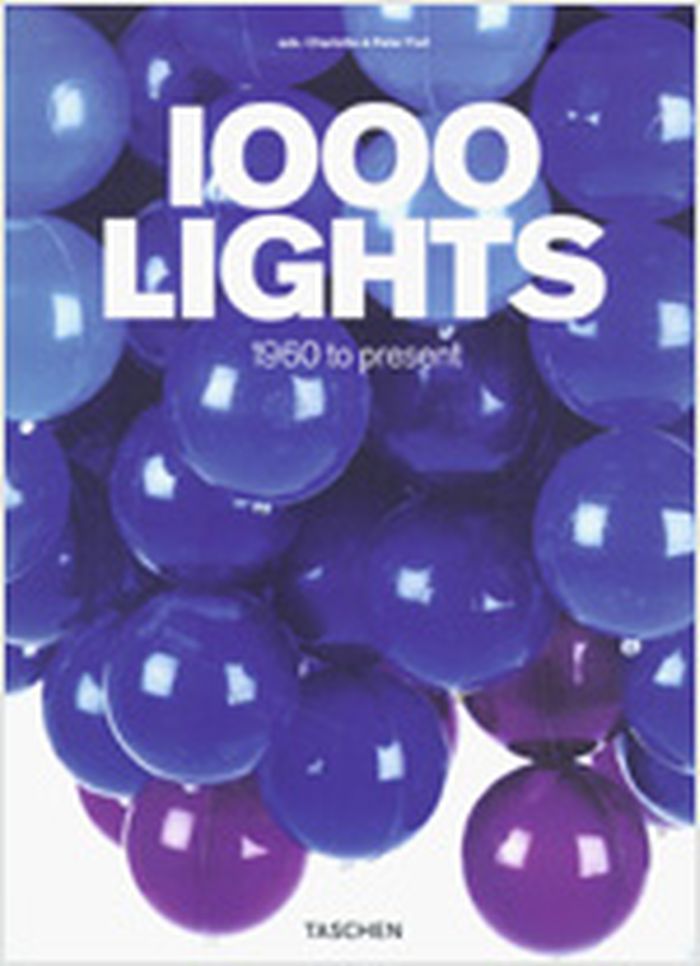
This two-volume edition contains a selection of over 1200 lights. Presented chronogically by decade are history's most interesting electric light, from Swan and Edison's first incandescent light bulbs to Tiffany's beautiful leaded glss shades to completely outrageous designs from the late 1960s and 1970s to the latest high-tech LED products. All major styles are(...)
$54.95
(available to order)
Summary:
This two-volume edition contains a selection of over 1200 lights. Presented chronogically by decade are history's most interesting electric light, from Swan and Edison's first incandescent light bulbs to Tiffany's beautiful leaded glss shades to completely outrageous designs from the late 1960s and 1970s to the latest high-tech LED products. All major styles are(...)
Title:
1000 lights : 1960 to present
Actions:
Price:
$54.95
(available to order)
Summary:
This two-volume edition contains a selection of over 1200 lights. Presented chronogically by decade are history's most interesting electric light, from Swan and Edison's first incandescent light bulbs to Tiffany's beautiful leaded glss shades to completely outrageous designs from the late 1960s and 1970s to the latest high-tech LED products. All major styles are represented here - Arts & Crafts, Art Nouveau, Art Deco, Modern movement, De Stijl, postwar, Pop, Radical, post-modern and contemporary - in two volumes of truely illuminating works.
1000 lights : 1960 to present
Actions:
Price:
$54.95
(available to order)
Summary:
This two-volume edition contains a selection of over 1200 lights. Presented chronogically by decade are history's most interesting electric light, from Swan and Edison's first incandescent light bulbs to Tiffany's beautiful leaded glss shades to completely outrageous designs from the late 1960s and 1970s to the latest high-tech LED products. All major styles are represented here - Arts & Crafts, Art Nouveau, Art Deco, Modern movement, De Stijl, postwar, Pop, Radical, post-modern and contemporary - in two volumes of truely illuminating works.
Form:
books
books
Publication:
August 2005, Cologne
August 2005, Cologne
Subject:
Interior Design
Interior Design
Form:
books
books
Price:
$89.95
(available to order)
Summary:
Born to Japanese immigrant parents in Seattle, Minoru Yamasaki (1912–1986) became one of the towering figures of midcentury architecture, even appearing on the cover of Time magazine in 1963. His self-proclaimed humanist designs merged the modern materials and functional considerations of postwar American architecture with traditional elements such as arches and(...)
$89.95
(available to order)
Summary:
Born to Japanese immigrant parents in Seattle, Minoru Yamasaki (1912–1986) became one of the towering figures of midcentury architecture, even appearing on the cover of Time magazine in 1963. His self-proclaimed humanist designs merged the modern materials and functional considerations of postwar American architecture with traditional elements such as arches and(...)
Subject:
Architecture Monographs
Architecture Monographs
Publication:
November 2017
November 2017
Title:
Minoru Yamasaki : humanist architecture for a modernist world
Actions:
Price:
$89.95
(available to order)
Summary:
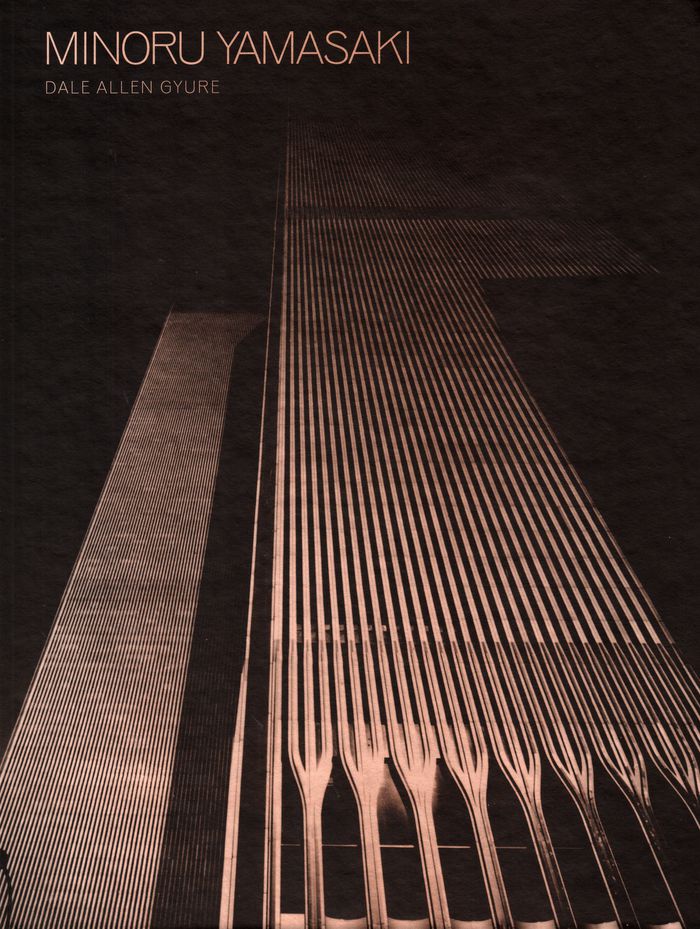
Born to Japanese immigrant parents in Seattle, Minoru Yamasaki (1912–1986) became one of the towering figures of midcentury architecture, even appearing on the cover of Time magazine in 1963. His self-proclaimed humanist designs merged the modern materials and functional considerations of postwar American architecture with traditional elements such as arches and colonnades. Yamasaki’s celebrated and iconic projects of the 1950s and ’60s, including the Lambert–St. Louis Airport and the U.S. Science Pavilion in Seattle, garnered popular acclaim.
Minoru Yamasaki : humanist architecture for a modernist world
Actions:
Price:
$89.95
(available to order)
Summary:
Born to Japanese immigrant parents in Seattle, Minoru Yamasaki (1912–1986) became one of the towering figures of midcentury architecture, even appearing on the cover of Time magazine in 1963. His self-proclaimed humanist designs merged the modern materials and functional considerations of postwar American architecture with traditional elements such as arches and colonnades. Yamasaki’s celebrated and iconic projects of the 1950s and ’60s, including the Lambert–St. Louis Airport and the U.S. Science Pavilion in Seattle, garnered popular acclaim.
Form:
books
books
Publication:
November 2017
November 2017
Subject:
Architecture Monographs
Architecture Monographs


