


853 Results
Form:
books
books
Actions:
Price:
$56.95
(available in store)
Summary:
With its emphasis on permanence and stability, architecture at first resists an easy pairing with live performance, usually considered ephemeral and elusive. But architecture and performance share a core concern: the interplay of bodies and space. 'Bodybuilding' examines the use of live performance by architects. Looking past the unbuilt, utopian projects of the early(...)
$56.95
(available in store)
Summary:
With its emphasis on permanence and stability, architecture at first resists an easy pairing with live performance, usually considered ephemeral and elusive. But architecture and performance share a core concern: the interplay of bodies and space. 'Bodybuilding' examines the use of live performance by architects. Looking past the unbuilt, utopian projects of the early(...)
Subject:
Architectural Theory
Architectural Theory
Publication:
January 2019
January 2019
Title:
Bodybuilding: architecture and performance
Actions:
Price:
$56.95
(available in store)
Summary:
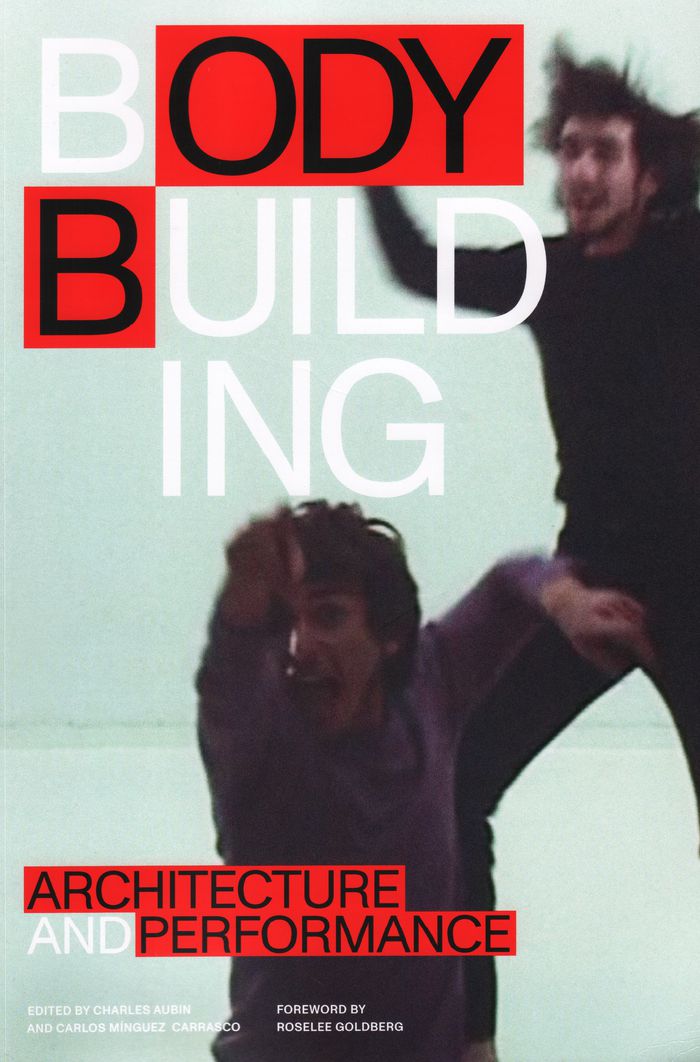
With its emphasis on permanence and stability, architecture at first resists an easy pairing with live performance, usually considered ephemeral and elusive. But architecture and performance share a core concern: the interplay of bodies and space. 'Bodybuilding' examines the use of live performance by architects. Looking past the unbuilt, utopian projects of the early modernists or the postwar avant-garde, the authors unearth an alternative canon of architects who actually employ performance to fortify the process of building, or else to explore architecture’s enmeshment with labor, security, race, migration, the environment, gentrification, and public assembly. For these architects, performance can be a tool, a method, or a heuristic device; in every case, performance is a blade that cuts into the matter of architecture. With rates of construction plummeting after the financial crisis of 2007–08, newly minted architects have had to find alternative ways to continue working within the field. 'Bodybuilding' grounds these new practices within a century of precedents, and insists that performance is a critical tool to rethink architecture’s agency, goals, and aesthetics.
Bodybuilding: architecture and performance
Actions:
Price:
$56.95
(available in store)
Summary:
With its emphasis on permanence and stability, architecture at first resists an easy pairing with live performance, usually considered ephemeral and elusive. But architecture and performance share a core concern: the interplay of bodies and space. 'Bodybuilding' examines the use of live performance by architects. Looking past the unbuilt, utopian projects of the early modernists or the postwar avant-garde, the authors unearth an alternative canon of architects who actually employ performance to fortify the process of building, or else to explore architecture’s enmeshment with labor, security, race, migration, the environment, gentrification, and public assembly. For these architects, performance can be a tool, a method, or a heuristic device; in every case, performance is a blade that cuts into the matter of architecture. With rates of construction plummeting after the financial crisis of 2007–08, newly minted architects have had to find alternative ways to continue working within the field. 'Bodybuilding' grounds these new practices within a century of precedents, and insists that performance is a critical tool to rethink architecture’s agency, goals, and aesthetics.
Form:
books
books
Publication:
January 2019
January 2019
Subject:
Architectural Theory
Architectural Theory
Form:
books
books
Price:
$69.50
(available to order)
Summary:
Real estate developers are integral to understanding the split narratives of twentieth-century American urban history. Rather than divide the decline of downtowns and the rise of suburbs into separate tales, Sara Stevens uses the figure of the real estate developer to explore how cities found new urban and architectural forms through both suburbanization and urban(...)
$69.50
(available to order)
Summary:
Real estate developers are integral to understanding the split narratives of twentieth-century American urban history. Rather than divide the decline of downtowns and the rise of suburbs into separate tales, Sara Stevens uses the figure of the real estate developer to explore how cities found new urban and architectural forms through both suburbanization and urban(...)
Title:
Developing expertise: architecture and real estate in metropolitan america
Actions:
Price:
$69.50
(available to order)
Summary:
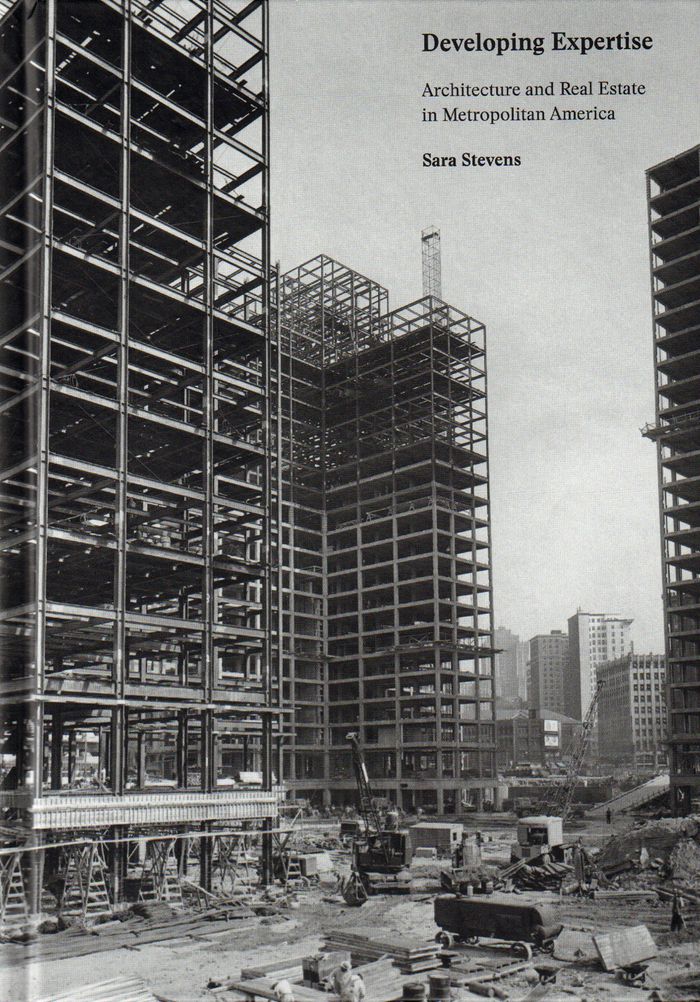
Real estate developers are integral to understanding the split narratives of twentieth-century American urban history. Rather than divide the decline of downtowns and the rise of suburbs into separate tales, Sara Stevens uses the figure of the real estate developer to explore how cities found new urban and architectural forms through both suburbanization and urban renewal. Through nuanced discussions of Chicago, Kansas City, Detroit, Pittsburgh, Denver, Washington, D.C., and New York, Stevens explains how real estate developers, though often maligned, have shaped public policy through professional organizations, promoted investment security through design, and brought suburban models to downtowns. In this timely book, she considers how developers partnered with prominent architects, including Ludwig Mies van der Rohe and I. M. Pei, to sell their modern urban visions to the public. By viewing real estate developers as a critical link between capital and construction in prewar suburban development and postwar urban renewal, Stevens offers an original and enlightening look at the complex connections among suburbs and downtowns, policy, finance, and architectural history.
Developing expertise: architecture and real estate in metropolitan america
Actions:
Price:
$69.50
(available to order)
Summary:
Real estate developers are integral to understanding the split narratives of twentieth-century American urban history. Rather than divide the decline of downtowns and the rise of suburbs into separate tales, Sara Stevens uses the figure of the real estate developer to explore how cities found new urban and architectural forms through both suburbanization and urban renewal. Through nuanced discussions of Chicago, Kansas City, Detroit, Pittsburgh, Denver, Washington, D.C., and New York, Stevens explains how real estate developers, though often maligned, have shaped public policy through professional organizations, promoted investment security through design, and brought suburban models to downtowns. In this timely book, she considers how developers partnered with prominent architects, including Ludwig Mies van der Rohe and I. M. Pei, to sell their modern urban visions to the public. By viewing real estate developers as a critical link between capital and construction in prewar suburban development and postwar urban renewal, Stevens offers an original and enlightening look at the complex connections among suburbs and downtowns, policy, finance, and architectural history.
Form:
books
books
Publication:
November 2016
November 2016
Subject:
Architectural Theory
Architectural Theory
Form:
books
books
Actions:
Price:
$31.25
(available to order)
Summary:
One of the central figures in modern landscape architecture, Garrett Eckbo (1910-2000) was a major influence in the field during an active career spanning five decades. While most of the early American designers concentrated on the private garden and the corporate landscape, Eckbo's work demonstrated innovative design ideas in a social setting. This engagement with(...)
$31.25
(available to order)
Summary:
One of the central figures in modern landscape architecture, Garrett Eckbo (1910-2000) was a major influence in the field during an active career spanning five decades. While most of the early American designers concentrated on the private garden and the corporate landscape, Eckbo's work demonstrated innovative design ideas in a social setting. This engagement with(...)
Subject:
Gardens
Gardens
Publication:
August 2005, Berkeley / Los Angeles / London
August 2005, Berkeley / Los Angeles / London
Title:
Garrett Eckbo : modern landscape for living
Actions:
Price:
$31.25
(available to order)
Summary:
One of the central figures in modern landscape architecture, Garrett Eckbo (1910-2000) was a major influence in the field during an active career spanning five decades. While most of the early American designers concentrated on the private garden and the corporate landscape, Eckbo's work demonstrated innovative design ideas in a social setting. This engagement with social improvement has stayed with Eckbo throughout his life, distinguishing both his intentions and achievements, from his early work for the Farm Security Administration to his partnerships (including one of the most prominent landscape firms in the world, Eckbo, Dean, Austin, and Williams--EDAW) and his years as chair of the Department of Landscape Architecture at the University of California, Berkeley. In this book that includes more than 100 of Eckbo's designs, Marc Treib examines the aesthetic formation of Eckbo's manner, and by implication the broader field of landscape architecture since the 1930s. Dorothée Imbert writes about Eckbo's social vision, including his belief that ultimately, landscape design is the "arrangement of environments for people." The book also contains a biographical and professional chronology and a complete bibliography of publications by and about Garrett Eckbo.
Garrett Eckbo : modern landscape for living
Actions:
Price:
$31.25
(available to order)
Summary:
One of the central figures in modern landscape architecture, Garrett Eckbo (1910-2000) was a major influence in the field during an active career spanning five decades. While most of the early American designers concentrated on the private garden and the corporate landscape, Eckbo's work demonstrated innovative design ideas in a social setting. This engagement with social improvement has stayed with Eckbo throughout his life, distinguishing both his intentions and achievements, from his early work for the Farm Security Administration to his partnerships (including one of the most prominent landscape firms in the world, Eckbo, Dean, Austin, and Williams--EDAW) and his years as chair of the Department of Landscape Architecture at the University of California, Berkeley. In this book that includes more than 100 of Eckbo's designs, Marc Treib examines the aesthetic formation of Eckbo's manner, and by implication the broader field of landscape architecture since the 1930s. Dorothée Imbert writes about Eckbo's social vision, including his belief that ultimately, landscape design is the "arrangement of environments for people." The book also contains a biographical and professional chronology and a complete bibliography of publications by and about Garrett Eckbo.
Form:
books
books
Publication:
August 2005, Berkeley / Los Angeles / London
August 2005, Berkeley / Los Angeles / London
Subject:
Gardens
Gardens
Form:
books
books
Title:
The smart house
The smart house
Actions:
Price:
$59.95
(available to order)
Summary:
Divided into three sections, "The Smart House" illustrates how technology is changing our homes. The book looks at three areas: Smart Technology, which examines five aspects of technology and how it's being integrated throughout the house: lighting design and window treatments; audio and video entertainment; voice and data management; security and access; and(...)
$59.95
(available to order)
Summary:
Divided into three sections, "The Smart House" illustrates how technology is changing our homes. The book looks at three areas: Smart Technology, which examines five aspects of technology and how it's being integrated throughout the house: lighting design and window treatments; audio and video entertainment; voice and data management; security and access; and(...)
Subject:
Residential Architecture
Residential Architecture
Publication:
November 2003, New York
November 2003, New York
Title:
The smart house
Actions:
Price:
$59.95
(available to order)
Summary:
Divided into three sections, "The Smart House" illustrates how technology is changing our homes. The book looks at three areas: Smart Technology, which examines five aspects of technology and how it's being integrated throughout the house: lighting design and window treatments; audio and video entertainment; voice and data management; security and access; and environmental controls and energy management. Smart Materials, which shows new building materials such as titanium, electronic glass that can become transparent or opaque at the flick of a switch, polycarbonate materials, laser-perforated metals, all of which are changing the way homes are built and the ways in which we use and perceive spaces within these structures. Smart Design looks at more extravagant innovations such as swimming pools cantilevered in mid-air, windows that recreate digital views at night, interior spaces whose functions are transformed through architectural slight of hand and computer aided design, all of which point to new ways of thinking about how we live and how we use space in this increasingly space-challenged world. Case studies of ten recently constructed homes are detailed to illustrate each aspect of this technology and to show the full potential technology affords modern home design.
The smart house
Actions:
Price:
$59.95
(available to order)
Summary:
Divided into three sections, "The Smart House" illustrates how technology is changing our homes. The book looks at three areas: Smart Technology, which examines five aspects of technology and how it's being integrated throughout the house: lighting design and window treatments; audio and video entertainment; voice and data management; security and access; and environmental controls and energy management. Smart Materials, which shows new building materials such as titanium, electronic glass that can become transparent or opaque at the flick of a switch, polycarbonate materials, laser-perforated metals, all of which are changing the way homes are built and the ways in which we use and perceive spaces within these structures. Smart Design looks at more extravagant innovations such as swimming pools cantilevered in mid-air, windows that recreate digital views at night, interior spaces whose functions are transformed through architectural slight of hand and computer aided design, all of which point to new ways of thinking about how we live and how we use space in this increasingly space-challenged world. Case studies of ten recently constructed homes are detailed to illustrate each aspect of this technology and to show the full potential technology affords modern home design.
Form:
books
books
Publication:
November 2003, New York
November 2003, New York
Subject:
Residential Architecture
Residential Architecture
Form:
books
books

Title:
Thee Display
Thee Display
Actions:
Price:
$20.00
(available in store)
Summary:
From its situation in Ancient Greece through the various rewritings and commentaries and interventions of the last 2500 years, there is certainly no book being transmitted in the anything-but-unbroken and often comic transmission of The Phaenomena, a long didactic poem enumerating the constellations and their movement through the skies. There is certainly no origin(...)
$20.00
(available in store)
Summary:
From its situation in Ancient Greece through the various rewritings and commentaries and interventions of the last 2500 years, there is certainly no book being transmitted in the anything-but-unbroken and often comic transmission of The Phaenomena, a long didactic poem enumerating the constellations and their movement through the skies. There is certainly no origin(...)
Title:
Thee Display
Actions:
Price:
$20.00
(available in store)
Summary:
From its situation in Ancient Greece through the various rewritings and commentaries and interventions of the last 2500 years, there is certainly no book being transmitted in the anything-but-unbroken and often comic transmission of The Phaenomena, a long didactic poem enumerating the constellations and their movement through the skies. There is certainly no origin apparent in such a transmission, even as the layers of compaction that this text attempts to unfold are themselves arguments about origin, plaintive debates about the irresolvable contradiction of a “first copier.” But what does it mean to give up the constellation, the relation, the durability that relation promises to guarantee, without being able to retreat into the security of origin or determinate meaning? What do you do then? This is to rephrase the question: what do we – “we,” obstinately – fail to see when we see the shapes of the stars so well? Thee Display is a collection of poems written during an engagement with this ongoing transmission. It is a book about this, and a book about the horizon of communism, and a book about transition, and a book about a companionship characterized by a weird and sad kind of cheer.
Thee Display
Actions:
Price:
$20.00
(available in store)
Summary:
From its situation in Ancient Greece through the various rewritings and commentaries and interventions of the last 2500 years, there is certainly no book being transmitted in the anything-but-unbroken and often comic transmission of The Phaenomena, a long didactic poem enumerating the constellations and their movement through the skies. There is certainly no origin apparent in such a transmission, even as the layers of compaction that this text attempts to unfold are themselves arguments about origin, plaintive debates about the irresolvable contradiction of a “first copier.” But what does it mean to give up the constellation, the relation, the durability that relation promises to guarantee, without being able to retreat into the security of origin or determinate meaning? What do you do then? This is to rephrase the question: what do we – “we,” obstinately – fail to see when we see the shapes of the stars so well? Thee Display is a collection of poems written during an engagement with this ongoing transmission. It is a book about this, and a book about the horizon of communism, and a book about transition, and a book about a companionship characterized by a weird and sad kind of cheer.
Form:
books
books
Publication:
December 2020
December 2020
Subject:
Literature and poetry
Literature and poetry
Form:
books
books
Actions:
Price:
$83.95
(available to order)
Summary:
Originally self-published in 1985, Paul Graham’s renowned series, ‘Beyond Caring’, was made in the waiting rooms and corridors of the Social Security and Unemployment offices around the UK, documenting the long waits, queues and poor conditions of an overburdened system, to produce a powerful series of photographs conveying the hardship people experienced. Denied official(...)
$83.95
(available to order)
Summary:
Originally self-published in 1985, Paul Graham’s renowned series, ‘Beyond Caring’, was made in the waiting rooms and corridors of the Social Security and Unemployment offices around the UK, documenting the long waits, queues and poor conditions of an overburdened system, to produce a powerful series of photographs conveying the hardship people experienced. Denied official(...)
Title:
Paul Graham: Beyond caring, New edition
Actions:
Price:
$83.95
(available to order)
Summary:
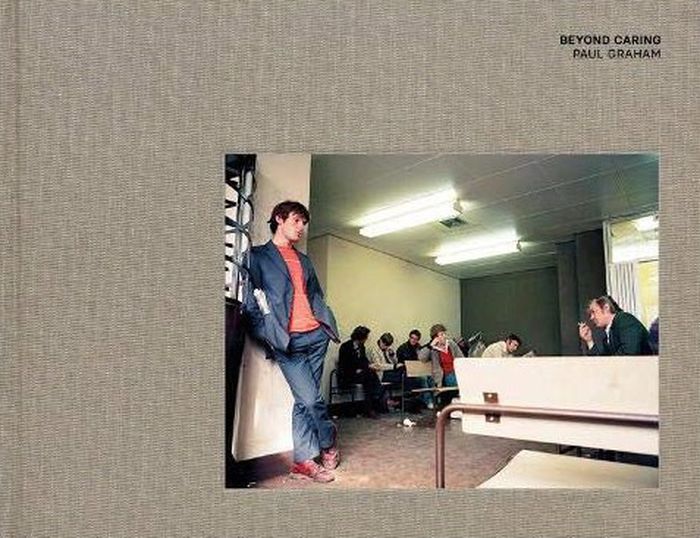
Originally self-published in 1985, Paul Graham’s renowned series, ‘Beyond Caring’, was made in the waiting rooms and corridors of the Social Security and Unemployment offices around the UK, documenting the long waits, queues and poor conditions of an overburdened system, to produce a powerful series of photographs conveying the hardship people experienced. Denied official permission to make the work, Graham’s photographs were taken discreetly, usually without looking through the camera, resulting in a spatial disorientation that emphasised the unmoored distress of vulnerable citizens. The work shocked many on its release – leading Magnum photographers were outraged by its use of colour in a classic documentary topic, while others celebrated how it straddled the world of activism and art (it was exhibited at both Trade Union conferences and the Museum of Modern Art, New York). Graham forged a fresh form of engaged photography, mixing elements of social documentary, ‘new colour’ and reportage to create a striking body of work that endures to this day. Many decades have passed since their making in 1984, but these images have grown not only in photographic importance, but also as a unique historic record of the mid-1980s unemployment crisis in the UK.
Paul Graham: Beyond caring, New edition
Actions:
Price:
$83.95
(available to order)
Summary:
Originally self-published in 1985, Paul Graham’s renowned series, ‘Beyond Caring’, was made in the waiting rooms and corridors of the Social Security and Unemployment offices around the UK, documenting the long waits, queues and poor conditions of an overburdened system, to produce a powerful series of photographs conveying the hardship people experienced. Denied official permission to make the work, Graham’s photographs were taken discreetly, usually without looking through the camera, resulting in a spatial disorientation that emphasised the unmoored distress of vulnerable citizens. The work shocked many on its release – leading Magnum photographers were outraged by its use of colour in a classic documentary topic, while others celebrated how it straddled the world of activism and art (it was exhibited at both Trade Union conferences and the Museum of Modern Art, New York). Graham forged a fresh form of engaged photography, mixing elements of social documentary, ‘new colour’ and reportage to create a striking body of work that endures to this day. Many decades have passed since their making in 1984, but these images have grown not only in photographic importance, but also as a unique historic record of the mid-1980s unemployment crisis in the UK.
Form:
books
books
Publication:
June 2021
June 2021
Subject:
Photography monographs
Photography monographs
Form:
books
books
Actions:
Price:
$70.00
(available to order)
Summary:
Inspired by the rise of environmental psychology and increasing support for behavioral research after the Second World War, new initiatives at the federal, state, and local levels looked to influence the human psyche through form, or elicit desired behaviors with environmental incentives, implementing what Joy Knoblauch calls 'psychological functionalism.' Recruited by(...)
$70.00
(available to order)
Summary:
Inspired by the rise of environmental psychology and increasing support for behavioral research after the Second World War, new initiatives at the federal, state, and local levels looked to influence the human psyche through form, or elicit desired behaviors with environmental incentives, implementing what Joy Knoblauch calls 'psychological functionalism.' Recruited by(...)
Title:
The architecture of good behaviour
Actions:
Price:
$70.00
(available to order)
Summary:
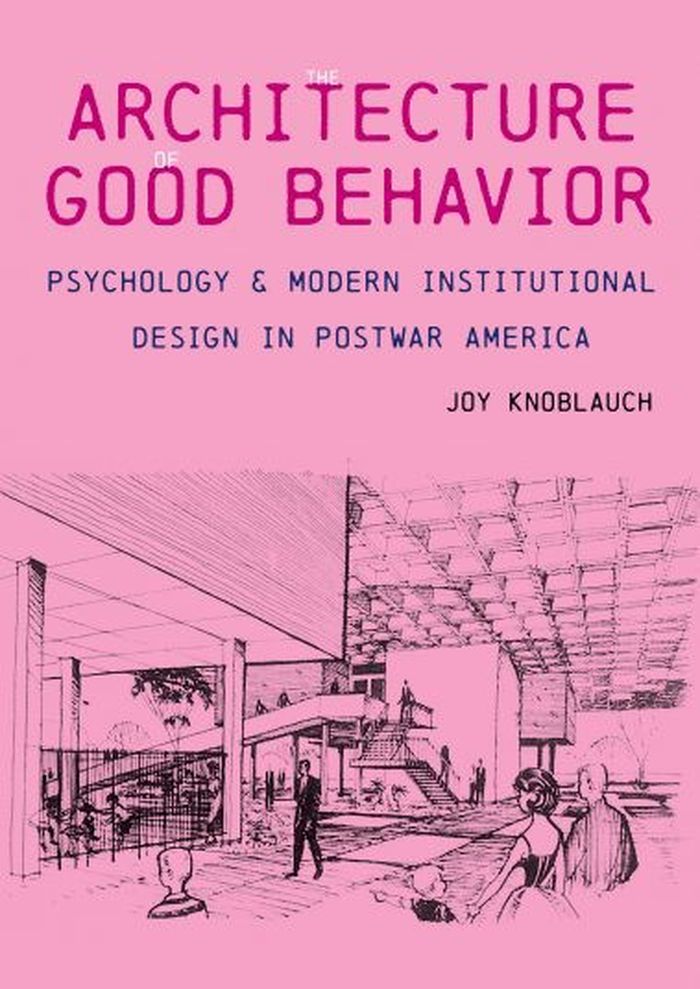
Inspired by the rise of environmental psychology and increasing support for behavioral research after the Second World War, new initiatives at the federal, state, and local levels looked to influence the human psyche through form, or elicit desired behaviors with environmental incentives, implementing what Joy Knoblauch calls 'psychological functionalism.' Recruited by federal construction and research programs for institutional reform and expansion — which included hospitals, mental health centers, prisons, and public housing—architects theorized new ways to control behavior and make it more functional by exercising soft power, or power through persuasion, with their designs. In the 1960s – 1970s era of anti-institutional sentiment, they hoped to offer an enlightened, palatable, more humane solution to larger social problems related to health, mental health, justice, and security of the population by applying psychological expertise to institutional design. In turn, Knoblauch argues, architects gained new roles as researchers, organizers, and writers while theories of confinement, territory, and surveillance proliferated. 'The Architecture of Good Behavior' explores psychological functionalism as a political tool and the architectural projects funded by a postwar nation in its efforts to govern, exert control over, and ultimately pacify its patients, prisoners, and residents.
The architecture of good behaviour
Actions:
Price:
$70.00
(available to order)
Summary:
Inspired by the rise of environmental psychology and increasing support for behavioral research after the Second World War, new initiatives at the federal, state, and local levels looked to influence the human psyche through form, or elicit desired behaviors with environmental incentives, implementing what Joy Knoblauch calls 'psychological functionalism.' Recruited by federal construction and research programs for institutional reform and expansion — which included hospitals, mental health centers, prisons, and public housing—architects theorized new ways to control behavior and make it more functional by exercising soft power, or power through persuasion, with their designs. In the 1960s – 1970s era of anti-institutional sentiment, they hoped to offer an enlightened, palatable, more humane solution to larger social problems related to health, mental health, justice, and security of the population by applying psychological expertise to institutional design. In turn, Knoblauch argues, architects gained new roles as researchers, organizers, and writers while theories of confinement, territory, and surveillance proliferated. 'The Architecture of Good Behavior' explores psychological functionalism as a political tool and the architectural projects funded by a postwar nation in its efforts to govern, exert control over, and ultimately pacify its patients, prisoners, and residents.
Form:
books
books
Publication:
June 2020
June 2020
Subject:
Architectural Theory
Architectural Theory
Form:
books
books
Title:
Walker Evans
Walker Evans
Actions:
Price:
$37.50
(available to order)
Summary:
Walker Evans (1903-1975) is best known for documenting the people and living conditions of the American South during the Great Depression. But his photographic accomplishments were much broader than these famous images: modernist views of New York City, such as his Flatiron Building, New York (1928-29) and Brooklyn Bridge (1929); architectural studies of Victorian homes(...)
$37.50
(available to order)
Summary:
Walker Evans (1903-1975) is best known for documenting the people and living conditions of the American South during the Great Depression. But his photographic accomplishments were much broader than these famous images: modernist views of New York City, such as his Flatiron Building, New York (1928-29) and Brooklyn Bridge (1929); architectural studies of Victorian homes(...)
Title:
Walker Evans
Actions:
Price:
$37.50
(available to order)
Summary:
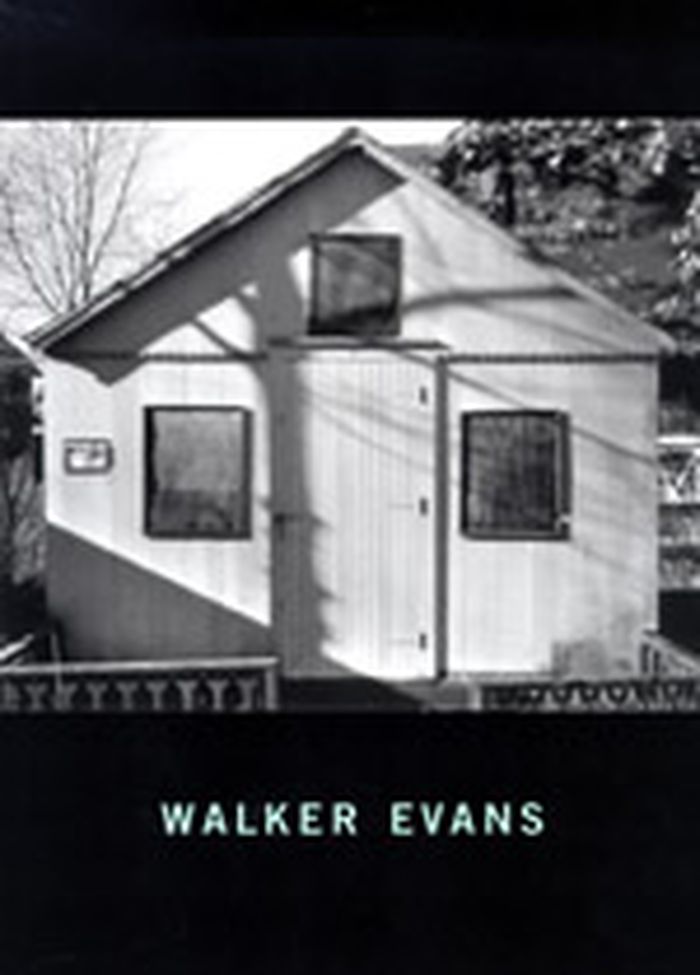
Walker Evans (1903-1975) is best known for documenting the people and living conditions of the American South during the Great Depression. But his photographic accomplishments were much broader than these famous images: modernist views of New York City, such as his Flatiron Building, New York (1928-29) and Brooklyn Bridge (1929); architectural studies of Victorian homes and other buildings in Boston, Cape Cod, Saratoga Springs, and small towns in upstate New York; a series of spontaneous and surreptitious portraits taken on the Manhattan subway; scenes from Cuba in the 1930s; and his commercial assignments as a staff photographer and writer for Fortune magazine. The familiar work from his Farm Security Administration project is also here-views of the rural South immortalized in his collaborative book with James Agee, Let Us Now Praise Famous Men, along with urban images from New Orleans and Savannah. Essays by Christian A. Peterson, associate curator of photography at The Minneapolis Institute of Arts, describe Evans's photographic vision and include information about the acquisition history of many of the photographs in this book. Illustrated with almost one hundred high-quality black-and-white photographs, Walker Evans presents the full breadth of Evans's expansive and varied photographic art.
Walker Evans
Actions:
Price:
$37.50
(available to order)
Summary:
Walker Evans (1903-1975) is best known for documenting the people and living conditions of the American South during the Great Depression. But his photographic accomplishments were much broader than these famous images: modernist views of New York City, such as his Flatiron Building, New York (1928-29) and Brooklyn Bridge (1929); architectural studies of Victorian homes and other buildings in Boston, Cape Cod, Saratoga Springs, and small towns in upstate New York; a series of spontaneous and surreptitious portraits taken on the Manhattan subway; scenes from Cuba in the 1930s; and his commercial assignments as a staff photographer and writer for Fortune magazine. The familiar work from his Farm Security Administration project is also here-views of the rural South immortalized in his collaborative book with James Agee, Let Us Now Praise Famous Men, along with urban images from New Orleans and Savannah. Essays by Christian A. Peterson, associate curator of photography at The Minneapolis Institute of Arts, describe Evans's photographic vision and include information about the acquisition history of many of the photographs in this book. Illustrated with almost one hundred high-quality black-and-white photographs, Walker Evans presents the full breadth of Evans's expansive and varied photographic art.
Form:
books
books
Publication:
July 2003, Minneapolis
July 2003, Minneapolis
Subject:
Photography monographs
Photography monographs
Form:
books
books

Actions:
Price:
$61.00
(available to order)
Summary:
Ernst Schwitters (1918-1996) began his career in photography in his teens, converting the family bathroom into a darkroom with the consent of his parents, Kurt and Helma Schwitters, at the age of 15 - by which time Ernst was already experimenting with photograms, following a visit from family friend Man Ray. His father encouraged him to undergo formal training in(...)
$61.00
(available to order)
Summary:
Ernst Schwitters (1918-1996) began his career in photography in his teens, converting the family bathroom into a darkroom with the consent of his parents, Kurt and Helma Schwitters, at the age of 15 - by which time Ernst was already experimenting with photograms, following a visit from family friend Man Ray. His father encouraged him to undergo formal training in(...)
Title:
The colors of Norway, 1943-1963
Actions:
Price:
$61.00
(available to order)
Summary:
Ernst Schwitters (1918-1996) began his career in photography in his teens, converting the family bathroom into a darkroom with the consent of his parents, Kurt and Helma Schwitters, at the age of 15 - by which time Ernst was already experimenting with photograms, following a visit from family friend Man Ray. His father encouraged him to undergo formal training in photography, but Ernst declined, preferring to teach himself, and by 1930 he was already participating in international exhibitions, having found his preferred subject matter in the landscapes of Norway and England. Having led the Schwitters family's migration from Nazi Germany to Norway, Ernst was to receive great acclaim there for both his landscape and architectural photography, and was also able to establish financial security through assignments for the Norwegian advertising agency SS-UNU-Foto. It is little known that Schwitters is one of color photography's pioneers: he began working with color film in 1943, and within two decades, he had created more than 10,000 slides, many of which have been digitally restored for this new volume. The only monograph on the photographer currently in print, the publication debuts Schwitters' vast oeuvre of color landscape photography, and also includes a fascinating account of the digital restoration process that allowed for their publication here.
The colors of Norway, 1943-1963
Actions:
Price:
$61.00
(available to order)
Summary:
Ernst Schwitters (1918-1996) began his career in photography in his teens, converting the family bathroom into a darkroom with the consent of his parents, Kurt and Helma Schwitters, at the age of 15 - by which time Ernst was already experimenting with photograms, following a visit from family friend Man Ray. His father encouraged him to undergo formal training in photography, but Ernst declined, preferring to teach himself, and by 1930 he was already participating in international exhibitions, having found his preferred subject matter in the landscapes of Norway and England. Having led the Schwitters family's migration from Nazi Germany to Norway, Ernst was to receive great acclaim there for both his landscape and architectural photography, and was also able to establish financial security through assignments for the Norwegian advertising agency SS-UNU-Foto. It is little known that Schwitters is one of color photography's pioneers: he began working with color film in 1943, and within two decades, he had created more than 10,000 slides, many of which have been digitally restored for this new volume. The only monograph on the photographer currently in print, the publication debuts Schwitters' vast oeuvre of color landscape photography, and also includes a fascinating account of the digital restoration process that allowed for their publication here.
Form:
books
books
Publication:
August 2011
August 2011
Subject:
Photography monographs
Photography monographs
Form:
books
books
Actions:
Price:
$31.95
(available to order)
Summary:
On the premise that words have the power to make worlds, each essay in this book follows a word as it travels around the globe and across time. Scholars from five disciplines address thirteen societies to highlight the social and political life of words in Asia, Europe, and the Middle East, from the mid-nineteenth century to the present. The approach is consciously(...)
$31.95
(available to order)
Summary:
On the premise that words have the power to make worlds, each essay in this book follows a word as it travels around the globe and across time. Scholars from five disciplines address thirteen societies to highlight the social and political life of words in Asia, Europe, and the Middle East, from the mid-nineteenth century to the present. The approach is consciously(...)
Subject:
Architectural Theory
Architectural Theory
Publication:
December 2009
December 2009
Title:
Words in motion: toward a global lexicon
Actions:
Price:
$31.95
(available to order)
Summary:
On the premise that words have the power to make worlds, each essay in this book follows a word as it travels around the globe and across time. Scholars from five disciplines address thirteen societies to highlight the social and political life of words in Asia, Europe, and the Middle East, from the mid-nineteenth century to the present. The approach is consciously experimental, in that rigorously tracking a specific word in specific settings frequently leads in unexpected directions and alters conventional depictions of global modernity. Such words as security in Brazil, responsibility in Japan, community in Thailand, and hijb in France changed the societies in which they moved even as they were changed by them. Some words threatened to launch wars, as injury did in imperial Britain's relations with China in the nineteenth century. Others, such as secularism, worked in silence to agitate for political change in twentieth-century Morocco. Words imposed or imported from outside could be transformed by those who wielded them to oppose the very powers that introduced them, as happened in Turkey, Indonesia, and the Philippines. Taken together, this selection of fourteen words reveals commonality as well as distinctiveness in modern societies, making the world look different from the interdisciplinary and transnational perspective of "words in motion."
Words in motion: toward a global lexicon
Actions:
Price:
$31.95
(available to order)
Summary:
On the premise that words have the power to make worlds, each essay in this book follows a word as it travels around the globe and across time. Scholars from five disciplines address thirteen societies to highlight the social and political life of words in Asia, Europe, and the Middle East, from the mid-nineteenth century to the present. The approach is consciously experimental, in that rigorously tracking a specific word in specific settings frequently leads in unexpected directions and alters conventional depictions of global modernity. Such words as security in Brazil, responsibility in Japan, community in Thailand, and hijb in France changed the societies in which they moved even as they were changed by them. Some words threatened to launch wars, as injury did in imperial Britain's relations with China in the nineteenth century. Others, such as secularism, worked in silence to agitate for political change in twentieth-century Morocco. Words imposed or imported from outside could be transformed by those who wielded them to oppose the very powers that introduced them, as happened in Turkey, Indonesia, and the Philippines. Taken together, this selection of fourteen words reveals commonality as well as distinctiveness in modern societies, making the world look different from the interdisciplinary and transnational perspective of "words in motion."
Form:
books
books
Publication:
December 2009
December 2009
Subject:
Architectural Theory
Architectural Theory


