


10594 Results
Form:
books
books
Price:
$38.95
(available to order)
Summary:
What happens when an entire modern state's material culture becomes abruptly obsolete? How do ordinary people encounter what remains? In this ethnography, Jonathan Bach examines the afterlife of East Germany following the fall of the Berlin Wall, as things and places from that vanished socialist past continue to circulate and shape the politics of memory.
$38.95
(available to order)
Summary:
What happens when an entire modern state's material culture becomes abruptly obsolete? How do ordinary people encounter what remains? In this ethnography, Jonathan Bach examines the afterlife of East Germany following the fall of the Berlin Wall, as things and places from that vanished socialist past continue to circulate and shape the politics of memory.
Title:
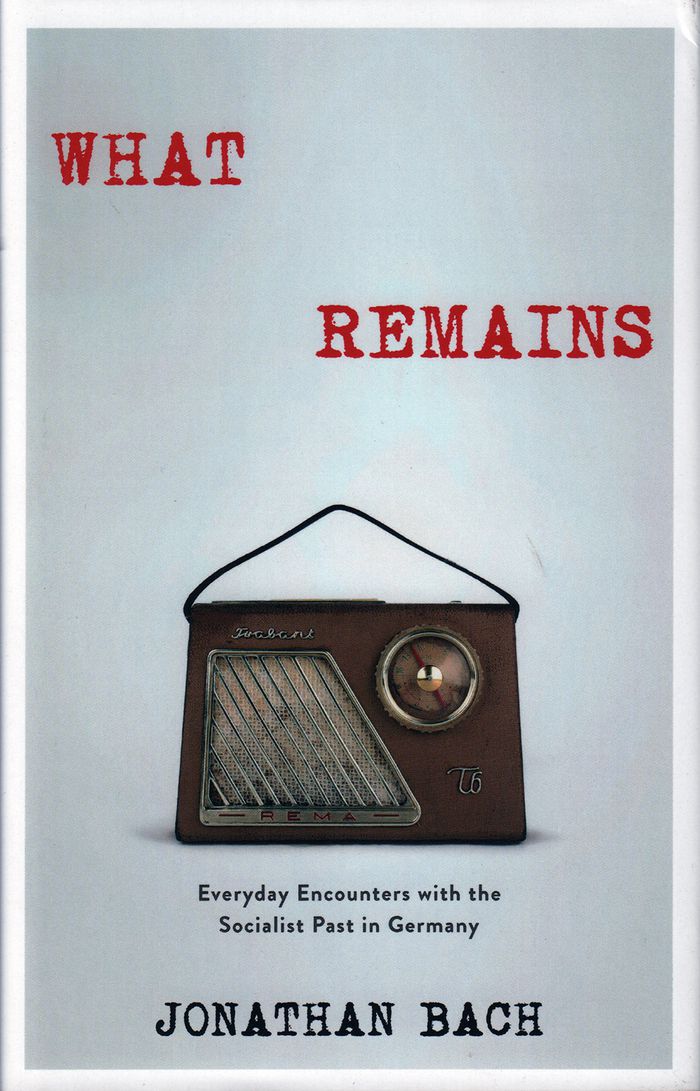
What remains: everyday encounters with the socialist past in Germany
Actions:
Price:
$38.95
(available to order)
Summary:
What happens when an entire modern state's material culture becomes abruptly obsolete? How do ordinary people encounter what remains? In this ethnography, Jonathan Bach examines the afterlife of East Germany following the fall of the Berlin Wall, as things and places from that vanished socialist past continue to circulate and shape the politics of memory.
What remains: everyday encounters with the socialist past in Germany
Actions:
Price:
$38.95
(available to order)
Summary:
What happens when an entire modern state's material culture becomes abruptly obsolete? How do ordinary people encounter what remains? In this ethnography, Jonathan Bach examines the afterlife of East Germany following the fall of the Berlin Wall, as things and places from that vanished socialist past continue to circulate and shape the politics of memory.
Form:
books
books
Publication:
August 2017
August 2017
Subject:
Architectural Theory
Architectural Theory
Form:
books
books
Price:
$27.00
(available to order)
Summary:
We don't just look at buildings: their facades, beautiful or ugly, conceal the spaces we inhabit. We are born, work, love, and die in architecture. We buy and sell it, rent it and squat in it, create and destroy it. These aspects of buildings-economic, erotic, political, and psychological-are crucial if we are to understand architecture properly. And because architecture(...)
$27.00
(available to order)
Summary:
We don't just look at buildings: their facades, beautiful or ugly, conceal the spaces we inhabit. We are born, work, love, and die in architecture. We buy and sell it, rent it and squat in it, create and destroy it. These aspects of buildings-economic, erotic, political, and psychological-are crucial if we are to understand architecture properly. And because architecture(...)
Title:
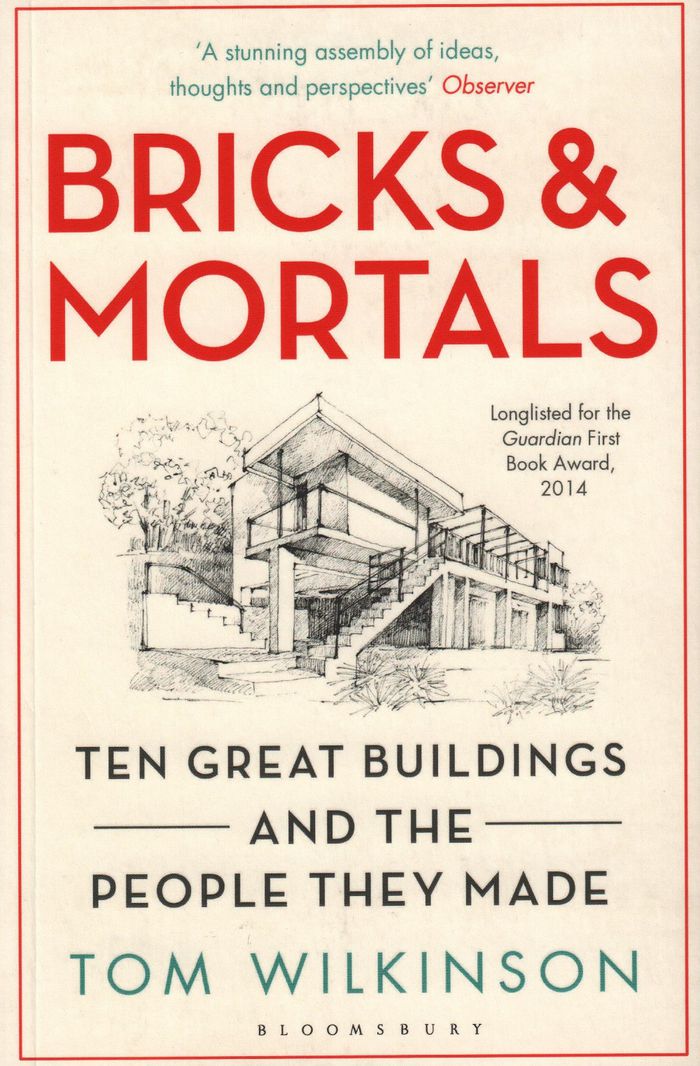
Bricks & mortals: ten great buildings and the people they made
Actions:
Price:
$27.00
(available to order)
Summary:
We don't just look at buildings: their facades, beautiful or ugly, conceal the spaces we inhabit. We are born, work, love, and die in architecture. We buy and sell it, rent it and squat in it, create and destroy it. These aspects of buildings-economic, erotic, political, and psychological-are crucial if we are to understand architecture properly. And because architecture molds us just as much as we mold it, understanding architecture helps us to understand our lives and our world. Through ten great buildings across the world, Tom Wilkinson reveals the powerful and intimate relationship between society and architecture and asks: Can architecture change our lives for the better?
Bricks & mortals: ten great buildings and the people they made
Actions:
Price:
$27.00
(available to order)
Summary:
We don't just look at buildings: their facades, beautiful or ugly, conceal the spaces we inhabit. We are born, work, love, and die in architecture. We buy and sell it, rent it and squat in it, create and destroy it. These aspects of buildings-economic, erotic, political, and psychological-are crucial if we are to understand architecture properly. And because architecture molds us just as much as we mold it, understanding architecture helps us to understand our lives and our world. Through ten great buildings across the world, Tom Wilkinson reveals the powerful and intimate relationship between society and architecture and asks: Can architecture change our lives for the better?
Form:
books
books
Publication:
March 2017
March 2017
Subject:
Architectural Theory
Architectural Theory
Form:
books
books
Price:
$49.00
(available to order)
Summary:
Buildings are more like us than we realize. They can be born into wealth or poverty, enjoying every privilege or struggling to make ends meet. They have parents - gods, kings and emperors, governments, visionaries and madmen - as well as friends and enemies. They have duties and responsibilities. They can endure crises of faith and purpose. They can succeed or fail. They(...)
$49.00
(available to order)
Summary:
Buildings are more like us than we realize. They can be born into wealth or poverty, enjoying every privilege or struggling to make ends meet. They have parents - gods, kings and emperors, governments, visionaries and madmen - as well as friends and enemies. They have duties and responsibilities. They can endure crises of faith and purpose. They can succeed or fail. They(...)
Title:
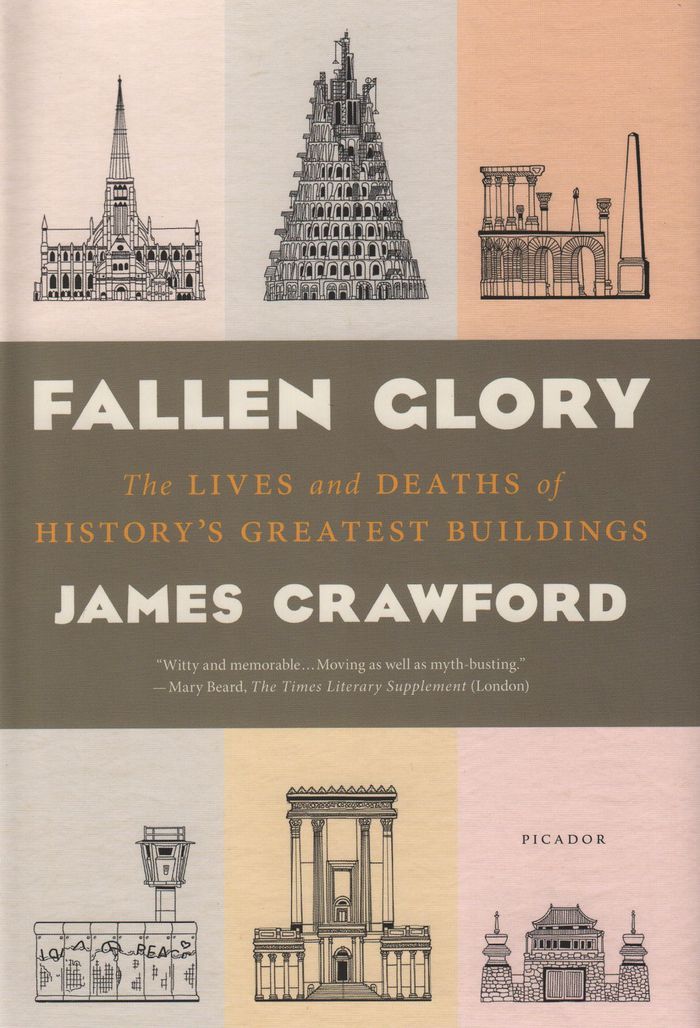
Fallen glory: the lives and deaths of history's greatest buildings
Actions:
Price:
$49.00
(available to order)
Summary:
Buildings are more like us than we realize. They can be born into wealth or poverty, enjoying every privilege or struggling to make ends meet. They have parents - gods, kings and emperors, governments, visionaries and madmen - as well as friends and enemies. They have duties and responsibilities. They can endure crises of faith and purpose. They can succeed or fail. They can live. And, sooner or later, they die. In "Fallen glory", James Crawford uncovers the biographies of some of the world's most fascinating lost and ruined buildings, from the dawn of civilization to the cyber era. The lives of these iconic structures are packed with drama and intrigue. Soap operas on the grandest scale, they feature war and religion, politics and art, love and betrayal, catastrophe and hope. Frequently their afterlives have been no less dramatic - their memories used and abused down the millennia for purposes both sacred and profane. They provide the stage for a startling array of characters, including Gilgamesh, the Cretan Minotaur, Agamemnon, Nefertiti, Genghis Khan, Henry VIII, Catherine the Great, Adolf Hitler, and even Bruce Springsteen. The twenty-one structures Crawford focuses on include The Tower of Babel, The Temple of Jerusalem, The Library of Alexandria, The Bastille, Kowloon Walled City, the Berlin Wall, and the Twin Towers of the World Trade Center. Ranging from the deserts of Iraq, the banks of the Nile and the cloud forests of Peru, to the great cities of Jerusalem, Istanbul, Paris, Rome, London and New York, Fallen Glory is a unique guide to a world of vanished architecture. And, by picking through the fragments of our past, it asks what history's scattered ruins can tell us about our own future.
Fallen glory: the lives and deaths of history's greatest buildings
Actions:
Price:
$49.00
(available to order)
Summary:
Buildings are more like us than we realize. They can be born into wealth or poverty, enjoying every privilege or struggling to make ends meet. They have parents - gods, kings and emperors, governments, visionaries and madmen - as well as friends and enemies. They have duties and responsibilities. They can endure crises of faith and purpose. They can succeed or fail. They can live. And, sooner or later, they die. In "Fallen glory", James Crawford uncovers the biographies of some of the world's most fascinating lost and ruined buildings, from the dawn of civilization to the cyber era. The lives of these iconic structures are packed with drama and intrigue. Soap operas on the grandest scale, they feature war and religion, politics and art, love and betrayal, catastrophe and hope. Frequently their afterlives have been no less dramatic - their memories used and abused down the millennia for purposes both sacred and profane. They provide the stage for a startling array of characters, including Gilgamesh, the Cretan Minotaur, Agamemnon, Nefertiti, Genghis Khan, Henry VIII, Catherine the Great, Adolf Hitler, and even Bruce Springsteen. The twenty-one structures Crawford focuses on include The Tower of Babel, The Temple of Jerusalem, The Library of Alexandria, The Bastille, Kowloon Walled City, the Berlin Wall, and the Twin Towers of the World Trade Center. Ranging from the deserts of Iraq, the banks of the Nile and the cloud forests of Peru, to the great cities of Jerusalem, Istanbul, Paris, Rome, London and New York, Fallen Glory is a unique guide to a world of vanished architecture. And, by picking through the fragments of our past, it asks what history's scattered ruins can tell us about our own future.
Form:
books
books
Publication:
March 2017
March 2017
Subject:
Architectural Theory
Architectural Theory
Form:
books
books
Price:
$22.99
(available to order)
Summary:
Have you ever wondered where rocking chairs came from, or why cheap plastic chairs are suddenly everywhere? In "Now I sit me down", the distinguished architect and writer Witold Rybczynski chronicles the history of the chair from the folding stools of pharaonic Egypt to the ubiquitous stackable monobloc chairs of today. He tells the stories of the inventor of the bentwood(...)
$22.99
(available to order)
Summary:
Have you ever wondered where rocking chairs came from, or why cheap plastic chairs are suddenly everywhere? In "Now I sit me down", the distinguished architect and writer Witold Rybczynski chronicles the history of the chair from the folding stools of pharaonic Egypt to the ubiquitous stackable monobloc chairs of today. He tells the stories of the inventor of the bentwood(...)
Title:
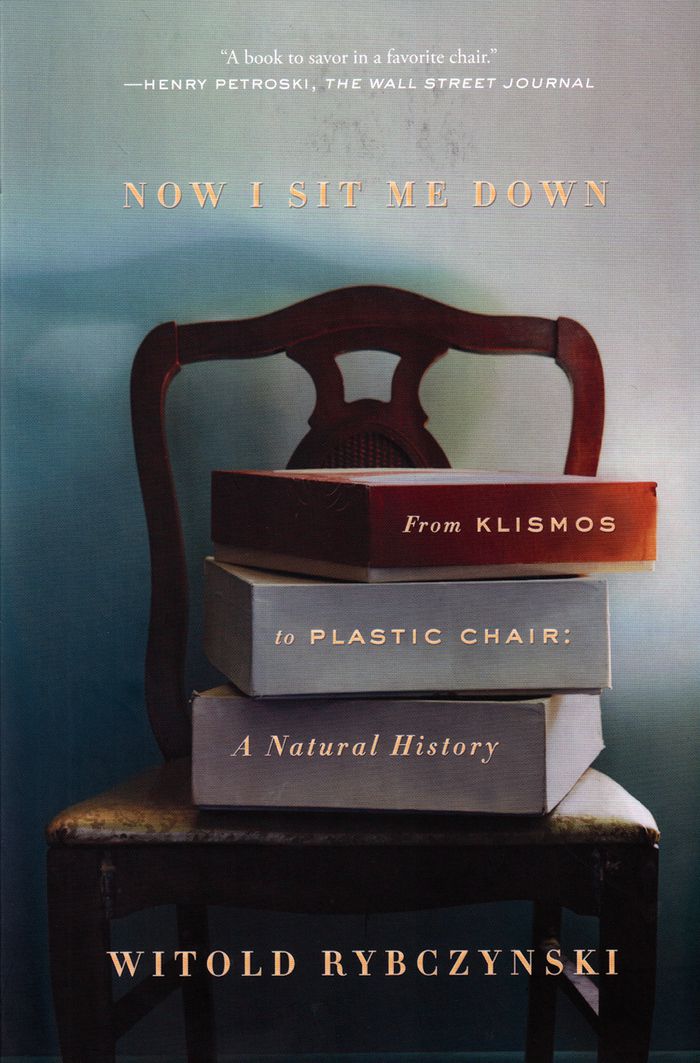
Now I sit me down: from klismos to plastic chair, a natural history
Actions:
Price:
$22.99
(available to order)
Summary:
Have you ever wondered where rocking chairs came from, or why cheap plastic chairs are suddenly everywhere? In "Now I sit me down", the distinguished architect and writer Witold Rybczynski chronicles the history of the chair from the folding stools of pharaonic Egypt to the ubiquitous stackable monobloc chairs of today. He tells the stories of the inventor of the bentwood chair, Michael Thonet, and of the creators of the first molded-plywood chair, Charles and Ray Eames. He reveals the history of chairs to be a social history—of different ways of sitting, of changing manners and attitudes, and of varying tastes. The history of chairs is the history of who we are. We learn how the ancient Chinese switched from sitting on the floor to sitting in a chair, and how the iconic chair of Middle America—the BarcaLounger—traces its roots back to the Bauhaus. Rybczynski weaves a rich tapestry that draws on art and design history, personal experience, and historical accounts. And he pairs these stories with his own delightful hand-drawn illustrations: colonial rockers and English cabrioles, languorous chaise longues and no-nonsense ergonomic task chairs—they’re all here. The famous Danish furniture designer Hans Wegner once remarked, “A chair is only finished when someone sits in it.” As Rybczynski tells it, the way we choose to sit and what we choose to sit on speak volumes about our values, our tastes, and the things we hold dear.
Now I sit me down: from klismos to plastic chair, a natural history
Actions:
Price:
$22.99
(available to order)
Summary:
Have you ever wondered where rocking chairs came from, or why cheap plastic chairs are suddenly everywhere? In "Now I sit me down", the distinguished architect and writer Witold Rybczynski chronicles the history of the chair from the folding stools of pharaonic Egypt to the ubiquitous stackable monobloc chairs of today. He tells the stories of the inventor of the bentwood chair, Michael Thonet, and of the creators of the first molded-plywood chair, Charles and Ray Eames. He reveals the history of chairs to be a social history—of different ways of sitting, of changing manners and attitudes, and of varying tastes. The history of chairs is the history of who we are. We learn how the ancient Chinese switched from sitting on the floor to sitting in a chair, and how the iconic chair of Middle America—the BarcaLounger—traces its roots back to the Bauhaus. Rybczynski weaves a rich tapestry that draws on art and design history, personal experience, and historical accounts. And he pairs these stories with his own delightful hand-drawn illustrations: colonial rockers and English cabrioles, languorous chaise longues and no-nonsense ergonomic task chairs—they’re all here. The famous Danish furniture designer Hans Wegner once remarked, “A chair is only finished when someone sits in it.” As Rybczynski tells it, the way we choose to sit and what we choose to sit on speak volumes about our values, our tastes, and the things we hold dear.
Form:
books
books
Publication:
August 2017
August 2017
Subject:
Design Theory
Design Theory
Form:
books
books
Actions:
Price:
$62.00
(available to order)
Summary:
“The North” has long held powerful sway in Western culture. Often seen through contradictions —empty of life yet full of promise, populated by indigenous communities yet ripe for conquest, pristine yet marked by a long human history —the North has moved to the foreground of contemporary life as the most dramatic stage for the reality of climate change. This book(...)
$62.00
(available to order)
Summary:
“The North” has long held powerful sway in Western culture. Often seen through contradictions —empty of life yet full of promise, populated by indigenous communities yet ripe for conquest, pristine yet marked by a long human history —the North has moved to the foreground of contemporary life as the most dramatic stage for the reality of climate change. This book(...)
Title:
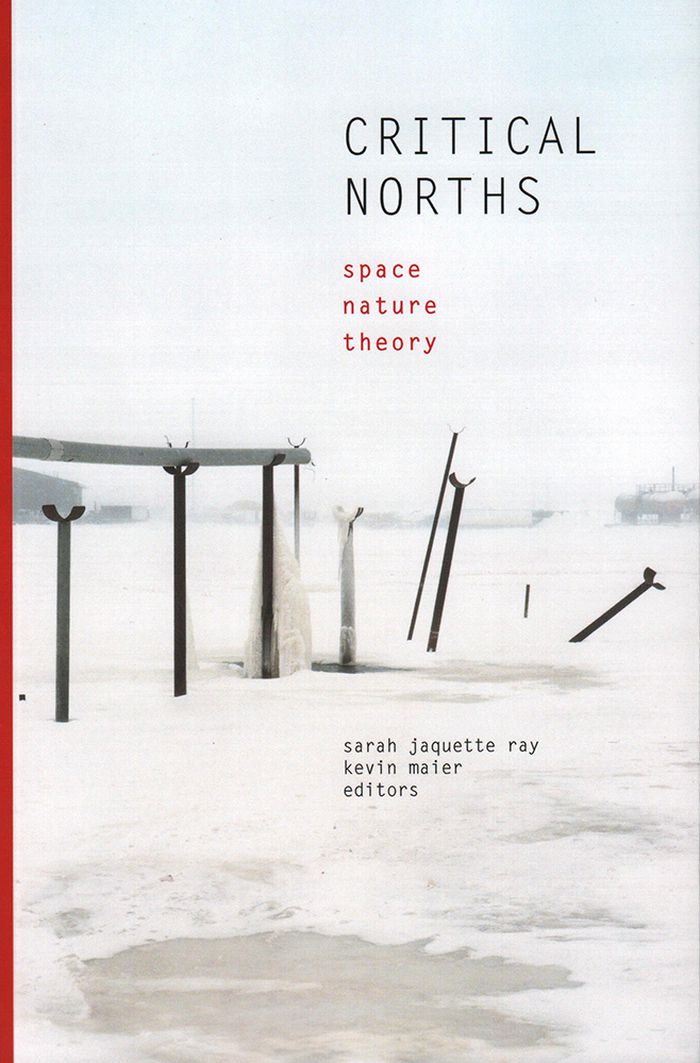
Critical norths: space, nature, theory
Actions:
Price:
$62.00
(available to order)
Summary:
“The North” has long held powerful sway in Western culture. Often seen through contradictions —empty of life yet full of promise, populated by indigenous communities yet ripe for conquest, pristine yet marked by a long human history —the North has moved to the foreground of contemporary life as the most dramatic stage for the reality of climate change. This book brings together scholars from a range of disciplines to ask key questions about the North and how we’ve conceived it—and how conceiving of it in those terms has caused us to fail the region’s human and nonhuman life. Engaging questions of space, place, ingenuity, identity, nature, the environment, justice, narrative, history, and more; it offers a crucial starting point for an essential rethinking of both the idea and the reality of the North.
Critical norths: space, nature, theory
Actions:
Price:
$62.00
(available to order)
Summary:
“The North” has long held powerful sway in Western culture. Often seen through contradictions —empty of life yet full of promise, populated by indigenous communities yet ripe for conquest, pristine yet marked by a long human history —the North has moved to the foreground of contemporary life as the most dramatic stage for the reality of climate change. This book brings together scholars from a range of disciplines to ask key questions about the North and how we’ve conceived it—and how conceiving of it in those terms has caused us to fail the region’s human and nonhuman life. Engaging questions of space, place, ingenuity, identity, nature, the environment, justice, narrative, history, and more; it offers a crucial starting point for an essential rethinking of both the idea and the reality of the North.
Form:
books
books
Publication:
May 2017
May 2017
Subject:
Architectural Theory
Architectural Theory
Form:
books
books
Price:
$34.95
(available to order)
Summary:
Scale is perhaps the most spectacularly overlooked aspect of artistic production. As photographic and digital reproductions have essentially dematerialized art, critical and historical research dealing with scale—both within the American critical tradition and abroad—has become scattered and insufficiently theorized. However, by posing a specific challenge, such research(...)
$34.95
(available to order)
Summary:
Scale is perhaps the most spectacularly overlooked aspect of artistic production. As photographic and digital reproductions have essentially dematerialized art, critical and historical research dealing with scale—both within the American critical tradition and abroad—has become scattered and insufficiently theorized. However, by posing a specific challenge, such research(...)
Title:
Scale
Actions:
Price:
$34.95
(available to order)
Summary:
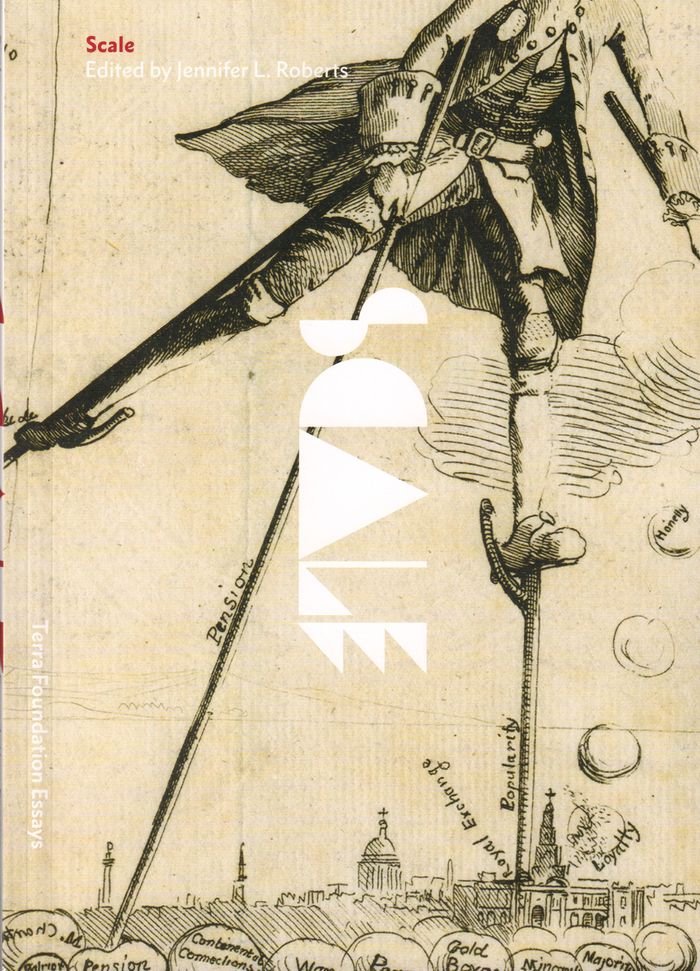
Scale is perhaps the most spectacularly overlooked aspect of artistic production. As photographic and digital reproductions have essentially dematerialized art, critical and historical research dealing with scale—both within the American critical tradition and abroad—has become scattered and insufficiently theorized. However, by posing a specific challenge, such research forces a heightened recognition of both the properties of materials and the deep technical knowledge of makers. A reconsideration of scalar relationships in American art and visual culture therefore reveals original insights. "Scale" is the second volume in the Terra Foundation Essays series. With eighty color illustrations and a wealth of new research from Glenn Adamson, Wendy Bellion, Wouter Davidts, Darcy Grimaldo Grigsby, Christopher P. Heuer, Joshua G. Stein, and Jason Weems, it explores viewers’ physical relationship to Barnett Newman’s abstract canvases, the arduous engineering behind the creation of Mount Rushmore, and the charged significance of liberty poles in the landscape of eighteenth-century New York, among other topics that range from studies of specific works of art to significant conceptual and theoretical concerns.
Scale
Actions:
Price:
$34.95
(available to order)
Summary:
Scale is perhaps the most spectacularly overlooked aspect of artistic production. As photographic and digital reproductions have essentially dematerialized art, critical and historical research dealing with scale—both within the American critical tradition and abroad—has become scattered and insufficiently theorized. However, by posing a specific challenge, such research forces a heightened recognition of both the properties of materials and the deep technical knowledge of makers. A reconsideration of scalar relationships in American art and visual culture therefore reveals original insights. "Scale" is the second volume in the Terra Foundation Essays series. With eighty color illustrations and a wealth of new research from Glenn Adamson, Wendy Bellion, Wouter Davidts, Darcy Grimaldo Grigsby, Christopher P. Heuer, Joshua G. Stein, and Jason Weems, it explores viewers’ physical relationship to Barnett Newman’s abstract canvases, the arduous engineering behind the creation of Mount Rushmore, and the charged significance of liberty poles in the landscape of eighteenth-century New York, among other topics that range from studies of specific works of art to significant conceptual and theoretical concerns.
Form:
books
books
Publication:
November 2016
November 2016
Subject:
Art Theory
Art Theory
Form:
books
books
Title:
Fear, reverence, terror
Fear, reverence, terror
Actions:
Price:
$55.50
(available to order)
Summary:
We are surrounded by images, fairly drowning in them. From our cell phones to our computers, from our televisions at home to the screens that light up while we wait in the grocery store checkout line, images of all kinds are seducing us, commanding us to buy!, scaring us, dazzling us. "Fear, reverence, terror" invites us to look at images slowly, with the help of a few(...)
$55.50
(available to order)
Summary:
We are surrounded by images, fairly drowning in them. From our cell phones to our computers, from our televisions at home to the screens that light up while we wait in the grocery store checkout line, images of all kinds are seducing us, commanding us to buy!, scaring us, dazzling us. "Fear, reverence, terror" invites us to look at images slowly, with the help of a few(...)
Title:
Fear, reverence, terror
Actions:
Price:
$55.50
(available to order)
Summary:
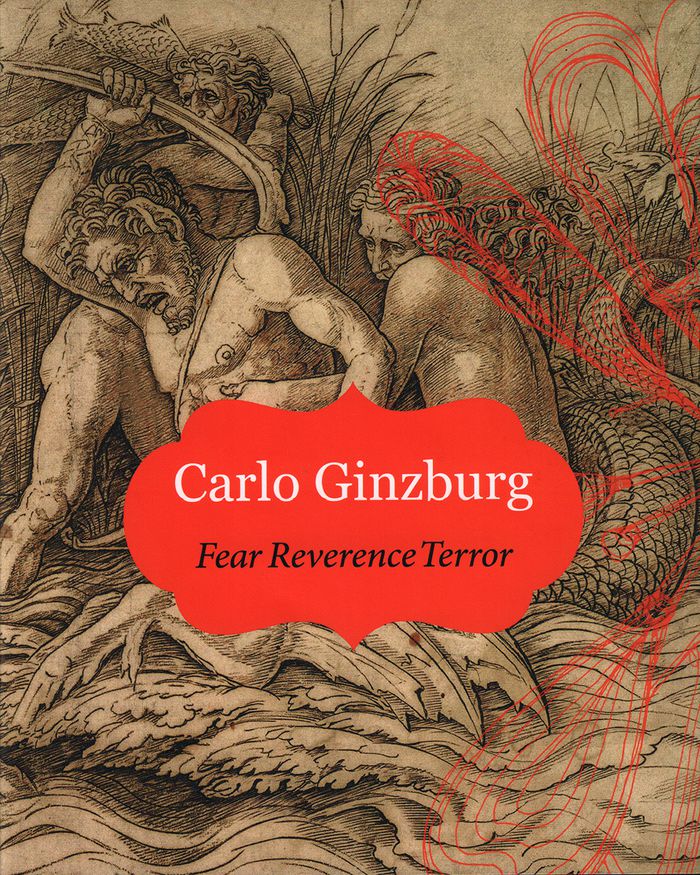
We are surrounded by images, fairly drowning in them. From our cell phones to our computers, from our televisions at home to the screens that light up while we wait in the grocery store checkout line, images of all kinds are seducing us, commanding us to buy!, scaring us, dazzling us. "Fear, reverence, terror" invites us to look at images slowly, with the help of a few examples: Picasso’s Guernica, the “Lord Kitchener wants you” World War I recruitment poster, Jacques-Louis David’s Marat, the frontispiece of Thomas Hobbes’s Leviathan, a cup of gilded silver with scenes from the conquest of the New World. Are these political images, Carlo Ginzburg asks? Yes, because every image is, in a sense, political—an instrument of power. Tacitus once wrote, unforgettably, that we are enslaved by lies of which we ourselves are the authors. Is it possible to break this bond? Fear, Reverence, Terror will answer this question.
Fear, reverence, terror
Actions:
Price:
$55.50
(available to order)
Summary:
We are surrounded by images, fairly drowning in them. From our cell phones to our computers, from our televisions at home to the screens that light up while we wait in the grocery store checkout line, images of all kinds are seducing us, commanding us to buy!, scaring us, dazzling us. "Fear, reverence, terror" invites us to look at images slowly, with the help of a few examples: Picasso’s Guernica, the “Lord Kitchener wants you” World War I recruitment poster, Jacques-Louis David’s Marat, the frontispiece of Thomas Hobbes’s Leviathan, a cup of gilded silver with scenes from the conquest of the New World. Are these political images, Carlo Ginzburg asks? Yes, because every image is, in a sense, political—an instrument of power. Tacitus once wrote, unforgettably, that we are enslaved by lies of which we ourselves are the authors. Is it possible to break this bond? Fear, Reverence, Terror will answer this question.
Form:
books
books
Publication:
August 2017
August 2017
Subject:
Art Theory
Art Theory
Form:
books
books
Title:
À nous la ville!
À nous la ville!
Actions:
Price:
$22.00
(available to order)
Summary:
Les villes peuvent-elles changer le monde ? Considérées comme les espaces où se joueront en grande partie les luttes politiques du XXIe siècle, les villes tardent pourtant à susciter l’attention qu’elles méritent dans les cercles progressistes. Pour Jonathan Durand Folco, la gauche doit urgemment investir cet espace politique qui est au centre des enjeux sociaux,(...)
$22.00
(available to order)
Summary:
Les villes peuvent-elles changer le monde ? Considérées comme les espaces où se joueront en grande partie les luttes politiques du XXIe siècle, les villes tardent pourtant à susciter l’attention qu’elles méritent dans les cercles progressistes. Pour Jonathan Durand Folco, la gauche doit urgemment investir cet espace politique qui est au centre des enjeux sociaux,(...)
Title:
À nous la ville!
Actions:
Price:
$22.00
(available to order)
Summary:
Les villes peuvent-elles changer le monde ? Considérées comme les espaces où se joueront en grande partie les luttes politiques du XXIe siècle, les villes tardent pourtant à susciter l’attention qu’elles méritent dans les cercles progressistes. Pour Jonathan Durand Folco, la gauche doit urgemment investir cet espace politique qui est au centre des enjeux sociaux, économiques et écologiques du XXIe siècle et qui possède un potentiel de transformation inédit. Prenant appui sur de solides bases théoriques, nourri des expériences d’ici et d’ailleurs, l’auteur expose les contours d’une nouvelle stratégie politique : le municipalisme. Il montre que la ville est au cœur des contradictions du capitalisme avancé, qu’une tension de plus en plus forte s’exprime entre le développement de la « ville néolibérale » et les revendications du « droit à la ville », et que la question écologique, la spéculation immobilière et la défense des communs sont au centre des mobilisations citoyennes. Cherchant à dépasser le clivage ville/région et à surmonter les écueils posés par les stratégies de transformation sociale « par le haut » ou « par le bas », Jonathan Durand Folco donne des pistes pour s’organiser et passer à l’action. Comment penser le front municipal ? Comment articuler les échelles locale, nationale et internationale dans la perspective d’une République sociale vue comme Commune des communes ? À quels problèmes organisationnels faisons-nous face ? Cela passerait-il par la création d’un Réseau d’action municipale ? Et selon quelles valeurs et quels principes organisationnels ? Autant de questions auxquelles tente de répondre l’auteur pour réhabiliter la municipalité comme espace politique et vecteur de transformation sociale.
À nous la ville!
Actions:
Price:
$22.00
(available to order)
Summary:
Les villes peuvent-elles changer le monde ? Considérées comme les espaces où se joueront en grande partie les luttes politiques du XXIe siècle, les villes tardent pourtant à susciter l’attention qu’elles méritent dans les cercles progressistes. Pour Jonathan Durand Folco, la gauche doit urgemment investir cet espace politique qui est au centre des enjeux sociaux, économiques et écologiques du XXIe siècle et qui possède un potentiel de transformation inédit. Prenant appui sur de solides bases théoriques, nourri des expériences d’ici et d’ailleurs, l’auteur expose les contours d’une nouvelle stratégie politique : le municipalisme. Il montre que la ville est au cœur des contradictions du capitalisme avancé, qu’une tension de plus en plus forte s’exprime entre le développement de la « ville néolibérale » et les revendications du « droit à la ville », et que la question écologique, la spéculation immobilière et la défense des communs sont au centre des mobilisations citoyennes. Cherchant à dépasser le clivage ville/région et à surmonter les écueils posés par les stratégies de transformation sociale « par le haut » ou « par le bas », Jonathan Durand Folco donne des pistes pour s’organiser et passer à l’action. Comment penser le front municipal ? Comment articuler les échelles locale, nationale et internationale dans la perspective d’une République sociale vue comme Commune des communes ? À quels problèmes organisationnels faisons-nous face ? Cela passerait-il par la création d’un Réseau d’action municipale ? Et selon quelles valeurs et quels principes organisationnels ? Autant de questions auxquelles tente de répondre l’auteur pour réhabiliter la municipalité comme espace politique et vecteur de transformation sociale.
Form:
books
books
Publication:
March 2017
March 2017
Subject:
Urban Theory
Urban Theory
Form:
books
books
Title:
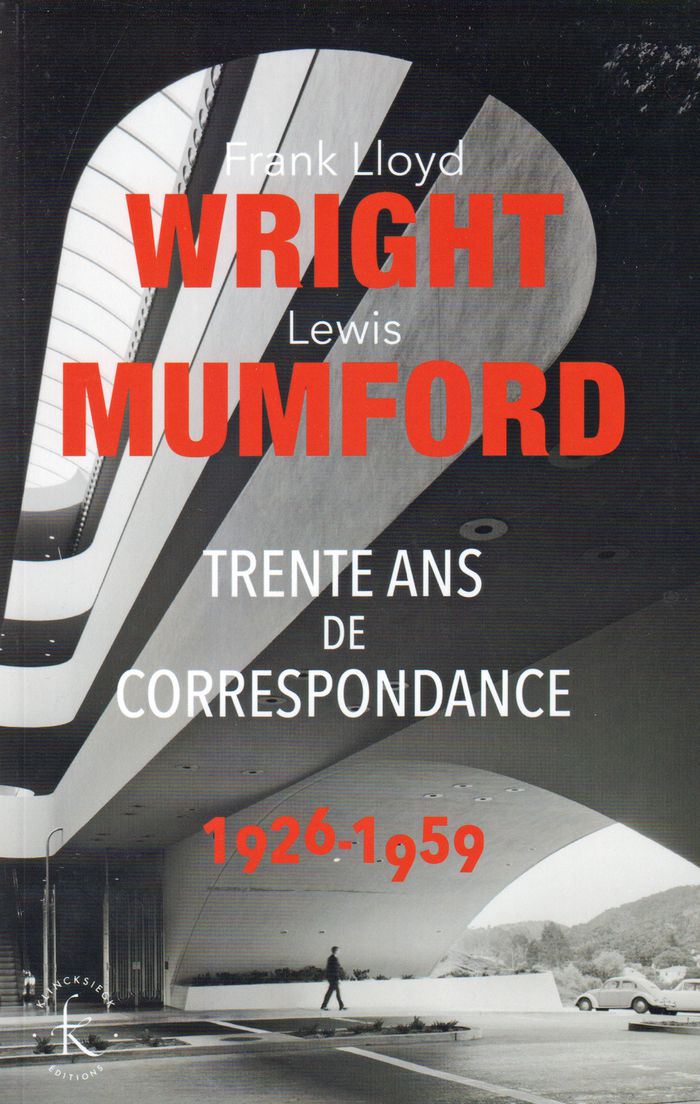
Trente ans de correspondance
Trente ans de correspondance
Actions:
Price:
$47.95
(available to order)
Summary:
rank Lloyd Wright (1867-1959), le célèbre architecte et théoricien de l'architecture organique, et l'historien et critique Lewis Mumford (1895-1990) ont joué un rôle crucial dans l’histoire de l’architecture et de l’urbanisme, comme en témoignent les quelque cent cinquante lettres qu’ils ont échangées de 1926 à 1959. Cette correspondance passionnante, clairvoyante et(...)
$47.95
(available to order)
Summary:
rank Lloyd Wright (1867-1959), le célèbre architecte et théoricien de l'architecture organique, et l'historien et critique Lewis Mumford (1895-1990) ont joué un rôle crucial dans l’histoire de l’architecture et de l’urbanisme, comme en témoignent les quelque cent cinquante lettres qu’ils ont échangées de 1926 à 1959. Cette correspondance passionnante, clairvoyante et(...)
Title:
Trente ans de correspondance
Actions:
Price:
$47.95
(available to order)
Summary:
rank Lloyd Wright (1867-1959), le célèbre architecte et théoricien de l'architecture organique, et l'historien et critique Lewis Mumford (1895-1990) ont joué un rôle crucial dans l’histoire de l’architecture et de l’urbanisme, comme en témoignent les quelque cent cinquante lettres qu’ils ont échangées de 1926 à 1959. Cette correspondance passionnante, clairvoyante et spirituelle, mais non dépourvue de tensions, illustre à merveille le débat intellectuel sur l’architecture américaine et internationale du xxe siècle.
Trente ans de correspondance
Actions:
Price:
$47.95
(available to order)
Summary:
rank Lloyd Wright (1867-1959), le célèbre architecte et théoricien de l'architecture organique, et l'historien et critique Lewis Mumford (1895-1990) ont joué un rôle crucial dans l’histoire de l’architecture et de l’urbanisme, comme en témoignent les quelque cent cinquante lettres qu’ils ont échangées de 1926 à 1959. Cette correspondance passionnante, clairvoyante et spirituelle, mais non dépourvue de tensions, illustre à merveille le débat intellectuel sur l’architecture américaine et internationale du xxe siècle.
Form:
books
books
Publication:
February 2017
February 2017
Subject:
Architectural Theory
Architectural Theory
Form:
books
books
Title:
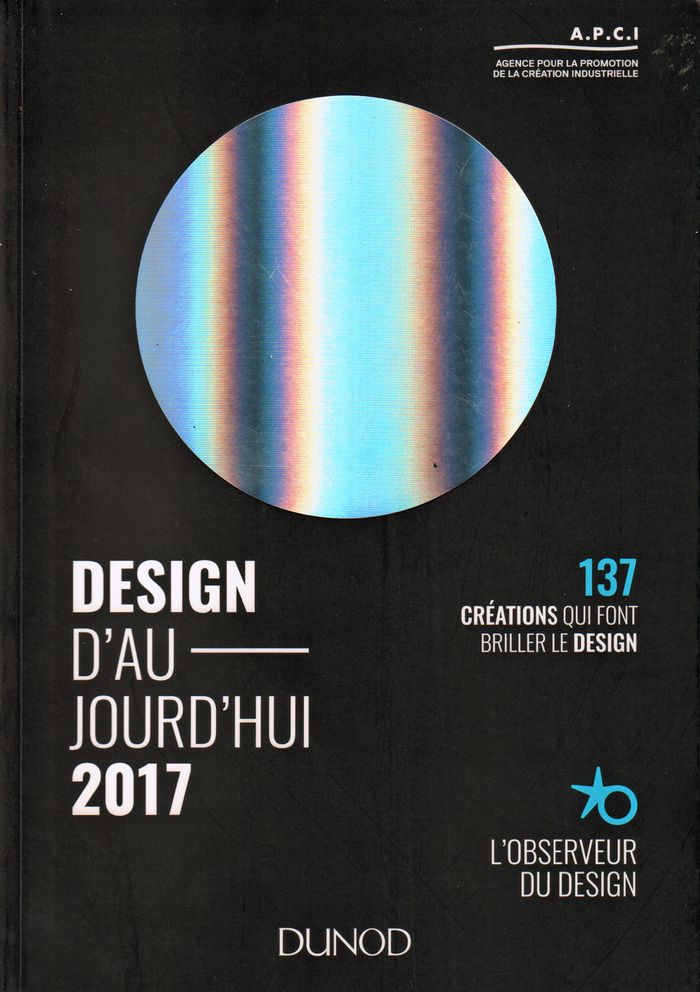
Design d'aujourd'hui
Design d'aujourd'hui
Actions:
Price:
$50.95
(available to order)
Summary:
Design de produits, d’espaces, d’interaction, de service… Le design est omniprésent. Il évolue sans cesse, s’adapte à nos vies, à nos envies, à nos besoins qu’il anticipe parfois. À la fois enjeu économique, culturel et de civilisation, le design est un vecteur de croissance et de différenciation pour les entreprises, un formidable moyen d’expression pour les créateurs et(...)
$50.95
(available to order)
Summary:
Design de produits, d’espaces, d’interaction, de service… Le design est omniprésent. Il évolue sans cesse, s’adapte à nos vies, à nos envies, à nos besoins qu’il anticipe parfois. À la fois enjeu économique, culturel et de civilisation, le design est un vecteur de croissance et de différenciation pour les entreprises, un formidable moyen d’expression pour les créateurs et(...)
Title:
Design d'aujourd'hui
Actions:
Price:
$50.95
(available to order)
Summary:
Design de produits, d’espaces, d’interaction, de service… Le design est omniprésent. Il évolue sans cesse, s’adapte à nos vies, à nos envies, à nos besoins qu’il anticipe parfois. À la fois enjeu économique, culturel et de civilisation, le design est un vecteur de croissance et de différenciation pour les entreprises, un formidable moyen d’expression pour les créateurs et un outil indispensable à toute démarche visant à concilier progrès et respect de l’environnement. Après avoir donné la parole à quelques acteurs importants du design, cet ouvrage présente 137 créations issues du savoir-faire et de l’imagination des designers d’aujourd’hui. 137 designs étonnants, pratiques, ludiques ou performants, qui témoignent de l’importance du design et de ce qu’il nous réserve de plus beau.
Design d'aujourd'hui
Actions:
Price:
$50.95
(available to order)
Summary:
Design de produits, d’espaces, d’interaction, de service… Le design est omniprésent. Il évolue sans cesse, s’adapte à nos vies, à nos envies, à nos besoins qu’il anticipe parfois. À la fois enjeu économique, culturel et de civilisation, le design est un vecteur de croissance et de différenciation pour les entreprises, un formidable moyen d’expression pour les créateurs et un outil indispensable à toute démarche visant à concilier progrès et respect de l’environnement. Après avoir donné la parole à quelques acteurs importants du design, cet ouvrage présente 137 créations issues du savoir-faire et de l’imagination des designers d’aujourd’hui. 137 designs étonnants, pratiques, ludiques ou performants, qui témoignent de l’importance du design et de ce qu’il nous réserve de plus beau.
Form:
books
books
Publication:
January 2017
January 2017
Subject:
Design Theory
Design Theory


