


8791 Results
Form:
books
books
Title:
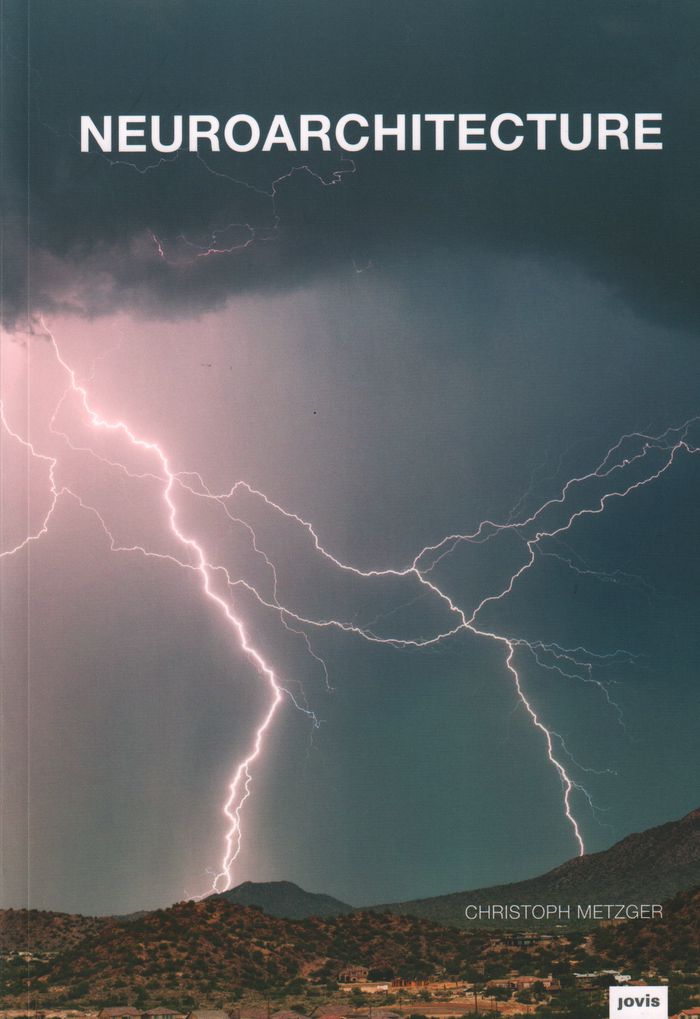
Neuroarchitecture
Neuroarchitecture
Actions:
Price:
$46.95
(available to order)
Summary:
Architectural spaces are anchors for our memory. We find our place in the room by means of our sensory perception; the brain makes use of surfaces and spatial systems in order to organize the world we live in. Taking this principle as a given, this volume tracks what happens when the results of recent neuroscientific research are applied to architectural practice. In this(...)
$46.95
(available to order)
Summary:
Architectural spaces are anchors for our memory. We find our place in the room by means of our sensory perception; the brain makes use of surfaces and spatial systems in order to organize the world we live in. Taking this principle as a given, this volume tracks what happens when the results of recent neuroscientific research are applied to architectural practice. In this(...)
Title:
Neuroarchitecture
Actions:
Price:
$46.95
(available to order)
Summary:
Architectural spaces are anchors for our memory. We find our place in the room by means of our sensory perception; the brain makes use of surfaces and spatial systems in order to organize the world we live in. Taking this principle as a given, this volume tracks what happens when the results of recent neuroscientific research are applied to architectural practice. In this volume, architectural theorist Christoph Metzger analyzes buildings designed by Alvar Aalto, Sou Fujimoto, Hugo Häring, Philip Johnson, Hermann Muthesius, Juhani Pallasmaa, James Stirling, Frank Lloyd Wright and Peter Zumthor in order to develop criteria for a modern, human-focused architecture that builds on neuroscientific knowledge. "Neuroarchitecture" links neuroscience, perception theory and Gestalt psychology, as well as music, art and architecture, in a holistic approach that focuses on the laws of structure formation and the movement of the individual within architectural space.
Neuroarchitecture
Actions:
Price:
$46.95
(available to order)
Summary:
Architectural spaces are anchors for our memory. We find our place in the room by means of our sensory perception; the brain makes use of surfaces and spatial systems in order to organize the world we live in. Taking this principle as a given, this volume tracks what happens when the results of recent neuroscientific research are applied to architectural practice. In this volume, architectural theorist Christoph Metzger analyzes buildings designed by Alvar Aalto, Sou Fujimoto, Hugo Häring, Philip Johnson, Hermann Muthesius, Juhani Pallasmaa, James Stirling, Frank Lloyd Wright and Peter Zumthor in order to develop criteria for a modern, human-focused architecture that builds on neuroscientific knowledge. "Neuroarchitecture" links neuroscience, perception theory and Gestalt psychology, as well as music, art and architecture, in a holistic approach that focuses on the laws of structure formation and the movement of the individual within architectural space.
Form:
books
books
Publication:
July 2018
July 2018
Subject:
Contemporary Architecture
Contemporary Architecture
Form:
books
books
Title:
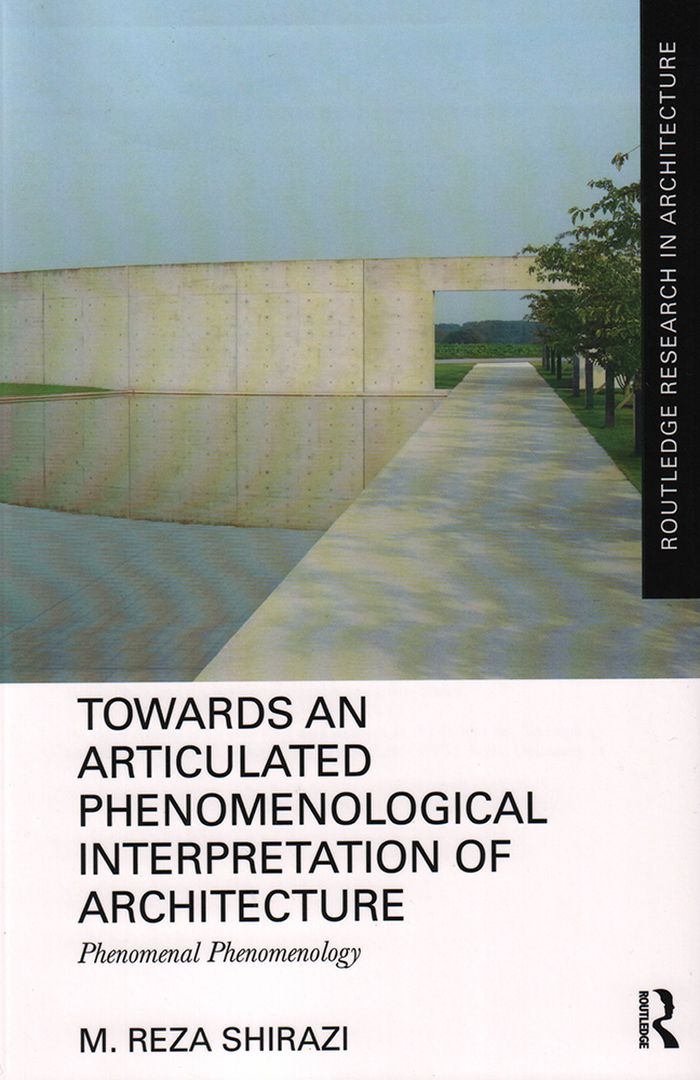
Towards an articulated phenomenological interpretation of architecture: phenomenal phenomenology
Towards an articulated phenomenological interpretation of architecture: phenomenal phenomenology
Actions:
Price:
$74.10
(available to order)
Summary:
This book sheds light on the contemporary status of phenomenological discourse in architecture and investigates its current scholastic as well as practical position. Starting with a concise introduction to the philosophical grounds of phenomenology from the points of view of Husserl, Merleau-Ponty and Heidegger, it presents a critical reading of the works of some leading(...)
$74.10
(available to order)
Summary:
This book sheds light on the contemporary status of phenomenological discourse in architecture and investigates its current scholastic as well as practical position. Starting with a concise introduction to the philosophical grounds of phenomenology from the points of view of Husserl, Merleau-Ponty and Heidegger, it presents a critical reading of the works of some leading(...)
Title:
Towards an articulated phenomenological interpretation of architecture: phenomenal phenomenology
Actions:
Price:
$74.10
(available to order)
Summary:
This book sheds light on the contemporary status of phenomenological discourse in architecture and investigates its current scholastic as well as practical position. Starting with a concise introduction to the philosophical grounds of phenomenology from the points of view of Husserl, Merleau-Ponty and Heidegger, it presents a critical reading of the works of some leading figures of architectural phenomenology in both theory and practice, such as Christian Norberg-Schultz, Kenneth Frampton, Juhani Pallasmaa, and Steven Holl. Highlighting the main challenges of the current phenomenological discourse in architecture, this book formulates a more articulated method of 'phenomenological interpretation' – dubbed 'phenomenal phenomenology' - as a new and innovative method of interpreting the built environment. Finally, using Tadao Ando's Langen Foundation Museum as a case study, it investigates the architect's contribution to phenomenological discourse, interprets and analyzes the Museum building using the new heuristic method, and thus provides a clear example of its applicability.
Towards an articulated phenomenological interpretation of architecture: phenomenal phenomenology
Actions:
Price:
$74.10
(available to order)
Summary:
This book sheds light on the contemporary status of phenomenological discourse in architecture and investigates its current scholastic as well as practical position. Starting with a concise introduction to the philosophical grounds of phenomenology from the points of view of Husserl, Merleau-Ponty and Heidegger, it presents a critical reading of the works of some leading figures of architectural phenomenology in both theory and practice, such as Christian Norberg-Schultz, Kenneth Frampton, Juhani Pallasmaa, and Steven Holl. Highlighting the main challenges of the current phenomenological discourse in architecture, this book formulates a more articulated method of 'phenomenological interpretation' – dubbed 'phenomenal phenomenology' - as a new and innovative method of interpreting the built environment. Finally, using Tadao Ando's Langen Foundation Museum as a case study, it investigates the architect's contribution to phenomenological discourse, interprets and analyzes the Museum building using the new heuristic method, and thus provides a clear example of its applicability.
Form:
books
books
Publication:
October 2016
October 2016
Subject:
Architectural Theory
Architectural Theory
Form:
books
books
Title:
Peirce for Architects
Peirce for Architects
Actions:
Price:
$48.95
(available to order)
Summary:
Ideas gain legitimacy as they are put to some practical use. A study of Charles Sanders Peirce (1839-1914) supports this pragmatism as a way of thinking about truth and meaning. Architecture has a strong pragmatic strand, not least as we think of building users, architecture as a practice, the practical demands of building, and utility. Peirce's commitment to logic led(...)
$48.95
(available to order)
Summary:
Ideas gain legitimacy as they are put to some practical use. A study of Charles Sanders Peirce (1839-1914) supports this pragmatism as a way of thinking about truth and meaning. Architecture has a strong pragmatic strand, not least as we think of building users, architecture as a practice, the practical demands of building, and utility. Peirce's commitment to logic led(...)
Title:
Peirce for Architects
Actions:
Price:
$48.95
(available to order)
Summary:
Ideas gain legitimacy as they are put to some practical use. A study of Charles Sanders Peirce (1839-1914) supports this pragmatism as a way of thinking about truth and meaning. Architecture has a strong pragmatic strand, not least as we think of building users, architecture as a practice, the practical demands of building, and utility. Peirce's commitment to logic led him to investigate the basic elements of logical statements, notably the element of the sign. His best-known contribution to design revolves around his intricate theory of semiotics, the science of signs. The study of semiotics divided around the 1980s between advocates of Peirce's semiotics, and the broader, more politically charged field of structuralism. The latter has held sway in architectural discourse since the 1980s. Why this happened and what we gain by reviving a Peircean semiotics is the task of this book.
Peirce for Architects
Actions:
Price:
$48.95
(available to order)
Summary:
Ideas gain legitimacy as they are put to some practical use. A study of Charles Sanders Peirce (1839-1914) supports this pragmatism as a way of thinking about truth and meaning. Architecture has a strong pragmatic strand, not least as we think of building users, architecture as a practice, the practical demands of building, and utility. Peirce's commitment to logic led him to investigate the basic elements of logical statements, notably the element of the sign. His best-known contribution to design revolves around his intricate theory of semiotics, the science of signs. The study of semiotics divided around the 1980s between advocates of Peirce's semiotics, and the broader, more politically charged field of structuralism. The latter has held sway in architectural discourse since the 1980s. Why this happened and what we gain by reviving a Peircean semiotics is the task of this book.
Form:
books
books
Publication:
March 2019
March 2019
Subject:
Architectural Theory
Architectural Theory
Form:
books
books

Actions:
Price:
$125.00
(available to order)
Summary:
In the 1960s and '70s, Lee Friedlander (born 1934) developed his signature approach to documenting the American “social landscape”: deadpan, structurally complex black-and-white photographs of seemingly anything, anybody or anyplace that passed in front of his lens. But as he was making his name as a documentary photographer capturing the look and feel of modern American(...)
$125.00
(available to order)
Summary:
In the 1960s and '70s, Lee Friedlander (born 1934) developed his signature approach to documenting the American “social landscape”: deadpan, structurally complex black-and-white photographs of seemingly anything, anybody or anyplace that passed in front of his lens. But as he was making his name as a documentary photographer capturing the look and feel of modern American(...)
Title:
Lee Friedlander: the mind and the hand
Actions:
Price:
$125.00
(available to order)
Summary:
In the 1960s and '70s, Lee Friedlander (born 1934) developed his signature approach to documenting the American “social landscape”: deadpan, structurally complex black-and-white photographs of seemingly anything, anybody or anyplace that passed in front of his lens. But as he was making his name as a documentary photographer capturing the look and feel of modern American life, he was also photographing his closest friends, a practice he has continued throughout his long career. A slipcased set of six paperback books, "The Mind and the Hand" presents the photographer’s intimate portraits of six of his best friends taken over the past five decades. The subjects, each presented in their own separate volume, comprise a veritable who's who of one of America's most fertile periods in photography: Richard Benson, William Christenberry, William Eggleston, Walker Evans, John Szarkowski and Garry Winogrand. Each volume begins with a relevant quote from its subject.
Lee Friedlander: the mind and the hand
Actions:
Price:
$125.00
(available to order)
Summary:
In the 1960s and '70s, Lee Friedlander (born 1934) developed his signature approach to documenting the American “social landscape”: deadpan, structurally complex black-and-white photographs of seemingly anything, anybody or anyplace that passed in front of his lens. But as he was making his name as a documentary photographer capturing the look and feel of modern American life, he was also photographing his closest friends, a practice he has continued throughout his long career. A slipcased set of six paperback books, "The Mind and the Hand" presents the photographer’s intimate portraits of six of his best friends taken over the past five decades. The subjects, each presented in their own separate volume, comprise a veritable who's who of one of America's most fertile periods in photography: Richard Benson, William Christenberry, William Eggleston, Walker Evans, John Szarkowski and Garry Winogrand. Each volume begins with a relevant quote from its subject.
Form:
books
books
Publication:
April 2019
April 2019
Subject:
Photography monographs
Photography monographs
Form:
books
books
Actions:
Price:
$79.00
(available to order)
Summary:
The British architect David Chipperfield (born 1953) founded his eponymous design firm in 1985, and has been an exemplary exponent of modernism and its ongoing relevance ever since. The confident elegance of his buildings extends a legacy of discreet craftsmanship and clarity learned from early 20th-century architecture: "If you look at a building by Mies van der Rohe,"(...)
$79.00
(available to order)
Summary:
The British architect David Chipperfield (born 1953) founded his eponymous design firm in 1985, and has been an exemplary exponent of modernism and its ongoing relevance ever since. The confident elegance of his buildings extends a legacy of discreet craftsmanship and clarity learned from early 20th-century architecture: "If you look at a building by Mies van der Rohe,"(...)
Title:
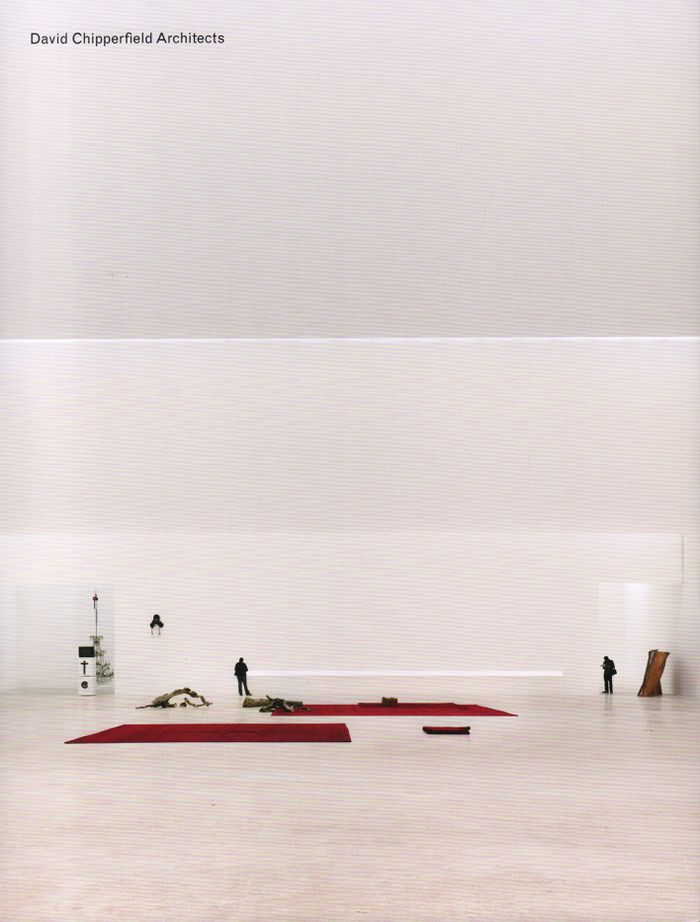
David Chipperfield Architects, monograph vol. II
Actions:
Price:
$79.00
(available to order)
Summary:
The British architect David Chipperfield (born 1953) founded his eponymous design firm in 1985, and has been an exemplary exponent of modernism and its ongoing relevance ever since. The confident elegance of his buildings extends a legacy of discreet craftsmanship and clarity learned from early 20th-century architecture: "If you look at a building by Mies van der Rohe," he observes, "it might look very simple, but up close, the sheer quality of construction, materials and thought are inspirational.""David Chipperfield Architects: Monograph Vol. II" brings the architect's most comprehensive monograph back into print in an updated edition that features 32 new works by Chipperfield's firm. More than 60 projects are represented in this volume, from Chipperfield's early buildings in Japan to the many major museums and galleries, residential and commercial developments, flagship stores and educational buildings built by the practice around the world today.
David Chipperfield Architects, monograph vol. II
Actions:
Price:
$79.00
(available to order)
Summary:
The British architect David Chipperfield (born 1953) founded his eponymous design firm in 1985, and has been an exemplary exponent of modernism and its ongoing relevance ever since. The confident elegance of his buildings extends a legacy of discreet craftsmanship and clarity learned from early 20th-century architecture: "If you look at a building by Mies van der Rohe," he observes, "it might look very simple, but up close, the sheer quality of construction, materials and thought are inspirational.""David Chipperfield Architects: Monograph Vol. II" brings the architect's most comprehensive monograph back into print in an updated edition that features 32 new works by Chipperfield's firm. More than 60 projects are represented in this volume, from Chipperfield's early buildings in Japan to the many major museums and galleries, residential and commercial developments, flagship stores and educational buildings built by the practice around the world today.
Form:
books
books
Publication:
June 2018
June 2018
Subject:
Architecture Monographs
Architecture Monographs
Form:
books
books
Actions:
Price:
$30.00
(available to order)
Summary:
The meaning, function, and status of things have changed decisively over the past two decades. This development can be traced back to a growing skepticism since the second half of the twentieth century that culture can be presented through things. The questioning of thingness is an integral part of presentation and has informed and shaped the social relevance of the field(...)
$30.00
(available to order)
Summary:
The meaning, function, and status of things have changed decisively over the past two decades. This development can be traced back to a growing skepticism since the second half of the twentieth century that culture can be presented through things. The questioning of thingness is an integral part of presentation and has informed and shaped the social relevance of the field(...)
Title:
Curatorial things: cultures of the curatorial 4
Actions:
Price:
$30.00
(available to order)
Summary:
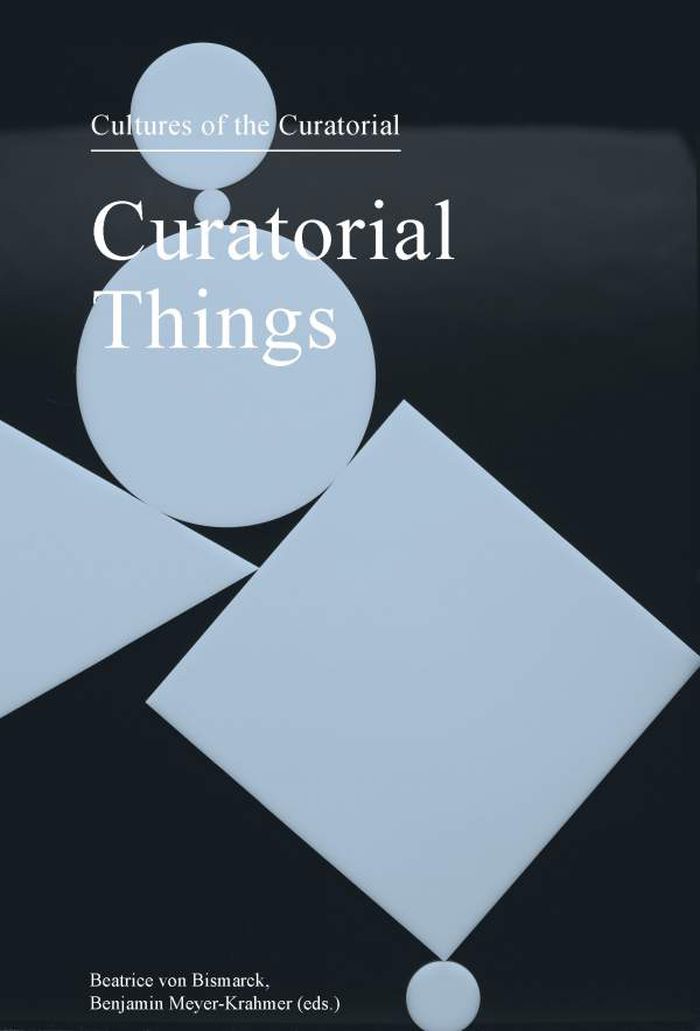
The meaning, function, and status of things have changed decisively over the past two decades. This development can be traced back to a growing skepticism since the second half of the twentieth century that culture can be presented through things. The questioning of thingness is an integral part of presentation and has informed and shaped the social relevance of the field of the curatorial. Immanent to presentation as a mode of being (public) in the world, the curatorial has the potential to address, visualize, and question the central effects of the changing status and function of things. The presentational mode has played a generative role, vitally participating in the mobilization of things through its aesthetic, semantic, social, and, not least, economic dimensions. Intertwining transdisciplinary discourses, transcultural perspectives, and methods of practice-theory, the anthology 'Curatorial Things' is a new orientation of the analysis of things.
Curatorial things: cultures of the curatorial 4
Actions:
Price:
$30.00
(available to order)
Summary:
The meaning, function, and status of things have changed decisively over the past two decades. This development can be traced back to a growing skepticism since the second half of the twentieth century that culture can be presented through things. The questioning of thingness is an integral part of presentation and has informed and shaped the social relevance of the field of the curatorial. Immanent to presentation as a mode of being (public) in the world, the curatorial has the potential to address, visualize, and question the central effects of the changing status and function of things. The presentational mode has played a generative role, vitally participating in the mobilization of things through its aesthetic, semantic, social, and, not least, economic dimensions. Intertwining transdisciplinary discourses, transcultural perspectives, and methods of practice-theory, the anthology 'Curatorial Things' is a new orientation of the analysis of things.
Form:
books
books
Publication:
March 2020
March 2020
Subject:
Museology
Museology
Form:
books
books
Actions:
Price:
$34.95
(available to order)
Summary:
Starting with the Pueblo, Suisman traces the histories of our iconic routes - Sunset, Wilshire, Hollywood - with fascinating discursions into transport moving from the streetcar to the automobile, the relationship of the movie studios to the streets, the value of the urban landscapes changing as the boulevards pass through them. Originally issued in an edition of only(...)
$34.95
(available to order)
Summary:
Starting with the Pueblo, Suisman traces the histories of our iconic routes - Sunset, Wilshire, Hollywood - with fascinating discursions into transport moving from the streetcar to the automobile, the relationship of the movie studios to the streets, the value of the urban landscapes changing as the boulevards pass through them. Originally issued in an edition of only(...)
Title:
Los Angeles Boulevard: eight x-rays of the body public, 25th anniversary edition
Actions:
Price:
$34.95
(available to order)
Summary:
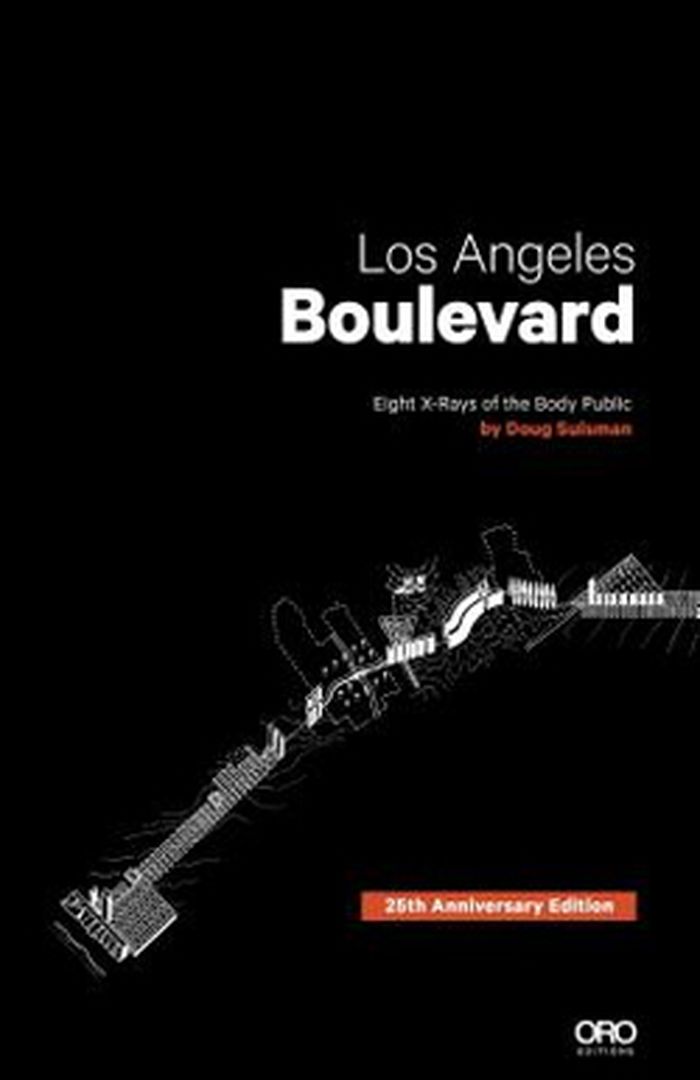
Starting with the Pueblo, Suisman traces the histories of our iconic routes - Sunset, Wilshire, Hollywood - with fascinating discursions into transport moving from the streetcar to the automobile, the relationship of the movie studios to the streets, the value of the urban landscapes changing as the boulevards pass through them. Originally issued in an edition of only 1500 copies, the book soon went out of print, but its importance has been validated over the years by the circulation of fuzzy photocopies in university architecture departments and design studios. For this edition, ORO Editions has brought back the original eight essays with the original illustrations, both photographs and Suisman's own evocative and informative drawings and plans. In addition, over the years Suisman has, in his professional practice of urban design, applied his deep knowledge of the boulevard and how it works to projects in Los Angeles and across the country and beyond.
Los Angeles Boulevard: eight x-rays of the body public, 25th anniversary edition
Actions:
Price:
$34.95
(available to order)
Summary:
Starting with the Pueblo, Suisman traces the histories of our iconic routes - Sunset, Wilshire, Hollywood - with fascinating discursions into transport moving from the streetcar to the automobile, the relationship of the movie studios to the streets, the value of the urban landscapes changing as the boulevards pass through them. Originally issued in an edition of only 1500 copies, the book soon went out of print, but its importance has been validated over the years by the circulation of fuzzy photocopies in university architecture departments and design studios. For this edition, ORO Editions has brought back the original eight essays with the original illustrations, both photographs and Suisman's own evocative and informative drawings and plans. In addition, over the years Suisman has, in his professional practice of urban design, applied his deep knowledge of the boulevard and how it works to projects in Los Angeles and across the country and beyond.
Form:
books
books
Publication:
October 2014
October 2014
Subject:
Urban Theory
Urban Theory
Form:
books
books
Actions:
Price:
$48.00
(available to order)
Summary:
The real world is full of cameras; the virtual world is full of images. Where does all this photographic activity leave the artist-photographer? Post-Photography tries to answer that question by investigating the exciting new language of photographic image-making that is emerging in the digital age of anything-is-possible and everything-has-been-done-before. Found imagery(...)
$48.00
(available to order)
Summary:
The real world is full of cameras; the virtual world is full of images. Where does all this photographic activity leave the artist-photographer? Post-Photography tries to answer that question by investigating the exciting new language of photographic image-making that is emerging in the digital age of anything-is-possible and everything-has-been-done-before. Found imagery(...)
Title:
Post-photography: the artist with a camera
Actions:
Price:
$48.00
(available to order)
Summary:
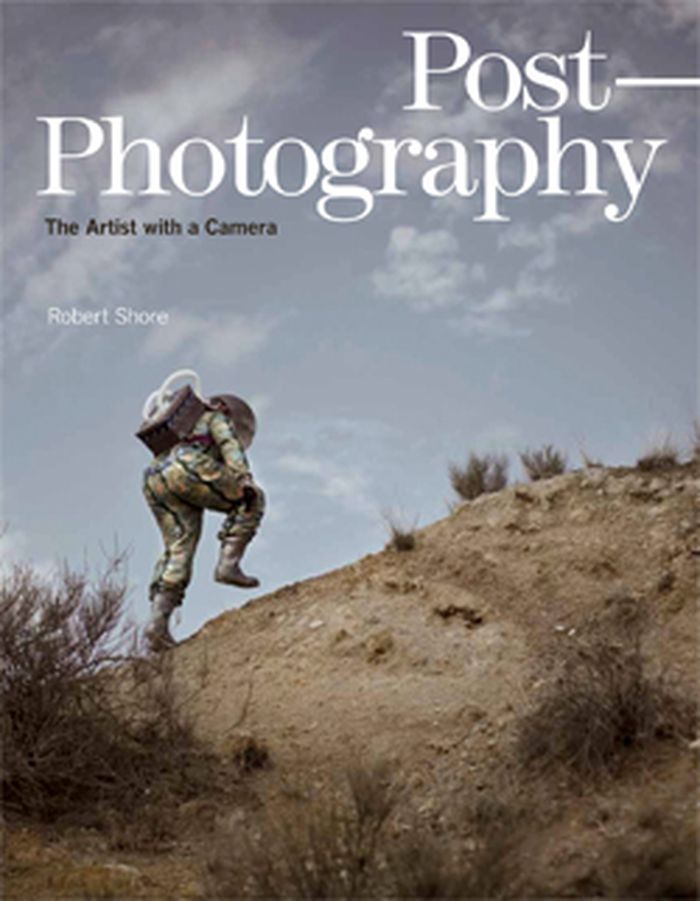
The real world is full of cameras; the virtual world is full of images. Where does all this photographic activity leave the artist-photographer? Post-Photography tries to answer that question by investigating the exciting new language of photographic image-making that is emerging in the digital age of anything-is-possible and everything-has-been-done-before. Found imagery has become increasingly important in post-photographic practice, with the internet serving as a laboratory for a major kind of image-making experimentation. But artists also continue to create entirely original works using avant-garde techniques drawn from both the digital and analogue eras. This book is split into five sections – Something Borrowed, Something New; Layers of Reality; All the World Is Staged; Hand and Eye; and Post-Photojournalism – which cover the key strategies adopted by 53 of the most exciting and innovative international artist-photographers of the 21st century.
Post-photography: the artist with a camera
Actions:
Price:
$48.00
(available to order)
Summary:
The real world is full of cameras; the virtual world is full of images. Where does all this photographic activity leave the artist-photographer? Post-Photography tries to answer that question by investigating the exciting new language of photographic image-making that is emerging in the digital age of anything-is-possible and everything-has-been-done-before. Found imagery has become increasingly important in post-photographic practice, with the internet serving as a laboratory for a major kind of image-making experimentation. But artists also continue to create entirely original works using avant-garde techniques drawn from both the digital and analogue eras. This book is split into five sections – Something Borrowed, Something New; Layers of Reality; All the World Is Staged; Hand and Eye; and Post-Photojournalism – which cover the key strategies adopted by 53 of the most exciting and innovative international artist-photographers of the 21st century.
Form:
books
books
Publication:
September 2014
September 2014
Subject:
Theory of Photography
Theory of Photography
Form:
books
books
Actions:
Price:
$43.95
(available to order)
Summary:
Context: Architecture and the Genius of Place is a highly engaging, informative discussion of context in architectural theory and practice. Eric Parry, one of the UK's most highly regarded architects whose work has been widely lauded for its innovative response to its setting addresses the contemporary definition of context and its importance for sustainable everyday(...)
$43.95
(available to order)
Summary:
Context: Architecture and the Genius of Place is a highly engaging, informative discussion of context in architectural theory and practice. Eric Parry, one of the UK's most highly regarded architects whose work has been widely lauded for its innovative response to its setting addresses the contemporary definition of context and its importance for sustainable everyday(...)
Title:
Context: architecture and the genius of place
Actions:
Price:
$43.95
(available to order)
Summary:
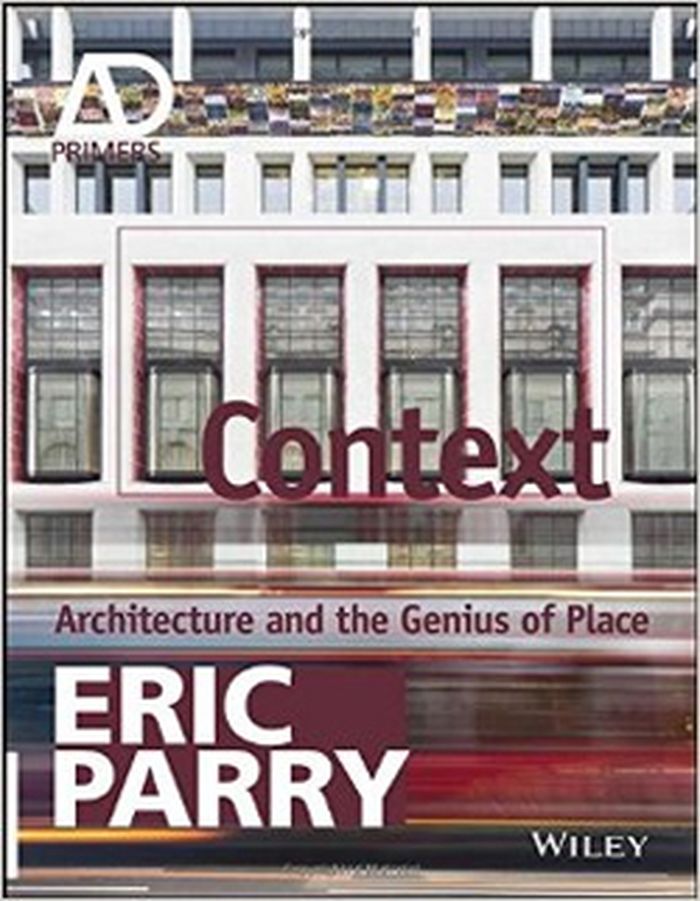
Context: Architecture and the Genius of Place is a highly engaging, informative discussion of context in architectural theory and practice. Eric Parry, one of the UK's most highly regarded architects whose work has been widely lauded for its innovative response to its setting addresses the contemporary definition of context and its importance for sustainable everyday living and urban design. Looking beyond the formal agenda to explore the fundamentals that give new social and cultural perspective to this vital point of departure for designers, this book turns the urban statistician's telescopic focus on global trends inside out for a better understanding of the cultural and physical conditions that make archetypes like the Parisian Cafe, the London High Street, the Baltic City Square, and the Mumbai Market part of the architect's lexicon. From pavement to landscape, readers will examine how context must be taken into account at every stage in the design process.
Context: architecture and the genius of place
Actions:
Price:
$43.95
(available to order)
Summary:
Context: Architecture and the Genius of Place is a highly engaging, informative discussion of context in architectural theory and practice. Eric Parry, one of the UK's most highly regarded architects whose work has been widely lauded for its innovative response to its setting addresses the contemporary definition of context and its importance for sustainable everyday living and urban design. Looking beyond the formal agenda to explore the fundamentals that give new social and cultural perspective to this vital point of departure for designers, this book turns the urban statistician's telescopic focus on global trends inside out for a better understanding of the cultural and physical conditions that make archetypes like the Parisian Cafe, the London High Street, the Baltic City Square, and the Mumbai Market part of the architect's lexicon. From pavement to landscape, readers will examine how context must be taken into account at every stage in the design process.
Form:
books
books
Publication:
July 2015
July 2015
Subject:
Architectural Theory
Architectural Theory
Form:
books
books
Actions:
Price:
$39.95
(available to order)
Summary:
For the Kosovo Pavilion at the 56th Venice Biennale, artist Flaka Haliti created the installation Speculating on the Blue, reflecting on the meaning of borders, democracy, freedom and mobility. The skeletons of barrier-like objects in the space are a reference to the aesthetics of the concrete walls that are erected between nations as a materialization of conflict.(...)
$39.95
(available to order)
Summary:
For the Kosovo Pavilion at the 56th Venice Biennale, artist Flaka Haliti created the installation Speculating on the Blue, reflecting on the meaning of borders, democracy, freedom and mobility. The skeletons of barrier-like objects in the space are a reference to the aesthetics of the concrete walls that are erected between nations as a materialization of conflict.(...)
Title:
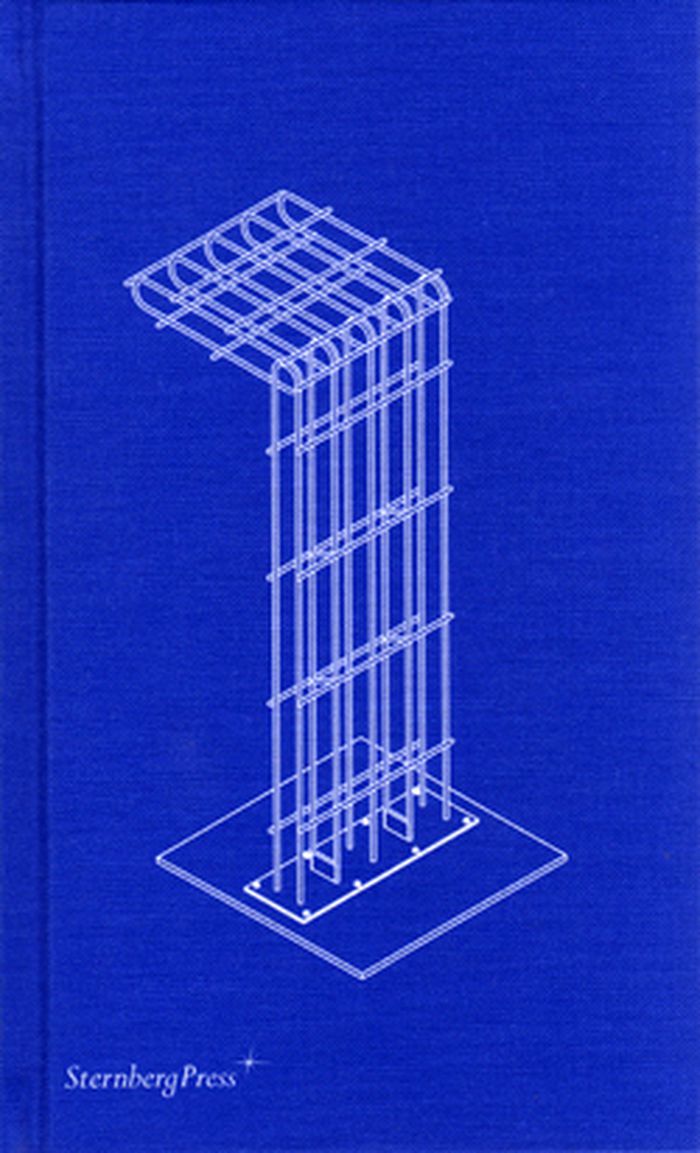
Flaka Haliti: speculating on the blue
Actions:
Price:
$39.95
(available to order)
Summary:
For the Kosovo Pavilion at the 56th Venice Biennale, artist Flaka Haliti created the installation Speculating on the Blue, reflecting on the meaning of borders, democracy, freedom and mobility. The skeletons of barrier-like objects in the space are a reference to the aesthetics of the concrete walls that are erected between nations as a materialization of conflict. Haliti’s installation aims at demilitarizing and decontextualizing this specific aesthetic practice by stripping the columns down to their material essence and juxtaposing them with elements that are by nature resistant to the concept of borders. In this scenario, the horizon and the blue pictorial ground, which directly references the blue-painted barriers in front of the Kosovo UN, create a counter image to the concept of borders as a tool to raise new perspectives. In addition is an artist’s conversation with Markus Miessen and an essay by curator Vanessa Joan Müller.
Flaka Haliti: speculating on the blue
Actions:
Price:
$39.95
(available to order)
Summary:
For the Kosovo Pavilion at the 56th Venice Biennale, artist Flaka Haliti created the installation Speculating on the Blue, reflecting on the meaning of borders, democracy, freedom and mobility. The skeletons of barrier-like objects in the space are a reference to the aesthetics of the concrete walls that are erected between nations as a materialization of conflict. Haliti’s installation aims at demilitarizing and decontextualizing this specific aesthetic practice by stripping the columns down to their material essence and juxtaposing them with elements that are by nature resistant to the concept of borders. In this scenario, the horizon and the blue pictorial ground, which directly references the blue-painted barriers in front of the Kosovo UN, create a counter image to the concept of borders as a tool to raise new perspectives. In addition is an artist’s conversation with Markus Miessen and an essay by curator Vanessa Joan Müller.
Form:
books
books
Publication:
October 2015
October 2015
Subject:
Art Theory
Art Theory


