


864 Results
Form:
books
books
Actions:
Price:
$35.95
(available to order)
Summary:
In 2016, a small protest encampment at the Standing Rock reservation in North Dakota, initially established to block construction of the Dakota Access oil pipeline, grew to be the largest Indigenous protest movement in the twenty-first century, attracting tens of thousands of Indigenous and non-Native allies from around the world. Its slogan ''Mni Wiconi''—Water is(...)
$35.95
(available to order)
Summary:
In 2016, a small protest encampment at the Standing Rock reservation in North Dakota, initially established to block construction of the Dakota Access oil pipeline, grew to be the largest Indigenous protest movement in the twenty-first century, attracting tens of thousands of Indigenous and non-Native allies from around the world. Its slogan ''Mni Wiconi''—Water is(...)
Title:
Our history is the future: Standing Rock versus the Dakota Access Pipeline, and the long tradition of indigenous resistance
Actions:
Price:
$35.95
(available to order)
Summary:
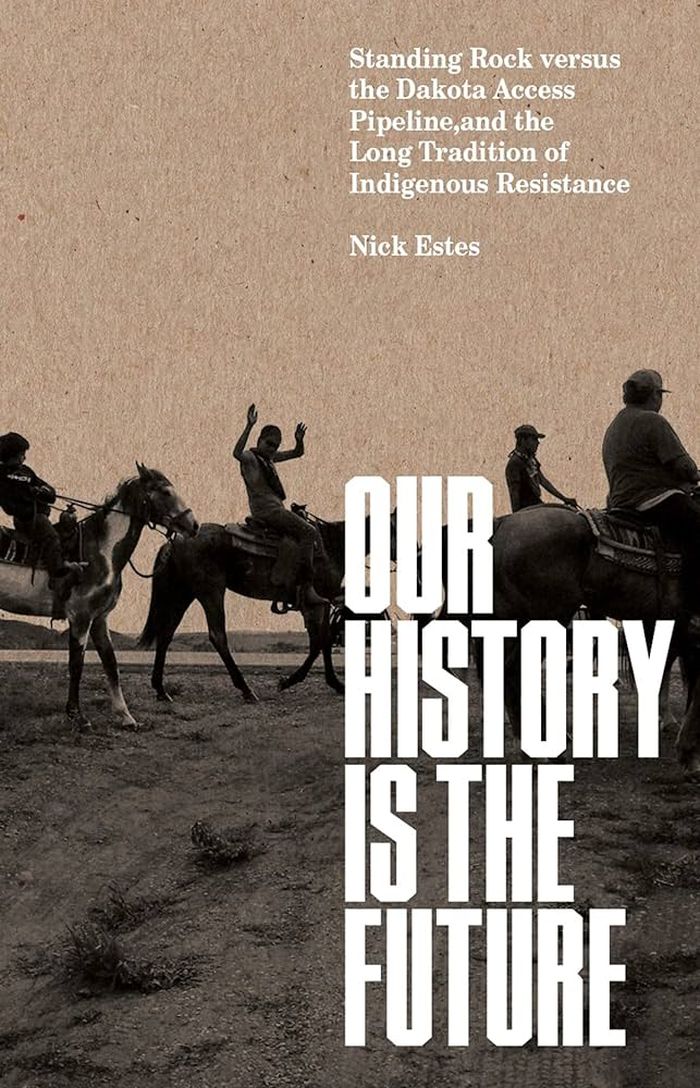
In 2016, a small protest encampment at the Standing Rock reservation in North Dakota, initially established to block construction of the Dakota Access oil pipeline, grew to be the largest Indigenous protest movement in the twenty-first century, attracting tens of thousands of Indigenous and non-Native allies from around the world. Its slogan ''Mni Wiconi''—Water is Life—was about more than just a pipeline. Water Protectors knew this battle for Native sovereignty had already been fought many times before, and that, even after the encampment was gone, their anti-colonial struggle would continue. In ''Our history is the future'', Nick Estes traces traditions of Indigenous resistance leading to the #NoDAPL movement from the days of the Missouri River trading forts through the Indian Wars, the Pick-Sloan dams, the American Indian Movement, and the campaign for Indigenous rights at the United Nations. While a historian by trade, Estes also draws on observations from the encampments and from growing up as a citizen of the Oceti Sakowin (the Nation of the Seven Council Fires), making Our History is the Future at once a work of history, a personal story, and a manifesto.
Our history is the future: Standing Rock versus the Dakota Access Pipeline, and the long tradition of indigenous resistance
Actions:
Price:
$35.95
(available to order)
Summary:
In 2016, a small protest encampment at the Standing Rock reservation in North Dakota, initially established to block construction of the Dakota Access oil pipeline, grew to be the largest Indigenous protest movement in the twenty-first century, attracting tens of thousands of Indigenous and non-Native allies from around the world. Its slogan ''Mni Wiconi''—Water is Life—was about more than just a pipeline. Water Protectors knew this battle for Native sovereignty had already been fought many times before, and that, even after the encampment was gone, their anti-colonial struggle would continue. In ''Our history is the future'', Nick Estes traces traditions of Indigenous resistance leading to the #NoDAPL movement from the days of the Missouri River trading forts through the Indian Wars, the Pick-Sloan dams, the American Indian Movement, and the campaign for Indigenous rights at the United Nations. While a historian by trade, Estes also draws on observations from the encampments and from growing up as a citizen of the Oceti Sakowin (the Nation of the Seven Council Fires), making Our History is the Future at once a work of history, a personal story, and a manifesto.
Form:
books
books
Publication:
October 2023
October 2023
Subject:
indigenous
indigenous
Form:
books
books
Actions:
Price:
$102.00
(available to order)
Summary:
Edward Burtynsky’s imagery explores the intricate link between industry and nature, combining the raw elements of mining, quarrying, shipping, oil production, and recycling into eloquent, highly expressive visions that find beauty and humanity in the most unlikely places. These images are metaphors for the dilemma of our modern existence: we are drawn by desire-the desire(...)
$102.00
(available to order)
Summary:
Edward Burtynsky’s imagery explores the intricate link between industry and nature, combining the raw elements of mining, quarrying, shipping, oil production, and recycling into eloquent, highly expressive visions that find beauty and humanity in the most unlikely places. These images are metaphors for the dilemma of our modern existence: we are drawn by desire-the desire(...)
Subject:
Photography monographs
Photography monographs
Publication:
January 2006, Göttingen
January 2006, Göttingen
Title:
Burtynsky - China : the photographs of Edward Burtynsky
Actions:
Price:
$102.00
(available to order)
Summary:
Edward Burtynsky’s imagery explores the intricate link between industry and nature, combining the raw elements of mining, quarrying, shipping, oil production, and recycling into eloquent, highly expressive visions that find beauty and humanity in the most unlikely places. These images are metaphors for the dilemma of our modern existence: we are drawn by desire-the desire to live well and in comfort-yet we all know that the world is suffering to meet those demands. Our dependence on nature to provide the materials for our consumption and our concern for the health of our planet sets us into uneasy contradiction and feeds the dialogue in Burtynsky’s images between attraction and repulsion, seduction and fear. Burtysnky’s latest body of work gives visual form to the industrial and urban transformation of China, a place where industrial forces are gathering on a scale that the world has never experienced before. If the earth’s resources were up to now under siege through western colonialism and technological progress, then China is on the brink of a sweeping assault on the planet’s ecosystem that is only just forming and is nowhere close to expressing its full impact.
Burtynsky - China : the photographs of Edward Burtynsky
Actions:
Price:
$102.00
(available to order)
Summary:
Edward Burtynsky’s imagery explores the intricate link between industry and nature, combining the raw elements of mining, quarrying, shipping, oil production, and recycling into eloquent, highly expressive visions that find beauty and humanity in the most unlikely places. These images are metaphors for the dilemma of our modern existence: we are drawn by desire-the desire to live well and in comfort-yet we all know that the world is suffering to meet those demands. Our dependence on nature to provide the materials for our consumption and our concern for the health of our planet sets us into uneasy contradiction and feeds the dialogue in Burtynsky’s images between attraction and repulsion, seduction and fear. Burtysnky’s latest body of work gives visual form to the industrial and urban transformation of China, a place where industrial forces are gathering on a scale that the world has never experienced before. If the earth’s resources were up to now under siege through western colonialism and technological progress, then China is on the brink of a sweeping assault on the planet’s ecosystem that is only just forming and is nowhere close to expressing its full impact.
Form:
books
books
Publication:
January 2006, Göttingen
January 2006, Göttingen
Subject:
Photography monographs
Photography monographs
Form:
books
books
Title:
Grain elevators
Grain elevators
Actions:
Price:
$93.95
(available to order)
Summary:
Bernd and Hilla Becher's almost fifty-year collaboration constitutes one important project in objective and conceptual photography today. With this volume, grain elevators join the list of building types documented by the Bechers in their book-length studies: water towers, blast furnaces, gas tanks, oil tanks, mineheads, frame houses, and cooling towers. Grain(...)
$93.95
(available to order)
Summary:
Bernd and Hilla Becher's almost fifty-year collaboration constitutes one important project in objective and conceptual photography today. With this volume, grain elevators join the list of building types documented by the Bechers in their book-length studies: water towers, blast furnaces, gas tanks, oil tanks, mineheads, frame houses, and cooling towers. Grain(...)
Subject:
Photography monographs
Photography monographs
Publication:
November 2006, Cambridge (MA), London
November 2006, Cambridge (MA), London
Title:
Grain elevators
Actions:
Price:
$93.95
(available to order)
Summary:
Bernd and Hilla Becher's almost fifty-year collaboration constitutes one important project in objective and conceptual photography today. With this volume, grain elevators join the list of building types documented by the Bechers in their book-length studies: water towers, blast furnaces, gas tanks, oil tanks, mineheads, frame houses, and cooling towers. Grain elevators are towering structures in the flat, vast landscape of the world's granaries. Providing a fast and efficient method of loading and unloading grain to keep pace with the industrial production methods of the nineteenth century, they made possible a tremendous increase in the trafficking and processing of grain. Scooping, pouring, and spitting, they both illustrated and inspired Le Corbusier's idea of buildings as functioning machines. Monumental, essential, and visually arresting, grain elevators belong as much to the American imagination and landscape as to the European. The photographs of grain elevators in this volume were taken in Germany, Belgium, France, and America. But the specificity of time and place is erased in these photographs; the monolithic structures evoke the agricultural prosperity of a vanished era and the vacancy that replaces it today.
Grain elevators
Actions:
Price:
$93.95
(available to order)
Summary:
Bernd and Hilla Becher's almost fifty-year collaboration constitutes one important project in objective and conceptual photography today. With this volume, grain elevators join the list of building types documented by the Bechers in their book-length studies: water towers, blast furnaces, gas tanks, oil tanks, mineheads, frame houses, and cooling towers. Grain elevators are towering structures in the flat, vast landscape of the world's granaries. Providing a fast and efficient method of loading and unloading grain to keep pace with the industrial production methods of the nineteenth century, they made possible a tremendous increase in the trafficking and processing of grain. Scooping, pouring, and spitting, they both illustrated and inspired Le Corbusier's idea of buildings as functioning machines. Monumental, essential, and visually arresting, grain elevators belong as much to the American imagination and landscape as to the European. The photographs of grain elevators in this volume were taken in Germany, Belgium, France, and America. But the specificity of time and place is erased in these photographs; the monolithic structures evoke the agricultural prosperity of a vanished era and the vacancy that replaces it today.
Form:
books
books
Publication:
November 2006, Cambridge (MA), London
November 2006, Cambridge (MA), London
Subject:
Photography monographs
Photography monographs
Form:
books
books
Actions:
Price:
$20.00
(available to order)
Summary:
Nature and communities in the global south is being overwhelmed at a shocking rate. In many places this is due to ventures such as large-scale open-pit mining, oil extraction in tropical areas, and the spread of monocultures. These and other such forms of natural resource appropriation are usually known as extractivisms. This introductory book on the one hand adopts an(...)
$20.00
(available to order)
Summary:
Nature and communities in the global south is being overwhelmed at a shocking rate. In many places this is due to ventures such as large-scale open-pit mining, oil extraction in tropical areas, and the spread of monocultures. These and other such forms of natural resource appropriation are usually known as extractivisms. This introductory book on the one hand adopts an(...)
Title:
Extractivisms: politics, economy and ecology
Actions:
Price:
$20.00
(available to order)
Summary:
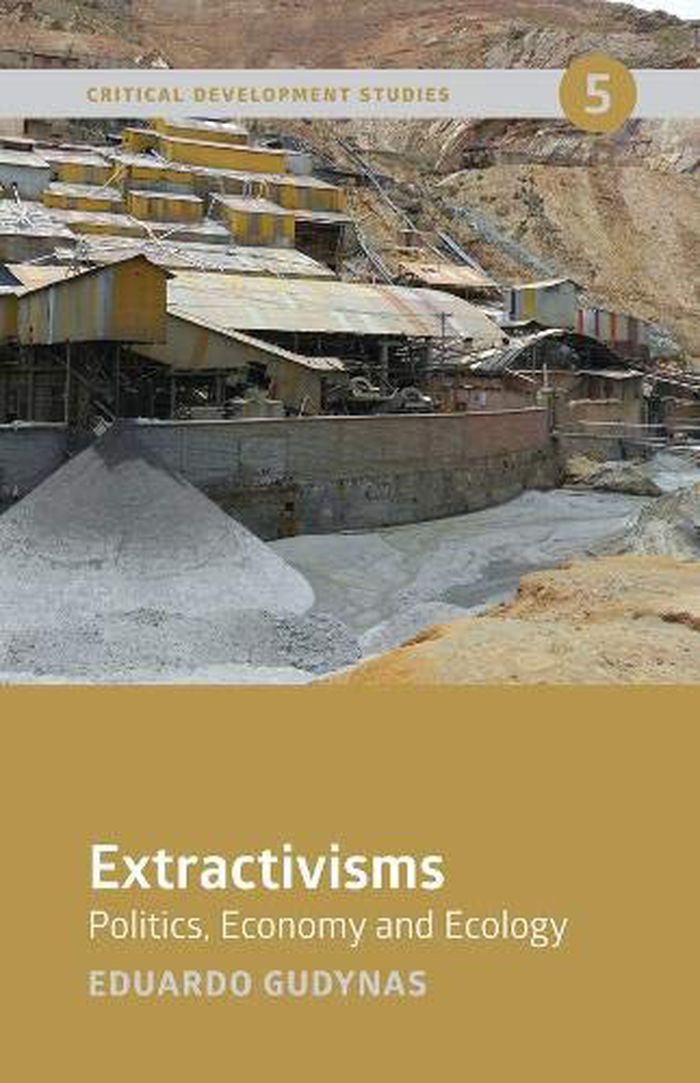
Nature and communities in the global south is being overwhelmed at a shocking rate. In many places this is due to ventures such as large-scale open-pit mining, oil extraction in tropical areas, and the spread of monocultures. These and other such forms of natural resource appropriation are usually known as extractivisms. This introductory book on the one hand adopts an interdisciplinary and critical perspective, incorporating contributions from economics, politics, ecology, and more. On the other hand it is an exercise in the politics among humans and with the environment. Eduardo Gudnyas explores negative local impacts such as ecological and health degradation or violence, along with spillover effects that redefines democracy and justice. Significantly, presented for the first time in English is a comprehensive overview of the theoretical innovations currently being discussed in the South, such as the distinction between appropriation and production modes and a redefinition of surplus to include social and economic features or new understandings on conflict dynamics. Furthermore, Gudynas discusses the Latin American peculiarities of extractivisms produced both by conservative and new-left governments, making clear that it has very deep roots in culture and ideologies, and offers solutions for the future.
Extractivisms: politics, economy and ecology
Actions:
Price:
$20.00
(available to order)
Summary:
Nature and communities in the global south is being overwhelmed at a shocking rate. In many places this is due to ventures such as large-scale open-pit mining, oil extraction in tropical areas, and the spread of monocultures. These and other such forms of natural resource appropriation are usually known as extractivisms. This introductory book on the one hand adopts an interdisciplinary and critical perspective, incorporating contributions from economics, politics, ecology, and more. On the other hand it is an exercise in the politics among humans and with the environment. Eduardo Gudnyas explores negative local impacts such as ecological and health degradation or violence, along with spillover effects that redefines democracy and justice. Significantly, presented for the first time in English is a comprehensive overview of the theoretical innovations currently being discussed in the South, such as the distinction between appropriation and production modes and a redefinition of surplus to include social and economic features or new understandings on conflict dynamics. Furthermore, Gudynas discusses the Latin American peculiarities of extractivisms produced both by conservative and new-left governments, making clear that it has very deep roots in culture and ideologies, and offers solutions for the future.
Form:
books
books
Publication:
September 2021
September 2021
Subject:
Environment and environmental theory
Environment and environmental theory
Form:
books
books
Actions:
Holdings:
Description:
179 pages : illustrations (certaines en couleur) ; 27 cm
Description:
179 pages : illustrations (certaines en couleur) ; 27 cm
Author:
Subject:
Publication:
Montréal (Québec) Canada : Boréal, [2017], ©2017
Montréal (Québec) Canada : Boréal, [2017], ©2017
Title:
Traces de l'histoire de Montréal / Paul-André Linteau, Serge Joyal, Mario Robert.
Actions:
Holdings:
Description:
179 pages : illustrations (certaines en couleur) ; 27 cm
Traces de l'histoire de Montréal / Paul-André Linteau, Serge Joyal, Mario Robert.
Actions:
Holdings:
Description:
179 pages : illustrations (certaines en couleur) ; 27 cm
Form:
books
books
Publication:
Montréal (Québec) Canada : Boréal, [2017], ©2017
Montréal (Québec) Canada : Boréal, [2017], ©2017
Author:
Subject:
Form:
books
books
Actions:
Holdings:
Description:
xxiv, 244 pages : illustrations (some color) ; 32 cm
Description:
xxiv, 244 pages : illustrations (some color) ; 32 cm
Author:
Subject:
Publication:
New York, C.N. Potter, [1966]
New York, C.N. Potter, [1966]
Title:
American folk painting, by Mary Black and Jean Lipman.
Actions:
Holdings:
Description:
xxiv, 244 pages : illustrations (some color) ; 32 cm
American folk painting, by Mary Black and Jean Lipman.
Actions:
Holdings:
Description:
xxiv, 244 pages : illustrations (some color) ; 32 cm
Form:
books
books
Publication:
New York, C.N. Potter, [1966]
New York, C.N. Potter, [1966]
Author:
Subject:
Form:
books
books
Price:
$28.95
(available to order)
Summary:
Most of the world's population now lives in cities. So if we are to address the problems of environmental deterioration and peak oil adequately, the city has to be a major focus of attention. EcoCities is about re-building cities and towns based on ecological principles for the long term sustainability, cultural vitality and health of the Earth's biosphere. Unique in(...)
$28.95
(available to order)
Summary:
Most of the world's population now lives in cities. So if we are to address the problems of environmental deterioration and peak oil adequately, the city has to be a major focus of attention. EcoCities is about re-building cities and towns based on ecological principles for the long term sustainability, cultural vitality and health of the Earth's biosphere. Unique in(...)
Title:
Ecocities
Actions:
Price:
$28.95
(available to order)
Summary:
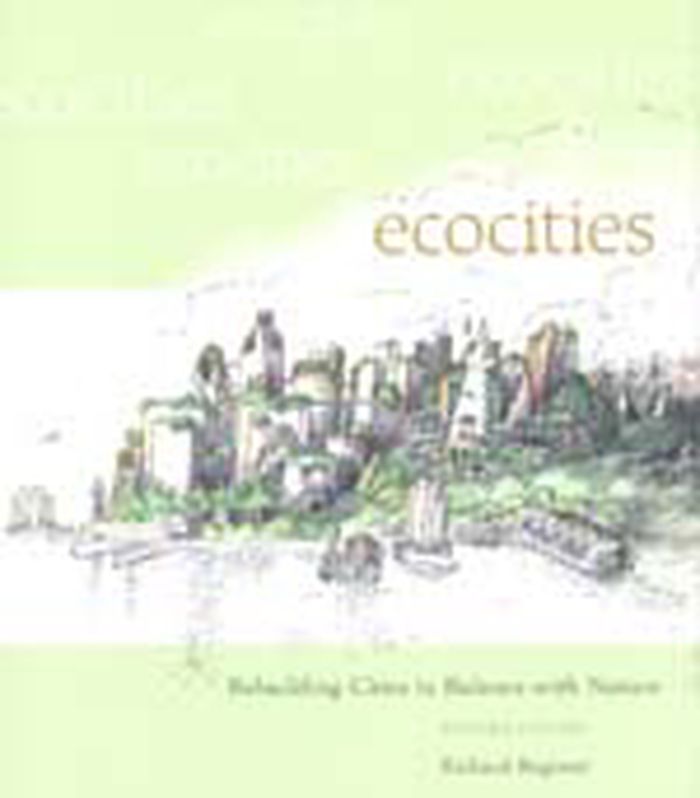
Most of the world's population now lives in cities. So if we are to address the problems of environmental deterioration and peak oil adequately, the city has to be a major focus of attention. EcoCities is about re-building cities and towns based on ecological principles for the long term sustainability, cultural vitality and health of the Earth's biosphere. Unique in the literature is the book's insight that the form of the city really matters - and that it is within our ability to change it, and crucial that we do. Further, that the ecocity within its bioregion is comprehensible and do-able, and can produce a healthy and potentially happy future. EcoCities describes the place of the city in evolution, nature and history. It pays special attention to the key question of accessibility and transportation, and outlines design principles for the ecocity. The reader is encouraged to plunge in to its economics and politics: the kinds of businesses, planning and leadership required. The book then outlines the tools by which a gradual transition to the ecocity could be accomplished. Throughout, this new edition is generously illustrated with the author's own inspired visions of what such rebuilt cities might actually look like.
Ecocities
Actions:
Price:
$28.95
(available to order)
Summary:
Most of the world's population now lives in cities. So if we are to address the problems of environmental deterioration and peak oil adequately, the city has to be a major focus of attention. EcoCities is about re-building cities and towns based on ecological principles for the long term sustainability, cultural vitality and health of the Earth's biosphere. Unique in the literature is the book's insight that the form of the city really matters - and that it is within our ability to change it, and crucial that we do. Further, that the ecocity within its bioregion is comprehensible and do-able, and can produce a healthy and potentially happy future. EcoCities describes the place of the city in evolution, nature and history. It pays special attention to the key question of accessibility and transportation, and outlines design principles for the ecocity. The reader is encouraged to plunge in to its economics and politics: the kinds of businesses, planning and leadership required. The book then outlines the tools by which a gradual transition to the ecocity could be accomplished. Throughout, this new edition is generously illustrated with the author's own inspired visions of what such rebuilt cities might actually look like.
Form:
books
books
Publication:
April 2006, Gabriola Island
April 2006, Gabriola Island
Subject:
Green Architecture
Green Architecture
Form:
books
books
Actions:
Price:
$42.50
(available to order)
Summary:
Visiting a Soviet sanatorium is like stepping back in time. Originally built in the 1920s, they afforded workers a place to holiday, courtesy of a state-funded voucher system. At their peak they were visited by millions of citizens across the USSR every year. A combination of medical institution and spa, the era’s sanatoriums are among the most innovative buildings of(...)
$42.50
(available to order)
Summary:
Visiting a Soviet sanatorium is like stepping back in time. Originally built in the 1920s, they afforded workers a place to holiday, courtesy of a state-funded voucher system. At their peak they were visited by millions of citizens across the USSR every year. A combination of medical institution and spa, the era’s sanatoriums are among the most innovative buildings of(...)
Title:
Holidays in soviet sanatoriums
Actions:
Price:
$42.50
(available to order)
Summary:
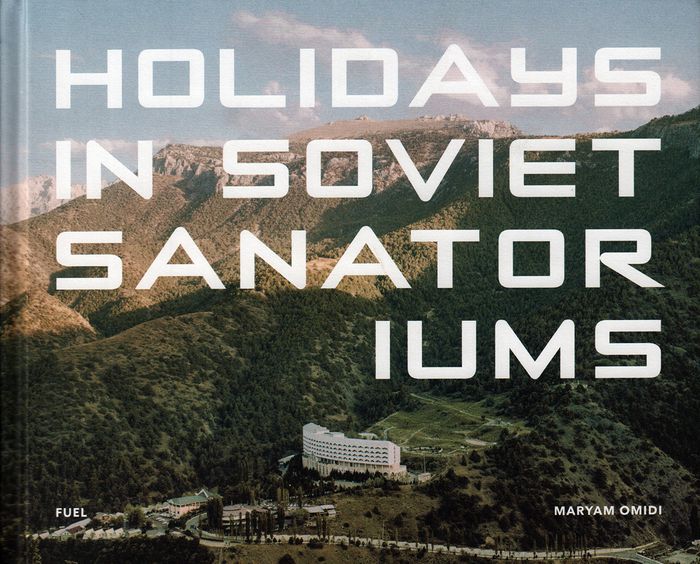
Visiting a Soviet sanatorium is like stepping back in time. Originally built in the 1920s, they afforded workers a place to holiday, courtesy of a state-funded voucher system. At their peak they were visited by millions of citizens across the USSR every year. A combination of medical institution and spa, the era’s sanatoriums are among the most innovative buildings of their time. Although aesthetically diverse, Soviet utopian values permeated every aspect of these structures; Western holidays were perceived as decadent. By contrast, sanatorium breaks were intended to edify and strengthen visitors: health professionals carefully monitored guests throughout their stay, so they could return to work with renewed vigor. Certain sanatoriums became known for their specialist treatments, such as crude-oil baths, radon water douches and stints in underground salt caves. While today some sanatoriums are in critical states of decline, many are still fully operational and continue to offer their Soviet-era treatments to visitors. Using specially commissioned photographs by leading photographers of the post-Soviet territories, and texts by sanatorium expert Maryam Omidi, this book documents over 45 sanatoriums and their unconventional treatments. From Armenia to Uzbekistan, it represents the most comprehensive survey to date of this fascinating and previously overlooked Soviet institution.
Holidays in soviet sanatoriums
Actions:
Price:
$42.50
(available to order)
Summary:
Visiting a Soviet sanatorium is like stepping back in time. Originally built in the 1920s, they afforded workers a place to holiday, courtesy of a state-funded voucher system. At their peak they were visited by millions of citizens across the USSR every year. A combination of medical institution and spa, the era’s sanatoriums are among the most innovative buildings of their time. Although aesthetically diverse, Soviet utopian values permeated every aspect of these structures; Western holidays were perceived as decadent. By contrast, sanatorium breaks were intended to edify and strengthen visitors: health professionals carefully monitored guests throughout their stay, so they could return to work with renewed vigor. Certain sanatoriums became known for their specialist treatments, such as crude-oil baths, radon water douches and stints in underground salt caves. While today some sanatoriums are in critical states of decline, many are still fully operational and continue to offer their Soviet-era treatments to visitors. Using specially commissioned photographs by leading photographers of the post-Soviet territories, and texts by sanatorium expert Maryam Omidi, this book documents over 45 sanatoriums and their unconventional treatments. From Armenia to Uzbekistan, it represents the most comprehensive survey to date of this fascinating and previously overlooked Soviet institution.
Form:
books
books
Publication:
October 2017
October 2017
Subject:
Photography monographs
Photography monographs
Form:
books
books
Title:
Miroslav Sasek
Miroslav Sasek
Actions:
Price:
$39.95
(available to order)
Summary:
Czech artist Miroslav Šašek (1916–1980) is celebrated for his pioneering approach to narrative nonfiction picture books, particularly his bestselling This Is series, which began with ''This is Paris'' in 1959 and eventually totaled eighteen books. With their distinct visual vocabulary, this witty collection of travel guides illustrating life and culture in a variety of(...)
$39.95
(available to order)
Summary:
Czech artist Miroslav Šašek (1916–1980) is celebrated for his pioneering approach to narrative nonfiction picture books, particularly his bestselling This Is series, which began with ''This is Paris'' in 1959 and eventually totaled eighteen books. With their distinct visual vocabulary, this witty collection of travel guides illustrating life and culture in a variety of(...)
Title:
Miroslav Sasek
Actions:
Price:
$39.95
(available to order)
Summary:
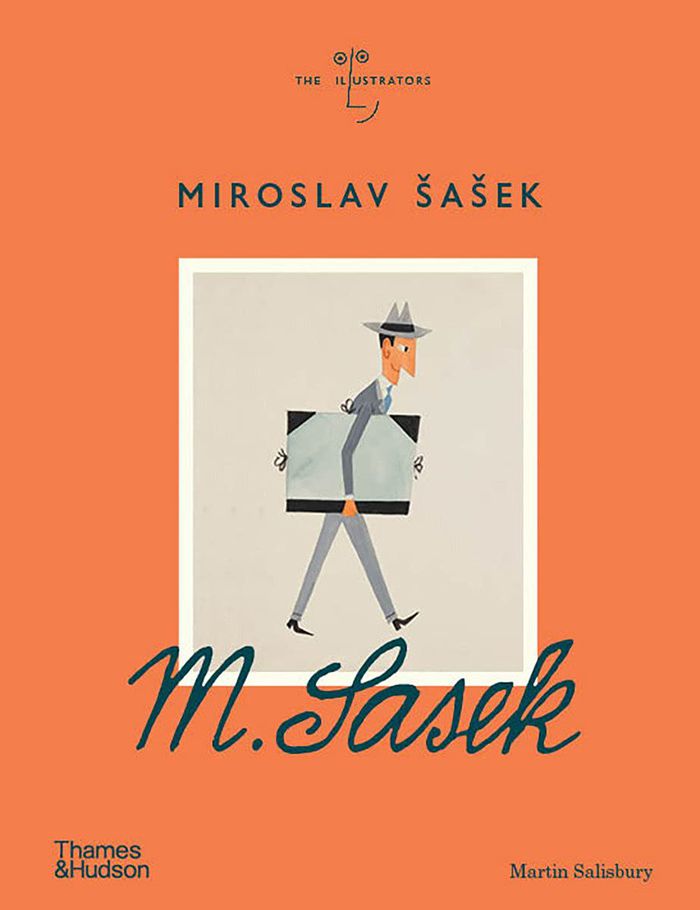
Czech artist Miroslav Šašek (1916–1980) is celebrated for his pioneering approach to narrative nonfiction picture books, particularly his bestselling This Is series, which began with ''This is Paris'' in 1959 and eventually totaled eighteen books. With their distinct visual vocabulary, this witty collection of travel guides illustrating life and culture in a variety of cities and countries around the world from a child’s perspective, became immensely popular and garnered many awards. The artist’s charming travelogues continue to appeal to adults and children alike, even in a digital age exploding with travel imagery. Acclaimed author Martin Salisbury analyzes Šašek’s techniques and how his work not only reflects his architectural training and the ideas of the midcentury European avant-garde, but also the influence of contemporaries such as Saul Steinberg. In this beautifully designed volume, illustrated with sketches and original artwork from the Šašek Foundation in Prague, with examples ranging from Greece to Hong Kong, Rome to San Francisco, Ireland to Israel, Paris to New York, and more, Šašek’s best-known works come alive alongside lesser-known aspects of his practice, such as oil painting. Full of insight into the life and work of a singular talent, ''Miroslav Šašek'' will appeal to illustrators and those interested in the midcentury modern period.
Miroslav Sasek
Actions:
Price:
$39.95
(available to order)
Summary:
Czech artist Miroslav Šašek (1916–1980) is celebrated for his pioneering approach to narrative nonfiction picture books, particularly his bestselling This Is series, which began with ''This is Paris'' in 1959 and eventually totaled eighteen books. With their distinct visual vocabulary, this witty collection of travel guides illustrating life and culture in a variety of cities and countries around the world from a child’s perspective, became immensely popular and garnered many awards. The artist’s charming travelogues continue to appeal to adults and children alike, even in a digital age exploding with travel imagery. Acclaimed author Martin Salisbury analyzes Šašek’s techniques and how his work not only reflects his architectural training and the ideas of the midcentury European avant-garde, but also the influence of contemporaries such as Saul Steinberg. In this beautifully designed volume, illustrated with sketches and original artwork from the Šašek Foundation in Prague, with examples ranging from Greece to Hong Kong, Rome to San Francisco, Ireland to Israel, Paris to New York, and more, Šašek’s best-known works come alive alongside lesser-known aspects of his practice, such as oil painting. Full of insight into the life and work of a singular talent, ''Miroslav Šašek'' will appeal to illustrators and those interested in the midcentury modern period.
Form:
books
books
Publication:
October 2021
October 2021
Subject:
Design Monographs
Design Monographs
Form:
books
books
Actions:
Holdings:
Description:
208 pages : illustrations (some color) ; 28 cm
Description:
208 pages : illustrations (some color) ; 28 cm
Author:
Subject:
Publication:
London : Thames and Hudson, ©1981.
London : Thames and Hudson, ©1981.
Title:
The rediscovery of Greece : travellers and painters of the romantic era / Fani-Maria Tsigakou ; introduction by Sir Steven Runciman.
Actions:
Holdings:
Description:
208 pages : illustrations (some color) ; 28 cm
The rediscovery of Greece : travellers and painters of the romantic era / Fani-Maria Tsigakou ; introduction by Sir Steven Runciman.
Actions:
Holdings:
Description:
208 pages : illustrations (some color) ; 28 cm
Form:
books
books
Publication:
London : Thames and Hudson, ©1981.
London : Thames and Hudson, ©1981.
Author:
Subject:


