


8791 Results
Form:
books
books

Actions:
Price:
$38.99
(available to order)
Summary:
Effective layout is essential to communication and enables the end user to not only be drawn in with an innovative design, but to digest information easily. Making and Breaking the Grid is a comprehensive layout design workshop that assumes that in order to effectively break the rules of grid-based design, one must first understand those rules and see them applied to(...)
$38.99
(available to order)
Summary:
Effective layout is essential to communication and enables the end user to not only be drawn in with an innovative design, but to digest information easily. Making and Breaking the Grid is a comprehensive layout design workshop that assumes that in order to effectively break the rules of grid-based design, one must first understand those rules and see them applied to(...)
Title:
Making and breaking the grid:a graphic design layout workshop. Revised edition
Actions:
Price:
$38.99
(available to order)
Summary:
Effective layout is essential to communication and enables the end user to not only be drawn in with an innovative design, but to digest information easily. Making and Breaking the Grid is a comprehensive layout design workshop that assumes that in order to effectively break the rules of grid-based design, one must first understand those rules and see them applied to real-world projects. Basics include composing typographic space, format determination, and sequencing and systemization. Various types of grids manuscript, column, modular, hierarchical are also covered. Text reveals top designers' work in process and rationale. Projects with similar characteristics are linked through a simple notational system that encourages exploration and comparison of structure ideas. Each project is shown comprehensively so readers can see its structure revealed over several pages, at a size that allows for inspection of detail. Also included are historical overviews that summarize the development of layout concepts, both grid-based and non-grid based, in modern design practice.
Making and breaking the grid:a graphic design layout workshop. Revised edition
Actions:
Price:
$38.99
(available to order)
Summary:
Effective layout is essential to communication and enables the end user to not only be drawn in with an innovative design, but to digest information easily. Making and Breaking the Grid is a comprehensive layout design workshop that assumes that in order to effectively break the rules of grid-based design, one must first understand those rules and see them applied to real-world projects. Basics include composing typographic space, format determination, and sequencing and systemization. Various types of grids manuscript, column, modular, hierarchical are also covered. Text reveals top designers' work in process and rationale. Projects with similar characteristics are linked through a simple notational system that encourages exploration and comparison of structure ideas. Each project is shown comprehensively so readers can see its structure revealed over several pages, at a size that allows for inspection of detail. Also included are historical overviews that summarize the development of layout concepts, both grid-based and non-grid based, in modern design practice.
Form:
books
books
Publication:
July 2017
July 2017
Subject:
Graphic Design and Typography
Graphic Design and Typography
Form:
books
books
Actions:
Price:
$44.50
(available to order)
Summary:
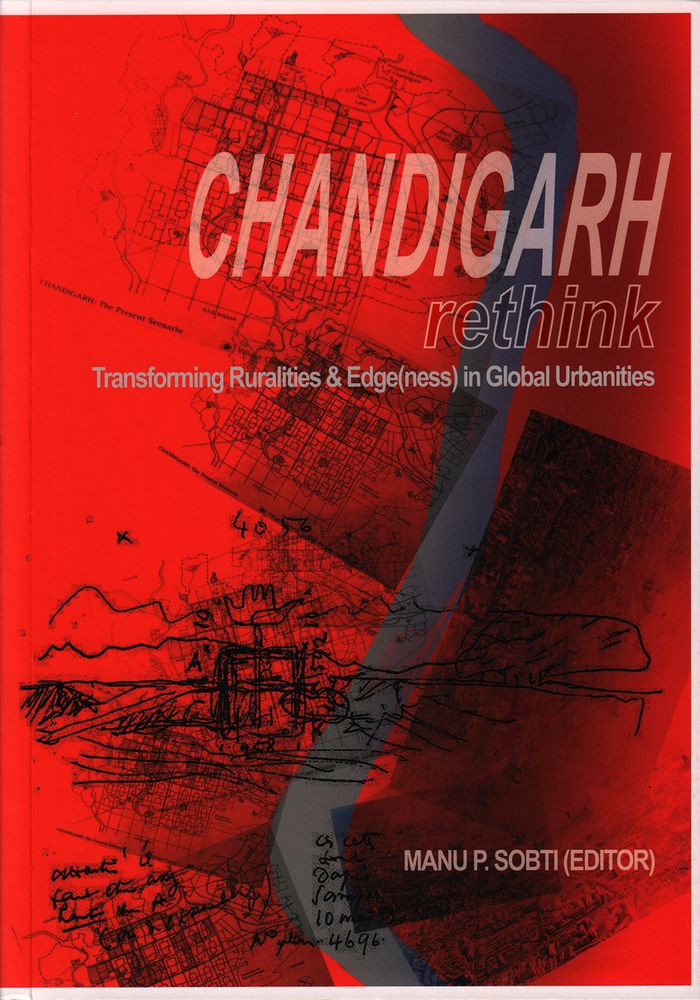
"Chandigarh rethink" captures the rich, ongoing discourse on radically transforming urbanities within the Global South with specific reference to India's social, historical, economic and cultural repositioning. It examines urban edge 'figures' and their rural 'grounds', relevant not just to Chandigarh, but also to cities in general, while suggesting narrative strategies(...)
$44.50
(available to order)
Summary:
"Chandigarh rethink" captures the rich, ongoing discourse on radically transforming urbanities within the Global South with specific reference to India's social, historical, economic and cultural repositioning. It examines urban edge 'figures' and their rural 'grounds', relevant not just to Chandigarh, but also to cities in general, while suggesting narrative strategies(...)
Title:
Chandigarh rethink: transforming ruralities & edeg(ness) in global urbanities
Actions:
Price:
$44.50
(available to order)
Summary:
"Chandigarh rethink" captures the rich, ongoing discourse on radically transforming urbanities within the Global South with specific reference to India's social, historical, economic and cultural repositioning. It examines urban edge 'figures' and their rural 'grounds', relevant not just to Chandigarh, but also to cities in general, while suggesting narrative strategies via provocative design studio design work. These introspections are framed within themed contributions from a globally recognized group of scholars who represent the diverse disciplines of architecture, planning, urban design, landscape ecologies and the humanities. As a topical publication on global urbanities transforming a 'signature' urban project, "Chandigarh rethink" anticipates the Buildings-Landscapes-Cultures (blc) program and SARUP's efforts to uniquely aligning urban research, pedagogy and critical design practice towards examining global urbanities that continue to defy normative urban analysis. Beyond serving as an exemplar for globally aware architectural schools nationwide and beyond, it is also directed to serve as an instructive primer for design students and instructors examining global urban sites.
Chandigarh rethink: transforming ruralities & edeg(ness) in global urbanities
Actions:
Price:
$44.50
(available to order)
Summary:
"Chandigarh rethink" captures the rich, ongoing discourse on radically transforming urbanities within the Global South with specific reference to India's social, historical, economic and cultural repositioning. It examines urban edge 'figures' and their rural 'grounds', relevant not just to Chandigarh, but also to cities in general, while suggesting narrative strategies via provocative design studio design work. These introspections are framed within themed contributions from a globally recognized group of scholars who represent the diverse disciplines of architecture, planning, urban design, landscape ecologies and the humanities. As a topical publication on global urbanities transforming a 'signature' urban project, "Chandigarh rethink" anticipates the Buildings-Landscapes-Cultures (blc) program and SARUP's efforts to uniquely aligning urban research, pedagogy and critical design practice towards examining global urbanities that continue to defy normative urban analysis. Beyond serving as an exemplar for globally aware architectural schools nationwide and beyond, it is also directed to serve as an instructive primer for design students and instructors examining global urban sites.
Form:
books
books
Publication:
June 2017
June 2017
Subject:
Arch Middle East
Arch Middle East
Form:
books
books
Actions:
Price:
$39.95
(available to order)
Summary:
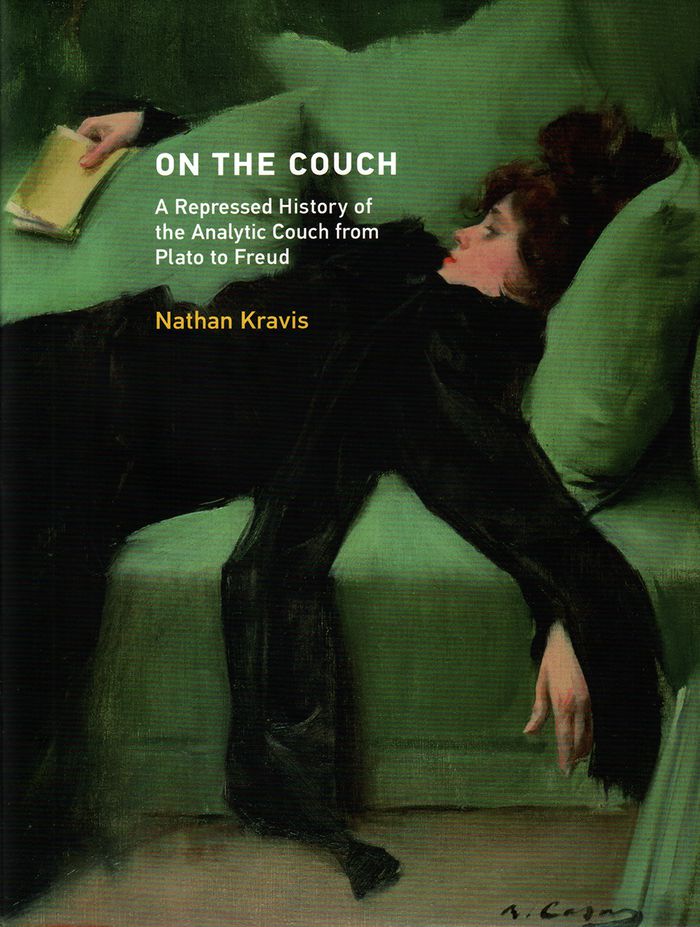
The peculiar arrangement of the psychoanalyst’s office for an analytic session seems inexplicable. The analyst sits in a chair out of sight while the patient lies on a couch facing away. It has been this way since Freud, although, as Nathan Kravis points out in On the Couch, this practice is grounded more in the cultural history of reclining posture than in empirical(...)
$39.95
(available to order)
Summary:
The peculiar arrangement of the psychoanalyst’s office for an analytic session seems inexplicable. The analyst sits in a chair out of sight while the patient lies on a couch facing away. It has been this way since Freud, although, as Nathan Kravis points out in On the Couch, this practice is grounded more in the cultural history of reclining posture than in empirical(...)
Title:
On the couch : a repressed history of the analytic couch from Plato to Freud
Actions:
Price:
$39.95
(available to order)
Summary:
The peculiar arrangement of the psychoanalyst’s office for an analytic session seems inexplicable. The analyst sits in a chair out of sight while the patient lies on a couch facing away. It has been this way since Freud, although, as Nathan Kravis points out in On the Couch, this practice is grounded more in the cultural history of reclining posture than in empirical research. Kravis, himself a practicing psychoanalyst, shows that the tradition of recumbent speech wasn’t dreamed up by Freud but can be traced back to ancient Greece, where guests reclined on couches at the symposion (a gathering for upper-class males to discuss philosophy and drink wine), and to the Roman convivium (a banquet at which men and women reclined together). From bed to bench to settee to chaise-longue to sofa: Kravis tells how the couch became an icon of self-knowledge and self-reflection as well as a site for pleasure, privacy, transgression, and healing.
On the couch : a repressed history of the analytic couch from Plato to Freud
Actions:
Price:
$39.95
(available to order)
Summary:
The peculiar arrangement of the psychoanalyst’s office for an analytic session seems inexplicable. The analyst sits in a chair out of sight while the patient lies on a couch facing away. It has been this way since Freud, although, as Nathan Kravis points out in On the Couch, this practice is grounded more in the cultural history of reclining posture than in empirical research. Kravis, himself a practicing psychoanalyst, shows that the tradition of recumbent speech wasn’t dreamed up by Freud but can be traced back to ancient Greece, where guests reclined on couches at the symposion (a gathering for upper-class males to discuss philosophy and drink wine), and to the Roman convivium (a banquet at which men and women reclined together). From bed to bench to settee to chaise-longue to sofa: Kravis tells how the couch became an icon of self-knowledge and self-reflection as well as a site for pleasure, privacy, transgression, and healing.
Form:
books
books
Publication:
August 2017
August 2017
Form:
books
books

Actions:
Price:
$48.95
(available to order)
Summary:
Few pieces elicit such immediate joy as the artworks created by Rebecca Louise Law. She has spent much of her artistic life recreating the fields of flowers that delighted her as a child. Her massive, installations—described as “deconstructed gardens” and “floral magic”—include cascades of multicolored wildflowers and lines of monochromatic roses, all hand dried and hand(...)
$48.95
(available to order)
Summary:
Few pieces elicit such immediate joy as the artworks created by Rebecca Louise Law. She has spent much of her artistic life recreating the fields of flowers that delighted her as a child. Her massive, installations—described as “deconstructed gardens” and “floral magic”—include cascades of multicolored wildflowers and lines of monochromatic roses, all hand dried and hand(...)
Title:
Rebecca Louise Law: Life in death
Actions:
Price:
$48.95
(available to order)
Summary:
Few pieces elicit such immediate joy as the artworks created by Rebecca Louise Law. She has spent much of her artistic life recreating the fields of flowers that delighted her as a child. Her massive, installations—described as “deconstructed gardens” and “floral magic”—include cascades of multicolored wildflowers and lines of monochromatic roses, all hand dried and hand tied. Her art has appeared everywhere from Times Square to Windsor Castle and companies such as Hermès, Tiffany, and Jo Malone, have commissioned her to decorate their stores. "Life in Death" is the most comprehensive collection to date of Law’s work. It documents the evolution of Law’s unique artistic practice, and explains why she chose to use preserved flowers as sculptural material. It offers a journey through her earliest experiments to her best known immersive installations, via a series of beautifully documented photographs. It also provides a unique insight into Law’s life and influences, including an introduction written by the artist herself.
Rebecca Louise Law: Life in death
Actions:
Price:
$48.95
(available to order)
Summary:
Few pieces elicit such immediate joy as the artworks created by Rebecca Louise Law. She has spent much of her artistic life recreating the fields of flowers that delighted her as a child. Her massive, installations—described as “deconstructed gardens” and “floral magic”—include cascades of multicolored wildflowers and lines of monochromatic roses, all hand dried and hand tied. Her art has appeared everywhere from Times Square to Windsor Castle and companies such as Hermès, Tiffany, and Jo Malone, have commissioned her to decorate their stores. "Life in Death" is the most comprehensive collection to date of Law’s work. It documents the evolution of Law’s unique artistic practice, and explains why she chose to use preserved flowers as sculptural material. It offers a journey through her earliest experiments to her best known immersive installations, via a series of beautifully documented photographs. It also provides a unique insight into Law’s life and influences, including an introduction written by the artist herself.
Form:
books
books
Publication:
March 2018
March 2018
Subject:
Contemporary Art Monographs
Contemporary Art Monographs
Form:
books
books
Actions:
Price:
$61.95
(available to order)
Summary:
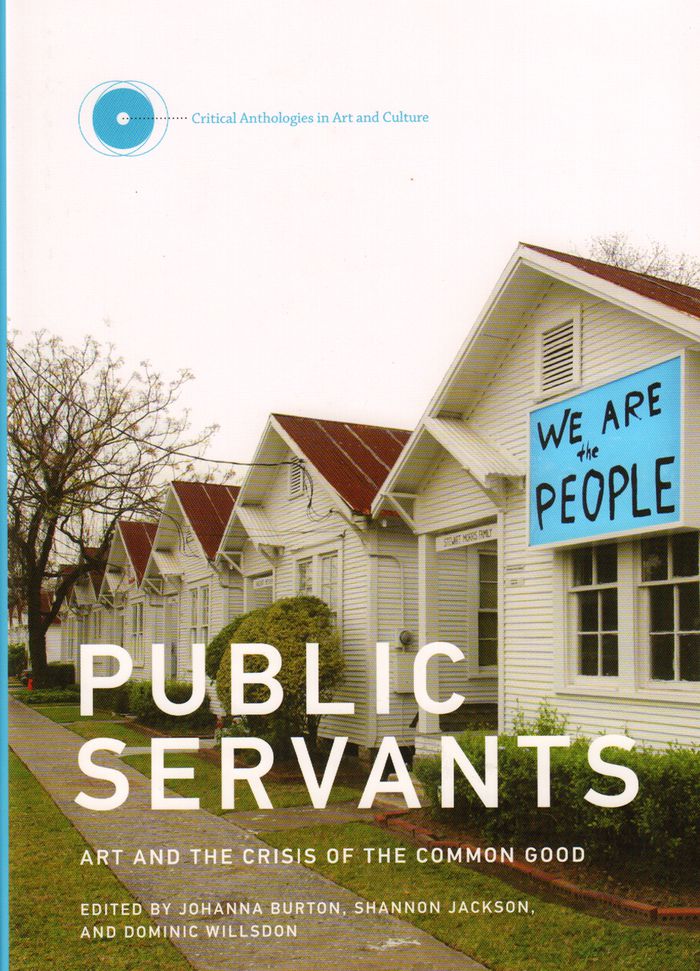
Concepts such as “new genre public art,” “social practice,” or “socially engaged art” may imply a synergy between the role of art and the role of government in providing social services. Yet the arts and social services differ crucially in terms of their methods and metrics. Socially engaged artists need not be aligned (and may often be opposed) to the public sector and(...)
$61.95
(available to order)
Summary:
Concepts such as “new genre public art,” “social practice,” or “socially engaged art” may imply a synergy between the role of art and the role of government in providing social services. Yet the arts and social services differ crucially in terms of their methods and metrics. Socially engaged artists need not be aligned (and may often be opposed) to the public sector and(...)
Subject:
Art Theory
Art Theory
Publication:
September 2016
September 2016
Title:
Public servants: and the crisis of the common good
Actions:
Price:
$61.95
(available to order)
Summary:
Concepts such as “new genre public art,” “social practice,” or “socially engaged art” may imply a synergy between the role of art and the role of government in providing social services. Yet the arts and social services differ crucially in terms of their methods and metrics. Socially engaged artists need not be aligned (and may often be opposed) to the public sector and to institutionalized systems. In many countries, structures of democratic governance and public responsibility are shifting, eroding, and being remade in profound ways—driven by radical economic, political, and global forces. According to what terms and through what means can art engage with these changes? This volume gathers essays, dialogues, and art projects—some previously published and some newly commissioned—to illuminate the ways the arts shape and reshape a rapidly changing social and governmental landscape. An artist portfolio section presents original statements and projects by some of the key figures grappling with these ideas.
Public servants: and the crisis of the common good
Actions:
Price:
$61.95
(available to order)
Summary:
Concepts such as “new genre public art,” “social practice,” or “socially engaged art” may imply a synergy between the role of art and the role of government in providing social services. Yet the arts and social services differ crucially in terms of their methods and metrics. Socially engaged artists need not be aligned (and may often be opposed) to the public sector and to institutionalized systems. In many countries, structures of democratic governance and public responsibility are shifting, eroding, and being remade in profound ways—driven by radical economic, political, and global forces. According to what terms and through what means can art engage with these changes? This volume gathers essays, dialogues, and art projects—some previously published and some newly commissioned—to illuminate the ways the arts shape and reshape a rapidly changing social and governmental landscape. An artist portfolio section presents original statements and projects by some of the key figures grappling with these ideas.
Form:
books
books
Publication:
September 2016
September 2016
Subject:
Art Theory
Art Theory
Form:
books
books
Actions:
Price:
$54.95
(available in store)
Summary:
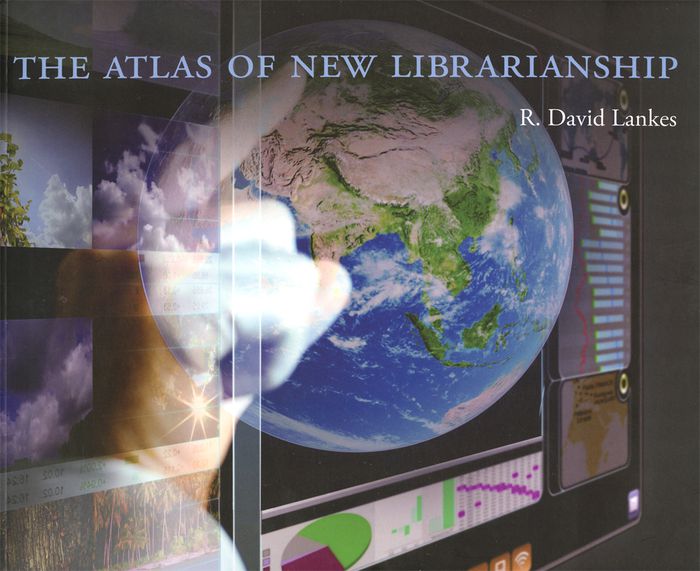
Libraries have existed for millennia, but today the library field is searching for solid footing in an increasingly fragmented (and increasingly digital) information environment. What is librarianship when it is unmoored from cataloging, books, buildings, and committees? In "The Atlas of New Librarianship", R. David Lankes offers a guide to this new landscape for(...)
$54.95
(available in store)
Summary:
Libraries have existed for millennia, but today the library field is searching for solid footing in an increasingly fragmented (and increasingly digital) information environment. What is librarianship when it is unmoored from cataloging, books, buildings, and committees? In "The Atlas of New Librarianship", R. David Lankes offers a guide to this new landscape for(...)
Title:
The atlas of new librarianship
Actions:
Price:
$54.95
(available in store)
Summary:
Libraries have existed for millennia, but today the library field is searching for solid footing in an increasingly fragmented (and increasingly digital) information environment. What is librarianship when it is unmoored from cataloging, books, buildings, and committees? In "The Atlas of New Librarianship", R. David Lankes offers a guide to this new landscape for practitioners. He describes a new librarianship based not on books and artifacts but on knowledge and learning; and he suggests a new mission for librarians: to improve society through facilitating knowledge creation in their communities. The vision for a new librarianship must go beyond finding library-related uses for information technology and the Internet; it must provide a durable foundation for the field. Lankes recasts librarianship and library practice using the fundamental concept that knowledge is created though conversation. New librarians approach their work as facilitators of conversation; they seek to enrich, capture, store, and disseminate the conversations of their communities.
The atlas of new librarianship
Actions:
Price:
$54.95
(available in store)
Summary:
Libraries have existed for millennia, but today the library field is searching for solid footing in an increasingly fragmented (and increasingly digital) information environment. What is librarianship when it is unmoored from cataloging, books, buildings, and committees? In "The Atlas of New Librarianship", R. David Lankes offers a guide to this new landscape for practitioners. He describes a new librarianship based not on books and artifacts but on knowledge and learning; and he suggests a new mission for librarians: to improve society through facilitating knowledge creation in their communities. The vision for a new librarianship must go beyond finding library-related uses for information technology and the Internet; it must provide a durable foundation for the field. Lankes recasts librarianship and library practice using the fundamental concept that knowledge is created though conversation. New librarians approach their work as facilitators of conversation; they seek to enrich, capture, store, and disseminate the conversations of their communities.
Form:
books
books
Publication:
September 2016
September 2016
Subject:
Archive, library and the digital
Archive, library and the digital
Form:
books
books
Title:
Paris metro photo
Paris metro photo
Actions:
Price:
$70.00
(available to order)
Summary:
This volume looks at the close relationship between photography and the heyday of the Paris metro, covering over a century of photographic documents. The major figures of photography all snapped the Paris metro, from the humanists--Doisneau, Henri Cartier-Bresson, Brassaï, Boubat, Izis, Kollar, Ronis and more--to photojournalists such as Robert Capa, William Klein and Van(...)
$70.00
(available to order)
Summary:
This volume looks at the close relationship between photography and the heyday of the Paris metro, covering over a century of photographic documents. The major figures of photography all snapped the Paris metro, from the humanists--Doisneau, Henri Cartier-Bresson, Brassaï, Boubat, Izis, Kollar, Ronis and more--to photojournalists such as Robert Capa, William Klein and Van(...)
Title:
Paris metro photo
Actions:
Price:
$70.00
(available to order)
Summary:
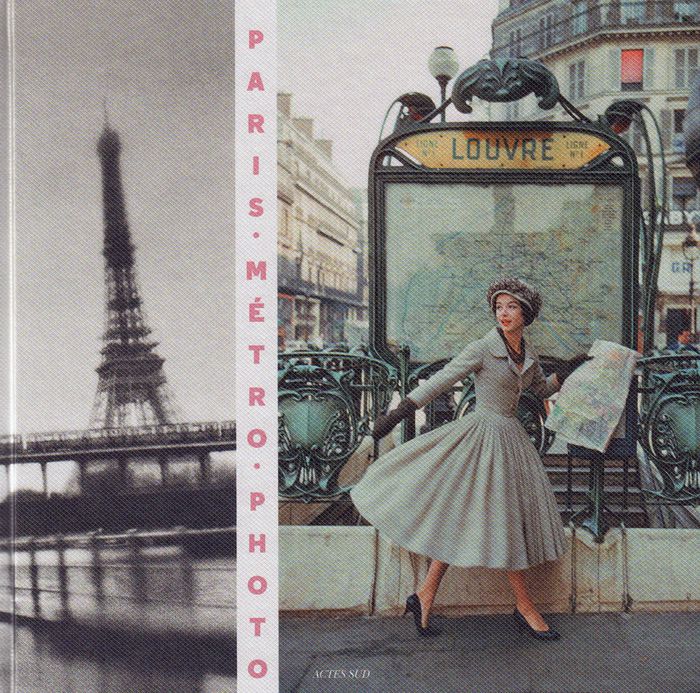
This volume looks at the close relationship between photography and the heyday of the Paris metro, covering over a century of photographic documents. The major figures of photography all snapped the Paris metro, from the humanists--Doisneau, Henri Cartier-Bresson, Brassaï, Boubat, Izis, Kollar, Ronis and more--to photojournalists such as Robert Capa, William Klein and Van der Keuken, in addition to the scores of photojournalists who passed through the city. In 1900, as the first metro rolled from west to east across Paris, from Porte Maillot to Porte de Vincennes, photography had already been around for half a century. Turn-of-the-century technological advances had created smaller, lighter cameras--the first Kodaks--which introduced the practice to a wider market. As Parisians fell in love with their new mode of transport, photography became a more widespread pastime. All genres and photographic practices are represented in this overview, from photojournalism to photo stories, street photography, fashion photography, architectural photography and industrial photography.
Paris metro photo
Actions:
Price:
$70.00
(available to order)
Summary:
This volume looks at the close relationship between photography and the heyday of the Paris metro, covering over a century of photographic documents. The major figures of photography all snapped the Paris metro, from the humanists--Doisneau, Henri Cartier-Bresson, Brassaï, Boubat, Izis, Kollar, Ronis and more--to photojournalists such as Robert Capa, William Klein and Van der Keuken, in addition to the scores of photojournalists who passed through the city. In 1900, as the first metro rolled from west to east across Paris, from Porte Maillot to Porte de Vincennes, photography had already been around for half a century. Turn-of-the-century technological advances had created smaller, lighter cameras--the first Kodaks--which introduced the practice to a wider market. As Parisians fell in love with their new mode of transport, photography became a more widespread pastime. All genres and photographic practices are represented in this overview, from photojournalism to photo stories, street photography, fashion photography, architectural photography and industrial photography.
Form:
books
books
Publication:
February 2017
February 2017
Subject:
Photography Collections
Photography Collections
Form:
books
books
Title:
To begin at the beginning
To begin at the beginning
Actions:
Price:
$29.95
(available to order)
Summary:
In "To Begin at the Beginning", celebrated Spanish novelist and translator Javier Marías explores his impulse to write, the origins of his own family, and the connection between these two different sorts of beginnings. Exploring the difference between what is true in the world and what is true in fiction, he explains why an appeal to “real” events has never convinced him;(...)
$29.95
(available to order)
Summary:
In "To Begin at the Beginning", celebrated Spanish novelist and translator Javier Marías explores his impulse to write, the origins of his own family, and the connection between these two different sorts of beginnings. Exploring the difference between what is true in the world and what is true in fiction, he explains why an appeal to “real” events has never convinced him;(...)
Title:
To begin at the beginning
Actions:
Price:
$29.95
(available to order)
Summary:
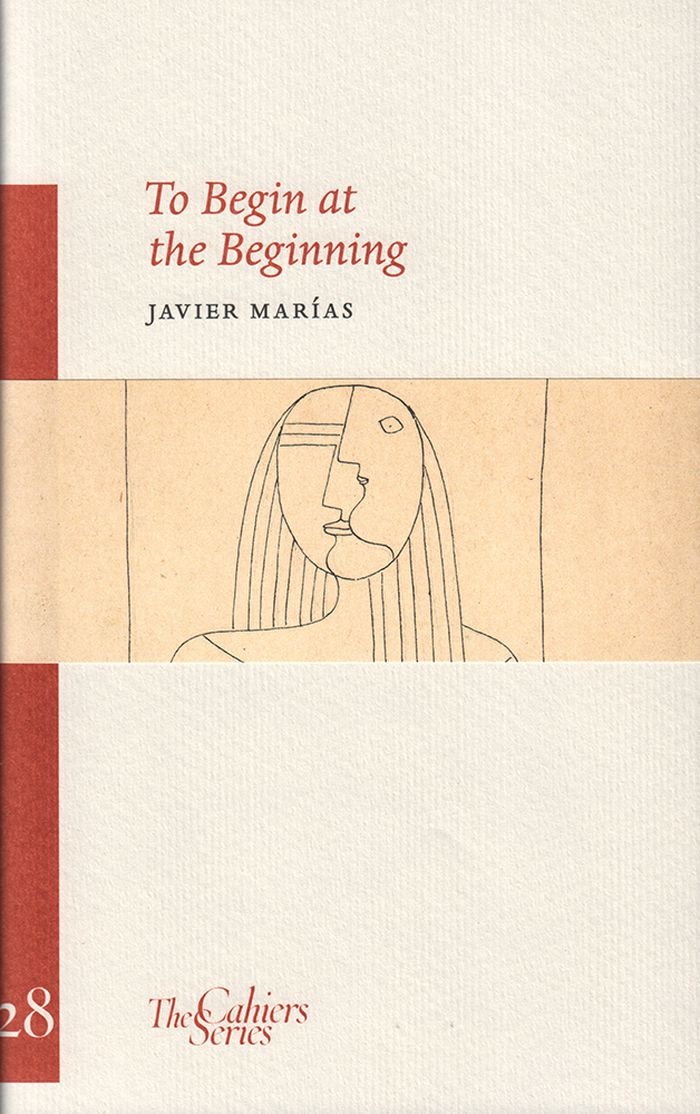
In "To Begin at the Beginning", celebrated Spanish novelist and translator Javier Marías explores his impulse to write, the origins of his own family, and the connection between these two different sorts of beginnings. Exploring the difference between what is true in the world and what is true in fiction, he explains why an appeal to “real” events has never convinced him; why the history of his own family—with its Cuban and Spanish strands—has left him uncertain about what is legend and what is historic fact; and why what has been imagined or dreamed can end up being truer than what “really happened.” Complemented by an essay by Margaret Jull Costa on the practice of translating Marías, the cahier is also accompanied by images taken from the works of the influential Cuban artist Wifredo Lam. The result is a beautifully produced chapbook by one of Europe’s preeminent novelists, ready to be discovered and celebrated by English readers.
To begin at the beginning
Actions:
Price:
$29.95
(available to order)
Summary:
In "To Begin at the Beginning", celebrated Spanish novelist and translator Javier Marías explores his impulse to write, the origins of his own family, and the connection between these two different sorts of beginnings. Exploring the difference between what is true in the world and what is true in fiction, he explains why an appeal to “real” events has never convinced him; why the history of his own family—with its Cuban and Spanish strands—has left him uncertain about what is legend and what is historic fact; and why what has been imagined or dreamed can end up being truer than what “really happened.” Complemented by an essay by Margaret Jull Costa on the practice of translating Marías, the cahier is also accompanied by images taken from the works of the influential Cuban artist Wifredo Lam. The result is a beautifully produced chapbook by one of Europe’s preeminent novelists, ready to be discovered and celebrated by English readers.
Form:
books
books
Publication:
October 2016
October 2016
Subject:
Literature and poetry
Literature and poetry
Form:
books
books
Actions:
Price:
$45.00
(available to order)
Summary:
The ten essays in ''After the Wagnerian Bouillabaisse'' offer original critical discussions of some of the major European artists and movements in the twentieth century, beginning with important reassessments of Italian Futurism and the unique and disruptively consequential compounding of words and images in Dada and Surrealism. Welchman writes with verve and insight(...)
$45.00
(available to order)
Summary:
The ten essays in ''After the Wagnerian Bouillabaisse'' offer original critical discussions of some of the major European artists and movements in the twentieth century, beginning with important reassessments of Italian Futurism and the unique and disruptively consequential compounding of words and images in Dada and Surrealism. Welchman writes with verve and insight(...)
Title:
After the Wagnerian Bouillabaisse, Volume 2: essays on european avant-garde art XX-XXI
Actions:
Price:
$45.00
(available to order)
Summary:
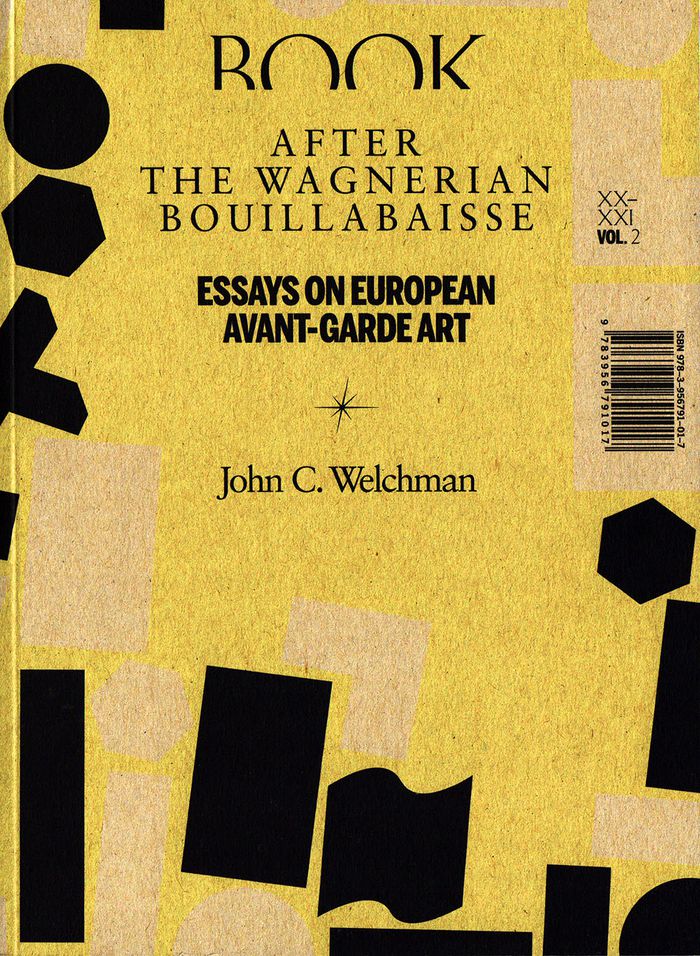
The ten essays in ''After the Wagnerian Bouillabaisse'' offer original critical discussions of some of the major European artists and movements in the twentieth century, beginning with important reassessments of Italian Futurism and the unique and disruptively consequential compounding of words and images in Dada and Surrealism. Welchman writes with verve and insight about the production, and circumvention, of affect in the work of Henri Matisse and Fernand Léger; the delirious splits and metaphorical ricochets fired up by Salvador Dalí; and the social and philosophical ideas mobilized by René Magritte. The second half of the volume examines mid- and later-twentieth century artists, offering a revisionist assessment of Hans Hartung; a new analysis of major themes and issues in the work of Antoni Tàpies; a meditation on ''whiteness'' in the practice and thinking of Günter Brus; and an exploration of exchanges between the US and the UK about sculpture between 1945 and the 1970s.
After the Wagnerian Bouillabaisse, Volume 2: essays on european avant-garde art XX-XXI
Actions:
Price:
$45.00
(available to order)
Summary:
The ten essays in ''After the Wagnerian Bouillabaisse'' offer original critical discussions of some of the major European artists and movements in the twentieth century, beginning with important reassessments of Italian Futurism and the unique and disruptively consequential compounding of words and images in Dada and Surrealism. Welchman writes with verve and insight about the production, and circumvention, of affect in the work of Henri Matisse and Fernand Léger; the delirious splits and metaphorical ricochets fired up by Salvador Dalí; and the social and philosophical ideas mobilized by René Magritte. The second half of the volume examines mid- and later-twentieth century artists, offering a revisionist assessment of Hans Hartung; a new analysis of major themes and issues in the work of Antoni Tàpies; a meditation on ''whiteness'' in the practice and thinking of Günter Brus; and an exploration of exchanges between the US and the UK about sculpture between 1945 and the 1970s.
Form:
books
books
Publication:
June 2019
June 2019
Subject:
Art Theory
Art Theory
Form:
books
books
Actions:
Price:
$31.95
(available in store)
Summary:
For Georges Didi-Huberman, artist James Turrell is an inventor of impossible spaces and unthinkable sites, of aporias, of fables. Creator of some of the most fascinating works of the late twentieth and early twenty-first century, Turrell uses as his medium the most elemental material of sight and art: light. One crucial aspect of his work is the fabulation of place and(...)
$31.95
(available in store)
Summary:
For Georges Didi-Huberman, artist James Turrell is an inventor of impossible spaces and unthinkable sites, of aporias, of fables. Creator of some of the most fascinating works of the late twentieth and early twenty-first century, Turrell uses as his medium the most elemental material of sight and art: light. One crucial aspect of his work is the fabulation of place and(...)
Title:
The man who walked in color: James Turrell
Actions:
Price:
$31.95
(available in store)
Summary:
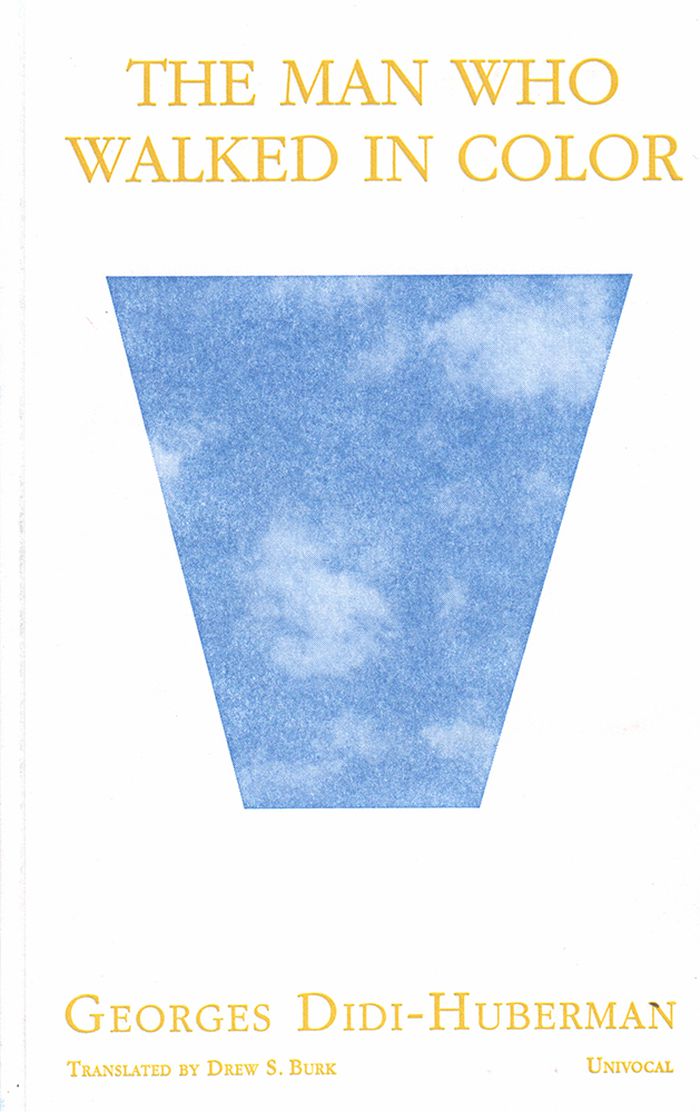
For Georges Didi-Huberman, artist James Turrell is an inventor of impossible spaces and unthinkable sites, of aporias, of fables. Creator of some of the most fascinating works of the late twentieth and early twenty-first century, Turrell uses as his medium the most elemental material of sight and art: light. One crucial aspect of his work is the fabulation of place and vision with its foundation deep in history. Didi-Huberman takes the reader on a journey between the impossible limit of the horizon and the arrival into a site of reverie and light, from the story of Exodus to the Pala d’Oro of San Marco’s Basilica in Venice, through art history and the origins of religious worship, finally plunging into Turrell’s cadmium dust and light, into the Painted Desert of his installation Roden Crater. For the esteemed art historian, Turrell’s artistic practice becomes the equivalent of walking along endless pathways in the desert, in “minuscule cathedrals where man discovers himself walking in color.”
The man who walked in color: James Turrell
Actions:
Price:
$31.95
(available in store)
Summary:
For Georges Didi-Huberman, artist James Turrell is an inventor of impossible spaces and unthinkable sites, of aporias, of fables. Creator of some of the most fascinating works of the late twentieth and early twenty-first century, Turrell uses as his medium the most elemental material of sight and art: light. One crucial aspect of his work is the fabulation of place and vision with its foundation deep in history. Didi-Huberman takes the reader on a journey between the impossible limit of the horizon and the arrival into a site of reverie and light, from the story of Exodus to the Pala d’Oro of San Marco’s Basilica in Venice, through art history and the origins of religious worship, finally plunging into Turrell’s cadmium dust and light, into the Painted Desert of his installation Roden Crater. For the esteemed art historian, Turrell’s artistic practice becomes the equivalent of walking along endless pathways in the desert, in “minuscule cathedrals where man discovers himself walking in color.”
Form:
books
books
Publication:
May 2017
May 2017
Subject:
Art Theory
Art Theory


