


8791 Results
Form:
books
books
Actions:
Price:
$91.95
(available to order)
Summary:
First published in 2017 as Revisiting Postmodernism, this refreshed edition of a seminal text reflects on a design movement that changed our world. Postmodernism invites readers to explore the style in a new light, as the cultural phenomenon that it is, one which thrives on complexity and pluralism. Exploring its expression not only in architecture, but in design, urban(...)
$91.95
(available to order)
Summary:
First published in 2017 as Revisiting Postmodernism, this refreshed edition of a seminal text reflects on a design movement that changed our world. Postmodernism invites readers to explore the style in a new light, as the cultural phenomenon that it is, one which thrives on complexity and pluralism. Exploring its expression not only in architecture, but in design, urban(...)
Title:
Postmodernism: Architecture that changed our world
Actions:
Price:
$91.95
(available to order)
Summary:
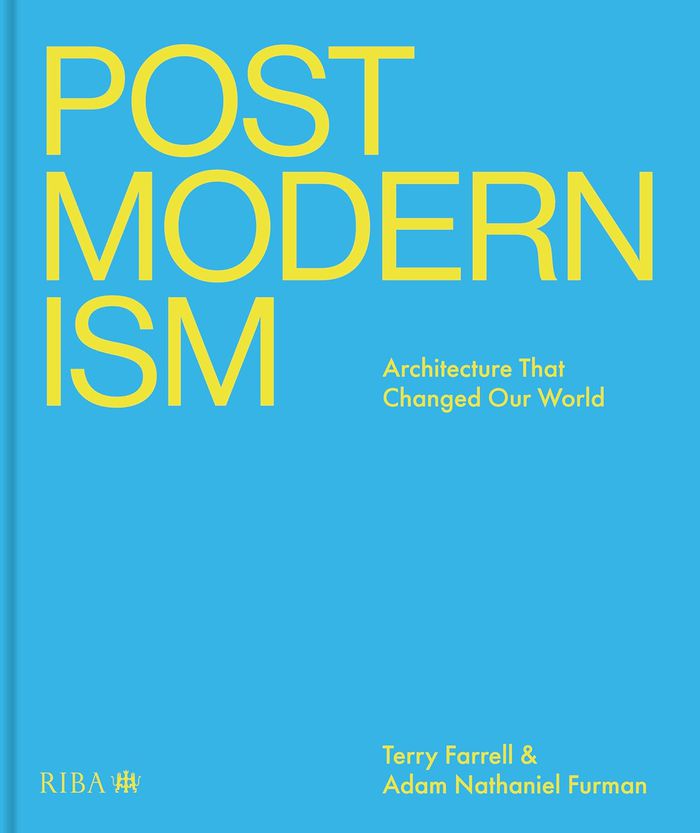
First published in 2017 as Revisiting Postmodernism, this refreshed edition of a seminal text reflects on a design movement that changed our world. Postmodernism invites readers to explore the style in a new light, as the cultural phenomenon that it is, one which thrives on complexity and pluralism. Exploring its expression not only in architecture, but in design, urban planning and placemaking, Postmodernism reflects on the history of the movement and its continuing influence on design practice today. Sir Terry Farrell and Adam Nathaniel Furman present two separate but complementary perspectives of this rich period of architectural history; one account as lived experience from a protagonist and pioneer in the field of postmodern architecture, and the other analysing the movement afresh, through the lens of the 21st century. Shedding new light onto the forces and influences of the time, and offering insight into how these were transforming approaches to architecture both in the UK and internationally, this important book presents a new appreciation of this period of architectural history.
Postmodernism: Architecture that changed our world
Actions:
Price:
$91.95
(available to order)
Summary:
First published in 2017 as Revisiting Postmodernism, this refreshed edition of a seminal text reflects on a design movement that changed our world. Postmodernism invites readers to explore the style in a new light, as the cultural phenomenon that it is, one which thrives on complexity and pluralism. Exploring its expression not only in architecture, but in design, urban planning and placemaking, Postmodernism reflects on the history of the movement and its continuing influence on design practice today. Sir Terry Farrell and Adam Nathaniel Furman present two separate but complementary perspectives of this rich period of architectural history; one account as lived experience from a protagonist and pioneer in the field of postmodern architecture, and the other analysing the movement afresh, through the lens of the 21st century. Shedding new light onto the forces and influences of the time, and offering insight into how these were transforming approaches to architecture both in the UK and internationally, this important book presents a new appreciation of this period of architectural history.
Form:
books
books
Publication:
October 2024
October 2024
Subject:
Post-modernism
Post-modernism
Form:
books
books
Price:
$80.00
(available in store)
Summary:
Zhang Pengju’s buildings explore the intersection of architecture and landscape as topographical art. His architectural practice is deeply rooted in the terrain and local history of China’s Inner Mongolia region and at the same time embodies contemporary architecture at its best. He engages in defining and cultivating topographical order and demonstrates how creative(...)
$80.00
(available in store)
Summary:
Zhang Pengju’s buildings explore the intersection of architecture and landscape as topographical art. His architectural practice is deeply rooted in the terrain and local history of China’s Inner Mongolia region and at the same time embodies contemporary architecture at its best. He engages in defining and cultivating topographical order and demonstrates how creative(...)
Title:
Genuine construction: Zhang Pengju’s new regionalism in inner Mongolia
Actions:
Price:
$80.00
(available in store)
Summary:
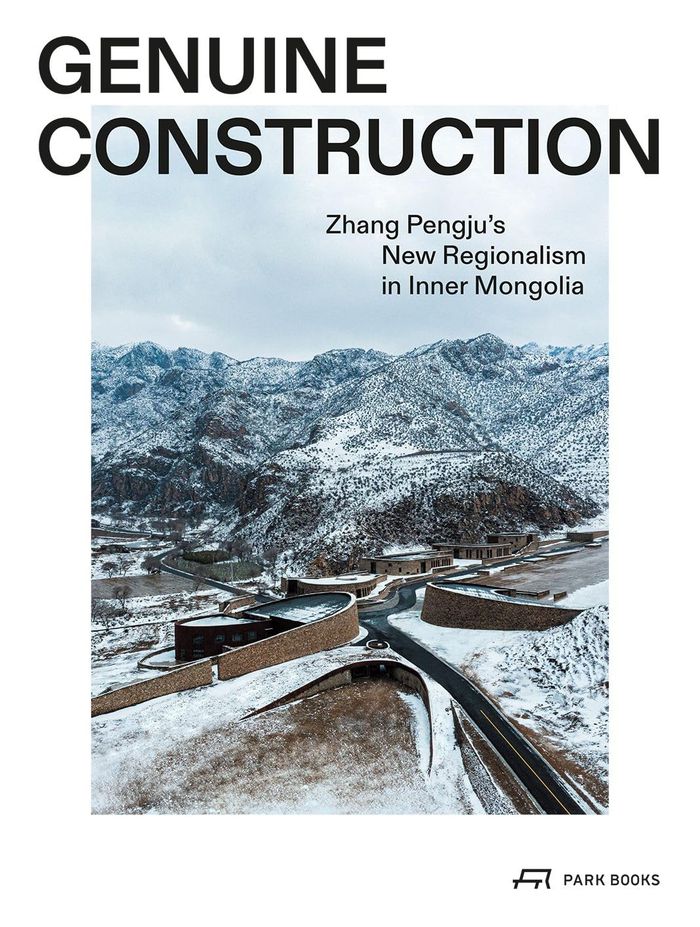
Zhang Pengju’s buildings explore the intersection of architecture and landscape as topographical art. His architectural practice is deeply rooted in the terrain and local history of China’s Inner Mongolia region and at the same time embodies contemporary architecture at its best. He engages in defining and cultivating topographical order and demonstrates how creative thinking can transform the fragments of our living conditions and our lives into images of a unified world. The seventeen realized designs featured in "Genuine construction" exemplify the architect’s approach. Each project is introduced by a concise text and presented through color photographs, plans, drawings, and sketches showing the use of natural materials, smooth lines, and humble models that skillfully blend these buildings into their surroundings. A foreword by David Leatherbarrow, professor emeritus at the University of Pennsylvania’s Stuart Weitzman School of Design, and essays by Chem Zhao, professor at Nanjing University’s School of Architecture and Urban Planning, and Yonggao Shin, associate professor at Southeast University’s School of Architecture in Nanjing, round out this monograph.
Genuine construction: Zhang Pengju’s new regionalism in inner Mongolia
Actions:
Price:
$80.00
(available in store)
Summary:
Zhang Pengju’s buildings explore the intersection of architecture and landscape as topographical art. His architectural practice is deeply rooted in the terrain and local history of China’s Inner Mongolia region and at the same time embodies contemporary architecture at its best. He engages in defining and cultivating topographical order and demonstrates how creative thinking can transform the fragments of our living conditions and our lives into images of a unified world. The seventeen realized designs featured in "Genuine construction" exemplify the architect’s approach. Each project is introduced by a concise text and presented through color photographs, plans, drawings, and sketches showing the use of natural materials, smooth lines, and humble models that skillfully blend these buildings into their surroundings. A foreword by David Leatherbarrow, professor emeritus at the University of Pennsylvania’s Stuart Weitzman School of Design, and essays by Chem Zhao, professor at Nanjing University’s School of Architecture and Urban Planning, and Yonggao Shin, associate professor at Southeast University’s School of Architecture in Nanjing, round out this monograph.
Form:
books
books
Publication:
April 2025
April 2025
Subject:
Architecture Monographs
Architecture Monographs
Form:
books
books
Actions:
Price:
$50.50
(available in store)
Summary:
If you look through private photo albums from East Germany dating from the period 1980 to 2000, you will notice very little changing in the pictures — at most the fashions, the hairstyles, and the cars. Meanwhile, the people who holidayed on the Baltic in the eighties quite possibly headed for Mallorca in the nineties. The fact that during this time a state went into(...)
$50.50
(available in store)
Summary:
If you look through private photo albums from East Germany dating from the period 1980 to 2000, you will notice very little changing in the pictures — at most the fashions, the hairstyles, and the cars. Meanwhile, the people who holidayed on the Baltic in the eighties quite possibly headed for Mallorca in the nineties. The fact that during this time a state went into(...)
Title:
...Someone always had a camera. Private photography in East Germany, 1980–2000
Actions:
Price:
$50.50
(available in store)
Summary:
If you look through private photo albums from East Germany dating from the period 1980 to 2000, you will notice very little changing in the pictures — at most the fashions, the hairstyles, and the cars. Meanwhile, the people who holidayed on the Baltic in the eighties quite possibly headed for Mallorca in the nineties. The fact that during this time a state went into terminal decline and then an entire society was turned upside down goes all but unseen in the pictures of children on their first day at school, weekend jaunts, and people exchanging Christmas presents. "... someone always had a camera ..." takes stock of a project that, since 2020, has been looking at private albums from these two decades to examine the world of private images they contain, informed by interviews with contemporary witnesses. In the essays in this volume, private photography is treated as a social practice, and the authors discuss how images were produced, organized in albums, and viewed, and how political conditions were registered in them.
...Someone always had a camera. Private photography in East Germany, 1980–2000
Actions:
Price:
$50.50
(available in store)
Summary:
If you look through private photo albums from East Germany dating from the period 1980 to 2000, you will notice very little changing in the pictures — at most the fashions, the hairstyles, and the cars. Meanwhile, the people who holidayed on the Baltic in the eighties quite possibly headed for Mallorca in the nineties. The fact that during this time a state went into terminal decline and then an entire society was turned upside down goes all but unseen in the pictures of children on their first day at school, weekend jaunts, and people exchanging Christmas presents. "... someone always had a camera ..." takes stock of a project that, since 2020, has been looking at private albums from these two decades to examine the world of private images they contain, informed by interviews with contemporary witnesses. In the essays in this volume, private photography is treated as a social practice, and the authors discuss how images were produced, organized in albums, and viewed, and how political conditions were registered in them.
Form:
books
books
Publication:
April 2025
April 2025
Subject:
Photography Collections
Photography Collections
Form:
books
books
Actions:
Price:
$85.00
(available to order)
Summary:
Much more than a resort destination, Palm Springs has served as a laboratory of the Modern; here so much architectural innovation and design took form. From the steel-and-glass boxes of Richard Neutra to the earthy organic homes of John Lautner, and everything in between, the solutions of architects and designers—including notably William F. Cody, E. Stewart Williams, and(...)
$85.00
(available to order)
Summary:
Much more than a resort destination, Palm Springs has served as a laboratory of the Modern; here so much architectural innovation and design took form. From the steel-and-glass boxes of Richard Neutra to the earthy organic homes of John Lautner, and everything in between, the solutions of architects and designers—including notably William F. Cody, E. Stewart Williams, and(...)
Title:
The Palm Springs School: Desert Modernism 1934-1975
Actions:
Price:
$85.00
(available to order)
Summary:
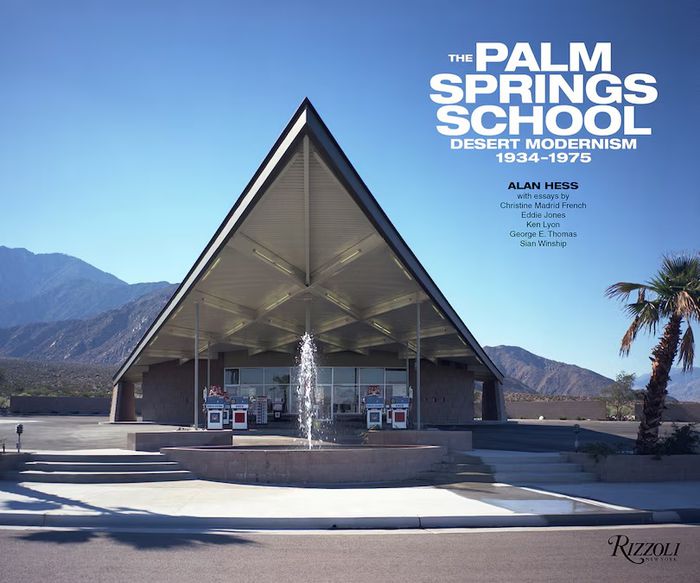
Much more than a resort destination, Palm Springs has served as a laboratory of the Modern; here so much architectural innovation and design took form. From the steel-and-glass boxes of Richard Neutra to the earthy organic homes of John Lautner, and everything in between, the solutions of architects and designers—including notably William F. Cody, E. Stewart Williams, and Albert Frey—were diverse and are ever more relevant in the face of contemporary challenges. Their answers addressed questions that still hold urgency: How to design sustainably in harsh climates? How to use technology efficiently and creatively to meet those challenges? How to build affordable and high-quality mass-produced housing? How to reflect a region’s culture, economy, and distinctive atmosphere? Architects here responded to nature’s climatological demands, and Palm Springs became a center for innovations that were rooted in practice more than theory. Benefitting from the architectural freedoms offered by the remoteness of the California desert, designers explored new approaches that we can now identify as central to the Palm Springs School, shown here in rich archival and contemporary photography.
The Palm Springs School: Desert Modernism 1934-1975
Actions:
Price:
$85.00
(available to order)
Summary:
Much more than a resort destination, Palm Springs has served as a laboratory of the Modern; here so much architectural innovation and design took form. From the steel-and-glass boxes of Richard Neutra to the earthy organic homes of John Lautner, and everything in between, the solutions of architects and designers—including notably William F. Cody, E. Stewart Williams, and Albert Frey—were diverse and are ever more relevant in the face of contemporary challenges. Their answers addressed questions that still hold urgency: How to design sustainably in harsh climates? How to use technology efficiently and creatively to meet those challenges? How to build affordable and high-quality mass-produced housing? How to reflect a region’s culture, economy, and distinctive atmosphere? Architects here responded to nature’s climatological demands, and Palm Springs became a center for innovations that were rooted in practice more than theory. Benefitting from the architectural freedoms offered by the remoteness of the California desert, designers explored new approaches that we can now identify as central to the Palm Springs School, shown here in rich archival and contemporary photography.
Form:
books
books
Publication:
February 2025
February 2025
Subject:
Modernism
Modernism
Form:
books
books
Actions:
Price:
$52.95
(available to order)
Summary:
''Pathways to Utopia'' explores how Brazil's ''Landless Workers Movement'' (''Movimento dos Trabalhadores Rurais Sem Terra", or MST), against all odds, has endured for forty years as one of the world's largest social movements—while transforming the way we understand the temporality of activism. Taking his cue from MST members and their generational struggle for land and(...)
$52.95
(available to order)
Summary:
''Pathways to Utopia'' explores how Brazil's ''Landless Workers Movement'' (''Movimento dos Trabalhadores Rurais Sem Terra", or MST), against all odds, has endured for forty years as one of the world's largest social movements—while transforming the way we understand the temporality of activism. Taking his cue from MST members and their generational struggle for land and(...)
Title:
Pathways to utopia: Time and transfomation in the Landless Workers Movemenet of Brazil
Actions:
Price:
$52.95
(available to order)
Summary:
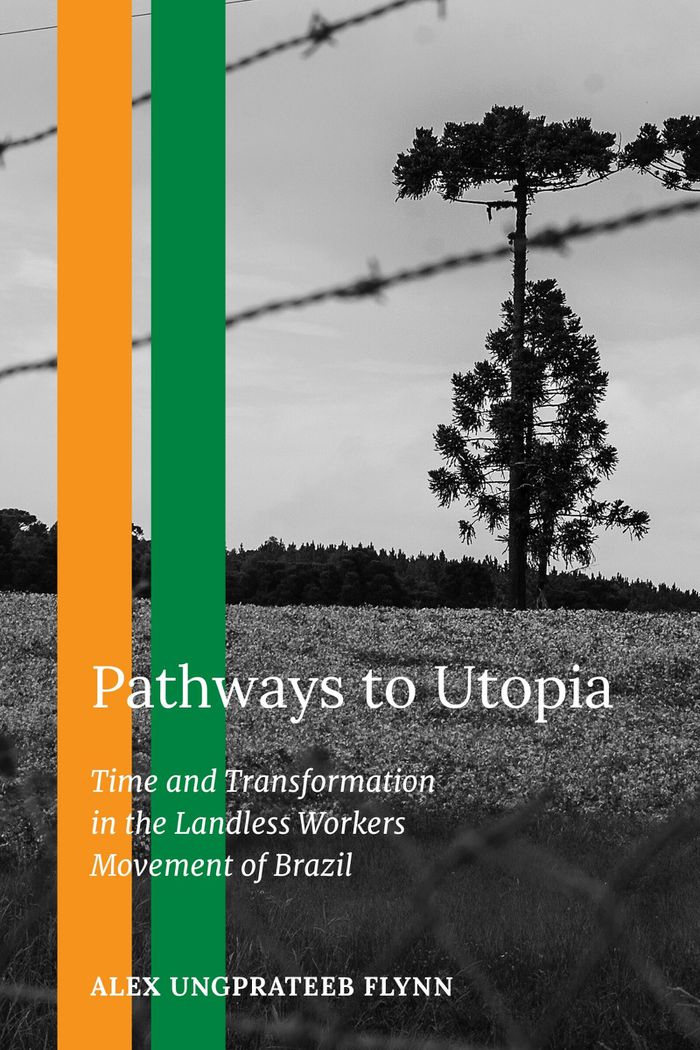
''Pathways to Utopia'' explores how Brazil's ''Landless Workers Movement'' (''Movimento dos Trabalhadores Rurais Sem Terra", or MST), against all odds, has endured for forty years as one of the world's largest social movements—while transforming the way we understand the temporality of activism. Taking his cue from MST members and their generational struggle for land and justice, anthropologist Alex Ungprateeb Flynn reveals how the movement's longevity stems not only from its strong organization and collective vision but also from the productive tensions between established utopian ideals and emerging counter-utopian practices. Perceived by some as a shortcoming, this friction has proven to be a generative force, sparking creative gestures that reimagine social relations and ensuring the MST's adaptability in an ever-changing political landscape. Flynn chronicles the everyday lives of families navigating an extraordinary political reality over a fifteen-year period. At the heart of ''Pathways to Utopia'' is the realization that activism is not a momentary act but an ongoing, relational practice—one where even the smallest community actions reverberate, reshaping the very structures through which people seek to change the world.
Pathways to utopia: Time and transfomation in the Landless Workers Movemenet of Brazil
Actions:
Price:
$52.95
(available to order)
Summary:
''Pathways to Utopia'' explores how Brazil's ''Landless Workers Movement'' (''Movimento dos Trabalhadores Rurais Sem Terra", or MST), against all odds, has endured for forty years as one of the world's largest social movements—while transforming the way we understand the temporality of activism. Taking his cue from MST members and their generational struggle for land and justice, anthropologist Alex Ungprateeb Flynn reveals how the movement's longevity stems not only from its strong organization and collective vision but also from the productive tensions between established utopian ideals and emerging counter-utopian practices. Perceived by some as a shortcoming, this friction has proven to be a generative force, sparking creative gestures that reimagine social relations and ensuring the MST's adaptability in an ever-changing political landscape. Flynn chronicles the everyday lives of families navigating an extraordinary political reality over a fifteen-year period. At the heart of ''Pathways to Utopia'' is the realization that activism is not a momentary act but an ongoing, relational practice—one where even the smallest community actions reverberate, reshaping the very structures through which people seek to change the world.
Form:
books
books
Publication:
August 2025
August 2025
Subject:
Social
Social
Form:
books
books
Actions:
Price:
$110.00
(available in store)
Summary:
The third installment in the Dongola Architecture Series, "Provoking the territory: Bernard Khoury", explores the provocative and often polarizing practice of Lebanese architect Bernard Khoury through an intimate lens rooted in Beirut. As with previous volumes, the series privileges critical conversations over monographic celebration—this edition not only follows Khoury’s(...)
$110.00
(available in store)
Summary:
The third installment in the Dongola Architecture Series, "Provoking the territory: Bernard Khoury", explores the provocative and often polarizing practice of Lebanese architect Bernard Khoury through an intimate lens rooted in Beirut. As with previous volumes, the series privileges critical conversations over monographic celebration—this edition not only follows Khoury’s(...)
Title:
Bernard Khoury: Provoking the territory. Dongola Architecture Series DAS 03
Actions:
Price:
$110.00
(available in store)
Summary:
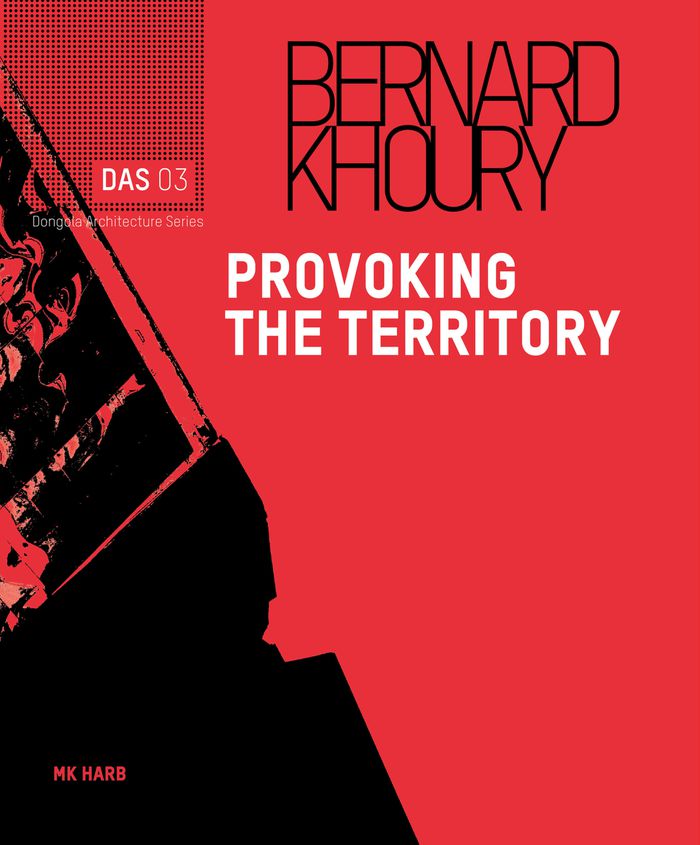
The third installment in the Dongola Architecture Series, "Provoking the territory: Bernard Khoury", explores the provocative and often polarizing practice of Lebanese architect Bernard Khoury through an intimate lens rooted in Beirut. As with previous volumes, the series privileges critical conversations over monographic celebration—this edition not only follows Khoury’s trajectory from student to self-reinvention in his fifties, but also presents him as both a product and provocateur of the city’s contradictions. This volume uses Khoury’s work not simply as an archive of built projects, but as an investigative framework for understanding Beirut’s urban complexities. It asks: how can an architect simultaneously challenge power and profit from it? Can one critically portray a city while being embedded in its elite networks? Following the structure of earlier volumes, "Provoking the territory" mobilizes Khoury’s thinking as a lens to reflect on regional failures to modernize, unlearn dominant fictions, and dive fearlessly into the architectural imaginaries of the Arab world. It is an invitation to confront the ethics, politics, and aesthetics of urban storytelling.
Bernard Khoury: Provoking the territory. Dongola Architecture Series DAS 03
Actions:
Price:
$110.00
(available in store)
Summary:
The third installment in the Dongola Architecture Series, "Provoking the territory: Bernard Khoury", explores the provocative and often polarizing practice of Lebanese architect Bernard Khoury through an intimate lens rooted in Beirut. As with previous volumes, the series privileges critical conversations over monographic celebration—this edition not only follows Khoury’s trajectory from student to self-reinvention in his fifties, but also presents him as both a product and provocateur of the city’s contradictions. This volume uses Khoury’s work not simply as an archive of built projects, but as an investigative framework for understanding Beirut’s urban complexities. It asks: how can an architect simultaneously challenge power and profit from it? Can one critically portray a city while being embedded in its elite networks? Following the structure of earlier volumes, "Provoking the territory" mobilizes Khoury’s thinking as a lens to reflect on regional failures to modernize, unlearn dominant fictions, and dive fearlessly into the architectural imaginaries of the Arab world. It is an invitation to confront the ethics, politics, and aesthetics of urban storytelling.
Form:
books
books
Publication:
July 2025
July 2025
Subject:
Architecture Monographs
Architecture Monographs
Form:
books
books
Price:
$66.95
(available in store)
Summary:
Bringing together real-world examples, "Architecture and energy" offers starting points for how to approach construction today and into the future. The energy requirements of buildings are enormous, resulting in a significant proportion of global carbon dioxide emissions, both in the construction phase and during the building’s use and eventual demolition. In an era of(...)
$66.95
(available in store)
Summary:
Bringing together real-world examples, "Architecture and energy" offers starting points for how to approach construction today and into the future. The energy requirements of buildings are enormous, resulting in a significant proportion of global carbon dioxide emissions, both in the construction phase and during the building’s use and eventual demolition. In an era of(...)
Title:
Architecture and energy: Building in the age of climate change
Actions:
Price:
$66.95
(available in store)
Summary:
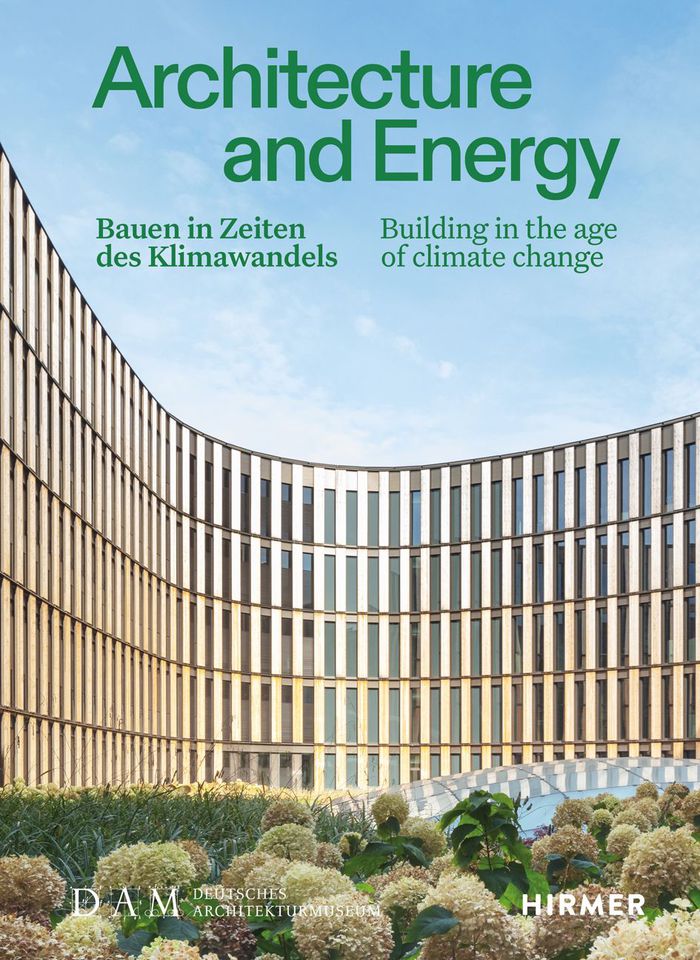
Bringing together real-world examples, "Architecture and energy" offers starting points for how to approach construction today and into the future. The energy requirements of buildings are enormous, resulting in a significant proportion of global carbon dioxide emissions, both in the construction phase and during the building’s use and eventual demolition. In an era of energy transition and extreme weather phenomena, the question of how we build in a time of climate change becomes all the more urgent. A sustainably-built wood and concrete supermarket that includes a roof farm, a kindergarten constructed from locally sourced recycled materials, renovating an office building so that it can remove its air conditioning and ventilation systems: in addition to the choice of materials and innovative operating concepts, the possibilities for reducing emissions and energy requirements lie above all in thinking about the entire life cycle of a building, including refurbishing rather than new construction when possible. This volume presents international best-practice projects characterized by sustainable design and provides forward-looking answers.
Architecture and energy: Building in the age of climate change
Actions:
Price:
$66.95
(available in store)
Summary:
Bringing together real-world examples, "Architecture and energy" offers starting points for how to approach construction today and into the future. The energy requirements of buildings are enormous, resulting in a significant proportion of global carbon dioxide emissions, both in the construction phase and during the building’s use and eventual demolition. In an era of energy transition and extreme weather phenomena, the question of how we build in a time of climate change becomes all the more urgent. A sustainably-built wood and concrete supermarket that includes a roof farm, a kindergarten constructed from locally sourced recycled materials, renovating an office building so that it can remove its air conditioning and ventilation systems: in addition to the choice of materials and innovative operating concepts, the possibilities for reducing emissions and energy requirements lie above all in thinking about the entire life cycle of a building, including refurbishing rather than new construction when possible. This volume presents international best-practice projects characterized by sustainable design and provides forward-looking answers.
Form:
books
books
Publication:
July 2025
July 2025
Subject:
Green Architecture
Green Architecture
Form:
books
books
Actions:
Price:
$112.00
(available to order)
Summary:
I. M. Pei (1917–2019) was one of the world's most influential architects. Born and raised in China, Pei trained and worked in the United States, establishing a practice that spanned seven decades and multiple continents. His legacy includes the realization of some of the most high-profile projects of the late twentieth and early twenty-first centuries, from the(...)
$112.00
(available to order)
Summary:
I. M. Pei (1917–2019) was one of the world's most influential architects. Born and raised in China, Pei trained and worked in the United States, establishing a practice that spanned seven decades and multiple continents. His legacy includes the realization of some of the most high-profile projects of the late twentieth and early twenty-first centuries, from the(...)
Publication:
October 2024
October 2024
Title:
I. M. Pei: Life is architecture
Actions:
Price:
$112.00
(available to order)
Summary:
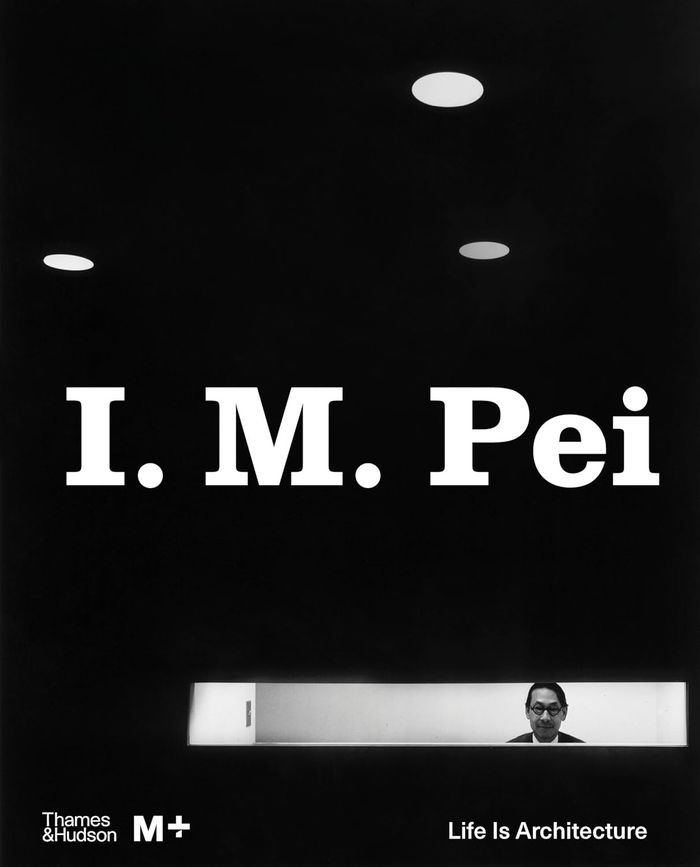
I. M. Pei (1917–2019) was one of the world's most influential architects. Born and raised in China, Pei trained and worked in the United States, establishing a practice that spanned seven decades and multiple continents. His legacy includes the realization of some of the most high-profile projects of the late twentieth and early twenty-first centuries, from the modernization of the Louvre in Paris to the design of the Museum of Islamic Art in Doha. Going beyond the usual building-by-building format of most architectural monographs, "I. M. Pei: Life is architecture" is organized thematically, exploring Pei's life and work through six topics that were central to his unique approach to architecture: transcultural identity, urban redevelopment, art and civic form, material and structural innovation, politics and patronage, and regenerating cultural and historical archetypes. Bringing together previously unpublished archival materials, specially commissioned essays, new photography, and personal contributions from those who knew and worked with Pei, this book presents both celebrated and lesser-known aspects of the architect's life and career while solidifying his position in architectural history and popular culture.
I. M. Pei: Life is architecture
Actions:
Price:
$112.00
(available to order)
Summary:
I. M. Pei (1917–2019) was one of the world's most influential architects. Born and raised in China, Pei trained and worked in the United States, establishing a practice that spanned seven decades and multiple continents. His legacy includes the realization of some of the most high-profile projects of the late twentieth and early twenty-first centuries, from the modernization of the Louvre in Paris to the design of the Museum of Islamic Art in Doha. Going beyond the usual building-by-building format of most architectural monographs, "I. M. Pei: Life is architecture" is organized thematically, exploring Pei's life and work through six topics that were central to his unique approach to architecture: transcultural identity, urban redevelopment, art and civic form, material and structural innovation, politics and patronage, and regenerating cultural and historical archetypes. Bringing together previously unpublished archival materials, specially commissioned essays, new photography, and personal contributions from those who knew and worked with Pei, this book presents both celebrated and lesser-known aspects of the architect's life and career while solidifying his position in architectural history and popular culture.
Form:
books
books
Publication:
October 2024
October 2024
Form:
books
books
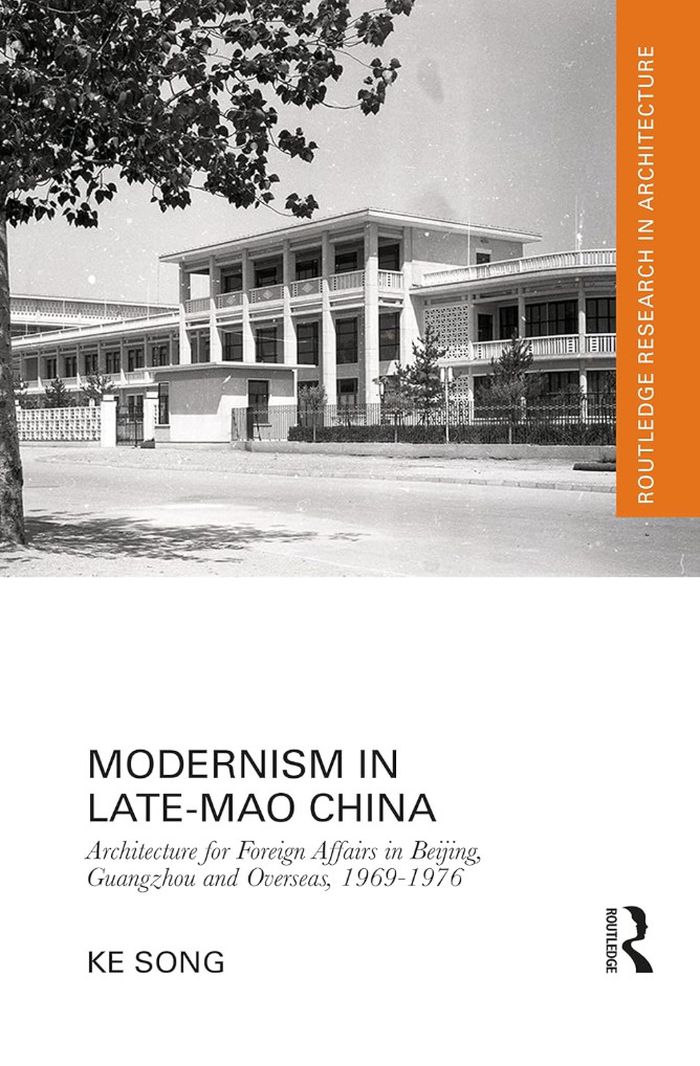
Title:
Modernism in late-Mao China
Modernism in late-Mao China
Actions:
Price:
$81.50
(available in store)
Summary:
This book investigates the architectural history of China in the Mao era (1949–1976), focusing on the rise of modernism in the last seven years of the Cultural Revolution from 1969 to 1976. It highlights the new architecture of this period, exemplified by three clusters of buildings for foreign affairs, namely buildings for foreign diplomacy in Beijing, buildings for(...)
$81.50
(available in store)
Summary:
This book investigates the architectural history of China in the Mao era (1949–1976), focusing on the rise of modernism in the last seven years of the Cultural Revolution from 1969 to 1976. It highlights the new architecture of this period, exemplified by three clusters of buildings for foreign affairs, namely buildings for foreign diplomacy in Beijing, buildings for(...)
Title:
Modernism in late-Mao China
Actions:
Price:
$81.50
(available in store)
Summary:
This book investigates the architectural history of China in the Mao era (1949–1976), focusing on the rise of modernism in the last seven years of the Cultural Revolution from 1969 to 1976. It highlights the new architecture of this period, exemplified by three clusters of buildings for foreign affairs, namely buildings for foreign diplomacy in Beijing, buildings for foreign trade in Guangzhou and China’s foreign aid projects overseas. The emergence of new architecture in the early 1970s is closely associated with China’s political and diplomatic shift of the time, from a radical emphasis on ideological struggle to a dynamic balance between leftist ideology and pragmatic concerns. In this context, China’s relations with the West quickly improved, culminating with American president Richard Nixon’s visit to China in 1972. The increasing foreign affairs brought new opportunities to Chinese architects who referenced both Western modernism and Chinese architectural traditions to create a new version of Chinese modernism. The book brings dimensions of form, politics and knowledge to the analysis of architecture, to construct an understanding of architectural design as an aesthetic, political and intellectual practice.
Modernism in late-Mao China
Actions:
Price:
$81.50
(available in store)
Summary:
This book investigates the architectural history of China in the Mao era (1949–1976), focusing on the rise of modernism in the last seven years of the Cultural Revolution from 1969 to 1976. It highlights the new architecture of this period, exemplified by three clusters of buildings for foreign affairs, namely buildings for foreign diplomacy in Beijing, buildings for foreign trade in Guangzhou and China’s foreign aid projects overseas. The emergence of new architecture in the early 1970s is closely associated with China’s political and diplomatic shift of the time, from a radical emphasis on ideological struggle to a dynamic balance between leftist ideology and pragmatic concerns. In this context, China’s relations with the West quickly improved, culminating with American president Richard Nixon’s visit to China in 1972. The increasing foreign affairs brought new opportunities to Chinese architects who referenced both Western modernism and Chinese architectural traditions to create a new version of Chinese modernism. The book brings dimensions of form, politics and knowledge to the analysis of architecture, to construct an understanding of architectural design as an aesthetic, political and intellectual practice.
Form:
books
books
Publication:
December 2025
December 2025
Form:
books
books

Price:
$95.00
(available in store)
Summary:
Media coverage of Japanese architecture the past twenty years has largely been dominated by the works of SANAA, Sou Fujimoto, Junya Ishigami and their contemporaries. Their skillfully designed, ethereal white spaces and structures, have proved well suited to being exported in an increasingly visual culture. ''Communal Ecologies'', on the other hand, highlights an(...)
$95.00
(available in store)
Summary:
Media coverage of Japanese architecture the past twenty years has largely been dominated by the works of SANAA, Sou Fujimoto, Junya Ishigami and their contemporaries. Their skillfully designed, ethereal white spaces and structures, have proved well suited to being exported in an increasingly visual culture. ''Communal Ecologies'', on the other hand, highlights an(...)
Subject:
Contemporary Asian Architecture
Contemporary Asian Architecture
Publication:
December 2025
December 2025
Title:
Communal Ecologies: Conversations with Young Japanese Architects
Actions:
Price:
$95.00
(available in store)
Summary:
Media coverage of Japanese architecture the past twenty years has largely been dominated by the works of SANAA, Sou Fujimoto, Junya Ishigami and their contemporaries. Their skillfully designed, ethereal white spaces and structures, have proved well suited to being exported in an increasingly visual culture. ''Communal Ecologies'', on the other hand, highlights an emerging generation of young architects pursuing a very different vision. They strive for an architecture that is rougher, more dynamic, and deeply rooted in social and ecological engagement. With a growing interest in community and network building, and a reevaluation of architecture’s connection to nature, they are developing critical methodologies for practice, and are reimagining the role of the architect in the process. Faced with a lack of opportunities in traditional housing design due to Japan’s economic decline, alongside a heightened awareness of ecological challenges brought on by frequent natural disasters, this generation of architects are crafting innovative strategies to engage with the existing housing stock and address challenges related to sustainability, reuse and transformation.
Communal Ecologies: Conversations with Young Japanese Architects
Actions:
Price:
$95.00
(available in store)
Summary:
Media coverage of Japanese architecture the past twenty years has largely been dominated by the works of SANAA, Sou Fujimoto, Junya Ishigami and their contemporaries. Their skillfully designed, ethereal white spaces and structures, have proved well suited to being exported in an increasingly visual culture. ''Communal Ecologies'', on the other hand, highlights an emerging generation of young architects pursuing a very different vision. They strive for an architecture that is rougher, more dynamic, and deeply rooted in social and ecological engagement. With a growing interest in community and network building, and a reevaluation of architecture’s connection to nature, they are developing critical methodologies for practice, and are reimagining the role of the architect in the process. Faced with a lack of opportunities in traditional housing design due to Japan’s economic decline, alongside a heightened awareness of ecological challenges brought on by frequent natural disasters, this generation of architects are crafting innovative strategies to engage with the existing housing stock and address challenges related to sustainability, reuse and transformation.
Form:
books
books
Publication:
December 2025
December 2025
Subject:
Contemporary Asian Architecture
Contemporary Asian Architecture


