


873 Results
Form:
books
books
Title:
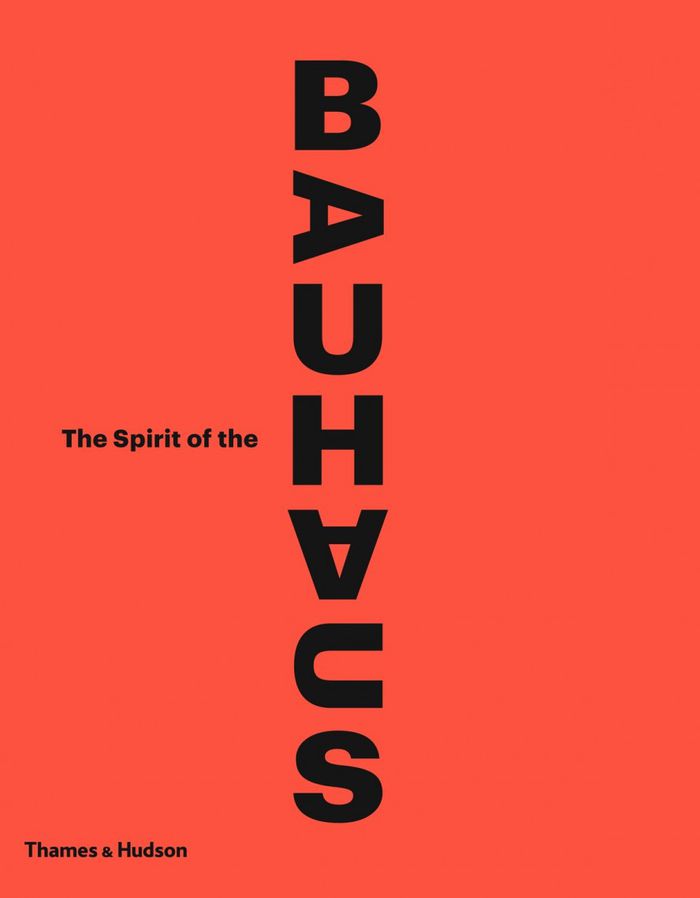
The spirit of the Bauhaus
The spirit of the Bauhaus
Actions:
Price:
$66.00
(available to order)
Summary:
“Architects, sculptors, painters, we all must return to the crafts!” declared architect Walter Gropius in his Bauhaus manifesto. Founded in 1919 as an art school in Weimar, the Bauhaus established itself as a major influence on twentieth- century art and design. Bauhaus students were taught by some of the most celebrated artists of the time, including Paul Klee, Lyonel(...)
$66.00
(available to order)
Summary:
“Architects, sculptors, painters, we all must return to the crafts!” declared architect Walter Gropius in his Bauhaus manifesto. Founded in 1919 as an art school in Weimar, the Bauhaus established itself as a major influence on twentieth- century art and design. Bauhaus students were taught by some of the most celebrated artists of the time, including Paul Klee, Lyonel(...)
Title:
The spirit of the Bauhaus
Actions:
Price:
$66.00
(available to order)
Summary:
“Architects, sculptors, painters, we all must return to the crafts!” declared architect Walter Gropius in his Bauhaus manifesto. Founded in 1919 as an art school in Weimar, the Bauhaus established itself as a major influence on twentieth- century art and design. Bauhaus students were taught by some of the most celebrated artists of the time, including Paul Klee, Lyonel Feininger, and Wassily Kandinsky. Having moved to Berlin in 1932 under architect Ludwig Mies van der Rohe, it was forced to close for good by the Gestapo in 1933. Uncovering the sources of inspiration that brought the Bauhaus into existence, from medieval cathedrals of Europe and Hokusai prints to William Morris and Arts and Crafts, The Spirit of the Bauhaus explores workshops and courses in detail, illustrating the extraordinary wealth of experimentation in every medium: ceramics, wood and metalwork, textiles, glass- painting, sculpture, mural, printing and binding, theater, architecture, and photography. This essential and accessible guide to the Bauhaus, published in time for the 100th anniversary of the school in 2019, celebrates a school that continues to be recognized as the most durable and influential source of modern ideas about art, design, and craft.
The spirit of the Bauhaus
Actions:
Price:
$66.00
(available to order)
Summary:
“Architects, sculptors, painters, we all must return to the crafts!” declared architect Walter Gropius in his Bauhaus manifesto. Founded in 1919 as an art school in Weimar, the Bauhaus established itself as a major influence on twentieth- century art and design. Bauhaus students were taught by some of the most celebrated artists of the time, including Paul Klee, Lyonel Feininger, and Wassily Kandinsky. Having moved to Berlin in 1932 under architect Ludwig Mies van der Rohe, it was forced to close for good by the Gestapo in 1933. Uncovering the sources of inspiration that brought the Bauhaus into existence, from medieval cathedrals of Europe and Hokusai prints to William Morris and Arts and Crafts, The Spirit of the Bauhaus explores workshops and courses in detail, illustrating the extraordinary wealth of experimentation in every medium: ceramics, wood and metalwork, textiles, glass- painting, sculpture, mural, printing and binding, theater, architecture, and photography. This essential and accessible guide to the Bauhaus, published in time for the 100th anniversary of the school in 2019, celebrates a school that continues to be recognized as the most durable and influential source of modern ideas about art, design, and craft.
Form:
books
books
Publication:
May 2018
May 2018
Subject:
Modernism
Modernism
Form:
books
books
Price:
$67.50
(available to order)
Summary:
Architect Charles Moore (1925-1993) was not only celebrated for his designs; he was also an admired writer and teacher. Though he wrote clearly and passionately about places, he was perhaps unique in avoiding the tone and stance of the personal manifesto. Through his buildings, books, and travels, Moore consistently sought insights into the questions that always underlie(...)
$67.50
(available to order)
Summary:
Architect Charles Moore (1925-1993) was not only celebrated for his designs; he was also an admired writer and teacher. Though he wrote clearly and passionately about places, he was perhaps unique in avoiding the tone and stance of the personal manifesto. Through his buildings, books, and travels, Moore consistently sought insights into the questions that always underlie(...)
Title:
You have to pay for the private life : selected essays by Charles W. Moore
Actions:
Price:
$67.50
(available to order)
Summary:
Architect Charles Moore (1925-1993) was not only celebrated for his designs; he was also an admired writer and teacher. Though he wrote clearly and passionately about places, he was perhaps unique in avoiding the tone and stance of the personal manifesto. Through his buildings, books, and travels, Moore consistently sought insights into the questions that always underlie architecture and design: What does it mean to make a place, and how do we inhabit those places? How do we continue to build upon but respect the landscape? How do we reconcile democracy and private land ownership? What is original? What is taste? What is the relationship between past and present? How do we involve inhabitants in making places? Finally, what is public life? As the world becomes smaller, and the uniqueness of places and landscapes gives way to sameness, Moore's celebration of the vernacular and of the surprising are more relevant than ever. The pieces in this book span the years 1952 to 1993 and engage a myriad of topics and movements, such as contextualism, community participation, collaboration, environmentally sensitive design, and historic preservation. The essays in this book reflect as well Moore's scholarship, humanism, urbanity, and great wit.
You have to pay for the private life : selected essays by Charles W. Moore
Actions:
Price:
$67.50
(available to order)
Summary:
Architect Charles Moore (1925-1993) was not only celebrated for his designs; he was also an admired writer and teacher. Though he wrote clearly and passionately about places, he was perhaps unique in avoiding the tone and stance of the personal manifesto. Through his buildings, books, and travels, Moore consistently sought insights into the questions that always underlie architecture and design: What does it mean to make a place, and how do we inhabit those places? How do we continue to build upon but respect the landscape? How do we reconcile democracy and private land ownership? What is original? What is taste? What is the relationship between past and present? How do we involve inhabitants in making places? Finally, what is public life? As the world becomes smaller, and the uniqueness of places and landscapes gives way to sameness, Moore's celebration of the vernacular and of the surprising are more relevant than ever. The pieces in this book span the years 1952 to 1993 and engage a myriad of topics and movements, such as contextualism, community participation, collaboration, environmentally sensitive design, and historic preservation. The essays in this book reflect as well Moore's scholarship, humanism, urbanity, and great wit.
Form:
books
books
Publication:
November 2000, Cambridge, Mass.
November 2000, Cambridge, Mass.
Subject:
Architectural Theory
Architectural Theory
Form:
books
books
Actions:
Price:
$35.95
(available to order)
Summary:
In 2016, a small protest encampment at the Standing Rock reservation in North Dakota, initially established to block construction of the Dakota Access oil pipeline, grew to be the largest Indigenous protest movement in the twenty-first century, attracting tens of thousands of Indigenous and non-Native allies from around the world. Its slogan ''Mni Wiconi''—Water is(...)
$35.95
(available to order)
Summary:
In 2016, a small protest encampment at the Standing Rock reservation in North Dakota, initially established to block construction of the Dakota Access oil pipeline, grew to be the largest Indigenous protest movement in the twenty-first century, attracting tens of thousands of Indigenous and non-Native allies from around the world. Its slogan ''Mni Wiconi''—Water is(...)
Title:
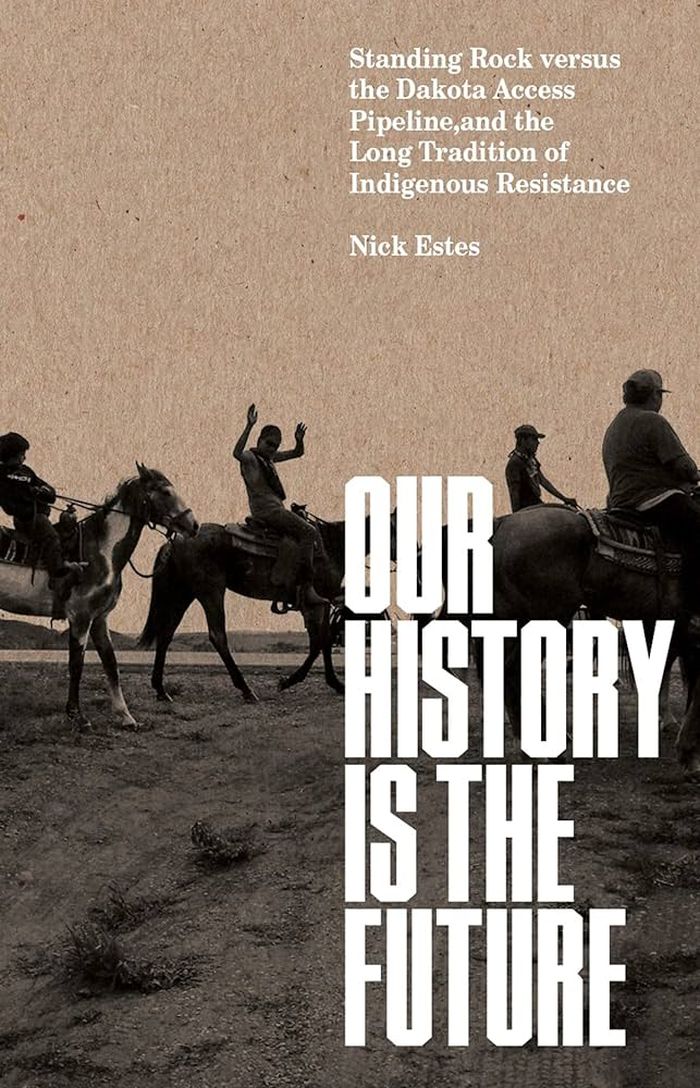
Our history is the future: Standing Rock versus the Dakota Access Pipeline, and the long tradition of indigenous resistance
Actions:
Price:
$35.95
(available to order)
Summary:
In 2016, a small protest encampment at the Standing Rock reservation in North Dakota, initially established to block construction of the Dakota Access oil pipeline, grew to be the largest Indigenous protest movement in the twenty-first century, attracting tens of thousands of Indigenous and non-Native allies from around the world. Its slogan ''Mni Wiconi''—Water is Life—was about more than just a pipeline. Water Protectors knew this battle for Native sovereignty had already been fought many times before, and that, even after the encampment was gone, their anti-colonial struggle would continue. In ''Our history is the future'', Nick Estes traces traditions of Indigenous resistance leading to the #NoDAPL movement from the days of the Missouri River trading forts through the Indian Wars, the Pick-Sloan dams, the American Indian Movement, and the campaign for Indigenous rights at the United Nations. While a historian by trade, Estes also draws on observations from the encampments and from growing up as a citizen of the Oceti Sakowin (the Nation of the Seven Council Fires), making Our History is the Future at once a work of history, a personal story, and a manifesto.
Our history is the future: Standing Rock versus the Dakota Access Pipeline, and the long tradition of indigenous resistance
Actions:
Price:
$35.95
(available to order)
Summary:
In 2016, a small protest encampment at the Standing Rock reservation in North Dakota, initially established to block construction of the Dakota Access oil pipeline, grew to be the largest Indigenous protest movement in the twenty-first century, attracting tens of thousands of Indigenous and non-Native allies from around the world. Its slogan ''Mni Wiconi''—Water is Life—was about more than just a pipeline. Water Protectors knew this battle for Native sovereignty had already been fought many times before, and that, even after the encampment was gone, their anti-colonial struggle would continue. In ''Our history is the future'', Nick Estes traces traditions of Indigenous resistance leading to the #NoDAPL movement from the days of the Missouri River trading forts through the Indian Wars, the Pick-Sloan dams, the American Indian Movement, and the campaign for Indigenous rights at the United Nations. While a historian by trade, Estes also draws on observations from the encampments and from growing up as a citizen of the Oceti Sakowin (the Nation of the Seven Council Fires), making Our History is the Future at once a work of history, a personal story, and a manifesto.
Form:
books
books
Publication:
October 2023
October 2023
Subject:
indigenous
indigenous
Form:
books
books
Actions:
Price:
$36.00
(available in store)
Summary:
The sequel to the authors’ “Are We Human?”, this provocative book is an urgent manifesto for an alternative architectural philosophy. It treats bacteria as the real architects, construction workers, maintenance crews and inhabitants of buildings. Colomina and Wigley draw on the latest research into microbes to rethink the past and possible futures of the built(...)
$36.00
(available in store)
Summary:
The sequel to the authors’ “Are We Human?”, this provocative book is an urgent manifesto for an alternative architectural philosophy. It treats bacteria as the real architects, construction workers, maintenance crews and inhabitants of buildings. Colomina and Wigley draw on the latest research into microbes to rethink the past and possible futures of the built(...)
Title:
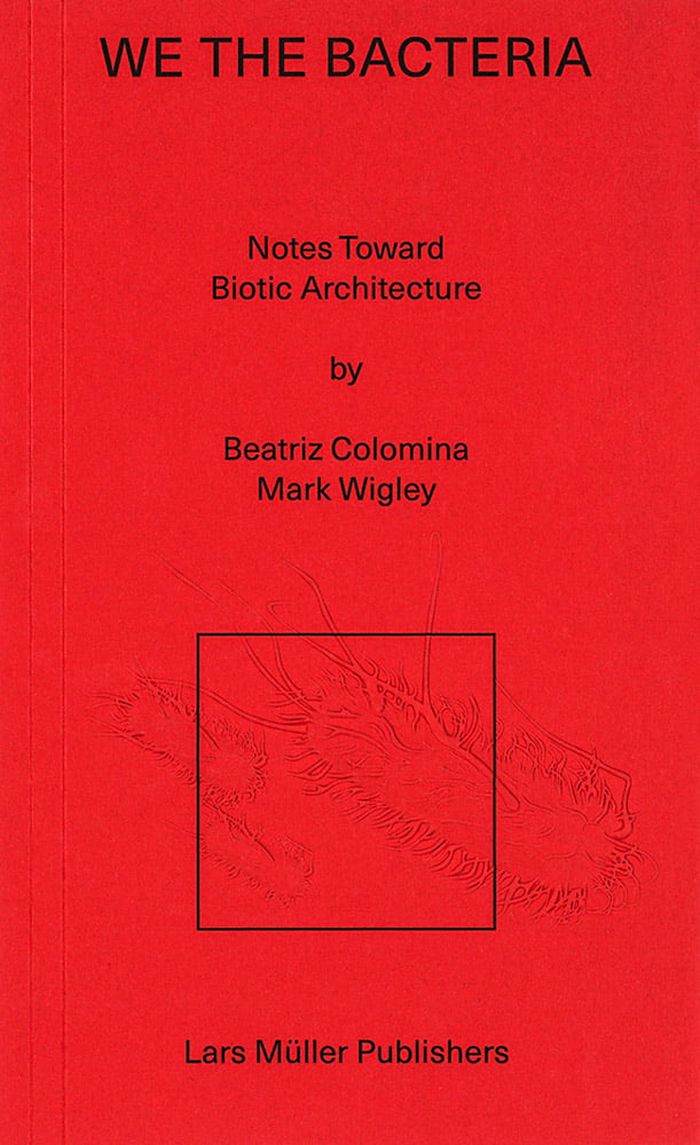
We the bacteria: Notes towards biotic architecture
Actions:
Price:
$36.00
(available in store)
Summary:
The sequel to the authors’ “Are We Human?”, this provocative book is an urgent manifesto for an alternative architectural philosophy. It treats bacteria as the real architects, construction workers, maintenance crews and inhabitants of buildings. Colomina and Wigley draw on the latest research into microbes to rethink the past and possible futures of the built environment. The book explores the intimate entanglements of the microbes within bodies and buildings over the last 10,000 years, culminating in the antibiotic philosophy of contemporary architecture. The diseases of our time are diseases of the built environment. The deadly combination of rapidly declining microbial diversity and rising antibiotic-resistant bacteria is as great a threat as climate change. Hostility to bacteria has to give way to new forms of hospitality from a more symbiotic architecture that learns from bacteria, embracing them and reconnecting with soil, plants and other species. Buildings based on fear of bacteria, which is to say fear of life itself, must give way to buildings learning from models of coexistence based on bacteria themselves. The main goal of the book is to rethink the very idea of shelter in terms of forms of inclusion rather than prophylactic forms of exclusion.
We the bacteria: Notes towards biotic architecture
Actions:
Price:
$36.00
(available in store)
Summary:
The sequel to the authors’ “Are We Human?”, this provocative book is an urgent manifesto for an alternative architectural philosophy. It treats bacteria as the real architects, construction workers, maintenance crews and inhabitants of buildings. Colomina and Wigley draw on the latest research into microbes to rethink the past and possible futures of the built environment. The book explores the intimate entanglements of the microbes within bodies and buildings over the last 10,000 years, culminating in the antibiotic philosophy of contemporary architecture. The diseases of our time are diseases of the built environment. The deadly combination of rapidly declining microbial diversity and rising antibiotic-resistant bacteria is as great a threat as climate change. Hostility to bacteria has to give way to new forms of hospitality from a more symbiotic architecture that learns from bacteria, embracing them and reconnecting with soil, plants and other species. Buildings based on fear of bacteria, which is to say fear of life itself, must give way to buildings learning from models of coexistence based on bacteria themselves. The main goal of the book is to rethink the very idea of shelter in terms of forms of inclusion rather than prophylactic forms of exclusion.
Form:
books
books
Publication:
October 2025
October 2025
Subject:
Architecture ecologies
Architecture ecologies
Form:
books
books
Title:
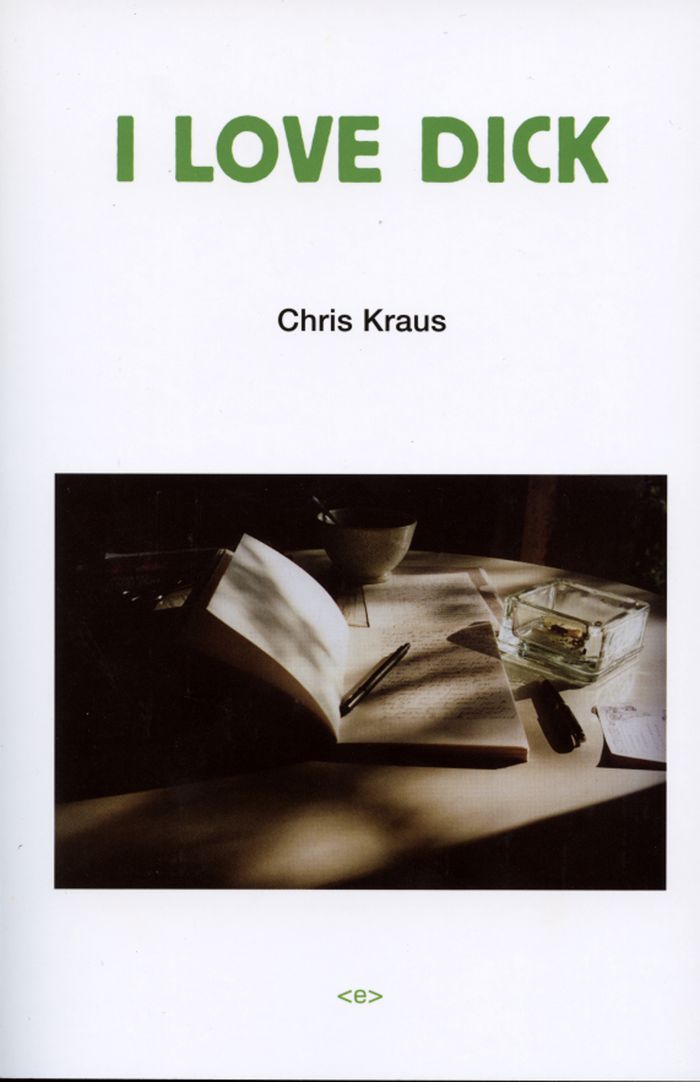
I love Dick
I love Dick
Actions:
Price:
$22.95
(available to order)
Summary:
In "I Love Dick", published in 1997, Chris Kraus, author of Aliens & Anorexia, Torpor, and Video Green, boldly tore away the veil that separates fiction from reality and privacy from self-expression. It's no wonder that "I Love Dick" instantly elicited violent controversies and attracted a host of passionate admirers.The story is gripping enough: in 1994 a married, failed(...)
$22.95
(available to order)
Summary:
In "I Love Dick", published in 1997, Chris Kraus, author of Aliens & Anorexia, Torpor, and Video Green, boldly tore away the veil that separates fiction from reality and privacy from self-expression. It's no wonder that "I Love Dick" instantly elicited violent controversies and attracted a host of passionate admirers.The story is gripping enough: in 1994 a married, failed(...)
Title:
I love Dick
Actions:
Price:
$22.95
(available to order)
Summary:
In "I Love Dick", published in 1997, Chris Kraus, author of Aliens & Anorexia, Torpor, and Video Green, boldly tore away the veil that separates fiction from reality and privacy from self-expression. It's no wonder that "I Love Dick" instantly elicited violent controversies and attracted a host of passionate admirers.The story is gripping enough: in 1994 a married, failed independent filmmaker, turning forty, falls in love with a well-known theorist and endeavors to seduce him with the help of her husband. But when the theorist refuses to answer her letters, the husband and wife continue the correspondence for each other instead, imagining the fling the wife wishes to have with Dick. What follows is a breathless pursuit that takes the woman across America and away from her husband—and far beyond her original infatuation into a discovery of the transformative power of first person narrative.I Love Dick is a manifesto for a new kind of feminist who isn't afraid to burn through her own narcissism in order to assume responsibility for herself and for all the injustice in world—and it's a book you won't put down until the author's final, heroic acts of self-revelation and transformation.
I love Dick
Actions:
Price:
$22.95
(available to order)
Summary:
In "I Love Dick", published in 1997, Chris Kraus, author of Aliens & Anorexia, Torpor, and Video Green, boldly tore away the veil that separates fiction from reality and privacy from self-expression. It's no wonder that "I Love Dick" instantly elicited violent controversies and attracted a host of passionate admirers.The story is gripping enough: in 1994 a married, failed independent filmmaker, turning forty, falls in love with a well-known theorist and endeavors to seduce him with the help of her husband. But when the theorist refuses to answer her letters, the husband and wife continue the correspondence for each other instead, imagining the fling the wife wishes to have with Dick. What follows is a breathless pursuit that takes the woman across America and away from her husband—and far beyond her original infatuation into a discovery of the transformative power of first person narrative.I Love Dick is a manifesto for a new kind of feminist who isn't afraid to burn through her own narcissism in order to assume responsibility for herself and for all the injustice in world—and it's a book you won't put down until the author's final, heroic acts of self-revelation and transformation.
Form:
books
books
Publication:
January 2007
January 2007
Subject:
Literature and poetry
Literature and poetry
Form:
books
books
Actions:
Price:
$31.50
(available to order)
Summary:
A manifesto for a radically different philosophy and practice of manufacture and environmentalism. "Reduce, reuse, recycle" urge environmentalists; in other words, do more with less in order to minimize damage. As William McDonough and Michael Braungart argue in their provocative, visionary book, however, this approach perpetuates a one-way, "cradle to grave"(...)
$31.50
(available to order)
Summary:
A manifesto for a radically different philosophy and practice of manufacture and environmentalism. "Reduce, reuse, recycle" urge environmentalists; in other words, do more with less in order to minimize damage. As William McDonough and Michael Braungart argue in their provocative, visionary book, however, this approach perpetuates a one-way, "cradle to grave"(...)
Subject:
Green Architecture
Green Architecture
Publication:
January 1900, New York
January 1900, New York
Title:
Cradle to cradle : remaking the way we make things
Actions:
Price:
$31.50
(available to order)
Summary:
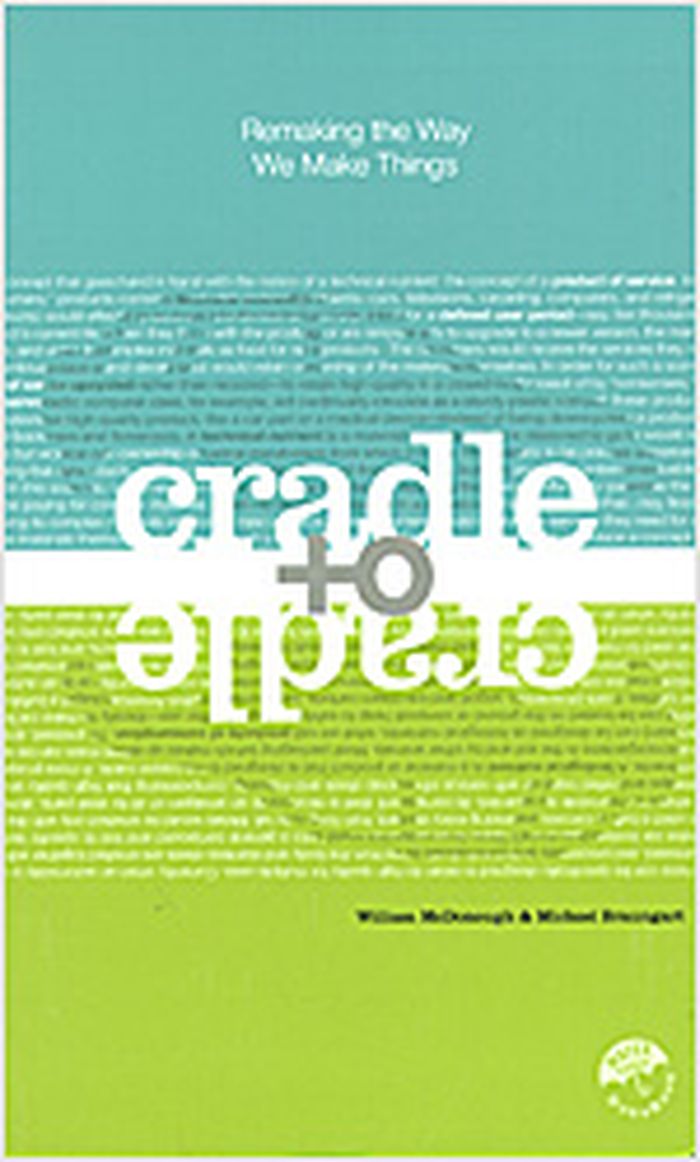
A manifesto for a radically different philosophy and practice of manufacture and environmentalism. "Reduce, reuse, recycle" urge environmentalists; in other words, do more with less in order to minimize damage. As William McDonough and Michael Braungart argue in their provocative, visionary book, however, this approach perpetuates a one-way, "cradle to grave" manufacturing model that dates to the industrial revolution and casts off as much as 90 percent of the materials it uses as waste, much of it toxic. Why not challenge the notion that human industry must inevitably damage the natural world, they ask. In fact, why not take nature itself as our model? A tree produces thousands of blossoms in order to create another tree, yet we do not consider its abundance wasteful but safe, beautiful, and highly effective; hence, "waste equals food" is the first principle the book sets forth. Products might be designed so that, after their useful life, they provide nourishment for something new-either as "biological nutrients" that safely re-enter the environment or as "technical nutrients" that circulate within closed-loop industrial cycles, without being "downcycled" into low-grade uses (as most "recyclables" now are). Elaborating their principles from experience (re)designing everything from carpeting to corporate campuses, the authors make an exciting and viable case for change.
Cradle to cradle : remaking the way we make things
Actions:
Price:
$31.50
(available to order)
Summary:
A manifesto for a radically different philosophy and practice of manufacture and environmentalism. "Reduce, reuse, recycle" urge environmentalists; in other words, do more with less in order to minimize damage. As William McDonough and Michael Braungart argue in their provocative, visionary book, however, this approach perpetuates a one-way, "cradle to grave" manufacturing model that dates to the industrial revolution and casts off as much as 90 percent of the materials it uses as waste, much of it toxic. Why not challenge the notion that human industry must inevitably damage the natural world, they ask. In fact, why not take nature itself as our model? A tree produces thousands of blossoms in order to create another tree, yet we do not consider its abundance wasteful but safe, beautiful, and highly effective; hence, "waste equals food" is the first principle the book sets forth. Products might be designed so that, after their useful life, they provide nourishment for something new-either as "biological nutrients" that safely re-enter the environment or as "technical nutrients" that circulate within closed-loop industrial cycles, without being "downcycled" into low-grade uses (as most "recyclables" now are). Elaborating their principles from experience (re)designing everything from carpeting to corporate campuses, the authors make an exciting and viable case for change.
Form:
books
books
Publication:
January 1900, New York
January 1900, New York
Subject:
Green Architecture
Green Architecture
Form:
books
books
Actions:
Price:
$65.00
(available to order)
Summary:
The book ''Archive of Dreams'' is published in conjunction with the exhibition of the same name that will open the ''Archiv der Avantgarden''. Marking the hundredth anniversary of the first surrealist manifesto and the founding of the Bureau of Surrealist Research in Paris in 1924, the volume is dedicated to the surrealist movement as well as the networks it engendered(...)
$65.00
(available to order)
Summary:
The book ''Archive of Dreams'' is published in conjunction with the exhibition of the same name that will open the ''Archiv der Avantgarden''. Marking the hundredth anniversary of the first surrealist manifesto and the founding of the Bureau of Surrealist Research in Paris in 1924, the volume is dedicated to the surrealist movement as well as the networks it engendered(...)
Publication:
December 2025
December 2025
Title:
Archive of dreams: A surrealist impulse
Actions:
Price:
$65.00
(available to order)
Summary:
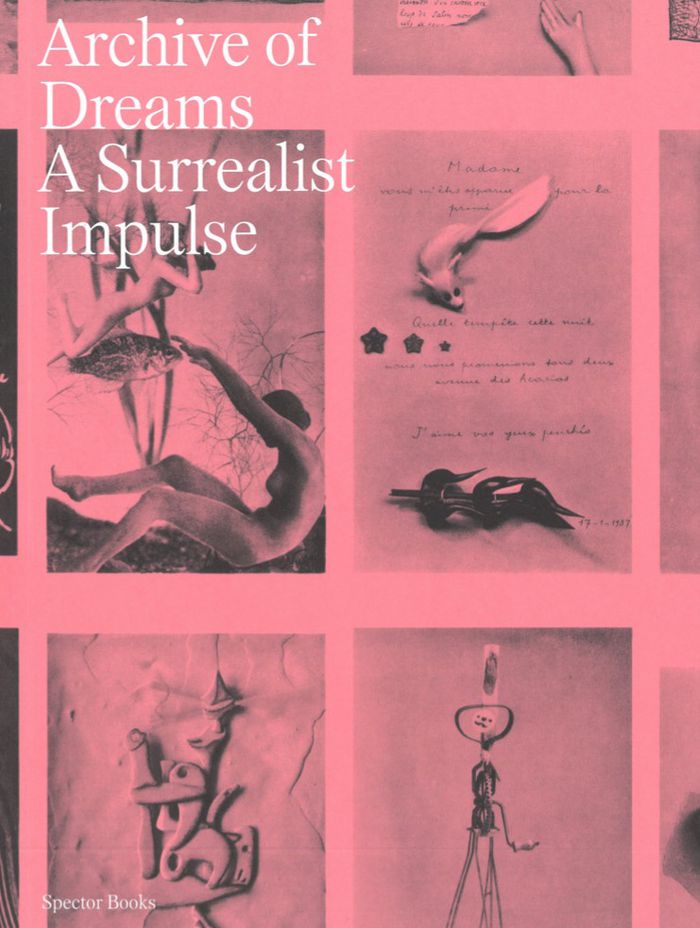
The book ''Archive of Dreams'' is published in conjunction with the exhibition of the same name that will open the ''Archiv der Avantgarden''. Marking the hundredth anniversary of the first surrealist manifesto and the founding of the Bureau of Surrealist Research in Paris in 1924, the volume is dedicated to the surrealist movement as well as the networks it engendered and the artistic stimuli it provided in the twentieth century. The idea was for the Bureau to collect dream testimonies in whatever form, not only to preserve and analyse them but also to give active expression to them in artistic processes. The publication shows how the practices of the avantgardes blurred the boundaries between dream and reality, between the traditional, passive notion of the archive and the idea of active, innovative artistic experiment — and thus ultimately also between the past, the present, and possible futures. Works and documents from the period before, during, and after the Second World War shed light on the working methods of international artists and the global network they were involved in. They are complemented by diverse reflections on global protest movements and the traumas of war, thus connecting, too, to everyday experiences in a Europe beset by warfare.
Archive of dreams: A surrealist impulse
Actions:
Price:
$65.00
(available to order)
Summary:
The book ''Archive of Dreams'' is published in conjunction with the exhibition of the same name that will open the ''Archiv der Avantgarden''. Marking the hundredth anniversary of the first surrealist manifesto and the founding of the Bureau of Surrealist Research in Paris in 1924, the volume is dedicated to the surrealist movement as well as the networks it engendered and the artistic stimuli it provided in the twentieth century. The idea was for the Bureau to collect dream testimonies in whatever form, not only to preserve and analyse them but also to give active expression to them in artistic processes. The publication shows how the practices of the avantgardes blurred the boundaries between dream and reality, between the traditional, passive notion of the archive and the idea of active, innovative artistic experiment — and thus ultimately also between the past, the present, and possible futures. Works and documents from the period before, during, and after the Second World War shed light on the working methods of international artists and the global network they were involved in. They are complemented by diverse reflections on global protest movements and the traumas of war, thus connecting, too, to everyday experiences in a Europe beset by warfare.
Form:
books
books
Publication:
December 2025
December 2025
Form:
books
books
Actions:
Price:
$33.95
(available to order)
Summary:
A manifesto for the Open City: vibrant, disordered, adaptable. In 1970 Richard Sennett published the ground breaking ''The uses of disorder,'' that the ideal of a planned and ordered city was flawed, likely to produce a fragile, restrictive urban environment. Fifty years later, Sennett returns to these still fertile ideas and alongside campaigner and architect, Pablo(...)
$33.95
(available to order)
Summary:
A manifesto for the Open City: vibrant, disordered, adaptable. In 1970 Richard Sennett published the ground breaking ''The uses of disorder,'' that the ideal of a planned and ordered city was flawed, likely to produce a fragile, restrictive urban environment. Fifty years later, Sennett returns to these still fertile ideas and alongside campaigner and architect, Pablo(...)
Title:
Designing disorder: experiments and disruptions in the city
Actions:
Price:
$33.95
(available to order)
Summary:
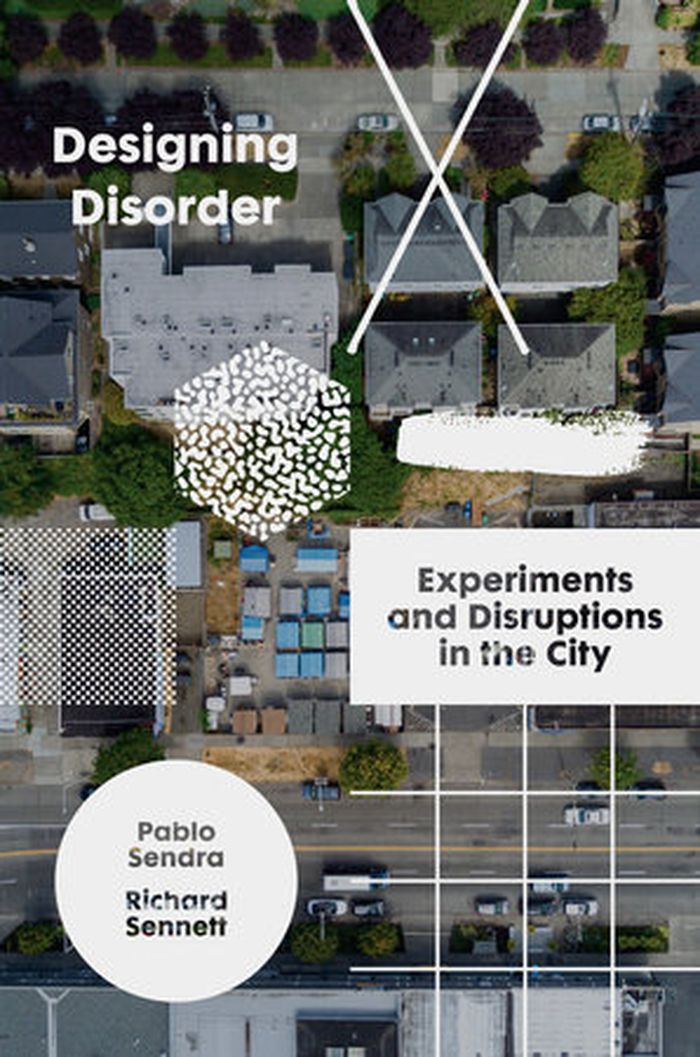
A manifesto for the Open City: vibrant, disordered, adaptable. In 1970 Richard Sennett published the ground breaking ''The uses of disorder,'' that the ideal of a planned and ordered city was flawed, likely to produce a fragile, restrictive urban environment. Fifty years later, Sennett returns to these still fertile ideas and alongside campaigner and architect, Pablo Sendra, sets out an agenda for the design and ethics of the Open City. The public spaces of our cities are under siege from planners, privatisation and increased surveillance. Our streets are becoming ever more lifeless and ordered. What is to be done? Can disorder be designed? Is it possible to maintain the public realm as a flexible space that adapts over time? In this provocative essay Sendra and Sennett propose a reorganisation of how we think and plan the social life of our cities. What the authors call 'Infrastructures of disorder' combine architecture, politics, urban planning and activism in order to develop places that nurture rather than stifle, bring together rather than divide up, remain open to change rather than closed off. The book proves that ideas of disorder are still some of the most radical and transformative in debates on 21st century cities.
Designing disorder: experiments and disruptions in the city
Actions:
Price:
$33.95
(available to order)
Summary:
A manifesto for the Open City: vibrant, disordered, adaptable. In 1970 Richard Sennett published the ground breaking ''The uses of disorder,'' that the ideal of a planned and ordered city was flawed, likely to produce a fragile, restrictive urban environment. Fifty years later, Sennett returns to these still fertile ideas and alongside campaigner and architect, Pablo Sendra, sets out an agenda for the design and ethics of the Open City. The public spaces of our cities are under siege from planners, privatisation and increased surveillance. Our streets are becoming ever more lifeless and ordered. What is to be done? Can disorder be designed? Is it possible to maintain the public realm as a flexible space that adapts over time? In this provocative essay Sendra and Sennett propose a reorganisation of how we think and plan the social life of our cities. What the authors call 'Infrastructures of disorder' combine architecture, politics, urban planning and activism in order to develop places that nurture rather than stifle, bring together rather than divide up, remain open to change rather than closed off. The book proves that ideas of disorder are still some of the most radical and transformative in debates on 21st century cities.
Form:
books
books
Publication:
April 2020
April 2020
Subject:
Urban Theory
Urban Theory
Form:
books
books
Title:
Visionary cities
Visionary cities
Actions:
Price:
$25.00
(available to order)
Summary:
Recognizing that our civic responsibilities towards our environments have drastically increased, Visionary Cities ambitiously sets the agenda for the city of the future. Amid crippling bureaucracies and economic crises, present-day thinking on city design remains woefully inadequate, and this first publication in NAi's Future Cities Series announces 12 civic issues that(...)
$25.00
(available to order)
Summary:
Recognizing that our civic responsibilities towards our environments have drastically increased, Visionary Cities ambitiously sets the agenda for the city of the future. Amid crippling bureaucracies and economic crises, present-day thinking on city design remains woefully inadequate, and this first publication in NAi's Future Cities Series announces 12 civic issues that(...)
Title:
Visionary cities
Actions:
Price:
$25.00
(available to order)
Summary:
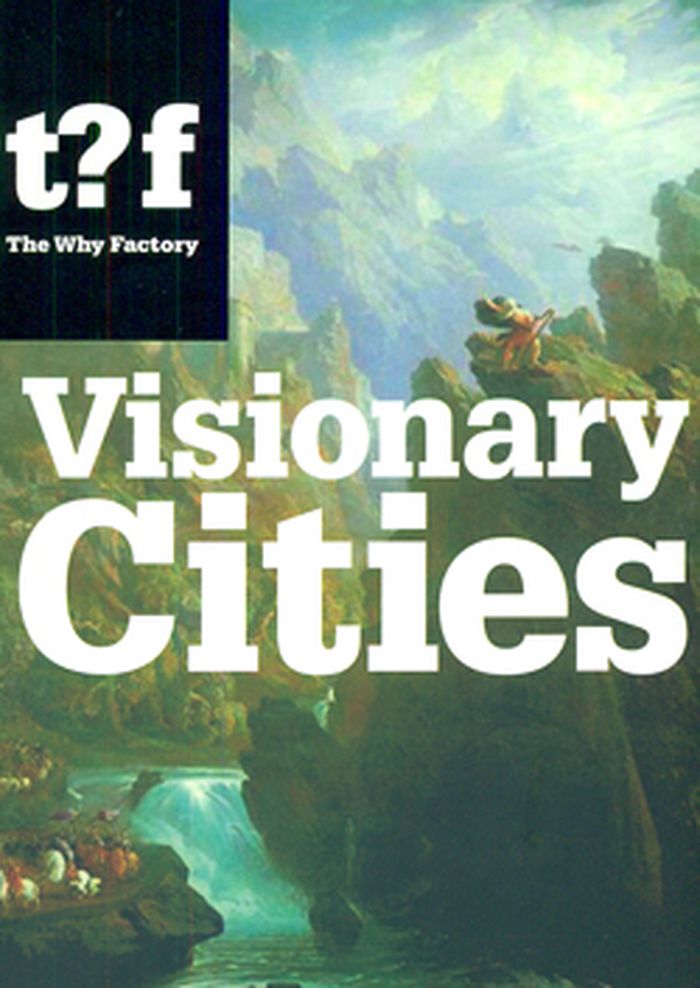
Recognizing that our civic responsibilities towards our environments have drastically increased, Visionary Cities ambitiously sets the agenda for the city of the future. Amid crippling bureaucracies and economic crises, present-day thinking on city design remains woefully inadequate, and this first publication in NAi's Future Cities Series announces 12 civic issues that are in need of transformation through the researches of The Why Factory, a global urban-studies thinktank operated in part by the Delft University of Technology. These issues include: “The Solitary (Our Dreams are Undermining the City)”; “The Iconic (Our Idols Have Been Compromised)”; “The Fun (We Are Having Too Much Fun)”; “The Cautious (Being Careful Is Killing Us)”; “The Poor (Slums Are Growing Bigger Than The Cities They Are Part Of”; and “The Future (Our Future Is Being Imagined Without Us).” A howl against civic impotence and the apathy of citizens in the face of incompetence and decay, Visionary Cities makes a manifesto of these and other topics to loudly demand large-scale change on a collective rather than individual level. In an afterword, Winy Maas, of the innovative Dutch architecture firm MVRDV, argues that architecture possesses a visionary dimension waiting to be applied to the cities of the future.
Visionary cities
Actions:
Price:
$25.00
(available to order)
Summary:
Recognizing that our civic responsibilities towards our environments have drastically increased, Visionary Cities ambitiously sets the agenda for the city of the future. Amid crippling bureaucracies and economic crises, present-day thinking on city design remains woefully inadequate, and this first publication in NAi's Future Cities Series announces 12 civic issues that are in need of transformation through the researches of The Why Factory, a global urban-studies thinktank operated in part by the Delft University of Technology. These issues include: “The Solitary (Our Dreams are Undermining the City)”; “The Iconic (Our Idols Have Been Compromised)”; “The Fun (We Are Having Too Much Fun)”; “The Cautious (Being Careful Is Killing Us)”; “The Poor (Slums Are Growing Bigger Than The Cities They Are Part Of”; and “The Future (Our Future Is Being Imagined Without Us).” A howl against civic impotence and the apathy of citizens in the face of incompetence and decay, Visionary Cities makes a manifesto of these and other topics to loudly demand large-scale change on a collective rather than individual level. In an afterword, Winy Maas, of the innovative Dutch architecture firm MVRDV, argues that architecture possesses a visionary dimension waiting to be applied to the cities of the future.
Form:
books
books
Publication:
March 2010
March 2010
Subject:
Urban Theory
Urban Theory
Form:
books
books
Actions:
Price:
$50.00
(available in store)
Summary:
Maria Giuseppina Grasso Cannizzo exhibited at the Venice Biennial in 2004 and 2008, and was honored by the Royal Institute of British Architects (RIBA) in 2012. That same year she won a gold medal for her life’s work at the Milan Triennial, and has been nominated twice for the Mies van der Rohe Prize. Nevertheless, she’s still considered an insider’s tip. She lives in(...)
$50.00
(available in store)
Summary:
Maria Giuseppina Grasso Cannizzo exhibited at the Venice Biennial in 2004 and 2008, and was honored by the Royal Institute of British Architects (RIBA) in 2012. That same year she won a gold medal for her life’s work at the Milan Triennial, and has been nominated twice for the Mies van der Rohe Prize. Nevertheless, she’s still considered an insider’s tip. She lives in(...)
Title:
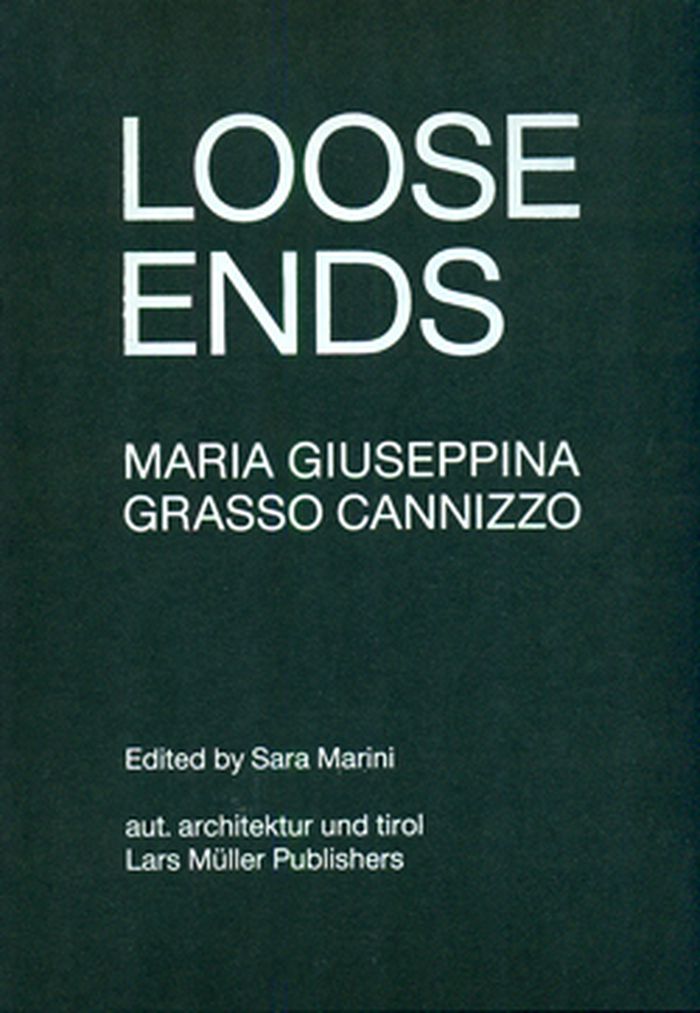
Loose ends : Maria Guiseppina Grasso Cannizzo
Actions:
Price:
$50.00
(available in store)
Summary:
Maria Giuseppina Grasso Cannizzo exhibited at the Venice Biennial in 2004 and 2008, and was honored by the Royal Institute of British Architects (RIBA) in 2012. That same year she won a gold medal for her life’s work at the Milan Triennial, and has been nominated twice for the Mies van der Rohe Prize. Nevertheless, she’s still considered an insider’s tip. She lives in Vittoria, a small city in southern Sicily, where she realizes the majority of her architecture, including many transformations of historical buildings, single and multiple-family housing, or projects such as the control tower in Marina di Ragusa. Grasso Cannizzo’s special design methods are based on her analyses of the urban context and the landscape, as well as her examination of the specific “story” behind each project. She translates the knowledge gained into minimal, self-aware, and sometimes radical concepts, which are ultimately always open to any changes that life and the passage of time may bring. At the same time, this first comprehensive monograph is also a conceptual manifesto by Grasso Cannizzo. Collected in a black box, loose prints provide insight into her most important buildings and make it possible to see the architect’s general design methods.
Loose ends : Maria Guiseppina Grasso Cannizzo
Actions:
Price:
$50.00
(available in store)
Summary:
Maria Giuseppina Grasso Cannizzo exhibited at the Venice Biennial in 2004 and 2008, and was honored by the Royal Institute of British Architects (RIBA) in 2012. That same year she won a gold medal for her life’s work at the Milan Triennial, and has been nominated twice for the Mies van der Rohe Prize. Nevertheless, she’s still considered an insider’s tip. She lives in Vittoria, a small city in southern Sicily, where she realizes the majority of her architecture, including many transformations of historical buildings, single and multiple-family housing, or projects such as the control tower in Marina di Ragusa. Grasso Cannizzo’s special design methods are based on her analyses of the urban context and the landscape, as well as her examination of the specific “story” behind each project. She translates the knowledge gained into minimal, self-aware, and sometimes radical concepts, which are ultimately always open to any changes that life and the passage of time may bring. At the same time, this first comprehensive monograph is also a conceptual manifesto by Grasso Cannizzo. Collected in a black box, loose prints provide insight into her most important buildings and make it possible to see the architect’s general design methods.
Form:
books
books
Publication:
July 2014
July 2014
Subject:
Architecture Monographs
Architecture Monographs


