


929 Results
Form:
books
books
Actions:
Price:
$18.95
(available to order)
Summary:
La Raison technicienne croit savoir comment organiser au mieux les choses et les gens, assignant à chacun une place, un rôle, des produits à consommer. Mais l'homme ordinaire se soustrait en silence à cette conformation. Il invente le quotidien grâce aux arts de faire, ruses subtiles, tactiques de résistance par lesquelles il détourne les objets et les codes, se(...)
$18.95
(available to order)
Summary:
La Raison technicienne croit savoir comment organiser au mieux les choses et les gens, assignant à chacun une place, un rôle, des produits à consommer. Mais l'homme ordinaire se soustrait en silence à cette conformation. Il invente le quotidien grâce aux arts de faire, ruses subtiles, tactiques de résistance par lesquelles il détourne les objets et les codes, se(...)
Title:
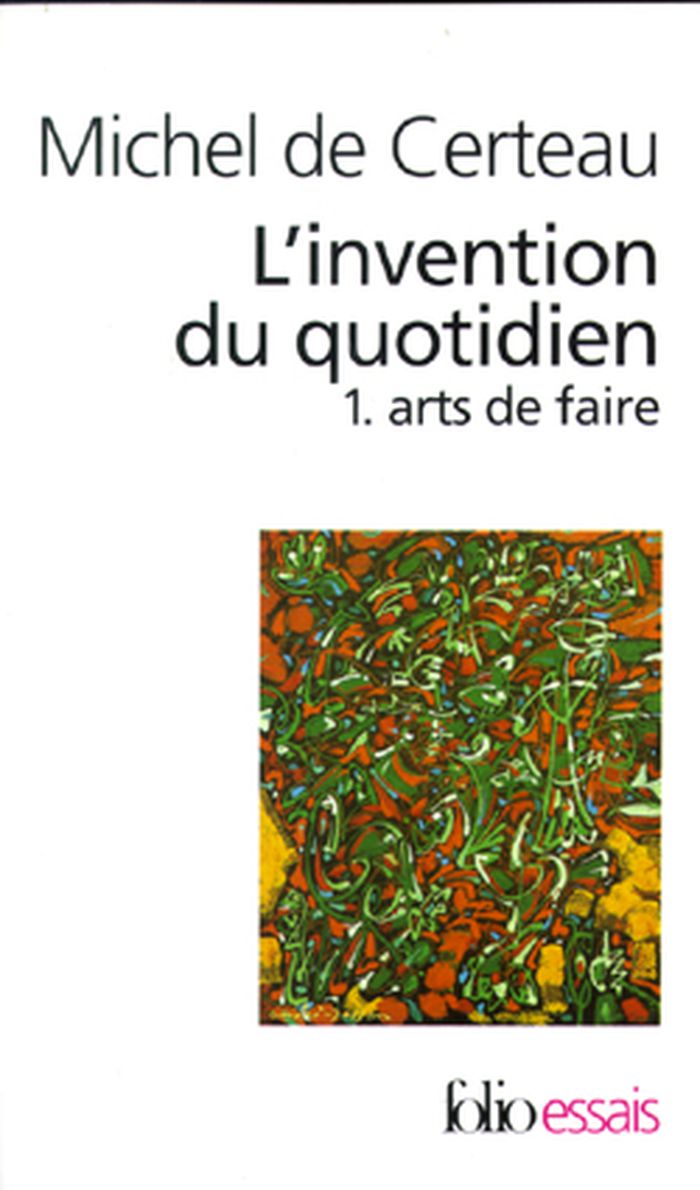
L'invention du quotidien 1. arts de faire
Actions:
Price:
$18.95
(available to order)
Summary:
La Raison technicienne croit savoir comment organiser au mieux les choses et les gens, assignant à chacun une place, un rôle, des produits à consommer. Mais l'homme ordinaire se soustrait en silence à cette conformation. Il invente le quotidien grâce aux arts de faire, ruses subtiles, tactiques de résistance par lesquelles il détourne les objets et les codes, se réapproprie l'espace et l'usage à sa façon. Tours et traverses, manières de faire des coups, astuces de chasseurs, mobilités, mises en récit et trouvailles de mots, mille pratiques inventives prouvent, à qui sait les voir, que la foule sans qualité n'est pas obéissante et passive, mais pratique l'écart dans l'usage des produits imposés, dans une liberté buissonnière par laquelle chacun tâche de vivre au mieux l'ordre social et la violence des choses. Michel de Certeau, le premier, restitua les ruses anonymes des arts de faire, cet art de vivre la société de consommation. Vite devenues classiques, ses analyses pionnières ont inspiré historiens, philosophes et sociologues.
L'invention du quotidien 1. arts de faire
Actions:
Price:
$18.95
(available to order)
Summary:
La Raison technicienne croit savoir comment organiser au mieux les choses et les gens, assignant à chacun une place, un rôle, des produits à consommer. Mais l'homme ordinaire se soustrait en silence à cette conformation. Il invente le quotidien grâce aux arts de faire, ruses subtiles, tactiques de résistance par lesquelles il détourne les objets et les codes, se réapproprie l'espace et l'usage à sa façon. Tours et traverses, manières de faire des coups, astuces de chasseurs, mobilités, mises en récit et trouvailles de mots, mille pratiques inventives prouvent, à qui sait les voir, que la foule sans qualité n'est pas obéissante et passive, mais pratique l'écart dans l'usage des produits imposés, dans une liberté buissonnière par laquelle chacun tâche de vivre au mieux l'ordre social et la violence des choses. Michel de Certeau, le premier, restitua les ruses anonymes des arts de faire, cet art de vivre la société de consommation. Vite devenues classiques, ses analyses pionnières ont inspiré historiens, philosophes et sociologues.
Form:
books
books
Publication:
January 2002, Paris
January 2002, Paris
Subject:
Critical Theory
Critical Theory
Actions:
Price:
$60.00
(available to order)
Summary:
L'Union soviétique observa de près l'Amérique. Pour Staline et ses successeurs, l'architecture aussi devait participer à cette étude primordiale afin d'asseoir la domination mondiale du communisme. Dès les années 1920, les soviétiques envoyèrent aux USA des architectes pour apprendre à construire des gratte-ciel, se servirent de leurs pavillons aux expositions(...)
$60.00
(available to order)
Summary:
L'Union soviétique observa de près l'Amérique. Pour Staline et ses successeurs, l'architecture aussi devait participer à cette étude primordiale afin d'asseoir la domination mondiale du communisme. Dès les années 1920, les soviétiques envoyèrent aux USA des architectes pour apprendre à construire des gratte-ciel, se servirent de leurs pavillons aux expositions(...)
Title:
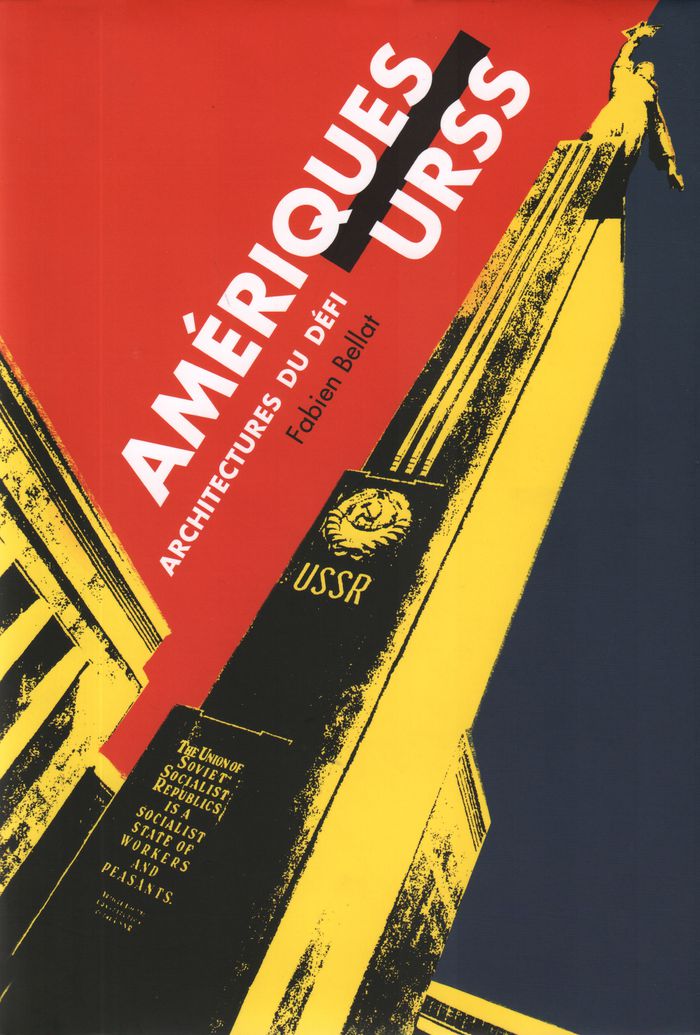
Amériques URSS : architectures du défi
Actions:
Price:
$60.00
(available to order)
Summary:
L'Union soviétique observa de près l'Amérique. Pour Staline et ses successeurs, l'architecture aussi devait participer à cette étude primordiale afin d'asseoir la domination mondiale du communisme. Dès les années 1920, les soviétiques envoyèrent aux USA des architectes pour apprendre à construire des gratte-ciel, se servirent de leurs pavillons aux expositions universelles de New York 1939 et Montréal 1967 pour diffuser leur propagande, coopérèrent à la construction du siège de l'ONU, bâtirent entre les décennies 1950 et 1980 d'imposantes ambassades à Ottawa, Washington, Brasilia, La Havane. Tous ces monuments devaient symboliser la puissance de l'URSS jusque sur le continent américain. Ces regards vers les Amériques influencèrent même la création soviétique, les gratte-ciel staliniens donnant à Moscou une nouvelle silhouette impériale. Ainsi l'architecture soviétique contesta avec violence ou assimila avec subtilité la culture américaine. Dans cette guerre des symboles entre deux mondes antagonistes, chaque projet ou réalisation architecturale se transforma donc en instrument de conquête.
Amériques URSS : architectures du défi
Actions:
Price:
$60.00
(available to order)
Summary:
L'Union soviétique observa de près l'Amérique. Pour Staline et ses successeurs, l'architecture aussi devait participer à cette étude primordiale afin d'asseoir la domination mondiale du communisme. Dès les années 1920, les soviétiques envoyèrent aux USA des architectes pour apprendre à construire des gratte-ciel, se servirent de leurs pavillons aux expositions universelles de New York 1939 et Montréal 1967 pour diffuser leur propagande, coopérèrent à la construction du siège de l'ONU, bâtirent entre les décennies 1950 et 1980 d'imposantes ambassades à Ottawa, Washington, Brasilia, La Havane. Tous ces monuments devaient symboliser la puissance de l'URSS jusque sur le continent américain. Ces regards vers les Amériques influencèrent même la création soviétique, les gratte-ciel staliniens donnant à Moscou une nouvelle silhouette impériale. Ainsi l'architecture soviétique contesta avec violence ou assimila avec subtilité la culture américaine. Dans cette guerre des symboles entre deux mondes antagonistes, chaque projet ou réalisation architecturale se transforma donc en instrument de conquête.
Publication:
June 2014
June 2014
Form:
books
books
Title:
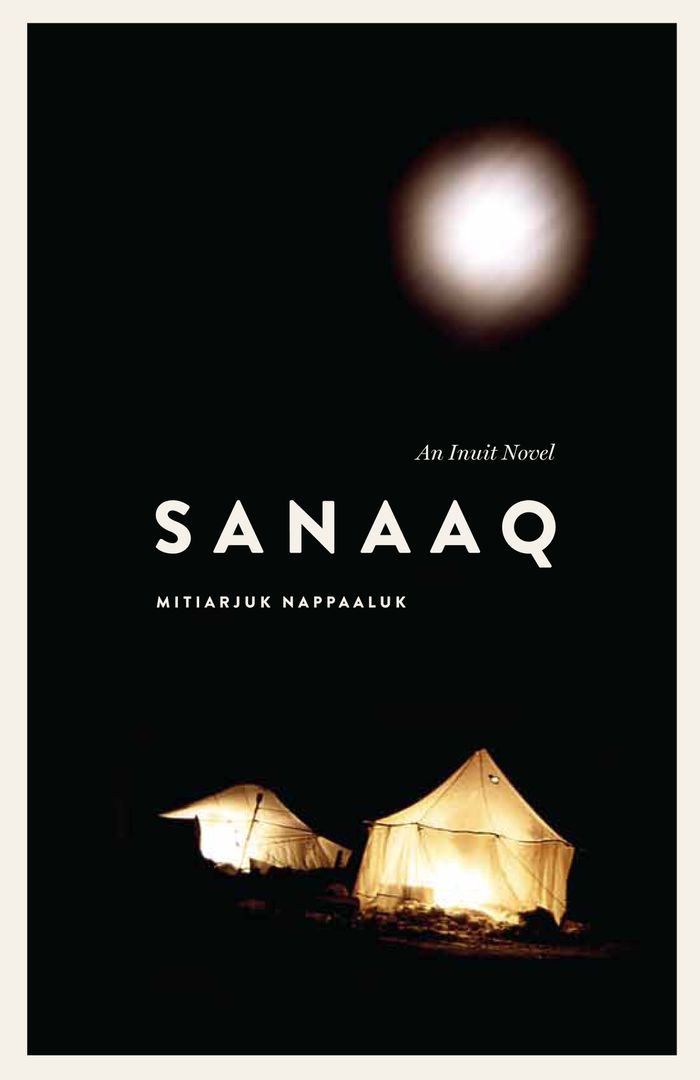
Sanaaq: An Inuit novel
Sanaaq: An Inuit novel
Actions:
Price:
$24.95
(available to order)
Summary:
This book is an intimate story of an Inuit family negotiating the changes brought into their community by the coming of the qallunaat, the white people. Composed in 48 episodes, it recounts the daily life of Sanaaq, a strong and outspoken young widow, her daughter Qumaq, and their small semi-nomadic community in northern Quebec. Here they live their lives hunting seal,(...)
$24.95
(available to order)
Summary:
This book is an intimate story of an Inuit family negotiating the changes brought into their community by the coming of the qallunaat, the white people. Composed in 48 episodes, it recounts the daily life of Sanaaq, a strong and outspoken young widow, her daughter Qumaq, and their small semi-nomadic community in northern Quebec. Here they live their lives hunting seal,(...)
Title:
Sanaaq: An Inuit novel
Actions:
Price:
$24.95
(available to order)
Summary:
This book is an intimate story of an Inuit family negotiating the changes brought into their community by the coming of the qallunaat, the white people. Composed in 48 episodes, it recounts the daily life of Sanaaq, a strong and outspoken young widow, her daughter Qumaq, and their small semi-nomadic community in northern Quebec. Here they live their lives hunting seal, repairing their kayak, and gathering mussels under blue sea ice before the tide comes in. These are ordinary extraordinary lives: marriages are made and unmade, children are born and named, violence appears in the form of a fearful husband or a hungry polar bear. Here the spirit world is alive and relations with non-humans are never taken lightly. And under it all, the growing intrusion of the qallunaat and the battle for souls between the Catholic and Anglican missionaries threatens to forever change the way of life of Sanaaq and her young family.
Sanaaq: An Inuit novel
Actions:
Price:
$24.95
(available to order)
Summary:
This book is an intimate story of an Inuit family negotiating the changes brought into their community by the coming of the qallunaat, the white people. Composed in 48 episodes, it recounts the daily life of Sanaaq, a strong and outspoken young widow, her daughter Qumaq, and their small semi-nomadic community in northern Quebec. Here they live their lives hunting seal, repairing their kayak, and gathering mussels under blue sea ice before the tide comes in. These are ordinary extraordinary lives: marriages are made and unmade, children are born and named, violence appears in the form of a fearful husband or a hungry polar bear. Here the spirit world is alive and relations with non-humans are never taken lightly. And under it all, the growing intrusion of the qallunaat and the battle for souls between the Catholic and Anglican missionaries threatens to forever change the way of life of Sanaaq and her young family.
Form:
books
books
Publication:
January 2014
January 2014
Subject:
indigenous
indigenous
Form:
books
books

Title:
François Daireaux : Discover
François Daireaux : Discover
Actions:
Price:
$84.95
(available to order)
Summary:
« Disover » est le récit d’un voyage au futur antérieur. Ce livre nous dévoile les contrastes d’une Chine contemporaine, en construction incessante, faisant surgir des villes de terre comme par magie. Malgré la violence de ce rythme effréné, il se dégage du travail photographique de François Daireaux et des textes du sinologue Emmanuel Lingot, une rare intensité poétique.(...)
$84.95
(available to order)
Summary:
« Disover » est le récit d’un voyage au futur antérieur. Ce livre nous dévoile les contrastes d’une Chine contemporaine, en construction incessante, faisant surgir des villes de terre comme par magie. Malgré la violence de ce rythme effréné, il se dégage du travail photographique de François Daireaux et des textes du sinologue Emmanuel Lingot, une rare intensité poétique.(...)
Publication:
August 2021
August 2021
Title:
François Daireaux : Discover
Actions:
Price:
$84.95
(available to order)
Summary:
« Disover » est le récit d’un voyage au futur antérieur. Ce livre nous dévoile les contrastes d’une Chine contemporaine, en construction incessante, faisant surgir des villes de terre comme par magie. Malgré la violence de ce rythme effréné, il se dégage du travail photographique de François Daireaux et des textes du sinologue Emmanuel Lingot, une rare intensité poétique. Pour faire image, François Daireaux a arpenté plus d’une centaine de villes chinoises très peu visitées par les étrangers. Celles où l’arrogance des plus forts, l’exploitation des plus faibles et le mépris de la vie humaine ont pris les formes les plus impitoyables. Prémonitoire, ce livre nous montre une Chine dévastée. S’y esquissent bien d’autres catastrophes en devenir. L’homme y a pourtant sa place. Cette dérive photographique a commencé à Anshan en 2004 dans le nord-est de la Chine, puis s’est poursuivie de ville en ville, toujours plus à l’ouest pour s’achever en 2018 dans la région ouïghoure.
François Daireaux : Discover
Actions:
Price:
$84.95
(available to order)
Summary:
« Disover » est le récit d’un voyage au futur antérieur. Ce livre nous dévoile les contrastes d’une Chine contemporaine, en construction incessante, faisant surgir des villes de terre comme par magie. Malgré la violence de ce rythme effréné, il se dégage du travail photographique de François Daireaux et des textes du sinologue Emmanuel Lingot, une rare intensité poétique. Pour faire image, François Daireaux a arpenté plus d’une centaine de villes chinoises très peu visitées par les étrangers. Celles où l’arrogance des plus forts, l’exploitation des plus faibles et le mépris de la vie humaine ont pris les formes les plus impitoyables. Prémonitoire, ce livre nous montre une Chine dévastée. S’y esquissent bien d’autres catastrophes en devenir. L’homme y a pourtant sa place. Cette dérive photographique a commencé à Anshan en 2004 dans le nord-est de la Chine, puis s’est poursuivie de ville en ville, toujours plus à l’ouest pour s’achever en 2018 dans la région ouïghoure.
Form:
books
books
Publication:
August 2021
August 2021
Form:
journals and magazines
journals and magazines
Title:
Liberté n.332 : nous vieillirons ensemble, quelle place pour la vieillesse dans notre société ?
Liberté n.332 : nous vieillirons ensemble, quelle place pour la vieillesse dans notre société ?
Actions:
Price:
$15.00
(available in store)
Summary:
Ce numéro de la revue Liberté est né à la fois d'un hasard et d'une évidence. Le hasard, d'abord : au plus creux du confinement de l'hiver 2021, deux collaborateurs ont proposé, coup sur coup et sans se consulter, des textes portant sur les conditions de vie et le traitement des personnes vieillissantes et en perte d'autonomie depuis le début de la pandémie. Ensuite,(...)
$15.00
(available in store)
Summary:
Ce numéro de la revue Liberté est né à la fois d'un hasard et d'une évidence. Le hasard, d'abord : au plus creux du confinement de l'hiver 2021, deux collaborateurs ont proposé, coup sur coup et sans se consulter, des textes portant sur les conditions de vie et le traitement des personnes vieillissantes et en perte d'autonomie depuis le début de la pandémie. Ensuite,(...)
Title:
Liberté n.332 : nous vieillirons ensemble, quelle place pour la vieillesse dans notre société ?
Actions:
Price:
$15.00
(available in store)
Summary:
Ce numéro de la revue Liberté est né à la fois d'un hasard et d'une évidence. Le hasard, d'abord : au plus creux du confinement de l'hiver 2021, deux collaborateurs ont proposé, coup sur coup et sans se consulter, des textes portant sur les conditions de vie et le traitement des personnes vieillissantes et en perte d'autonomie depuis le début de la pandémie. Ensuite, l'évidence : après l’hécatombe causée en CHSLD et dans les résidences privées par la COVID-19, il a semblé à l'équipe de la revue incontournable de réfléchir à la place des aîné.e.s dans notre société. Quel espace de parole et d'existence leur réserve-t-on ? Tentons-nous réellement de les inclure au dialogue entre les générations ? Pourquoi existe-t-il un pareil tabou entourant les inévitables effets du temps sur le corps ? Dans ce dossier, il s’agira d'interroger la violence d'une organisation sociale qui, pour fonctionner, a choisi d'exclure une partie de sa population. Qu'est-ce que ce triste constat révèle de notre société ?
Liberté n.332 : nous vieillirons ensemble, quelle place pour la vieillesse dans notre société ?
Actions:
Price:
$15.00
(available in store)
Summary:
Ce numéro de la revue Liberté est né à la fois d'un hasard et d'une évidence. Le hasard, d'abord : au plus creux du confinement de l'hiver 2021, deux collaborateurs ont proposé, coup sur coup et sans se consulter, des textes portant sur les conditions de vie et le traitement des personnes vieillissantes et en perte d'autonomie depuis le début de la pandémie. Ensuite, l'évidence : après l’hécatombe causée en CHSLD et dans les résidences privées par la COVID-19, il a semblé à l'équipe de la revue incontournable de réfléchir à la place des aîné.e.s dans notre société. Quel espace de parole et d'existence leur réserve-t-on ? Tentons-nous réellement de les inclure au dialogue entre les générations ? Pourquoi existe-t-il un pareil tabou entourant les inévitables effets du temps sur le corps ? Dans ce dossier, il s’agira d'interroger la violence d'une organisation sociale qui, pour fonctionner, a choisi d'exclure une partie de sa population. Qu'est-ce que ce triste constat révèle de notre société ?
Form:
journals and magazines
journals and magazines
Publication:
September 2021
September 2021
Subject:
Magazines
Magazines
Form:
books
books
Actions:
Price:
$25.00
(available in store)
Summary:
''Rights of way: The body as witness in public space'' takes our bodily movements as a departure point to cross into the terrains of art, culture, architecture, sociology, literature, and politics, to envision varied forms of witnessing, and apply them to our direct environments. When many must still campaign to claim their stake in the public realm; when hate crimes and(...)
$25.00
(available in store)
Summary:
''Rights of way: The body as witness in public space'' takes our bodily movements as a departure point to cross into the terrains of art, culture, architecture, sociology, literature, and politics, to envision varied forms of witnessing, and apply them to our direct environments. When many must still campaign to claim their stake in the public realm; when hate crimes and(...)
Title:
Rights of way: The body as witness in public space
Actions:
Price:
$25.00
(available in store)
Summary:
''Rights of way: The body as witness in public space'' takes our bodily movements as a departure point to cross into the terrains of art, culture, architecture, sociology, literature, and politics, to envision varied forms of witnessing, and apply them to our direct environments. When many must still campaign to claim their stake in the public realm; when hate crimes and acts of institutional violence persist in the public sphere; when cities continue to grapple with the effects of mass surveillance, precarious citizenship, widespread gentrification, and divisive body politics, we seek to question, challenge, and re-envision who have the rights of way. This publication comprises a collection of essays, interviews, texts, and images from a range of artists, researchers, academics, architects, and historians. Together, the contributions question our positions of access and in-access in space, and, in doing so, orchestrate the act of witnessing as a vital component in provid- ing meaning to our cities.
Rights of way: The body as witness in public space
Actions:
Price:
$25.00
(available in store)
Summary:
''Rights of way: The body as witness in public space'' takes our bodily movements as a departure point to cross into the terrains of art, culture, architecture, sociology, literature, and politics, to envision varied forms of witnessing, and apply them to our direct environments. When many must still campaign to claim their stake in the public realm; when hate crimes and acts of institutional violence persist in the public sphere; when cities continue to grapple with the effects of mass surveillance, precarious citizenship, widespread gentrification, and divisive body politics, we seek to question, challenge, and re-envision who have the rights of way. This publication comprises a collection of essays, interviews, texts, and images from a range of artists, researchers, academics, architects, and historians. Together, the contributions question our positions of access and in-access in space, and, in doing so, orchestrate the act of witnessing as a vital component in provid- ing meaning to our cities.
Form:
books
books
Publication:
November 2022
November 2022
Subject:
Critical Theory
Critical Theory
Form:
journals and magazines
journals and magazines
Title:
Scapegoat 12/13: c\a\n\a\d\a
Scapegoat 12/13: c\a\n\a\d\a
Actions:
Price:
$30.00
(available to order)
Summary:
This issue aims to connect two critical discourses about space that have so far been disassociated: architectural theories that point to the importance of real property as the fundamental unit of urban morphology and architectural typology, and Indigenous land claims which point to the violence of colonial land dispossession, through which this property was originally(...)
$30.00
(available to order)
Summary:
This issue aims to connect two critical discourses about space that have so far been disassociated: architectural theories that point to the importance of real property as the fundamental unit of urban morphology and architectural typology, and Indigenous land claims which point to the violence of colonial land dispossession, through which this property was originally(...)
Title:
Scapegoat 12/13: c\a\n\a\d\a
Actions:
Price:
$30.00
(available to order)
Summary:
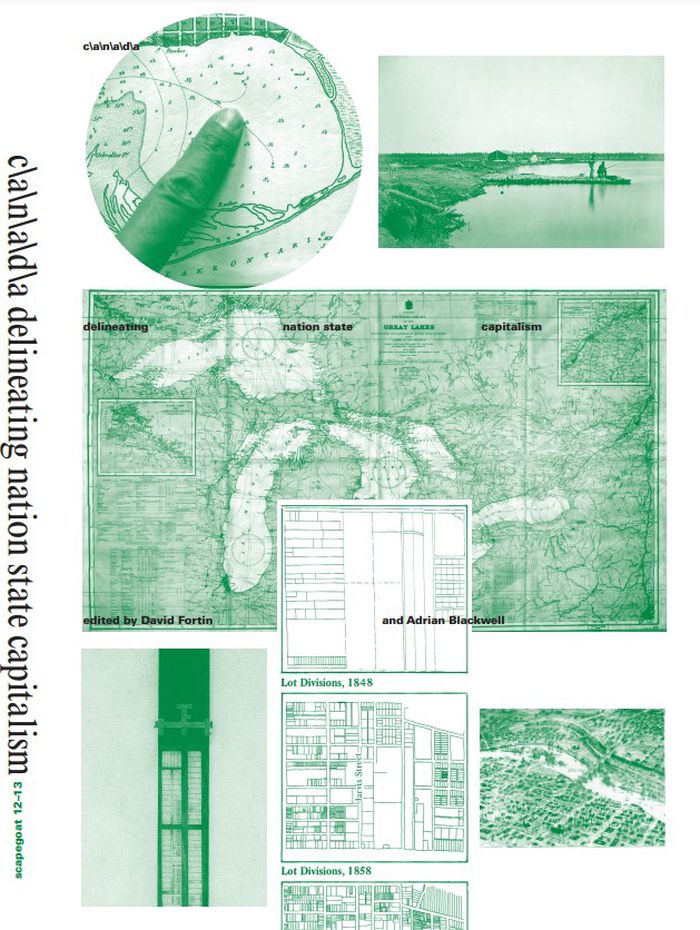
This issue aims to connect two critical discourses about space that have so far been disassociated: architectural theories that point to the importance of real property as the fundamental unit of urban morphology and architectural typology, and Indigenous land claims which point to the violence of colonial land dispossession, through which this property was originally invented and formed. This research sees property delineation as a fundamental grammatical logic of the production of the space of nation, state and capital. The editors and contributors to this volume approach the intersection of Indigenous and settler viewpoints, as well as the interdisciplinary perspectives of both spatial delineators and critical commentators, in order to understand the deep connections between Indigenous dispossession and urban pathologies of gentrification, homelessness, systemically biased planning and urban alienation. The issue also addresses this connection in order to rethink and redraw land relations as a foundation for undoing this alienation and creating spaces that cultivate a caring relation with land, kin and strangers.
Scapegoat 12/13: c\a\n\a\d\a
Actions:
Price:
$30.00
(available to order)
Summary:
This issue aims to connect two critical discourses about space that have so far been disassociated: architectural theories that point to the importance of real property as the fundamental unit of urban morphology and architectural typology, and Indigenous land claims which point to the violence of colonial land dispossession, through which this property was originally invented and formed. This research sees property delineation as a fundamental grammatical logic of the production of the space of nation, state and capital. The editors and contributors to this volume approach the intersection of Indigenous and settler viewpoints, as well as the interdisciplinary perspectives of both spatial delineators and critical commentators, in order to understand the deep connections between Indigenous dispossession and urban pathologies of gentrification, homelessness, systemically biased planning and urban alienation. The issue also addresses this connection in order to rethink and redraw land relations as a foundation for undoing this alienation and creating spaces that cultivate a caring relation with land, kin and strangers.
Form:
journals and magazines
journals and magazines
Publication:
May 2022
May 2022
Subject:
Magazines
Magazines
Form:
books
books
Actions:
Price:
$24.95
(available to order)
Summary:
Robots designed to care for people and neglected landscapes of digital trash. The promise of synthetic biology and the panic of living on a dying planet. Wonderful feats of intelligence and systemic acts of violence. Exhilaration and exhaustion. Rosi Braidotti argues that we must think about these apparent contradictions all together in order to make differences that(...)
$24.95
(available to order)
Summary:
Robots designed to care for people and neglected landscapes of digital trash. The promise of synthetic biology and the panic of living on a dying planet. Wonderful feats of intelligence and systemic acts of violence. Exhilaration and exhaustion. Rosi Braidotti argues that we must think about these apparent contradictions all together in order to make differences that(...)
Title:
Posthuman knowledge and the critical posthumanities
Actions:
Price:
$24.95
(available to order)
Summary:
Robots designed to care for people and neglected landscapes of digital trash. The promise of synthetic biology and the panic of living on a dying planet. Wonderful feats of intelligence and systemic acts of violence. Exhilaration and exhaustion. Rosi Braidotti argues that we must think about these apparent contradictions all together in order to make differences that actually matter. "Posthuman knowledge and the critical posthumanities" oscillates between evocations and transections of contemporary conditions, for which Braidotti offers what she calls the "posthuman convergence" as a new paradigm for situating and navigating their problems and possibilities. Reflecting on the knotted situation of the academic humanities, cognitive capitalism, and advanced climate change, she delivers an intersectional critique of humanism and anthropocentrism, and targets their exclusions and aporias to address subjectivity, knowledge production, and academic structures within that posthuman convergence. Braidotti's convergence demands imagination, endurance, connectivity, and perspectives multiplied, embodied, and grounded in the only world we have.
Posthuman knowledge and the critical posthumanities
Actions:
Price:
$24.95
(available to order)
Summary:
Robots designed to care for people and neglected landscapes of digital trash. The promise of synthetic biology and the panic of living on a dying planet. Wonderful feats of intelligence and systemic acts of violence. Exhilaration and exhaustion. Rosi Braidotti argues that we must think about these apparent contradictions all together in order to make differences that actually matter. "Posthuman knowledge and the critical posthumanities" oscillates between evocations and transections of contemporary conditions, for which Braidotti offers what she calls the "posthuman convergence" as a new paradigm for situating and navigating their problems and possibilities. Reflecting on the knotted situation of the academic humanities, cognitive capitalism, and advanced climate change, she delivers an intersectional critique of humanism and anthropocentrism, and targets their exclusions and aporias to address subjectivity, knowledge production, and academic structures within that posthuman convergence. Braidotti's convergence demands imagination, endurance, connectivity, and perspectives multiplied, embodied, and grounded in the only world we have.
Form:
books
books
Publication:
November 2022
November 2022
Subject:
Critical Theory
Critical Theory
Form:
books
books
Actions:
Price:
$26.95
(available to order)
Summary:
Indigenous peoples have gained increasing international visibility in their fight against longstanding colonial occupation by nation-states. Although living in different locations around the world and practising highly varied ways of life, indigenous peoples nonetheless are affected by similar patterns of colonial dispossession and violence. In defending their collective(...)
$26.95
(available to order)
Summary:
Indigenous peoples have gained increasing international visibility in their fight against longstanding colonial occupation by nation-states. Although living in different locations around the world and practising highly varied ways of life, indigenous peoples nonetheless are affected by similar patterns of colonial dispossession and violence. In defending their collective(...)
Title:
Indigenous peoples and colonialism
Actions:
Price:
$26.95
(available to order)
Summary:
Indigenous peoples have gained increasing international visibility in their fight against longstanding colonial occupation by nation-states. Although living in different locations around the world and practising highly varied ways of life, indigenous peoples nonetheless are affected by similar patterns of colonial dispossession and violence. In defending their collective rights to self-determination, culture, lands and resources, their resistance and creativity offer a pause for critical reflection on the importance of maintaining indigenous distinctiveness against the homogenizing forces of states and corporations. This book highlights significant colonial patterns of domination and their effects, as well as responses and resistance to colonialism. It brings indigenous peoples' issues and voices to the forefront of sociological discussions of modernity. In particular, the book examines issues of identity, dispossession, environment, rights and revitalization in relation to historical and ongoing colonialism, showing that the experiences of indigenous peoples in wealthy and poor countries are often parallel and related.
Indigenous peoples and colonialism
Actions:
Price:
$26.95
(available to order)
Summary:
Indigenous peoples have gained increasing international visibility in their fight against longstanding colonial occupation by nation-states. Although living in different locations around the world and practising highly varied ways of life, indigenous peoples nonetheless are affected by similar patterns of colonial dispossession and violence. In defending their collective rights to self-determination, culture, lands and resources, their resistance and creativity offer a pause for critical reflection on the importance of maintaining indigenous distinctiveness against the homogenizing forces of states and corporations. This book highlights significant colonial patterns of domination and their effects, as well as responses and resistance to colonialism. It brings indigenous peoples' issues and voices to the forefront of sociological discussions of modernity. In particular, the book examines issues of identity, dispossession, environment, rights and revitalization in relation to historical and ongoing colonialism, showing that the experiences of indigenous peoples in wealthy and poor countries are often parallel and related.
Form:
books
books
Publication:
December 2016
December 2016
Subject:
Social
Social
Form:
books
books
Title:
Raymond Pettibon: to Wit
Raymond Pettibon: to Wit
Actions:
Price:
$55.00
(available to order)
Summary:
In the summer of 2013, Raymond Pettibon (born 1957) converted the David Zwirner exhibition space into an improvised studio, in order to prepare the drawings and collages for his critically acclaimed show at the gallery. The works ranged from depictions of Joe DiMaggio as a young boy, Bob Dylan and the comic strip character Bazooka Joe to pieces dovetailing popular imagery(...)
$55.00
(available to order)
Summary:
In the summer of 2013, Raymond Pettibon (born 1957) converted the David Zwirner exhibition space into an improvised studio, in order to prepare the drawings and collages for his critically acclaimed show at the gallery. The works ranged from depictions of Joe DiMaggio as a young boy, Bob Dylan and the comic strip character Bazooka Joe to pieces dovetailing popular imagery(...)
Title:
Raymond Pettibon: to Wit
Actions:
Price:
$55.00
(available to order)
Summary:
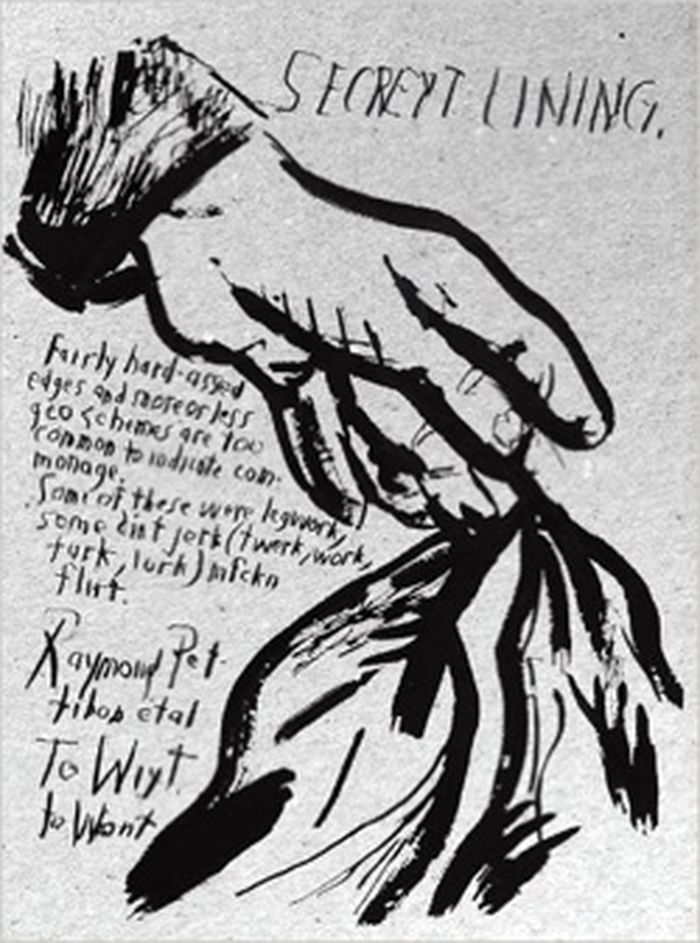
In the summer of 2013, Raymond Pettibon (born 1957) converted the David Zwirner exhibition space into an improvised studio, in order to prepare the drawings and collages for his critically acclaimed show at the gallery. The works ranged from depictions of Joe DiMaggio as a young boy, Bob Dylan and the comic strip character Bazooka Joe to pieces dovetailing popular imagery with quotations from Marcel Proust, William Faulkner, Henry James, Gustave Flaubert or the Bible, and addressing themes of violence, humor, sex, evolution, religion, politics, literature, youth, art history and sports. This volume documents both the making of these works during Pettibon's intensive tenure in the space and the finished works themselves. Boasting a drawing made especially for the cover, Raymond Pettibon: To Wit includes an essay by Lucas Zwirner titled "A Month with Raymond" that describes the show's making and offers fresh observations on the relationship between word and image, and reading and writing, in Pettibon's art.
Raymond Pettibon: to Wit
Actions:
Price:
$55.00
(available to order)
Summary:
In the summer of 2013, Raymond Pettibon (born 1957) converted the David Zwirner exhibition space into an improvised studio, in order to prepare the drawings and collages for his critically acclaimed show at the gallery. The works ranged from depictions of Joe DiMaggio as a young boy, Bob Dylan and the comic strip character Bazooka Joe to pieces dovetailing popular imagery with quotations from Marcel Proust, William Faulkner, Henry James, Gustave Flaubert or the Bible, and addressing themes of violence, humor, sex, evolution, religion, politics, literature, youth, art history and sports. This volume documents both the making of these works during Pettibon's intensive tenure in the space and the finished works themselves. Boasting a drawing made especially for the cover, Raymond Pettibon: To Wit includes an essay by Lucas Zwirner titled "A Month with Raymond" that describes the show's making and offers fresh observations on the relationship between word and image, and reading and writing, in Pettibon's art.
Form:
books
books
Publication:
June 2015
June 2015
Subject:
Illustration
Illustration


