


8791 Results
Form:
books
books
Title:
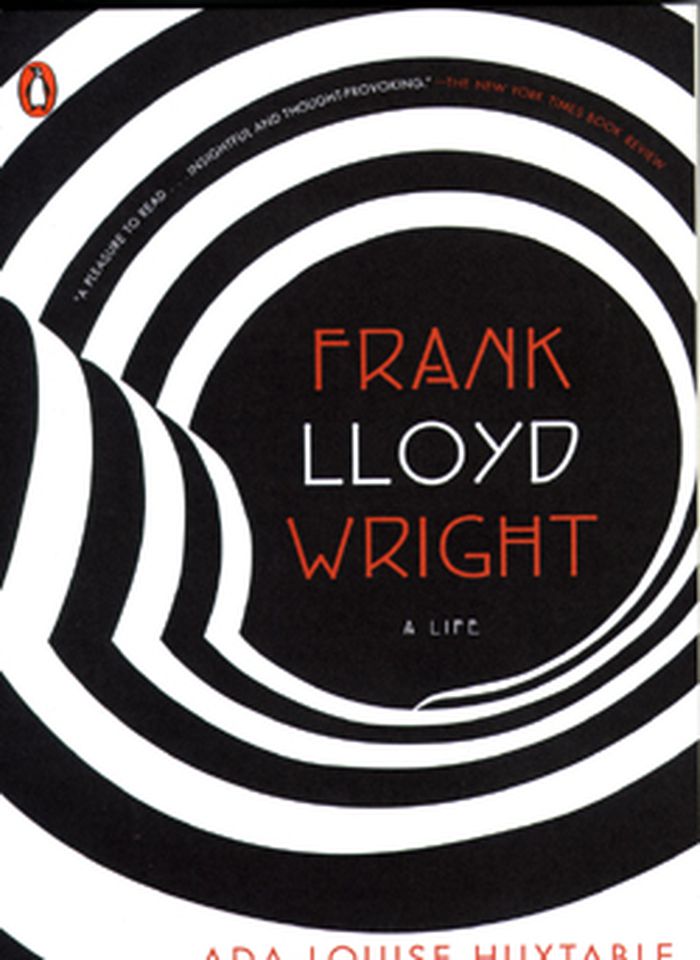
Frank Lloyd Wright: A Life
Frank Lloyd Wright: A Life
Actions:
Price:
$15.50
(available to order)
Summary:
As readers of Huxtable's Pulitzer Prize-winning criticism know, she is a discerning writer fluent in architectural thought and practice. She now offers a fresh perspective on Frank Lloyd Wright's much scrutinized yet still surprising life. Comfortable with ambiguity and complexity, Huxtable not only parses both key events and overlooked subtleties, she also wrestles with(...)
$15.50
(available to order)
Summary:
As readers of Huxtable's Pulitzer Prize-winning criticism know, she is a discerning writer fluent in architectural thought and practice. She now offers a fresh perspective on Frank Lloyd Wright's much scrutinized yet still surprising life. Comfortable with ambiguity and complexity, Huxtable not only parses both key events and overlooked subtleties, she also wrestles with(...)
Title:
Frank Lloyd Wright: A Life
Actions:
Price:
$15.50
(available to order)
Summary:
As readers of Huxtable's Pulitzer Prize-winning criticism know, she is a discerning writer fluent in architectural thought and practice. She now offers a fresh perspective on Frank Lloyd Wright's much scrutinized yet still surprising life. Comfortable with ambiguity and complexity, Huxtable not only parses both key events and overlooked subtleties, she also wrestles with the prickly questions about character and creativity raised by the contrast between Wright's self-serving, tyrannical behavior and his enormously influential achievements. Fascinated by Wright's supreme confidence, fiscal recklessness, con-man charm, and phoenixlike resurrections, Huxtable tells the still shocking stories of his abandonment of his first wife and six children; the gruesome murders at Taliesin, his Wisconsin estate; and the conflicts with his vindictive second wife that landed him in jail and left him homeless. But Huxtable is no less compelling in her chronicling of Wright's ever-evolving vision of "organic architecture," which gave rise to his Prairie house; the Usonian house, the prototype for the ranch house; and many other innovations, thus renewing appreciation for a wildly unconventional but essential architect.
Frank Lloyd Wright: A Life
Actions:
Price:
$15.50
(available to order)
Summary:
As readers of Huxtable's Pulitzer Prize-winning criticism know, she is a discerning writer fluent in architectural thought and practice. She now offers a fresh perspective on Frank Lloyd Wright's much scrutinized yet still surprising life. Comfortable with ambiguity and complexity, Huxtable not only parses both key events and overlooked subtleties, she also wrestles with the prickly questions about character and creativity raised by the contrast between Wright's self-serving, tyrannical behavior and his enormously influential achievements. Fascinated by Wright's supreme confidence, fiscal recklessness, con-man charm, and phoenixlike resurrections, Huxtable tells the still shocking stories of his abandonment of his first wife and six children; the gruesome murders at Taliesin, his Wisconsin estate; and the conflicts with his vindictive second wife that landed him in jail and left him homeless. But Huxtable is no less compelling in her chronicling of Wright's ever-evolving vision of "organic architecture," which gave rise to his Prairie house; the Usonian house, the prototype for the ranch house; and many other innovations, thus renewing appreciation for a wildly unconventional but essential architect.
Form:
books
books
Publication:
May 2008, New York
May 2008, New York
Subject:
Architecture Monographs
Architecture Monographs
Form:
books
books
Actions:
Price:
$30.95
(available to order)
Summary:
The rise of a prominent auditory culture, reveals the degree to which sound art is lending definition to the 21st Century. And yet sound art still lacks related literature to compliment, and expand, the realm of practice. Background Noise sets out an historical overview, while at the same time shaping that history according to what sound art reveals - the dynamics of art(...)
$30.95
(available to order)
Summary:
The rise of a prominent auditory culture, reveals the degree to which sound art is lending definition to the 21st Century. And yet sound art still lacks related literature to compliment, and expand, the realm of practice. Background Noise sets out an historical overview, while at the same time shaping that history according to what sound art reveals - the dynamics of art(...)
Title:
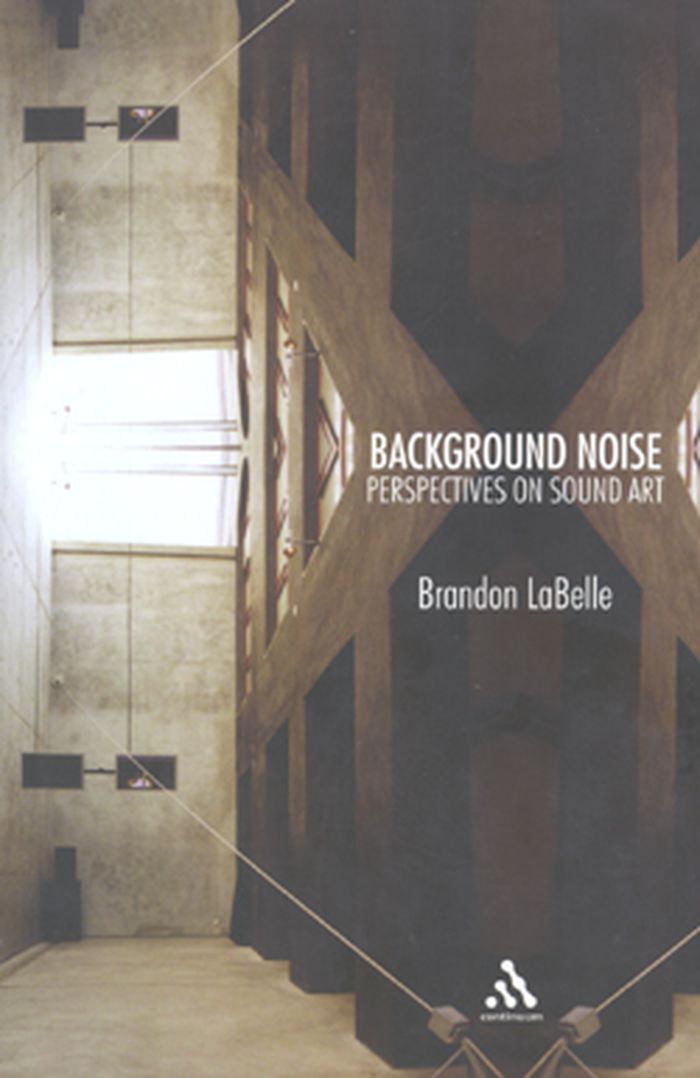
Background noise: perspectives on sound art
Actions:
Price:
$30.95
(available to order)
Summary:
The rise of a prominent auditory culture, reveals the degree to which sound art is lending definition to the 21st Century. And yet sound art still lacks related literature to compliment, and expand, the realm of practice. Background Noise sets out an historical overview, while at the same time shaping that history according to what sound art reveals - the dynamics of art to operate spatially, through media of reproduction and broadcast, and in relation to the intensities of communication and its contextual framework Brandon LaBelle is a writer and curator who currently lives in Denmark. From 1998 to 2002 he developed and curated an international sound art festival in Los Angeles, Beyond Music; in 2001 he developed and organized Social Music, a series of radio works for Kunstradio in Vienna; in 2002 he curated Concrete Feedback, an exhibition of sound installations working with architecture, presented at the Southern California Institute of Architecture; and in 2002-03 he researched and curated the music section to the exhibition, Beyond Geometry: Experiments in Form, 1940s - 1970s for the Los Angeles County Museum of Art.
Background noise: perspectives on sound art
Actions:
Price:
$30.95
(available to order)
Summary:
The rise of a prominent auditory culture, reveals the degree to which sound art is lending definition to the 21st Century. And yet sound art still lacks related literature to compliment, and expand, the realm of practice. Background Noise sets out an historical overview, while at the same time shaping that history according to what sound art reveals - the dynamics of art to operate spatially, through media of reproduction and broadcast, and in relation to the intensities of communication and its contextual framework Brandon LaBelle is a writer and curator who currently lives in Denmark. From 1998 to 2002 he developed and curated an international sound art festival in Los Angeles, Beyond Music; in 2001 he developed and organized Social Music, a series of radio works for Kunstradio in Vienna; in 2002 he curated Concrete Feedback, an exhibition of sound installations working with architecture, presented at the Southern California Institute of Architecture; and in 2002-03 he researched and curated the music section to the exhibition, Beyond Geometry: Experiments in Form, 1940s - 1970s for the Los Angeles County Museum of Art.
Form:
books
books
Publication:
April 2006, New York, London
April 2006, New York, London
Subject:
Acoustics
Acoustics
Form:
books
books
Price:
$118.00
(available to order)
Summary:
The first issue of the legendary architecture journal "Pencil Points" appeared in 1920 as "a journal for the drafting room." Born out of "The Architectural Review", and merged with "Progressive Architecture" in 1943, "Pencil Points" became the leading voice in architectural and graphic design when modernism flourished, introducing key players from America and Europe. It(...)
$118.00
(available to order)
Summary:
The first issue of the legendary architecture journal "Pencil Points" appeared in 1920 as "a journal for the drafting room." Born out of "The Architectural Review", and merged with "Progressive Architecture" in 1943, "Pencil Points" became the leading voice in architectural and graphic design when modernism flourished, introducing key players from America and Europe. It(...)
Subject:
Architectural Theory
Architectural Theory
Publication:
January 1900, New York
January 1900, New York
Title:
Pencil points reader : a journal for the drafting room, 1920-1943
Actions:
Price:
$118.00
(available to order)
Summary:
The first issue of the legendary architecture journal "Pencil Points" appeared in 1920 as "a journal for the drafting room." Born out of "The Architectural Review", and merged with "Progressive Architecture" in 1943, "Pencil Points" became the leading voice in architectural and graphic design when modernism flourished, introducing key players from America and Europe. It also established the agenda in architectural theory: multivolume pieces by John Harbeson, Talbot Hamlin, Hugh Ferris, and others dealt with major issues that are still relevant today - architectural education and practice, small-house design and portable housing, city planning, and the influence (or not) of modernism. Items like George Nelson's series of reports from Europe in the early 1930's, H. Van Buren Magonigle's diatribes against modernism, and a glossary of École des Beaux-Arts terms sit side-by-side with the best architectural drawings and photographs of the 20th century. "Pencil Points Reader" re-publishes the most important essays from the journal's 23 years, arranged chronologically, and offers an insider's introduction by John Morris Dixon, the former executive editor of "Progressive Architecture".
Pencil points reader : a journal for the drafting room, 1920-1943
Actions:
Price:
$118.00
(available to order)
Summary:
The first issue of the legendary architecture journal "Pencil Points" appeared in 1920 as "a journal for the drafting room." Born out of "The Architectural Review", and merged with "Progressive Architecture" in 1943, "Pencil Points" became the leading voice in architectural and graphic design when modernism flourished, introducing key players from America and Europe. It also established the agenda in architectural theory: multivolume pieces by John Harbeson, Talbot Hamlin, Hugh Ferris, and others dealt with major issues that are still relevant today - architectural education and practice, small-house design and portable housing, city planning, and the influence (or not) of modernism. Items like George Nelson's series of reports from Europe in the early 1930's, H. Van Buren Magonigle's diatribes against modernism, and a glossary of École des Beaux-Arts terms sit side-by-side with the best architectural drawings and photographs of the 20th century. "Pencil Points Reader" re-publishes the most important essays from the journal's 23 years, arranged chronologically, and offers an insider's introduction by John Morris Dixon, the former executive editor of "Progressive Architecture".
Form:
books
books
Publication:
January 1900, New York
January 1900, New York
Subject:
Architectural Theory
Architectural Theory
Form:
books
books
Actions:
Price:
$20.00
(available in store)
Summary:
The work of British architects ABK is characterised by the founding partners' belief that buildings should address far more than purely functional needs. Key issues for this practice since it was founded 40 years ago have become central concerns for architecture in the early 21st century: energy and the environment, historic context and the importance of user(...)
$20.00
(available in store)
Summary:
The work of British architects ABK is characterised by the founding partners' belief that buildings should address far more than purely functional needs. Key issues for this practice since it was founded 40 years ago have become central concerns for architecture in the early 21st century: energy and the environment, historic context and the importance of user(...)
Subject:
Architecture Monographs
Architecture Monographs
Publication:
April 2002, London / Basel / Boston /Berlin
April 2002, London / Basel / Boston /Berlin
Title:
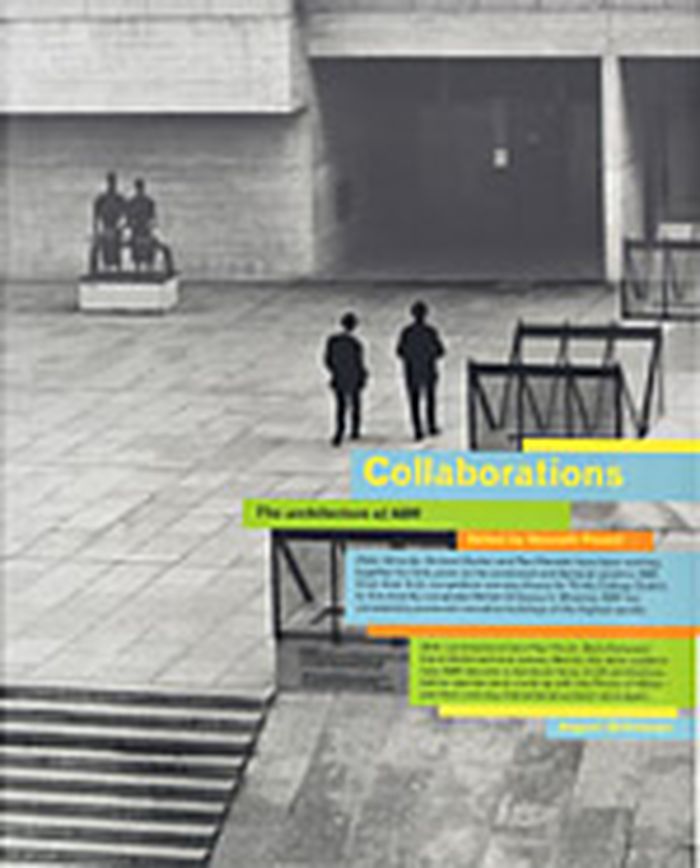
Collaborations : the architecture of ABK
Actions:
Price:
$20.00
(available in store)
Summary:
The work of British architects ABK is characterised by the founding partners' belief that buildings should address far more than purely functional needs. Key issues for this practice since it was founded 40 years ago have become central concerns for architecture in the early 21st century: energy and the environment, historic context and the importance of user participation. Peter Ahrends, Richard Burton and Paul Koralek are particularly interested in the integration of art, architecture and landscape, an approach which has resulted in a series of collaborative partnerships over the course of their careers. This book traces the practice's development, from early landmark projects like the Berkeley Library at Trinity College, Dublin to the highly acclaimed British Embassy in Moscow, which opened in 2000. It also tells the full story, for the first time, behind the most notorious British architectural episode of the 1980s - how ABK won the commission to design an extension to the National Gallery in London, only to have it taken away from them when Prince Charles described the scheme as a 'monstrous carbuncle'.
Collaborations : the architecture of ABK
Actions:
Price:
$20.00
(available in store)
Summary:
The work of British architects ABK is characterised by the founding partners' belief that buildings should address far more than purely functional needs. Key issues for this practice since it was founded 40 years ago have become central concerns for architecture in the early 21st century: energy and the environment, historic context and the importance of user participation. Peter Ahrends, Richard Burton and Paul Koralek are particularly interested in the integration of art, architecture and landscape, an approach which has resulted in a series of collaborative partnerships over the course of their careers. This book traces the practice's development, from early landmark projects like the Berkeley Library at Trinity College, Dublin to the highly acclaimed British Embassy in Moscow, which opened in 2000. It also tells the full story, for the first time, behind the most notorious British architectural episode of the 1980s - how ABK won the commission to design an extension to the National Gallery in London, only to have it taken away from them when Prince Charles described the scheme as a 'monstrous carbuncle'.
Form:
books
books
Publication:
April 2002, London / Basel / Boston /Berlin
April 2002, London / Basel / Boston /Berlin
Subject:
Architecture Monographs
Architecture Monographs
Form:
books
books
Price:
$99.95
(available to order)
Summary:
This monograph is the first to document all of the built work by Morphosis, a Los Angeles-based practice headed by Thom Mayne and one of the most influential architecture firms of the past twenty years. Morphosis's unconventional geometries, sculptural models and complex, computer-generated drawings helped to usher in a new era of architectural experimentation in the(...)
$99.95
(available to order)
Summary:
This monograph is the first to document all of the built work by Morphosis, a Los Angeles-based practice headed by Thom Mayne and one of the most influential architecture firms of the past twenty years. Morphosis's unconventional geometries, sculptural models and complex, computer-generated drawings helped to usher in a new era of architectural experimentation in the(...)
Title:
Morphosis
Actions:
Price:
$99.95
(available to order)
Summary:
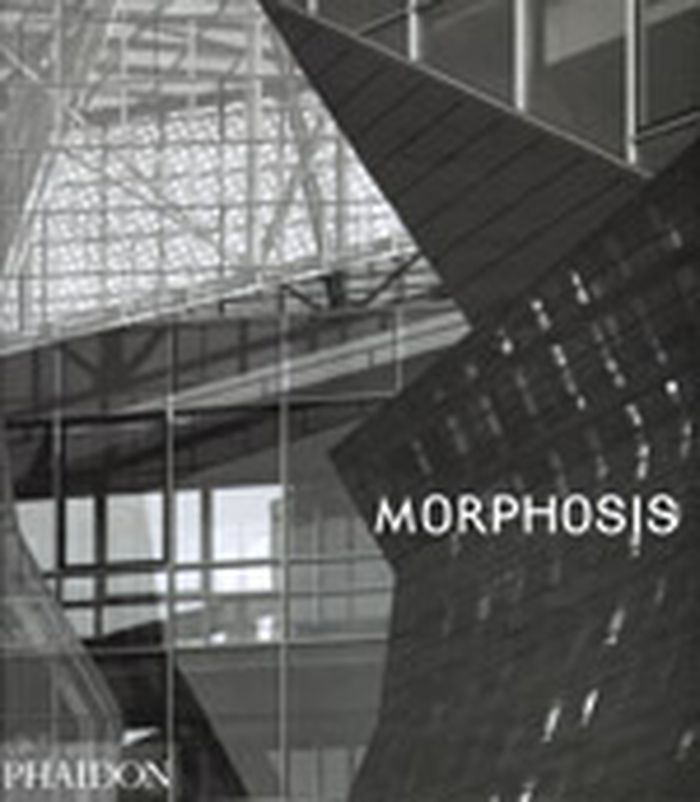
This monograph is the first to document all of the built work by Morphosis, a Los Angeles-based practice headed by Thom Mayne and one of the most influential architecture firms of the past twenty years. Morphosis's unconventional geometries, sculptural models and complex, computer-generated drawings helped to usher in a new era of architectural experimentation in the early 1980's. This book is comprised of bold, documentary-style colour photographs of thirty-five completed buildings presented in an almost cinematic layout, and publishes for the first time together all of Morphosis's completed work, from the early residential and restaurant projects in Los Angeles to the most recent large-scale work beyond California and the United States in Canada, Taiwan, Korea, Japan and Austria. Thom Mayne founded Morphosis in 1972 in partnership with Michael Rotondi, who now has his own firm. Over the past twenty years, Mayne's academic posts have included teaching positions at Columbia University, Harvard University, Yale University, the Berlage Institute in the Netherlands and the Bartlett School of Architecture in London.
Morphosis
Actions:
Price:
$99.95
(available to order)
Summary:
This monograph is the first to document all of the built work by Morphosis, a Los Angeles-based practice headed by Thom Mayne and one of the most influential architecture firms of the past twenty years. Morphosis's unconventional geometries, sculptural models and complex, computer-generated drawings helped to usher in a new era of architectural experimentation in the early 1980's. This book is comprised of bold, documentary-style colour photographs of thirty-five completed buildings presented in an almost cinematic layout, and publishes for the first time together all of Morphosis's completed work, from the early residential and restaurant projects in Los Angeles to the most recent large-scale work beyond California and the United States in Canada, Taiwan, Korea, Japan and Austria. Thom Mayne founded Morphosis in 1972 in partnership with Michael Rotondi, who now has his own firm. Over the past twenty years, Mayne's academic posts have included teaching positions at Columbia University, Harvard University, Yale University, the Berlage Institute in the Netherlands and the Bartlett School of Architecture in London.
Form:
books
books
Publication:
April 2003, London
April 2003, London
Subject:
Architecture Monographs
Architecture Monographs
Form:
books
books
Actions:
Price:
$70.00
(available to order)
Summary:
Published in conjunction with an exhibition at The Museum of Modern Art, "A Japanese Constellation" focuses on the work of a small group of architects and designers influenced by and gravitating around the architect Toyo Ito and the architectural firm SANAA. Beginning with an overview of Ito’s career and his influence as a mentor to a new generation of Japanese(...)
$70.00
(available to order)
Summary:
Published in conjunction with an exhibition at The Museum of Modern Art, "A Japanese Constellation" focuses on the work of a small group of architects and designers influenced by and gravitating around the architect Toyo Ito and the architectural firm SANAA. Beginning with an overview of Ito’s career and his influence as a mentor to a new generation of Japanese(...)
Subject:
Contemporary Asian Architecture
Contemporary Asian Architecture
Publication:
March 2016
March 2016
Title:
A Japanese constellation: Toyo Ito, SANAA and beyond
Actions:
Price:
$70.00
(available to order)
Summary:
Published in conjunction with an exhibition at The Museum of Modern Art, "A Japanese Constellation" focuses on the work of a small group of architects and designers influenced by and gravitating around the architect Toyo Ito and the architectural firm SANAA. Beginning with an overview of Ito’s career and his influence as a mentor to a new generation of Japanese architects, the catalogue presents an illustrated portfolio of recent works by three generations of internationally acclaimed designers, including Sou Fujimoto, Akihisa Hirata and Junya Ishigami. "A Japanese Constellation" reveals a network of influence and cross-pollination that has become particularly relevant at the start of the 21st century. Essays by curators, architectural historians and critics reflect on the transmission of an architectural sensibility, and suggest an alternative model to what has been commonly described as an individuality-based "star-system" in architecture. Offering a panorama of interlinked, settled or up-and-coming stars, the publication reveals how shared architectural themes travel across generations of architects, creating a strong identity for a regional practice with global impact.
A Japanese constellation: Toyo Ito, SANAA and beyond
Actions:
Price:
$70.00
(available to order)
Summary:
Published in conjunction with an exhibition at The Museum of Modern Art, "A Japanese Constellation" focuses on the work of a small group of architects and designers influenced by and gravitating around the architect Toyo Ito and the architectural firm SANAA. Beginning with an overview of Ito’s career and his influence as a mentor to a new generation of Japanese architects, the catalogue presents an illustrated portfolio of recent works by three generations of internationally acclaimed designers, including Sou Fujimoto, Akihisa Hirata and Junya Ishigami. "A Japanese Constellation" reveals a network of influence and cross-pollination that has become particularly relevant at the start of the 21st century. Essays by curators, architectural historians and critics reflect on the transmission of an architectural sensibility, and suggest an alternative model to what has been commonly described as an individuality-based "star-system" in architecture. Offering a panorama of interlinked, settled or up-and-coming stars, the publication reveals how shared architectural themes travel across generations of architects, creating a strong identity for a regional practice with global impact.
Form:
books
books
Publication:
March 2016
March 2016
Subject:
Contemporary Asian Architecture
Contemporary Asian Architecture
Form:
books
books
Title:
Architecture of Life
Architecture of Life
Actions:
Price:
$50.00
(available in store)
Summary:
Published in conjunction with Berkeley Art Museum and Pacific Film Archive’s inaugural exhibition in its landmark new building designed by Diller Scofidio + Renfro, Architecture of Life explores the ways that architecture—as concept, metaphor, and practice—illuminates various aspects of life experience: the nature of the self and psyche, the fundamental structures of(...)
$50.00
(available in store)
Summary:
Published in conjunction with Berkeley Art Museum and Pacific Film Archive’s inaugural exhibition in its landmark new building designed by Diller Scofidio + Renfro, Architecture of Life explores the ways that architecture—as concept, metaphor, and practice—illuminates various aspects of life experience: the nature of the self and psyche, the fundamental structures of(...)
Publication:
February 2016
February 2016
Title:
Architecture of Life
Actions:
Price:
$50.00
(available in store)
Summary:
Published in conjunction with Berkeley Art Museum and Pacific Film Archive’s inaugural exhibition in its landmark new building designed by Diller Scofidio + Renfro, Architecture of Life explores the ways that architecture—as concept, metaphor, and practice—illuminates various aspects of life experience: the nature of the self and psyche, the fundamental structures of reality, and the power of the imagination to reshape our world. The sweeping exhibition comprises over 150 works of art in a wide range of media, as well as scientific illustrations and architectural drawings and models, all of which are reproduced in full color in the catalog. International in scope, Architecture of Life presents work by artists Yuri Ancarani, George Ault, Lee Bontecou, Louise Bourgeois, Marcel Duchamp, Léon Ferrari, Suzan Frecon, Trenton Doyle Hancock, Johannes Itten, Kimsooja, Fernand Léger, Tomás Saraceno; architects Diller Scofidio + Renfro, Buckminster Fuller, Frederick Kiesler, Toyo Ito, Lebbeus Woods; scientists Wilson Bentley, Santiago Ramón y Cajal, Viktor Schauberger; and composer Iannis Xenakis, among many others. The exhibition also includes Mbuti barkcloth drawings, Pomo baskets, Micronesian navigational charts, Tibetan meditation mandalas, and tantric drawings from Rajasthan.
Architecture of Life
Actions:
Price:
$50.00
(available in store)
Summary:
Published in conjunction with Berkeley Art Museum and Pacific Film Archive’s inaugural exhibition in its landmark new building designed by Diller Scofidio + Renfro, Architecture of Life explores the ways that architecture—as concept, metaphor, and practice—illuminates various aspects of life experience: the nature of the self and psyche, the fundamental structures of reality, and the power of the imagination to reshape our world. The sweeping exhibition comprises over 150 works of art in a wide range of media, as well as scientific illustrations and architectural drawings and models, all of which are reproduced in full color in the catalog. International in scope, Architecture of Life presents work by artists Yuri Ancarani, George Ault, Lee Bontecou, Louise Bourgeois, Marcel Duchamp, Léon Ferrari, Suzan Frecon, Trenton Doyle Hancock, Johannes Itten, Kimsooja, Fernand Léger, Tomás Saraceno; architects Diller Scofidio + Renfro, Buckminster Fuller, Frederick Kiesler, Toyo Ito, Lebbeus Woods; scientists Wilson Bentley, Santiago Ramón y Cajal, Viktor Schauberger; and composer Iannis Xenakis, among many others. The exhibition also includes Mbuti barkcloth drawings, Pomo baskets, Micronesian navigational charts, Tibetan meditation mandalas, and tantric drawings from Rajasthan.
Form:
books
books
Publication:
February 2016
February 2016
Form:
books
books
Actions:
Price:
$44.00
(available to order)
Summary:
This new survey covers the rich and varied history of participatory art, from early happenings and performances to current practices that demand audience interaction. As the hallmarks of Web 2.0—browsing, sharing, collecting, producing—increasingly permeate every aspect of society, this timely project reveals the ways in which artists and viewers have approached the(...)
$44.00
(available to order)
Summary:
This new survey covers the rich and varied history of participatory art, from early happenings and performances to current practices that demand audience interaction. As the hallmarks of Web 2.0—browsing, sharing, collecting, producing—increasingly permeate every aspect of society, this timely project reveals the ways in which artists and viewers have approached the(...)
Publication:
November 2008, New York, London, San Francisco
November 2008, New York, London, San Francisco
Title:
The art of participation: 1950 to now
Actions:
Price:
$44.00
(available to order)
Summary:
This new survey covers the rich and varied history of participatory art, from early happenings and performances to current practices that demand audience interaction. As the hallmarks of Web 2.0—browsing, sharing, collecting, producing—increasingly permeate every aspect of society, this timely project reveals the ways in which artists and viewers have approached the creation of open works of art. The featured artists include Marina Abramovic and Ulay, Vito Acconci, Joseph Beuys, John Cage, Janet Cardiff, Lygia Clark, Kit Galloway and Sherrie Rabinowitz, Dan Graham, Hans Haacke, Allan Kaprow, Lynn Hershman Leeson, Antoni Muntadas, Yoko Ono, Nam June Paik, and Erwin Wurm. Original essays by Rudolf Frieling, Boris Groys, Robert Atkins, and Lev Manovich identify seminal moments in participatory practice from the 1950s to the present day. A rich array of plates introduce work by all the artists in the accompanying exhibition, with reproductions of significant projects by other major figures—from Helio Oiticica, Joan Jonas, and Gordon Matta-Clark to Rirkrit Tiravanija and SUPERFLEX—rounding out the survey.
The art of participation: 1950 to now
Actions:
Price:
$44.00
(available to order)
Summary:
This new survey covers the rich and varied history of participatory art, from early happenings and performances to current practices that demand audience interaction. As the hallmarks of Web 2.0—browsing, sharing, collecting, producing—increasingly permeate every aspect of society, this timely project reveals the ways in which artists and viewers have approached the creation of open works of art. The featured artists include Marina Abramovic and Ulay, Vito Acconci, Joseph Beuys, John Cage, Janet Cardiff, Lygia Clark, Kit Galloway and Sherrie Rabinowitz, Dan Graham, Hans Haacke, Allan Kaprow, Lynn Hershman Leeson, Antoni Muntadas, Yoko Ono, Nam June Paik, and Erwin Wurm. Original essays by Rudolf Frieling, Boris Groys, Robert Atkins, and Lev Manovich identify seminal moments in participatory practice from the 1950s to the present day. A rich array of plates introduce work by all the artists in the accompanying exhibition, with reproductions of significant projects by other major figures—from Helio Oiticica, Joan Jonas, and Gordon Matta-Clark to Rirkrit Tiravanija and SUPERFLEX—rounding out the survey.
Form:
books
books
Publication:
November 2008, New York, London, San Francisco
November 2008, New York, London, San Francisco
Form:
books
books
Price:
$60.00
(available to order)
Summary:
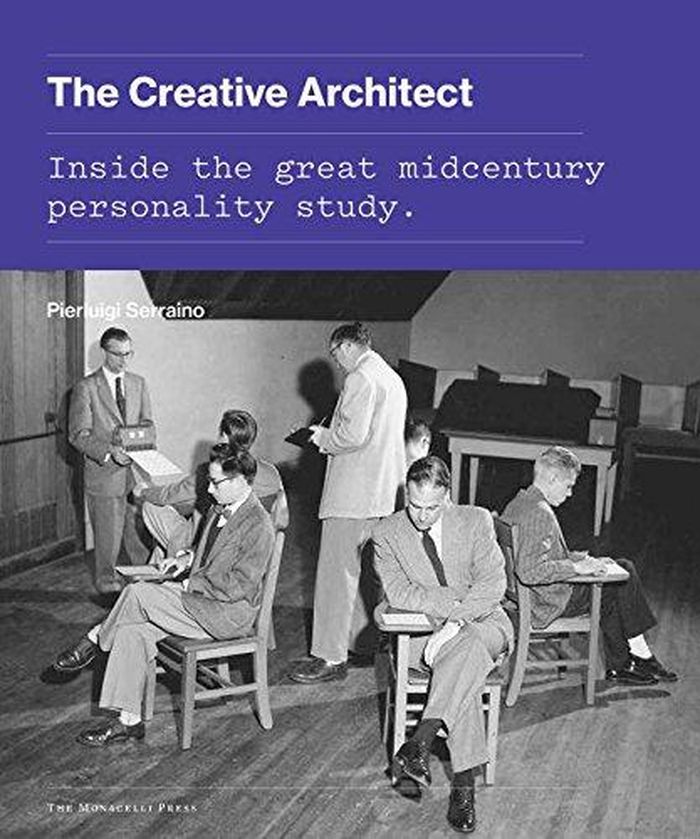
The story of midcentury architecture in America is dominated by outsized figures—Richard Neutra, George Nelson, Louis Kahn—who were universally acknowledged as creative geniuses. Yet virtually unheard of is the intensive 1958–59 study, conducted at the Institute of Personality Assessment and Research at the University of California, Berkeley, that scrutinized these and(...)
$60.00
(available to order)
Summary:
The story of midcentury architecture in America is dominated by outsized figures—Richard Neutra, George Nelson, Louis Kahn—who were universally acknowledged as creative geniuses. Yet virtually unheard of is the intensive 1958–59 study, conducted at the Institute of Personality Assessment and Research at the University of California, Berkeley, that scrutinized these and(...)
Title:
The creative architect: inside the great midcentury personality study
Actions:
Price:
$60.00
(available to order)
Summary:
The story of midcentury architecture in America is dominated by outsized figures—Richard Neutra, George Nelson, Louis Kahn—who were universally acknowledged as creative geniuses. Yet virtually unheard of is the intensive 1958–59 study, conducted at the Institute of Personality Assessment and Research at the University of California, Berkeley, that scrutinized these and dozens of other famous architects in an effort to map their minds. Deploying an array of tests reflecting current psychological theories, the investigation sought to answer questions that still apply to creative practice today: What makes a person creative? What are the biographical conditions and personality traits necessary to actualize that potential? The study’s findings have been gathered through numerous original sources, including questionnaires, aptitude tests, and interview transcripts, revealing how these great architects evaluated their own creativity and that of their peers. In The Creative Architect, Pierluigi Serraino charts the development, implementation, and findings of this historic study, producing the first look at a fascinating and forgotten moment in architecture, psychology, and American history.
The creative architect: inside the great midcentury personality study
Actions:
Price:
$60.00
(available to order)
Summary:
The story of midcentury architecture in America is dominated by outsized figures—Richard Neutra, George Nelson, Louis Kahn—who were universally acknowledged as creative geniuses. Yet virtually unheard of is the intensive 1958–59 study, conducted at the Institute of Personality Assessment and Research at the University of California, Berkeley, that scrutinized these and dozens of other famous architects in an effort to map their minds. Deploying an array of tests reflecting current psychological theories, the investigation sought to answer questions that still apply to creative practice today: What makes a person creative? What are the biographical conditions and personality traits necessary to actualize that potential? The study’s findings have been gathered through numerous original sources, including questionnaires, aptitude tests, and interview transcripts, revealing how these great architects evaluated their own creativity and that of their peers. In The Creative Architect, Pierluigi Serraino charts the development, implementation, and findings of this historic study, producing the first look at a fascinating and forgotten moment in architecture, psychology, and American history.
Form:
books
books
Publication:
June 2016
June 2016
Subject:
History since 1900, Reference Books
History since 1900, Reference Books
Form:
books
books
Actions:
Price:
$62.00
(available to order)
Summary:
Through a series of close readings of two major figures of the modern movement, Adolf Loos and Le Corbusier, Beatriz Colomina argues that architecture only becomes modern in its engagement with the mass media, and that in so doing it radically displaces the(...)
$62.00
(available to order)
Summary:
Through a series of close readings of two major figures of the modern movement, Adolf Loos and Le Corbusier, Beatriz Colomina argues that architecture only becomes modern in its engagement with the mass media, and that in so doing it radically displaces the(...)
Title:
Privacy and publicity : modern architecture as mass media
Actions:
Price:
$62.00
(available to order)
Summary:
Through a series of close readings of two major figures of the modern movement, Adolf Loos and Le Corbusier, Beatriz Colomina argues that architecture only becomes modern in its engagement with the mass media, and that in so doing it radically displaces the traditional sense of space and subjectivity. "Privacy and Publicity" questions certain ideological assumptions underlying the received view of modern architecture and reconsiders the methodology of architectural criticism itself. Where conventional criticism portrays modern architecture as a high artistic practice in opposition to mass culture, Colomina sees the emerging systems of communication that have come to define twentieth-century culture -- the mass media -- as the true site within which modern architecture was produced. She considers architectural discourse as the intersection of a number of systems of representation such as drawings, models, photographs, books, films, and advertisements. This does not mean abandoning the architectural object, the building, but rather looking at it in a different way. The building is understood here in the same way as all the media that frame it, as a mechanism of representation in its own right.
Privacy and publicity : modern architecture as mass media
Actions:
Price:
$62.00
(available to order)
Summary:
Through a series of close readings of two major figures of the modern movement, Adolf Loos and Le Corbusier, Beatriz Colomina argues that architecture only becomes modern in its engagement with the mass media, and that in so doing it radically displaces the traditional sense of space and subjectivity. "Privacy and Publicity" questions certain ideological assumptions underlying the received view of modern architecture and reconsiders the methodology of architectural criticism itself. Where conventional criticism portrays modern architecture as a high artistic practice in opposition to mass culture, Colomina sees the emerging systems of communication that have come to define twentieth-century culture -- the mass media -- as the true site within which modern architecture was produced. She considers architectural discourse as the intersection of a number of systems of representation such as drawings, models, photographs, books, films, and advertisements. This does not mean abandoning the architectural object, the building, but rather looking at it in a different way. The building is understood here in the same way as all the media that frame it, as a mechanism of representation in its own right.
Form:
books
books
Publication:
April 1996, Cambridge
April 1996, Cambridge
Subject:
Architectural Theory
Architectural Theory


