


12362 Results
Form:
books
books

Price:
$24.95
(available to order)
Summary:
Spinfluence will appeal to crooked politicians, media manipulators and corporate big-wigs alike, in fact anyone interested in how to exploit people for profit or power. Covering fun techniques and tactics such as emotional hijacking, brainwashing and hysteria harnessing - Spinfluence is a glorious and insightful read about how to bend the truth and subvert the will of the herd.
$24.95
(available to order)
Summary:
Spinfluence will appeal to crooked politicians, media manipulators and corporate big-wigs alike, in fact anyone interested in how to exploit people for profit or power. Covering fun techniques and tactics such as emotional hijacking, brainwashing and hysteria harnessing - Spinfluence is a glorious and insightful read about how to bend the truth and subvert the will of the herd.
Title:
Spinfluence : the hardcore propaganda manual for controlling masses
Actions:
Price:
$24.95
(available to order)
Summary:
Spinfluence will appeal to crooked politicians, media manipulators and corporate big-wigs alike, in fact anyone interested in how to exploit people for profit or power. Covering fun techniques and tactics such as emotional hijacking, brainwashing and hysteria harnessing - Spinfluence is a glorious and insightful read about how to bend the truth and subvert the will of the herd.
Spinfluence : the hardcore propaganda manual for controlling masses
Actions:
Price:
$24.95
(available to order)
Summary:
Spinfluence will appeal to crooked politicians, media manipulators and corporate big-wigs alike, in fact anyone interested in how to exploit people for profit or power. Covering fun techniques and tactics such as emotional hijacking, brainwashing and hysteria harnessing - Spinfluence is a glorious and insightful read about how to bend the truth and subvert the will of the herd.
Form:
books
books
Publication:
August 2013
August 2013
Subject:
Epistemology
Epistemology
Form:
books
books
Price:
$49.95
(available in store)
Summary:
"The Earth that modernism built" traces the rise of planetary design to an imperialist discourse about the influence of the earthly environment on humanity. Kenny Cupers argues that to understand how the earth became an object of design, we need to radically shift the terms of analysis. Rather than describing how new design ideas and practices traveled and transformed(...)
$49.95
(available in store)
Summary:
"The Earth that modernism built" traces the rise of planetary design to an imperialist discourse about the influence of the earthly environment on humanity. Kenny Cupers argues that to understand how the earth became an object of design, we need to radically shift the terms of analysis. Rather than describing how new design ideas and practices traveled and transformed(...)
Title:
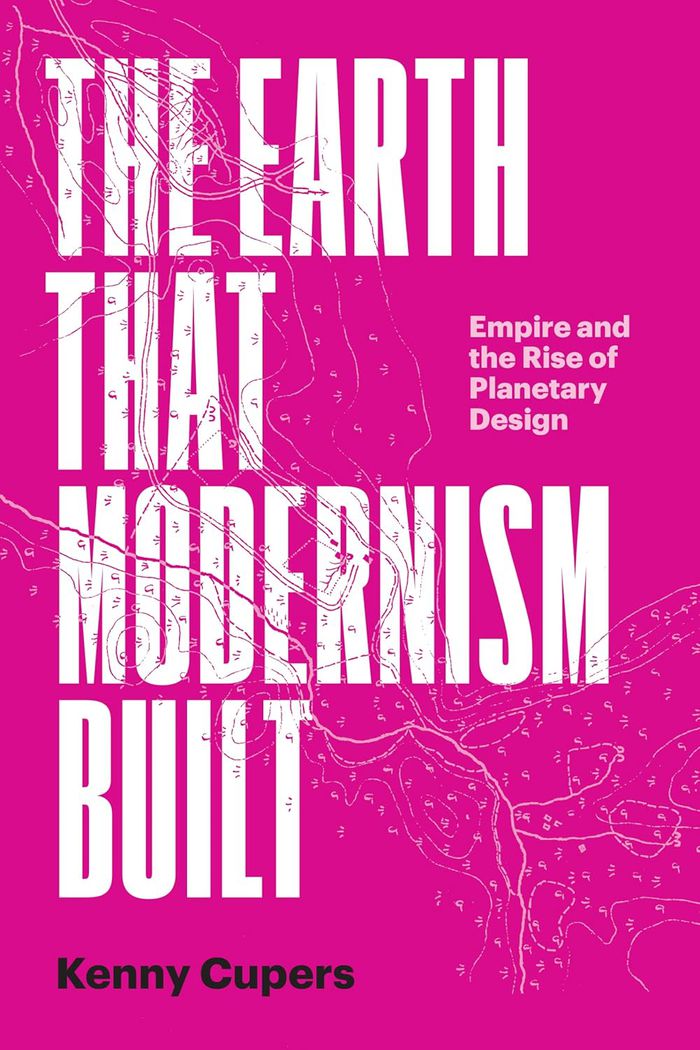
The earth that modernism built: Empire and the rise of Planetary Design
Actions:
Price:
$49.95
(available in store)
Summary:
"The Earth that modernism built" traces the rise of planetary design to an imperialist discourse about the influence of the earthly environment on humanity. Kenny Cupers argues that to understand how the earth became an object of design, we need to radically shift the terms of analysis. Rather than describing how new design ideas and practices traveled and transformed people and places across the globe, this book interrogates the politics of life and earth underpinning this process. It demonstrates how approaches to modern housing, landscape design, and infrastructure planning are indebted to an understanding of planetary and human ecology fueled by settler colonialism and imperial ambition.
The earth that modernism built: Empire and the rise of Planetary Design
Actions:
Price:
$49.95
(available in store)
Summary:
"The Earth that modernism built" traces the rise of planetary design to an imperialist discourse about the influence of the earthly environment on humanity. Kenny Cupers argues that to understand how the earth became an object of design, we need to radically shift the terms of analysis. Rather than describing how new design ideas and practices traveled and transformed people and places across the globe, this book interrogates the politics of life and earth underpinning this process. It demonstrates how approaches to modern housing, landscape design, and infrastructure planning are indebted to an understanding of planetary and human ecology fueled by settler colonialism and imperial ambition.
Form:
books
books
Publication:
December 2024
December 2024
Subject:
Architectural Theory
Architectural Theory
Form:
books
books
Price:
$49.00
(available in store)
Summary:
“How are city transformations to be read? How are we to interpret the incessant metamorphosis of places and social relationships that has characterized urban contexts since their inception?” These questions drive ''Knots'', a collaborative research project by the Politecnico di Milano’s Department of Architecture and Urban Studies (DAStU) and Prospekt, a(...)
$49.00
(available in store)
Summary:
“How are city transformations to be read? How are we to interpret the incessant metamorphosis of places and social relationships that has characterized urban contexts since their inception?” These questions drive ''Knots'', a collaborative research project by the Politecnico di Milano’s Department of Architecture and Urban Studies (DAStU) and Prospekt, a(...)
Subject:
Urban Theory
Urban Theory
Publication:
October 2025
October 2025
Title:
Knots
Actions:
Price:
$49.00
(available in store)
Summary:
“How are city transformations to be read? How are we to interpret the incessant metamorphosis of places and social relationships that has characterized urban contexts since their inception?” These questions drive ''Knots'', a collaborative research project by the Politecnico di Milano’s Department of Architecture and Urban Studies (DAStU) and Prospekt, a photojournalism agency dedicated to chronicling urban issues worldwide. By reshaping how we question urban transformations, ''Knots'' seeks to uncover overlooked dimensions of change, particularly in Milan’s Scali. Showcasing outcomes from interdisciplinary workshops, the book highlights the value of crossing disciplinary boundaries to spark critical yet grounded discussions on the ways cities and their social fabrics evolve
Knots
Actions:
Price:
$49.00
(available in store)
Summary:
“How are city transformations to be read? How are we to interpret the incessant metamorphosis of places and social relationships that has characterized urban contexts since their inception?” These questions drive ''Knots'', a collaborative research project by the Politecnico di Milano’s Department of Architecture and Urban Studies (DAStU) and Prospekt, a photojournalism agency dedicated to chronicling urban issues worldwide. By reshaping how we question urban transformations, ''Knots'' seeks to uncover overlooked dimensions of change, particularly in Milan’s Scali. Showcasing outcomes from interdisciplinary workshops, the book highlights the value of crossing disciplinary boundaries to spark critical yet grounded discussions on the ways cities and their social fabrics evolve
Form:
books
books
Publication:
October 2025
October 2025
Subject:
Urban Theory
Urban Theory
Form:
books
books
Actions:
Price:
$64.00
(available to order)
Summary:
The growth of the number and scale of Chinese museums in the 21st century, from about 1,400 at the turn of the century to over 5,000 to date, reflects the government’s Museum Development Plan for 2011-2020 to open one museum per 250,000 inhabitants, with the goal of attracting one billion visitors at the end of the decade. What are the motivations for the rapid(...)
$64.00
(available to order)
Summary:
The growth of the number and scale of Chinese museums in the 21st century, from about 1,400 at the turn of the century to over 5,000 to date, reflects the government’s Museum Development Plan for 2011-2020 to open one museum per 250,000 inhabitants, with the goal of attracting one billion visitors at the end of the decade. What are the motivations for the rapid(...)
Title:
Museum development in China: understanding the building boom
Actions:
Price:
$64.00
(available to order)
Summary:
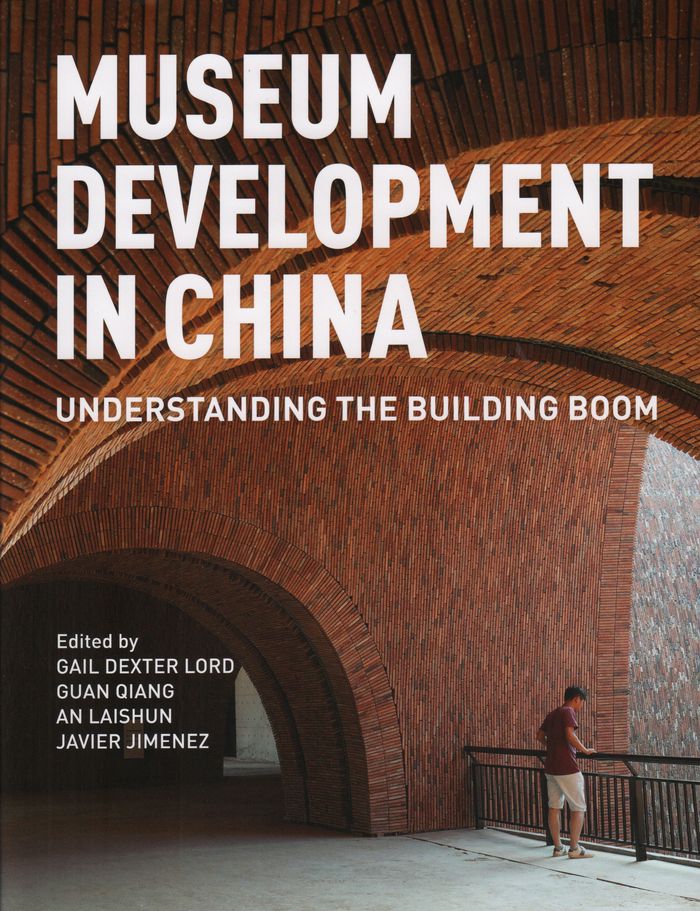
The growth of the number and scale of Chinese museums in the 21st century, from about 1,400 at the turn of the century to over 5,000 to date, reflects the government’s Museum Development Plan for 2011-2020 to open one museum per 250,000 inhabitants, with the goal of attracting one billion visitors at the end of the decade. What are the motivations for the rapid development of museums in China? How is the public responding? Who pays for these museums and how? What has been the impact of china’s urbanization? How do Chinese museums balance education, scientific research, social cohesion, cultural diplomacy and tourism both internal and external? These are issues that continue to be discussed and debated among western museum professionals in the context of our 200 - year history of modern museology. How are these debates evolving in China, which has its own history of museology over that same period from colonialism to communism and from isolation to opening up to the world?
Museum development in China: understanding the building boom
Actions:
Price:
$64.00
(available to order)
Summary:
The growth of the number and scale of Chinese museums in the 21st century, from about 1,400 at the turn of the century to over 5,000 to date, reflects the government’s Museum Development Plan for 2011-2020 to open one museum per 250,000 inhabitants, with the goal of attracting one billion visitors at the end of the decade. What are the motivations for the rapid development of museums in China? How is the public responding? Who pays for these museums and how? What has been the impact of china’s urbanization? How do Chinese museums balance education, scientific research, social cohesion, cultural diplomacy and tourism both internal and external? These are issues that continue to be discussed and debated among western museum professionals in the context of our 200 - year history of modern museology. How are these debates evolving in China, which has its own history of museology over that same period from colonialism to communism and from isolation to opening up to the world?
Form:
books
books
Publication:
June 2019
June 2019
Subject:
Museology
Museology
Form:
books
books
Actions:
Price:
$32.95
(available to order)
Summary:
Examining how monuments preserve memory, the essays demonstrate how phenomena as diverse as ancient drum towers in China and ritual whale-killings in the Pacific Northwest serve to represent and negotiate time. Connecting that history to the present, they explore not only how monuments have inspired travel and pilgrimage for millennia but also how new electronic media(...)
$32.95
(available to order)
Summary:
Examining how monuments preserve memory, the essays demonstrate how phenomena as diverse as ancient drum towers in China and ritual whale-killings in the Pacific Northwest serve to represent and negotiate time. Connecting that history to the present, they explore not only how monuments have inspired travel and pilgrimage for millennia but also how new electronic media(...)
Subject:
Architectural Theory
Architectural Theory
Publication:
January 1900, Chicago / London
January 1900, Chicago / London
Title:
Monuments and memory, made and unmade
Actions:
Price:
$32.95
(available to order)
Summary:
Examining how monuments preserve memory, the essays demonstrate how phenomena as diverse as ancient drum towers in China and ritual whale-killings in the Pacific Northwest serve to represent and negotiate time. Connecting that history to the present, they explore not only how monuments have inspired travel and pilgrimage for millennia but also how new electronic media are changing the very nature of such pilgrimages. With an epilogue on the World Trade Center. Contributors : Stephen Bann, Jonathan Bordo, Julia Bryan-Wilson, Jas Elsner, Tapati Guha-Thakurta, Robert S. Nelson, Margaret Olin, Ruth B. Phillips, Mitchell Schwarzer, Lillian Lan-ying Tseng, Richard Wittman, Wu Hung.
Monuments and memory, made and unmade
Actions:
Price:
$32.95
(available to order)
Summary:
Examining how monuments preserve memory, the essays demonstrate how phenomena as diverse as ancient drum towers in China and ritual whale-killings in the Pacific Northwest serve to represent and negotiate time. Connecting that history to the present, they explore not only how monuments have inspired travel and pilgrimage for millennia but also how new electronic media are changing the very nature of such pilgrimages. With an epilogue on the World Trade Center. Contributors : Stephen Bann, Jonathan Bordo, Julia Bryan-Wilson, Jas Elsner, Tapati Guha-Thakurta, Robert S. Nelson, Margaret Olin, Ruth B. Phillips, Mitchell Schwarzer, Lillian Lan-ying Tseng, Richard Wittman, Wu Hung.
Form:
books
books
Publication:
January 1900, Chicago / London
January 1900, Chicago / London
Subject:
Architectural Theory
Architectural Theory
Form:
books
books
Title:
Silent whale letters
Silent whale letters
Actions:
Price:
$27.95
(available to order)
Summary:
As part of an ongoing collaboration between Ella Finer and Vibeke Mascini the letters consider how the silent document shifts the logic of the archive, figuring listening as a practice of preservation. As the letters attune to the ocean loud with communications across time and space, the authors write about the movement of matter, of energies, wavelengths, currents and(...)
$27.95
(available to order)
Summary:
As part of an ongoing collaboration between Ella Finer and Vibeke Mascini the letters consider how the silent document shifts the logic of the archive, figuring listening as a practice of preservation. As the letters attune to the ocean loud with communications across time and space, the authors write about the movement of matter, of energies, wavelengths, currents and(...)
Title:
Silent whale letters
Actions:
Price:
$27.95
(available to order)
Summary:
As part of an ongoing collaboration between Ella Finer and Vibeke Mascini the letters consider how the silent document shifts the logic of the archive, figuring listening as a practice of preservation. As the letters attune to the ocean loud with communications across time and space, the authors write about the movement of matter, of energies, wavelengths, currents and how the ocean preserves as it disperses what it carries. How does working with what we cannot see, or even hear within range, shift the parameters of attention? How does the energetic archival space of the ocean agitate and disrupt claims to knowledge, history, and power?
Silent whale letters
Actions:
Price:
$27.95
(available to order)
Summary:
As part of an ongoing collaboration between Ella Finer and Vibeke Mascini the letters consider how the silent document shifts the logic of the archive, figuring listening as a practice of preservation. As the letters attune to the ocean loud with communications across time and space, the authors write about the movement of matter, of energies, wavelengths, currents and how the ocean preserves as it disperses what it carries. How does working with what we cannot see, or even hear within range, shift the parameters of attention? How does the energetic archival space of the ocean agitate and disrupt claims to knowledge, history, and power?
Form:
books
books
Publication:
October 2023
October 2023
Subject:
Art Theory
Art Theory
Form:
books
books
Actions:
Price:
$59.99
(available to order)
Summary:
This publication takes on a controversial theme in Slovak architecture: the influence of totalitarian or authoritarian political regimes on architectural production. Particular attention is devoted to the relationship between modernity and totalitarian/authoritarian order. Using selected works of 20th-century architecture in Slovakia, it is shown how the different ideas(...)
$59.99
(available to order)
Summary:
This publication takes on a controversial theme in Slovak architecture: the influence of totalitarian or authoritarian political regimes on architectural production. Particular attention is devoted to the relationship between modernity and totalitarian/authoritarian order. Using selected works of 20th-century architecture in Slovakia, it is shown how the different ideas(...)
Title:
Modern and/or totalitarian in the architecture of the 20th century in Slovakia
Actions:
Price:
$59.99
(available to order)
Summary:
This publication takes on a controversial theme in Slovak architecture: the influence of totalitarian or authoritarian political regimes on architectural production. Particular attention is devoted to the relationship between modernity and totalitarian/authoritarian order. Using selected works of 20th-century architecture in Slovakia, it is shown how the different ideas of the state authorities had varying effects on the formal aspects of architecture, and how the architects themselves reacted to these ideas. At the same time, an indication is provided of how this architecture was received by the public at the time of its creation and how it is evaluated today, at a distance of several decades.
Modern and/or totalitarian in the architecture of the 20th century in Slovakia
Actions:
Price:
$59.99
(available to order)
Summary:
This publication takes on a controversial theme in Slovak architecture: the influence of totalitarian or authoritarian political regimes on architectural production. Particular attention is devoted to the relationship between modernity and totalitarian/authoritarian order. Using selected works of 20th-century architecture in Slovakia, it is shown how the different ideas of the state authorities had varying effects on the formal aspects of architecture, and how the architects themselves reacted to these ideas. At the same time, an indication is provided of how this architecture was received by the public at the time of its creation and how it is evaluated today, at a distance of several decades.
Form:
books
books
Publication:
October 2014
October 2014
Subject:
Modernism
Modernism
Form:
books
books
Actions:
Price:
$55.00
(available to order)
Summary:
How can residential building strengthen broader urban structures? And how can architecture meet the requirements of new forms of cohabitation, owing to a broader social mix or to live-work spaces? This book presents exemplary solutions from the international Urban Living Workshop, in which more than 30 international firms participated.
$55.00
(available to order)
Summary:
How can residential building strengthen broader urban structures? And how can architecture meet the requirements of new forms of cohabitation, owing to a broader social mix or to live-work spaces? This book presents exemplary solutions from the international Urban Living Workshop, in which more than 30 international firms participated.
Title:
Urban living: strategies for the future
Actions:
Price:
$55.00
(available to order)
Summary:
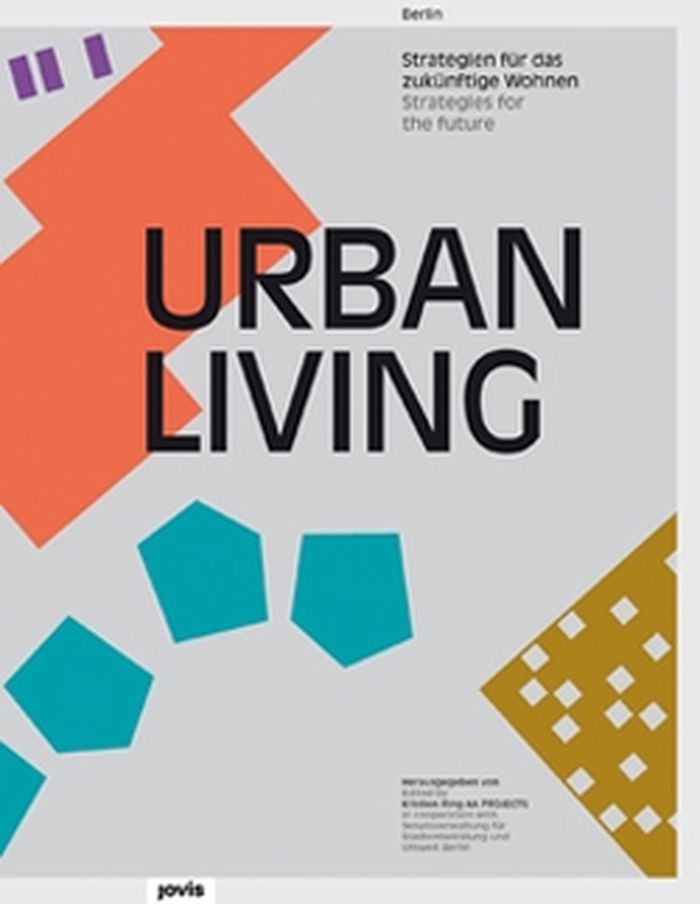
How can residential building strengthen broader urban structures? And how can architecture meet the requirements of new forms of cohabitation, owing to a broader social mix or to live-work spaces? This book presents exemplary solutions from the international Urban Living Workshop, in which more than 30 international firms participated.
Urban living: strategies for the future
Actions:
Price:
$55.00
(available to order)
Summary:
How can residential building strengthen broader urban structures? And how can architecture meet the requirements of new forms of cohabitation, owing to a broader social mix or to live-work spaces? This book presents exemplary solutions from the international Urban Living Workshop, in which more than 30 international firms participated.
Form:
books
books
Publication:
March 2015
March 2015
Subject:
Urban Theory
Urban Theory
Form:
books
books
Price:
$58.95
(available in store)
Summary:
This book brings the history of the geosciences and world cosmologies together, exploring many traditions, including Chinese, Pacific, Islamic, South and Southeast Asian conceptions of the earth’s origin and makeup. Together the chapters ask: How have different ideas about the sacred, animate, and earthly changed modern environmental sciences? How have different world(...)
$58.95
(available in store)
Summary:
This book brings the history of the geosciences and world cosmologies together, exploring many traditions, including Chinese, Pacific, Islamic, South and Southeast Asian conceptions of the earth’s origin and makeup. Together the chapters ask: How have different ideas about the sacred, animate, and earthly changed modern environmental sciences? How have different world(...)
Subject:
Environment and environmental theory
Environment and environmental theory
Publication:
November 2023
November 2023
Title:
New earth histories: Geo-cosmologies and the making of the modern world
Actions:
Price:
$58.95
(available in store)
Summary:
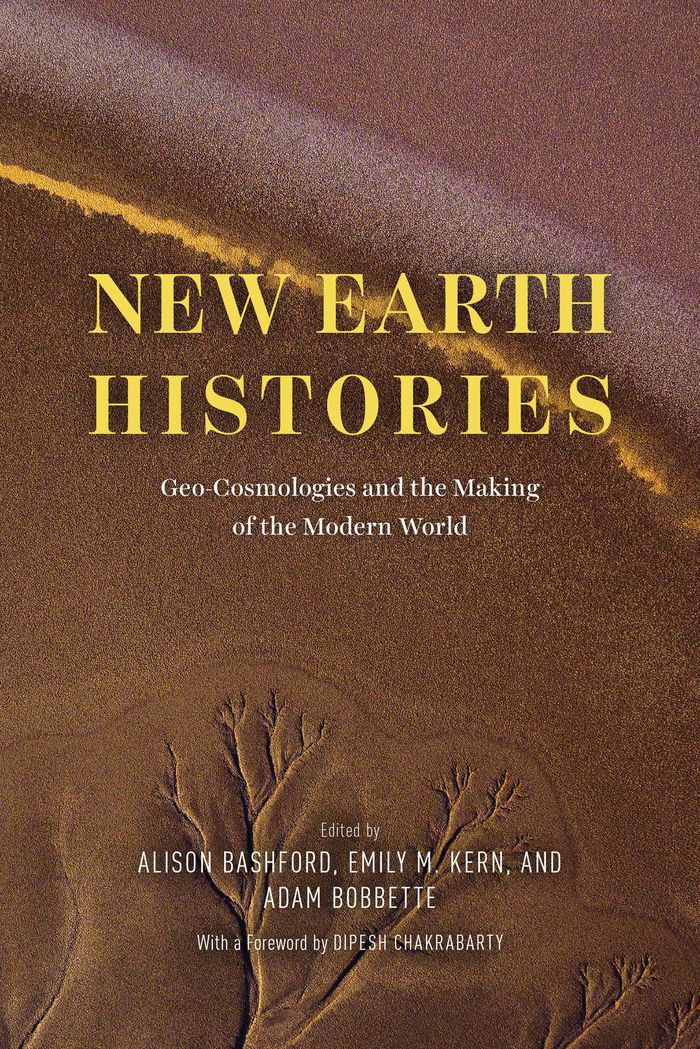
This book brings the history of the geosciences and world cosmologies together, exploring many traditions, including Chinese, Pacific, Islamic, South and Southeast Asian conceptions of the earth’s origin and makeup. Together the chapters ask: How have different ideas about the sacred, animate, and earthly changed modern environmental sciences? How have different world traditions understood human and geological origins? How does the inclusion of multiple cosmologies change the meaning of the Anthropocene and the global climate crisis? By carefully examining these questions, ''New earth histories'' sets an ambitious agenda for how we think about the earth. The chapters consider debates about the age and structure of the earth, how humans and earth systems interact, and how empire has been conceived in multiple traditions. The methods the authors deploy are diverse—from cultural history and visual and material studies to ethnography, geography, and Indigenous studies—and the effect is to highlight how earth knowledge emerged from historically specific situations. ''New earth histories'' provides both a framework for studying science at a global scale and fascinating examples to educate as well as inspire future work. Essential reading for students and scholars of earth science history, environmental humanities, history of science and religion, and science and empire.
New earth histories: Geo-cosmologies and the making of the modern world
Actions:
Price:
$58.95
(available in store)
Summary:
This book brings the history of the geosciences and world cosmologies together, exploring many traditions, including Chinese, Pacific, Islamic, South and Southeast Asian conceptions of the earth’s origin and makeup. Together the chapters ask: How have different ideas about the sacred, animate, and earthly changed modern environmental sciences? How have different world traditions understood human and geological origins? How does the inclusion of multiple cosmologies change the meaning of the Anthropocene and the global climate crisis? By carefully examining these questions, ''New earth histories'' sets an ambitious agenda for how we think about the earth. The chapters consider debates about the age and structure of the earth, how humans and earth systems interact, and how empire has been conceived in multiple traditions. The methods the authors deploy are diverse—from cultural history and visual and material studies to ethnography, geography, and Indigenous studies—and the effect is to highlight how earth knowledge emerged from historically specific situations. ''New earth histories'' provides both a framework for studying science at a global scale and fascinating examples to educate as well as inspire future work. Essential reading for students and scholars of earth science history, environmental humanities, history of science and religion, and science and empire.
Form:
books
books
Publication:
November 2023
November 2023
Subject:
Environment and environmental theory
Environment and environmental theory
Form:
books
books
Price:
$90.00
(available to order)
Summary:
A multimedia exploration of the morphology of architecture in the American Southwest as defined by evolving modes of transportation. In examining advances in transportation, the book asks how we have come to acquiesce to the monotonous, isolating, and aesthetically bankrupt landscape of suburbia. It also casts predictions about how the future built landscape will look as(...)
$90.00
(available to order)
Summary:
A multimedia exploration of the morphology of architecture in the American Southwest as defined by evolving modes of transportation. In examining advances in transportation, the book asks how we have come to acquiesce to the monotonous, isolating, and aesthetically bankrupt landscape of suburbia. It also casts predictions about how the future built landscape will look as(...)
Title:
Architecture of normal: The colonization of the American landscape
Actions:
Price:
$90.00
(available to order)
Summary:
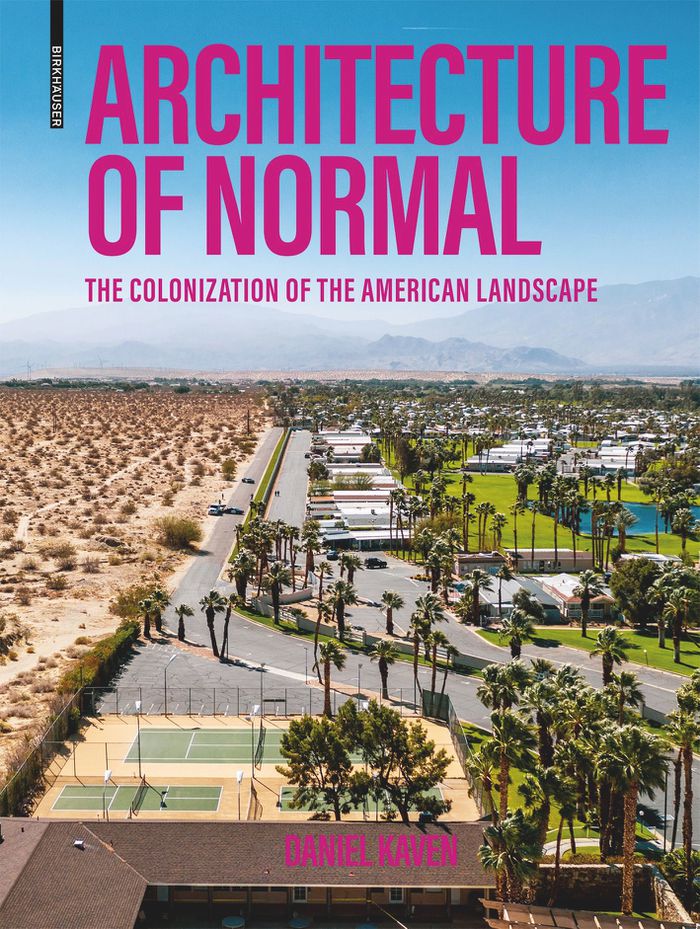
A multimedia exploration of the morphology of architecture in the American Southwest as defined by evolving modes of transportation. In examining advances in transportation, the book asks how we have come to acquiesce to the monotonous, isolating, and aesthetically bankrupt landscape of suburbia. It also casts predictions about how the future built landscape will look as it continues to adapt to patterns of human movement.
Architecture of normal: The colonization of the American landscape
Actions:
Price:
$90.00
(available to order)
Summary:
A multimedia exploration of the morphology of architecture in the American Southwest as defined by evolving modes of transportation. In examining advances in transportation, the book asks how we have come to acquiesce to the monotonous, isolating, and aesthetically bankrupt landscape of suburbia. It also casts predictions about how the future built landscape will look as it continues to adapt to patterns of human movement.
Form:
books
books
Publication:
January 2022
January 2022
Subject:
Contemporary Architecture
Contemporary Architecture


