


12365 Results
Form:
books
books
Price:
$38.95
(available in store)
Summary:
This anthology presents work on cultures of assembly. It stresses the relevance of small-scale and decentralized spatial formats of local knowledge production to community building and embedded political decision-making in the context of the socio-ecological transition. It reinforces the role of both individual and collective action while proposing distributed assembly(...)
$38.95
(available in store)
Summary:
This anthology presents work on cultures of assembly. It stresses the relevance of small-scale and decentralized spatial formats of local knowledge production to community building and embedded political decision-making in the context of the socio-ecological transition. It reinforces the role of both individual and collective action while proposing distributed assembly(...)
Title:
Agonistic assemblies: On the spatial politics of horizontality
Actions:
Price:
$38.95
(available in store)
Summary:
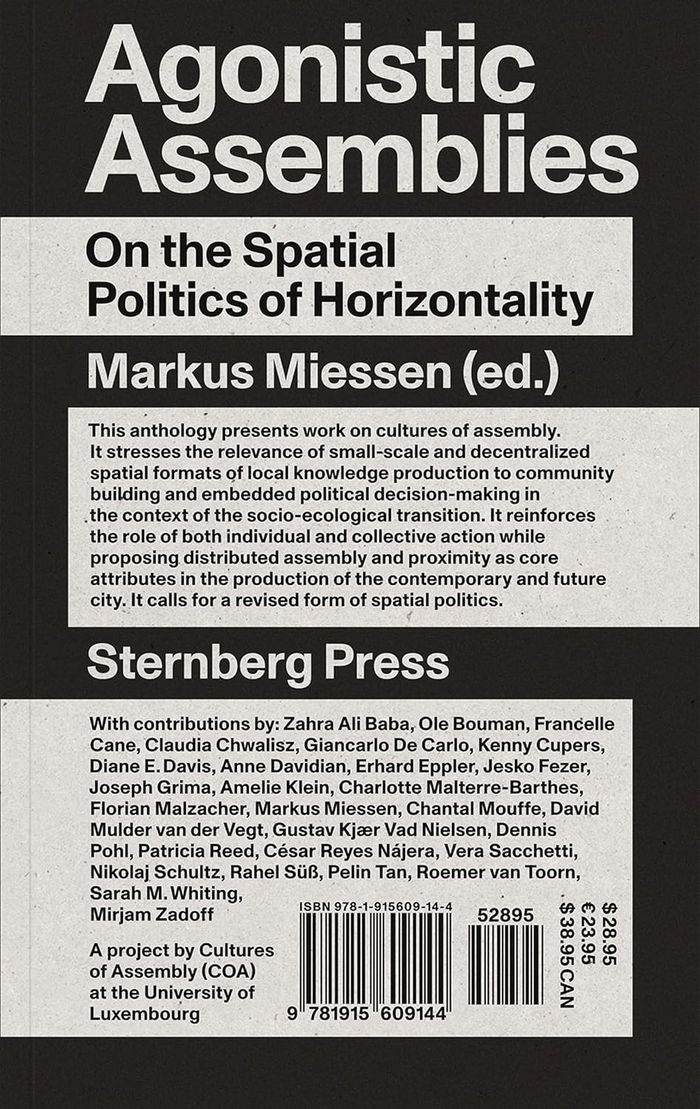
This anthology presents work on cultures of assembly. It stresses the relevance of small-scale and decentralized spatial formats of local knowledge production to community building and embedded political decision-making in the context of the socio-ecological transition. It reinforces the role of both individual and collective action while proposing distributed assembly and proximity as core attributes in the production of the contemporary and future city. It calls for a revised form of spatial politics. "Agonistic assemblies" asks: how can spaces—both physical and virtual—be envisaged to create publics? How is collectivity and society being generated spatially and in terms of policy? How do we “practice” society as a bodily, spatial form, and how does this practice contribute to spatial justice? Are there specific spatial settings that can intensify these practices? What kind of spatial design can we imagine as platforms for change?
Agonistic assemblies: On the spatial politics of horizontality
Actions:
Price:
$38.95
(available in store)
Summary:
This anthology presents work on cultures of assembly. It stresses the relevance of small-scale and decentralized spatial formats of local knowledge production to community building and embedded political decision-making in the context of the socio-ecological transition. It reinforces the role of both individual and collective action while proposing distributed assembly and proximity as core attributes in the production of the contemporary and future city. It calls for a revised form of spatial politics. "Agonistic assemblies" asks: how can spaces—both physical and virtual—be envisaged to create publics? How is collectivity and society being generated spatially and in terms of policy? How do we “practice” society as a bodily, spatial form, and how does this practice contribute to spatial justice? Are there specific spatial settings that can intensify these practices? What kind of spatial design can we imagine as platforms for change?
Form:
books
books
Publication:
June 2024
June 2024
Subject:
Architectural Theory
Architectural Theory
Form:
books
books
Actions:
Price:
$36.95
(available to order)
Summary:
In "What’s the Use?" Sara Ahmed continues the work she began in "The Promise of Happiness and Willful Subjects" by taking up a single word—in this case, use—and following it around. She shows how use became associated with life and strength in nineteenth-century biological and social thought and considers how utilitarianism offered a set of educational techniques for(...)
$36.95
(available to order)
Summary:
In "What’s the Use?" Sara Ahmed continues the work she began in "The Promise of Happiness and Willful Subjects" by taking up a single word—in this case, use—and following it around. She shows how use became associated with life and strength in nineteenth-century biological and social thought and considers how utilitarianism offered a set of educational techniques for(...)
Title:
What's the use: on the uses of use
Actions:
Price:
$36.95
(available to order)
Summary:
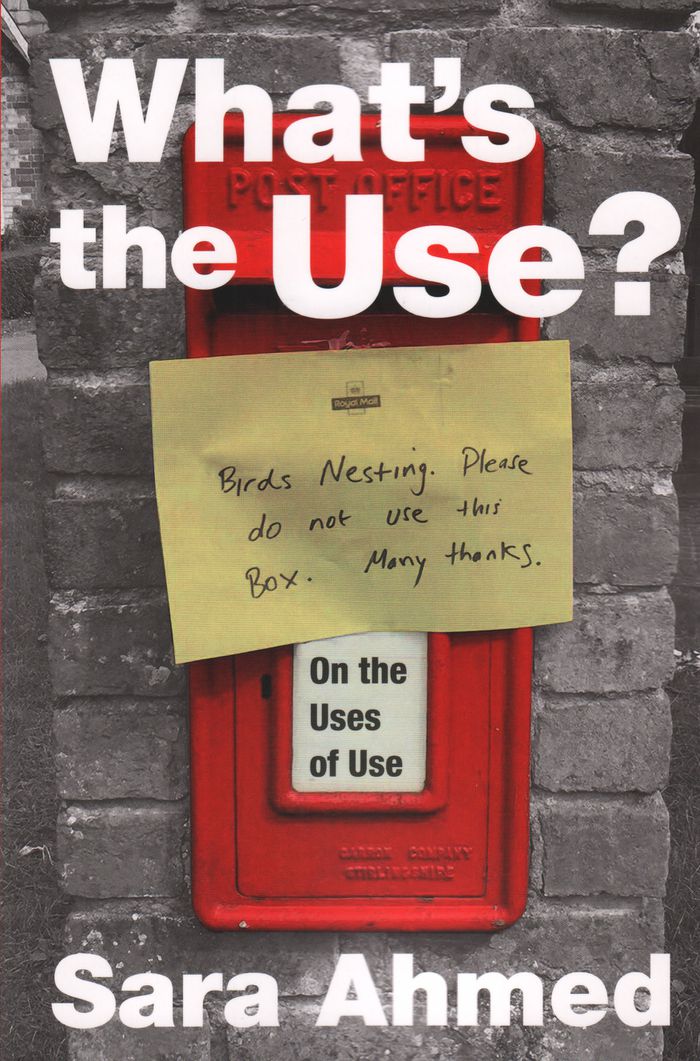
In "What’s the Use?" Sara Ahmed continues the work she began in "The Promise of Happiness and Willful Subjects" by taking up a single word—in this case, use—and following it around. She shows how use became associated with life and strength in nineteenth-century biological and social thought and considers how utilitarianism offered a set of educational techniques for shaping individuals by directing them toward useful ends. Ahmed also explores how spaces become restricted to some uses and users, with specific reference to universities. She notes, however, the potential for queer use: how things can be used in ways that were not intended or by those for whom they were not intended. Ahmed posits queer use as a way of reanimating the project of diversity work as the ordinary and painstaking task of opening up institutions to those who have historically been excluded.
What's the use: on the uses of use
Actions:
Price:
$36.95
(available to order)
Summary:
In "What’s the Use?" Sara Ahmed continues the work she began in "The Promise of Happiness and Willful Subjects" by taking up a single word—in this case, use—and following it around. She shows how use became associated with life and strength in nineteenth-century biological and social thought and considers how utilitarianism offered a set of educational techniques for shaping individuals by directing them toward useful ends. Ahmed also explores how spaces become restricted to some uses and users, with specific reference to universities. She notes, however, the potential for queer use: how things can be used in ways that were not intended or by those for whom they were not intended. Ahmed posits queer use as a way of reanimating the project of diversity work as the ordinary and painstaking task of opening up institutions to those who have historically been excluded.
Form:
books
books
Publication:
October 2019
October 2019
Subject:
Critical Theory
Critical Theory
Form:
books
books
Title:
Step by step
Step by step
Actions:
Price:
$25.00
(available to order)
Summary:
Step by Step is based on in-depth interviews Augoyard conducted with the inhabitants of l’Arlequin, a new town on the outskirts of Grenoble. A resident of l’Arlequin himself, Augoyard sought to understand how his neighbors used its passages, streets, and parks. He begins with a detailed investigation of the inhabitants’ daily walks before going on to consider how the(...)
$25.00
(available to order)
Summary:
Step by Step is based on in-depth interviews Augoyard conducted with the inhabitants of l’Arlequin, a new town on the outskirts of Grenoble. A resident of l’Arlequin himself, Augoyard sought to understand how his neighbors used its passages, streets, and parks. He begins with a detailed investigation of the inhabitants’ daily walks before going on to consider how the(...)
Title:
Step by step
Actions:
Price:
$25.00
(available to order)
Summary:
Step by Step is based on in-depth interviews Augoyard conducted with the inhabitants of l’Arlequin, a new town on the outskirts of Grenoble. A resident of l’Arlequin himself, Augoyard sought to understand how his neighbors used its passages, streets, and parks. He begins with a detailed investigation of the inhabitants’ daily walks before going on to consider how the built environment is personalized through place-names and shared memories, the ways in which sensory impressions define the atmosphere of a place and how, through individual and collective imagination, residents transformed l’Arlequin from a concept into a lived space.
Step by step
Actions:
Price:
$25.00
(available to order)
Summary:
Step by Step is based on in-depth interviews Augoyard conducted with the inhabitants of l’Arlequin, a new town on the outskirts of Grenoble. A resident of l’Arlequin himself, Augoyard sought to understand how his neighbors used its passages, streets, and parks. He begins with a detailed investigation of the inhabitants’ daily walks before going on to consider how the built environment is personalized through place-names and shared memories, the ways in which sensory impressions define the atmosphere of a place and how, through individual and collective imagination, residents transformed l’Arlequin from a concept into a lived space.
Form:
books
books
Publication:
November 2007, Minneapolis
November 2007, Minneapolis
Subject:
Urban Theory
Urban Theory
Form:
books
books
Price:
$95.95
(available to order)
Summary:
''Aesthetics and Technology in Building: The Twenty-First-Century Edition'' introduces Pier Luigi Nervi's ideas about architecture and engineering to a new generation of students and admirers. More than 200 photographs, details, drawings, and plans show how Nervi put his ideas into practice. Expanding on the seminal 1961 Norton Lectures at Harvard, Nervi analyzes various(...)
$95.95
(available to order)
Summary:
''Aesthetics and Technology in Building: The Twenty-First-Century Edition'' introduces Pier Luigi Nervi's ideas about architecture and engineering to a new generation of students and admirers. More than 200 photographs, details, drawings, and plans show how Nervi put his ideas into practice. Expanding on the seminal 1961 Norton Lectures at Harvard, Nervi analyzes various(...)
Title:
Aesthetics and technology in building: the twenty-first century edition
Actions:
Price:
$95.95
(available to order)
Summary:
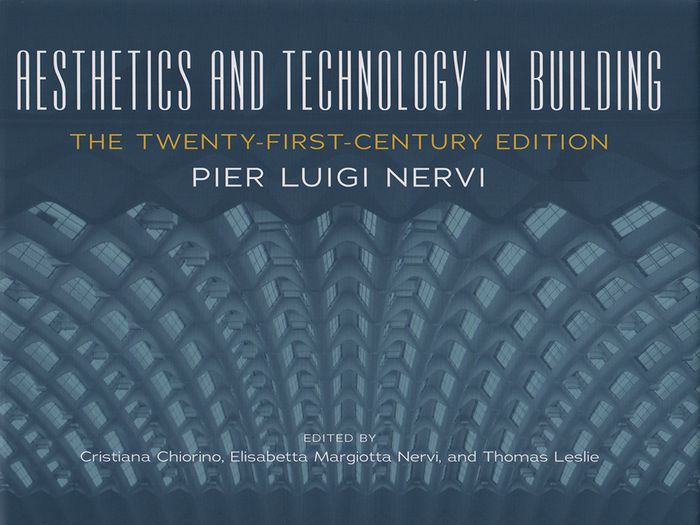
''Aesthetics and Technology in Building: The Twenty-First-Century Edition'' introduces Pier Luigi Nervi's ideas about architecture and engineering to a new generation of students and admirers. More than 200 photographs, details, drawings, and plans show how Nervi put his ideas into practice. Expanding on the seminal 1961 Norton Lectures at Harvard, Nervi analyzes various functional and construction problems. He also explains how precast and cast-in-place concrete can answer demands for economy, technical and functional soundness, and aesthetic perfection. Throughout, he uses his major projects to show how these now-iconic buildings emerged from structural truths and far-sighted construction processes.
Aesthetics and technology in building: the twenty-first century edition
Actions:
Price:
$95.95
(available to order)
Summary:
''Aesthetics and Technology in Building: The Twenty-First-Century Edition'' introduces Pier Luigi Nervi's ideas about architecture and engineering to a new generation of students and admirers. More than 200 photographs, details, drawings, and plans show how Nervi put his ideas into practice. Expanding on the seminal 1961 Norton Lectures at Harvard, Nervi analyzes various functional and construction problems. He also explains how precast and cast-in-place concrete can answer demands for economy, technical and functional soundness, and aesthetic perfection. Throughout, he uses his major projects to show how these now-iconic buildings emerged from structural truths and far-sighted construction processes.
Form:
books
books
Publication:
July 2018
July 2018
Subject:
Engineering Structures
Engineering Structures
Form:
books
books
Price:
$60.00
(available in store)
Summary:
Drawing on archival sources from the early twentieth century, Sarah Bassnett investigates how a range of groups, including the municipal government, social reformers, and the press, used photography to reconfigure the urban environment and constitute liberal subjects. Through a series of case studies, including the construction of the Bloor Viaduct, civic beautification(...)
$60.00
(available in store)
Summary:
Drawing on archival sources from the early twentieth century, Sarah Bassnett investigates how a range of groups, including the municipal government, social reformers, and the press, used photography to reconfigure the urban environment and constitute liberal subjects. Through a series of case studies, including the construction of the Bloor Viaduct, civic beautification(...)
Title:
Picturing Toronto: photography and the making of a modern city
Actions:
Price:
$60.00
(available in store)
Summary:
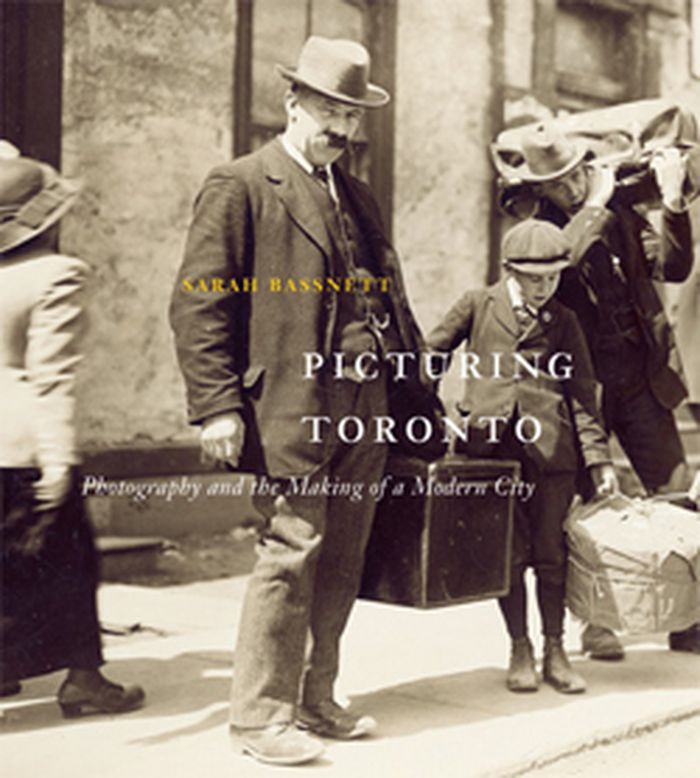
Drawing on archival sources from the early twentieth century, Sarah Bassnett investigates how a range of groups, including the municipal government, social reformers, and the press, used photography to reconfigure the urban environment and constitute liberal subjects. Through a series of case studies, including the construction of the Bloor Viaduct, civic beautification plans, urban reform in “the Ward,” immigration and citizenship, and Goss’s portrait photography, Bassnett exposes how photographs were at the heart of debates over what the city should look like, how it should operate, and under what conditions it was appropriate for people to live.
Picturing Toronto: photography and the making of a modern city
Actions:
Price:
$60.00
(available in store)
Summary:
Drawing on archival sources from the early twentieth century, Sarah Bassnett investigates how a range of groups, including the municipal government, social reformers, and the press, used photography to reconfigure the urban environment and constitute liberal subjects. Through a series of case studies, including the construction of the Bloor Viaduct, civic beautification plans, urban reform in “the Ward,” immigration and citizenship, and Goss’s portrait photography, Bassnett exposes how photographs were at the heart of debates over what the city should look like, how it should operate, and under what conditions it was appropriate for people to live.
Form:
books
books
Publication:
April 2016
April 2016
Subject:
Architecture in Canada
Architecture in Canada
Form:
books
books
Price:
$42.95
(available to order)
Summary:
Environmental disasters and severe weather due to climate change have had an increasingly direct impact on our homes. But the way in which America builds its homes is part of the problem. This deeply researched history of sustainable design standards in building codes explores how public policy, standard-setting trade associations, and financial incentives influence the(...)
$42.95
(available to order)
Summary:
Environmental disasters and severe weather due to climate change have had an increasingly direct impact on our homes. But the way in which America builds its homes is part of the problem. This deeply researched history of sustainable design standards in building codes explores how public policy, standard-setting trade associations, and financial incentives influence the(...)
Title:
The greening of America's building codes: promises and paradoxes
Actions:
Price:
$42.95
(available to order)
Summary:
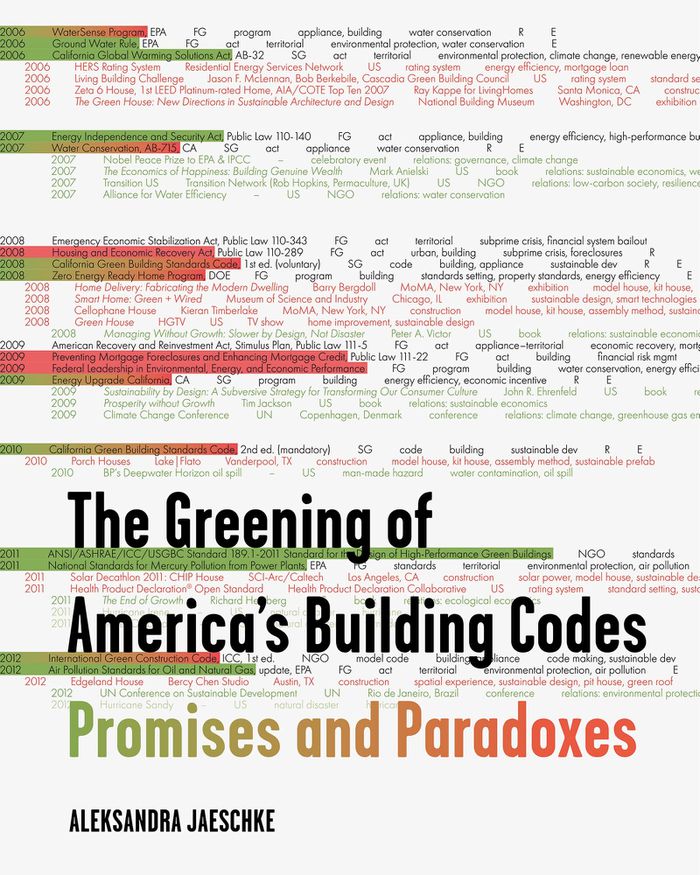
Environmental disasters and severe weather due to climate change have had an increasingly direct impact on our homes. But the way in which America builds its homes is part of the problem. This deeply researched history of sustainable design standards in building codes explores how public policy, standard-setting trade associations, and financial incentives influence the ways in which the construction of our homes impacts the environment. It exposes how the socioeconomic and political forces that influenced early building code development continue to define the character of current building codes and, by extension, determine how we regulate environmental impact and define sustainability today.
The greening of America's building codes: promises and paradoxes
Actions:
Price:
$42.95
(available to order)
Summary:
Environmental disasters and severe weather due to climate change have had an increasingly direct impact on our homes. But the way in which America builds its homes is part of the problem. This deeply researched history of sustainable design standards in building codes explores how public policy, standard-setting trade associations, and financial incentives influence the ways in which the construction of our homes impacts the environment. It exposes how the socioeconomic and political forces that influenced early building code development continue to define the character of current building codes and, by extension, determine how we regulate environmental impact and define sustainability today.
Form:
books
books
Publication:
December 2022
December 2022
Subject:
Architectural Theory
Architectural Theory
Form:
books
books
Title:
Rethinking the power of maps
Rethinking the power of maps
Actions:
Price:
$33.50
(available to order)
Summary:
A contemporary follow-up to the groundbreaking Power of Maps, this book takes a look at what maps do, whose interests they serve, and how they can be used in surprising, creative, and radical ways. Denis Wood describes how cartography facilitated the rise of the modern state and how maps continue to embody and project the interests of their creators. He demystifies the(...)
$33.50
(available to order)
Summary:
A contemporary follow-up to the groundbreaking Power of Maps, this book takes a look at what maps do, whose interests they serve, and how they can be used in surprising, creative, and radical ways. Denis Wood describes how cartography facilitated the rise of the modern state and how maps continue to embody and project the interests of their creators. He demystifies the(...)
Title:
Rethinking the power of maps
Actions:
Price:
$33.50
(available to order)
Summary:
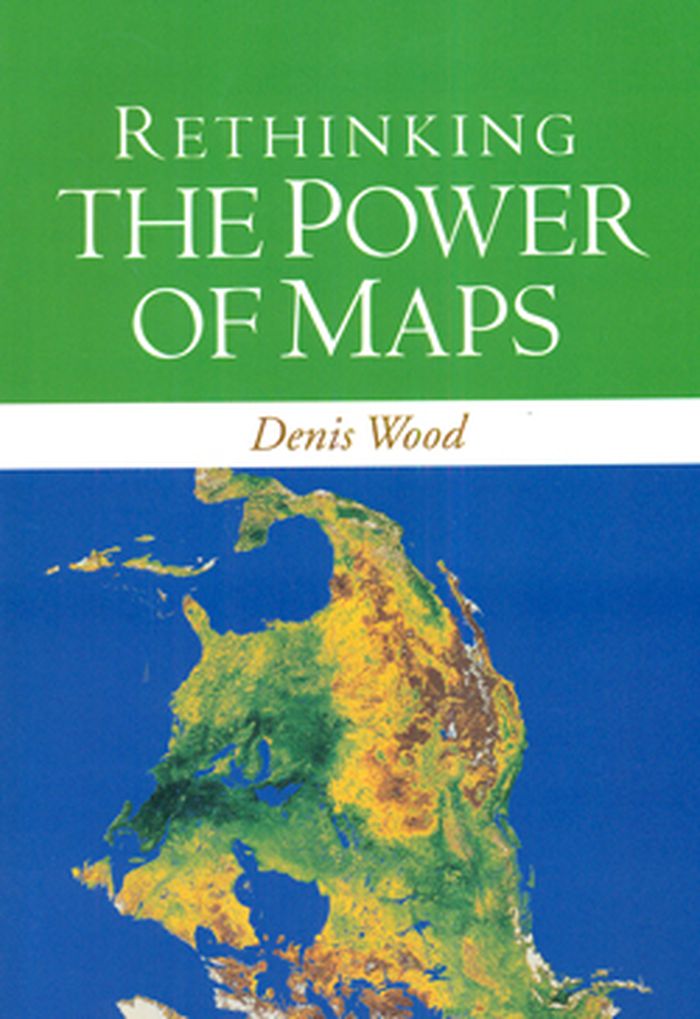
A contemporary follow-up to the groundbreaking Power of Maps, this book takes a look at what maps do, whose interests they serve, and how they can be used in surprising, creative, and radical ways. Denis Wood describes how cartography facilitated the rise of the modern state and how maps continue to embody and project the interests of their creators. He demystifies the hidden assumptions of mapmaking and explores the promises and limitations of diverse counter-mapping practices today. Ilustrations include U.S. Geological Survey maps; electoral and transportation maps; and numerous examples of critical cartography, participatory GIS, and map art.
Rethinking the power of maps
Actions:
Price:
$33.50
(available to order)
Summary:
A contemporary follow-up to the groundbreaking Power of Maps, this book takes a look at what maps do, whose interests they serve, and how they can be used in surprising, creative, and radical ways. Denis Wood describes how cartography facilitated the rise of the modern state and how maps continue to embody and project the interests of their creators. He demystifies the hidden assumptions of mapmaking and explores the promises and limitations of diverse counter-mapping practices today. Ilustrations include U.S. Geological Survey maps; electoral and transportation maps; and numerous examples of critical cartography, participatory GIS, and map art.
Form:
books
books
Publication:
May 2010
May 2010
Subject:
Architectural Plans and Cartography
Architectural Plans and Cartography
Form:
books
books
Actions:
Price:
$43.99
(available to order)
Summary:
Presented in the order in which they were built, the selected buildings include the unusual, the fantastic, the spectacular, the utilitarian and the enchanting, each one offering a fascinating glimpse into the past of the British people. In telling the stories of how the buildings came to be, how they were used and how they were adapted by subsequent generations, this(...)
$43.99
(available to order)
Summary:
Presented in the order in which they were built, the selected buildings include the unusual, the fantastic, the spectacular, the utilitarian and the enchanting, each one offering a fascinating glimpse into the past of the British people. In telling the stories of how the buildings came to be, how they were used and how they were adapted by subsequent generations, this(...)
Title:
Landmarks: a history of Britain in 50 buildings
Actions:
Price:
$43.99
(available to order)
Summary:
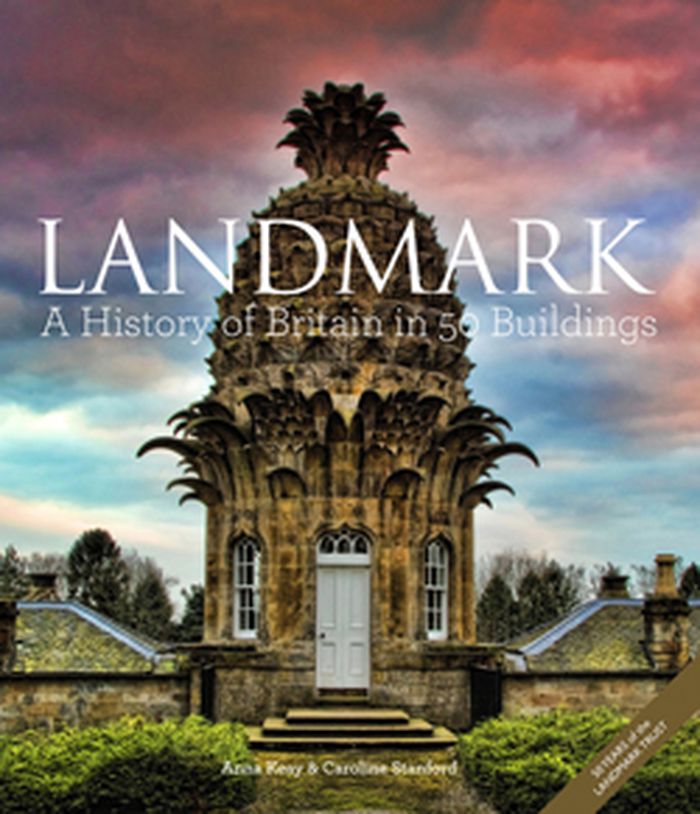
Presented in the order in which they were built, the selected buildings include the unusual, the fantastic, the spectacular, the utilitarian and the enchanting, each one offering a fascinating glimpse into the past of the British people. In telling the stories of how the buildings came to be, how they were used and how they were adapted by subsequent generations, this book brings history to life through the evidence in the buildings our ancestors have left behind. Examples include a 15th-century inn in Suffolk, an Elizabethan hospital in Yorkshire, a lighthouse on Lundy and an Italianate railway station.
Landmarks: a history of Britain in 50 buildings
Actions:
Price:
$43.99
(available to order)
Summary:
Presented in the order in which they were built, the selected buildings include the unusual, the fantastic, the spectacular, the utilitarian and the enchanting, each one offering a fascinating glimpse into the past of the British people. In telling the stories of how the buildings came to be, how they were used and how they were adapted by subsequent generations, this book brings history to life through the evidence in the buildings our ancestors have left behind. Examples include a 15th-century inn in Suffolk, an Elizabethan hospital in Yorkshire, a lighthouse on Lundy and an Italianate railway station.
Form:
books
books
Publication:
October 2015
October 2015
Subject:
Architecture since 1900, Europe
Architecture since 1900, Europe
Form:
books
books
Actions:
Price:
$80.00
(available to order)
Summary:
This book explores Wright's lessons on how climate, sustainability, sunlight, modern technology, local materials, and passive environmental controls can become the inspiration for excellent design, and highlights a selection of Wright's buildings to show how he dealt with these issues. The book is organized by the green concepts Wright used--including passive solar design(...)
$80.00
(available to order)
Summary:
This book explores Wright's lessons on how climate, sustainability, sunlight, modern technology, local materials, and passive environmental controls can become the inspiration for excellent design, and highlights a selection of Wright's buildings to show how he dealt with these issues. The book is organized by the green concepts Wright used--including passive solar design(...)
Title:
Frank Lloyd Wright: natural design, organic architecture
Actions:
Price:
$80.00
(available to order)
Summary:
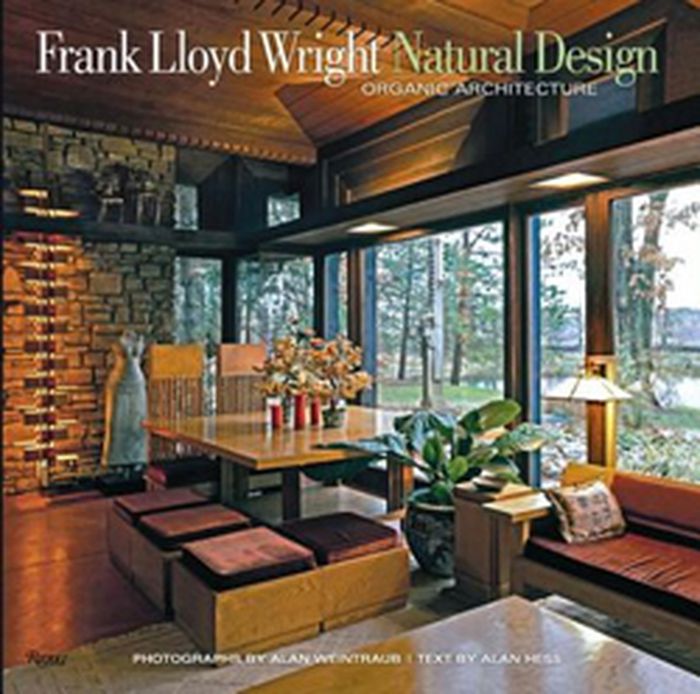
This book explores Wright's lessons on how climate, sustainability, sunlight, modern technology, local materials, and passive environmental controls can become the inspiration for excellent design, and highlights a selection of Wright's buildings to show how he dealt with these issues. The book is organized by the green concepts Wright used--including passive solar design and the use of thermal massing, passive berm insulation, environmentally sensitive landscaping, passive ventilation systems, passive natural light, and intelligent and artful adaptation of technology--with examples from different houses. It shows how Wright evolved certain ideas that continue to spur discussions of green architecture design today.
Frank Lloyd Wright: natural design, organic architecture
Actions:
Price:
$80.00
(available to order)
Summary:
This book explores Wright's lessons on how climate, sustainability, sunlight, modern technology, local materials, and passive environmental controls can become the inspiration for excellent design, and highlights a selection of Wright's buildings to show how he dealt with these issues. The book is organized by the green concepts Wright used--including passive solar design and the use of thermal massing, passive berm insulation, environmentally sensitive landscaping, passive ventilation systems, passive natural light, and intelligent and artful adaptation of technology--with examples from different houses. It shows how Wright evolved certain ideas that continue to spur discussions of green architecture design today.
Form:
books
books
Publication:
November 2012
November 2012
Subject:
Architecture Monographs
Architecture Monographs
Form:
books
books
Title:
Building for hope
Building for hope
Actions:
Price:
$39.95
(available to order)
Summary:
This new book by Syrian architect Marwa al-Sabouni, seeks to understand how cities and buildings- scarred by conflict, blight, and pandemic- can be healed through design and urban mindfulness. When Marwa al-Sabouni published Battle for Home in 2016, she was a little-known architect, living in battle-ravaged Homs, Syria, unable to practice her profession. She turned her(...)
$39.95
(available to order)
Summary:
This new book by Syrian architect Marwa al-Sabouni, seeks to understand how cities and buildings- scarred by conflict, blight, and pandemic- can be healed through design and urban mindfulness. When Marwa al-Sabouni published Battle for Home in 2016, she was a little-known architect, living in battle-ravaged Homs, Syria, unable to practice her profession. She turned her(...)
Title:
Building for hope
Actions:
Price:
$39.95
(available to order)
Summary:
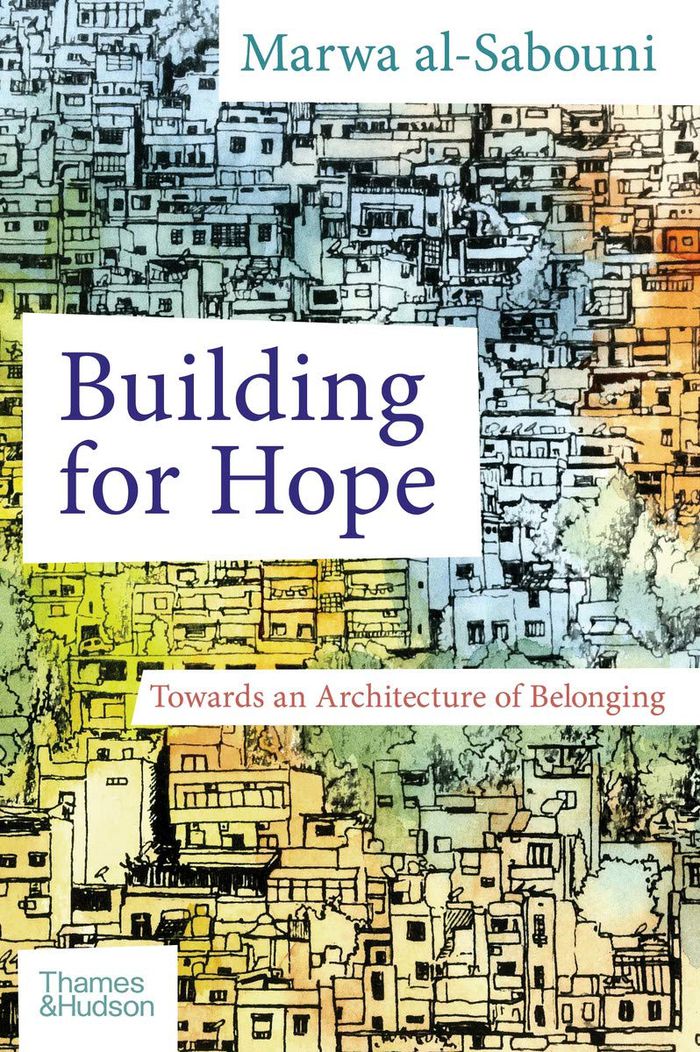
This new book by Syrian architect Marwa al-Sabouni, seeks to understand how cities and buildings- scarred by conflict, blight, and pandemic- can be healed through design and urban mindfulness. When Marwa al-Sabouni published Battle for Home in 2016, she was a little-known architect, living in battle-ravaged Homs, Syria, unable to practice her profession. She turned her fierce intelligence to chronicling how her city and country were undone through decades of architectural mismanagement and mistakes. Once published, Marwa al-Sabouni’s book and story attracted the attention of international media- CNN, The New York Times- and received critical acclaim worldwide. The United Nations called on her for insights and expertise. She became a TED fellow, was invited to speak to audiences around the world, and some suggested she be nominated for architecture’s highest honor, the Pritzker Prize. Al-Sabouni’s deep understanding of Middle Eastern heritage and architecture gives her insight into a wide range of cities, informing her views on how cities work best, how they might fail, and what can be done to harmonize the lives of all their inhabitants. In this new book, al-Sabouni draws together several narratives: her personal and professional observations of some of the world’s most fascinating cities, from Detroit to Helsinki; the lessons that Western societies might learn from Islamic culture and design; and philosophical reflections on how our personal and communal spaces can provide the basic foundations for happiness. Through this tapestry of personal experience, unblinking perspective, and insight, al-Sabouni offers real-world solutions- and hope- for how peace might be created through mindful urban planning.
Building for hope
Actions:
Price:
$39.95
(available to order)
Summary:
This new book by Syrian architect Marwa al-Sabouni, seeks to understand how cities and buildings- scarred by conflict, blight, and pandemic- can be healed through design and urban mindfulness. When Marwa al-Sabouni published Battle for Home in 2016, she was a little-known architect, living in battle-ravaged Homs, Syria, unable to practice her profession. She turned her fierce intelligence to chronicling how her city and country were undone through decades of architectural mismanagement and mistakes. Once published, Marwa al-Sabouni’s book and story attracted the attention of international media- CNN, The New York Times- and received critical acclaim worldwide. The United Nations called on her for insights and expertise. She became a TED fellow, was invited to speak to audiences around the world, and some suggested she be nominated for architecture’s highest honor, the Pritzker Prize. Al-Sabouni’s deep understanding of Middle Eastern heritage and architecture gives her insight into a wide range of cities, informing her views on how cities work best, how they might fail, and what can be done to harmonize the lives of all their inhabitants. In this new book, al-Sabouni draws together several narratives: her personal and professional observations of some of the world’s most fascinating cities, from Detroit to Helsinki; the lessons that Western societies might learn from Islamic culture and design; and philosophical reflections on how our personal and communal spaces can provide the basic foundations for happiness. Through this tapestry of personal experience, unblinking perspective, and insight, al-Sabouni offers real-world solutions- and hope- for how peace might be created through mindful urban planning.
Form:
books
books
Publication:
April 2021
April 2021
Subject:
Architectural Theory
Architectural Theory


