


9194 Results
Form:
books
books
Title:
Atlas of the senseable city
Atlas of the senseable city
Actions:
Price:
$48.00
(available in store)
Summary:
What have smart technologies taught us about cities? What lessons can we learn from today’s urbanites to make better places to live? Antoine Picon and Carlo Ratti argue that the answers are in the maps we make. For centuries, we have relied on maps to navigate the enormity of the city. Now, as the physical world combines with the digital world, we need a new generation of(...)
$48.00
(available in store)
Summary:
What have smart technologies taught us about cities? What lessons can we learn from today’s urbanites to make better places to live? Antoine Picon and Carlo Ratti argue that the answers are in the maps we make. For centuries, we have relied on maps to navigate the enormity of the city. Now, as the physical world combines with the digital world, we need a new generation of(...)
Title:
Atlas of the senseable city
Actions:
Price:
$48.00
(available in store)
Summary:
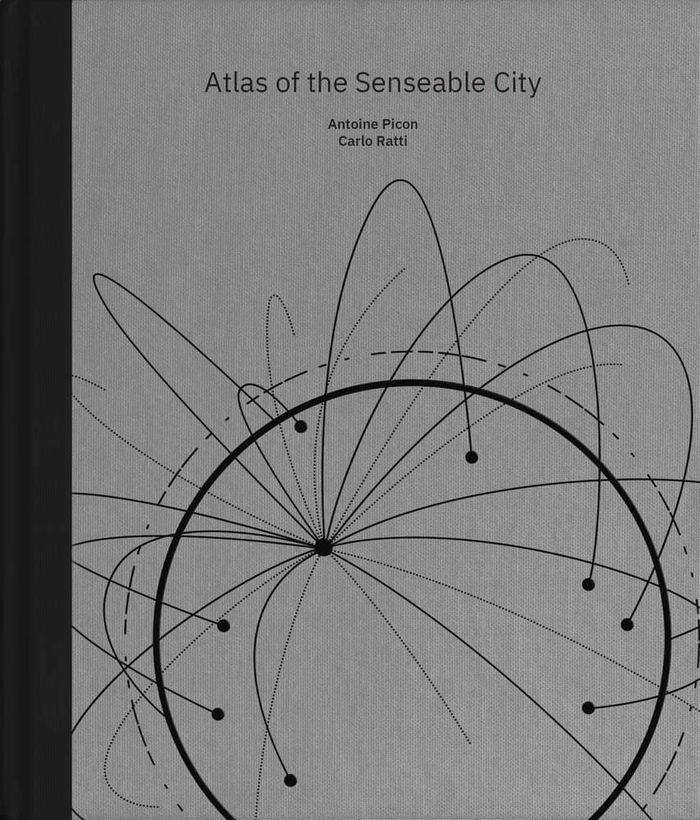
What have smart technologies taught us about cities? What lessons can we learn from today’s urbanites to make better places to live? Antoine Picon and Carlo Ratti argue that the answers are in the maps we make. For centuries, we have relied on maps to navigate the enormity of the city. Now, as the physical world combines with the digital world, we need a new generation of maps to navigate the city of tomorrow. Pervasive sensors allow anyone to visualize cities in entirely new ways—ebbs and flows of pollution, traffic, and internet connectivity. This book explores how the growth of digital mapping, spurred by sensing technologies, is affecting cities and daily lives. It examines how new cartographic possibilities aid urban planners, technicians, politicians, and administrators; how digitally mapped cities could reveal ways to make cities smarter and more efficient; how monitoring urbanites has political and social repercussions; and how the proliferation of open-source maps and collaborative platforms can aid activists and vulnerable populations. With its beautiful, accessible presentation of cutting-edge research, this book makes it easy for readers to understand the stakes of the new information age—and appreciate the timeless power of the city.
Atlas of the senseable city
Actions:
Price:
$48.00
(available in store)
Summary:
What have smart technologies taught us about cities? What lessons can we learn from today’s urbanites to make better places to live? Antoine Picon and Carlo Ratti argue that the answers are in the maps we make. For centuries, we have relied on maps to navigate the enormity of the city. Now, as the physical world combines with the digital world, we need a new generation of maps to navigate the city of tomorrow. Pervasive sensors allow anyone to visualize cities in entirely new ways—ebbs and flows of pollution, traffic, and internet connectivity. This book explores how the growth of digital mapping, spurred by sensing technologies, is affecting cities and daily lives. It examines how new cartographic possibilities aid urban planners, technicians, politicians, and administrators; how digitally mapped cities could reveal ways to make cities smarter and more efficient; how monitoring urbanites has political and social repercussions; and how the proliferation of open-source maps and collaborative platforms can aid activists and vulnerable populations. With its beautiful, accessible presentation of cutting-edge research, this book makes it easy for readers to understand the stakes of the new information age—and appreciate the timeless power of the city.
Form:
books
books
Publication:
June 2023
June 2023
Subject:
Urban Theory
Urban Theory
Form:
books
books
Actions:
Price:
$69.95
(available to order)
Summary:
The 200 houses showcased in this book spotlight the astounding variety seen in new residential architecture. This collection of contemporary homes comes from North America, South America, Europe, Australia/New Zealand, Asia and Africa. Some homes incorporate an intense dedication to cultural traditions, while others are on the edge of new trends. All share the need of(...)
$69.95
(available to order)
Summary:
The 200 houses showcased in this book spotlight the astounding variety seen in new residential architecture. This collection of contemporary homes comes from North America, South America, Europe, Australia/New Zealand, Asia and Africa. Some homes incorporate an intense dedication to cultural traditions, while others are on the edge of new trends. All share the need of(...)
Subject:
Residential Architecture
Residential Architecture
Publication:
September 2007, Buffalo, Richmond Hill
September 2007, Buffalo, Richmond Hill
Title:
Residential Designs for the 21st century
Actions:
Price:
$69.95
(available to order)
Summary:
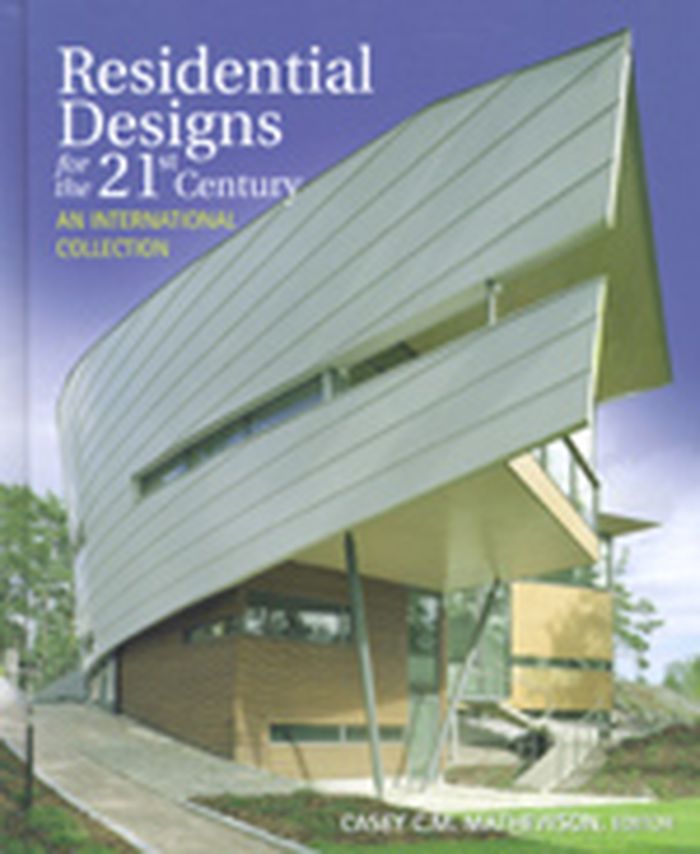
The 200 houses showcased in this book spotlight the astounding variety seen in new residential architecture. This collection of contemporary homes comes from North America, South America, Europe, Australia/New Zealand, Asia and Africa. Some homes incorporate an intense dedication to cultural traditions, while others are on the edge of new trends. All share the need of providing shelter. The diversity in this global inventory is vast: seaside, energy efficient, hilltop, geometrically shaped, tiny, narrow, inventive extensions, traditional materials, prefab, in-ground, slope-side, elevated, floating. Some of the distinct locations included are Oregon's rugged coastline, Australia's scorching interior, South America's mountainside cities, Finland's wintry forests, Indonesia's steamy beaches, inner city neighborhoods, outlying suburbs and rural locales. A great many of the designs respond to extremely challenging building sites with solutions that are nothing short of brilliant. Concise descriptions of each home include key features, along with floor plans and photographs showing interiors, exteriors and details. Each house is identified by name, location, year built and square footage as well as information on the architect. Profiles of 20 of the world's most creative architectural firms provide depth and background to the portfolio of designs.
Residential Designs for the 21st century
Actions:
Price:
$69.95
(available to order)
Summary:
The 200 houses showcased in this book spotlight the astounding variety seen in new residential architecture. This collection of contemporary homes comes from North America, South America, Europe, Australia/New Zealand, Asia and Africa. Some homes incorporate an intense dedication to cultural traditions, while others are on the edge of new trends. All share the need of providing shelter. The diversity in this global inventory is vast: seaside, energy efficient, hilltop, geometrically shaped, tiny, narrow, inventive extensions, traditional materials, prefab, in-ground, slope-side, elevated, floating. Some of the distinct locations included are Oregon's rugged coastline, Australia's scorching interior, South America's mountainside cities, Finland's wintry forests, Indonesia's steamy beaches, inner city neighborhoods, outlying suburbs and rural locales. A great many of the designs respond to extremely challenging building sites with solutions that are nothing short of brilliant. Concise descriptions of each home include key features, along with floor plans and photographs showing interiors, exteriors and details. Each house is identified by name, location, year built and square footage as well as information on the architect. Profiles of 20 of the world's most creative architectural firms provide depth and background to the portfolio of designs.
Form:
books
books
Publication:
September 2007, Buffalo, Richmond Hill
September 2007, Buffalo, Richmond Hill
Subject:
Residential Architecture
Residential Architecture
Form:
books
books
Price:
$32.95
(available to order)
Summary:
In "Enduring innocence", Keller Easterling tells the stories of outlaw "spatial products" -resorts, information technology campuses, retail chains, golf courses, ports, and other hybrid spaces that exist outside normal constituencies and jurisdictions, in difficult political situations around the world. These spaces -familiar commercial formulas of retail, business, and(...)
$32.95
(available to order)
Summary:
In "Enduring innocence", Keller Easterling tells the stories of outlaw "spatial products" -resorts, information technology campuses, retail chains, golf courses, ports, and other hybrid spaces that exist outside normal constituencies and jurisdictions, in difficult political situations around the world. These spaces -familiar commercial formulas of retail, business, and(...)
Subject:
Architectural Theory
Architectural Theory
Publication:
October 2007, Cambridge (MA), London
October 2007, Cambridge (MA), London
Title:
Enduring innocence : global archtitecture and its political masquerades
Actions:
Price:
$32.95
(available to order)
Summary:
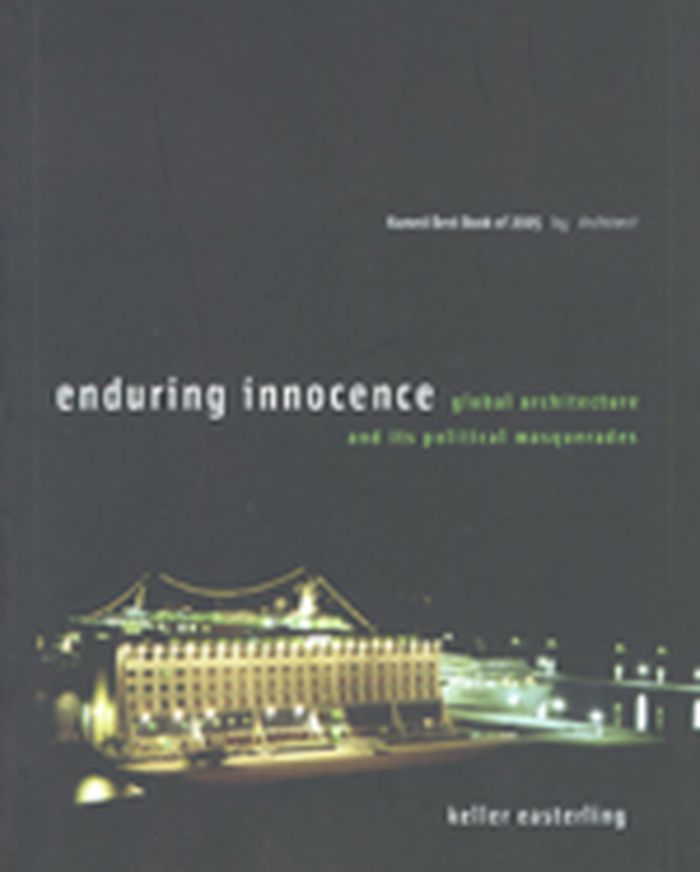
In "Enduring innocence", Keller Easterling tells the stories of outlaw "spatial products" -resorts, information technology campuses, retail chains, golf courses, ports, and other hybrid spaces that exist outside normal constituencies and jurisdictions, in difficult political situations around the world. These spaces -familiar commercial formulas of retail, business, and trade - aspire to be worlds unto themselves, self-reflexive and innocent of politics. But as Easterling shows, these enclaves can become political pawns and objects of contention. Jurisdictionally ambiguous, they are imbued with myths, desires, and symbolic capital. Their hilarious and dangerous masquerades often mix quite easily with the cunning of political platforms. Easterling argues that the study of such "real estate cocktails" provides vivid evidence of the market's weakness, resilience, or violence. These regimes of nonnational sovereignty, she writes, "move around the world like weather fronts"; Easterling focuses not on their blending - their global connectivity - but on their segregation and the cultural collisions that ensue. "Enduring innocence" resists the dream of one globally legible world found in many architectural discourses on globalization. Instead, Easterling's consideration of these segregated worlds provides new tools for practitioners sensitive to the political composition of urban landscapes.
Enduring innocence : global archtitecture and its political masquerades
Actions:
Price:
$32.95
(available to order)
Summary:
In "Enduring innocence", Keller Easterling tells the stories of outlaw "spatial products" -resorts, information technology campuses, retail chains, golf courses, ports, and other hybrid spaces that exist outside normal constituencies and jurisdictions, in difficult political situations around the world. These spaces -familiar commercial formulas of retail, business, and trade - aspire to be worlds unto themselves, self-reflexive and innocent of politics. But as Easterling shows, these enclaves can become political pawns and objects of contention. Jurisdictionally ambiguous, they are imbued with myths, desires, and symbolic capital. Their hilarious and dangerous masquerades often mix quite easily with the cunning of political platforms. Easterling argues that the study of such "real estate cocktails" provides vivid evidence of the market's weakness, resilience, or violence. These regimes of nonnational sovereignty, she writes, "move around the world like weather fronts"; Easterling focuses not on their blending - their global connectivity - but on their segregation and the cultural collisions that ensue. "Enduring innocence" resists the dream of one globally legible world found in many architectural discourses on globalization. Instead, Easterling's consideration of these segregated worlds provides new tools for practitioners sensitive to the political composition of urban landscapes.
Form:
books
books
Publication:
October 2007, Cambridge (MA), London
October 2007, Cambridge (MA), London
Subject:
Architectural Theory
Architectural Theory
Form:
books
books
Price:
$61.50
(available to order)
Summary:
The book documents a unique accumulation of superlatives. Light is shed on two business strategies attempting to realise mankind’s pri- mordial dreams. The scene is the world’s largest self-supporting hall in a small village close to Berlin. At the end of the 1990s, the firm CargoLifter AG attracted international attention with its vision of(...)
$61.50
(available to order)
Summary:
The book documents a unique accumulation of superlatives. Light is shed on two business strategies attempting to realise mankind’s pri- mordial dreams. The scene is the world’s largest self-supporting hall in a small village close to Berlin. At the end of the 1990s, the firm CargoLifter AG attracted international attention with its vision of(...)
Subject:
Architecture since 1900, Europe
Architecture since 1900, Europe
Publication:
July 2006, Amsterdam
July 2006, Amsterdam
Title:
Making the impossible possible : the dream flying the dream of paradise
Actions:
Price:
$61.50
(available to order)
Summary:
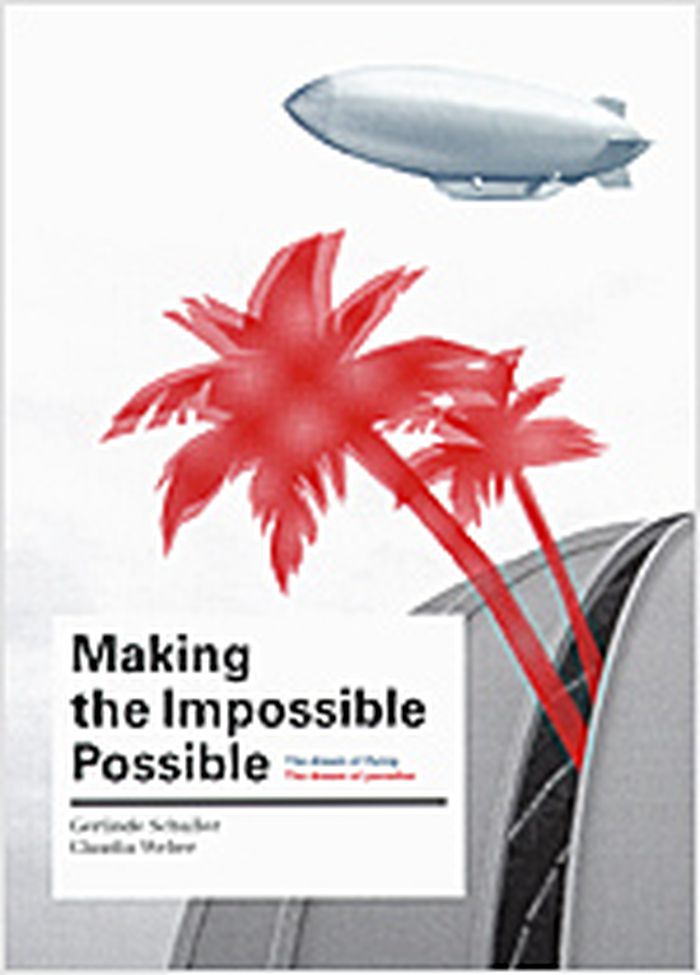
The book documents a unique accumulation of superlatives. Light is shed on two business strategies attempting to realise mankind’s pri- mordial dreams. The scene is the world’s largest self-supporting hall in a small village close to Berlin. At the end of the 1990s, the firm CargoLifter AG attracted international attention with its vision of con- structing the world’s largest heavy-lift airship. By building an architecturally outstanding hangar, the company demonstrated pioneering spirit and gave rise to huge media response. After the enterprise failed, the hall was sold to a consortium of Asian firms that then presented the next superlative. The former hangar was converted into the Tropical Islands Dome, Europe’s largest indoor tropical paradise. The authors Gerlinde Schuller (Information Design Studio, Amsterdam) and Claudia Weber (artist, Berlin) compare these two visions on their paths to implementation, while simultaneously putting them in the context of current international events. The documentation is supplemented with text contributions by: Sam Jacob (FAT Ltd., London), Dingeman Kuilman (Premsela Design Foundation, Amsterdam), Jochen Becker (critic and curator, Berlin) and Prof. Dr. Bernd Kriegesmann (Institute for Applied Innovation Research, Bochum).
Making the impossible possible : the dream flying the dream of paradise
Actions:
Price:
$61.50
(available to order)
Summary:
The book documents a unique accumulation of superlatives. Light is shed on two business strategies attempting to realise mankind’s pri- mordial dreams. The scene is the world’s largest self-supporting hall in a small village close to Berlin. At the end of the 1990s, the firm CargoLifter AG attracted international attention with its vision of con- structing the world’s largest heavy-lift airship. By building an architecturally outstanding hangar, the company demonstrated pioneering spirit and gave rise to huge media response. After the enterprise failed, the hall was sold to a consortium of Asian firms that then presented the next superlative. The former hangar was converted into the Tropical Islands Dome, Europe’s largest indoor tropical paradise. The authors Gerlinde Schuller (Information Design Studio, Amsterdam) and Claudia Weber (artist, Berlin) compare these two visions on their paths to implementation, while simultaneously putting them in the context of current international events. The documentation is supplemented with text contributions by: Sam Jacob (FAT Ltd., London), Dingeman Kuilman (Premsela Design Foundation, Amsterdam), Jochen Becker (critic and curator, Berlin) and Prof. Dr. Bernd Kriegesmann (Institute for Applied Innovation Research, Bochum).
Form:
books
books
Publication:
July 2006, Amsterdam
July 2006, Amsterdam
Subject:
Architecture since 1900, Europe
Architecture since 1900, Europe
Form:
books
books
Actions:
Price:
$60.00
(available to order)
Summary:
After the Bauhaus's closing in 1933, many of its protagonists moved to the United States, where their acceptance had to be cultivated. The key to understanding the American reception of the Bauhaus is to be found not in the émigré success stories or the famous(...)
$60.00
(available to order)
Summary:
After the Bauhaus's closing in 1933, many of its protagonists moved to the United States, where their acceptance had to be cultivated. The key to understanding the American reception of the Bauhaus is to be found not in the émigré success stories or the famous(...)
Subject:
Architecture since 1900, Europe
Architecture since 1900, Europe
Publication:
June 1999, Cambridge
June 1999, Cambridge
Title:
The Bauhaus and America : first contacts 1919-1936
Actions:
Price:
$60.00
(available to order)
Summary:
After the Bauhaus's closing in 1933, many of its protagonists moved to the United States, where their acceptance had to be cultivated. The key to understanding the American reception of the Bauhaus is to be found not in the émigré success stories or the famous 1938 Bauhaus exhibition at the Museum of Modern Art, but in the course of America's early contact with the Bauhaus. In this book Margret Kentgens-Craig shows that the fame of the Bauhaus in America was the result not only of the inherent qualities of its concepts and products, but also of a unique congruence of cultural supply and demand, of a consistent flow of information, and of fine-tuned marketing. Thus the history of the American reception of the Bauhaus in the 1920s and 1930s foreshadows the patterns of fame-making that became typical of the post-World War II art world. The transfer of artistic, intellectual, and pedagogical concepts from one cultural context to another is a process of transformation and integration. In presenting a case study of this process, the book also provides fresh insights into the German-American cultural history of the period from 1919 to 1936.
The Bauhaus and America : first contacts 1919-1936
Actions:
Price:
$60.00
(available to order)
Summary:
After the Bauhaus's closing in 1933, many of its protagonists moved to the United States, where their acceptance had to be cultivated. The key to understanding the American reception of the Bauhaus is to be found not in the émigré success stories or the famous 1938 Bauhaus exhibition at the Museum of Modern Art, but in the course of America's early contact with the Bauhaus. In this book Margret Kentgens-Craig shows that the fame of the Bauhaus in America was the result not only of the inherent qualities of its concepts and products, but also of a unique congruence of cultural supply and demand, of a consistent flow of information, and of fine-tuned marketing. Thus the history of the American reception of the Bauhaus in the 1920s and 1930s foreshadows the patterns of fame-making that became typical of the post-World War II art world. The transfer of artistic, intellectual, and pedagogical concepts from one cultural context to another is a process of transformation and integration. In presenting a case study of this process, the book also provides fresh insights into the German-American cultural history of the period from 1919 to 1936.
Form:
books
books
Publication:
June 1999, Cambridge
June 1999, Cambridge
Subject:
Architecture since 1900, Europe
Architecture since 1900, Europe
Form:
books
books
Actions:
Price:
$62.95
(available to order)
Summary:
Agnes Martin’s (1912–2004) celebrated grid paintings are widely acknowledged as a touchstone of postwar American art and have influenced many contemporary artists. Martin’s formative years, however, have been largely overlooked. In this revelatory study of Martin’s early artistic production, Christina Bryan Rosenberger demonstrates that the rapidly evolving creative(...)
$62.95
(available to order)
Summary:
Agnes Martin’s (1912–2004) celebrated grid paintings are widely acknowledged as a touchstone of postwar American art and have influenced many contemporary artists. Martin’s formative years, however, have been largely overlooked. In this revelatory study of Martin’s early artistic production, Christina Bryan Rosenberger demonstrates that the rapidly evolving creative(...)
Title:
Drawing the line: the early work of Agnes Martin
Actions:
Price:
$62.95
(available to order)
Summary:
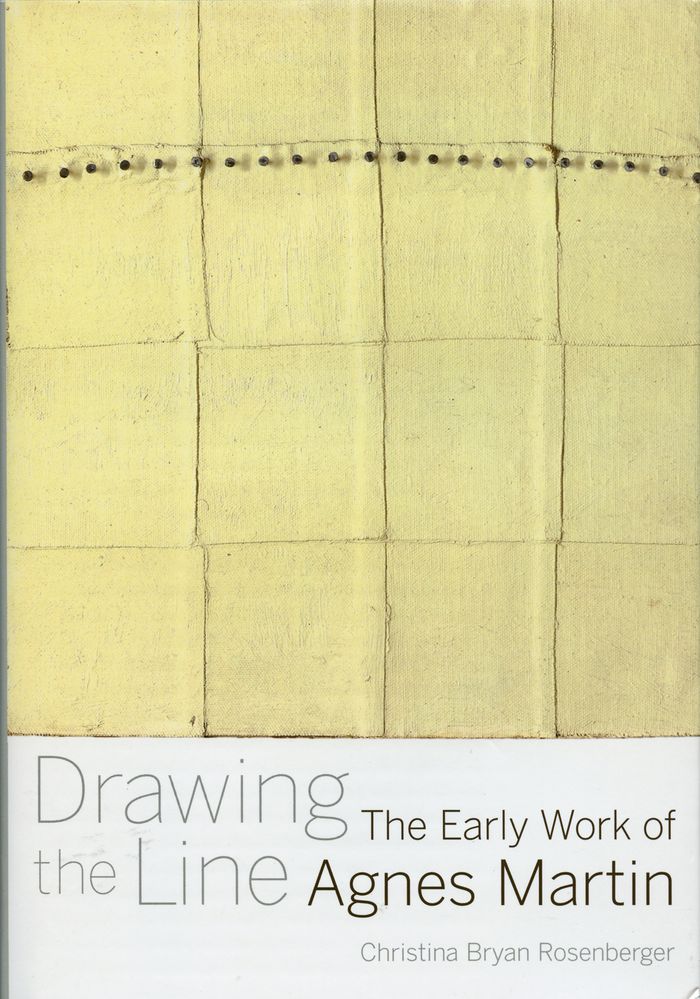
Agnes Martin’s (1912–2004) celebrated grid paintings are widely acknowledged as a touchstone of postwar American art and have influenced many contemporary artists. Martin’s formative years, however, have been largely overlooked. In this revelatory study of Martin’s early artistic production, Christina Bryan Rosenberger demonstrates that the rapidly evolving creative processes and pictorial solutions Martin developed between 1940 and 1967 define all her subsequent art. Beginning with Martin’s initiation into artistic language at the University of New Mexico and concluding with the reception of her grid paintings in New York in the early 1960s, Rosenberger offers vivid descriptions of the networks of art, artists, and information that moved between New Mexico and the creative centers of New York and California in the postwar period. She also documents Martin’s exchanges with artists including Ellsworth Kelly, Barnett Newman, Georgia O’Keeffe, Ad Reinhardt, and Mark Rothko, among others. Rosenberger uses original analysis of Martin’s art, as well as a rich array of archival materials, to situate Martin’s art within the context of a dynamic historical moment. With a lively, innovative approach informed by art history and conservation, this fluidly written book makes a substantial contribution to the history of postwar American art.
Drawing the line: the early work of Agnes Martin
Actions:
Price:
$62.95
(available to order)
Summary:
Agnes Martin’s (1912–2004) celebrated grid paintings are widely acknowledged as a touchstone of postwar American art and have influenced many contemporary artists. Martin’s formative years, however, have been largely overlooked. In this revelatory study of Martin’s early artistic production, Christina Bryan Rosenberger demonstrates that the rapidly evolving creative processes and pictorial solutions Martin developed between 1940 and 1967 define all her subsequent art. Beginning with Martin’s initiation into artistic language at the University of New Mexico and concluding with the reception of her grid paintings in New York in the early 1960s, Rosenberger offers vivid descriptions of the networks of art, artists, and information that moved between New Mexico and the creative centers of New York and California in the postwar period. She also documents Martin’s exchanges with artists including Ellsworth Kelly, Barnett Newman, Georgia O’Keeffe, Ad Reinhardt, and Mark Rothko, among others. Rosenberger uses original analysis of Martin’s art, as well as a rich array of archival materials, to situate Martin’s art within the context of a dynamic historical moment. With a lively, innovative approach informed by art history and conservation, this fluidly written book makes a substantial contribution to the history of postwar American art.
Form:
books
books
Publication:
August 2016
August 2016
Subject:
Contemporary Art Monographs
Contemporary Art Monographs
Form:
books
books
Title:
Curating as ethics
Curating as ethics
Actions:
Price:
$39.95
(available to order)
Summary:
Today, everyone is a curator. What was once considered a hallowed expertise is now a commonplace and global activity. Can this new worldwide activity be ethical and, if yes, how? This book argues that curating can be more than just selecting, organizing, and presenting information in galleries or online. Curating can also constitute an ethics, one of acquiring, arranging,(...)
$39.95
(available to order)
Summary:
Today, everyone is a curator. What was once considered a hallowed expertise is now a commonplace and global activity. Can this new worldwide activity be ethical and, if yes, how? This book argues that curating can be more than just selecting, organizing, and presenting information in galleries or online. Curating can also constitute an ethics, one of acquiring, arranging,(...)
Title:
Curating as ethics
Actions:
Price:
$39.95
(available to order)
Summary:
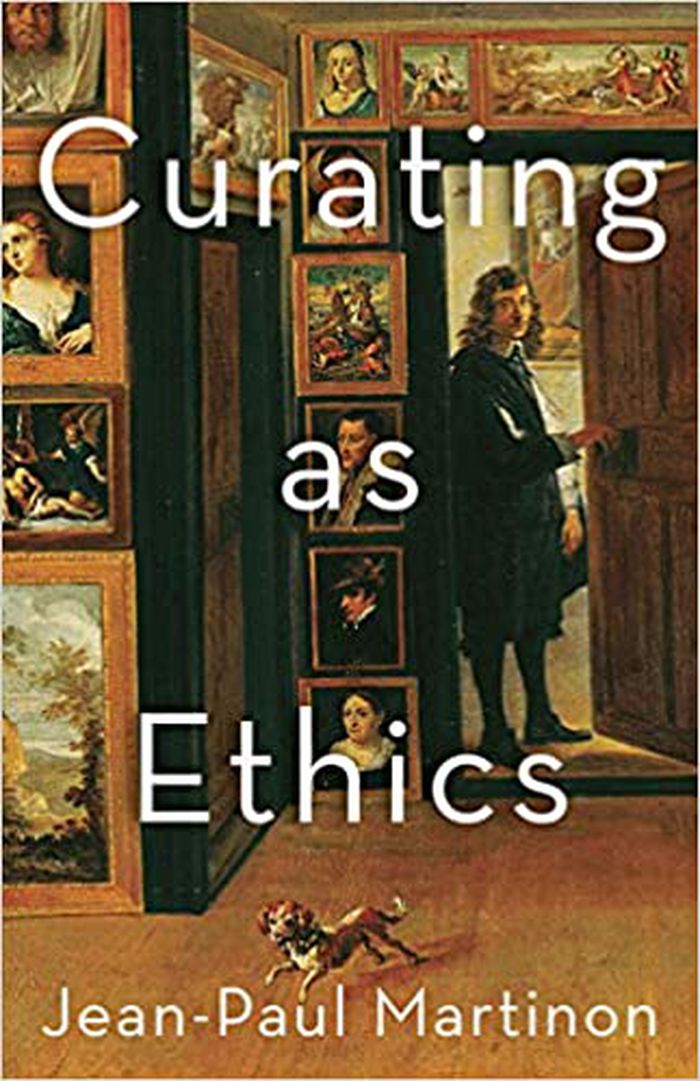
Today, everyone is a curator. What was once considered a hallowed expertise is now a commonplace and global activity. Can this new worldwide activity be ethical and, if yes, how? This book argues that curating can be more than just selecting, organizing, and presenting information in galleries or online. Curating can also constitute an ethics, one of acquiring, arranging, and distributing an always conjectural knowledge about the world. 'Curating as Ethics' is primarily philosophical in scope, evading normative approaches to ethics in favor of an intuitive ethics that operates at the threshold of thought and action. It explores the work of authors as diverse as Heidegger, Spinoza, Meillassoux, Mudimbe, Chalier, and Kofman. Jean-Paul Martinon begins with the fabric of these ethics: how it stems from matter, how it addresses death, how it apprehends interhuman relationships. In the second part he establishes the ground on which the ethics is based, the things that make up the curatorial—for example, the textual and visual evidence or the digital medium. The final part focuses on the activity of curating as such—sharing, caring, preparing, dispensing, and so on.
Curating as ethics
Actions:
Price:
$39.95
(available to order)
Summary:
Today, everyone is a curator. What was once considered a hallowed expertise is now a commonplace and global activity. Can this new worldwide activity be ethical and, if yes, how? This book argues that curating can be more than just selecting, organizing, and presenting information in galleries or online. Curating can also constitute an ethics, one of acquiring, arranging, and distributing an always conjectural knowledge about the world. 'Curating as Ethics' is primarily philosophical in scope, evading normative approaches to ethics in favor of an intuitive ethics that operates at the threshold of thought and action. It explores the work of authors as diverse as Heidegger, Spinoza, Meillassoux, Mudimbe, Chalier, and Kofman. Jean-Paul Martinon begins with the fabric of these ethics: how it stems from matter, how it addresses death, how it apprehends interhuman relationships. In the second part he establishes the ground on which the ethics is based, the things that make up the curatorial—for example, the textual and visual evidence or the digital medium. The final part focuses on the activity of curating as such—sharing, caring, preparing, dispensing, and so on.
Form:
books
books
Publication:
March 2020
March 2020
Subject:
Museology
Museology
Form:
books
books
Title:
The color bible
The color bible
Actions:
Price:
$34.00
(available to order)
Summary:
From ancient plant pigments that are revolutionizing contemporary fashion to new colors, such as the recently viral Millennial Pink, this wide-ranging deep dive into the world of color guides readers through the origins, connotations, specs, brand associations and artistic use of colors throughout history. Unfolding, like a rainbow, across the visible spectrum, the(...)
$34.00
(available to order)
Summary:
From ancient plant pigments that are revolutionizing contemporary fashion to new colors, such as the recently viral Millennial Pink, this wide-ranging deep dive into the world of color guides readers through the origins, connotations, specs, brand associations and artistic use of colors throughout history. Unfolding, like a rainbow, across the visible spectrum, the(...)
Title:
The color bible
Actions:
Price:
$34.00
(available to order)
Summary:
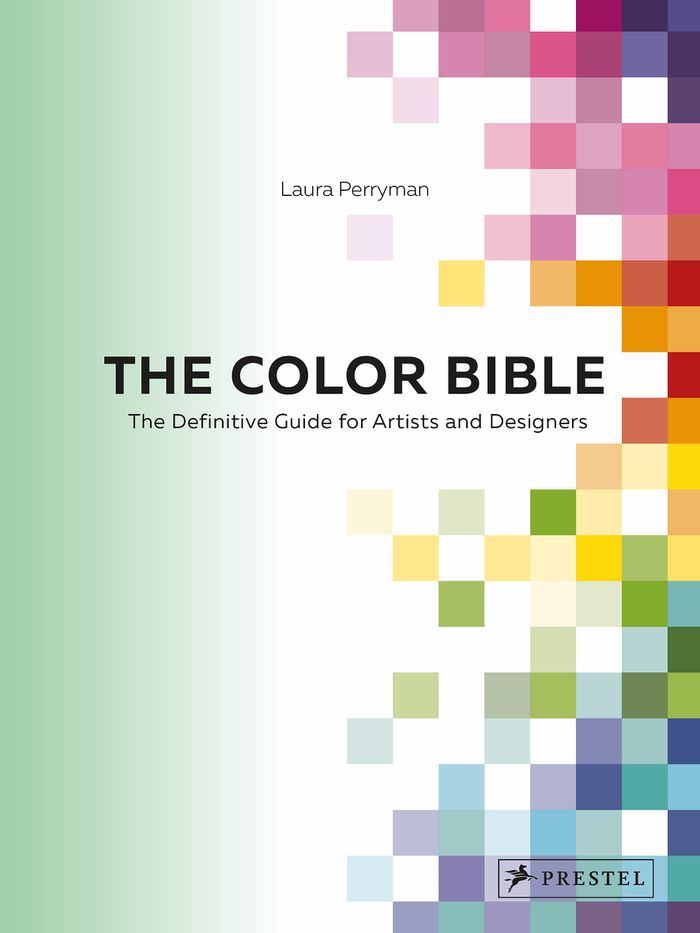
From ancient plant pigments that are revolutionizing contemporary fashion to new colors, such as the recently viral Millennial Pink, this wide-ranging deep dive into the world of color guides readers through the origins, connotations, specs, brand associations and artistic use of colors throughout history. Unfolding, like a rainbow, across the visible spectrum, the chapters are divided by basic color - from red to violet and including black and white - and introduced with engaging background information. Each chapter takes a closer look at a variety of specific shades in the color family, delving into cultural references that span fashion, art history, traditional and modern crafts, and product design. Readers will learn about woad - an ancient pigment that was employed by William Morris and has resurfaced in sustainable dyes - as well as the earliest known use of violet some 25,000 years ago. Each shade is accompanied by sidebars that offer technical specifications, mood connotations, and examples of its use in art and commerce. Informative and endlessly inspiring, this guide will be indispensable to anyone interested in how to use and combine colors in their life or work.
The color bible
Actions:
Price:
$34.00
(available to order)
Summary:
From ancient plant pigments that are revolutionizing contemporary fashion to new colors, such as the recently viral Millennial Pink, this wide-ranging deep dive into the world of color guides readers through the origins, connotations, specs, brand associations and artistic use of colors throughout history. Unfolding, like a rainbow, across the visible spectrum, the chapters are divided by basic color - from red to violet and including black and white - and introduced with engaging background information. Each chapter takes a closer look at a variety of specific shades in the color family, delving into cultural references that span fashion, art history, traditional and modern crafts, and product design. Readers will learn about woad - an ancient pigment that was employed by William Morris and has resurfaced in sustainable dyes - as well as the earliest known use of violet some 25,000 years ago. Each shade is accompanied by sidebars that offer technical specifications, mood connotations, and examples of its use in art and commerce. Informative and endlessly inspiring, this guide will be indispensable to anyone interested in how to use and combine colors in their life or work.
Form:
books
books
Publication:
September 2021
September 2021
Subject:
Colour Theory and Design
Colour Theory and Design
Form:
books
books
Actions:
Price:
$34.99
(available to order)
Summary:
The last explosive change in art education came nearly a century ago, when the German Bauhaus was formed. Today, dramatic changes in the art world—its increasing professionalization, the pervasive power of the art market, and fundamental shifts in art-making itself in our post-Duchampian era—combined with a revolution in information technology, raise fundamental questions(...)
$34.99
(available to order)
Summary:
The last explosive change in art education came nearly a century ago, when the German Bauhaus was formed. Today, dramatic changes in the art world—its increasing professionalization, the pervasive power of the art market, and fundamental shifts in art-making itself in our post-Duchampian era—combined with a revolution in information technology, raise fundamental questions(...)
Title:
Art school (propositions for the 21st century)
Actions:
Price:
$34.99
(available to order)
Summary:
The last explosive change in art education came nearly a century ago, when the German Bauhaus was formed. Today, dramatic changes in the art world—its increasing professionalization, the pervasive power of the art market, and fundamental shifts in art-making itself in our post-Duchampian era—combined with a revolution in information technology, raise fundamental questions about the education of today's artists. This book brings together more than thirty leading international artists and art educators to reconsider the practices of art education in academic, practical, ethical, and philosophical terms. The essays in the book range over continents, histories, traditions, experiments, and fantasies of education. Accompanying the essays are conversations with such prominent artist/educators as John Baldessari, Michael Craig-Martin, Hans Haacke, and Marina Abramovi, as well as questionnaire responses from a dozen important artists—among them Mike Kelley, Ann Hamilton, Guillermo Kuitca, and Shirin Neshat—about their own experiences as students. A fascinating analysis of the architecture of major historical art schools throughout the world looks at the relationship of the principles of their designs to the principles of the pedagogy practiced within their halls.
Art school (propositions for the 21st century)
Actions:
Price:
$34.99
(available to order)
Summary:
The last explosive change in art education came nearly a century ago, when the German Bauhaus was formed. Today, dramatic changes in the art world—its increasing professionalization, the pervasive power of the art market, and fundamental shifts in art-making itself in our post-Duchampian era—combined with a revolution in information technology, raise fundamental questions about the education of today's artists. This book brings together more than thirty leading international artists and art educators to reconsider the practices of art education in academic, practical, ethical, and philosophical terms. The essays in the book range over continents, histories, traditions, experiments, and fantasies of education. Accompanying the essays are conversations with such prominent artist/educators as John Baldessari, Michael Craig-Martin, Hans Haacke, and Marina Abramovi, as well as questionnaire responses from a dozen important artists—among them Mike Kelley, Ann Hamilton, Guillermo Kuitca, and Shirin Neshat—about their own experiences as students. A fascinating analysis of the architecture of major historical art schools throughout the world looks at the relationship of the principles of their designs to the principles of the pedagogy practiced within their halls.
Form:
books
books
Publication:
October 2009
October 2009
Subject:
Art Theory
Art Theory
Form:
books
books
Title:
Barrier-free design
Barrier-free design
Actions:
Price:
$59.99
(available to order)
Summary:
Building for everyone -- that is the best definition of what lies behind the unwieldy concept of ""barrier-free design"": the complete and total usability of buildings, including for those with disabilities, for the integration of all of society's members can only succeed when their environment is made accessible to them. Demographic changes demand new qualities of(...)
$59.99
(available to order)
Summary:
Building for everyone -- that is the best definition of what lies behind the unwieldy concept of ""barrier-free design"": the complete and total usability of buildings, including for those with disabilities, for the integration of all of society's members can only succeed when their environment is made accessible to them. Demographic changes demand new qualities of(...)
Publication:
November 2010
November 2010
Title:
Barrier-free design
Actions:
Price:
$59.99
(available to order)
Summary:
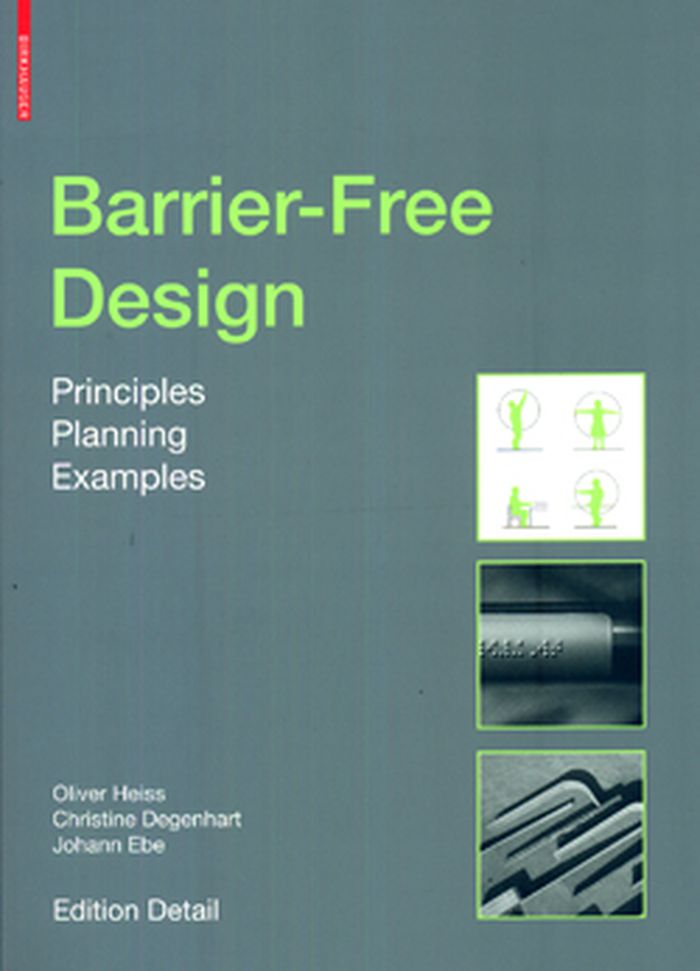
Building for everyone -- that is the best definition of what lies behind the unwieldy concept of ""barrier-free design"": the complete and total usability of buildings, including for those with disabilities, for the integration of all of society's members can only succeed when their environment is made accessible to them. Demographic changes demand new qualities of private and public space, qualities that are also required by new legislation. The Detail Practice volume Barrier-Free Design provides all planners and architects, but also interested building sponsors, with basic practical information and a range of possible planning implementations in the domain of barrier freedom. It shows how corresponding requirements can be turned into aesthetically distinguished architecture. And it demonstrates that taking barrier freedom into account in the early planning stages of a project need not lead to additional costs compared to ""classical"" construction and design. In addition to an overview of planning fundamentals, the book also includes the associated body of rules and regulations as well as examples of how they are embodied in actual projects and perspectives on their development in the larger European context.
Barrier-free design
Actions:
Price:
$59.99
(available to order)
Summary:
Building for everyone -- that is the best definition of what lies behind the unwieldy concept of ""barrier-free design"": the complete and total usability of buildings, including for those with disabilities, for the integration of all of society's members can only succeed when their environment is made accessible to them. Demographic changes demand new qualities of private and public space, qualities that are also required by new legislation. The Detail Practice volume Barrier-Free Design provides all planners and architects, but also interested building sponsors, with basic practical information and a range of possible planning implementations in the domain of barrier freedom. It shows how corresponding requirements can be turned into aesthetically distinguished architecture. And it demonstrates that taking barrier freedom into account in the early planning stages of a project need not lead to additional costs compared to ""classical"" construction and design. In addition to an overview of planning fundamentals, the book also includes the associated body of rules and regulations as well as examples of how they are embodied in actual projects and perspectives on their development in the larger European context.
Form:
books
books
Publication:
November 2010
November 2010


