


10680 Results
Form:
photographs
photographs
![Exterior view of Kita, Blocke 121 [Kindergarten, Schlesisches Tor recreational centre], Berlin, Germany](/img-collection/pSX7juHsx9HDyK02x1tN3DYlEmw=/500x405/496661.jpg)
Actions:
Reference number:
ARCH402017
ARCH402017
People:
Date:
1980
1980
Form:
photographs
photographs
Date:
1980
1980
People:
Form:
drawings
drawings
Actions:
Reference number:
AP056.S1.1999.PR01.022
AP056.S1.1999.PR01.022
People:
Date:
2000
2000
Title:
Sketches including plans, elevations, sections, details and axonometric drawings, Canadian Embassy, Berlin, Germany
Actions:
AP056.S1.1999.PR01.022
Sketches including plans, elevations, sections, details and axonometric drawings, Canadian Embassy, Berlin, Germany
Actions:
AP056.S1.1999.PR01.022
Form:
drawings
drawings
Date:
2000
2000
People:
Form:
drawings
drawings
Actions:
Reference number:
AP056.S1.1999.PR01.023
AP056.S1.1999.PR01.023
People:
Date:
circa 2000
circa 2000
Title:
Sketches including views, plans, sections, elevations and axonometric drawings, Canadian Embassy, Berlin, Germany
Actions:
AP056.S1.1999.PR01.023
Sketches including views, plans, sections, elevations and axonometric drawings, Canadian Embassy, Berlin, Germany
Actions:
AP056.S1.1999.PR01.023
Form:
drawings
drawings
Date:
circa 2000
circa 2000
People:
Form:
drawings
drawings
Actions:
Reference number:
AP056.S1.1999.PR01.047
AP056.S1.1999.PR01.047
People:
Date:
1998
1998
Title:
Sketches including plans, elevations, sections, perspectives and axonometric drawings, Canadian Embassy, Berlin, Germany
Actions:
AP056.S1.1999.PR01.047
Sketches including plans, elevations, sections, perspectives and axonometric drawings, Canadian Embassy, Berlin, Germany
Actions:
AP056.S1.1999.PR01.047
Form:
drawings
drawings
Date:
1998
1998
People:
Level of archival description:
Project
Project
Reference number:
AP178.S1.1979.PR02
Description:
The project series documents the 1979 design entry for the Görlitzer Bad swimming pool. While the records were held in the office’s archives this project was assigned the number 48/70; in the past the office identified the project as number 159. The office assigned the date 1979 for this project. This project was submitted to the International Architectural Exhibition Berlin competition (International Bauaustellung, IBA, circa 1979-1987), an urban renewal strategy for West Berlin, Germany. Siza would later submit proposals to the IBA for Block 70 and 89 (Fränkelufer residential complex), Block 121 (Bonjour Tristesse), Block 11-12 (Kottbusser Damm), Monument to Gestapo victims Prinz- Albrecht-Palais, and a proposal for the Kulturforum. The Görlitzer Bad swimming pool was Siza's first international project and first competition. Preceding the IBA competition, Siza attended the 1976 International Design Zentrum (IDZ) symposium in Berlin, "Stadtstruktur-Stadtgestalt". Brigitte Fleck, responsible for national and international architecture competitions for the Senate of Berlin (1971-1985), invited Siza to participate in the IBA competition to design the swimming pool for Kreuzberg. Fleck had heard of Siza’s participation in the IDZ symposium and became interested in Siza’s work with the Servicio Ambulatorio de Apio Lokal (SAAL). By this time Siza’s work with SAAL had been published in the December 1976 and March 1978 publications of the Lotus International Quarterly Architectural Review (numbers 13 and 18). Fleck felt that Siza's work with SAAL would be relevant to the IBA. In 1979, Siza entered his design for the Görlitzer Bad swimming pool to be built on a vacant area on the east side of Kreuzberg. The design for the pool was strongly opposed by the public because the dome over the main swimming pool was said to resemble a mosque. This area of Kreuzberg was largely populated by Turkish Muslims and there was hostility towards this immigrant community. Although Siza’s entry went through the first round of the IBA competition, it did not win the competition and was only awarded a special prize. The project series contains sketches and studies, as well as conceptual and design development drawings of elevations, site plans, and floor plans. Documentation for the competition includes site plans for the competition and a strata plan. The photographs, negatives, contact sheets, and slides mostly document the model and drawings for the project.
AP178.S1.1979.PR02
Description:
The project series documents the 1979 design entry for the Görlitzer Bad swimming pool. While the records were held in the office’s archives this project was assigned the number 48/70; in the past the office identified the project as number 159. The office assigned the date 1979 for this project. This project was submitted to the International Architectural Exhibition Berlin competition (International Bauaustellung, IBA, circa 1979-1987), an urban renewal strategy for West Berlin, Germany. Siza would later submit proposals to the IBA for Block 70 and 89 (Fränkelufer residential complex), Block 121 (Bonjour Tristesse), Block 11-12 (Kottbusser Damm), Monument to Gestapo victims Prinz- Albrecht-Palais, and a proposal for the Kulturforum. The Görlitzer Bad swimming pool was Siza's first international project and first competition. Preceding the IBA competition, Siza attended the 1976 International Design Zentrum (IDZ) symposium in Berlin, "Stadtstruktur-Stadtgestalt". Brigitte Fleck, responsible for national and international architecture competitions for the Senate of Berlin (1971-1985), invited Siza to participate in the IBA competition to design the swimming pool for Kreuzberg. Fleck had heard of Siza’s participation in the IDZ symposium and became interested in Siza’s work with the Servicio Ambulatorio de Apio Lokal (SAAL). By this time Siza’s work with SAAL had been published in the December 1976 and March 1978 publications of the Lotus International Quarterly Architectural Review (numbers 13 and 18). Fleck felt that Siza's work with SAAL would be relevant to the IBA. In 1979, Siza entered his design for the Görlitzer Bad swimming pool to be built on a vacant area on the east side of Kreuzberg. The design for the pool was strongly opposed by the public because the dome over the main swimming pool was said to resemble a mosque. This area of Kreuzberg was largely populated by Turkish Muslims and there was hostility towards this immigrant community. Although Siza’s entry went through the first round of the IBA competition, it did not win the competition and was only awarded a special prize. The project series contains sketches and studies, as well as conceptual and design development drawings of elevations, site plans, and floor plans. Documentation for the competition includes site plans for the competition and a strata plan. The photographs, negatives, contact sheets, and slides mostly document the model and drawings for the project.
People:
Date:
1978-1979
1978-1979
Title:
Piscina de "Görlitzer Bad" Kreuzberg, Berlim Oeste [Görlitzer Bad swimming pool], Berlin, Germany (1978-1979)
Actions:
AP178.S1.1979.PR02
Description:
The project series documents the 1979 design entry for the Görlitzer Bad swimming pool. While the records were held in the office’s archives this project was assigned the number 48/70; in the past the office identified the project as number 159. The office assigned the date 1979 for this project. This project was submitted to the International Architectural Exhibition Berlin competition (International Bauaustellung, IBA, circa 1979-1987), an urban renewal strategy for West Berlin, Germany. Siza would later submit proposals to the IBA for Block 70 and 89 (Fränkelufer residential complex), Block 121 (Bonjour Tristesse), Block 11-12 (Kottbusser Damm), Monument to Gestapo victims Prinz- Albrecht-Palais, and a proposal for the Kulturforum. The Görlitzer Bad swimming pool was Siza's first international project and first competition. Preceding the IBA competition, Siza attended the 1976 International Design Zentrum (IDZ) symposium in Berlin, "Stadtstruktur-Stadtgestalt". Brigitte Fleck, responsible for national and international architecture competitions for the Senate of Berlin (1971-1985), invited Siza to participate in the IBA competition to design the swimming pool for Kreuzberg. Fleck had heard of Siza’s participation in the IDZ symposium and became interested in Siza’s work with the Servicio Ambulatorio de Apio Lokal (SAAL). By this time Siza’s work with SAAL had been published in the December 1976 and March 1978 publications of the Lotus International Quarterly Architectural Review (numbers 13 and 18). Fleck felt that Siza's work with SAAL would be relevant to the IBA. In 1979, Siza entered his design for the Görlitzer Bad swimming pool to be built on a vacant area on the east side of Kreuzberg. The design for the pool was strongly opposed by the public because the dome over the main swimming pool was said to resemble a mosque. This area of Kreuzberg was largely populated by Turkish Muslims and there was hostility towards this immigrant community. Although Siza’s entry went through the first round of the IBA competition, it did not win the competition and was only awarded a special prize. The project series contains sketches and studies, as well as conceptual and design development drawings of elevations, site plans, and floor plans. Documentation for the competition includes site plans for the competition and a strata plan. The photographs, negatives, contact sheets, and slides mostly document the model and drawings for the project.
Piscina de "Görlitzer Bad" Kreuzberg, Berlim Oeste [Görlitzer Bad swimming pool], Berlin, Germany (1978-1979)
Actions:
AP178.S1.1979.PR02
Description:
The project series documents the 1979 design entry for the Görlitzer Bad swimming pool. While the records were held in the office’s archives this project was assigned the number 48/70; in the past the office identified the project as number 159. The office assigned the date 1979 for this project. This project was submitted to the International Architectural Exhibition Berlin competition (International Bauaustellung, IBA, circa 1979-1987), an urban renewal strategy for West Berlin, Germany. Siza would later submit proposals to the IBA for Block 70 and 89 (Fränkelufer residential complex), Block 121 (Bonjour Tristesse), Block 11-12 (Kottbusser Damm), Monument to Gestapo victims Prinz- Albrecht-Palais, and a proposal for the Kulturforum. The Görlitzer Bad swimming pool was Siza's first international project and first competition. Preceding the IBA competition, Siza attended the 1976 International Design Zentrum (IDZ) symposium in Berlin, "Stadtstruktur-Stadtgestalt". Brigitte Fleck, responsible for national and international architecture competitions for the Senate of Berlin (1971-1985), invited Siza to participate in the IBA competition to design the swimming pool for Kreuzberg. Fleck had heard of Siza’s participation in the IDZ symposium and became interested in Siza’s work with the Servicio Ambulatorio de Apio Lokal (SAAL). By this time Siza’s work with SAAL had been published in the December 1976 and March 1978 publications of the Lotus International Quarterly Architectural Review (numbers 13 and 18). Fleck felt that Siza's work with SAAL would be relevant to the IBA. In 1979, Siza entered his design for the Görlitzer Bad swimming pool to be built on a vacant area on the east side of Kreuzberg. The design for the pool was strongly opposed by the public because the dome over the main swimming pool was said to resemble a mosque. This area of Kreuzberg was largely populated by Turkish Muslims and there was hostility towards this immigrant community. Although Siza’s entry went through the first round of the IBA competition, it did not win the competition and was only awarded a special prize. The project series contains sketches and studies, as well as conceptual and design development drawings of elevations, site plans, and floor plans. Documentation for the competition includes site plans for the competition and a strata plan. The photographs, negatives, contact sheets, and slides mostly document the model and drawings for the project.
Level of archival description:
Project
Project
Date:
1978-1979
1978-1979
People:
Form:
drawings
drawings
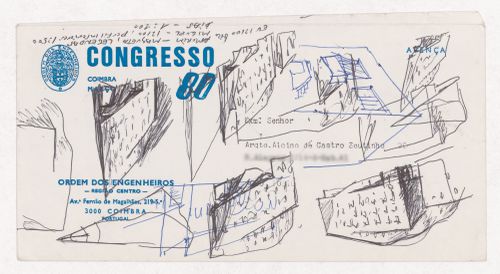
Actions:
Reference number:
ARCH293050
ARCH293050
People:
Date:
circa 1979
circa 1979
Form:
drawings
drawings
Date:
circa 1979
circa 1979
People:
Form:
photographs
photographs
Actions:
Reference number:
PH1986:0096:004
PH1986:0096:004
People:
Subject:
architecture
architecture
Date:
1928 or later
1928 or later
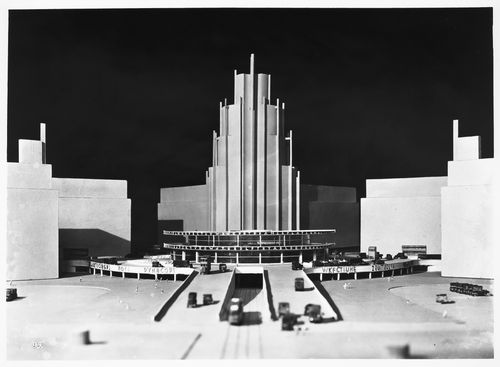
Title:
Close-up view of a model for the urban renewal of Potsdamer and Leipziger Platz, Berlin
Actions:
PH1986:0096:004
Close-up view of a model for the urban renewal of Potsdamer and Leipziger Platz, Berlin
Actions:
PH1986:0096:004
Form:
photographs
photographs
Date:
1928 or later
1928 or later
People:
Subject:
architecture
architecture
Form:
photographs
Quantity:
56 file
photographs
Quantity:
56 file
Title:
Views of seminar and particpants of The Virtual House, a Berlin Project by VISUM / Rudi Meisel
Views of seminar and particpants of The Virtual House, a Berlin Project by VISUM / Rudi Meisel
Actions:
Reference number:
ARCH242966
ARCH242966
People:
Date:
21-22 March 1997
21-22 March 1997
Form:
photographs
Quantity:
56 file
photographs
Quantity:
56 file
Date:
21-22 March 1997
21-22 March 1997
People:
Form:
photographs
photographs
Actions:
Reference number:
PH1982:0736
PH1982:0736
People:
Subject:
architecture
architecture
Date:
between 1882 and ca. 1890s
between 1882 and ca. 1890s
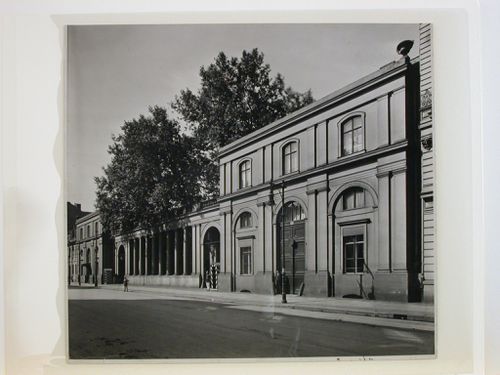
Title:
View of the street façade of the Palais Prinz Albrecht (now demolished), Wilhelmstraße, Berlin, Germany
Actions:
PH1982:0736
View of the street façade of the Palais Prinz Albrecht (now demolished), Wilhelmstraße, Berlin, Germany
Actions:
PH1982:0736
Form:
photographs
photographs
Date:
between 1882 and ca. 1890s
between 1882 and ca. 1890s
People:
Subject:
architecture
architecture
Form:
photographs
photographs
Actions:
Reference number:
PH1982:0737
PH1982:0737
People:
Subject:
architecture
architecture
Date:
between 1882 and ca. 1890s
between 1882 and ca. 1890s
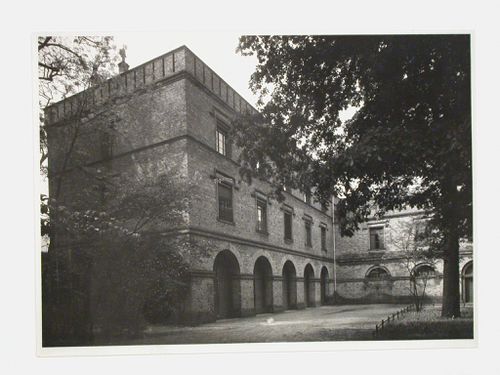
Title:
View of the royal stables of the Palais Prinz Albrecht (now demolished), Wilhelmstraße, Berlin, Germany
Actions:
PH1982:0737
View of the royal stables of the Palais Prinz Albrecht (now demolished), Wilhelmstraße, Berlin, Germany
Actions:
PH1982:0737
Form:
photographs
photographs
Date:
between 1882 and ca. 1890s
between 1882 and ca. 1890s
People:
Subject:
architecture
architecture


