


35831 Results
Level of archival description:
Project
Project
Title:
Campbellton Mental Hospital
Campbellton Mental Hospital
Actions:
Reference number:
AP013.S1.D381
Description:
File documents an executed project for a psychiatric hospital in Campbellton, New Brunswick. Material in this file was produced in 1952. File contains index cards, preliminary and design development drawings, working drawings, detail drawings, structural drawings, mechanical drawings, and textual documents.
AP013.S1.D381
Description:
File documents an executed project for a psychiatric hospital in Campbellton, New Brunswick. Material in this file was produced in 1952. File contains index cards, preliminary and design development drawings, working drawings, detail drawings, structural drawings, mechanical drawings, and textual documents.
People:
Date:
1952
1952
Title:
Campbellton Mental Hospital
Actions:
AP013.S1.D381
Description:
File documents an executed project for a psychiatric hospital in Campbellton, New Brunswick. Material in this file was produced in 1952. File contains index cards, preliminary and design development drawings, working drawings, detail drawings, structural drawings, mechanical drawings, and textual documents.
Campbellton Mental Hospital
Actions:
AP013.S1.D381
Description:
File documents an executed project for a psychiatric hospital in Campbellton, New Brunswick. Material in this file was produced in 1952. File contains index cards, preliminary and design development drawings, working drawings, detail drawings, structural drawings, mechanical drawings, and textual documents.
Level of archival description:
Project
Project
Date:
1952
1952
People:
Level of archival description:
Project
Project
Reference number:
AP013.S1.D400
Description:
File documents an executed project for employees' buildings (nurses' home, apartment block, and superintendent's house) in Campbellton, New Brunswick. Material in this file was produced between 1953 and 1954. File contains index cards, preliminary and design development drawings, working and detail drawings, mechanical drawings, and textual documents.
AP013.S1.D400
Description:
File documents an executed project for employees' buildings (nurses' home, apartment block, and superintendent's house) in Campbellton, New Brunswick. Material in this file was produced between 1953 and 1954. File contains index cards, preliminary and design development drawings, working and detail drawings, mechanical drawings, and textual documents.
People:
Date:
1953-1954
1953-1954
Title:
Staff Accommodations for Campbellton Hospital
Actions:
AP013.S1.D400
Description:
File documents an executed project for employees' buildings (nurses' home, apartment block, and superintendent's house) in Campbellton, New Brunswick. Material in this file was produced between 1953 and 1954. File contains index cards, preliminary and design development drawings, working and detail drawings, mechanical drawings, and textual documents.
Staff Accommodations for Campbellton Hospital
Actions:
AP013.S1.D400
Description:
File documents an executed project for employees' buildings (nurses' home, apartment block, and superintendent's house) in Campbellton, New Brunswick. Material in this file was produced between 1953 and 1954. File contains index cards, preliminary and design development drawings, working and detail drawings, mechanical drawings, and textual documents.
Level of archival description:
Project
Project
Date:
1953-1954
1953-1954
People:
Level of archival description:
Project
Project
Actions:
Reference number:
CI005.S1.1924.PR2
Description:
The village of Hoek van Holland – which had been annexed to Rotterdam in 1914 – successfully appealed to the city council in 1923 to develop public housing to address the city's shortage of affordable housing. Oud was commissioned to sketch 40 dwellings for working class residents. The original plan consisted of three separate rows of housing, which were later amended to two two-storey rows of housing. City council sent back the plans with a request to change the facade, but in 1925 accepted the original design before construction began in 1927. The design comprehended 41 dwellings, a library, four warehouses and four shop fronts with unique curved facades (Taverne et al. 2001, 260-265). Project series includes photographs of facades and exteriors of housing as well as plans.
CI005.S1.1924.PR2
Description:
The village of Hoek van Holland – which had been annexed to Rotterdam in 1914 – successfully appealed to the city council in 1923 to develop public housing to address the city's shortage of affordable housing. Oud was commissioned to sketch 40 dwellings for working class residents. The original plan consisted of three separate rows of housing, which were later amended to two two-storey rows of housing. City council sent back the plans with a request to change the facade, but in 1925 accepted the original design before construction began in 1927. The design comprehended 41 dwellings, a library, four warehouses and four shop fronts with unique curved facades (Taverne et al. 2001, 260-265). Project series includes photographs of facades and exteriors of housing as well as plans.
People:
Date:
1924-1927
1924-1927
Title:
Hoek van Holland Housing Scheme, Hoek van Holland, Netherlands (1924-1927)
Actions:
CI005.S1.1924.PR2
Description:
The village of Hoek van Holland – which had been annexed to Rotterdam in 1914 – successfully appealed to the city council in 1923 to develop public housing to address the city's shortage of affordable housing. Oud was commissioned to sketch 40 dwellings for working class residents. The original plan consisted of three separate rows of housing, which were later amended to two two-storey rows of housing. City council sent back the plans with a request to change the facade, but in 1925 accepted the original design before construction began in 1927. The design comprehended 41 dwellings, a library, four warehouses and four shop fronts with unique curved facades (Taverne et al. 2001, 260-265). Project series includes photographs of facades and exteriors of housing as well as plans.
Hoek van Holland Housing Scheme, Hoek van Holland, Netherlands (1924-1927)
Actions:
CI005.S1.1924.PR2
Description:
The village of Hoek van Holland – which had been annexed to Rotterdam in 1914 – successfully appealed to the city council in 1923 to develop public housing to address the city's shortage of affordable housing. Oud was commissioned to sketch 40 dwellings for working class residents. The original plan consisted of three separate rows of housing, which were later amended to two two-storey rows of housing. City council sent back the plans with a request to change the facade, but in 1925 accepted the original design before construction began in 1927. The design comprehended 41 dwellings, a library, four warehouses and four shop fronts with unique curved facades (Taverne et al. 2001, 260-265). Project series includes photographs of facades and exteriors of housing as well as plans.
Level of archival description:
project
project
Date:
1924-1927
1924-1927
People:
Level of archival description:
Project
Project
Reference number:
AP178.S1.1995.PR04
Description:
This project series documents the Estudo Urbanístico da Lagoinha in Belo Horizonte, Brazil. While the records were held in the office’s archives this project was assigned the number 63/90. The office assigned the date 1995 to this project. The project consisted of an urban study for the area of Lagoinha in Belo Horizonte. The program was based on the idea of improving living conditions for residents in the area and to adapt the urban plan to residents' everyday activities. It included alterations to the infrastructure and the public spaces in order to stimulate cultural activities and the economy of Bairro Lagoinha. In the building program, a particular emphasis was placed on the dialogue between the people and the architects. Documenting this project are studies and plans. Textual materials include project documentation and correspondence. Photo albums and negatives document the project site.
AP178.S1.1995.PR04
Description:
This project series documents the Estudo Urbanístico da Lagoinha in Belo Horizonte, Brazil. While the records were held in the office’s archives this project was assigned the number 63/90. The office assigned the date 1995 to this project. The project consisted of an urban study for the area of Lagoinha in Belo Horizonte. The program was based on the idea of improving living conditions for residents in the area and to adapt the urban plan to residents' everyday activities. It included alterations to the infrastructure and the public spaces in order to stimulate cultural activities and the economy of Bairro Lagoinha. In the building program, a particular emphasis was placed on the dialogue between the people and the architects. Documenting this project are studies and plans. Textual materials include project documentation and correspondence. Photo albums and negatives document the project site.
People:
Date:
1994-1998
1994-1998
Title:
Estudo Urbanístico da Lagoinha [Urban plan for Lagoinha], Belo Horizonte, Brazil (1995)
Actions:
AP178.S1.1995.PR04
Description:
This project series documents the Estudo Urbanístico da Lagoinha in Belo Horizonte, Brazil. While the records were held in the office’s archives this project was assigned the number 63/90. The office assigned the date 1995 to this project. The project consisted of an urban study for the area of Lagoinha in Belo Horizonte. The program was based on the idea of improving living conditions for residents in the area and to adapt the urban plan to residents' everyday activities. It included alterations to the infrastructure and the public spaces in order to stimulate cultural activities and the economy of Bairro Lagoinha. In the building program, a particular emphasis was placed on the dialogue between the people and the architects. Documenting this project are studies and plans. Textual materials include project documentation and correspondence. Photo albums and negatives document the project site.
Estudo Urbanístico da Lagoinha [Urban plan for Lagoinha], Belo Horizonte, Brazil (1995)
Actions:
AP178.S1.1995.PR04
Description:
This project series documents the Estudo Urbanístico da Lagoinha in Belo Horizonte, Brazil. While the records were held in the office’s archives this project was assigned the number 63/90. The office assigned the date 1995 to this project. The project consisted of an urban study for the area of Lagoinha in Belo Horizonte. The program was based on the idea of improving living conditions for residents in the area and to adapt the urban plan to residents' everyday activities. It included alterations to the infrastructure and the public spaces in order to stimulate cultural activities and the economy of Bairro Lagoinha. In the building program, a particular emphasis was placed on the dialogue between the people and the architects. Documenting this project are studies and plans. Textual materials include project documentation and correspondence. Photo albums and negatives document the project site.
Level of archival description:
Project
Project
Date:
1994-1998
1994-1998
People:
Form:
exhibitions
exhibitions
Title:
Mel Ziegler: Growing Concern
Mel Ziegler: Growing Concern
Actions:
Description:
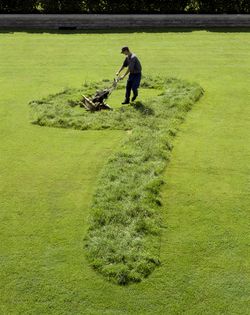
The front garden is a sign, a place both public and private, conveying the convictions and values of the households they frame. Growing Concern, a grass relief in Baile Park by American artist Mel Ziegler (b.1956), represents the North American obsession with the lawn. The artist considers the cultural obsession with the growth of our lawns to be symbolic of the taming(...)
The front garden is a sign, a place both public and private, conveying the convictions and values of the households they frame. Growing Concern, a grass relief in Baile Park by American artist Mel Ziegler (b.1956), represents the North American obsession with the lawn. The artist considers the cultural obsession with the growth of our lawns to be symbolic of the taming(...)
Location:
Baile Park
Baile Park
Date:
16 June 1998 to 8 November 1998
16 June 1998 to 8 November 1998
Title:
Mel Ziegler: Growing Concern
Actions:
Description:
The front garden is a sign, a place both public and private, conveying the convictions and values of the households they frame. Growing Concern, a grass relief in Baile Park by American artist Mel Ziegler (b.1956), represents the North American obsession with the lawn. The artist considers the cultural obsession with the growth of our lawns to be symbolic of the taming(...)
Mel Ziegler: Growing Concern
Actions:
Description:
The front garden is a sign, a place both public and private, conveying the convictions and values of the households they frame. Growing Concern, a grass relief in Baile Park by American artist Mel Ziegler (b.1956), represents the North American obsession with the lawn. The artist considers the cultural obsession with the growth of our lawns to be symbolic of the taming(...)
Form:
exhibitions
exhibitions
Date:
16 June 1998 to
8 November 1998
16 June 1998 to
8 November 1998
Location:
Baile Park
Baile Park
Level of archival description:
Project
Project
Title:
National Film Board Building
National Film Board Building
Actions:
Reference number:
AP013.S1.D379
Description:
File documents an executed project for a government office building, theatre and laboratory in Saint-Laurent, Montréal, Québec. Material in this file was produced between 1951 and 1956. File contains index cards, survey drawings, preliminary drawings, preliminary and design development drawings, working drawings, working and detail drawings, detail drawings, structural drawings, miscellaneous drawings, mechanical drawings, electrical drawings, a photograph, and textual documents.
AP013.S1.D379
Description:
File documents an executed project for a government office building, theatre and laboratory in Saint-Laurent, Montréal, Québec. Material in this file was produced between 1951 and 1956. File contains index cards, survey drawings, preliminary drawings, preliminary and design development drawings, working drawings, working and detail drawings, detail drawings, structural drawings, miscellaneous drawings, mechanical drawings, electrical drawings, a photograph, and textual documents.
People:
Date:
1951-1956
1951-1956
Title:
National Film Board Building
Actions:
AP013.S1.D379
Description:
File documents an executed project for a government office building, theatre and laboratory in Saint-Laurent, Montréal, Québec. Material in this file was produced between 1951 and 1956. File contains index cards, survey drawings, preliminary drawings, preliminary and design development drawings, working drawings, working and detail drawings, detail drawings, structural drawings, miscellaneous drawings, mechanical drawings, electrical drawings, a photograph, and textual documents.
National Film Board Building
Actions:
AP013.S1.D379
Description:
File documents an executed project for a government office building, theatre and laboratory in Saint-Laurent, Montréal, Québec. Material in this file was produced between 1951 and 1956. File contains index cards, survey drawings, preliminary drawings, preliminary and design development drawings, working drawings, working and detail drawings, detail drawings, structural drawings, miscellaneous drawings, mechanical drawings, electrical drawings, a photograph, and textual documents.
Level of archival description:
Project
Project
Date:
1951-1956
1951-1956
People:
Form:
events
events
Title:
Learning from... Bahrain
Learning from... Bahrain
Actions:
Description:
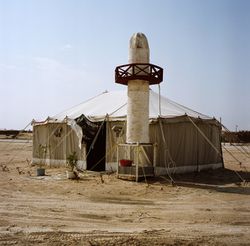
Noura al Sayeh presents the third lecture in the Learning From… the Middle East series. The presentation will survey the photographic documentation of the Bahrain coast by photographer Camille Zakharia. The urban transformations in the last 30 years have redrawn the Bahraini landscape and triggered the development of a contemporary vernacular culture. The presentation(...)
Noura al Sayeh presents the third lecture in the Learning From… the Middle East series. The presentation will survey the photographic documentation of the Bahrain coast by photographer Camille Zakharia. The urban transformations in the last 30 years have redrawn the Bahraini landscape and triggered the development of a contemporary vernacular culture. The presentation(...)
Location:
Paul-Desmarais Theatre
Paul-Desmarais Theatre
Date:
6 October 2011 , 7pm
6 October 2011 , 7pm
Title:
Learning from... Bahrain
Actions:
Description:
Noura al Sayeh presents the third lecture in the Learning From… the Middle East series. The presentation will survey the photographic documentation of the Bahrain coast by photographer Camille Zakharia. The urban transformations in the last 30 years have redrawn the Bahraini landscape and triggered the development of a contemporary vernacular culture. The presentation(...)
Learning from... Bahrain
Actions:
Description:
Noura al Sayeh presents the third lecture in the Learning From… the Middle East series. The presentation will survey the photographic documentation of the Bahrain coast by photographer Camille Zakharia. The urban transformations in the last 30 years have redrawn the Bahraini landscape and triggered the development of a contemporary vernacular culture. The presentation(...)
Form:
events
events
Date:
6 October 2011
7pm
6 October 2011
7pm
Location:
Paul-Desmarais Theatre
Paul-Desmarais Theatre
Level of archival description:
Project
Project
Reference number:
AP164.S1.1995.D1
Description:
The project series documents the competition entry, design, and execution of the José Hierro public library in the Usera district, Madrid, Spain. Abalos & Herreros were invited to participate in the competition organised by Consejería de Educación y Cultura (Council for Education and Culture), of the Comunidad de Autónoma de Madrid, and their entry won. The firm worked in collaboration with architect Ángel S. Jaramillo and artist Peter Halley. The firm identified this project as number 94. In 2003, this project was a finalist at the 7th edition of the Bienal de Arquitectua Española and received a mention at the 17th edition of the Premios de Urbanismo, Arquitectura y Obra Publica 2003 from the Madrid City Council. Documenting the project are design development and working drawings, correspondence, notes, project descriptions, studies, specifications, photographic materials and a model.
AP164.S1.1995.D1
Description:
The project series documents the competition entry, design, and execution of the José Hierro public library in the Usera district, Madrid, Spain. Abalos & Herreros were invited to participate in the competition organised by Consejería de Educación y Cultura (Council for Education and Culture), of the Comunidad de Autónoma de Madrid, and their entry won. The firm worked in collaboration with architect Ángel S. Jaramillo and artist Peter Halley. The firm identified this project as number 94. In 2003, this project was a finalist at the 7th edition of the Bienal de Arquitectua Española and received a mention at the 17th edition of the Premios de Urbanismo, Arquitectura y Obra Publica 2003 from the Madrid City Council. Documenting the project are design development and working drawings, correspondence, notes, project descriptions, studies, specifications, photographic materials and a model.
People:
Date:
1995-2003
1995-2003
Title:
Biblioteca de Usera, Madrid, Spain (1995-2003)
Actions:
AP164.S1.1995.D1
Description:
The project series documents the competition entry, design, and execution of the José Hierro public library in the Usera district, Madrid, Spain. Abalos & Herreros were invited to participate in the competition organised by Consejería de Educación y Cultura (Council for Education and Culture), of the Comunidad de Autónoma de Madrid, and their entry won. The firm worked in collaboration with architect Ángel S. Jaramillo and artist Peter Halley. The firm identified this project as number 94. In 2003, this project was a finalist at the 7th edition of the Bienal de Arquitectua Española and received a mention at the 17th edition of the Premios de Urbanismo, Arquitectura y Obra Publica 2003 from the Madrid City Council. Documenting the project are design development and working drawings, correspondence, notes, project descriptions, studies, specifications, photographic materials and a model.
Biblioteca de Usera, Madrid, Spain (1995-2003)
Actions:
AP164.S1.1995.D1
Description:
The project series documents the competition entry, design, and execution of the José Hierro public library in the Usera district, Madrid, Spain. Abalos & Herreros were invited to participate in the competition organised by Consejería de Educación y Cultura (Council for Education and Culture), of the Comunidad de Autónoma de Madrid, and their entry won. The firm worked in collaboration with architect Ángel S. Jaramillo and artist Peter Halley. The firm identified this project as number 94. In 2003, this project was a finalist at the 7th edition of the Bienal de Arquitectua Española and received a mention at the 17th edition of the Premios de Urbanismo, Arquitectura y Obra Publica 2003 from the Madrid City Council. Documenting the project are design development and working drawings, correspondence, notes, project descriptions, studies, specifications, photographic materials and a model.
Level of archival description:
Project
Project
Date:
1995-2003
1995-2003
People:
Level of archival description:
Project
Project
Reference number:
AP164.S1.2000.D3
Description:
The project series documents the competition, design, and construction of a gymnastics pavillion in Retiro park for the Instituto Municipal de Deporte of Madrid, Spain. Abalos & Herreros were invited to enter this competition and won first prize in collaboration with Renata Sentkiewicz. The project includes changing rooms, offices and a gymnasium, and was integrated into the surrounding and growing vegetation of the park. The firm worked in collaboration with Fermina Garrido and Obiol y Moya. The firm identified this project as number 127. In 2004, the firm received the Public Initiative Award for this project at the 28th Premios de Urbanismo, Arquitectura y Obra Publica 2003 from the Madrid City Council. Documenting this project are presentation, design development and working drawings, correspondence, project descriptions, budgets, specifications, postcards, notes, and reference, graphic, photographic and digital materials.
AP164.S1.2000.D3
Description:
The project series documents the competition, design, and construction of a gymnastics pavillion in Retiro park for the Instituto Municipal de Deporte of Madrid, Spain. Abalos & Herreros were invited to enter this competition and won first prize in collaboration with Renata Sentkiewicz. The project includes changing rooms, offices and a gymnasium, and was integrated into the surrounding and growing vegetation of the park. The firm worked in collaboration with Fermina Garrido and Obiol y Moya. The firm identified this project as number 127. In 2004, the firm received the Public Initiative Award for this project at the 28th Premios de Urbanismo, Arquitectura y Obra Publica 2003 from the Madrid City Council. Documenting this project are presentation, design development and working drawings, correspondence, project descriptions, budgets, specifications, postcards, notes, and reference, graphic, photographic and digital materials.
People:
Date:
1989-2003
1989-2003
Title:
Pabellón de gimnasia en el parque del Retiro, Madrid, Spain (2000-2003)
Actions:
AP164.S1.2000.D3
Description:
The project series documents the competition, design, and construction of a gymnastics pavillion in Retiro park for the Instituto Municipal de Deporte of Madrid, Spain. Abalos & Herreros were invited to enter this competition and won first prize in collaboration with Renata Sentkiewicz. The project includes changing rooms, offices and a gymnasium, and was integrated into the surrounding and growing vegetation of the park. The firm worked in collaboration with Fermina Garrido and Obiol y Moya. The firm identified this project as number 127. In 2004, the firm received the Public Initiative Award for this project at the 28th Premios de Urbanismo, Arquitectura y Obra Publica 2003 from the Madrid City Council. Documenting this project are presentation, design development and working drawings, correspondence, project descriptions, budgets, specifications, postcards, notes, and reference, graphic, photographic and digital materials.
Pabellón de gimnasia en el parque del Retiro, Madrid, Spain (2000-2003)
Actions:
AP164.S1.2000.D3
Description:
The project series documents the competition, design, and construction of a gymnastics pavillion in Retiro park for the Instituto Municipal de Deporte of Madrid, Spain. Abalos & Herreros were invited to enter this competition and won first prize in collaboration with Renata Sentkiewicz. The project includes changing rooms, offices and a gymnasium, and was integrated into the surrounding and growing vegetation of the park. The firm worked in collaboration with Fermina Garrido and Obiol y Moya. The firm identified this project as number 127. In 2004, the firm received the Public Initiative Award for this project at the 28th Premios de Urbanismo, Arquitectura y Obra Publica 2003 from the Madrid City Council. Documenting this project are presentation, design development and working drawings, correspondence, project descriptions, budgets, specifications, postcards, notes, and reference, graphic, photographic and digital materials.
Level of archival description:
Project
Project
Date:
1989-2003
1989-2003
People:
Form:
events
events
Title:
Gilles Clément
Gilles Clément
Actions:
Description:
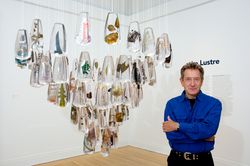
French horticultural engineer and landscape architect Gilles Clément presents his projects and theories in the context of the CCA exhibition Environment: Approaches for Tomorrow (2006). The exhibition proposes a shift in perspective that takes the environment, and not human demands on the environment, as the starting point for reflection. Clément has designed numerous(...)
French horticultural engineer and landscape architect Gilles Clément presents his projects and theories in the context of the CCA exhibition Environment: Approaches for Tomorrow (2006). The exhibition proposes a shift in perspective that takes the environment, and not human demands on the environment, as the starting point for reflection. Clément has designed numerous(...)
Location:
Paul Desmarais Theatre
Paul Desmarais Theatre
Date:
19 October 2006
19 October 2006
Title:
Gilles Clément
Actions:
Description:
French horticultural engineer and landscape architect Gilles Clément presents his projects and theories in the context of the CCA exhibition Environment: Approaches for Tomorrow (2006). The exhibition proposes a shift in perspective that takes the environment, and not human demands on the environment, as the starting point for reflection. Clément has designed numerous(...)
Gilles Clément
Actions:
Description:
French horticultural engineer and landscape architect Gilles Clément presents his projects and theories in the context of the CCA exhibition Environment: Approaches for Tomorrow (2006). The exhibition proposes a shift in perspective that takes the environment, and not human demands on the environment, as the starting point for reflection. Clément has designed numerous(...)
Form:
events
events
Date:
19 October 2006
19 October 2006
Location:
Paul Desmarais Theatre
Paul Desmarais Theatre


