


929 Results
Form:
books
books
Price:
$29.95
(available to order)
Summary:
In the late 1990s, three monuments -- Crab Park "Boulder," "Marker of Change," and Standing "with Courage, Strength and Pride" -- were built in Vancouver's Downtown Eastside. Located within a few city blocks of one another, the monuments were grassroots initiatives that challenged the norms of civic art by claiming a place in public space for society's more(...)
$29.95
(available to order)
Summary:
In the late 1990s, three monuments -- Crab Park "Boulder," "Marker of Change," and Standing "with Courage, Strength and Pride" -- were built in Vancouver's Downtown Eastside. Located within a few city blocks of one another, the monuments were grassroots initiatives that challenged the norms of civic art by claiming a place in public space for society's more(...)
Title:
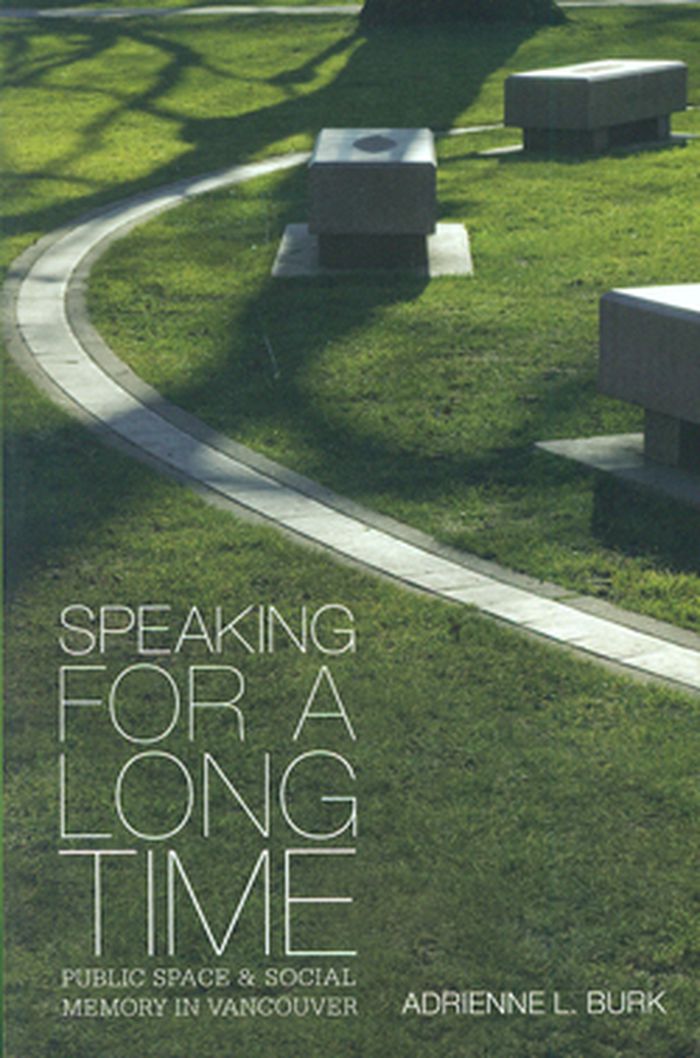
Speaking for a long time : public space & social memory in Vancouver
Actions:
Price:
$29.95
(available to order)
Summary:
In the late 1990s, three monuments -- Crab Park "Boulder," "Marker of Change," and Standing "with Courage, Strength and Pride" -- were built in Vancouver's Downtown Eastside. Located within a few city blocks of one another, the monuments were grassroots initiatives that challenged the norms of civic art by claiming a place in public space for society's more vulnerable groups, and each figured in debates about many kinds of violence. "Speaking for a Long Time" offers unique insights into the creation of memorials and the multiple, often contested meanings that can be attached to them in local communities. Part 1, "Act," explores the monuments' origin stories and highlights the distinctive perspectives of their founders. Part 2, "Frame," places these narratives in the context of modern debates and theories on public space and social memory. Part 3, "Forge," returns to the Downtown Eastside to show how the resilience and agency of grassroots activists can give the socially marginalized a visible presence in our urban landscapes. This vivid account of the creation of memory-scapes in a marginalized community asks us to reconsider what constitutes public art that will "speak for a long time."
Speaking for a long time : public space & social memory in Vancouver
Actions:
Price:
$29.95
(available to order)
Summary:
In the late 1990s, three monuments -- Crab Park "Boulder," "Marker of Change," and Standing "with Courage, Strength and Pride" -- were built in Vancouver's Downtown Eastside. Located within a few city blocks of one another, the monuments were grassroots initiatives that challenged the norms of civic art by claiming a place in public space for society's more vulnerable groups, and each figured in debates about many kinds of violence. "Speaking for a Long Time" offers unique insights into the creation of memorials and the multiple, often contested meanings that can be attached to them in local communities. Part 1, "Act," explores the monuments' origin stories and highlights the distinctive perspectives of their founders. Part 2, "Frame," places these narratives in the context of modern debates and theories on public space and social memory. Part 3, "Forge," returns to the Downtown Eastside to show how the resilience and agency of grassroots activists can give the socially marginalized a visible presence in our urban landscapes. This vivid account of the creation of memory-scapes in a marginalized community asks us to reconsider what constitutes public art that will "speak for a long time."
Form:
books
books
Publication:
April 2011
April 2011
Subject:
Architecture in Canada
Architecture in Canada
Form:
books
books
Actions:
Price:
$39.95
(available in store)
Summary:
In "The Zone," Justinien Tribillon takes the reader on a tour of an eponymous Parisian hinterland. The site of dreams and nightmares, from Van Gogh’s paintings to the cinematic violence of La Haine, the Zone, so often misunderstood, is the key to understanding today’s Paris, and even France itself. Originally the site of defensive walls, alongside which mushroomed(...)
$39.95
(available in store)
Summary:
In "The Zone," Justinien Tribillon takes the reader on a tour of an eponymous Parisian hinterland. The site of dreams and nightmares, from Van Gogh’s paintings to the cinematic violence of La Haine, the Zone, so often misunderstood, is the key to understanding today’s Paris, and even France itself. Originally the site of defensive walls, alongside which mushroomed(...)
Title:
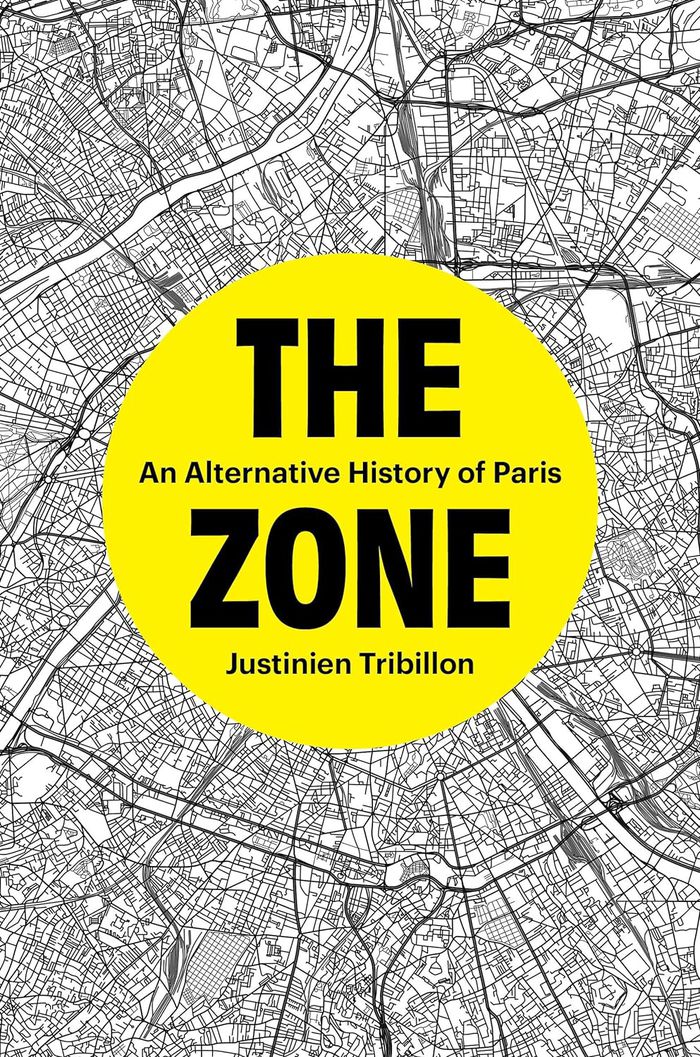
The zone: An alternative history of Paris
Actions:
Price:
$39.95
(available in store)
Summary:
In "The Zone," Justinien Tribillon takes the reader on a tour of an eponymous Parisian hinterland. The site of dreams and nightmares, from Van Gogh’s paintings to the cinematic violence of La Haine, the Zone, so often misunderstood, is the key to understanding today’s Paris, and even France itself. Originally the site of defensive walls, alongside which mushroomed makeshift housing, allotments, and dancehalls in the nineteenth century, the Zone has performed many functions and been a place of contention for two centuries. Dismantled in the 1920s, the fortifications were first replaced with gardens, stadia and homes. After the war came the Boulevard Périphérique, a ring road promising seamless travel in a futuristic car-centric Paris. With the ring road came new dreams of modernity in reinvented suburbs: new towns, high-rise architecture and social housing built at record speed. Yesterday’s Paris made way for tomorrow’s banlieue. But the metropolitan dream was never realised. The Zone became a symbol of division: between inner and outer cities; between the bourgeois centre and the working-class immigrant outskirts; between ‘us’ and ‘them’. The Zone, both a physical space and a powerful myth, came to crystallise the social, spatial and ethno-racial differences between Paris and the banlieue.
The zone: An alternative history of Paris
Actions:
Price:
$39.95
(available in store)
Summary:
In "The Zone," Justinien Tribillon takes the reader on a tour of an eponymous Parisian hinterland. The site of dreams and nightmares, from Van Gogh’s paintings to the cinematic violence of La Haine, the Zone, so often misunderstood, is the key to understanding today’s Paris, and even France itself. Originally the site of defensive walls, alongside which mushroomed makeshift housing, allotments, and dancehalls in the nineteenth century, the Zone has performed many functions and been a place of contention for two centuries. Dismantled in the 1920s, the fortifications were first replaced with gardens, stadia and homes. After the war came the Boulevard Périphérique, a ring road promising seamless travel in a futuristic car-centric Paris. With the ring road came new dreams of modernity in reinvented suburbs: new towns, high-rise architecture and social housing built at record speed. Yesterday’s Paris made way for tomorrow’s banlieue. But the metropolitan dream was never realised. The Zone became a symbol of division: between inner and outer cities; between the bourgeois centre and the working-class immigrant outskirts; between ‘us’ and ‘them’. The Zone, both a physical space and a powerful myth, came to crystallise the social, spatial and ethno-racial differences between Paris and the banlieue.
Form:
books
books
Publication:
July 2024
July 2024
Subject:
Urban Theory
Urban Theory
Form:
books
books
Actions:
Price:
$58.00
(available in store)
Summary:
This is the second publication in ''The Walther Collection Books series'' at Steidl, focusing on a dialogue between two of the most important South African photographers of the twentieth century—David Goldblatt (1930–2018) and Santu Mofokeng (1956–2020). There are both profound similarities and differences between the two artists’ work. Goldblatt documented the ways in(...)
$58.00
(available in store)
Summary:
This is the second publication in ''The Walther Collection Books series'' at Steidl, focusing on a dialogue between two of the most important South African photographers of the twentieth century—David Goldblatt (1930–2018) and Santu Mofokeng (1956–2020). There are both profound similarities and differences between the two artists’ work. Goldblatt documented the ways in(...)
Title:
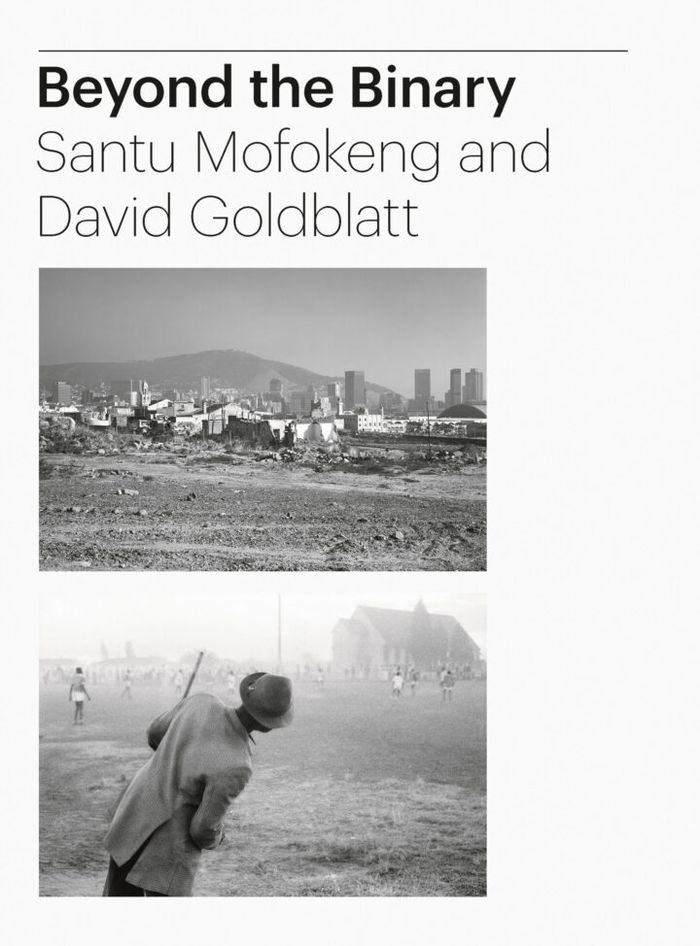
Beyond the binary: Santu Mofokeng and David Goldblatt
Actions:
Price:
$58.00
(available in store)
Summary:
This is the second publication in ''The Walther Collection Books series'' at Steidl, focusing on a dialogue between two of the most important South African photographers of the twentieth century—David Goldblatt (1930–2018) and Santu Mofokeng (1956–2020). There are both profound similarities and differences between the two artists’ work. Goldblatt documented the ways in which architecture and spatial planning reflect the ideology of apartheid, and how the land continues to bear its legacy in post-apartheid South Africa. His investigations explore both actual structures and how mental constructs reveal how ideology has shaped our landscape. Mofokeng’s photo essays shed light on everyday life in South Africa, beyond the stereotypical news pictures of Soweto depicting violence or poverty. Deeply personal, they record communities in townships and rural areas, religious rituals and landscapes imbued not only with historical significance but spiritual meaning, memory and trauma. The approach of Tamar Garb in Beyond the Binary is both daring and inquisitive—she “scrambles” and reassembles Mofokeng’s and Goldblatt’s photographs, blurring the boundaries between them and creates juxtapositions and insights that challenge prevailing views of these established images. By delineating 15 viewpoints around the themes of “Earthscapes,” “Edifices,” and “Sociality,” Garb decontextualizes the work and creates a platform for comparing and rethinking the artists’ practices.
Beyond the binary: Santu Mofokeng and David Goldblatt
Actions:
Price:
$58.00
(available in store)
Summary:
This is the second publication in ''The Walther Collection Books series'' at Steidl, focusing on a dialogue between two of the most important South African photographers of the twentieth century—David Goldblatt (1930–2018) and Santu Mofokeng (1956–2020). There are both profound similarities and differences between the two artists’ work. Goldblatt documented the ways in which architecture and spatial planning reflect the ideology of apartheid, and how the land continues to bear its legacy in post-apartheid South Africa. His investigations explore both actual structures and how mental constructs reveal how ideology has shaped our landscape. Mofokeng’s photo essays shed light on everyday life in South Africa, beyond the stereotypical news pictures of Soweto depicting violence or poverty. Deeply personal, they record communities in townships and rural areas, religious rituals and landscapes imbued not only with historical significance but spiritual meaning, memory and trauma. The approach of Tamar Garb in Beyond the Binary is both daring and inquisitive—she “scrambles” and reassembles Mofokeng’s and Goldblatt’s photographs, blurring the boundaries between them and creates juxtapositions and insights that challenge prevailing views of these established images. By delineating 15 viewpoints around the themes of “Earthscapes,” “Edifices,” and “Sociality,” Garb decontextualizes the work and creates a platform for comparing and rethinking the artists’ practices.
Form:
books
books
Publication:
September 2024
September 2024
Subject:
Photography monographs
Photography monographs
Form:
books
books
Actions:
Price:
$140.00
(available in store)
Summary:
The past seventy-five years have been a time of extreme social and cultural transformations worldwide. Political and social upheaval, often contentious, disorienting and polarizing, is now a daily reality. Whether migration crises, territorial disputes, gender inequity, class divisions, racism, war, gun violence or environmental concerns, we live in a world rife with(...)
$140.00
(available in store)
Summary:
The past seventy-five years have been a time of extreme social and cultural transformations worldwide. Political and social upheaval, often contentious, disorienting and polarizing, is now a daily reality. Whether migration crises, territorial disputes, gender inequity, class divisions, racism, war, gun violence or environmental concerns, we live in a world rife with(...)
Title:
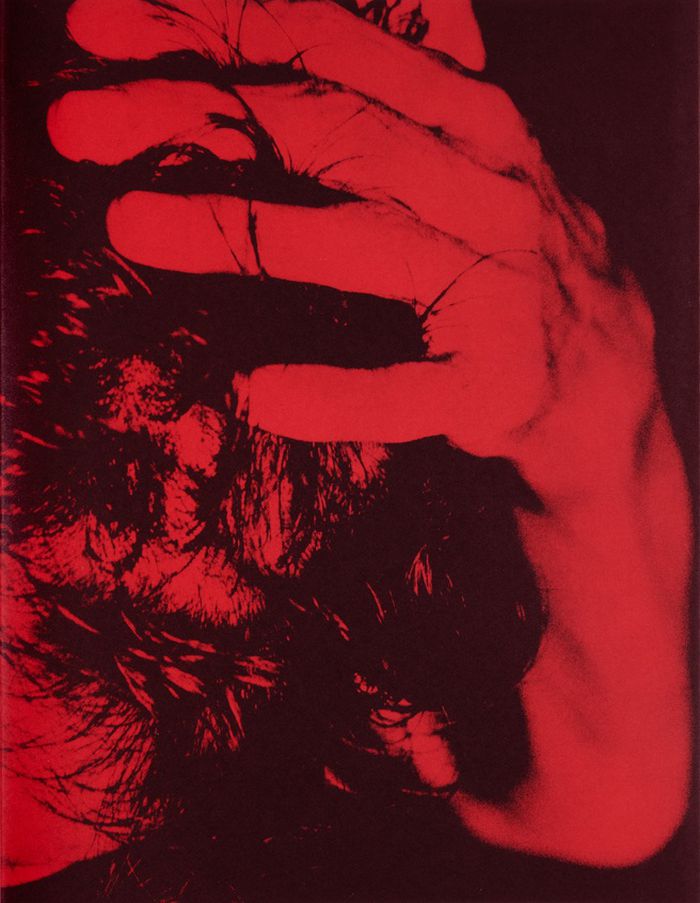
Flashpoint! Protest photography in print, 1950-present
Actions:
Price:
$140.00
(available in store)
Summary:
The past seventy-five years have been a time of extreme social and cultural transformations worldwide. Political and social upheaval, often contentious, disorienting and polarizing, is now a daily reality. Whether migration crises, territorial disputes, gender inequity, class divisions, racism, war, gun violence or environmental concerns, we live in a world rife with ideological and tribal conflicts. Since its inception, photography has captured defining historical moments, serving as either a tool or a document of protest—or both. In placing photobooks next to posters, DIY zines and independent journals, ''Flashpoint!'' explores the diverse roles and varying aesthetics that photography in print undertakes in its support of protest and resistance. Is it a “tool” conceived through an “aesthetic of urgency” to be used during events as they unfold, as in an anonymously designed poster or ink-stained fliers plastered on street walls? Or an elegantly designed photobook, published a year or more later, often with the help of well-known photographers, writers and designers, to document a past uprising? Whether outright rage or a more subtle artist-driven commentary, protest photography in print covers all of these formats and sometimes transcends rigid media definitions, as it blurs the lines between what constitutes a book, zine, journal, poster or newspaper.
Flashpoint! Protest photography in print, 1950-present
Actions:
Price:
$140.00
(available in store)
Summary:
The past seventy-five years have been a time of extreme social and cultural transformations worldwide. Political and social upheaval, often contentious, disorienting and polarizing, is now a daily reality. Whether migration crises, territorial disputes, gender inequity, class divisions, racism, war, gun violence or environmental concerns, we live in a world rife with ideological and tribal conflicts. Since its inception, photography has captured defining historical moments, serving as either a tool or a document of protest—or both. In placing photobooks next to posters, DIY zines and independent journals, ''Flashpoint!'' explores the diverse roles and varying aesthetics that photography in print undertakes in its support of protest and resistance. Is it a “tool” conceived through an “aesthetic of urgency” to be used during events as they unfold, as in an anonymously designed poster or ink-stained fliers plastered on street walls? Or an elegantly designed photobook, published a year or more later, often with the help of well-known photographers, writers and designers, to document a past uprising? Whether outright rage or a more subtle artist-driven commentary, protest photography in print covers all of these formats and sometimes transcends rigid media definitions, as it blurs the lines between what constitutes a book, zine, journal, poster or newspaper.
Form:
books
books
Publication:
April 2025
April 2025
Subject:
Photography Collections
Photography Collections
Form:
books
books
Actions:
Price:
$37.99
(available in store)
Summary:
In "The effluent eye," Rosemary J. Jolly argues for the decolonization of human rights, attributing their failure not simply to state and institutional malfeasance but to the very concept of human rights as anthropocentric-and, therefore, fatally shortsighted. In an engaging mix of literary and cultural criticism, Indigenous and Black critique, and substantive forays into(...)
$37.99
(available in store)
Summary:
In "The effluent eye," Rosemary J. Jolly argues for the decolonization of human rights, attributing their failure not simply to state and institutional malfeasance but to the very concept of human rights as anthropocentric-and, therefore, fatally shortsighted. In an engaging mix of literary and cultural criticism, Indigenous and Black critique, and substantive forays into(...)
Title:
The effluent eye: Narratives for decolonial right-making
Actions:
Price:
$37.99
(available in store)
Summary:
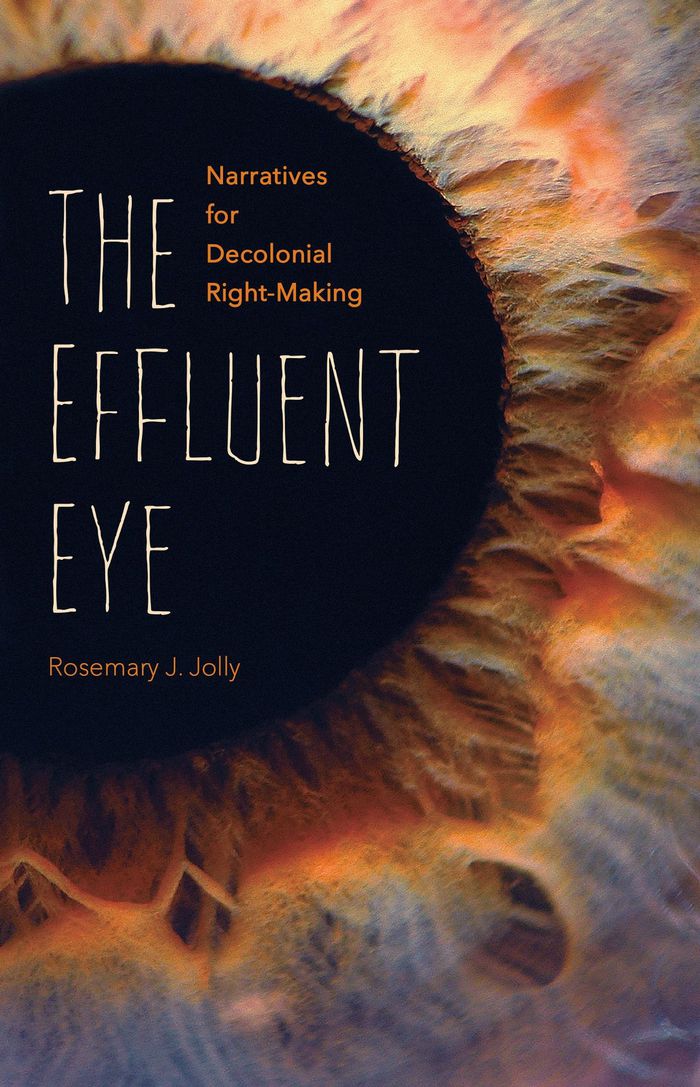
In "The effluent eye," Rosemary J. Jolly argues for the decolonization of human rights, attributing their failure not simply to state and institutional malfeasance but to the very concept of human rights as anthropocentric-and, therefore, fatally shortsighted. In an engaging mix of literary and cultural criticism, Indigenous and Black critique, and substantive forays into the medical humanities, Jolly proposes right-making in the demise of human rights. Using what she calls an "effluent eye," Jolly draws on "Fifth Wave" structural public health to confront the concept of human rights-one of the most powerful and widely entrenched liberal ideas. She builds on Indigenous sovereignty work from authors such as Robin Wall Kimmerer, Leanne Betasamosake Simpson, and Mark Rifkin as well as the littoral development in Black studies from Christine Sharpe, Saidiya Hartman, and Tiffany Lethabo King to engage decolonial thinking on a range of urgent topics such as pandemic history and grief; gender-based violence and sexual assault; and the connections between colonial capitalism and substance abuse, the Anthropocene, and climate change. Combining witnessed experience with an array of decolonial texts, Jolly argues for an effluent form of reading that begins with the understanding that the granting of "rights" to individuals is meaningless in a world compromised by pollution, poverty, and successive pandemics.
The effluent eye: Narratives for decolonial right-making
Actions:
Price:
$37.99
(available in store)
Summary:
In "The effluent eye," Rosemary J. Jolly argues for the decolonization of human rights, attributing their failure not simply to state and institutional malfeasance but to the very concept of human rights as anthropocentric-and, therefore, fatally shortsighted. In an engaging mix of literary and cultural criticism, Indigenous and Black critique, and substantive forays into the medical humanities, Jolly proposes right-making in the demise of human rights. Using what she calls an "effluent eye," Jolly draws on "Fifth Wave" structural public health to confront the concept of human rights-one of the most powerful and widely entrenched liberal ideas. She builds on Indigenous sovereignty work from authors such as Robin Wall Kimmerer, Leanne Betasamosake Simpson, and Mark Rifkin as well as the littoral development in Black studies from Christine Sharpe, Saidiya Hartman, and Tiffany Lethabo King to engage decolonial thinking on a range of urgent topics such as pandemic history and grief; gender-based violence and sexual assault; and the connections between colonial capitalism and substance abuse, the Anthropocene, and climate change. Combining witnessed experience with an array of decolonial texts, Jolly argues for an effluent form of reading that begins with the understanding that the granting of "rights" to individuals is meaningless in a world compromised by pollution, poverty, and successive pandemics.
Form:
books
books
Publication:
January 2024
January 2024
Subject:
Critical Theory
Critical Theory
Form:
books
books
Title:
Radical intimacy
Radical intimacy
Actions:
Price:
$29.95
(available in store)
Summary:
Capitalist ideology wants us to believe that there is an optimal way to live. 'Making connections' means networking for work. Our emotional needs are to be fulfilled by a single romantic partner, and self-care equates to taking personal responsibility for our suffering. We must be productive and heterosexual, we must have babies and buy a house. But the kicker is most(...)
$29.95
(available in store)
Summary:
Capitalist ideology wants us to believe that there is an optimal way to live. 'Making connections' means networking for work. Our emotional needs are to be fulfilled by a single romantic partner, and self-care equates to taking personal responsibility for our suffering. We must be productive and heterosexual, we must have babies and buy a house. But the kicker is most(...)
Title:
Radical intimacy
Actions:
Price:
$29.95
(available in store)
Summary:
Capitalist ideology wants us to believe that there is an optimal way to live. 'Making connections' means networking for work. Our emotional needs are to be fulfilled by a single romantic partner, and self-care equates to taking personal responsibility for our suffering. We must be productive and heterosexual, we must have babies and buy a house. But the kicker is most people cannot and do not want to achieve all, or any of these life goals. Instead we are left feeling atomised, exhausted and disempowered. ''Radical intimacy'' shows that it doesn't need to be this way. A punchy and impassioned account of inspiring ideas about alternative ways to live, Sophie K Rosa demands we use our radical imagination to discover a new form of intimacy and to transform our personal lives and in turn society as a whole. Including critiques of the 'wellness' industry that ignores rising poverty rates, the mental health crisis and racist and misogynist state violence; transcending love and sex under capitalism to move towards feminist, decolonial and queer thinking; asking whether we should abolish the family; interrogating the framing of ageing and death and much more, ''Radical intimacy'' is the compassionate antidote to a callous society.
Radical intimacy
Actions:
Price:
$29.95
(available in store)
Summary:
Capitalist ideology wants us to believe that there is an optimal way to live. 'Making connections' means networking for work. Our emotional needs are to be fulfilled by a single romantic partner, and self-care equates to taking personal responsibility for our suffering. We must be productive and heterosexual, we must have babies and buy a house. But the kicker is most people cannot and do not want to achieve all, or any of these life goals. Instead we are left feeling atomised, exhausted and disempowered. ''Radical intimacy'' shows that it doesn't need to be this way. A punchy and impassioned account of inspiring ideas about alternative ways to live, Sophie K Rosa demands we use our radical imagination to discover a new form of intimacy and to transform our personal lives and in turn society as a whole. Including critiques of the 'wellness' industry that ignores rising poverty rates, the mental health crisis and racist and misogynist state violence; transcending love and sex under capitalism to move towards feminist, decolonial and queer thinking; asking whether we should abolish the family; interrogating the framing of ageing and death and much more, ''Radical intimacy'' is the compassionate antidote to a callous society.
Form:
books
books
Publication:
April 2023
April 2023
Subject:
Social
Social
Form:
books
books

Price:
$25.00
(available to order)
Summary:
Encampments occupied by unhoused and precariously sheltered people have proliferated in recent years in cities and towns across Canada. While right-to-housing legislation and other rights protections exist on paper, their minimal legal force has left municipalities mostly free to use policing and bylaw enforcement to remove encampments from public spaces. The result is(...)
$25.00
(available to order)
Summary:
Encampments occupied by unhoused and precariously sheltered people have proliferated in recent years in cities and towns across Canada. While right-to-housing legislation and other rights protections exist on paper, their minimal legal force has left municipalities mostly free to use policing and bylaw enforcement to remove encampments from public spaces. The result is(...)
Title:
The bylaw state: Encampment evictions and the struggle for public space
Actions:
Price:
$25.00
(available to order)
Summary:
Encampments occupied by unhoused and precariously sheltered people have proliferated in recent years in cities and towns across Canada. While right-to-housing legislation and other rights protections exist on paper, their minimal legal force has left municipalities mostly free to use policing and bylaw enforcement to remove encampments from public spaces. The result is unnoticed but devastating violence against highly vulnerable people who have no choice but to survive in public spaces. Anti-encampment bylaws raise the question of what legal and moral rights unhoused people have to live in public space. ''The Bylaw State'' shows that bylaws are powerful municipal instruments. Far from being innocuous laws enforced by municipal workers, bylaws have quietly emerged over the last two decades as the method of governing homelessness in Canada. Case studies in Prince George and Vancouver demonstrate the extraordinary expansion of municipal bylaws and the place of courts in defending the legal rights of homeless people to take up public space. Legal scholar Alexandra Flynn and sociologist Joe Hermer explain how municipalities create an exclusionary ideal of public space through evictions and banishment, and they make a powerful case for a more inclusive approach that protects people not just spaces.
The bylaw state: Encampment evictions and the struggle for public space
Actions:
Price:
$25.00
(available to order)
Summary:
Encampments occupied by unhoused and precariously sheltered people have proliferated in recent years in cities and towns across Canada. While right-to-housing legislation and other rights protections exist on paper, their minimal legal force has left municipalities mostly free to use policing and bylaw enforcement to remove encampments from public spaces. The result is unnoticed but devastating violence against highly vulnerable people who have no choice but to survive in public spaces. Anti-encampment bylaws raise the question of what legal and moral rights unhoused people have to live in public space. ''The Bylaw State'' shows that bylaws are powerful municipal instruments. Far from being innocuous laws enforced by municipal workers, bylaws have quietly emerged over the last two decades as the method of governing homelessness in Canada. Case studies in Prince George and Vancouver demonstrate the extraordinary expansion of municipal bylaws and the place of courts in defending the legal rights of homeless people to take up public space. Legal scholar Alexandra Flynn and sociologist Joe Hermer explain how municipalities create an exclusionary ideal of public space through evictions and banishment, and they make a powerful case for a more inclusive approach that protects people not just spaces.
Form:
books
books
Publication:
April 2026
April 2026
Subject:
Humans and cities
Humans and cities
Form:
books
books
Actions:
Price:
$36.95
(available to order)
Summary:
Modern city-dwellers suffer their share of unpleasant experiences�traffic jams, noisy neighbors, pollution, food scares�but urban nuisances of the past existed on a different scale entirely, this book explains in vivid detail. Focusing on offenses to the eyes, ears, noses, taste buds, and skin of inhabitants of England�s pre-Industrial Revolution cities, Hubbub(...)
$36.95
(available to order)
Summary:
Modern city-dwellers suffer their share of unpleasant experiences�traffic jams, noisy neighbors, pollution, food scares�but urban nuisances of the past existed on a different scale entirely, this book explains in vivid detail. Focusing on offenses to the eyes, ears, noses, taste buds, and skin of inhabitants of England�s pre-Industrial Revolution cities, Hubbub(...)
Title:
Hubbub: Filth, noise & stench in England
Actions:
Price:
$36.95
(available to order)
Summary:
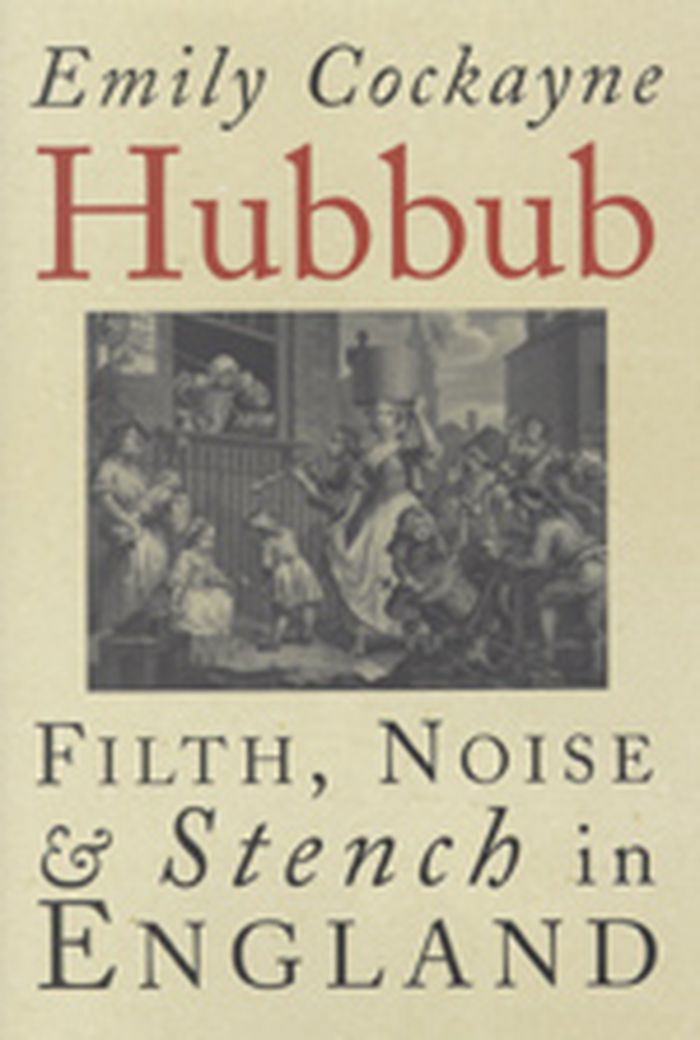
Modern city-dwellers suffer their share of unpleasant experiences�traffic jams, noisy neighbors, pollution, food scares�but urban nuisances of the past existed on a different scale entirely, this book explains in vivid detail. Focusing on offenses to the eyes, ears, noses, taste buds, and skin of inhabitants of England�s pre-Industrial Revolution cities, Hubbub transports us to a world in which residents were scarred by smallpox, refuse rotted in the streets, pigs and dogs roamed free, and food hygiene consisted of little more than spit and polish. Through the stories of a large cast of characters from varied walks of life, the book compares what daily life was like in different cities across England from 1600 to 1770. Using a vast array of sources, from novels to records of urban administration to diaries, Emily Cockayne populates her book with anecdotes from the quirky lives of the famous and the obscure�all of whom confronted urban nuisances and physical ailments. Each chapter addresses an unpleasant aspect of city life (noise, violence, moldy food, smelly streets, poor air quality), and the volume is enhanced with a rich array of illustrations. Awakening both our senses and our imaginations, Cockayne creates a nuanced portrait of early modern English city life, unparalleled in breadth and unforgettable in detail.
Hubbub: Filth, noise & stench in England
Actions:
Price:
$36.95
(available to order)
Summary:
Modern city-dwellers suffer their share of unpleasant experiences�traffic jams, noisy neighbors, pollution, food scares�but urban nuisances of the past existed on a different scale entirely, this book explains in vivid detail. Focusing on offenses to the eyes, ears, noses, taste buds, and skin of inhabitants of England�s pre-Industrial Revolution cities, Hubbub transports us to a world in which residents were scarred by smallpox, refuse rotted in the streets, pigs and dogs roamed free, and food hygiene consisted of little more than spit and polish. Through the stories of a large cast of characters from varied walks of life, the book compares what daily life was like in different cities across England from 1600 to 1770. Using a vast array of sources, from novels to records of urban administration to diaries, Emily Cockayne populates her book with anecdotes from the quirky lives of the famous and the obscure�all of whom confronted urban nuisances and physical ailments. Each chapter addresses an unpleasant aspect of city life (noise, violence, moldy food, smelly streets, poor air quality), and the volume is enhanced with a rich array of illustrations. Awakening both our senses and our imaginations, Cockayne creates a nuanced portrait of early modern English city life, unparalleled in breadth and unforgettable in detail.
Form:
books
books
Publication:
May 2007, New Haven & London
May 2007, New Haven & London
Subject:
History until 1900
History until 1900
Form:
books
books
Actions:
Price:
$36.95
(available to order)
Summary:
''Cultures of contagion'' recounts episodes in the history of contagions, from ancient times to the twenty-first century. It considers contagion not only in the medical sense but also as a process, a metaphor, and an interpretive model–as a term that describes not only the transmission of a virus but also the propagation of a phenomenon. The authors describe a wide range(...)
$36.95
(available to order)
Summary:
''Cultures of contagion'' recounts episodes in the history of contagions, from ancient times to the twenty-first century. It considers contagion not only in the medical sense but also as a process, a metaphor, and an interpretive model–as a term that describes not only the transmission of a virus but also the propagation of a phenomenon. The authors describe a wide range(...)
Title:
Cultures of contagion: A glossary
Actions:
Price:
$36.95
(available to order)
Summary:
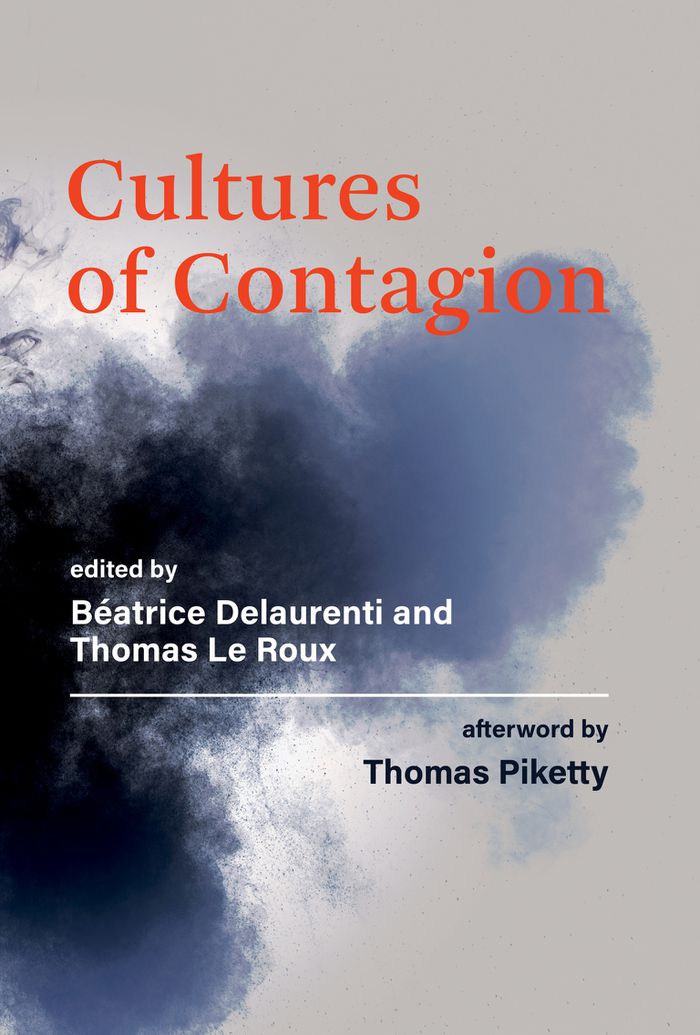
''Cultures of contagion'' recounts episodes in the history of contagions, from ancient times to the twenty-first century. It considers contagion not only in the medical sense but also as a process, a metaphor, and an interpretive model–as a term that describes not only the transmission of a virus but also the propagation of a phenomenon. The authors describe a wide range of social, cultural, political, and anthropological instances through the prism of contagion–from anti-Semitism to migration, from the nuclear contamination of the planet to the violence of Mao’s Red Guard. The book proceeds glossary style, with a series of short texts arranged alphabetically, beginning with an entry on aluminum and ''environmental contagion'' and ending with a discussion of writing and ''textual resemblance'' caused by influence, imitation, borrowing, and plagiarism. The authors–leading scholars associated with the Center for Historical Research (CRH, Centre de recherches historiques), Paris–consider such topics as the connection between contagion and suggestion, ''waltzmania'' in post-Terror Paris, the effect of reading on sensitive imaginations, and the contagiousness of yawning. They take two distinct approaches: either examining contagion and what it signified contemporaneously, or deploying contagion as an interpretive tool. Both perspectives illuminate unexpected connections, unnoticed configurations, and invisible interactions.
Cultures of contagion: A glossary
Actions:
Price:
$36.95
(available to order)
Summary:
''Cultures of contagion'' recounts episodes in the history of contagions, from ancient times to the twenty-first century. It considers contagion not only in the medical sense but also as a process, a metaphor, and an interpretive model–as a term that describes not only the transmission of a virus but also the propagation of a phenomenon. The authors describe a wide range of social, cultural, political, and anthropological instances through the prism of contagion–from anti-Semitism to migration, from the nuclear contamination of the planet to the violence of Mao’s Red Guard. The book proceeds glossary style, with a series of short texts arranged alphabetically, beginning with an entry on aluminum and ''environmental contagion'' and ending with a discussion of writing and ''textual resemblance'' caused by influence, imitation, borrowing, and plagiarism. The authors–leading scholars associated with the Center for Historical Research (CRH, Centre de recherches historiques), Paris–consider such topics as the connection between contagion and suggestion, ''waltzmania'' in post-Terror Paris, the effect of reading on sensitive imaginations, and the contagiousness of yawning. They take two distinct approaches: either examining contagion and what it signified contemporaneously, or deploying contagion as an interpretive tool. Both perspectives illuminate unexpected connections, unnoticed configurations, and invisible interactions.
Form:
books
books
Publication:
October 2021
October 2021
Subject:
Social
Social
Form:
books
books
Price:
$67.95
(available to order)
Summary:
In the mid-nineteenth century, Napoleon III and his prefect, Georges-Eugène Haussmann, adapted Paris to the requirements of industrial capitalism, endowing the old city with elegant boulevards, an enhanced water supply, modern sewers, and public greenery. Esther da Costa Meyer provides a major reassessment of this ambitious project, which resulted in widespread(...)
$67.95
(available to order)
Summary:
In the mid-nineteenth century, Napoleon III and his prefect, Georges-Eugène Haussmann, adapted Paris to the requirements of industrial capitalism, endowing the old city with elegant boulevards, an enhanced water supply, modern sewers, and public greenery. Esther da Costa Meyer provides a major reassessment of this ambitious project, which resulted in widespread(...)
Title:
Dividing Paris: Urban renewal and social inequality 1852-1870
Actions:
Price:
$67.95
(available to order)
Summary:
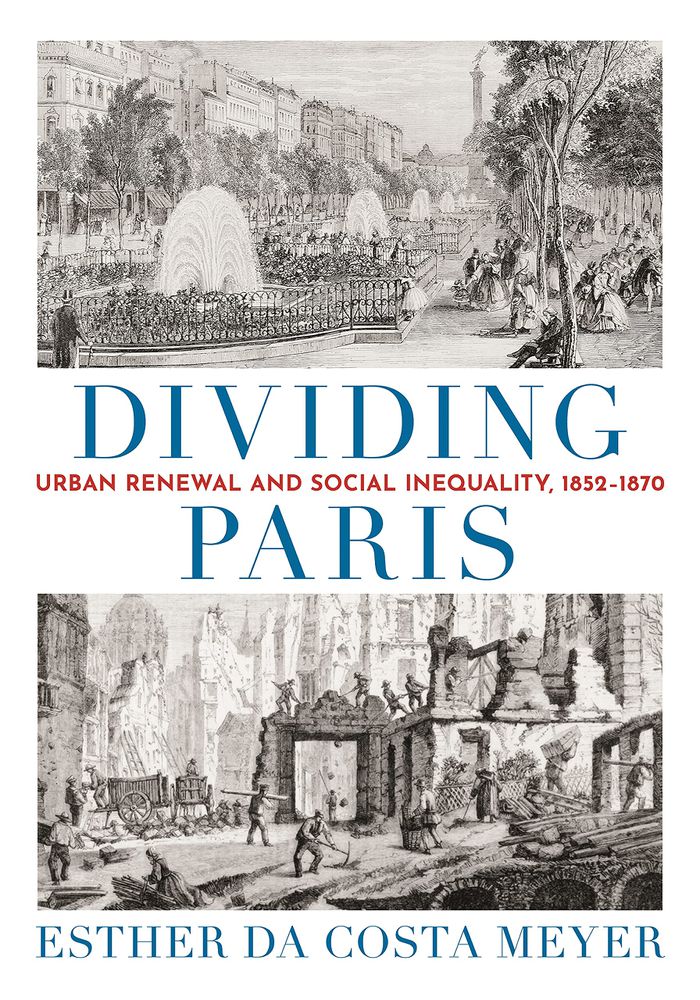
In the mid-nineteenth century, Napoleon III and his prefect, Georges-Eugène Haussmann, adapted Paris to the requirements of industrial capitalism, endowing the old city with elegant boulevards, an enhanced water supply, modern sewers, and public greenery. Esther da Costa Meyer provides a major reassessment of this ambitious project, which resulted in widespread destruction in the historic center, displacing thousands of poor residents and polarizing the urban fabric. Drawing on newspapers, memoirs, and other archival materials, da Costa Meyer explores how people from different social strata?both women and men?experienced the urban reforms implemented by the Second Empire. As hundreds of tenements were destroyed to make way for upscale apartment buildings, thousands of impoverished residents were forced to the periphery, which lacked the services enjoyed by wealthier parts of the city. Challenging the idea of Paris as the capital of modernity, da Costa Meyer shows how the city was the hub of a sprawling colonial empire extending from the Caribbean to Asia, and exposes the underlying violence that enriched it at the expense of overseas territories. This book brings to light the contributions of those who actually built and maintained the impressive infrastructure of Paris, and reveals the consequences of colonial practices for the city's cultural, economic, and political life.
Dividing Paris: Urban renewal and social inequality 1852-1870
Actions:
Price:
$67.95
(available to order)
Summary:
In the mid-nineteenth century, Napoleon III and his prefect, Georges-Eugène Haussmann, adapted Paris to the requirements of industrial capitalism, endowing the old city with elegant boulevards, an enhanced water supply, modern sewers, and public greenery. Esther da Costa Meyer provides a major reassessment of this ambitious project, which resulted in widespread destruction in the historic center, displacing thousands of poor residents and polarizing the urban fabric. Drawing on newspapers, memoirs, and other archival materials, da Costa Meyer explores how people from different social strata?both women and men?experienced the urban reforms implemented by the Second Empire. As hundreds of tenements were destroyed to make way for upscale apartment buildings, thousands of impoverished residents were forced to the periphery, which lacked the services enjoyed by wealthier parts of the city. Challenging the idea of Paris as the capital of modernity, da Costa Meyer shows how the city was the hub of a sprawling colonial empire extending from the Caribbean to Asia, and exposes the underlying violence that enriched it at the expense of overseas territories. This book brings to light the contributions of those who actually built and maintained the impressive infrastructure of Paris, and reveals the consequences of colonial practices for the city's cultural, economic, and political life.
Form:
books
books
Publication:
February 2022
February 2022
Subject:
Urban Theory
Urban Theory


