


9193 Results
Form:
books
books

Title:
Whole earth field guide
Whole earth field guide
Actions:
Price:
$46.95
(available to order)
Summary:
The Whole Earth Catalog was a cultural touchstone of the 1960s and 1970s. Between 1968 and 1971, almost two million copies of its various editions were sold, and not just to commune-dwellers and hippies. Millions of mainstream readers turned to the Whole Earth Catalog for practical advice and intellectual stimulation, finding everything from a review of Buckminster Fuller(...)
$46.95
(available to order)
Summary:
The Whole Earth Catalog was a cultural touchstone of the 1960s and 1970s. Between 1968 and 1971, almost two million copies of its various editions were sold, and not just to commune-dwellers and hippies. Millions of mainstream readers turned to the Whole Earth Catalog for practical advice and intellectual stimulation, finding everything from a review of Buckminster Fuller(...)
Publication:
October 2016
October 2016
Title:
Whole earth field guide
Actions:
Price:
$46.95
(available to order)
Summary:
The Whole Earth Catalog was a cultural touchstone of the 1960s and 1970s. Between 1968 and 1971, almost two million copies of its various editions were sold, and not just to commune-dwellers and hippies. Millions of mainstream readers turned to the Whole Earth Catalog for practical advice and intellectual stimulation, finding everything from a review of Buckminster Fuller to recommendations for juicers. This book offers selections from eighty texts from the nearly 1,000 items of "suggested reading" in the Last Whole Earth Catalog. Illustrated and meticulously documented, this fascinating selection of texts cited as 'suggested reading' in the Whole Earth Catalog gives us a fresh, new look at this bible of a generation. Wonderful juxtapositions abound: Buckminster Fuller and Wendell Berry; Timothy Leary and Lao-Tzu; Thoreau and Marshall McLuhan; the Boston Women's Health Collective and Norbert Wiener; Nicholas Negroponte and Kakuzo Okakura; and Margaret Mead and James Baldwin (their A Rap on Race). At once libertarian and communitarian, practical and mystical, scientific and hands-on, Whole Earth Field Guide reveals the astonishing energy and spirit that motivated thousands of young people to challenge the status quo and to grapple, with remarkable prescience, with issues such as ecology and information technology that still confront us today.
Whole earth field guide
Actions:
Price:
$46.95
(available to order)
Summary:
The Whole Earth Catalog was a cultural touchstone of the 1960s and 1970s. Between 1968 and 1971, almost two million copies of its various editions were sold, and not just to commune-dwellers and hippies. Millions of mainstream readers turned to the Whole Earth Catalog for practical advice and intellectual stimulation, finding everything from a review of Buckminster Fuller to recommendations for juicers. This book offers selections from eighty texts from the nearly 1,000 items of "suggested reading" in the Last Whole Earth Catalog. Illustrated and meticulously documented, this fascinating selection of texts cited as 'suggested reading' in the Whole Earth Catalog gives us a fresh, new look at this bible of a generation. Wonderful juxtapositions abound: Buckminster Fuller and Wendell Berry; Timothy Leary and Lao-Tzu; Thoreau and Marshall McLuhan; the Boston Women's Health Collective and Norbert Wiener; Nicholas Negroponte and Kakuzo Okakura; and Margaret Mead and James Baldwin (their A Rap on Race). At once libertarian and communitarian, practical and mystical, scientific and hands-on, Whole Earth Field Guide reveals the astonishing energy and spirit that motivated thousands of young people to challenge the status quo and to grapple, with remarkable prescience, with issues such as ecology and information technology that still confront us today.
Form:
books
books
Publication:
October 2016
October 2016
Form:
books
books

Title:
The network society
The network society
Actions:
Price:
$28.99
(available to order)
Summary:
In The Network Society, Darin Barney provides a compelling examination of the social, political and economic implications of network technologies and their application across a wide range of practices and institutions. Are we in the midst of a digital revolution? Have new information and communication technologies given birth to a new form of society, or do they(...)
$28.99
(available to order)
Summary:
In The Network Society, Darin Barney provides a compelling examination of the social, political and economic implications of network technologies and their application across a wide range of practices and institutions. Are we in the midst of a digital revolution? Have new information and communication technologies given birth to a new form of society, or do they(...)
Title:
The network society
Actions:
Price:
$28.99
(available to order)
Summary:
In The Network Society, Darin Barney provides a compelling examination of the social, political and economic implications of network technologies and their application across a wide range of practices and institutions. Are we in the midst of a digital revolution? Have new information and communication technologies given birth to a new form of society, or do they reinforce and extend existing patterns and relationships? This book provides a clear and engaging discussion of these and other questions. Using a sophisticated model of the relationship between technology and society, Barney investigates both what has changed, and what has remained the same, in the age of the Internet. Among the issues discussed are debates concerning the emergence of a 'knowledge economy'; digital restructuring of employment and work; globalization and the status of the nation-state; the prospects of digital democracy; the digital divide; new social movements; and culture, community and identity in the age of new media. This book provides an accessible resource for a thoughtful engagement with life in the network society. It will be essential reading for students in sociology and media and communication studies. This will be a valuable textbook for undergraduate students of sociology and media and communication studies.
The network society
Actions:
Price:
$28.99
(available to order)
Summary:
In The Network Society, Darin Barney provides a compelling examination of the social, political and economic implications of network technologies and their application across a wide range of practices and institutions. Are we in the midst of a digital revolution? Have new information and communication technologies given birth to a new form of society, or do they reinforce and extend existing patterns and relationships? This book provides a clear and engaging discussion of these and other questions. Using a sophisticated model of the relationship between technology and society, Barney investigates both what has changed, and what has remained the same, in the age of the Internet. Among the issues discussed are debates concerning the emergence of a 'knowledge economy'; digital restructuring of employment and work; globalization and the status of the nation-state; the prospects of digital democracy; the digital divide; new social movements; and culture, community and identity in the age of new media. This book provides an accessible resource for a thoughtful engagement with life in the network society. It will be essential reading for students in sociology and media and communication studies. This will be a valuable textbook for undergraduate students of sociology and media and communication studies.
Form:
books
books
Publication:
September 2004, Cambridge
September 2004, Cambridge
Subject:
Epistemology
Epistemology
Form:
books
books
Actions:
Price:
$79.95
(available to order)
Summary:
Until now, the book market has primarily dealt with the popular topic of living by the sea with publications that illustrate the location’s aesthetic appeal. This book goes further to focus on the design, constructional, and technical possibilities that permit one to react to the special conditions of locations by the sea. In an introductory section, the author sets(...)
$79.95
(available to order)
Summary:
Until now, the book market has primarily dealt with the popular topic of living by the sea with publications that illustrate the location’s aesthetic appeal. This book goes further to focus on the design, constructional, and technical possibilities that permit one to react to the special conditions of locations by the sea. In an introductory section, the author sets(...)
Subject:
Residential Architecture
Residential Architecture
Publication:
July 2008, Basel, Boston, Berlin
July 2008, Basel, Boston, Berlin
Title:
Living by the sea: 25 international examples
Actions:
Price:
$79.95
(available to order)
Summary:
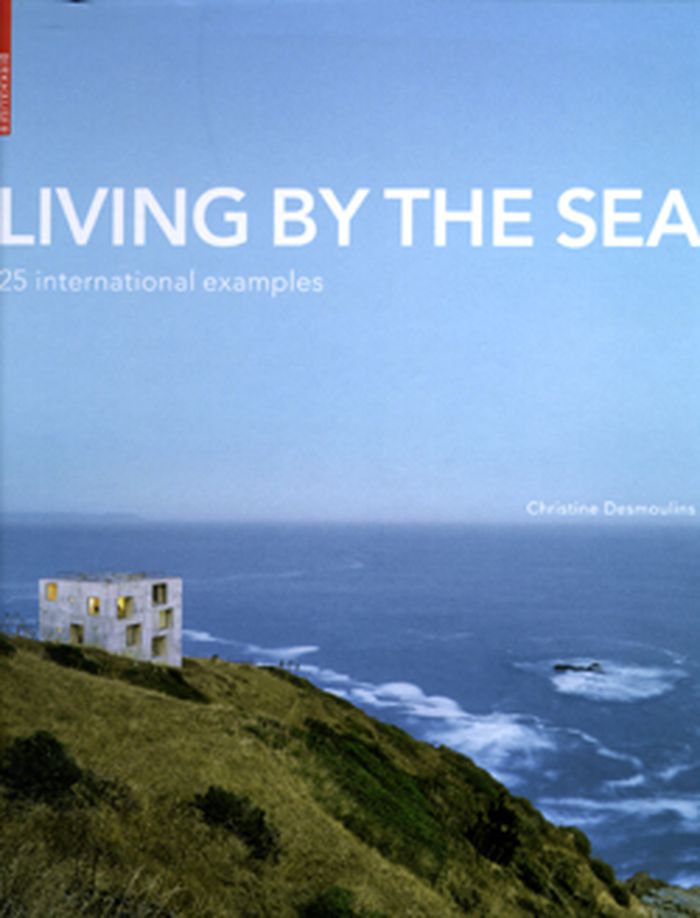
Until now, the book market has primarily dealt with the popular topic of living by the sea with publications that illustrate the location’s aesthetic appeal. This book goes further to focus on the design, constructional, and technical possibilities that permit one to react to the special conditions of locations by the sea. In an introductory section, the author sets forth the principal aspects that fundamentally affect architectural design for this construction task: the geography and geology of the site, climatic conditions, and durability of materials, but also such aesthetic factors as light, landscape, and position, all of which play a special role in approaches to living by the sea. In keeping with this, the following project section, with twenty-five international examples, is organized according to the type of relationship the houses have with the sea: right by the sea, above the sea, or in the sea. The volume uses texts, detailed project information, drawings, and striking photographs to present exemplary design approaches taken by contemporary architects, including Tadao Ando, David Chipperfield, and Steven Holl. Christine Desmoulins is a journalist and architecture critic. She regulary publishes articles in noted architecture journals, including d'Architectures, Construction Moderne, and Abitare, and is the author of numerous books on architecture.
Living by the sea: 25 international examples
Actions:
Price:
$79.95
(available to order)
Summary:
Until now, the book market has primarily dealt with the popular topic of living by the sea with publications that illustrate the location’s aesthetic appeal. This book goes further to focus on the design, constructional, and technical possibilities that permit one to react to the special conditions of locations by the sea. In an introductory section, the author sets forth the principal aspects that fundamentally affect architectural design for this construction task: the geography and geology of the site, climatic conditions, and durability of materials, but also such aesthetic factors as light, landscape, and position, all of which play a special role in approaches to living by the sea. In keeping with this, the following project section, with twenty-five international examples, is organized according to the type of relationship the houses have with the sea: right by the sea, above the sea, or in the sea. The volume uses texts, detailed project information, drawings, and striking photographs to present exemplary design approaches taken by contemporary architects, including Tadao Ando, David Chipperfield, and Steven Holl. Christine Desmoulins is a journalist and architecture critic. She regulary publishes articles in noted architecture journals, including d'Architectures, Construction Moderne, and Abitare, and is the author of numerous books on architecture.
Form:
books
books
Publication:
July 2008, Basel, Boston, Berlin
July 2008, Basel, Boston, Berlin
Subject:
Residential Architecture
Residential Architecture
Form:
books
books
Title:
DESIGNsuisse
DESIGNsuisse
Actions:
Price:
$106.50
(available to order)
Summary:
"DESIGNsuisse" propose un regard sur 25 créateurs dont les objets, logos et marques font partie de du quotidien. Accompagné de deux DVD présentant 25 courts métrages (25 portraits filmés), l'ouvrage présente en quatre langues un panorama original du design suisse. Chaque film montre la personnalité et la méthode de travail d’un créateur à travers ses réalisations et ses(...)
$106.50
(available to order)
Summary:
"DESIGNsuisse" propose un regard sur 25 créateurs dont les objets, logos et marques font partie de du quotidien. Accompagné de deux DVD présentant 25 courts métrages (25 portraits filmés), l'ouvrage présente en quatre langues un panorama original du design suisse. Chaque film montre la personnalité et la méthode de travail d’un créateur à travers ses réalisations et ses(...)
Subject:
Industrial Design
Industrial Design
Publication:
March 2006, Zürich
March 2006, Zürich
Title:
DESIGNsuisse
Actions:
Price:
$106.50
(available to order)
Summary:
"DESIGNsuisse" propose un regard sur 25 créateurs dont les objets, logos et marques font partie de du quotidien. Accompagné de deux DVD présentant 25 courts métrages (25 portraits filmés), l'ouvrage présente en quatre langues un panorama original du design suisse. Chaque film montre la personnalité et la méthode de travail d’un créateur à travers ses réalisations et ses projets en cours. Quant au livre, il décline le résultat du travail de chaque artiste au fil de textes percutants et de nombreuses photographies. / This is an important book about contemporary design that provides essential information in this sphere of professional and general interest. Posters, furniture, typography, sneakers, textiles: Swiss design is rich, manifold and renowned. "DESIGNsuisse" includes reports specially written and illustrated by young photographers for this book on 25 representative designers. It looks at their way of working and most important works, and also catalogues their complete works. An essay on the history and the current role and importance of design in Switzerland places them in context, and the book also includes further important names, clients, producers, schools and artists active in several fields. The book includes an index and an annotated bibliography. Featured on the cover of the book are two DVDs of the designers discussed.
DESIGNsuisse
Actions:
Price:
$106.50
(available to order)
Summary:
"DESIGNsuisse" propose un regard sur 25 créateurs dont les objets, logos et marques font partie de du quotidien. Accompagné de deux DVD présentant 25 courts métrages (25 portraits filmés), l'ouvrage présente en quatre langues un panorama original du design suisse. Chaque film montre la personnalité et la méthode de travail d’un créateur à travers ses réalisations et ses projets en cours. Quant au livre, il décline le résultat du travail de chaque artiste au fil de textes percutants et de nombreuses photographies. / This is an important book about contemporary design that provides essential information in this sphere of professional and general interest. Posters, furniture, typography, sneakers, textiles: Swiss design is rich, manifold and renowned. "DESIGNsuisse" includes reports specially written and illustrated by young photographers for this book on 25 representative designers. It looks at their way of working and most important works, and also catalogues their complete works. An essay on the history and the current role and importance of design in Switzerland places them in context, and the book also includes further important names, clients, producers, schools and artists active in several fields. The book includes an index and an annotated bibliography. Featured on the cover of the book are two DVDs of the designers discussed.
Form:
books
books
Publication:
March 2006, Zürich
March 2006, Zürich
Subject:
Industrial Design
Industrial Design
Form:
books
books
Actions:
Price:
$112.50
(available to order)
Summary:
From the end of the fifteenth century to the closing years of the seventeenth, England underwent radical social change. English architecture changed radically as well, and the homes of the gentry were transformed as members of this class grew in numbers, wealth, and importance. This abundantly illustrated book provides for the first time a full account of the houses(...)
$112.50
(available to order)
Summary:
From the end of the fifteenth century to the closing years of the seventeenth, England underwent radical social change. English architecture changed radically as well, and the homes of the gentry were transformed as members of this class grew in numbers, wealth, and importance. This abundantly illustrated book provides for the first time a full account of the houses(...)
Title:
Houses of the Gentry 1480-1680
Actions:
Price:
$112.50
(available to order)
Summary:
From the end of the fifteenth century to the closing years of the seventeenth, England underwent radical social change. English architecture changed radically as well, and the homes of the gentry were transformed as members of this class grew in numbers, wealth, and importance. This abundantly illustrated book provides for the first time a full account of the houses that were built and inhabited by the upper classes during this rich and fascinating period. Architectural historian Nicholas Cooper explores hundreds of gentry houses, some well known and others far less familiar, and considers their evolution in the light of economic, political, and social changes of the age. The book begins with a discussion of the members of the gentry class, their increasing influence, notions of gentility, and evolving attitudes toward the art of architecture and the craft of building. Cooper then traces changes in the architecture and layout of many specific upper class houses and shows how broader social trends and needs were reflected in such developments as the reception of classicism and the evolution of the new types of plans. This book is a treasury of information about English upper-class houses of 1480 to 1680, and about the attitudes and motives of those who built, owned, and lived in them.
Houses of the Gentry 1480-1680
Actions:
Price:
$112.50
(available to order)
Summary:
From the end of the fifteenth century to the closing years of the seventeenth, England underwent radical social change. English architecture changed radically as well, and the homes of the gentry were transformed as members of this class grew in numbers, wealth, and importance. This abundantly illustrated book provides for the first time a full account of the houses that were built and inhabited by the upper classes during this rich and fascinating period. Architectural historian Nicholas Cooper explores hundreds of gentry houses, some well known and others far less familiar, and considers their evolution in the light of economic, political, and social changes of the age. The book begins with a discussion of the members of the gentry class, their increasing influence, notions of gentility, and evolving attitudes toward the art of architecture and the craft of building. Cooper then traces changes in the architecture and layout of many specific upper class houses and shows how broader social trends and needs were reflected in such developments as the reception of classicism and the evolution of the new types of plans. This book is a treasury of information about English upper-class houses of 1480 to 1680, and about the attitudes and motives of those who built, owned, and lived in them.
Form:
books
books
Publication:
December 1999, New Haven
December 1999, New Haven
Subject:
History until 1900
History until 1900
Form:
books
books
Actions:
Price:
$90.00
(available to order)
Summary:
Fin-de-siècle Vienna was a hive of creative activity, and at its centre was one of the most versatile artists of the age, Koloman Moser (1868–1918). As a teacher, artist and craftsman, Moser had an immense influence on the tastes of his time, with talents that ranged from illustration and graphics to stained glass and the design of stage sets and postage stamps. In(...)
$90.00
(available to order)
Summary:
Fin-de-siècle Vienna was a hive of creative activity, and at its centre was one of the most versatile artists of the age, Koloman Moser (1868–1918). As a teacher, artist and craftsman, Moser had an immense influence on the tastes of his time, with talents that ranged from illustration and graphics to stained glass and the design of stage sets and postage stamps. In(...)
Title:
Koloman Moser : master of Viennese modernism
Actions:
Price:
$90.00
(available to order)
Summary:
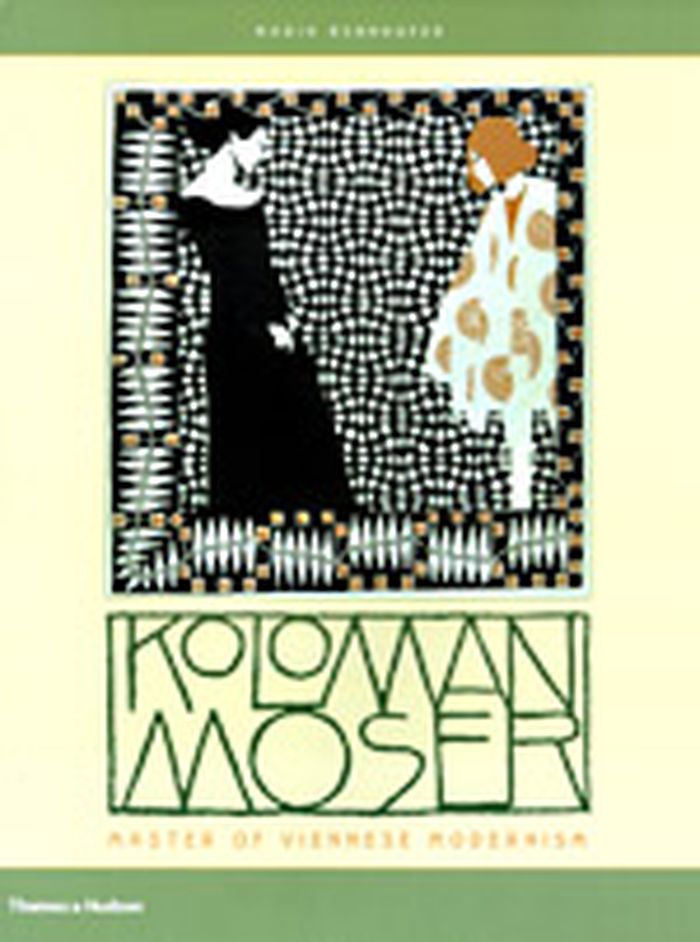
Fin-de-siècle Vienna was a hive of creative activity, and at its centre was one of the most versatile artists of the age, Koloman Moser (1868–1918). As a teacher, artist and craftsman, Moser had an immense influence on the tastes of his time, with talents that ranged from illustration and graphics to stained glass and the design of stage sets and postage stamps. In 1897 Moser co-founded the Vienna Secession, and in 1903, together with his friend and colleague Josef Hoffmann, he founded the Wiener Werkstätte, whose workshops were to set trends that spread far beyond the boundaries of Vienna. He devoted the last years of his life to painting, and in recent times his reputation in this field too has steadily grown. Despite the wealth of information that has survived down the years, Moser’s personality remains largely hidden behind his work. Here, Maria Rennhofer joins the many fragments of Moser’s personal life, his artistic influences and his multifaceted creativity into a coherent portrait of this fascinating man. This is not only the first comprehensive account of Moser’s life and work, but it is also an in-depth look at the flourishing artistic environment which he did so much to create and shape.
Koloman Moser : master of Viennese modernism
Actions:
Price:
$90.00
(available to order)
Summary:
Fin-de-siècle Vienna was a hive of creative activity, and at its centre was one of the most versatile artists of the age, Koloman Moser (1868–1918). As a teacher, artist and craftsman, Moser had an immense influence on the tastes of his time, with talents that ranged from illustration and graphics to stained glass and the design of stage sets and postage stamps. In 1897 Moser co-founded the Vienna Secession, and in 1903, together with his friend and colleague Josef Hoffmann, he founded the Wiener Werkstätte, whose workshops were to set trends that spread far beyond the boundaries of Vienna. He devoted the last years of his life to painting, and in recent times his reputation in this field too has steadily grown. Despite the wealth of information that has survived down the years, Moser’s personality remains largely hidden behind his work. Here, Maria Rennhofer joins the many fragments of Moser’s personal life, his artistic influences and his multifaceted creativity into a coherent portrait of this fascinating man. This is not only the first comprehensive account of Moser’s life and work, but it is also an in-depth look at the flourishing artistic environment which he did so much to create and shape.
Form:
books
books
Publication:
November 2002, London
November 2002, London
Subject:
Design Monographs
Design Monographs
Form:
books
books

Actions:
Price:
$34.50
(available to order)
Summary:
This volume presents the ''Circle of Doing Research'' : a model to get you started in art and design research. Conceived within the contextual setting of the art school, it is holistic, multidisciplinary and prioritizes practice. It consists of six actions. The basis of the circle is formed by the following: research by making, research of context and participatory(...)
$34.50
(available to order)
Summary:
This volume presents the ''Circle of Doing Research'' : a model to get you started in art and design research. Conceived within the contextual setting of the art school, it is holistic, multidisciplinary and prioritizes practice. It consists of six actions. The basis of the circle is formed by the following: research by making, research of context and participatory(...)
Title:
Hands on research for artists, designers & educators
Actions:
Price:
$34.50
(available to order)
Summary:
This volume presents the ''Circle of Doing Research'' : a model to get you started in art and design research. Conceived within the contextual setting of the art school, it is holistic, multidisciplinary and prioritizes practice. It consists of six actions. The basis of the circle is formed by the following: research by making, research of context and participatory research, where information, prototypes, encounters and experiences are gathered and produced. The remaining three actions are concerned with documenting research, publicizing research and reflecting on research. The ''Circle of Doing Research'' is an open, accessible and non-linear model. Each action can be an entry point, whether you want to start with material experiments, conversations with others, or in the library. All actions are connected and inform each other which encourages a process of iteration and constant reflection. The ''Circle'' can be enriched with methods, sources and focal points according to specific disciplines and needs. The book contains research trajectories of art and design students throughout, illustrating the rich possibilities to be uncovered in the unfolding of a research project. This illuminating model can be useful to all, from those beginning to learn about research in art and design to more advanced practitioners.
Hands on research for artists, designers & educators
Actions:
Price:
$34.50
(available to order)
Summary:
This volume presents the ''Circle of Doing Research'' : a model to get you started in art and design research. Conceived within the contextual setting of the art school, it is holistic, multidisciplinary and prioritizes practice. It consists of six actions. The basis of the circle is formed by the following: research by making, research of context and participatory research, where information, prototypes, encounters and experiences are gathered and produced. The remaining three actions are concerned with documenting research, publicizing research and reflecting on research. The ''Circle of Doing Research'' is an open, accessible and non-linear model. Each action can be an entry point, whether you want to start with material experiments, conversations with others, or in the library. All actions are connected and inform each other which encourages a process of iteration and constant reflection. The ''Circle'' can be enriched with methods, sources and focal points according to specific disciplines and needs. The book contains research trajectories of art and design students throughout, illustrating the rich possibilities to be uncovered in the unfolding of a research project. This illuminating model can be useful to all, from those beginning to learn about research in art and design to more advanced practitioners.
Form:
books
books
Publication:
December 2024
December 2024
Subject:
Museology
Museology
Form:
books
books
Actions:
Price:
$85.00
(available to order)
Summary:
With "Atacama", Jamey Stillings again shares his distinctive aerial perspective to examine dramatic large-scale renewable energy projects, the visual dynamic of enormous mining operations and the stark beauty of the Atacama Desert, so often scarred by human activity. Chile produces a third of the world’s copper and has the largest known lithium reserves, and we utilize(...)
$85.00
(available to order)
Summary:
With "Atacama", Jamey Stillings again shares his distinctive aerial perspective to examine dramatic large-scale renewable energy projects, the visual dynamic of enormous mining operations and the stark beauty of the Atacama Desert, so often scarred by human activity. Chile produces a third of the world’s copper and has the largest known lithium reserves, and we utilize(...)
Title:
Jamey Stillings: Atacama, renewable energy and mining in the high desert of Chile
Actions:
Price:
$85.00
(available to order)
Summary:
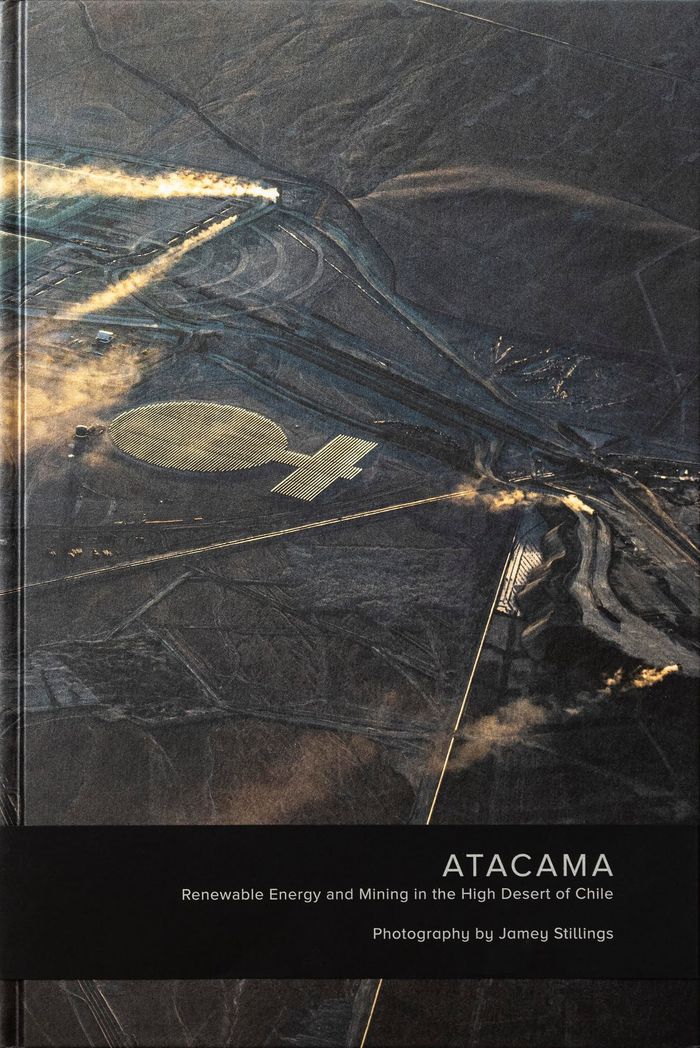
With "Atacama", Jamey Stillings again shares his distinctive aerial perspective to examine dramatic large-scale renewable energy projects, the visual dynamic of enormous mining operations and the stark beauty of the Atacama Desert, so often scarred by human activity. Chile produces a third of the world’s copper and has the largest known lithium reserves, and we utilize these resources daily in our cars, computers and smartphones. The country’s mining industry has traditionally been dependent on imported coal, diesel and natural gas for its energy. Yet the Atacama Desert has excellent solar and wind potential: new renewable energy projects there now supply significant electricity to the northern grid, transmit power to population centers in the south, and are reducing mining’s dependence on fossil fuel. Stillings’ aesthetic interest in the human-altered landscape and concerns for environmental sustainability are principal pillars of his work. His photography elicits a critical dialogue about meeting our needs and desires while seeking equilibrium between nature and human activity. "Atacama," the latest chapter in his ongoing project "Changing perspectives," shows how photography can concurrently be a source of inspiration, motivation and information, and reminds us that a carbon-constrained future is crucial to a responsible approach to life on earth.
Jamey Stillings: Atacama, renewable energy and mining in the high desert of Chile
Actions:
Price:
$85.00
(available to order)
Summary:
With "Atacama", Jamey Stillings again shares his distinctive aerial perspective to examine dramatic large-scale renewable energy projects, the visual dynamic of enormous mining operations and the stark beauty of the Atacama Desert, so often scarred by human activity. Chile produces a third of the world’s copper and has the largest known lithium reserves, and we utilize these resources daily in our cars, computers and smartphones. The country’s mining industry has traditionally been dependent on imported coal, diesel and natural gas for its energy. Yet the Atacama Desert has excellent solar and wind potential: new renewable energy projects there now supply significant electricity to the northern grid, transmit power to population centers in the south, and are reducing mining’s dependence on fossil fuel. Stillings’ aesthetic interest in the human-altered landscape and concerns for environmental sustainability are principal pillars of his work. His photography elicits a critical dialogue about meeting our needs and desires while seeking equilibrium between nature and human activity. "Atacama," the latest chapter in his ongoing project "Changing perspectives," shows how photography can concurrently be a source of inspiration, motivation and information, and reminds us that a carbon-constrained future is crucial to a responsible approach to life on earth.
Form:
books
books
Publication:
June 2020
June 2020
Subject:
Photography monographs
Photography monographs
Form:
books
books
Title:
What comes after farce?
What comes after farce?
Actions:
Price:
$33.95
(available to order)
Summary:
If farce follows tragedy, what follows farce? Where does the double predicament of a post-truth and post-shame politics leave artists and critics on the left? How to demystify a hegemonic order that dismisses its own contradictions? How to belittle a political elite that cannot be embarrassed, or to mock party leaders who thrive on the absurd? How to out-dada President(...)
$33.95
(available to order)
Summary:
If farce follows tragedy, what follows farce? Where does the double predicament of a post-truth and post-shame politics leave artists and critics on the left? How to demystify a hegemonic order that dismisses its own contradictions? How to belittle a political elite that cannot be embarrassed, or to mock party leaders who thrive on the absurd? How to out-dada President(...)
Title:
What comes after farce?
Actions:
Price:
$33.95
(available to order)
Summary:
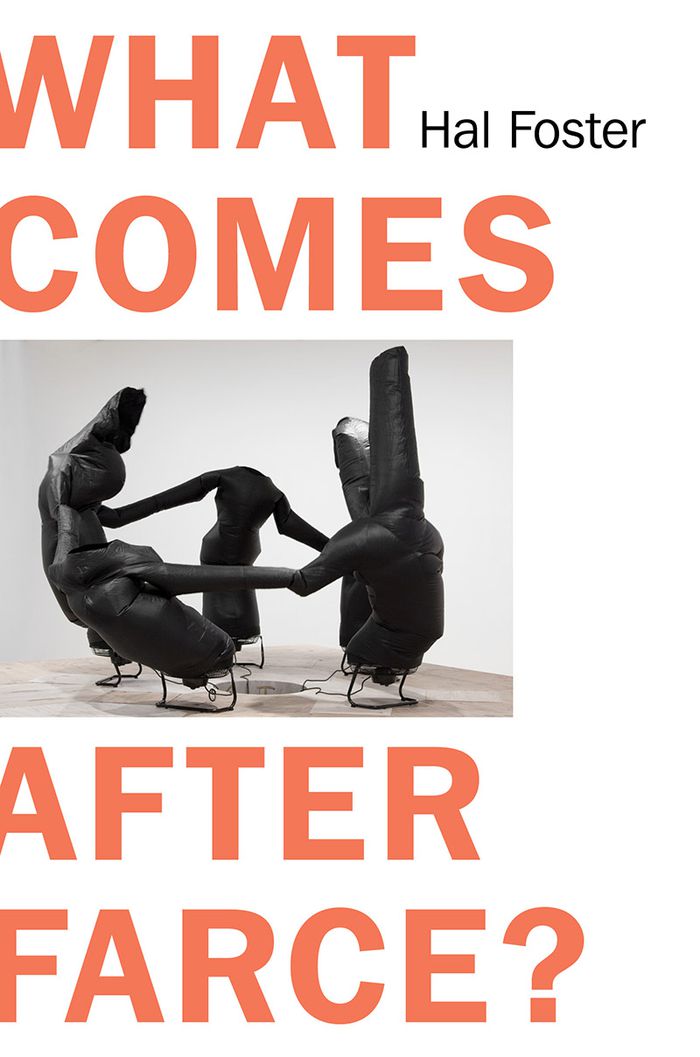
If farce follows tragedy, what follows farce? Where does the double predicament of a post-truth and post-shame politics leave artists and critics on the left? How to demystify a hegemonic order that dismisses its own contradictions? How to belittle a political elite that cannot be embarrassed, or to mock party leaders who thrive on the absurd? How to out-dada President Ubu? And, in any event, why add outrage to a media economy that thrives on the same? 'What Comes After Farce?' comments on shifts in art, criticism, and fiction in the face of the current regime of war, surveillance, extreme inequality, and media disruption. A first section focuses on the cultural politics of emergency since 9/11, including the use and abuse of trauma, paranoia, and kitsch. A second reviews the neoliberal makeover of art institutions during the same period. Finally, a third section surveys transformations in media as reflected in recent art, film, and fiction. Among the phenomena explored here are “machine vision” (images produced by machines for other machines without a human interface),“operational images” (images that do not represent the world so much as intervene in it), and the algorithmic scripting of information so pervasive in our everyday lives.
What comes after farce?
Actions:
Price:
$33.95
(available to order)
Summary:
If farce follows tragedy, what follows farce? Where does the double predicament of a post-truth and post-shame politics leave artists and critics on the left? How to demystify a hegemonic order that dismisses its own contradictions? How to belittle a political elite that cannot be embarrassed, or to mock party leaders who thrive on the absurd? How to out-dada President Ubu? And, in any event, why add outrage to a media economy that thrives on the same? 'What Comes After Farce?' comments on shifts in art, criticism, and fiction in the face of the current regime of war, surveillance, extreme inequality, and media disruption. A first section focuses on the cultural politics of emergency since 9/11, including the use and abuse of trauma, paranoia, and kitsch. A second reviews the neoliberal makeover of art institutions during the same period. Finally, a third section surveys transformations in media as reflected in recent art, film, and fiction. Among the phenomena explored here are “machine vision” (images produced by machines for other machines without a human interface),“operational images” (images that do not represent the world so much as intervene in it), and the algorithmic scripting of information so pervasive in our everyday lives.
Form:
books
books
Publication:
June 2020
June 2020
Subject:
Critical Theory
Critical Theory
Form:
books
books
Actions:
Price:
$22.00
(available to order)
Summary:
How does the world form itself? How does it create itself as a world? And how do we understand the role of the visual in this regard? Most responses to these questions within cultural theory and visual culture refer to the rise of globalization, thus highlighting the acceleration of exchanges, the proliferation of information and communication devices, and the(...)
$22.00
(available to order)
Summary:
How does the world form itself? How does it create itself as a world? And how do we understand the role of the visual in this regard? Most responses to these questions within cultural theory and visual culture refer to the rise of globalization, thus highlighting the acceleration of exchanges, the proliferation of information and communication devices, and the(...)
Title:
Visual cultures as world forming
Actions:
Price:
$22.00
(available to order)
Summary:
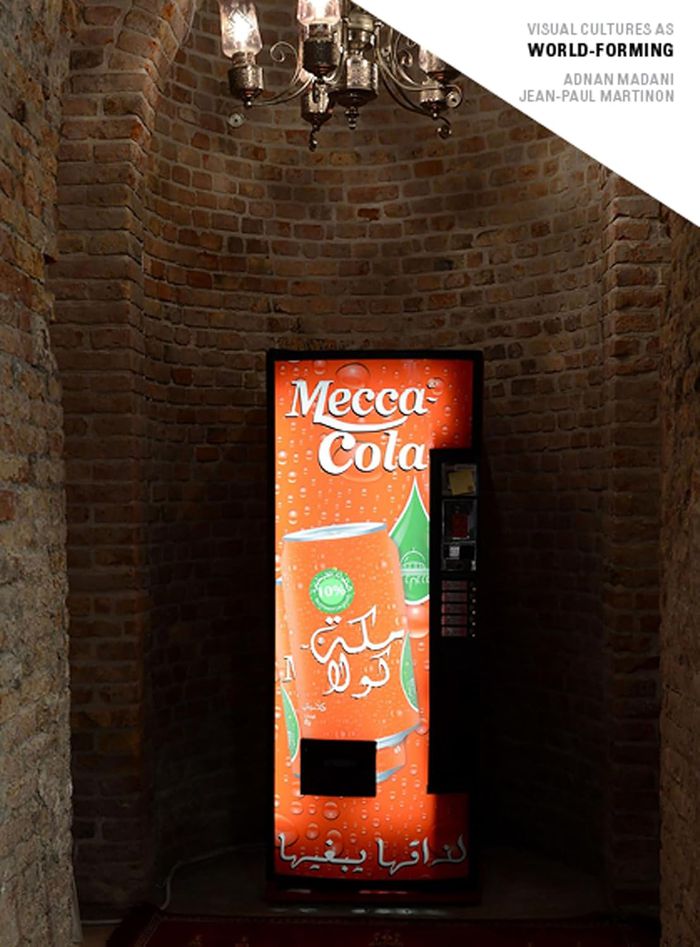
How does the world form itself? How does it create itself as a world? And how do we understand the role of the visual in this regard? Most responses to these questions within cultural theory and visual culture refer to the rise of globalization, thus highlighting the acceleration of exchanges, the proliferation of information and communication devices, and the multiplication of globally circulated goods and images that characterize the world we live in. "Visual cultures as world forming" takes a different approach by focusing on the taking place of the world, a creative act that knows no economic return. This taking place does not lead to more proliferation of goods, additional financial exchanges, further communications, or an increase in the distribution of visual material, but leads to the continued "worlding" of the world. This approach is predominantly, but not exclusively, inspired by the work of Jean-Luc Nancy. Through a reading of his work and of some of his contemporaries both inside and outside of the Western canon, Madani and Martinon attempt to expose how the world—and the world of visual culture in particular—creates itself and the ways in which each one of us is embodying this creation without economy.
Visual cultures as world forming
Actions:
Price:
$22.00
(available to order)
Summary:
How does the world form itself? How does it create itself as a world? And how do we understand the role of the visual in this regard? Most responses to these questions within cultural theory and visual culture refer to the rise of globalization, thus highlighting the acceleration of exchanges, the proliferation of information and communication devices, and the multiplication of globally circulated goods and images that characterize the world we live in. "Visual cultures as world forming" takes a different approach by focusing on the taking place of the world, a creative act that knows no economic return. This taking place does not lead to more proliferation of goods, additional financial exchanges, further communications, or an increase in the distribution of visual material, but leads to the continued "worlding" of the world. This approach is predominantly, but not exclusively, inspired by the work of Jean-Luc Nancy. Through a reading of his work and of some of his contemporaries both inside and outside of the Western canon, Madani and Martinon attempt to expose how the world—and the world of visual culture in particular—creates itself and the ways in which each one of us is embodying this creation without economy.
Form:
books
books
Publication:
August 2024
August 2024
Subject:
Critical Theory
Critical Theory


