


12370 Results
Form:
books
books

Actions:
Price:
$34.00
(available in store)
Summary:
Isabelle Graw’s latest book reflects on the purposes and struggles of friendship in competitive social milieus. By focusing on her own social milieu—the art world—Graw demonstrates how friendships are neither totally disinterested nor reduceable to their use. Written in the intimate form of a fictional diary, this book laments useful friendships while praising true(...)
$34.00
(available in store)
Summary:
Isabelle Graw’s latest book reflects on the purposes and struggles of friendship in competitive social milieus. By focusing on her own social milieu—the art world—Graw demonstrates how friendships are neither totally disinterested nor reduceable to their use. Written in the intimate form of a fictional diary, this book laments useful friendships while praising true(...)
Title:
On the benefits of friendship
Actions:
Price:
$34.00
(available in store)
Summary:
Isabelle Graw’s latest book reflects on the purposes and struggles of friendship in competitive social milieus. By focusing on her own social milieu—the art world—Graw demonstrates how friendships are neither totally disinterested nor reduceable to their use. Written in the intimate form of a fictional diary, this book laments useful friendships while praising true friendship in all its forms. For Graw, friendship is an existential necessity—if only because it points to how we relate to and depend on others. Friendship, she finds, is as important as the air we breathe—with it, we are able to fully live.
On the benefits of friendship
Actions:
Price:
$34.00
(available in store)
Summary:
Isabelle Graw’s latest book reflects on the purposes and struggles of friendship in competitive social milieus. By focusing on her own social milieu—the art world—Graw demonstrates how friendships are neither totally disinterested nor reduceable to their use. Written in the intimate form of a fictional diary, this book laments useful friendships while praising true friendship in all its forms. For Graw, friendship is an existential necessity—if only because it points to how we relate to and depend on others. Friendship, she finds, is as important as the air we breathe—with it, we are able to fully live.
Form:
books
books
Publication:
May 2023
May 2023
Subject:
Social
Social
Form:
books
books
Title:
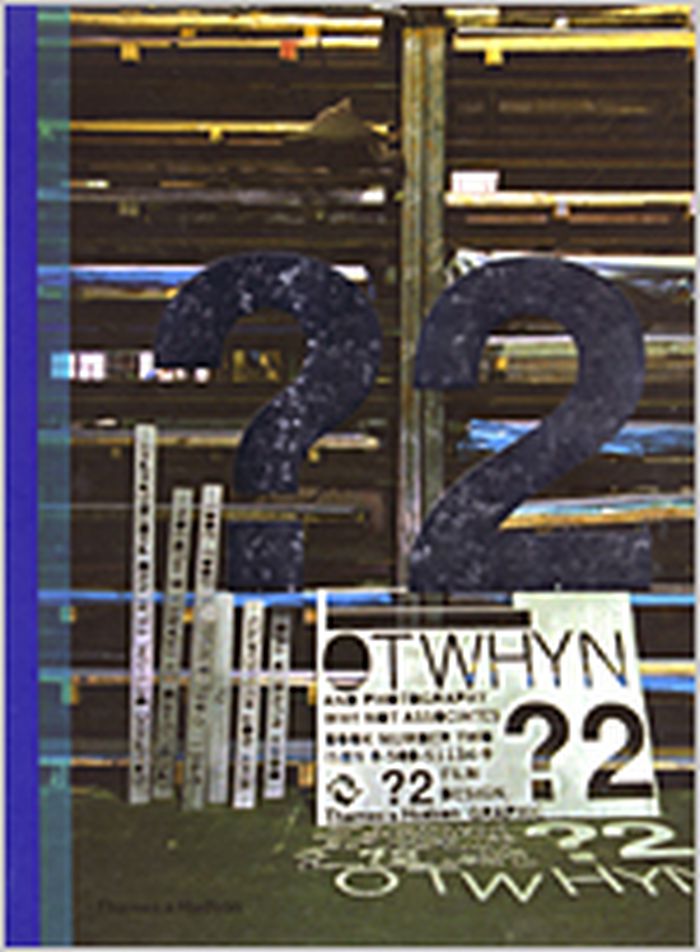
Why not associates ? 2
Why not associates ? 2
Actions:
Price:
$68.00
(available to order)
Summary:
Bringing together work from the last six years, this book shows how the designers have refined their typographic style to set new standards. A spectrum of projects, in all media and contexts, demonstrates how versatile, innovative and progressive Why Not's work has become, with explorations into exhibition design, new media, public art and architecture scale urban(...)
$68.00
(available to order)
Summary:
Bringing together work from the last six years, this book shows how the designers have refined their typographic style to set new standards. A spectrum of projects, in all media and contexts, demonstrates how versatile, innovative and progressive Why Not's work has become, with explorations into exhibition design, new media, public art and architecture scale urban(...)
Subject:
Graphic Designers, Monographs
Graphic Designers, Monographs
Publication:
June 2004, New York
June 2004, New York
Title:
Why not associates ? 2
Actions:
Price:
$68.00
(available to order)
Summary:
Bringing together work from the last six years, this book shows how the designers have refined their typographic style to set new standards. A spectrum of projects, in all media and contexts, demonstrates how versatile, innovative and progressive Why Not's work has become, with explorations into exhibition design, new media, public art and architecture scale urban pieces. With an introduction by Alice Twemlow.
Why not associates ? 2
Actions:
Price:
$68.00
(available to order)
Summary:
Bringing together work from the last six years, this book shows how the designers have refined their typographic style to set new standards. A spectrum of projects, in all media and contexts, demonstrates how versatile, innovative and progressive Why Not's work has become, with explorations into exhibition design, new media, public art and architecture scale urban pieces. With an introduction by Alice Twemlow.
Form:
books
books
Publication:
June 2004, New York
June 2004, New York
Subject:
Graphic Designers, Monographs
Graphic Designers, Monographs
Form:
books
books

Price:
$29.95
(available to order)
Summary:
Bathroom charts the evolution of the bathroom and the habits and lifestyles to which it gave rise. It shows how and why the bathroom emerged and how it became an international symbol of key modern values, such as cleanliness, order and progress. The modern bathroom, its technologies and its customs have been exported globally through colonialism, the media, fashion, world(...)
$29.95
(available to order)
Summary:
Bathroom charts the evolution of the bathroom and the habits and lifestyles to which it gave rise. It shows how and why the bathroom emerged and how it became an international symbol of key modern values, such as cleanliness, order and progress. The modern bathroom, its technologies and its customs have been exported globally through colonialism, the media, fashion, world(...)
Title:
Bathroom
Actions:
Price:
$29.95
(available to order)
Summary:
Bathroom charts the evolution of the bathroom and the habits and lifestyles to which it gave rise. It shows how and why the bathroom emerged and how it became an international symbol of key modern values, such as cleanliness, order and progress. The modern bathroom, its technologies and its customs have been exported globally through colonialism, the media, fashion, world expositions and tourism.
Bathroom
Actions:
Price:
$29.95
(available to order)
Summary:
Bathroom charts the evolution of the bathroom and the habits and lifestyles to which it gave rise. It shows how and why the bathroom emerged and how it became an international symbol of key modern values, such as cleanliness, order and progress. The modern bathroom, its technologies and its customs have been exported globally through colonialism, the media, fashion, world expositions and tourism.
Form:
books
books
Publication:
November 2013
November 2013
Subject:
Commercial interiors, Building types
Commercial interiors, Building types
Form:
books
books
Title:
Architectural atmopheres
Architectural atmopheres
Actions:
Price:
$39.95
(available to order)
Summary:
There is a growing awareness of the atmospheric dimensions of architecture in contemporary architectural practice as well as in social and architectural theory. Architectural Atmosphères provides a pointed, programmatic discussion of this atmospheric turn. The book is essential reading for architects, planners, and social theorists who take an interest in how we(...)
$39.95
(available to order)
Summary:
There is a growing awareness of the atmospheric dimensions of architecture in contemporary architectural practice as well as in social and architectural theory. Architectural Atmosphères provides a pointed, programmatic discussion of this atmospheric turn. The book is essential reading for architects, planners, and social theorists who take an interest in how we(...)
Title:
Architectural atmopheres
Actions:
Price:
$39.95
(available to order)
Summary:
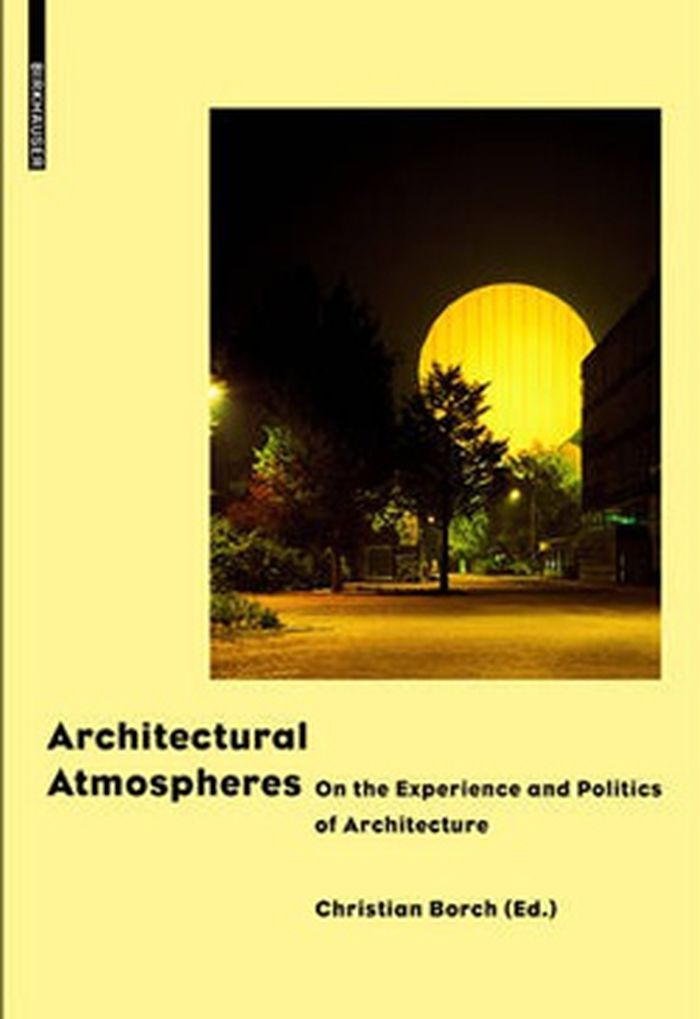
There is a growing awareness of the atmospheric dimensions of architecture in contemporary architectural practice as well as in social and architectural theory. Architectural Atmosphères provides a pointed, programmatic discussion of this atmospheric turn. The book is essential reading for architects, planners, and social theorists who take an interest in how we experience architecture and in how to improve architectural and urban design.
Architectural atmopheres
Actions:
Price:
$39.95
(available to order)
Summary:
There is a growing awareness of the atmospheric dimensions of architecture in contemporary architectural practice as well as in social and architectural theory. Architectural Atmosphères provides a pointed, programmatic discussion of this atmospheric turn. The book is essential reading for architects, planners, and social theorists who take an interest in how we experience architecture and in how to improve architectural and urban design.
Form:
books
books
Publication:
April 2014
April 2014
Subject:
Contemporary Architecture
Contemporary Architecture
Form:
books
books
Title:
Privacy a manifesto
Privacy a manifesto
Actions:
Price:
$24.95
(available to order)
Summary:
What ever happened to privacy? The simple right to be left alone? Surveillance cameras track our movements. Governments monitor our phone calls, e-mails, and Internet habits. Insurance companies know what drugs we take. Banks and credit agencies keep tabs on our smallest purchases. And new technologies - which gather, store, and share information as never before - have(...)
$24.95
(available to order)
Summary:
What ever happened to privacy? The simple right to be left alone? Surveillance cameras track our movements. Governments monitor our phone calls, e-mails, and Internet habits. Insurance companies know what drugs we take. Banks and credit agencies keep tabs on our smallest purchases. And new technologies - which gather, store, and share information as never before - have(...)
Title:
Privacy a manifesto
Actions:
Price:
$24.95
(available to order)
Summary:
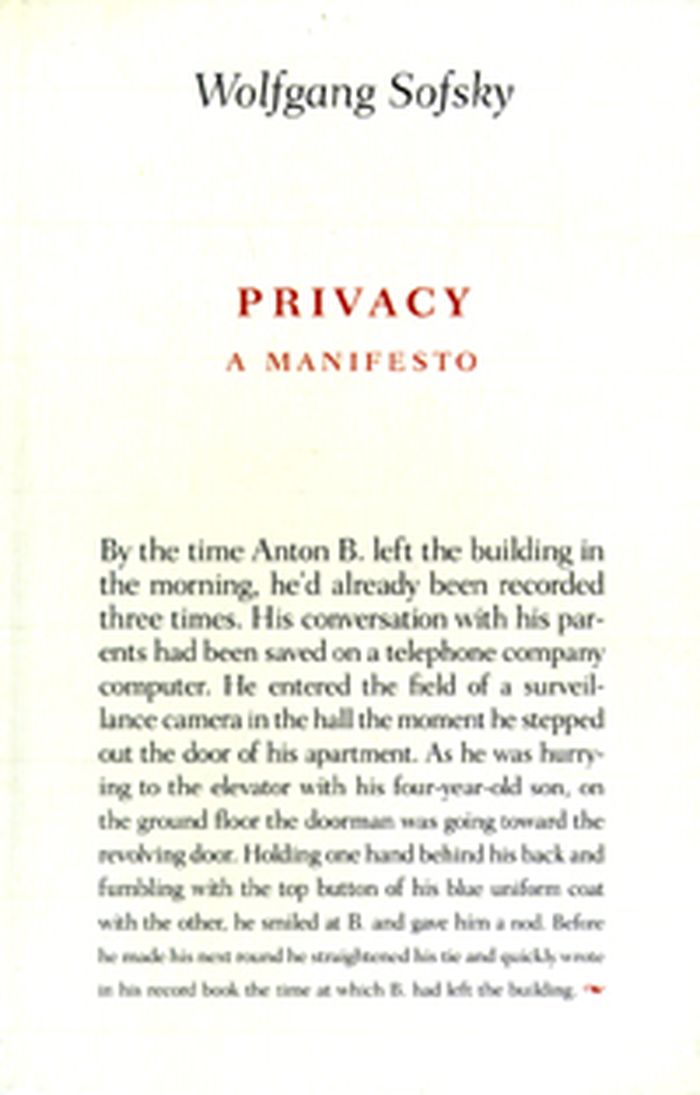
What ever happened to privacy? The simple right to be left alone? Surveillance cameras track our movements. Governments monitor our phone calls, e-mails, and Internet habits. Insurance companies know what drugs we take. Banks and credit agencies keep tabs on our smallest purchases. And new technologies - which gather, store, and share information as never before - have made all of this possible. But, as the acclaimed social thinker Wolfgang Sofsky shows in this brief and powerful defense of privacy, neither technology nor fears of terrorism deserve all the blame. Rather, through indifference and the desire for attention, we have been accomplices in the loss of our privacy. When we aren't resigning ourselves to privacy's disappearance as the inevitable price of living in a new age, we are eagerly embracing opportunities to divulge personal information to people we know - and, increasingly, to people we don't. Dramatically demonstrating how much privacy we have already surrendered, Sofsky describes a day in the life of an average modern citizen - in other words, a person under almost constant scrutiny. He also briefly traces the changing status of privacy from ancient Rome to today, explains how liberty and freedom of thought depend on privacy, and points to some of the places where privacy is under greatest threat, from health to personal space. Privacy is a timely and compelling reminder of just how important privacy is - and just how devastating its loss would be.
Privacy a manifesto
Actions:
Price:
$24.95
(available to order)
Summary:
What ever happened to privacy? The simple right to be left alone? Surveillance cameras track our movements. Governments monitor our phone calls, e-mails, and Internet habits. Insurance companies know what drugs we take. Banks and credit agencies keep tabs on our smallest purchases. And new technologies - which gather, store, and share information as never before - have made all of this possible. But, as the acclaimed social thinker Wolfgang Sofsky shows in this brief and powerful defense of privacy, neither technology nor fears of terrorism deserve all the blame. Rather, through indifference and the desire for attention, we have been accomplices in the loss of our privacy. When we aren't resigning ourselves to privacy's disappearance as the inevitable price of living in a new age, we are eagerly embracing opportunities to divulge personal information to people we know - and, increasingly, to people we don't. Dramatically demonstrating how much privacy we have already surrendered, Sofsky describes a day in the life of an average modern citizen - in other words, a person under almost constant scrutiny. He also briefly traces the changing status of privacy from ancient Rome to today, explains how liberty and freedom of thought depend on privacy, and points to some of the places where privacy is under greatest threat, from health to personal space. Privacy is a timely and compelling reminder of just how important privacy is - and just how devastating its loss would be.
Form:
books
books
Publication:
October 2008, Princeton, Oxford
October 2008, Princeton, Oxford
Subject:
Critical Theory
Critical Theory
Form:
journals and magazines
journals and magazines
Title:
ARCH+ : Release architecture
ARCH+ : Release architecture
Actions:
Price:
$39.95
(available in store)
Summary:
An architecture biennale can be more than a place to simply represent and celebrate the status quo in architectural production. Exhibitions are increasingly becoming a place for researching and producing an experimental and critical architectural practice: a place not for the presentation of finished products, but for the production of content. This calls into question(...)
$39.95
(available in store)
Summary:
An architecture biennale can be more than a place to simply represent and celebrate the status quo in architectural production. Exhibitions are increasingly becoming a place for researching and producing an experimental and critical architectural practice: a place not for the presentation of finished products, but for the production of content. This calls into question(...)
Title:
ARCH+ : Release architecture
Actions:
Price:
$39.95
(available in store)
Summary:
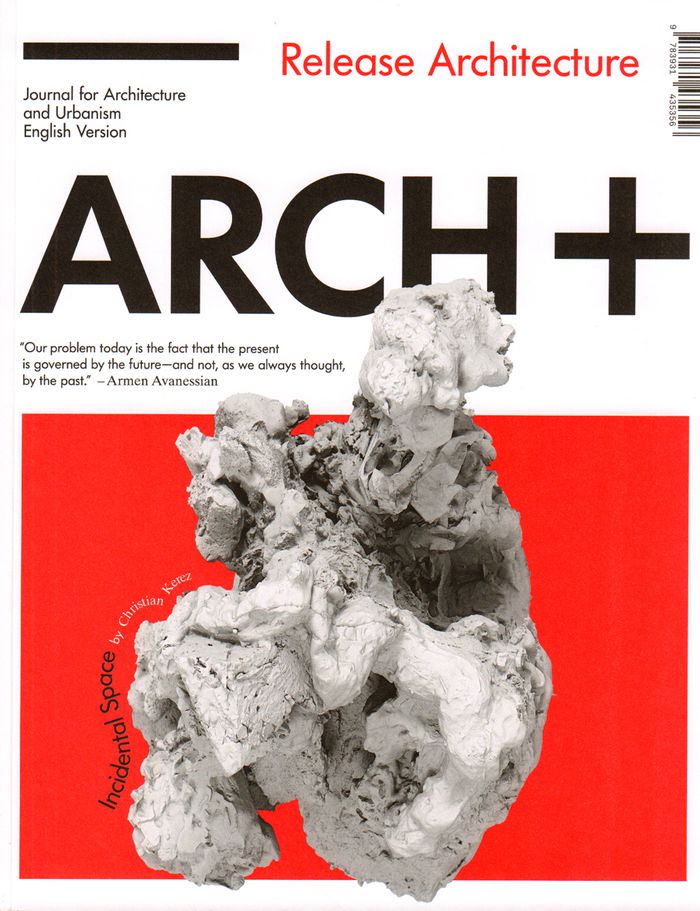
An architecture biennale can be more than a place to simply represent and celebrate the status quo in architectural production. Exhibitions are increasingly becoming a place for researching and producing an experimental and critical architectural practice: a place not for the presentation of finished products, but for the production of content. This calls into question the supposed boundary between architecture and exhibition. Inquiry becomes a form of display. Christian Kerez’s Incidental Space, exhibited in the Swiss Pavilion at the 2016 Architecture Biennale in Venice, attempts to inquire into the outer limits of what can be achieved in architecture today—in terms of both technical feasibility and the limits of our own imagination. How can you use the medium of architecture to contemplate an architectural space that is entirely abstract and as complex as possible? How could this kind of imaginary space even be visualized, and how could it be produced? Conceived in close collaboration with Sandra Oehy, the curator of the Swiss Pavilion, and Christian Kerez, the Swiss Pavilion architect, this issue of ARCH+ delves into the questions posed by Kerez’s “speculative space.” Contributors like Philip Ursprung, Mario Carpo, Armen Avanessian, and Timothy Morton consider how the object stands in relation to the subject in a world where the capacity for technological and digital reproduction increasingly renders the distinction between depiction and reality moot. Where is the space for architectural autonomy in this? How can we “Release Architecture”? A report from architecture’s speculative front.
ARCH+ : Release architecture
Actions:
Price:
$39.95
(available in store)
Summary:
An architecture biennale can be more than a place to simply represent and celebrate the status quo in architectural production. Exhibitions are increasingly becoming a place for researching and producing an experimental and critical architectural practice: a place not for the presentation of finished products, but for the production of content. This calls into question the supposed boundary between architecture and exhibition. Inquiry becomes a form of display. Christian Kerez’s Incidental Space, exhibited in the Swiss Pavilion at the 2016 Architecture Biennale in Venice, attempts to inquire into the outer limits of what can be achieved in architecture today—in terms of both technical feasibility and the limits of our own imagination. How can you use the medium of architecture to contemplate an architectural space that is entirely abstract and as complex as possible? How could this kind of imaginary space even be visualized, and how could it be produced? Conceived in close collaboration with Sandra Oehy, the curator of the Swiss Pavilion, and Christian Kerez, the Swiss Pavilion architect, this issue of ARCH+ delves into the questions posed by Kerez’s “speculative space.” Contributors like Philip Ursprung, Mario Carpo, Armen Avanessian, and Timothy Morton consider how the object stands in relation to the subject in a world where the capacity for technological and digital reproduction increasingly renders the distinction between depiction and reality moot. Where is the space for architectural autonomy in this? How can we “Release Architecture”? A report from architecture’s speculative front.
Form:
journals and magazines
journals and magazines
Publication:
May 2016
May 2016
Subject:
Magazines
Magazines
Form:
books
books
Actions:
Price:
$97.50
(available to order)
Summary:
In 1919 the Social Democrat city council of Vienna initiated a radical program of reforms designed to reshape the city's infrastructure along socialist lines. The centrepiece and most enduring achievement of "Red" Vienna was the construction of the Wiener (...)
$97.50
(available to order)
Summary:
In 1919 the Social Democrat city council of Vienna initiated a radical program of reforms designed to reshape the city's infrastructure along socialist lines. The centrepiece and most enduring achievement of "Red" Vienna was the construction of the Wiener (...)
Title:
The architecture of red Vienna 1919-1934
Actions:
Price:
$97.50
(available to order)
Summary:
In 1919 the Social Democrat city council of Vienna initiated a radical program of reforms designed to reshape the city's infrastructure along socialist lines. The centrepiece and most enduring achievement of "Red" Vienna was the construction of the Wiener Gemeindebauten, 400 communal housing blocks, distributed throughout the city, in which workers' dwellings were incorporated with kindergartens, libraries, medical clinics, theaters, cooperative stores, and other public facilities. The 64,000 units housed one tenth of the city's population. Throughout this socialist building campaign, however, Austria was ruled by a conservative, clerical, and antisocialist political majority. Thus the architecture of Red Vienna took shape in the midst of highly charged, and often violent, political conflict between left and right. In this book, Eve Blau looks at how that ideological conflict shaped the buildings of Red Vienna--in terms of their programme, spatial conception, language, and use--as well as how political meaning itself is manifested in architecture. She shows how the architecture of Red Vienna constructed meaning in relation to the ideological conflicts that defined Austrian politics in the interwar period--how it was shaped by the conditions of its making, and how it engaged its own codes, practices, and history to stake out a political position in relation to those conditions. Her investigation sheds light both on the complex relationship among political program, architectural practice, and urban history in interwar Vienna, and on the process by which architecture can generate a collective discourse that includes all members of society.
The architecture of red Vienna 1919-1934
Actions:
Price:
$97.50
(available to order)
Summary:
In 1919 the Social Democrat city council of Vienna initiated a radical program of reforms designed to reshape the city's infrastructure along socialist lines. The centrepiece and most enduring achievement of "Red" Vienna was the construction of the Wiener Gemeindebauten, 400 communal housing blocks, distributed throughout the city, in which workers' dwellings were incorporated with kindergartens, libraries, medical clinics, theaters, cooperative stores, and other public facilities. The 64,000 units housed one tenth of the city's population. Throughout this socialist building campaign, however, Austria was ruled by a conservative, clerical, and antisocialist political majority. Thus the architecture of Red Vienna took shape in the midst of highly charged, and often violent, political conflict between left and right. In this book, Eve Blau looks at how that ideological conflict shaped the buildings of Red Vienna--in terms of their programme, spatial conception, language, and use--as well as how political meaning itself is manifested in architecture. She shows how the architecture of Red Vienna constructed meaning in relation to the ideological conflicts that defined Austrian politics in the interwar period--how it was shaped by the conditions of its making, and how it engaged its own codes, practices, and history to stake out a political position in relation to those conditions. Her investigation sheds light both on the complex relationship among political program, architectural practice, and urban history in interwar Vienna, and on the process by which architecture can generate a collective discourse that includes all members of society.
Form:
books
books
Publication:
December 1998, Cambridge, Mass.
December 1998, Cambridge, Mass.
Subject:
Modernism
Modernism
Form:
books
books

Actions:
Price:
$33.99
(available to order)
Summary:
Since Hamas’s attack on Israel last October 7, the term "settler colonialism" has become central to public debate in the United States. A concept new to most Americans, but already established and influential in academic circles, settler colonialism is shaping the way many people think about the history of the United States, Israel and Palestine, and a host of political(...)
$33.99
(available to order)
Summary:
Since Hamas’s attack on Israel last October 7, the term "settler colonialism" has become central to public debate in the United States. A concept new to most Americans, but already established and influential in academic circles, settler colonialism is shaping the way many people think about the history of the United States, Israel and Palestine, and a host of political(...)
Title:
On settler colonialism: Ideology, violence, and justice
Actions:
Price:
$33.99
(available to order)
Summary:
Since Hamas’s attack on Israel last October 7, the term "settler colonialism" has become central to public debate in the United States. A concept new to most Americans, but already established and influential in academic circles, settler colonialism is shaping the way many people think about the history of the United States, Israel and Palestine, and a host of political issues. This short book is the first to examine settler colonialism critically for a general readership. By critiquing the most important writers, texts, and ideas in the field, Adam Kirsch shows how the concept emerged in the context of North American and Australian history and how it is being applied to Israel. He examines the sources of its appeal, which, he argues, are spiritual as much as political; how it works to delegitimize nations; and why it has the potential to turn indignation at past injustices into a source of new injustices today. A compact and accessible introduction, rich with historical detail, the book will speak to readers interested in the Middle East, American history, and today’s most urgent cultural-political debates
On settler colonialism: Ideology, violence, and justice
Actions:
Price:
$33.99
(available to order)
Summary:
Since Hamas’s attack on Israel last October 7, the term "settler colonialism" has become central to public debate in the United States. A concept new to most Americans, but already established and influential in academic circles, settler colonialism is shaping the way many people think about the history of the United States, Israel and Palestine, and a host of political issues. This short book is the first to examine settler colonialism critically for a general readership. By critiquing the most important writers, texts, and ideas in the field, Adam Kirsch shows how the concept emerged in the context of North American and Australian history and how it is being applied to Israel. He examines the sources of its appeal, which, he argues, are spiritual as much as political; how it works to delegitimize nations; and why it has the potential to turn indignation at past injustices into a source of new injustices today. A compact and accessible introduction, rich with historical detail, the book will speak to readers interested in the Middle East, American history, and today’s most urgent cultural-political debates
Form:
books
books
Publication:
August 2024
August 2024
Subject:
Critical Theory
Critical Theory
Form:
journals and magazines
journals and magazines
Title:
Bracket 4: Takes action
Bracket 4: Takes action
Actions:
Price:
$49.95
(available to order)
Summary:
The rise of several divisive leaders within contemporary politics, has once again brought action to the foreground. As a new generation makes their voices heard, they are also grappling to find effective platforms for action through design. The notion of action simultaneously evokes a discussion on what we are acting for and value. This is particularly important to(...)
$49.95
(available to order)
Summary:
The rise of several divisive leaders within contemporary politics, has once again brought action to the foreground. As a new generation makes their voices heard, they are also grappling to find effective platforms for action through design. The notion of action simultaneously evokes a discussion on what we are acting for and value. This is particularly important to(...)
Title:
Bracket 4: Takes action
Actions:
Price:
$49.95
(available to order)
Summary:
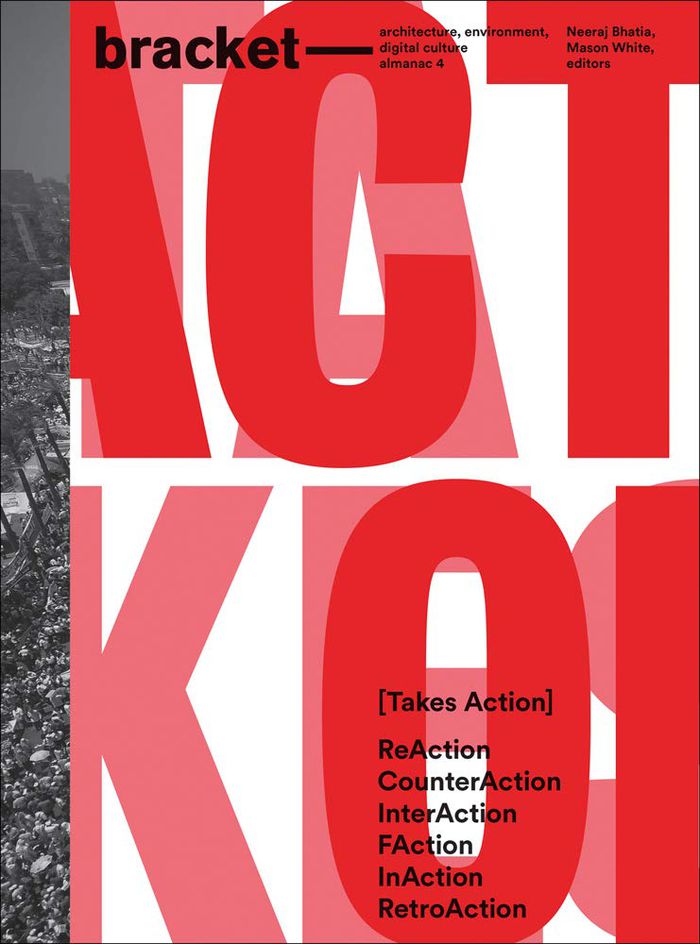
The rise of several divisive leaders within contemporary politics, has once again brought action to the foreground. As a new generation makes their voices heard, they are also grappling to find effective platforms for action through design. The notion of action simultaneously evokes a discussion on what we are acting for and value. This is particularly important to consider at a moment when the authoritative systems- Governments and corporations- appear more divergent to the voices on the ground. At the same time, within an increasingly pluralistic society, what we collectively value is increasingly unclear, which presents a primary challenge on action. ''Bracket [takes action]'' is situated at a critical point in history where the who, what, where, and how of action need to be re-conceptualized to relate to who we are, how we live, and how we communicate today. The role of design and the agency of the designer are at stake in facilitating or stifling action. This book] contains over 28 essays and 15 design projects that are structured into six sub-themes: ReAction, CounterAction, InterAction, FAction, InAction, and RetroAction.
Bracket 4: Takes action
Actions:
Price:
$49.95
(available to order)
Summary:
The rise of several divisive leaders within contemporary politics, has once again brought action to the foreground. As a new generation makes their voices heard, they are also grappling to find effective platforms for action through design. The notion of action simultaneously evokes a discussion on what we are acting for and value. This is particularly important to consider at a moment when the authoritative systems- Governments and corporations- appear more divergent to the voices on the ground. At the same time, within an increasingly pluralistic society, what we collectively value is increasingly unclear, which presents a primary challenge on action. ''Bracket [takes action]'' is situated at a critical point in history where the who, what, where, and how of action need to be re-conceptualized to relate to who we are, how we live, and how we communicate today. The role of design and the agency of the designer are at stake in facilitating or stifling action. This book] contains over 28 essays and 15 design projects that are structured into six sub-themes: ReAction, CounterAction, InterAction, FAction, InAction, and RetroAction.
Form:
journals and magazines
journals and magazines
Publication:
June 2020
June 2020
Subject:
Magazines
Magazines
Form:
books
books
Price:
$79.95
(available to order)
Summary:
Energy performance feedback is an essential tool in addressing the current climate crisis. However, this is not simply another theoretical text about energy performance in buildings. This book is for anyone who wants to better understand how energy is used in buildings, and how to drive down operational energy use – whether you’re an architect, student, client, building(...)
$79.95
(available to order)
Summary:
Energy performance feedback is an essential tool in addressing the current climate crisis. However, this is not simply another theoretical text about energy performance in buildings. This book is for anyone who wants to better understand how energy is used in buildings, and how to drive down operational energy use – whether you’re an architect, student, client, building(...)
Subject:
Green Architecture
Green Architecture
Publication:
April 2021
April 2021
Title:
Energy, people, buildings: making sustainable architecture work
Actions:
Price:
$79.95
(available to order)
Summary:
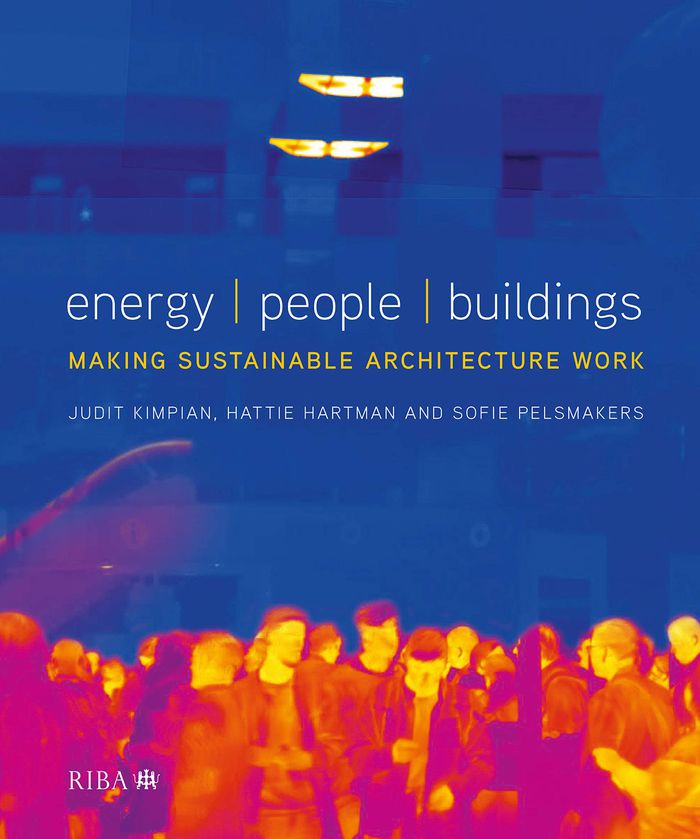
Energy performance feedback is an essential tool in addressing the current climate crisis. However, this is not simply another theoretical text about energy performance in buildings. This book is for anyone who wants to better understand how energy is used in buildings, and how to drive down operational energy use – whether you’re an architect, student, client, building services engineer, contractor, building operator or other stakeholder. Focusing on evidence from feedback on buildings in use, it explains what it takes to get them to perform as expected, as well as the reasons why they often fail. "Energy, people, buildings" draws extensively on the findings of studies, UK government-funded building performance evaluations and on original research into seven case studies from across the UK and abroad that have achieved exemplary energy use through building performance feedback. Providing a clear roadmap to understanding aspects that impact building users’ comfort and satisfaction, it also outlines the factors behind energy use and how to track it across the life of a project to ensure that your building performs as intended.
Energy, people, buildings: making sustainable architecture work
Actions:
Price:
$79.95
(available to order)
Summary:
Energy performance feedback is an essential tool in addressing the current climate crisis. However, this is not simply another theoretical text about energy performance in buildings. This book is for anyone who wants to better understand how energy is used in buildings, and how to drive down operational energy use – whether you’re an architect, student, client, building services engineer, contractor, building operator or other stakeholder. Focusing on evidence from feedback on buildings in use, it explains what it takes to get them to perform as expected, as well as the reasons why they often fail. "Energy, people, buildings" draws extensively on the findings of studies, UK government-funded building performance evaluations and on original research into seven case studies from across the UK and abroad that have achieved exemplary energy use through building performance feedback. Providing a clear roadmap to understanding aspects that impact building users’ comfort and satisfaction, it also outlines the factors behind energy use and how to track it across the life of a project to ensure that your building performs as intended.
Form:
books
books
Publication:
April 2021
April 2021
Subject:
Green Architecture
Green Architecture


