


95 Results
Form:
books
books
Title:
The Forbidden City
The Forbidden City
Actions:
Price:
$19.95
(available to order)
Summary:
The Forbidden City (Zijin Cheng) lying at the heart of Beijing formed the hub of the Celestial Empire for five centuries. Over the past century it has led a reduced life as the refuge for a deposed emperor, as well as a heritage museum for monarchist, republican, and socialist citizens, and it has been celebrated and excoriated as a symbol of all that was magnificent and(...)
$19.95
(available to order)
Summary:
The Forbidden City (Zijin Cheng) lying at the heart of Beijing formed the hub of the Celestial Empire for five centuries. Over the past century it has led a reduced life as the refuge for a deposed emperor, as well as a heritage museum for monarchist, republican, and socialist citizens, and it has been celebrated and excoriated as a symbol of all that was magnificent and(...)
Title:
The Forbidden City
Actions:
Price:
$19.95
(available to order)
Summary:
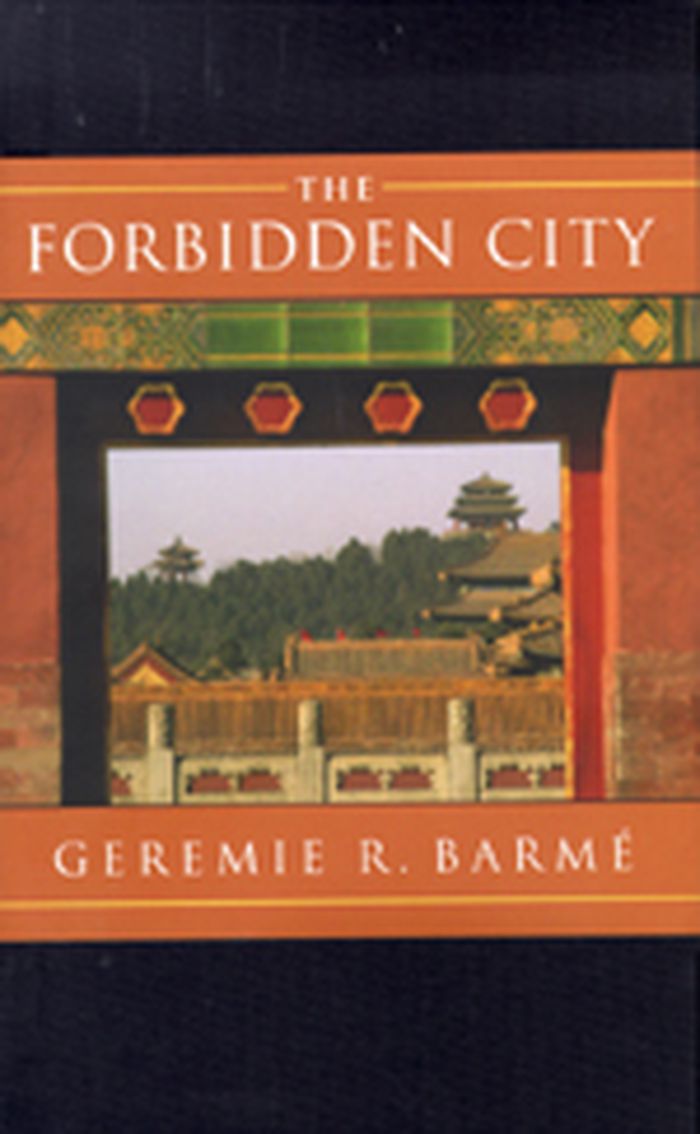
The Forbidden City (Zijin Cheng) lying at the heart of Beijing formed the hub of the Celestial Empire for five centuries. Over the past century it has led a reduced life as the refuge for a deposed emperor, as well as a heritage museum for monarchist, republican, and socialist citizens, and it has been celebrated and excoriated as a symbol of all that was magnificent and terrible in dynastic China’s legacy. The Forbidden City’s vermilion walls have fueled literary fantasies that have become an intrinsic part of its disputed and documented history. Mao Zedong even considered razing the entire structure to make way for the buildings of a new socialist China. The fictions surrounding the Forbidden City have also had an international reach, and writers like Franz Kafka, Elias Canetti, Jorge Luis Borges, and Mervyn Peake have all succumbed to its myths. The politics it enshrined have provided the vocabulary of power that is used in China to the present day, though it is now better known as a film set or the background of displays of opera, rock, and fashion.
The Forbidden City
Actions:
Price:
$19.95
(available to order)
Summary:
The Forbidden City (Zijin Cheng) lying at the heart of Beijing formed the hub of the Celestial Empire for five centuries. Over the past century it has led a reduced life as the refuge for a deposed emperor, as well as a heritage museum for monarchist, republican, and socialist citizens, and it has been celebrated and excoriated as a symbol of all that was magnificent and terrible in dynastic China’s legacy. The Forbidden City’s vermilion walls have fueled literary fantasies that have become an intrinsic part of its disputed and documented history. Mao Zedong even considered razing the entire structure to make way for the buildings of a new socialist China. The fictions surrounding the Forbidden City have also had an international reach, and writers like Franz Kafka, Elias Canetti, Jorge Luis Borges, and Mervyn Peake have all succumbed to its myths. The politics it enshrined have provided the vocabulary of power that is used in China to the present day, though it is now better known as a film set or the background of displays of opera, rock, and fashion.
Form:
books
books
Publication:
May 2008, Cambridge
May 2008, Cambridge
Subject:
History until 1900, Asia
History until 1900, Asia
Form:
books
books
Title:
Aesthetic subjects
Aesthetic subjects
Actions:
Price:
$37.50
(available to order)
Summary:
Determined to recover the value of aesthetic experience for artistic, cultural, and social analysis, the contributors to this volume-prominent scholars in literature, philosophy, art history, architecture, history, and anthropology-begin from a shared recognition that ideological readings of the aesthetic have provided invaluable insights, in particular, that analyses of(...)
$37.50
(available to order)
Summary:
Determined to recover the value of aesthetic experience for artistic, cultural, and social analysis, the contributors to this volume-prominent scholars in literature, philosophy, art history, architecture, history, and anthropology-begin from a shared recognition that ideological readings of the aesthetic have provided invaluable insights, in particular, that analyses of(...)
Title:
Aesthetic subjects
Actions:
Price:
$37.50
(available to order)
Summary:
Determined to recover the value of aesthetic experience for artistic, cultural, and social analysis, the contributors to this volume-prominent scholars in literature, philosophy, art history, architecture, history, and anthropology-begin from a shared recognition that ideological readings of the aesthetic have provided invaluable insights, in particular, that analyses of aesthetics within historical and social contexts tell us a great deal about the experience of aesthetic encounters. From multiple and complementary perspectives, the contributors address topics as varied as Nabokov and Dickens, Caravaggio and Shelley Winters, gender and sexuality, advertising and AIDS. Taken together, their essays constitute a sustained and multifarious effort to resituate aesthetic pleasure in the mixed, impure conditions characteristic of every social practice and experience, however privileged or marginalized, and to ask what happens to the aesthetic if we consider it apart from-or at least in tension with-its historically dominant discursive formulations. Contributors : Leo Bersani, Susan Bordo, Bill Brown, Beatriz Colomina, Ulysse Dutoit, Lee Edelman, Maureen Harkin, Howard Horwitz, Audrey Jaffe, Martin Jay, Kay Bea Jones, Robert Kaufman, Alphonso Lingis, Joseph Litvak, Douglas Mao, Barbara Stafford, Kathleen Stewart, Kathryn Bond Stockton, Judith Stoddart, Michael Taussig.
Aesthetic subjects
Actions:
Price:
$37.50
(available to order)
Summary:
Determined to recover the value of aesthetic experience for artistic, cultural, and social analysis, the contributors to this volume-prominent scholars in literature, philosophy, art history, architecture, history, and anthropology-begin from a shared recognition that ideological readings of the aesthetic have provided invaluable insights, in particular, that analyses of aesthetics within historical and social contexts tell us a great deal about the experience of aesthetic encounters. From multiple and complementary perspectives, the contributors address topics as varied as Nabokov and Dickens, Caravaggio and Shelley Winters, gender and sexuality, advertising and AIDS. Taken together, their essays constitute a sustained and multifarious effort to resituate aesthetic pleasure in the mixed, impure conditions characteristic of every social practice and experience, however privileged or marginalized, and to ask what happens to the aesthetic if we consider it apart from-or at least in tension with-its historically dominant discursive formulations. Contributors : Leo Bersani, Susan Bordo, Bill Brown, Beatriz Colomina, Ulysse Dutoit, Lee Edelman, Maureen Harkin, Howard Horwitz, Audrey Jaffe, Martin Jay, Kay Bea Jones, Robert Kaufman, Alphonso Lingis, Joseph Litvak, Douglas Mao, Barbara Stafford, Kathleen Stewart, Kathryn Bond Stockton, Judith Stoddart, Michael Taussig.
Form:
books
books
Publication:
April 2003, Minneapolis
April 2003, Minneapolis
Subject:
Art Theory
Art Theory
Form:
books
books
Actions:
Price:
$45.00
(available to order)
Summary:
In the dazzling global metropolis of Shanghai, what has it meant to call this city home? In this account—part microhistory, part memoir—Jie Li salvages intimate recollections by successive generations of inhabitants of two vibrant, culturally mixed Shanghai alleyways from the Republican, Maoist, and post-Mao eras. Exploring three dimensions of private life—territories,(...)
$45.00
(available to order)
Summary:
In the dazzling global metropolis of Shanghai, what has it meant to call this city home? In this account—part microhistory, part memoir—Jie Li salvages intimate recollections by successive generations of inhabitants of two vibrant, culturally mixed Shanghai alleyways from the Republican, Maoist, and post-Mao eras. Exploring three dimensions of private life—territories,(...)
Title:
Shanghai homes: palimpsests of private life
Actions:
Price:
$45.00
(available to order)
Summary:
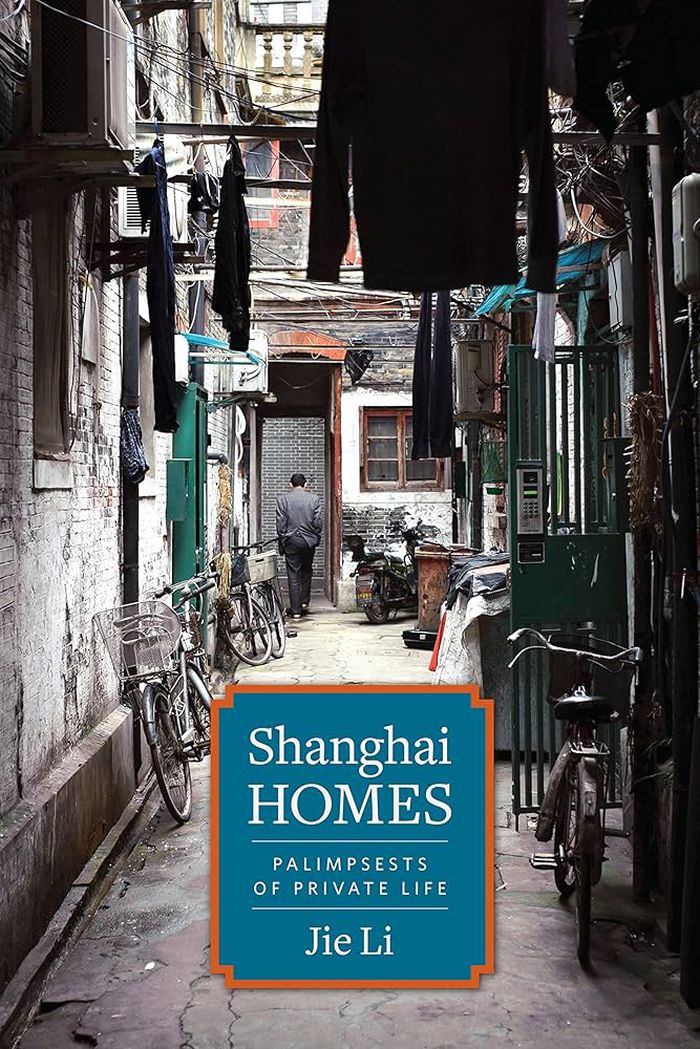
In the dazzling global metropolis of Shanghai, what has it meant to call this city home? In this account—part microhistory, part memoir—Jie Li salvages intimate recollections by successive generations of inhabitants of two vibrant, culturally mixed Shanghai alleyways from the Republican, Maoist, and post-Mao eras. Exploring three dimensions of private life—territories, artifacts, and gossip—Li re-creates the sounds, smells, look, and feel of home over a tumultuous century. First built by British and Japanese companies in 1915 and 1927, the two homes at the center of this narrative were located in an industrial part of the former "International Settlement." Before their recent demolition, they were nestled in Shanghai's labyrinthine alleyways, which housed more than half of the city's population from the Sino-Japanese War to the Cultural Revolution. Through interviews with her own family members as well as their neighbors, classmates, and co-workers, Li weaves a complex social tapestry reflecting the lived experiences of ordinary people struggling to absorb and adapt to major historical change. These voices include workers, intellectuals, Communists, Nationalists, foreigners, compradors, wives, concubines, and children who all fought for a foothold and haven in this city, witnessing spectacles so full of farce and pathos they could only be whispered as secret histories.
Shanghai homes: palimpsests of private life
Actions:
Price:
$45.00
(available to order)
Summary:
In the dazzling global metropolis of Shanghai, what has it meant to call this city home? In this account—part microhistory, part memoir—Jie Li salvages intimate recollections by successive generations of inhabitants of two vibrant, culturally mixed Shanghai alleyways from the Republican, Maoist, and post-Mao eras. Exploring three dimensions of private life—territories, artifacts, and gossip—Li re-creates the sounds, smells, look, and feel of home over a tumultuous century. First built by British and Japanese companies in 1915 and 1927, the two homes at the center of this narrative were located in an industrial part of the former "International Settlement." Before their recent demolition, they were nestled in Shanghai's labyrinthine alleyways, which housed more than half of the city's population from the Sino-Japanese War to the Cultural Revolution. Through interviews with her own family members as well as their neighbors, classmates, and co-workers, Li weaves a complex social tapestry reflecting the lived experiences of ordinary people struggling to absorb and adapt to major historical change. These voices include workers, intellectuals, Communists, Nationalists, foreigners, compradors, wives, concubines, and children who all fought for a foothold and haven in this city, witnessing spectacles so full of farce and pathos they could only be whispered as secret histories.
Form:
books
books
Publication:
April 2015
April 2015
Subject:
Contemporary Asian Architecture
Contemporary Asian Architecture
Form:
books
books
Actions:
Price:
$27.00
(available to order)
Summary:
After the economic disaster of the Great Leap Forward that claimed tens of millions of lives from 1958–1962, an aging Mao Zedong launched an ambitious scheme to shore up his reputation and eliminate those he viewed as a threat to his legacy. The Cultural Revolution's goal was to purge the country of bourgeois, capitalistic elements he claimed were threatening genuine(...)
$27.00
(available to order)
Summary:
After the economic disaster of the Great Leap Forward that claimed tens of millions of lives from 1958–1962, an aging Mao Zedong launched an ambitious scheme to shore up his reputation and eliminate those he viewed as a threat to his legacy. The Cultural Revolution's goal was to purge the country of bourgeois, capitalistic elements he claimed were threatening genuine(...)
Title:
The cultural revolution: A people's history, 1962-1976
Actions:
Price:
$27.00
(available to order)
Summary:
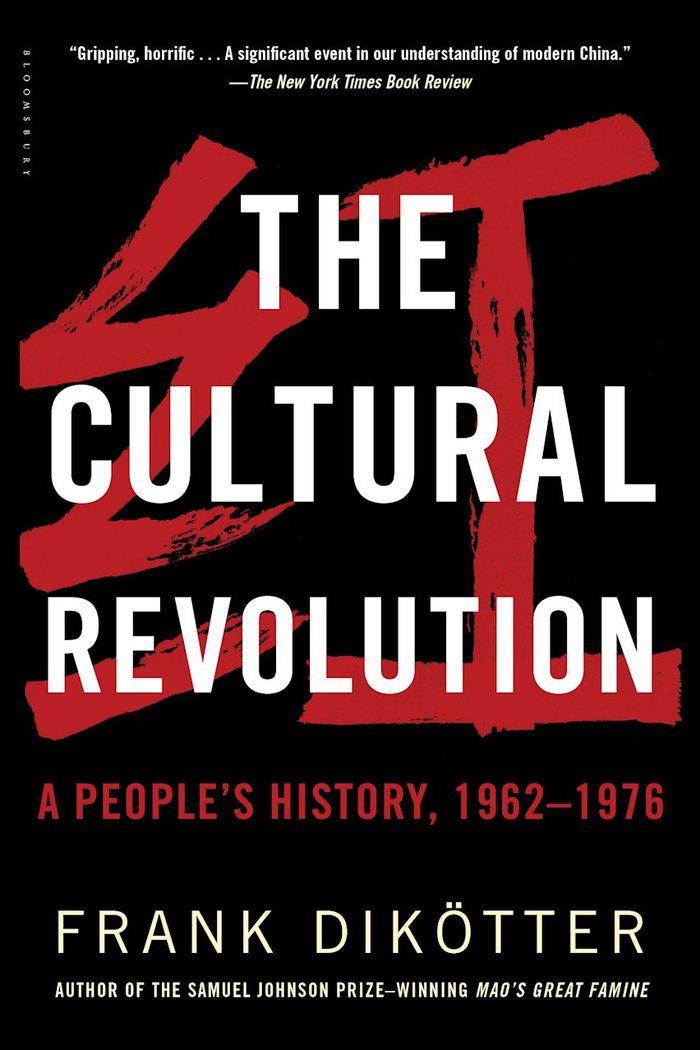
After the economic disaster of the Great Leap Forward that claimed tens of millions of lives from 1958–1962, an aging Mao Zedong launched an ambitious scheme to shore up his reputation and eliminate those he viewed as a threat to his legacy. The Cultural Revolution's goal was to purge the country of bourgeois, capitalistic elements he claimed were threatening genuine communist ideology. Young students formed the Red Guards, vowing to defend the Chairman to the death, but soon rival factions started fighting each other in the streets with semiautomatic weapons in the name of revolutionary purity. As the country descended into chaos, the military intervened, turning China into a garrison state marked by bloody purges that crushed as many as one in fifty people. ''The Cultural Revolution: A People's History, 1962–1976'' draws for the first time on hundreds of previously classified party documents, from secret police reports to unexpurgated versions of leadership speeches. After the army itself fell victim to the Cultural Revolution, ordinary people used the political chaos to resurrect the market and hollow out the party's ideology. By showing how economic reform from below was an unintended consequence of a decade of violent purges and entrenched fear, ''The Cultural Revolution'' casts China's most tumultuous era in a wholly new light.
The cultural revolution: A people's history, 1962-1976
Actions:
Price:
$27.00
(available to order)
Summary:
After the economic disaster of the Great Leap Forward that claimed tens of millions of lives from 1958–1962, an aging Mao Zedong launched an ambitious scheme to shore up his reputation and eliminate those he viewed as a threat to his legacy. The Cultural Revolution's goal was to purge the country of bourgeois, capitalistic elements he claimed were threatening genuine communist ideology. Young students formed the Red Guards, vowing to defend the Chairman to the death, but soon rival factions started fighting each other in the streets with semiautomatic weapons in the name of revolutionary purity. As the country descended into chaos, the military intervened, turning China into a garrison state marked by bloody purges that crushed as many as one in fifty people. ''The Cultural Revolution: A People's History, 1962–1976'' draws for the first time on hundreds of previously classified party documents, from secret police reports to unexpurgated versions of leadership speeches. After the army itself fell victim to the Cultural Revolution, ordinary people used the political chaos to resurrect the market and hollow out the party's ideology. By showing how economic reform from below was an unintended consequence of a decade of violent purges and entrenched fear, ''The Cultural Revolution'' casts China's most tumultuous era in a wholly new light.
Form:
books
books
Publication:
December 2025
December 2025
Subject:
Current Exhibitions
Current Exhibitions
Form:
books
books
Price:
$43.95
(available to order)
Summary:
In 1949, Beijing still retained nearly all of its time-honoured character and magnificence. But when Chairman Mao rejected the proposal to build a new capital for the People's Republic of China and decided to stay in the ancient city, he initiated a long struggle to transform Beijing into a shining beacon of socialism. So began the remaking of the city into a modern(...)
$43.95
(available to order)
Summary:
In 1949, Beijing still retained nearly all of its time-honoured character and magnificence. But when Chairman Mao rejected the proposal to build a new capital for the People's Republic of China and decided to stay in the ancient city, he initiated a long struggle to transform Beijing into a shining beacon of socialism. So began the remaking of the city into a modern(...)
Title:
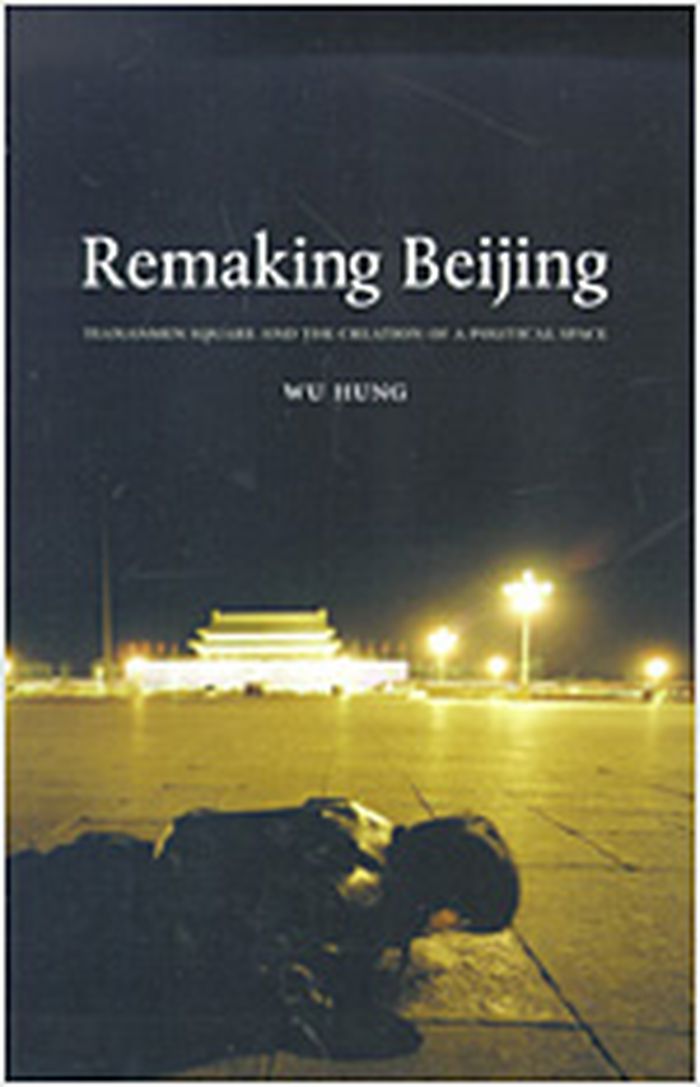
Remaking Beijing : Tiananmen Square and the creation of a political space
Actions:
Price:
$43.95
(available to order)
Summary:
In 1949, Beijing still retained nearly all of its time-honoured character and magnificence. But when Chairman Mao rejected the proposal to build a new capital for the People's Republic of China and decided to stay in the ancient city, he initiated a long struggle to transform Beijing into a shining beacon of socialism. So began the remaking of the city into a modern metropolis rife with monuments, public squares, exhibition halls, and government offices. Wu Hung grew up in Beijing and experienced much of the city's makeover firsthand. In this lavishly illustrated work, he offers a vivid, often personal account of the struggle over Beijing's reinvention, drawing particular attention to Tiananmen Square - the most sacred space in the People's Republic of China. "Remaking Beijing" considers the square's transformation from a restricted imperial domain into a public arena for political expression, from an epic symbol of socialism into a holy relic of the Maoist regime, and from an official and monumental complex into a site for unofficial and antigovernment demonstrations. Wu Hung also explores how Tiananmen Square has become a touchstone for official art in modern China - as the site for Mao's monumental portrait, as the location of museums narrating revolutionary history, and as the grounds for extravagant National Day parades celebrating the revolutionary masses. He then shows how in recent years the square has inspired artists working without state sponsorship to create paintings, photographs, and even performances that reflect the spirit of the 1989 uprisings and pose a forceful challenge to official artworks and the socio-political system that supports them.
Remaking Beijing : Tiananmen Square and the creation of a political space
Actions:
Price:
$43.95
(available to order)
Summary:
In 1949, Beijing still retained nearly all of its time-honoured character and magnificence. But when Chairman Mao rejected the proposal to build a new capital for the People's Republic of China and decided to stay in the ancient city, he initiated a long struggle to transform Beijing into a shining beacon of socialism. So began the remaking of the city into a modern metropolis rife with monuments, public squares, exhibition halls, and government offices. Wu Hung grew up in Beijing and experienced much of the city's makeover firsthand. In this lavishly illustrated work, he offers a vivid, often personal account of the struggle over Beijing's reinvention, drawing particular attention to Tiananmen Square - the most sacred space in the People's Republic of China. "Remaking Beijing" considers the square's transformation from a restricted imperial domain into a public arena for political expression, from an epic symbol of socialism into a holy relic of the Maoist regime, and from an official and monumental complex into a site for unofficial and antigovernment demonstrations. Wu Hung also explores how Tiananmen Square has become a touchstone for official art in modern China - as the site for Mao's monumental portrait, as the location of museums narrating revolutionary history, and as the grounds for extravagant National Day parades celebrating the revolutionary masses. He then shows how in recent years the square has inspired artists working without state sponsorship to create paintings, photographs, and even performances that reflect the spirit of the 1989 uprisings and pose a forceful challenge to official artworks and the socio-political system that supports them.
Form:
books
books
Publication:
May 2005, Chicago
May 2005, Chicago
Subject:
Urban Theory
Urban Theory


