


9272 Results
Form:
books
books
Actions:
Price:
$34.99
(available to order)
Summary:
Nothing is harder to do these days than nothing. But in a world where our value is determined by our 24/7 data productivity, doing nothing may be our most important form of resistance. So argues artist and critic Jenny Odell in this field guide to doing nothing (at least as capitalism defines it). Odell sees our attention as the most precious—and overdrawn—resource we(...)
$34.99
(available to order)
Summary:
Nothing is harder to do these days than nothing. But in a world where our value is determined by our 24/7 data productivity, doing nothing may be our most important form of resistance. So argues artist and critic Jenny Odell in this field guide to doing nothing (at least as capitalism defines it). Odell sees our attention as the most precious—and overdrawn—resource we(...)
Title:
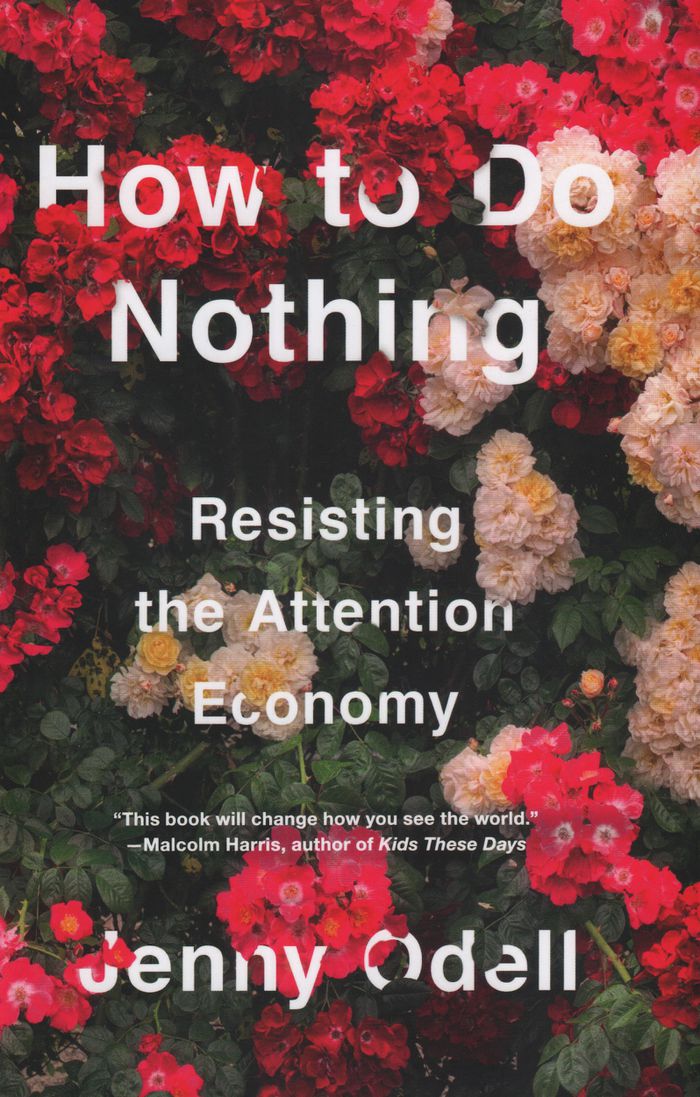
How to do nothing: resisting the attention economy
Actions:
Price:
$34.99
(available to order)
Summary:
Nothing is harder to do these days than nothing. But in a world where our value is determined by our 24/7 data productivity, doing nothing may be our most important form of resistance. So argues artist and critic Jenny Odell in this field guide to doing nothing (at least as capitalism defines it). Odell sees our attention as the most precious—and overdrawn—resource we have. Once we can start paying a new kind of attention, she writes, we can undertake bolder forms of political action, reimagine humankind’s role in the environment, and arrive at more meaningful understandings of happiness and progress. Far from the simple anti-technology screed, or the back-to-nature meditation we read so often, ''How to do nothing'' is an action plan for thinking outside of capitalist narratives of efficiency and techno-determinism.
How to do nothing: resisting the attention economy
Actions:
Price:
$34.99
(available to order)
Summary:
Nothing is harder to do these days than nothing. But in a world where our value is determined by our 24/7 data productivity, doing nothing may be our most important form of resistance. So argues artist and critic Jenny Odell in this field guide to doing nothing (at least as capitalism defines it). Odell sees our attention as the most precious—and overdrawn—resource we have. Once we can start paying a new kind of attention, she writes, we can undertake bolder forms of political action, reimagine humankind’s role in the environment, and arrive at more meaningful understandings of happiness and progress. Far from the simple anti-technology screed, or the back-to-nature meditation we read so often, ''How to do nothing'' is an action plan for thinking outside of capitalist narratives of efficiency and techno-determinism.
Form:
books
books
Publication:
April 2019
April 2019
Subject:
Critical Theory
Critical Theory
Form:
books
books
Actions:
Price:
$46.95
(available to order)
Summary:
"Archives" is a magazine developed for a paper format; it seeks to fill a gap in the sphere of architecture and other areas to which our particular view of the world relates. It was conceived as an abject that one would want to read employing both eyes and hands, and with the idea of becoming an archive that orders and clarifies the diverse ways of working and the(...)
$46.95
(available to order)
Summary:
"Archives" is a magazine developed for a paper format; it seeks to fill a gap in the sphere of architecture and other areas to which our particular view of the world relates. It was conceived as an abject that one would want to read employing both eyes and hands, and with the idea of becoming an archive that orders and clarifies the diverse ways of working and the(...)
Title:
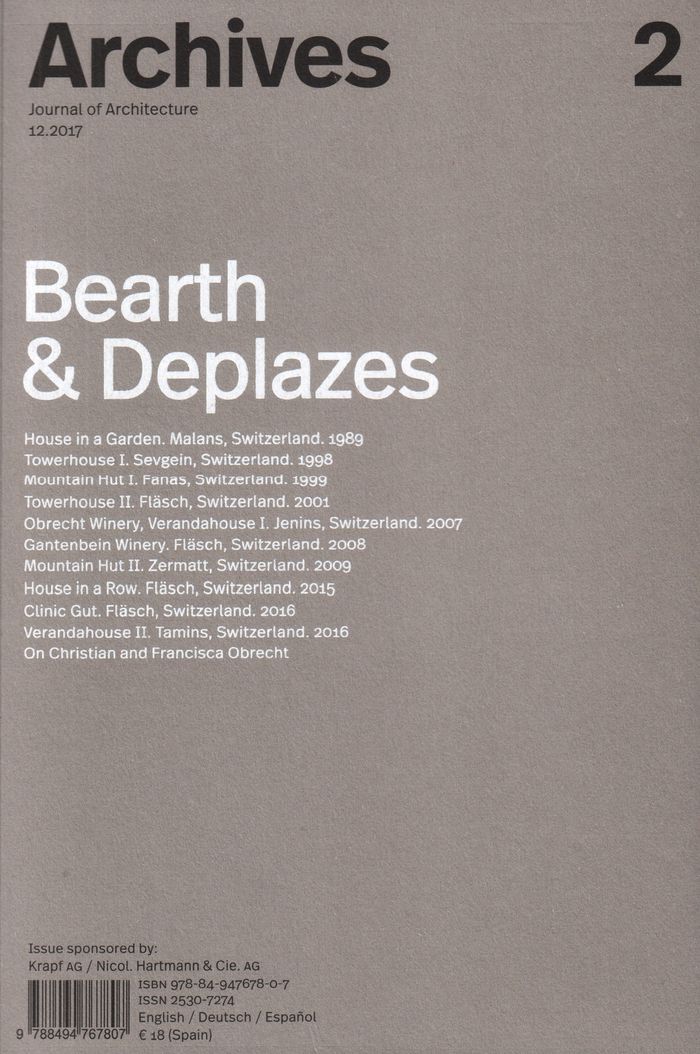
Archives 2: Bearth & Deplazes
Actions:
Price:
$46.95
(available to order)
Summary:
"Archives" is a magazine developed for a paper format; it seeks to fill a gap in the sphere of architecture and other areas to which our particular view of the world relates. It was conceived as an abject that one would want to read employing both eyes and hands, and with the idea of becoming an archive that orders and clarifies the diverse ways of working and the projects of a series of architects. "Archives" presents monographic issues dedicated to architects with built work that can be visited and photographed, so as to offer a real look at their architecture. A continuous look through the eyes of the same photographer, Juan Rodriguez, with the idea of establishing a relationship between all that may be shown in the different issues of the magazine. This second issue shows the work of Bearth & Deplazes.
Archives 2: Bearth & Deplazes
Actions:
Price:
$46.95
(available to order)
Summary:
"Archives" is a magazine developed for a paper format; it seeks to fill a gap in the sphere of architecture and other areas to which our particular view of the world relates. It was conceived as an abject that one would want to read employing both eyes and hands, and with the idea of becoming an archive that orders and clarifies the diverse ways of working and the projects of a series of architects. "Archives" presents monographic issues dedicated to architects with built work that can be visited and photographed, so as to offer a real look at their architecture. A continuous look through the eyes of the same photographer, Juan Rodriguez, with the idea of establishing a relationship between all that may be shown in the different issues of the magazine. This second issue shows the work of Bearth & Deplazes.
Form:
books
books
Publication:
December 2017
December 2017
Subject:
Architecture Monographs
Architecture Monographs
Form:
books
books
Title:
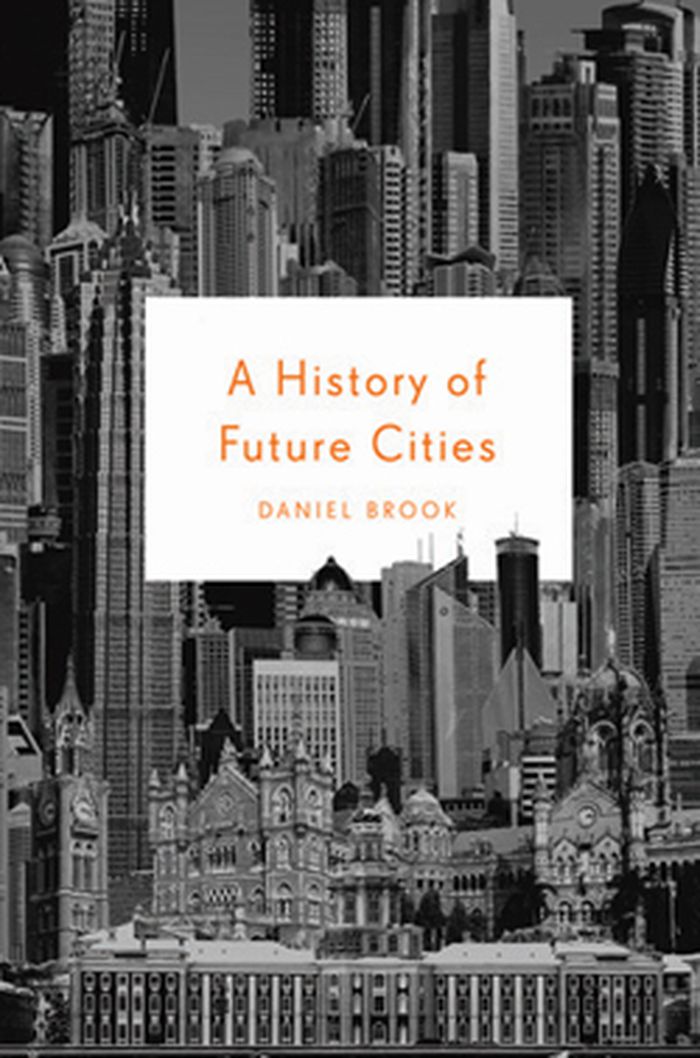
A history of future cities
A history of future cities
Actions:
Price:
$29.50
(available to order)
Summary:
On May 27, 1703, Tsar Peter the Great founded a new capital on a barren Baltic marsh. Modeled on Amsterdam, he believed it would erase Russian backwardness and usher in a modernized, Westernized future. In the nineteenth-century Age of Imperialism, the British rebuilt Bombay as a tropical London, while three Western powers made Shanghai look just like home. And in our own(...)
$29.50
(available to order)
Summary:
On May 27, 1703, Tsar Peter the Great founded a new capital on a barren Baltic marsh. Modeled on Amsterdam, he believed it would erase Russian backwardness and usher in a modernized, Westernized future. In the nineteenth-century Age of Imperialism, the British rebuilt Bombay as a tropical London, while three Western powers made Shanghai look just like home. And in our own(...)
Title:
A history of future cities
Actions:
Price:
$29.50
(available to order)
Summary:
On May 27, 1703, Tsar Peter the Great founded a new capital on a barren Baltic marsh. Modeled on Amsterdam, he believed it would erase Russian backwardness and usher in a modernized, Westernized future. In the nineteenth-century Age of Imperialism, the British rebuilt Bombay as a tropical London, while three Western powers made Shanghai look just like home. And in our own time, the sheikh of Dubai has endeavored to transform his desert city into a Vegas-esque skyscraper-studded global hub. The cultural and historical threads that connect these cities and their conflicted embrace of modernity are brought into relief in Daniel Brook’s captivating mix of history and reportage—a story of architects and authoritarians, artists and revolutionaries who take these facsimiles of the West and turn them into crucibles of non-Western modernity.
A history of future cities
Actions:
Price:
$29.50
(available to order)
Summary:
On May 27, 1703, Tsar Peter the Great founded a new capital on a barren Baltic marsh. Modeled on Amsterdam, he believed it would erase Russian backwardness and usher in a modernized, Westernized future. In the nineteenth-century Age of Imperialism, the British rebuilt Bombay as a tropical London, while three Western powers made Shanghai look just like home. And in our own time, the sheikh of Dubai has endeavored to transform his desert city into a Vegas-esque skyscraper-studded global hub. The cultural and historical threads that connect these cities and their conflicted embrace of modernity are brought into relief in Daniel Brook’s captivating mix of history and reportage—a story of architects and authoritarians, artists and revolutionaries who take these facsimiles of the West and turn them into crucibles of non-Western modernity.
Form:
books
books
Publication:
February 2013
February 2013
Subject:
Urban Theory
Urban Theory
Form:
books
books
Actions:
Price:
$115.00
(available to order)
Summary:
Long a pioneer in architecture, Emilio Ambasz has retained a belief in the environment, or rather the larger ecology, as fundamental in viewing the world: as the author notes in the introduction, "his philosophy of ‘green over gray’ may often have fallen on deaf ears at the height of Postmodernism, but it today seems profoundly relevant." And it is in the context of today(...)
$115.00
(available to order)
Summary:
Long a pioneer in architecture, Emilio Ambasz has retained a belief in the environment, or rather the larger ecology, as fundamental in viewing the world: as the author notes in the introduction, "his philosophy of ‘green over gray’ may often have fallen on deaf ears at the height of Postmodernism, but it today seems profoundly relevant." And it is in the context of today(...)
Title:
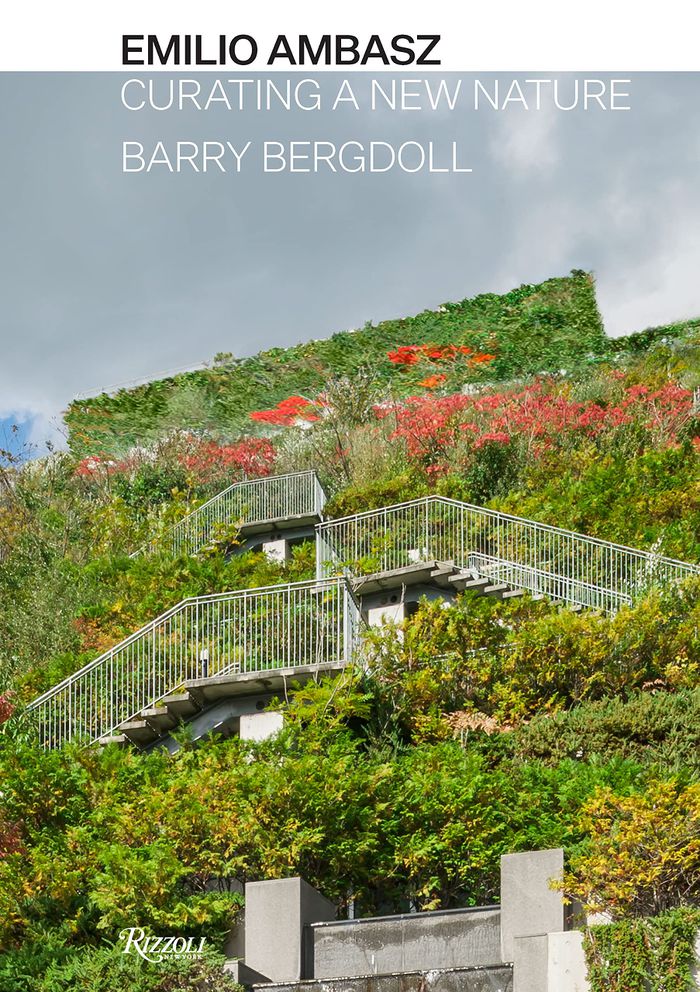
Emilio Ambasz: Curating a new nature
Actions:
Price:
$115.00
(available to order)
Summary:
Long a pioneer in architecture, Emilio Ambasz has retained a belief in the environment, or rather the larger ecology, as fundamental in viewing the world: as the author notes in the introduction, "his philosophy of ‘green over gray’ may often have fallen on deaf ears at the height of Postmodernism, but it today seems profoundly relevant." And it is in the context of today that the book considers his work and its three main areas of concentration—architecture, industrial design, curating—with an aim of shining a light on the interdisciplinary nature of the work as a whole. Featuring built and manufactured designs that have achieved iconic fame and challenged others to approach new ways of reconciling architecture and nature, the book also considers Ambasz’s work as curator at MoMA and his ongoing influence and legacy.
Emilio Ambasz: Curating a new nature
Actions:
Price:
$115.00
(available to order)
Summary:
Long a pioneer in architecture, Emilio Ambasz has retained a belief in the environment, or rather the larger ecology, as fundamental in viewing the world: as the author notes in the introduction, "his philosophy of ‘green over gray’ may often have fallen on deaf ears at the height of Postmodernism, but it today seems profoundly relevant." And it is in the context of today that the book considers his work and its three main areas of concentration—architecture, industrial design, curating—with an aim of shining a light on the interdisciplinary nature of the work as a whole. Featuring built and manufactured designs that have achieved iconic fame and challenged others to approach new ways of reconciling architecture and nature, the book also considers Ambasz’s work as curator at MoMA and his ongoing influence and legacy.
Form:
books
books
Publication:
November 2022
November 2022
Subject:
Architecture Monographs
Architecture Monographs
Form:
books
books
Title:
World of giving
World of giving
Actions:
Price:
$49.95
(available to order)
Summary:
The last decade was largely defined by consumption and greed. An untold story, however, is the rise in benevolent giving seen in institutional, public and private sectors. Such characteristics as altruism and duty are now as influential as self-interest. The geography of aid has also broadened; networks of NGOs now supplement philanthropy and the global operations of(...)
$49.95
(available to order)
Summary:
The last decade was largely defined by consumption and greed. An untold story, however, is the rise in benevolent giving seen in institutional, public and private sectors. Such characteristics as altruism and duty are now as influential as self-interest. The geography of aid has also broadened; networks of NGOs now supplement philanthropy and the global operations of(...)
Title:
World of giving
Actions:
Price:
$49.95
(available to order)
Summary:
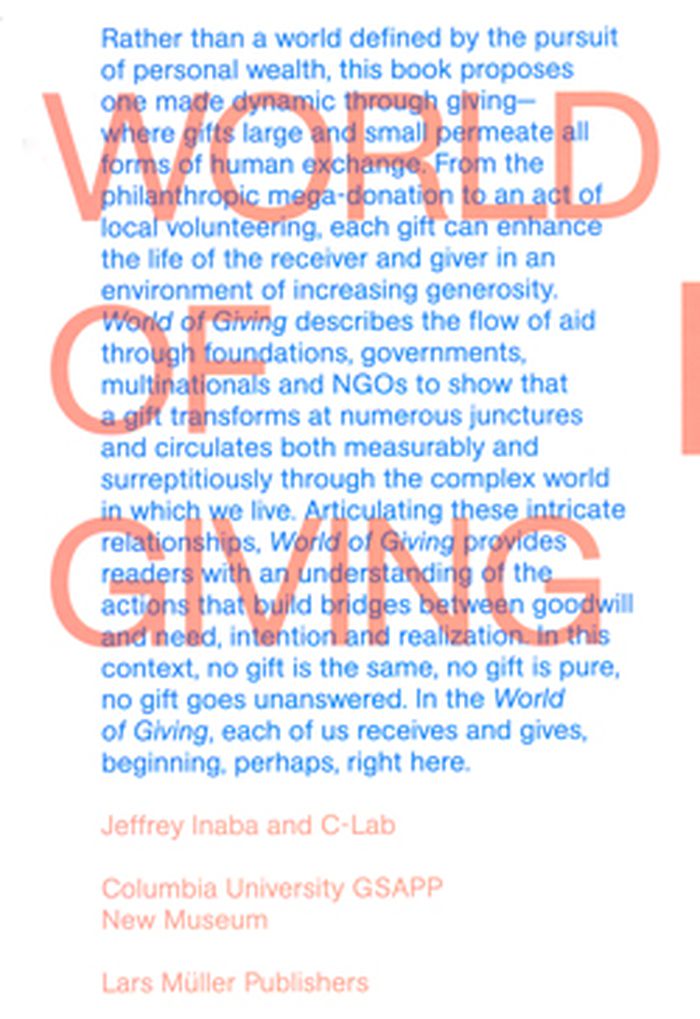
The last decade was largely defined by consumption and greed. An untold story, however, is the rise in benevolent giving seen in institutional, public and private sectors. Such characteristics as altruism and duty are now as influential as self-interest. The geography of aid has also broadened; networks of NGOs now supplement philanthropy and the global operations of official channels. It has become a crucial counterpart of authorized programs; agencies that provide vital services rely on contributions to augment official doctrines. Yet, the current recession threatens to limit support, diminishing aid at this critical moment when distress is increasing. A new culture of giving that includes volunteering and action, coupled with accumulated expertise may enable imminent needs to be met. The Gift Economy presents aid's history as an index of past and current relationships, indicating how its future promises a significant global role.
World of giving
Actions:
Price:
$49.95
(available to order)
Summary:
The last decade was largely defined by consumption and greed. An untold story, however, is the rise in benevolent giving seen in institutional, public and private sectors. Such characteristics as altruism and duty are now as influential as self-interest. The geography of aid has also broadened; networks of NGOs now supplement philanthropy and the global operations of official channels. It has become a crucial counterpart of authorized programs; agencies that provide vital services rely on contributions to augment official doctrines. Yet, the current recession threatens to limit support, diminishing aid at this critical moment when distress is increasing. A new culture of giving that includes volunteering and action, coupled with accumulated expertise may enable imminent needs to be met. The Gift Economy presents aid's history as an index of past and current relationships, indicating how its future promises a significant global role.
Form:
books
books
Publication:
November 2009
November 2009
Subject:
Architectural Theory
Architectural Theory
Form:
books
books
Actions:
Price:
$35.00
(available to order)
Summary:
Can art express questions about justice? Could art, perhaps, even create justice? In Aesthetic Justice, sociologist Pascal Gielen and curator Niels Van Tomme invite a variety of artists and critical thinkers—including Zoe Beloff, Arne De Boever, Mark Fisher, Matt Fraser, Tessa Overbeek, Kerry James Marshall, Viktor Misiano, Carlos Motta, Nat Muller, Julie Atlas Muz,(...)
$35.00
(available to order)
Summary:
Can art express questions about justice? Could art, perhaps, even create justice? In Aesthetic Justice, sociologist Pascal Gielen and curator Niels Van Tomme invite a variety of artists and critical thinkers—including Zoe Beloff, Arne De Boever, Mark Fisher, Matt Fraser, Tessa Overbeek, Kerry James Marshall, Viktor Misiano, Carlos Motta, Nat Muller, Julie Atlas Muz,(...)
Title:
Aesthetic justice: artistic and moral perspectives
Actions:
Price:
$35.00
(available to order)
Summary:
Can art express questions about justice? Could art, perhaps, even create justice? In Aesthetic Justice, sociologist Pascal Gielen and curator Niels Van Tomme invite a variety of artists and critical thinkers—including Zoe Beloff, Arne De Boever, Mark Fisher, Matt Fraser, Tessa Overbeek, Kerry James Marshall, Viktor Misiano, Carlos Motta, Nat Muller, Julie Atlas Muz, Gerald Raunig, Dieter Roelstraete, Hito Steyerl, Julia Svetlichnaja, Hakan Topal, Samuel Vriezen and Christian Wolff—to reflect on new futures for the notion and practice of justice. The book offers thought-provoking views on the ways in which art may confront and potentially redirect social and political futures. Incorporating analyses of contemporary artworks that challenge the social, political or economic status quo, as well as interviews with artists and theoretical reflections, Aesthetic Justice considers the liberating potential of aesthetic frameworks and suggests alternatives for a more just future.
Aesthetic justice: artistic and moral perspectives
Actions:
Price:
$35.00
(available to order)
Summary:
Can art express questions about justice? Could art, perhaps, even create justice? In Aesthetic Justice, sociologist Pascal Gielen and curator Niels Van Tomme invite a variety of artists and critical thinkers—including Zoe Beloff, Arne De Boever, Mark Fisher, Matt Fraser, Tessa Overbeek, Kerry James Marshall, Viktor Misiano, Carlos Motta, Nat Muller, Julie Atlas Muz, Gerald Raunig, Dieter Roelstraete, Hito Steyerl, Julia Svetlichnaja, Hakan Topal, Samuel Vriezen and Christian Wolff—to reflect on new futures for the notion and practice of justice. The book offers thought-provoking views on the ways in which art may confront and potentially redirect social and political futures. Incorporating analyses of contemporary artworks that challenge the social, political or economic status quo, as well as interviews with artists and theoretical reflections, Aesthetic Justice considers the liberating potential of aesthetic frameworks and suggests alternatives for a more just future.
Form:
books
books
Publication:
March 2015
March 2015
Subject:
Art Theory
Art Theory
Form:
books
books
Price:
$29.95
(available to order)
Summary:
One common feature of the wave of recent revolutions and revolts around the world is not political but rather architectural: many erupted on inner-city roundabouts. In thinking about the relation between protest and urban form, Eyal Weizman starts with the May 1980 uprising in Gwangju, South Korea, the first of the “roundabout revolutions,” and traces its lineage to the(...)
$29.95
(available to order)
Summary:
One common feature of the wave of recent revolutions and revolts around the world is not political but rather architectural: many erupted on inner-city roundabouts. In thinking about the relation between protest and urban form, Eyal Weizman starts with the May 1980 uprising in Gwangju, South Korea, the first of the “roundabout revolutions,” and traces its lineage to the(...)
Title:
Critical spatial practice 6 : Eyal Weizman, the roundabout revolutions
Actions:
Price:
$29.95
(available to order)
Summary:
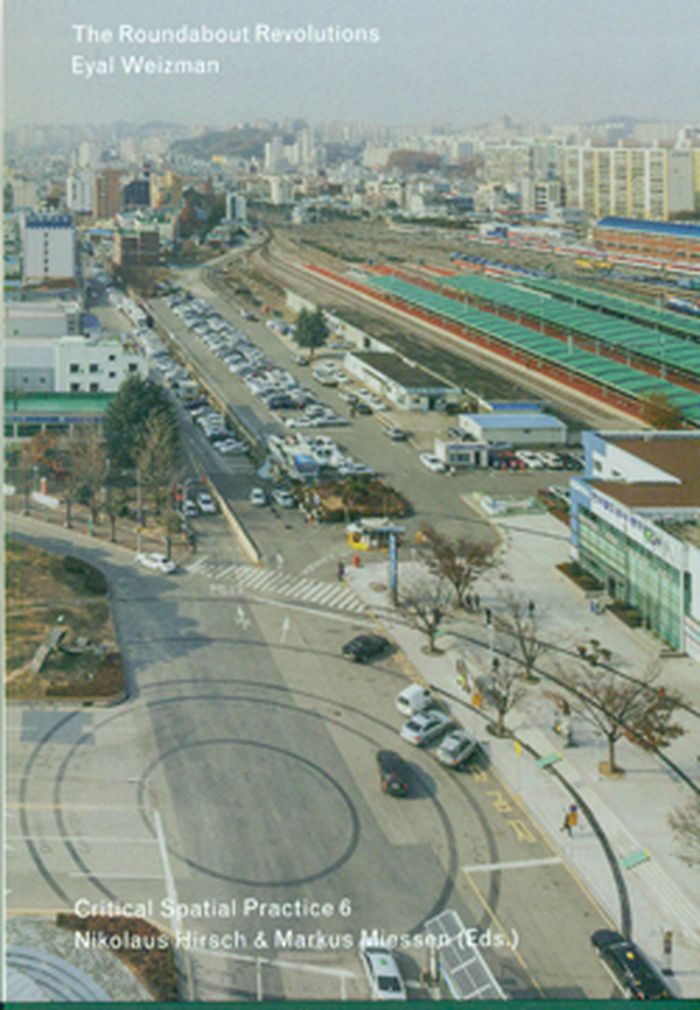
One common feature of the wave of recent revolutions and revolts around the world is not political but rather architectural: many erupted on inner-city roundabouts. In thinking about the relation between protest and urban form, Eyal Weizman starts with the May 1980 uprising in Gwangju, South Korea, the first of the “roundabout revolutions,” and traces its lineage to the Arab Spring and its hellish aftermath. Rereading the history of the roundabout through the vortices of history that traverse it, the book follows the development of the roundabout in Europe and North America in the early twentieth century, to its subsequent export to the colonial world in the context of attempts to discipline and police the “chaotic” non-Western city. How did an urban apparatus put in the service of authoritarian power became the locus of its undoing?
Critical spatial practice 6 : Eyal Weizman, the roundabout revolutions
Actions:
Price:
$29.95
(available to order)
Summary:
One common feature of the wave of recent revolutions and revolts around the world is not political but rather architectural: many erupted on inner-city roundabouts. In thinking about the relation between protest and urban form, Eyal Weizman starts with the May 1980 uprising in Gwangju, South Korea, the first of the “roundabout revolutions,” and traces its lineage to the Arab Spring and its hellish aftermath. Rereading the history of the roundabout through the vortices of history that traverse it, the book follows the development of the roundabout in Europe and North America in the early twentieth century, to its subsequent export to the colonial world in the context of attempts to discipline and police the “chaotic” non-Western city. How did an urban apparatus put in the service of authoritarian power became the locus of its undoing?
Form:
books
books
Publication:
October 2015
October 2015
Subject:
Critical Theory
Critical Theory
Form:
books
books
Title:
The post-socialist city
The post-socialist city
Actions:
Price:
$54.00
(available to order)
Summary:
The socialist ideals of the early twentieth century argued for a radical overhaul of architectural philosophy, reasserting the value of public space and redefining all forms of creative endeavor towards the benefit of the collective. These ideals were realized in the design of public buildings, streets and squares, as well as in films, literature and the visual arts.(...)
$54.00
(available to order)
Summary:
The socialist ideals of the early twentieth century argued for a radical overhaul of architectural philosophy, reasserting the value of public space and redefining all forms of creative endeavor towards the benefit of the collective. These ideals were realized in the design of public buildings, streets and squares, as well as in films, literature and the visual arts.(...)
Title:
The post-socialist city
Actions:
Price:
$54.00
(available to order)
Summary:
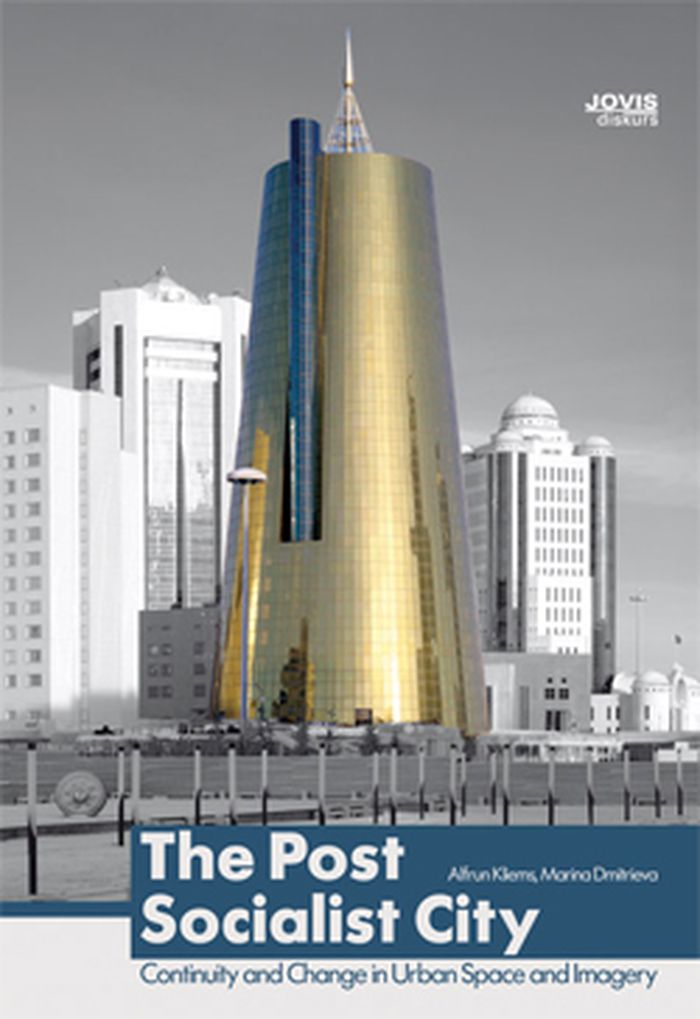
The socialist ideals of the early twentieth century argued for a radical overhaul of architectural philosophy, reasserting the value of public space and redefining all forms of creative endeavor towards the benefit of the collective. These ideals were realized in the design of public buildings, streets and squares, as well as in films, literature and the visual arts. Urban planning under Eastern European Socialism is consequently inseparable from its ideological aspirations, and while its governmental structure may have collapsed, its architectural expressions remain. Over the last decade, however, many classic buildings of this era have been stripped of their political import, being repurposed or even destroyed. The Post Socialist City reveals that many cities across Eastern Europe remain dominated by the industrial complexes and panel buildings erected by Socialism, and analyzes the implications of the uses to which they have subsequently been put.
The post-socialist city
Actions:
Price:
$54.00
(available to order)
Summary:
The socialist ideals of the early twentieth century argued for a radical overhaul of architectural philosophy, reasserting the value of public space and redefining all forms of creative endeavor towards the benefit of the collective. These ideals were realized in the design of public buildings, streets and squares, as well as in films, literature and the visual arts. Urban planning under Eastern European Socialism is consequently inseparable from its ideological aspirations, and while its governmental structure may have collapsed, its architectural expressions remain. Over the last decade, however, many classic buildings of this era have been stripped of their political import, being repurposed or even destroyed. The Post Socialist City reveals that many cities across Eastern Europe remain dominated by the industrial complexes and panel buildings erected by Socialism, and analyzes the implications of the uses to which they have subsequently been put.
Form:
books
books
Publication:
June 2010
June 2010
Subject:
Urban Theory
Urban Theory
Form:
journals and magazines
journals and magazines
Actions:
Author:
Subject:
Publication:
Firenze : Vallecchi, 1946-, Messina ; Firenze : Casa editrice G. d'Anna, Firenze : Leo S. Olschki
Firenze : Vallecchi, 1946-, Messina ; Firenze : Casa editrice G. d'Anna, Firenze : Leo S. Olschki
Form:
journals and magazines
journals and magazines
Publication:
Firenze : Vallecchi, 1946-, Messina ; Firenze : Casa editrice G. d'Anna, Firenze : Leo S. Olschki
Firenze : Vallecchi, 1946-, Messina ; Firenze : Casa editrice G. d'Anna, Firenze : Leo S. Olschki
Author:
Subject:
Form:
books
books
Actions:
Holdings:
Description:
214 pages : illustrations, facsimiles ; 31 cm
Description:
214 pages : illustrations, facsimiles ; 31 cm
Author:
Subject:
Publication:
Wiesbaden : Bauverlag, 1986.
Wiesbaden : Bauverlag, 1986.
Title:
Typische Baukonstruktionen von 1860 bis 1960 : zur Beurteilung der vorhandenen Bausubstanz : Gründungen, Wände, Decken, Dachtragwerke / R. Ahnert, K.H. Krause, unter Mitarbeit von E. Maier und W. Mönck.
Actions:
Holdings:
Description:
214 pages : illustrations, facsimiles ; 31 cm
Typische Baukonstruktionen von 1860 bis 1960 : zur Beurteilung der vorhandenen Bausubstanz : Gründungen, Wände, Decken, Dachtragwerke / R. Ahnert, K.H. Krause, unter Mitarbeit von E. Maier und W. Mönck.
Actions:
Holdings:
Description:
214 pages : illustrations, facsimiles ; 31 cm
Form:
books
books
Publication:
Wiesbaden : Bauverlag, 1986.
Wiesbaden : Bauverlag, 1986.
Author:
Subject:


