


12370 Results
Form:
books
books
Actions:
Price:
$85.00
(available in store)
Summary:
How do we relate to the spaces we inhabit? What happens when home shifts from “everyday” to “one day,” from accumulation to loss? How is memory bound to place, and what persists when a place itself withdraws? “Home” emerges through the accumulation of time condensing lived experience into a sense of belonging and continuity. In domestic interiors, everyday routines leave(...)
$85.00
(available in store)
Summary:
How do we relate to the spaces we inhabit? What happens when home shifts from “everyday” to “one day,” from accumulation to loss? How is memory bound to place, and what persists when a place itself withdraws? “Home” emerges through the accumulation of time condensing lived experience into a sense of belonging and continuity. In domestic interiors, everyday routines leave(...)
Publication:
July 2026
July 2026
Title:
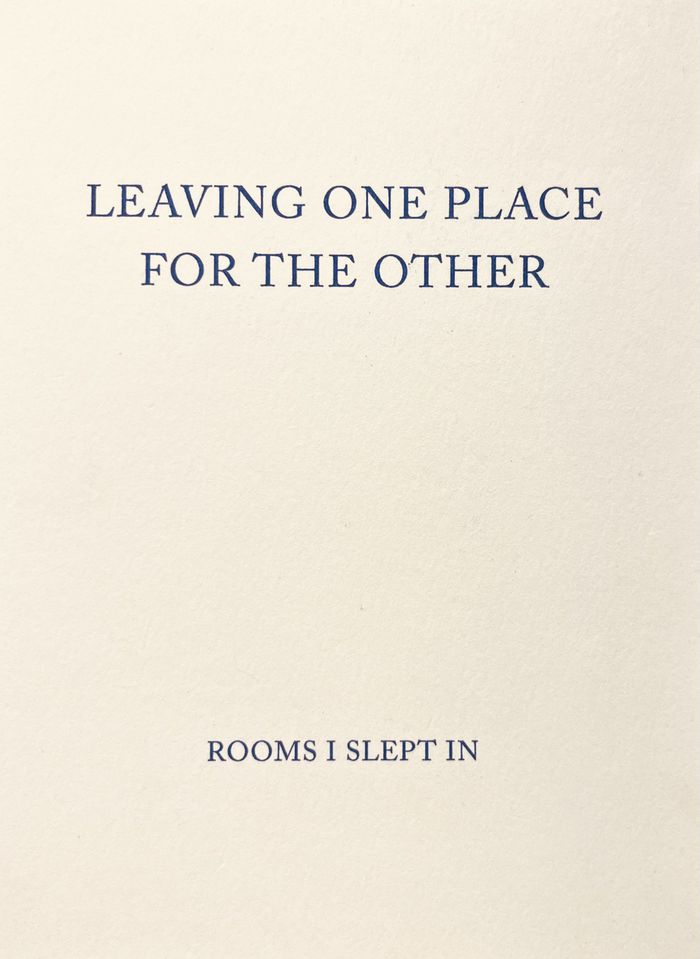
Leaving one Place for the other - Rooms I slept in
Actions:
Price:
$85.00
(available in store)
Summary:
How do we relate to the spaces we inhabit? What happens when home shifts from “everyday” to “one day,” from accumulation to loss? How is memory bound to place, and what persists when a place itself withdraws? “Home” emerges through the accumulation of time condensing lived experience into a sense of belonging and continuity. In domestic interiors, everyday routines leave traces that accumulate into a personal archive, while memories become inseparably attached to the places we inhabit. When “home” ceases to be a site of return and instead becomes a transient condition, continuity disperses. Memory no longer accumulates in one place but fragments across spaces that disappear from everyday life. Each departure marks a rupture, as a place passes irreversibly into the past.
Leaving one Place for the other - Rooms I slept in
Actions:
Price:
$85.00
(available in store)
Summary:
How do we relate to the spaces we inhabit? What happens when home shifts from “everyday” to “one day,” from accumulation to loss? How is memory bound to place, and what persists when a place itself withdraws? “Home” emerges through the accumulation of time condensing lived experience into a sense of belonging and continuity. In domestic interiors, everyday routines leave traces that accumulate into a personal archive, while memories become inseparably attached to the places we inhabit. When “home” ceases to be a site of return and instead becomes a transient condition, continuity disperses. Memory no longer accumulates in one place but fragments across spaces that disappear from everyday life. Each departure marks a rupture, as a place passes irreversibly into the past.
Form:
books
books
Publication:
July 2026
July 2026
Form:
books
books
Title:
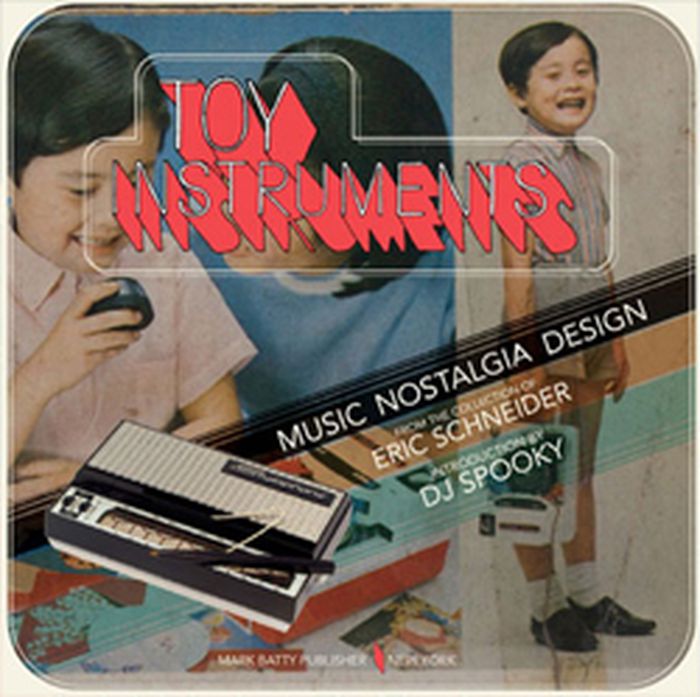
Toy instruments
Toy instruments
Actions:
Price:
$26.95
(available to order)
Summary:
Toy Instruments comprises an eye-popping collection of musical toys made between the 1950s and 1990s. Created to excite children about learning how to play an instrument, it turns out that adults also had fun with these products.
$26.95
(available to order)
Summary:
Toy Instruments comprises an eye-popping collection of musical toys made between the 1950s and 1990s. Created to excite children about learning how to play an instrument, it turns out that adults also had fun with these products.
Title:
Toy instruments
Actions:
Price:
$26.95
(available to order)
Summary:
Toy Instruments comprises an eye-popping collection of musical toys made between the 1950s and 1990s. Created to excite children about learning how to play an instrument, it turns out that adults also had fun with these products.
Toy instruments
Actions:
Price:
$26.95
(available to order)
Summary:
Toy Instruments comprises an eye-popping collection of musical toys made between the 1950s and 1990s. Created to excite children about learning how to play an instrument, it turns out that adults also had fun with these products.
Form:
books
books
Publication:
October 2009
October 2009
Subject:
Acoustics
Acoustics
Form:
books
books
Actions:
Price:
$35.99
(available to order)
Summary:
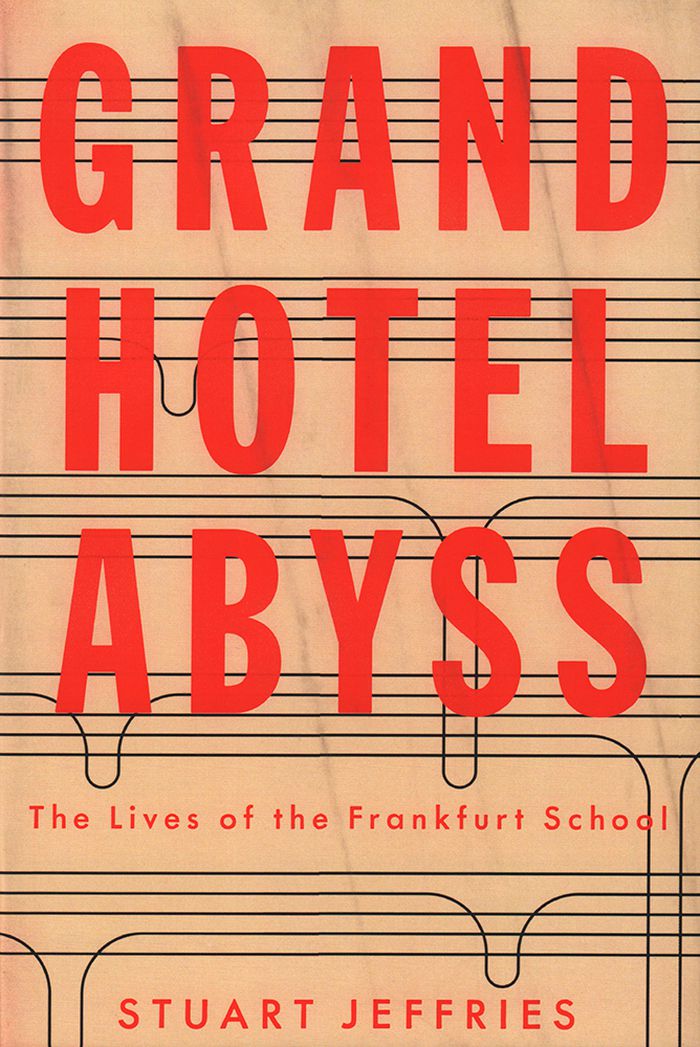
'Grand Hotel Abyss' combines biography, philosophy, and storytelling to reveal how the Frankfurt thinkers gathered in hopes of understanding the politics of culture during the rise of fascism.
$35.99
(available to order)
Summary:
'Grand Hotel Abyss' combines biography, philosophy, and storytelling to reveal how the Frankfurt thinkers gathered in hopes of understanding the politics of culture during the rise of fascism.
Title:
Grand hotel abyss: the lives of the Frankfurt school
Actions:
Price:
$35.99
(available to order)
Summary:
'Grand Hotel Abyss' combines biography, philosophy, and storytelling to reveal how the Frankfurt thinkers gathered in hopes of understanding the politics of culture during the rise of fascism.
Grand hotel abyss: the lives of the Frankfurt school
Actions:
Price:
$35.99
(available to order)
Summary:
'Grand Hotel Abyss' combines biography, philosophy, and storytelling to reveal how the Frankfurt thinkers gathered in hopes of understanding the politics of culture during the rise of fascism.
Form:
books
books
Publication:
September 2016
September 2016
Subject:
Art Theory
Art Theory
Form:
journals and magazines
journals and magazines

Title:
Aperture 233: Family
Aperture 233: Family
Actions:
Price:
$32.00
(available to order)
Summary:
In relationships and communities, an expanding vision of what families can be. ''Family'' considers how artists and photographers have chronicled their relationships to their families and chosen communities.
$32.00
(available to order)
Summary:
In relationships and communities, an expanding vision of what families can be. ''Family'' considers how artists and photographers have chronicled their relationships to their families and chosen communities.
Title:
Aperture 233: Family
Actions:
Price:
$32.00
(available to order)
Summary:
In relationships and communities, an expanding vision of what families can be. ''Family'' considers how artists and photographers have chronicled their relationships to their families and chosen communities.
Aperture 233: Family
Actions:
Price:
$32.00
(available to order)
Summary:
In relationships and communities, an expanding vision of what families can be. ''Family'' considers how artists and photographers have chronicled their relationships to their families and chosen communities.
Form:
journals and magazines
journals and magazines
Publication:
December 2018
December 2018
Subject:
Magazines
Magazines
Form:
books
books
Actions:
Price:
$47.00
(available to order)
Summary:
The tracking of our personal information, activities, and medical data through our digital devices is an increasingly recognizable field in which the lines between caretaking and control have blurred. In this age of surveillance, mothers' behaviors and bodies are observed, made public, exposed, scrutinized, and policed like never before. This volume gathers together the(...)
$47.00
(available to order)
Summary:
The tracking of our personal information, activities, and medical data through our digital devices is an increasingly recognizable field in which the lines between caretaking and control have blurred. In this age of surveillance, mothers' behaviors and bodies are observed, made public, exposed, scrutinized, and policed like never before. This volume gathers together the(...)
Title:
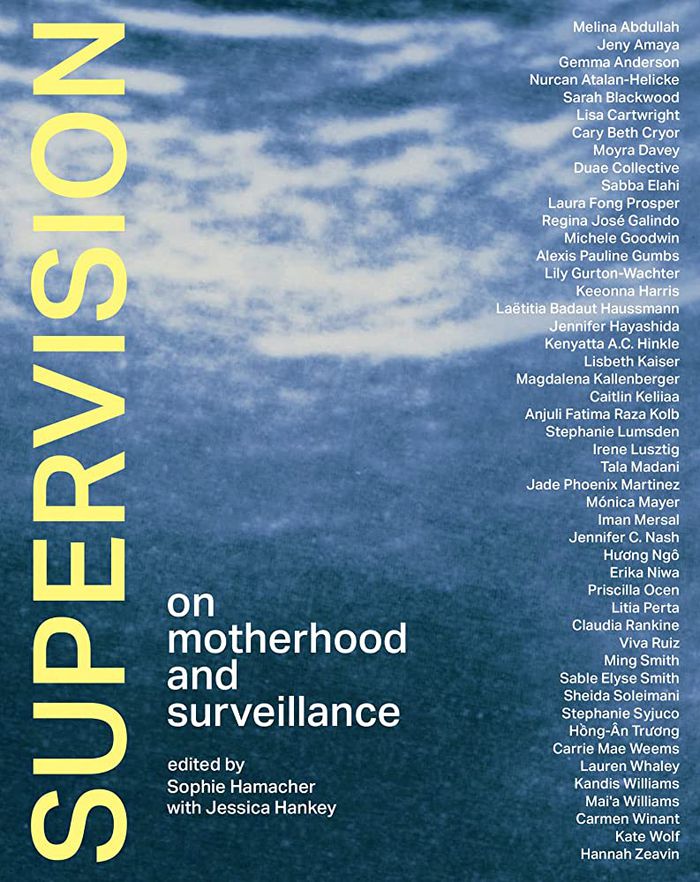
Supervision: On motherhood and surveillance
Actions:
Price:
$47.00
(available to order)
Summary:
The tracking of our personal information, activities, and medical data through our digital devices is an increasingly recognizable field in which the lines between caretaking and control have blurred. In this age of surveillance, mothers' behaviors and bodies are observed, made public, exposed, scrutinized, and policed like never before. This volume gathers together the work of fifty contributors from diverse disciplines that include the visual arts, legal scholarship, ethnic studies, sociology, gender studies, poetry, and activism to ask what the relationship is between how we watch and how we are watched, and how the attention that mothers pay to their children might foster a kind of counterattention to the many ways in which mothers are scrutinized. A groundbreaking collection, thisis a project about vision (and supervision), and all the ways in which vision intersects with surveillance and politics, through motherhood and personal history as well as through the histories and relations of the societies in which we live.
Supervision: On motherhood and surveillance
Actions:
Price:
$47.00
(available to order)
Summary:
The tracking of our personal information, activities, and medical data through our digital devices is an increasingly recognizable field in which the lines between caretaking and control have blurred. In this age of surveillance, mothers' behaviors and bodies are observed, made public, exposed, scrutinized, and policed like never before. This volume gathers together the work of fifty contributors from diverse disciplines that include the visual arts, legal scholarship, ethnic studies, sociology, gender studies, poetry, and activism to ask what the relationship is between how we watch and how we are watched, and how the attention that mothers pay to their children might foster a kind of counterattention to the many ways in which mothers are scrutinized. A groundbreaking collection, thisis a project about vision (and supervision), and all the ways in which vision intersects with surveillance and politics, through motherhood and personal history as well as through the histories and relations of the societies in which we live.
Form:
books
books
Publication:
April 2023
April 2023
Subject:
Art Theory
Art Theory
Form:
books
books
Actions:
Price:
$54.00
(available to order)
Summary:
If there is something in architecture that is difficult to describe then it is space, but it is in the spatial quality of architecture and its use that its essence is encapsulated. There is, however, surprising little evidence of this in current architectural debate, because of all the consideration for visual appearance. In "Revisions of space", architect Dick van(...)
$54.00
(available to order)
Summary:
If there is something in architecture that is difficult to describe then it is space, but it is in the spatial quality of architecture and its use that its essence is encapsulated. There is, however, surprising little evidence of this in current architectural debate, because of all the consideration for visual appearance. In "Revisions of space", architect Dick van(...)
Title:
Revisions of space : an architectural manual
Actions:
Price:
$54.00
(available to order)
Summary:
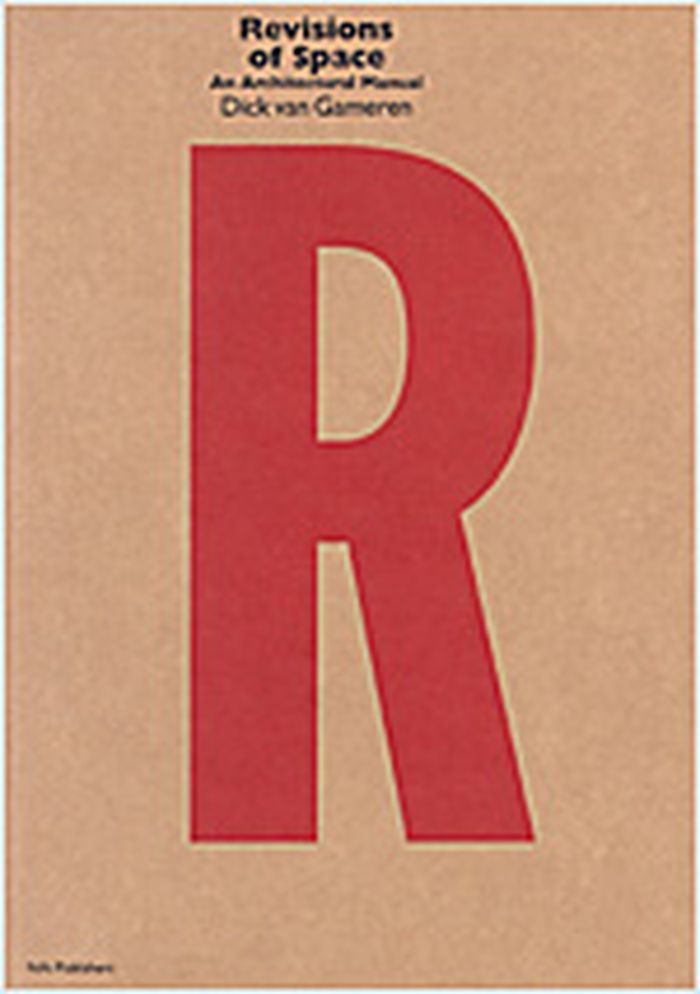
If there is something in architecture that is difficult to describe then it is space, but it is in the spatial quality of architecture and its use that its essence is encapsulated. There is, however, surprising little evidence of this in current architectural debate, because of all the consideration for visual appearance. In "Revisions of space", architect Dick van Gameren shows how the spatial quality of architecture is connected with densification and programmatic diversity: in buildings, around buildings and in the urban context. He does this by using a selection of unusual historic examples and his own work. The book could be described as a manual for architecture - how one can look at architecture and how, as a designer, to deal with it - as well as a personal appeal for more consideration for one of the essential components of architecture. Thanks to the choice of historical examples, this book can also be read as an unconventional cross-section of the history of architecture.
Revisions of space : an architectural manual
Actions:
Price:
$54.00
(available to order)
Summary:
If there is something in architecture that is difficult to describe then it is space, but it is in the spatial quality of architecture and its use that its essence is encapsulated. There is, however, surprising little evidence of this in current architectural debate, because of all the consideration for visual appearance. In "Revisions of space", architect Dick van Gameren shows how the spatial quality of architecture is connected with densification and programmatic diversity: in buildings, around buildings and in the urban context. He does this by using a selection of unusual historic examples and his own work. The book could be described as a manual for architecture - how one can look at architecture and how, as a designer, to deal with it - as well as a personal appeal for more consideration for one of the essential components of architecture. Thanks to the choice of historical examples, this book can also be read as an unconventional cross-section of the history of architecture.
Form:
books
books
Publication:
January 2005, Rotterdam
January 2005, Rotterdam
Subject:
Architectural Theory
Architectural Theory
Form:
books
books
Actions:
Price:
$134.99
(available in store)
Summary:
Since the era of pre-industrial religious pilgrimages, architecture has beckoned travellers. This book charts the relationship, and even the entanglement, between architecture and tourism. It reveals how architecture is always tied to its physical site, yet is transportable in our imagination—and into the virtual spheres of social media and armchair travel. Illustrated(...)
$134.99
(available in store)
Summary:
Since the era of pre-industrial religious pilgrimages, architecture has beckoned travellers. This book charts the relationship, and even the entanglement, between architecture and tourism. It reveals how architecture is always tied to its physical site, yet is transportable in our imagination—and into the virtual spheres of social media and armchair travel. Illustrated(...)
Title:
Architectural tourism: Monumental Itineraries, Cultural Heritage, and Sites of memory
Actions:
Price:
$134.99
(available in store)
Summary:
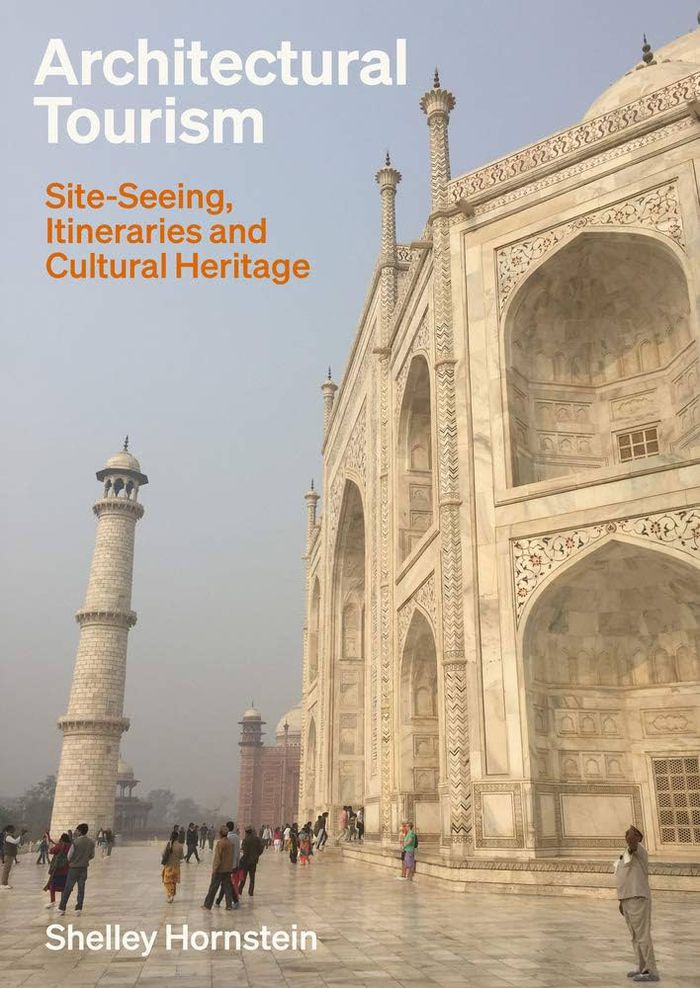
Since the era of pre-industrial religious pilgrimages, architecture has beckoned travellers. This book charts the relationship, and even the entanglement, between architecture and tourism. It reveals how architecture is always tied to its physical site, yet is transportable in our imagination—and into the virtual spheres of social media and armchair travel. Illustrated with a range of studies of key buildings from history and the present-day, the book engagingly sheds light on topics such as the culture of ruins, the evolution of how tourists capture images of places, the rise of the designer museum, and architecture on television, film, and in other media. It asks why architectural monuments and buildings attract and compel us to visit, why we feel the need to understand cities through architectural sites such as museums, historic sites, and monuments, and how national identity is galvanised through its architecture and tourism. Sightseeing is, whether virtual or actual, site-seeing.
Architectural tourism: Monumental Itineraries, Cultural Heritage, and Sites of memory
Actions:
Price:
$134.99
(available in store)
Summary:
Since the era of pre-industrial religious pilgrimages, architecture has beckoned travellers. This book charts the relationship, and even the entanglement, between architecture and tourism. It reveals how architecture is always tied to its physical site, yet is transportable in our imagination—and into the virtual spheres of social media and armchair travel. Illustrated with a range of studies of key buildings from history and the present-day, the book engagingly sheds light on topics such as the culture of ruins, the evolution of how tourists capture images of places, the rise of the designer museum, and architecture on television, film, and in other media. It asks why architectural monuments and buildings attract and compel us to visit, why we feel the need to understand cities through architectural sites such as museums, historic sites, and monuments, and how national identity is galvanised through its architecture and tourism. Sightseeing is, whether virtual or actual, site-seeing.
Form:
books
books
Publication:
March 2021
March 2021
Subject:
Architectural Theory
Architectural Theory
Form:
books
books
Actions:
Price:
$90.00
(available in store)
Summary:
In the decades preceding World War II, professional architecture schools enrolled increasing numbers of women, but career success did not come easily. "Women architects at work" tells the stories of the resilient and resourceful women who surmounted barriers of sexism, racism, and classism to take on crucial roles in the establishment and growth of Modernism across the(...)
$90.00
(available in store)
Summary:
In the decades preceding World War II, professional architecture schools enrolled increasing numbers of women, but career success did not come easily. "Women architects at work" tells the stories of the resilient and resourceful women who surmounted barriers of sexism, racism, and classism to take on crucial roles in the establishment and growth of Modernism across the(...)
Title:
Women architects at work: Making American modernism
Actions:
Price:
$90.00
(available in store)
Summary:
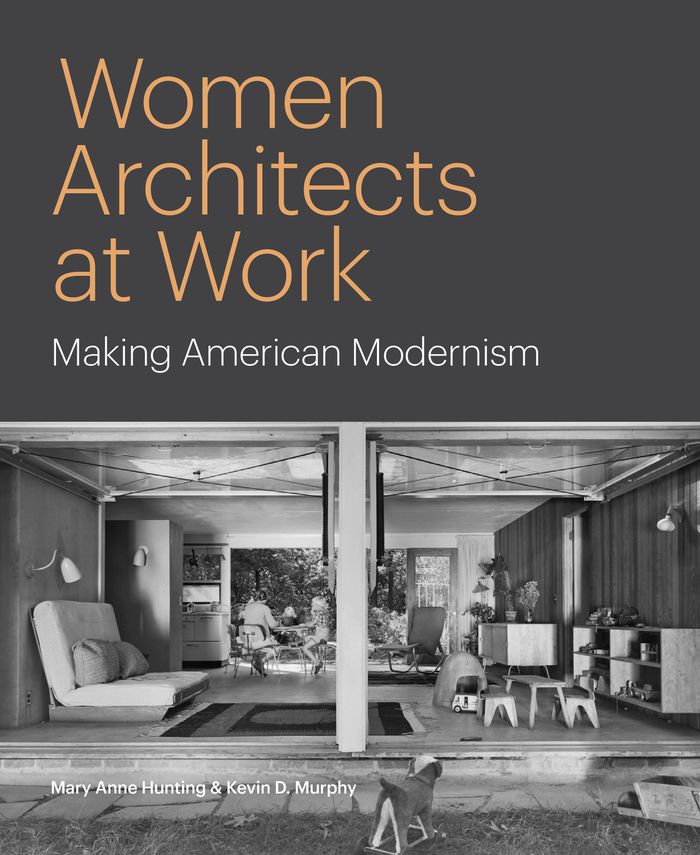
In the decades preceding World War II, professional architecture schools enrolled increasing numbers of women, but career success did not come easily. "Women architects at work" tells the stories of the resilient and resourceful women who surmounted barriers of sexism, racism, and classism to take on crucial roles in the establishment and growth of Modernism across the United States. Mary Anne Hunting and Kevin D. Murphy describe how the Cambridge School of Architecture and Landscape Architecture in Massachusetts evolved for the professional education of women between 1916 and 1942. While alumnae such as Eleanor Agnes Raymond, Victorine du Pont Homsey, and Sarah Pillsbury Harkness achieved some notoriety, others like Elizabeth-Ann Campbell Knapp and Louisa Vaughan Conrad have been largely absent from histories of Modernism. Hunting and Murphy describe how these innovative practitioners capitalized on social, educational, and professional ties to achieve success and used architecture to address social concerns, including how modernist ideas could engage with community and the environment.
Women architects at work: Making American modernism
Actions:
Price:
$90.00
(available in store)
Summary:
In the decades preceding World War II, professional architecture schools enrolled increasing numbers of women, but career success did not come easily. "Women architects at work" tells the stories of the resilient and resourceful women who surmounted barriers of sexism, racism, and classism to take on crucial roles in the establishment and growth of Modernism across the United States. Mary Anne Hunting and Kevin D. Murphy describe how the Cambridge School of Architecture and Landscape Architecture in Massachusetts evolved for the professional education of women between 1916 and 1942. While alumnae such as Eleanor Agnes Raymond, Victorine du Pont Homsey, and Sarah Pillsbury Harkness achieved some notoriety, others like Elizabeth-Ann Campbell Knapp and Louisa Vaughan Conrad have been largely absent from histories of Modernism. Hunting and Murphy describe how these innovative practitioners capitalized on social, educational, and professional ties to achieve success and used architecture to address social concerns, including how modernist ideas could engage with community and the environment.
Form:
books
books
Publication:
February 2025
February 2025
Subject:
Modernism
Modernism
Form:
books
books
Actions:
Price:
$37.95
(available in store)
Summary:
Megan Craig and Edward S. Casey provide a collaborative phenomenological exploration of thought in motion, interspersing lively first-person accounts with broader philosophical inquiry. Their investigation, structured around the four ancient elements—water, air, earth, and fire—ranges across swimming, boats, balloons, planes, cars, trains, and other modes of transport.(...)
$37.95
(available in store)
Summary:
Megan Craig and Edward S. Casey provide a collaborative phenomenological exploration of thought in motion, interspersing lively first-person accounts with broader philosophical inquiry. Their investigation, structured around the four ancient elements—water, air, earth, and fire—ranges across swimming, boats, balloons, planes, cars, trains, and other modes of transport.(...)
Title:
Thinking in transit: Explorations of life in motion
Actions:
Price:
$37.95
(available in store)
Summary:
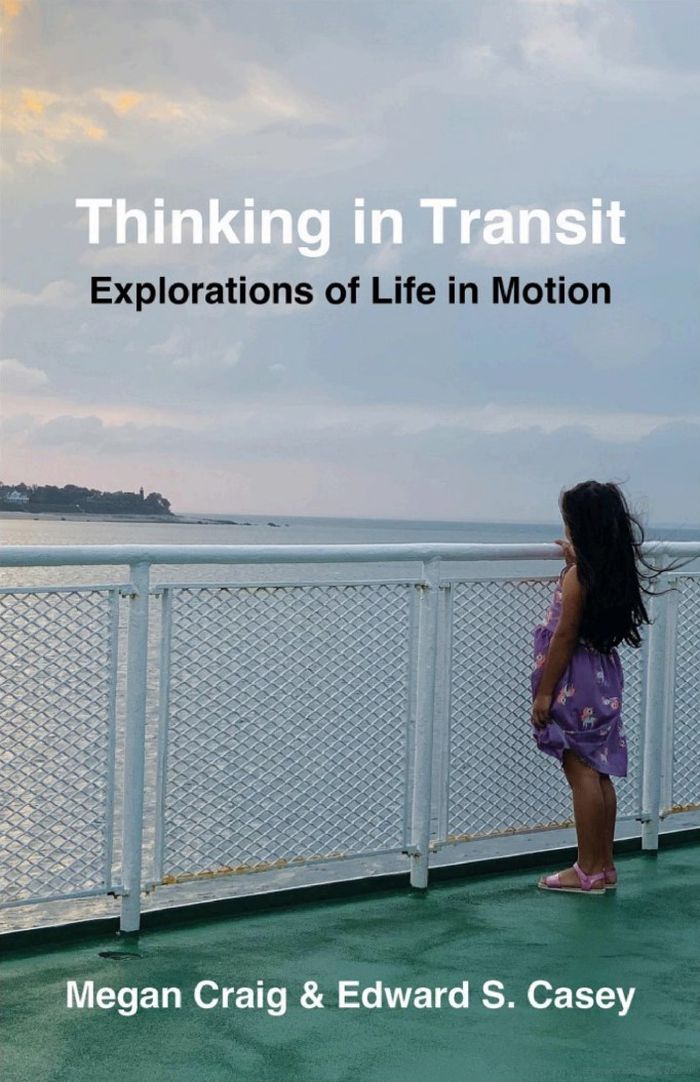
Megan Craig and Edward S. Casey provide a collaborative phenomenological exploration of thought in motion, interspersing lively first-person accounts with broader philosophical inquiry. Their investigation, structured around the four ancient elements—water, air, earth, and fire—ranges across swimming, boats, balloons, planes, cars, trains, and other modes of transport. Craig and Casey invite readers to recall their own experiences of travel and how thinking changes in tandem with shifting environments and whatever conveys a person from place to place. They also consider how changing climates and evolving technologies, with new rhythms and materialities, have shaped human thinking in its many varieties. ''Thinking in Transit'' celebrates forms of movement and motion that carry the body and mind out of their habituated routines. This book urges a change in how philosophers have traditionally framed the setting for serious thought: from the austere, solitary space of a study to populated places of interaction and passage.
Thinking in transit: Explorations of life in motion
Actions:
Price:
$37.95
(available in store)
Summary:
Megan Craig and Edward S. Casey provide a collaborative phenomenological exploration of thought in motion, interspersing lively first-person accounts with broader philosophical inquiry. Their investigation, structured around the four ancient elements—water, air, earth, and fire—ranges across swimming, boats, balloons, planes, cars, trains, and other modes of transport. Craig and Casey invite readers to recall their own experiences of travel and how thinking changes in tandem with shifting environments and whatever conveys a person from place to place. They also consider how changing climates and evolving technologies, with new rhythms and materialities, have shaped human thinking in its many varieties. ''Thinking in Transit'' celebrates forms of movement and motion that carry the body and mind out of their habituated routines. This book urges a change in how philosophers have traditionally framed the setting for serious thought: from the austere, solitary space of a study to populated places of interaction and passage.
Form:
books
books
Publication:
September 2025
September 2025
Subject:
Journeys
Journeys
Form:
books
books
Actions:
Price:
$35.95
(available in store)
Summary:
Architecture, as we know it, is in crisis. The authority of architects is crumbling, their methods no longer tenable. In a highly critical introspection, architect and writer Reinier de Graaf explores the tough choices ahead and the course of action that must follow. ''Architecture Against Architecture'' demands we rethink both how and why we build. With wit and(...)
$35.95
(available in store)
Summary:
Architecture, as we know it, is in crisis. The authority of architects is crumbling, their methods no longer tenable. In a highly critical introspection, architect and writer Reinier de Graaf explores the tough choices ahead and the course of action that must follow. ''Architecture Against Architecture'' demands we rethink both how and why we build. With wit and(...)
Title:
Architecture against architecture: A manifesto
Actions:
Price:
$35.95
(available in store)
Summary:
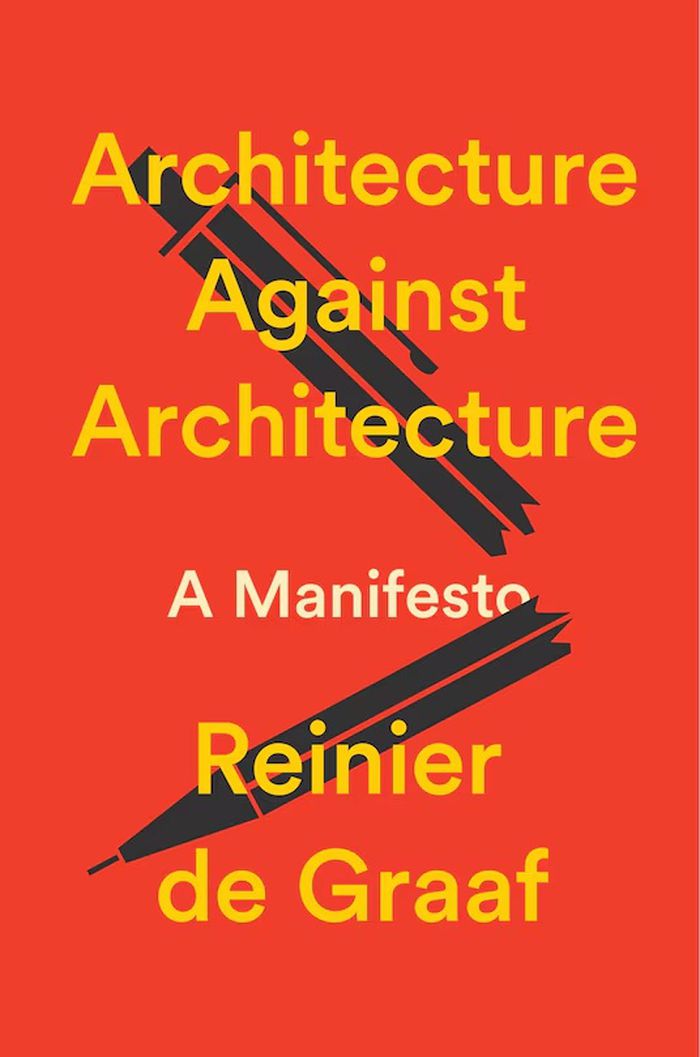
Architecture, as we know it, is in crisis. The authority of architects is crumbling, their methods no longer tenable. In a highly critical introspection, architect and writer Reinier de Graaf explores the tough choices ahead and the course of action that must follow. ''Architecture Against Architecture'' demands we rethink both how and why we build. With wit and insight, De Graaf lays out the future of the profession, challenging readers to question the fundamental assumptions of the discipline. How do we end the feudal veneration of starchitects? When will architects finally recognize that it is in their own best interest to unionize? Why aren’t more practices collectively owned? Why do so many architects over sixty-seven refuse to retire? How do we stop buildings from being copy-righted? What will remain of architecture after AI? What can prevent iconic structures from being embroiled in money laundering? And the vital question: What projects should architects refuse on moral grounds?
Architecture against architecture: A manifesto
Actions:
Price:
$35.95
(available in store)
Summary:
Architecture, as we know it, is in crisis. The authority of architects is crumbling, their methods no longer tenable. In a highly critical introspection, architect and writer Reinier de Graaf explores the tough choices ahead and the course of action that must follow. ''Architecture Against Architecture'' demands we rethink both how and why we build. With wit and insight, De Graaf lays out the future of the profession, challenging readers to question the fundamental assumptions of the discipline. How do we end the feudal veneration of starchitects? When will architects finally recognize that it is in their own best interest to unionize? Why aren’t more practices collectively owned? Why do so many architects over sixty-seven refuse to retire? How do we stop buildings from being copy-righted? What will remain of architecture after AI? What can prevent iconic structures from being embroiled in money laundering? And the vital question: What projects should architects refuse on moral grounds?
Form:
books
books
Publication:
March 2026
March 2026
Subject:
Architectural Theory
Architectural Theory


