


9272 Results
Form:
books
books
Actions:
Price:
$55.00
(available in store)
Summary:
"Committing to paper the movements, postures, and words of the people I meet gives me the illusion that I am close to them. I don’t speak to them, I only watch them and listen to them. Yet the emotions they arouse in me are real. I may also be trying to discover something about myself through them, their attitudes or their conversations." Taking Annie Ernaux’s unique(...)
$55.00
(available in store)
Summary:
"Committing to paper the movements, postures, and words of the people I meet gives me the illusion that I am close to them. I don’t speak to them, I only watch them and listen to them. Yet the emotions they arouse in me are real. I may also be trying to discover something about myself through them, their attitudes or their conversations." Taking Annie Ernaux’s unique(...)
Publication:
March 2024
March 2024
Title:
Exteriors: Annie Ernaud and photography
Actions:
Price:
$55.00
(available in store)
Summary:
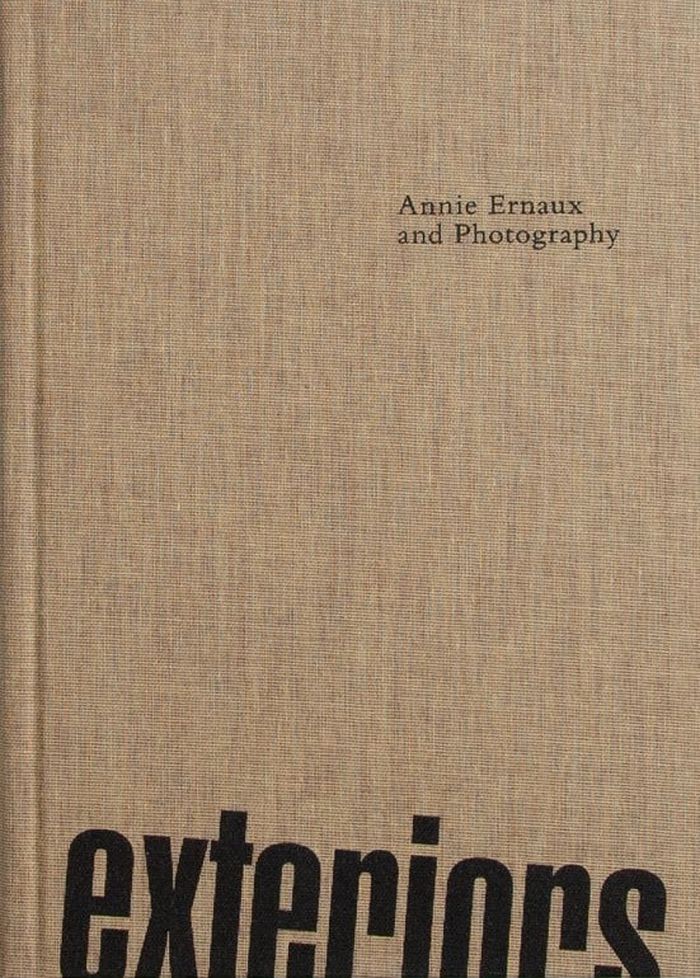
"Committing to paper the movements, postures, and words of the people I meet gives me the illusion that I am close to them. I don’t speak to them, I only watch them and listen to them. Yet the emotions they arouse in me are real. I may also be trying to discover something about myself through them, their attitudes or their conversations." Taking Annie Ernaux’s unique artistic endeavour to "describe reality as through the eyes of a photographer and to preserve the mystery and opacity of the lives I encountered," this project by writer and curator Lou Stoppard uncovers the profound ways the written and visual image can inform and inflect on one another. In doing so, it proposes a new way of thinking about literature and photography, and the ways in which shared themes – such as class, travel, social stereotypes, and individual identity within the modern urban environment – might be explored between these two forms.
Exteriors: Annie Ernaud and photography
Actions:
Price:
$55.00
(available in store)
Summary:
"Committing to paper the movements, postures, and words of the people I meet gives me the illusion that I am close to them. I don’t speak to them, I only watch them and listen to them. Yet the emotions they arouse in me are real. I may also be trying to discover something about myself through them, their attitudes or their conversations." Taking Annie Ernaux’s unique artistic endeavour to "describe reality as through the eyes of a photographer and to preserve the mystery and opacity of the lives I encountered," this project by writer and curator Lou Stoppard uncovers the profound ways the written and visual image can inform and inflect on one another. In doing so, it proposes a new way of thinking about literature and photography, and the ways in which shared themes – such as class, travel, social stereotypes, and individual identity within the modern urban environment – might be explored between these two forms.
Form:
books
books
Publication:
March 2024
March 2024
Form:
books
books
Actions:
Price:
$49.95
(available to order)
Summary:
Eating and drinking images may seem like an anomalous notion but, since antiquity, in the European and Mediterranean worlds, people have swallowed down frescoes, icons, engravings, eucharistic hosts stamped with images, heraldic wafers, marzipan figures, and other sculpted dishes. Either specifically made for human consumption or diverted from their original purpose so as(...)
$49.95
(available to order)
Summary:
Eating and drinking images may seem like an anomalous notion but, since antiquity, in the European and Mediterranean worlds, people have swallowed down frescoes, icons, engravings, eucharistic hosts stamped with images, heraldic wafers, marzipan figures, and other sculpted dishes. Either specifically made for human consumption or diverted from their original purpose so as(...)
Title:
Iconophages: A history of ingesting images
Actions:
Price:
$49.95
(available to order)
Summary:
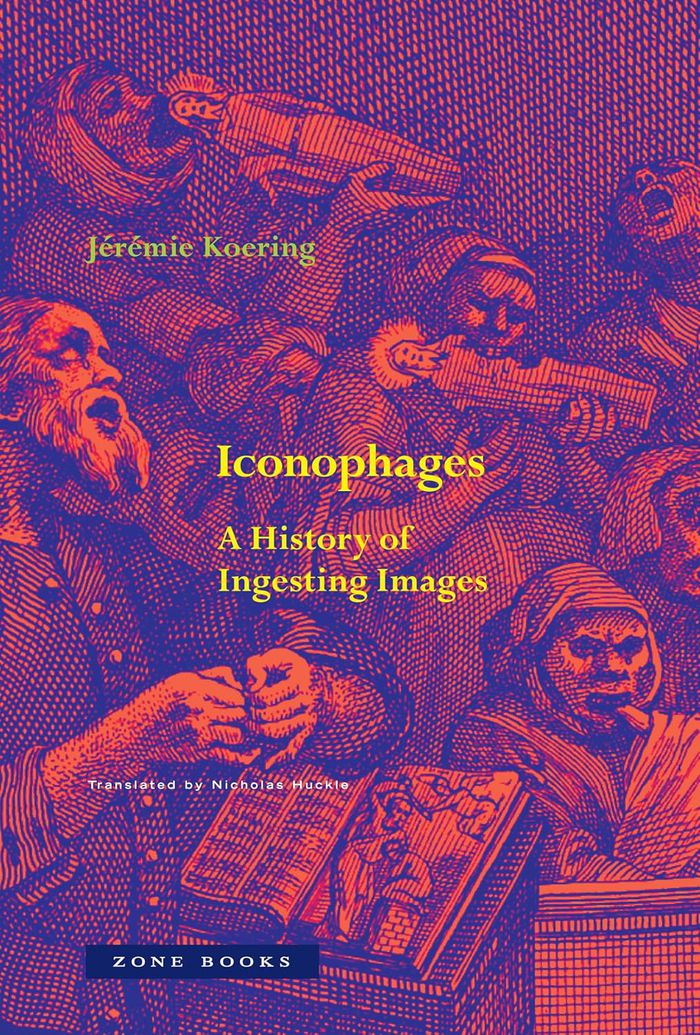
Eating and drinking images may seem like an anomalous notion but, since antiquity, in the European and Mediterranean worlds, people have swallowed down frescoes, icons, engravings, eucharistic hosts stamped with images, heraldic wafers, marzipan figures, and other sculpted dishes. Either specifically made for human consumption or diverted from their original purpose so as to be ingested, these figured artifacts have been not only gazed upon but also incorporated—taken into the body—as solids or liquids. How can we explain such behavior? Why take an image into one’s own body, devouring it at the risk of destroying it, consuming rather than contemplating it wisely from a distance? What structures of the imagination underlie and justify these desires for incorporation? What are the visual configurations offered up to the mouth, and what are their effects? What therapeutic, religious, symbolic, and social functions can we attribute to these forms of relations with icons? These are a few of the questions raised in this investigation into iconophagy.
Iconophages: A history of ingesting images
Actions:
Price:
$49.95
(available to order)
Summary:
Eating and drinking images may seem like an anomalous notion but, since antiquity, in the European and Mediterranean worlds, people have swallowed down frescoes, icons, engravings, eucharistic hosts stamped with images, heraldic wafers, marzipan figures, and other sculpted dishes. Either specifically made for human consumption or diverted from their original purpose so as to be ingested, these figured artifacts have been not only gazed upon but also incorporated—taken into the body—as solids or liquids. How can we explain such behavior? Why take an image into one’s own body, devouring it at the risk of destroying it, consuming rather than contemplating it wisely from a distance? What structures of the imagination underlie and justify these desires for incorporation? What are the visual configurations offered up to the mouth, and what are their effects? What therapeutic, religious, symbolic, and social functions can we attribute to these forms of relations with icons? These are a few of the questions raised in this investigation into iconophagy.
Form:
books
books
Publication:
August 2024
August 2024
Subject:
Art Theory
Art Theory
Form:
books
books
Actions:
Price:
$39.99
(available to order)
Summary:
In May 1939, the celebrated American architect Frank Lloyd Wright visited London and gave four lectures at the Royal Institute of British Architects. The meetings were hailed at the time as the most remarkable events of recent architectural affairs in England, and the lectures were published as An Organic Architecture in September 1939 by Lund Humphries. The texts remain(...)
$39.99
(available to order)
Summary:
In May 1939, the celebrated American architect Frank Lloyd Wright visited London and gave four lectures at the Royal Institute of British Architects. The meetings were hailed at the time as the most remarkable events of recent architectural affairs in England, and the lectures were published as An Organic Architecture in September 1939 by Lund Humphries. The texts remain(...)
Title:
An organic architecture: the architecture of democracy
Actions:
Price:
$39.99
(available to order)
Summary:
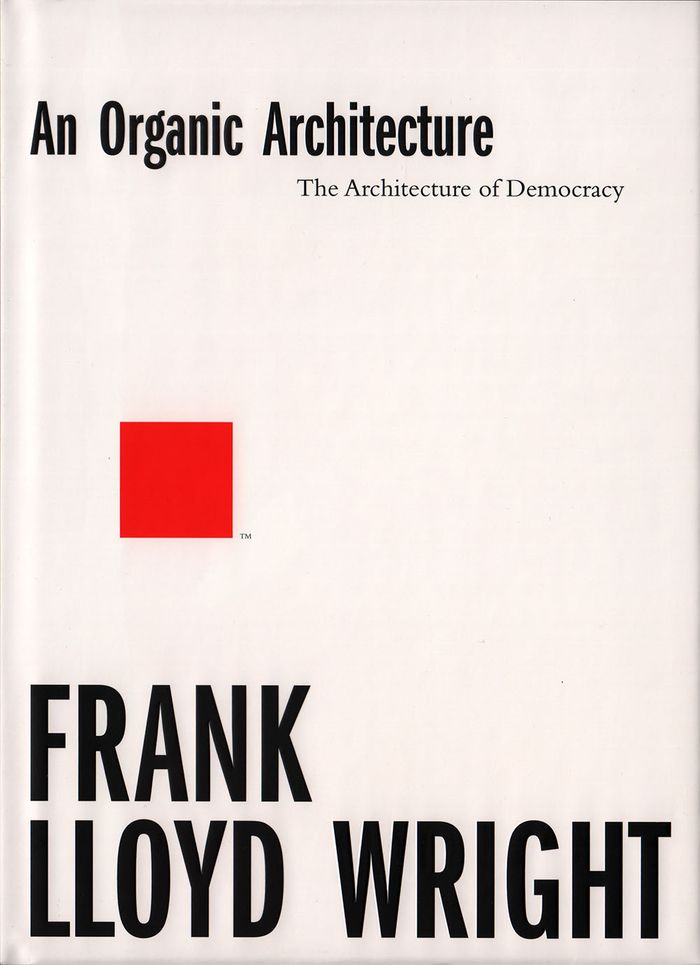
In May 1939, the celebrated American architect Frank Lloyd Wright visited London and gave four lectures at the Royal Institute of British Architects. The meetings were hailed at the time as the most remarkable events of recent architectural affairs in England, and the lectures were published as An Organic Architecture in September 1939 by Lund Humphries. The texts remain an important expression of the architect’s core philosophy and are being reissued now in a new edition to commemorate the 150th anniversary in 2017 of Frank Lloyd Wright’s birth. In the lectures, Frank Lloyd Wright discusses several of his recent projects, including his Usonian houses, his homes and studios at Taliesin, Wisconsin and Arizona, Fallingwater and the Johnson administration building. His charismatic, flamboyant character and hugely creative intelligence leap to life from the pages as he looks to the ‘Future’, both in terms of the then-imminent Second World War and his vision for cities.
An organic architecture: the architecture of democracy
Actions:
Price:
$39.99
(available to order)
Summary:
In May 1939, the celebrated American architect Frank Lloyd Wright visited London and gave four lectures at the Royal Institute of British Architects. The meetings were hailed at the time as the most remarkable events of recent architectural affairs in England, and the lectures were published as An Organic Architecture in September 1939 by Lund Humphries. The texts remain an important expression of the architect’s core philosophy and are being reissued now in a new edition to commemorate the 150th anniversary in 2017 of Frank Lloyd Wright’s birth. In the lectures, Frank Lloyd Wright discusses several of his recent projects, including his Usonian houses, his homes and studios at Taliesin, Wisconsin and Arizona, Fallingwater and the Johnson administration building. His charismatic, flamboyant character and hugely creative intelligence leap to life from the pages as he looks to the ‘Future’, both in terms of the then-imminent Second World War and his vision for cities.
Form:
books
books
Publication:
April 2017
April 2017
Subject:
Architecture Monographs
Architecture Monographs
Form:
journals and magazines
journals and magazines
Actions:
Price:
$32.95
(available to order)
Summary:
There is hardly another topic that fascinates architects more than new materials, with their previously unimagined properties and enchanting haptic surfaces. Yet if you look at built reality, these hardly play a role. On the contrary, the international trend continues to move towards natural surfaces made of wood, brick and natural stone. As aesthetically and ecologically(...)
$32.95
(available to order)
Summary:
There is hardly another topic that fascinates architects more than new materials, with their previously unimagined properties and enchanting haptic surfaces. Yet if you look at built reality, these hardly play a role. On the contrary, the international trend continues to move towards natural surfaces made of wood, brick and natural stone. As aesthetically and ecologically(...)
Title:
Detail 11 2017: materials and finishes
Actions:
Price:
$32.95
(available to order)
Summary:
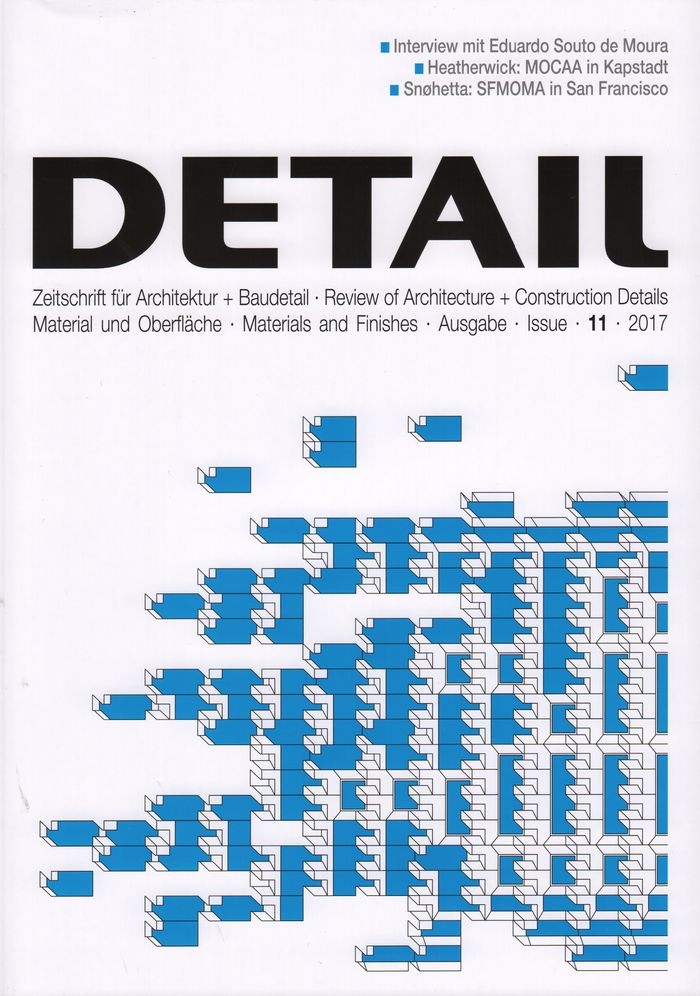
There is hardly another topic that fascinates architects more than new materials, with their previously unimagined properties and enchanting haptic surfaces. Yet if you look at built reality, these hardly play a role. On the contrary, the international trend continues to move towards natural surfaces made of wood, brick and natural stone. As aesthetically and ecologically meaningful as they may be, this development becomes alarming when buildings and interiors in southern China, Paris or Copenhagen become indistinguishable. The examples in this issue show, however, that individual solutions are still possible even within a narrow range of materials and colours. Just a few years ago, natural stone and solid wood – building materials used today by the luxury sector – were cheaper than concrete and veneer in countries like Portugal, as the Pritzker Prize winner Eduardo Souto de Moura explains to us in an interview. In his eyes, the design elements of architecture remain the same throughout history, only the materials change.
Detail 11 2017: materials and finishes
Actions:
Price:
$32.95
(available to order)
Summary:
There is hardly another topic that fascinates architects more than new materials, with their previously unimagined properties and enchanting haptic surfaces. Yet if you look at built reality, these hardly play a role. On the contrary, the international trend continues to move towards natural surfaces made of wood, brick and natural stone. As aesthetically and ecologically meaningful as they may be, this development becomes alarming when buildings and interiors in southern China, Paris or Copenhagen become indistinguishable. The examples in this issue show, however, that individual solutions are still possible even within a narrow range of materials and colours. Just a few years ago, natural stone and solid wood – building materials used today by the luxury sector – were cheaper than concrete and veneer in countries like Portugal, as the Pritzker Prize winner Eduardo Souto de Moura explains to us in an interview. In his eyes, the design elements of architecture remain the same throughout history, only the materials change.
Form:
journals and magazines
journals and magazines
Publication:
November 2017
November 2017
Subject:
Magazines
Magazines
Form:
books
books
Actions:
Price:
$28.95
(available to order)
Summary:
No metropolis has been more loved or more hated. To its official boosters, “Los Angeles brings it all together.” To detractors, LA is a sunlit mortuary where “you can rot without feeling it.” To Mike Davis, the author of this fiercely elegant and wide- ranging work of social history, Los Angeles is both utopia and dystopia, a place where the last Joshua trees are being(...)
$28.95
(available to order)
Summary:
No metropolis has been more loved or more hated. To its official boosters, “Los Angeles brings it all together.” To detractors, LA is a sunlit mortuary where “you can rot without feeling it.” To Mike Davis, the author of this fiercely elegant and wide- ranging work of social history, Los Angeles is both utopia and dystopia, a place where the last Joshua trees are being(...)
Title:
City of quartz: excavating the future in Los Angeles
Actions:
Price:
$28.95
(available to order)
Summary:
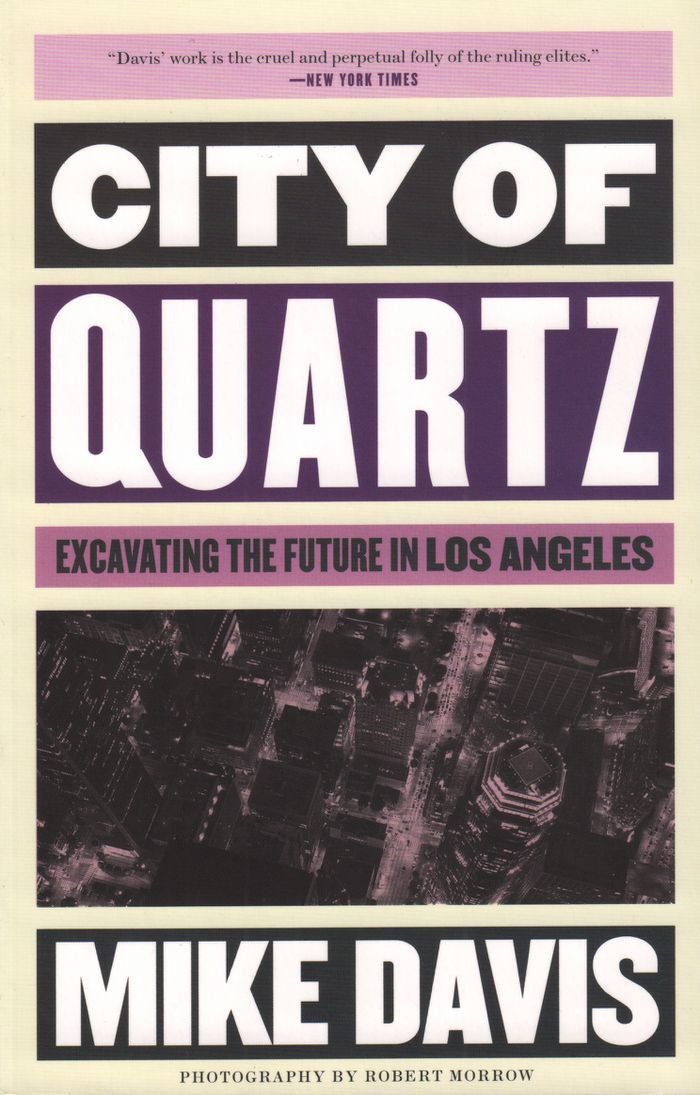
No metropolis has been more loved or more hated. To its official boosters, “Los Angeles brings it all together.” To detractors, LA is a sunlit mortuary where “you can rot without feeling it.” To Mike Davis, the author of this fiercely elegant and wide- ranging work of social history, Los Angeles is both utopia and dystopia, a place where the last Joshua trees are being plowed under to make room for model communities in the desert, where the rich have hired their own police to fend off street gangs, as well as armed Beirut militias. In "City of Quartz", Davis reconstructs LA’s shadow history and dissects its ethereal economy. He tells us who has the power and how they hold on to it. He gives us a city of Dickensian extremes, Pynchonesque conspiracies, and a desperation straight out of Nathaniel Westa city in which we may glimpse our own future mirrored with terrifying clarity.
City of quartz: excavating the future in Los Angeles
Actions:
Price:
$28.95
(available to order)
Summary:
No metropolis has been more loved or more hated. To its official boosters, “Los Angeles brings it all together.” To detractors, LA is a sunlit mortuary where “you can rot without feeling it.” To Mike Davis, the author of this fiercely elegant and wide- ranging work of social history, Los Angeles is both utopia and dystopia, a place where the last Joshua trees are being plowed under to make room for model communities in the desert, where the rich have hired their own police to fend off street gangs, as well as armed Beirut militias. In "City of Quartz", Davis reconstructs LA’s shadow history and dissects its ethereal economy. He tells us who has the power and how they hold on to it. He gives us a city of Dickensian extremes, Pynchonesque conspiracies, and a desperation straight out of Nathaniel Westa city in which we may glimpse our own future mirrored with terrifying clarity.
Form:
books
books
Publication:
July 2018
July 2018
Subject:
Urban Theory
Urban Theory
Form:
books
books
Actions:
Price:
$49.00
(available to order)
Summary:
Even as the media environment has changed dramatically in recent years, one thing at least remains true: photographs are everywhere. From professional news photos to smartphone selfies, images have become part of the fabric of modern life. And that may be the problem. Even as photography bears witness, it provokes anxieties about fraudulent representation; even as it(...)
$49.00
(available to order)
Summary:
Even as the media environment has changed dramatically in recent years, one thing at least remains true: photographs are everywhere. From professional news photos to smartphone selfies, images have become part of the fabric of modern life. And that may be the problem. Even as photography bears witness, it provokes anxieties about fraudulent representation; even as it(...)
Subject:
Theory of Photography
Theory of Photography
Publication:
November 2016
November 2016
Title:
The public image: photography and civic spectatorship
Actions:
Price:
$49.00
(available to order)
Summary:
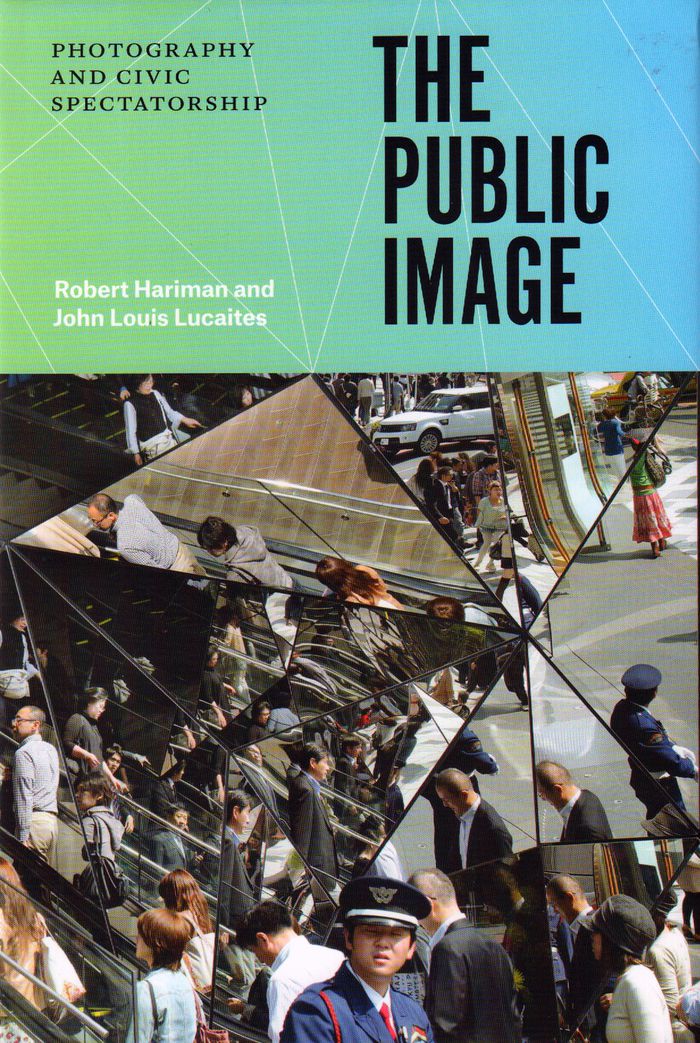
Even as the media environment has changed dramatically in recent years, one thing at least remains true: photographs are everywhere. From professional news photos to smartphone selfies, images have become part of the fabric of modern life. And that may be the problem. Even as photography bears witness, it provokes anxieties about fraudulent representation; even as it evokes compassion, it prompts anxieties about excessive exposure. Parents and pundits alike worry about the unprecedented media saturation that transforms society into an image world. And yet a great news photo can still stop us in our tracks, and the ever-expanding photographic archive documents an era of continuous change. By confronting these conflicted reactions to photography, Robert Hariman and John Louis Lucaites make the case for a fundamental shift in understanding photography and public culture. In place of suspicions about the medium’s capacity for distraction, deception, and manipulation, they suggest how it can provide resources for democratic communication and thoughtful reflection about contemporary social problems.
The public image: photography and civic spectatorship
Actions:
Price:
$49.00
(available to order)
Summary:
Even as the media environment has changed dramatically in recent years, one thing at least remains true: photographs are everywhere. From professional news photos to smartphone selfies, images have become part of the fabric of modern life. And that may be the problem. Even as photography bears witness, it provokes anxieties about fraudulent representation; even as it evokes compassion, it prompts anxieties about excessive exposure. Parents and pundits alike worry about the unprecedented media saturation that transforms society into an image world. And yet a great news photo can still stop us in our tracks, and the ever-expanding photographic archive documents an era of continuous change. By confronting these conflicted reactions to photography, Robert Hariman and John Louis Lucaites make the case for a fundamental shift in understanding photography and public culture. In place of suspicions about the medium’s capacity for distraction, deception, and manipulation, they suggest how it can provide resources for democratic communication and thoughtful reflection about contemporary social problems.
Form:
books
books
Publication:
November 2016
November 2016
Subject:
Theory of Photography
Theory of Photography
Form:
books
books
Actions:
Price:
$47.50
(available to order)
Summary:
The importance of protecting significant buildings from decay and destruction would seem to be undeniable. Yet whilst the majority of buildings of merit constructed before the Second World War have been highlighted as worthy of protection there is much indifference, and in some cases hostility towards many important post war buildings. These deserve to receive wider(...)
$47.50
(available to order)
Summary:
The importance of protecting significant buildings from decay and destruction would seem to be undeniable. Yet whilst the majority of buildings of merit constructed before the Second World War have been highlighted as worthy of protection there is much indifference, and in some cases hostility towards many important post war buildings. These deserve to receive wider(...)
Publication:
October 2007, Shaftesbury
October 2007, Shaftesbury
Title:
Conservation of modern architecture
Actions:
Price:
$47.50
(available to order)
Summary:
The importance of protecting significant buildings from decay and destruction would seem to be undeniable. Yet whilst the majority of buildings of merit constructed before the Second World War have been highlighted as worthy of protection there is much indifference, and in some cases hostility towards many important post war buildings. These deserve to receive wider formal recognition but in many cases continue to be mistreated or even demolished. This book examines many of the philosophical and practical issues surrounding the conservation of modern buildings and also the problems faced by building practitioners in dealing with buildings constructed in a wider range of styles and materials than at any other time. Climate change in particular has forced change in the way in which we think about buildings, with the pressures to address issues of energy efficiency becoming more urgent and likely to have consequences that may alter the perceived architectural and historic interest of modern and traditional buildings alike.
Conservation of modern architecture
Actions:
Price:
$47.50
(available to order)
Summary:
The importance of protecting significant buildings from decay and destruction would seem to be undeniable. Yet whilst the majority of buildings of merit constructed before the Second World War have been highlighted as worthy of protection there is much indifference, and in some cases hostility towards many important post war buildings. These deserve to receive wider formal recognition but in many cases continue to be mistreated or even demolished. This book examines many of the philosophical and practical issues surrounding the conservation of modern buildings and also the problems faced by building practitioners in dealing with buildings constructed in a wider range of styles and materials than at any other time. Climate change in particular has forced change in the way in which we think about buildings, with the pressures to address issues of energy efficiency becoming more urgent and likely to have consequences that may alter the perceived architectural and historic interest of modern and traditional buildings alike.
Form:
books
books
Publication:
October 2007, Shaftesbury
October 2007, Shaftesbury
Form:
books
books
Actions:
Price:
$23.95
(available to order)
Summary:
The term "guerrilla" may bring to mind a small band of armed soldiers, moving in the dead of night on a stealth mission. In the case of guerrilla gardening, the soldiers are planters, the weapons are shovels, and the mission is to transform an abandoned lot into a thing of beauty. Once an environmentalist's nonviolent direct action for inner-city renewal, this approach to(...)
$23.95
(available to order)
Summary:
The term "guerrilla" may bring to mind a small band of armed soldiers, moving in the dead of night on a stealth mission. In the case of guerrilla gardening, the soldiers are planters, the weapons are shovels, and the mission is to transform an abandoned lot into a thing of beauty. Once an environmentalist's nonviolent direct action for inner-city renewal, this approach to(...)
Title:
Guerrilla gardening : a manualfesto
Actions:
Price:
$23.95
(available to order)
Summary:
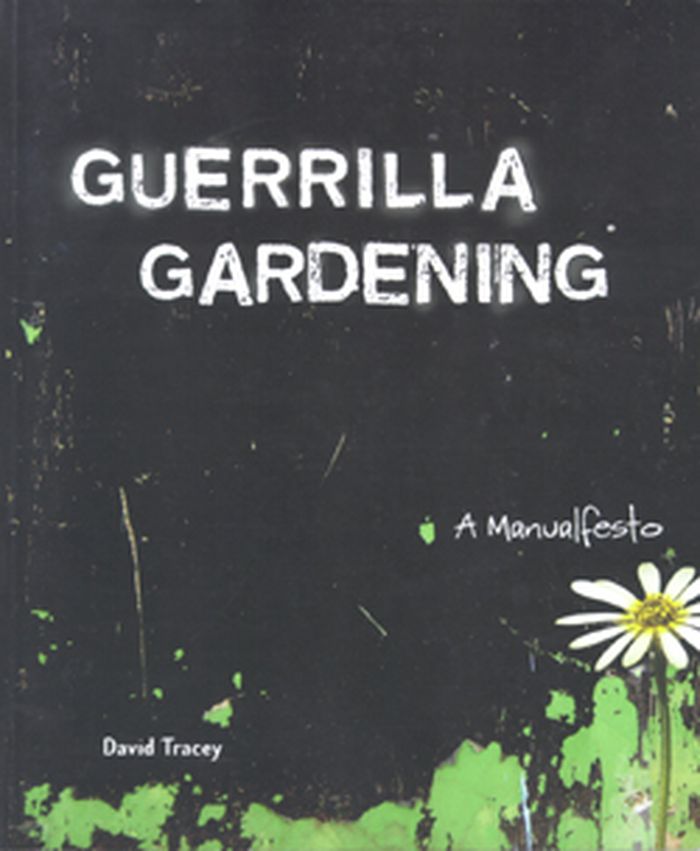
The term "guerrilla" may bring to mind a small band of armed soldiers, moving in the dead of night on a stealth mission. In the case of guerrilla gardening, the soldiers are planters, the weapons are shovels, and the mission is to transform an abandoned lot into a thing of beauty. Once an environmentalist's nonviolent direct action for inner-city renewal, this approach to urban beautification is spreading to all types of people in cities around the world. These modern-day Johnny Appleseeds perform random acts of gardening, often without the property owner's prior knowledge or permission. Typical targets are vacant lots, railway land, underused public squares, and back alleys. The concept is simple, whimsical and has the cheeky appeal of being a not-quite-legal call to action. Dig in some soil, plant a few seeds, or mend a sagging fence - one good deed inspiring another, with win-win results all around.
Guerrilla gardening : a manualfesto
Actions:
Price:
$23.95
(available to order)
Summary:
The term "guerrilla" may bring to mind a small band of armed soldiers, moving in the dead of night on a stealth mission. In the case of guerrilla gardening, the soldiers are planters, the weapons are shovels, and the mission is to transform an abandoned lot into a thing of beauty. Once an environmentalist's nonviolent direct action for inner-city renewal, this approach to urban beautification is spreading to all types of people in cities around the world. These modern-day Johnny Appleseeds perform random acts of gardening, often without the property owner's prior knowledge or permission. Typical targets are vacant lots, railway land, underused public squares, and back alleys. The concept is simple, whimsical and has the cheeky appeal of being a not-quite-legal call to action. Dig in some soil, plant a few seeds, or mend a sagging fence - one good deed inspiring another, with win-win results all around.
Form:
books
books
Publication:
April 2007, Gabriola Island
April 2007, Gabriola Island
Subject:
Urban Landscapes
Urban Landscapes
Form:
books
books
Actions:
Price:
$37.95
(available to order)
Summary:
"In From Yard to Garden, Christopher Grampp has produced a work of major importance and significant originality. This book will change the way Americans see and understand their homes, yards, and gardens. Grampp provides the first full-length and thoroughly documented history of the American back yard. He takes courageous, new positions that are sure to prompt thinking(...)
$37.95
(available to order)
Summary:
"In From Yard to Garden, Christopher Grampp has produced a work of major importance and significant originality. This book will change the way Americans see and understand their homes, yards, and gardens. Grampp provides the first full-length and thoroughly documented history of the American back yard. He takes courageous, new positions that are sure to prompt thinking(...)
Title:
From yard to garden: the domestication of America's home grounds (Center for American Places - Center Books on American Places)
Actions:
Price:
$37.95
(available to order)
Summary:
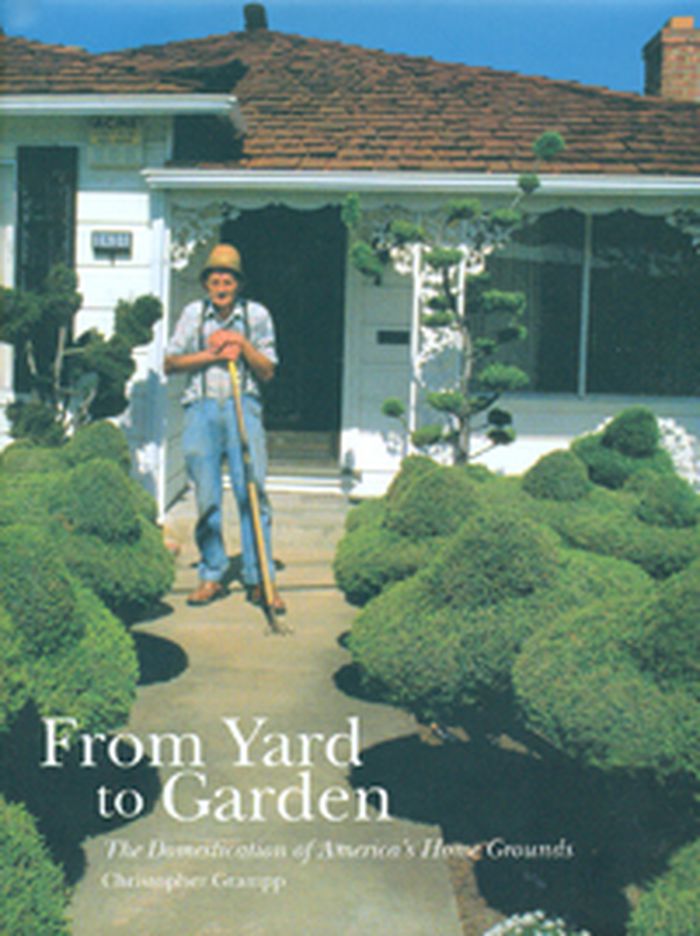
"In From Yard to Garden, Christopher Grampp has produced a work of major importance and significant originality. This book will change the way Americans see and understand their homes, yards, and gardens. Grampp provides the first full-length and thoroughly documented history of the American back yard. He takes courageous, new positions that are sure to prompt thinking for all his readers and to suggest further research by his academic readers. The illustrations and captions are absolutely excellent. "Grampp's writing style is direct, clear, personal, and always approachable. He provides enough detail-and so much original new information-that the specialist, academic reader will be intrigued and satisfied; yet the narrative moves forward quickly enough to engage even the general reader who may be entirely new to the subject. Grampp's writing also sparkles with real humor."-Paul Groth, University of California at Berkeley, and author of Living Downtown: The History of Residential Hotels in the United States (Paul Groth 20070901)
From yard to garden: the domestication of America's home grounds (Center for American Places - Center Books on American Places)
Actions:
Price:
$37.95
(available to order)
Summary:
"In From Yard to Garden, Christopher Grampp has produced a work of major importance and significant originality. This book will change the way Americans see and understand their homes, yards, and gardens. Grampp provides the first full-length and thoroughly documented history of the American back yard. He takes courageous, new positions that are sure to prompt thinking for all his readers and to suggest further research by his academic readers. The illustrations and captions are absolutely excellent. "Grampp's writing style is direct, clear, personal, and always approachable. He provides enough detail-and so much original new information-that the specialist, academic reader will be intrigued and satisfied; yet the narrative moves forward quickly enough to engage even the general reader who may be entirely new to the subject. Grampp's writing also sparkles with real humor."-Paul Groth, University of California at Berkeley, and author of Living Downtown: The History of Residential Hotels in the United States (Paul Groth 20070901)
Form:
books
books
Publication:
May 2008, Chicago
May 2008, Chicago
Subject:
Landscape Theory
Landscape Theory
Form:
books
books
Actions:
Price:
$20.50
(available to order)
Summary:
How architects and engineers relate to one another has long been debated but never before addressed over a broad span of history. There are many controversial issues: about professional demarcation, about credit for design, about the value we attach to art in buildings, and about how that connects with advances in technique and efficiency. This pioneering and handsomely(...)
$20.50
(available to order)
Summary:
How architects and engineers relate to one another has long been debated but never before addressed over a broad span of history. There are many controversial issues: about professional demarcation, about credit for design, about the value we attach to art in buildings, and about how that connects with advances in technique and efficiency. This pioneering and handsomely(...)
Publication:
March 2008, New Haven, London
March 2008, New Haven, London
Title:
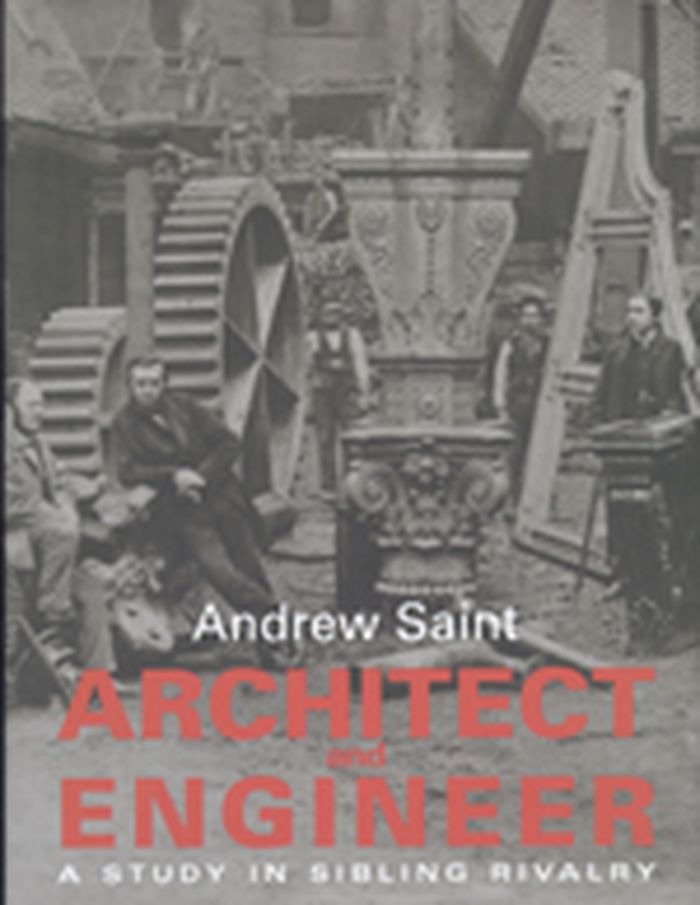
Architect and Engineer: a study in sibling rivalry
Actions:
Price:
$20.50
(available to order)
Summary:
How architects and engineers relate to one another has long been debated but never before addressed over a broad span of history. There are many controversial issues: about professional demarcation, about credit for design, about the value we attach to art in buildings, and about how that connects with advances in technique and efficiency. This pioneering and handsomely illustrated book enquires for the first time into the pattern of these relationships since the Renaissance. Concentrating particularly on Britain, France and the United States, Architect and Engineer looks at what has actually taken place when architecture and engineering have interlocked. It examines projects ranging from the building of Waterloo Bridge to the evolution of the Chicago skyscraper, and personalities from Vauban to Brunel and Wright. The results of this impartial investigation may often surprise and provoke the reader. It is a study that has radical implications for the compartmentalized ways in which the history of architecture and construction has conventionally been addressed
Architect and Engineer: a study in sibling rivalry
Actions:
Price:
$20.50
(available to order)
Summary:
How architects and engineers relate to one another has long been debated but never before addressed over a broad span of history. There are many controversial issues: about professional demarcation, about credit for design, about the value we attach to art in buildings, and about how that connects with advances in technique and efficiency. This pioneering and handsomely illustrated book enquires for the first time into the pattern of these relationships since the Renaissance. Concentrating particularly on Britain, France and the United States, Architect and Engineer looks at what has actually taken place when architecture and engineering have interlocked. It examines projects ranging from the building of Waterloo Bridge to the evolution of the Chicago skyscraper, and personalities from Vauban to Brunel and Wright. The results of this impartial investigation may often surprise and provoke the reader. It is a study that has radical implications for the compartmentalized ways in which the history of architecture and construction has conventionally been addressed
Form:
books
books
Publication:
March 2008, New Haven, London
March 2008, New Haven, London


