


12372 Results
Form:
books
books
Actions:
Price:
$34.95
(available to order)
Summary:
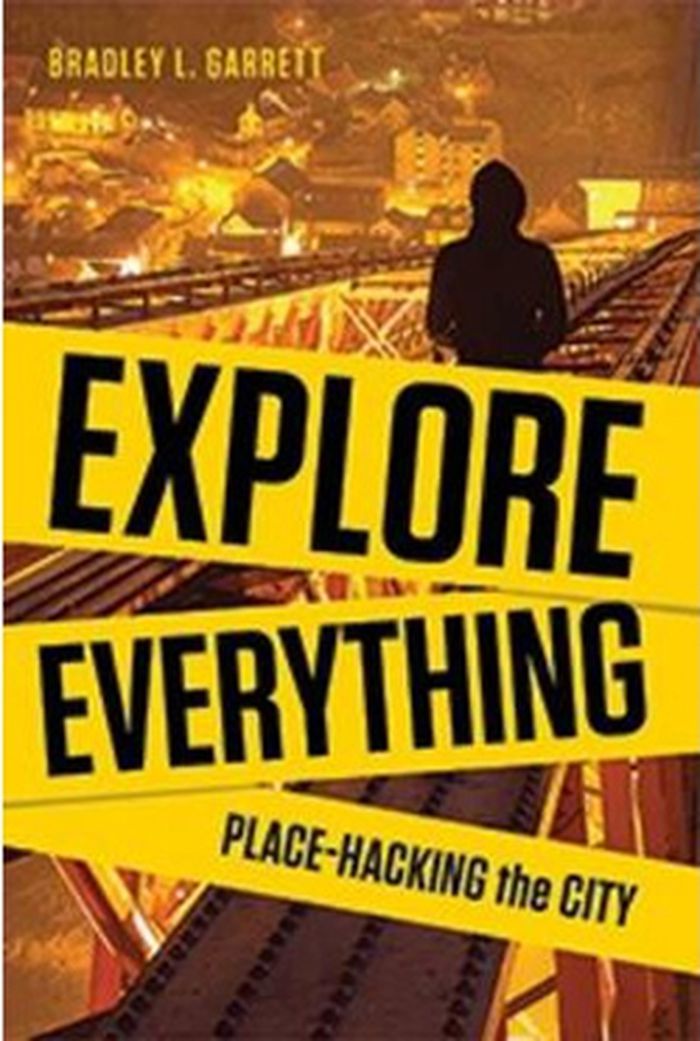
Explore Everything is an account of the author’s escapades with the London Consolidation Crew, an urban exploration collective. The book is also a manifesto, combining philosophy, politics and adventure, on our rights to the city and how to understand the twenty-first century metropolis
$34.95
(available to order)
Summary:
Explore Everything is an account of the author’s escapades with the London Consolidation Crew, an urban exploration collective. The book is also a manifesto, combining philosophy, politics and adventure, on our rights to the city and how to understand the twenty-first century metropolis
Title:
Explore everything: place-hacking the city
Actions:
Price:
$34.95
(available to order)
Summary:
Explore Everything is an account of the author’s escapades with the London Consolidation Crew, an urban exploration collective. The book is also a manifesto, combining philosophy, politics and adventure, on our rights to the city and how to understand the twenty-first century metropolis
Explore everything: place-hacking the city
Actions:
Price:
$34.95
(available to order)
Summary:
Explore Everything is an account of the author’s escapades with the London Consolidation Crew, an urban exploration collective. The book is also a manifesto, combining philosophy, politics and adventure, on our rights to the city and how to understand the twenty-first century metropolis
Form:
books
books
Publication:
October 2013
October 2013
Subject:
Urban Theory
Urban Theory
Form:
books
books
Actions:
Price:
$62.95
(available to order)
Summary:
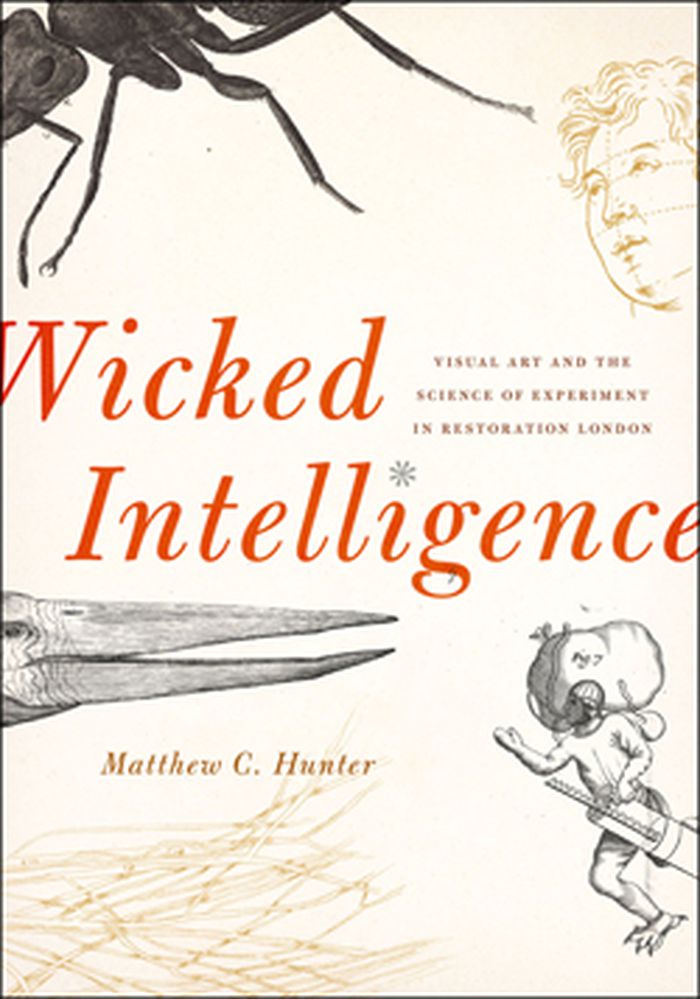
The first book to use the physical evidence of Royal Society experiments to produce forensic evaluations of how scientific knowledge was generated, Wicked Intelligence rethinks the parameters of visual art, experimental philosophy, and architecture at the cusp of Britain’s imperial power and artistic efflorescence.
$62.95
(available to order)
Summary:
The first book to use the physical evidence of Royal Society experiments to produce forensic evaluations of how scientific knowledge was generated, Wicked Intelligence rethinks the parameters of visual art, experimental philosophy, and architecture at the cusp of Britain’s imperial power and artistic efflorescence.
Title:
Wicked intelligence : visual art and the science of experiment in restoration London
Actions:
Price:
$62.95
(available to order)
Summary:
The first book to use the physical evidence of Royal Society experiments to produce forensic evaluations of how scientific knowledge was generated, Wicked Intelligence rethinks the parameters of visual art, experimental philosophy, and architecture at the cusp of Britain’s imperial power and artistic efflorescence.
Wicked intelligence : visual art and the science of experiment in restoration London
Actions:
Price:
$62.95
(available to order)
Summary:
The first book to use the physical evidence of Royal Society experiments to produce forensic evaluations of how scientific knowledge was generated, Wicked Intelligence rethinks the parameters of visual art, experimental philosophy, and architecture at the cusp of Britain’s imperial power and artistic efflorescence.
Form:
books
books
Publication:
September 2013
September 2013
Subject:
Art Theory
Art Theory
Form:
books
books

Actions:
Price:
$22.00
(available in store)
Summary:
This ArtFolds book is more than just a book. Inside are simple instructions that show readers how to fold pages to transform this book into a personal, and long-lasting work of art as the pages evolve into a colorful sculpture displaying a snowflake.
$22.00
(available in store)
Summary:
This ArtFolds book is more than just a book. Inside are simple instructions that show readers how to fold pages to transform this book into a personal, and long-lasting work of art as the pages evolve into a colorful sculpture displaying a snowflake.
Title:
Artfolds: snowflake. The snow queen & other tales
Actions:
Price:
$22.00
(available in store)
Summary:
This ArtFolds book is more than just a book. Inside are simple instructions that show readers how to fold pages to transform this book into a personal, and long-lasting work of art as the pages evolve into a colorful sculpture displaying a snowflake.
Artfolds: snowflake. The snow queen & other tales
Actions:
Price:
$22.00
(available in store)
Summary:
This ArtFolds book is more than just a book. Inside are simple instructions that show readers how to fold pages to transform this book into a personal, and long-lasting work of art as the pages evolve into a colorful sculpture displaying a snowflake.
Form:
books
books
Publication:
October 2014
October 2014
Subject:
Pop Up
Pop Up
Form:
books
books
Actions:
Price:
$45.00
(available to order)
Summary:
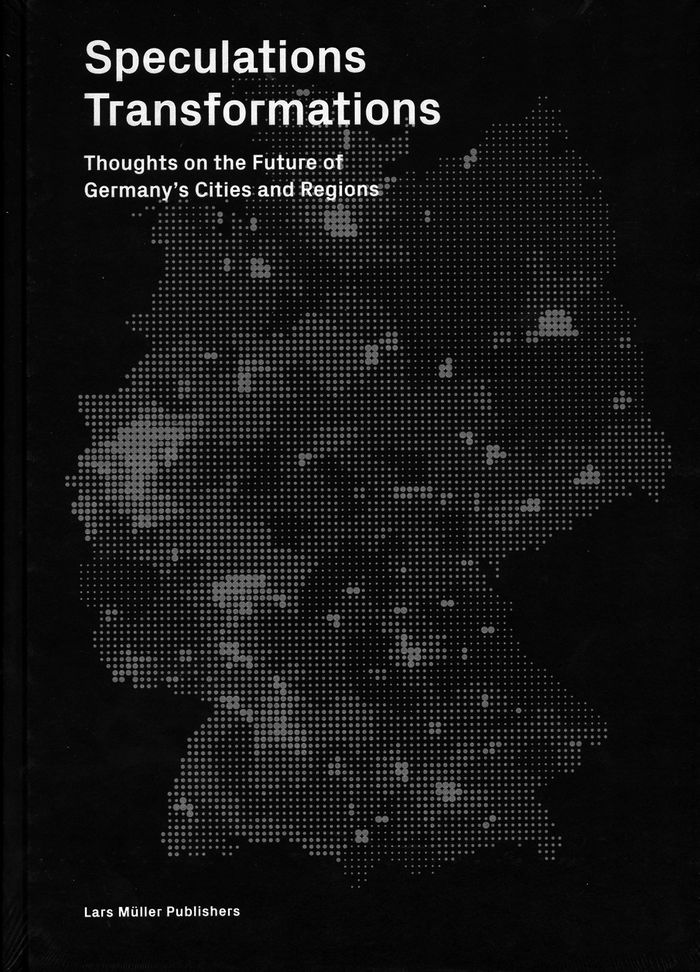
How are changing conditions in society likely to affect Germany’s built environment? What are the catalysts for transformation in its cities and regions? 'Speculations Transformations' is devoted to the social and spatial transformations that Germany will face in the future, speculating on their architectural consequences.
$45.00
(available to order)
Summary:
How are changing conditions in society likely to affect Germany’s built environment? What are the catalysts for transformation in its cities and regions? 'Speculations Transformations' is devoted to the social and spatial transformations that Germany will face in the future, speculating on their architectural consequences.
Title:
Speculations Transformations: considerations on the future of Germany's cities and regions
Actions:
Price:
$45.00
(available to order)
Summary:
How are changing conditions in society likely to affect Germany’s built environment? What are the catalysts for transformation in its cities and regions? 'Speculations Transformations' is devoted to the social and spatial transformations that Germany will face in the future, speculating on their architectural consequences.
Speculations Transformations: considerations on the future of Germany's cities and regions
Actions:
Price:
$45.00
(available to order)
Summary:
How are changing conditions in society likely to affect Germany’s built environment? What are the catalysts for transformation in its cities and regions? 'Speculations Transformations' is devoted to the social and spatial transformations that Germany will face in the future, speculating on their architectural consequences.
Form:
books
books
Publication:
June 2016
June 2016
Subject:
Urban Theory
Urban Theory
Form:
books
books
Actions:
Price:
$54.00
(available to order)
Summary:
We tend to think of architecture as a practice in permanence, but what if we looked instead for an architecture of transience? In "Things that move," Tim Anstey does just that: rather than assuming that architecture is, at a certain level, stationary, he considers how architecture moves subjects (referring to its emotive potential in the experience it creates); how it(...)
$54.00
(available to order)
Summary:
We tend to think of architecture as a practice in permanence, but what if we looked instead for an architecture of transience? In "Things that move," Tim Anstey does just that: rather than assuming that architecture is, at a certain level, stationary, he considers how architecture moves subjects (referring to its emotive potential in the experience it creates); how it(...)
Title:
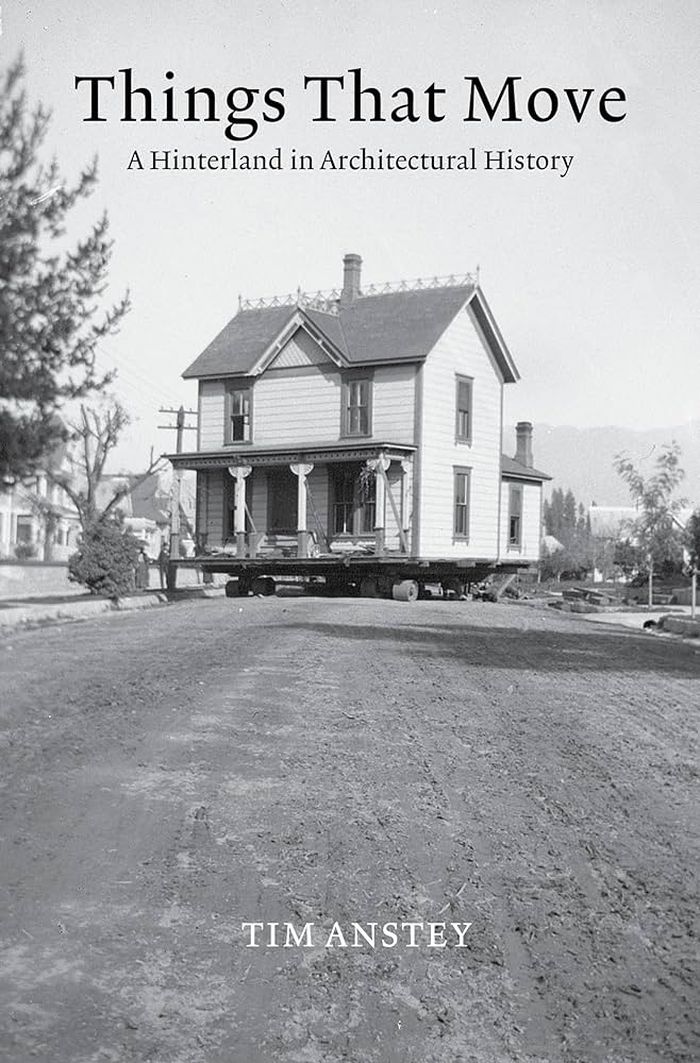
Things that move: A hinterland in architectural history
Actions:
Price:
$54.00
(available to order)
Summary:
We tend to think of architecture as a practice in permanence, but what if we looked instead for an architecture of transience? In "Things that move," Tim Anstey does just that: rather than assuming that architecture is, at a certain level, stationary, he considers how architecture moves subjects (referring to its emotive potential in the experience it creates); how it moves objects (referring to how it choreographs bodies in motion); and how it is itself moved (referring to the mixture of materials, laws, affordances, and images that introduce movement into any architectural condition). The first of the book's three sections, "Cargoes," highlights the mobile peripheries of architectural history through the eighteenth and nineteenth centuries. It asks what kinds of knowledge can be included in a discussion of architecture, noting the connections between discourses of the lithe and the technical, on the one hand, and those associated with the production of monumental, static compositions on the other. The second section, “Dispatches,” reinterprets early architectural theory by examining the Renaissance ideal of decorum, the nature of the architectural work, and the ways in which architects are constituted as authors. The last part of the book, “Vehicles,” considers building in terms of literal and metaphorical movement, using two cases from the twentieth century that investigate the relationship between architecture and cultural memory. Using a broadly forensic approach to connect details in otherwise disparate cases, "Things that move" is a breathtakingly capacious architectural account that will change the way readers understand buildings, their becoming, and their significance.
Things that move: A hinterland in architectural history
Actions:
Price:
$54.00
(available to order)
Summary:
We tend to think of architecture as a practice in permanence, but what if we looked instead for an architecture of transience? In "Things that move," Tim Anstey does just that: rather than assuming that architecture is, at a certain level, stationary, he considers how architecture moves subjects (referring to its emotive potential in the experience it creates); how it moves objects (referring to how it choreographs bodies in motion); and how it is itself moved (referring to the mixture of materials, laws, affordances, and images that introduce movement into any architectural condition). The first of the book's three sections, "Cargoes," highlights the mobile peripheries of architectural history through the eighteenth and nineteenth centuries. It asks what kinds of knowledge can be included in a discussion of architecture, noting the connections between discourses of the lithe and the technical, on the one hand, and those associated with the production of monumental, static compositions on the other. The second section, “Dispatches,” reinterprets early architectural theory by examining the Renaissance ideal of decorum, the nature of the architectural work, and the ways in which architects are constituted as authors. The last part of the book, “Vehicles,” considers building in terms of literal and metaphorical movement, using two cases from the twentieth century that investigate the relationship between architecture and cultural memory. Using a broadly forensic approach to connect details in otherwise disparate cases, "Things that move" is a breathtakingly capacious architectural account that will change the way readers understand buildings, their becoming, and their significance.
Form:
books
books
Publication:
April 2024
April 2024
Subject:
Architectural Theory
Architectural Theory
Form:
books
books
Price:
$225.95
(available to order)
Summary:
The current phase of capitalist development manifests itself through a very diverse range of spatial byproducts: data centers, warehouses, container terminals, logistics parks, and many others. These architectural episodes express specific power relations, exacerbate issues of labor, and generate dramatic processes of subjectivity. Most importantly, these architectures,(...)
$225.95
(available to order)
Summary:
The current phase of capitalist development manifests itself through a very diverse range of spatial byproducts: data centers, warehouses, container terminals, logistics parks, and many others. These architectural episodes express specific power relations, exacerbate issues of labor, and generate dramatic processes of subjectivity. Most importantly, these architectures,(...)
Title:
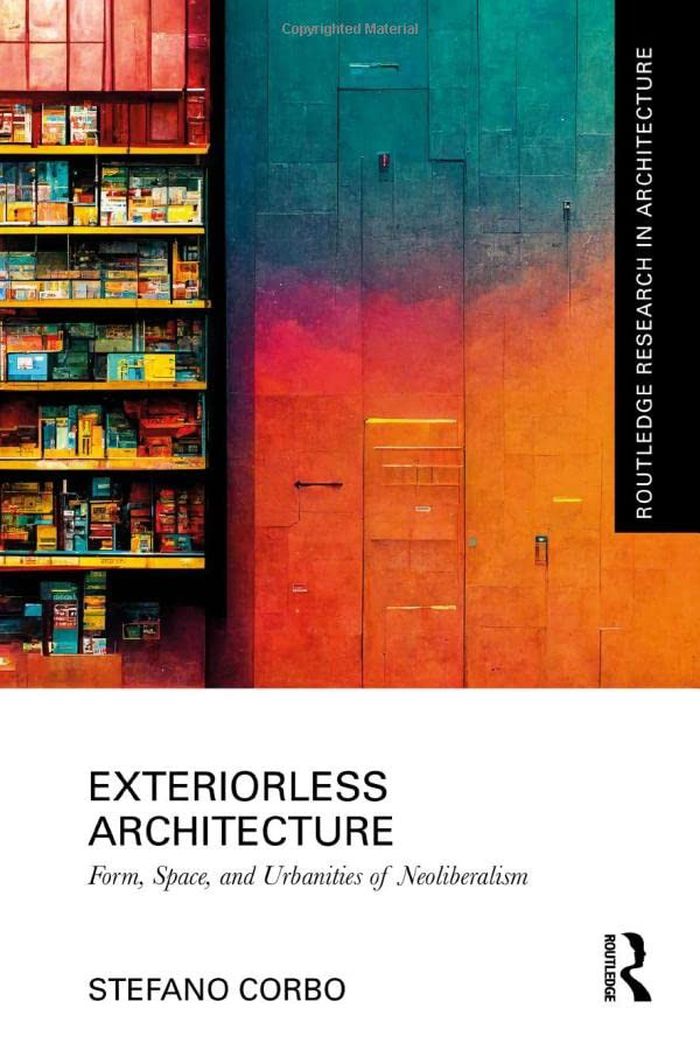
Exteriorless architecture: Form, space, and urbanities of neoliberalism
Actions:
Price:
$225.95
(available to order)
Summary:
The current phase of capitalist development manifests itself through a very diverse range of spatial byproducts: data centers, warehouses, container terminals, logistics parks, and many others. These architectural episodes express specific power relations, exacerbate issues of labor, and generate dramatic processes of subjectivity. Most importantly, these architectures, despite their formal and typological heterogeneity, belong to a common paradigm: the exteriorless. How can an architecture of the exteriorless be defined? How does it differentiate from examples and manifestations of the past? How do notions of legibility, form versus function, typological articulation come into play? In situating the spatialities of contemporary capitalism within the larger debate on Anthropocene, Post-Anthropocene, and Capitalocene, the book attempts to answer those questions by delineating three main characteristics for an architecture of the exteriorless: its physical and symbolic role as interface; its ambiguous condition of being at the same time local and global, isolated and connected, compressed and expanded; and, lastly, its contribution to new forms of urbanity in absence of the traditional city.
Exteriorless architecture: Form, space, and urbanities of neoliberalism
Actions:
Price:
$225.95
(available to order)
Summary:
The current phase of capitalist development manifests itself through a very diverse range of spatial byproducts: data centers, warehouses, container terminals, logistics parks, and many others. These architectural episodes express specific power relations, exacerbate issues of labor, and generate dramatic processes of subjectivity. Most importantly, these architectures, despite their formal and typological heterogeneity, belong to a common paradigm: the exteriorless. How can an architecture of the exteriorless be defined? How does it differentiate from examples and manifestations of the past? How do notions of legibility, form versus function, typological articulation come into play? In situating the spatialities of contemporary capitalism within the larger debate on Anthropocene, Post-Anthropocene, and Capitalocene, the book attempts to answer those questions by delineating three main characteristics for an architecture of the exteriorless: its physical and symbolic role as interface; its ambiguous condition of being at the same time local and global, isolated and connected, compressed and expanded; and, lastly, its contribution to new forms of urbanity in absence of the traditional city.
Form:
books
books
Publication:
June 2023
June 2023
Subject:
Architectural Theory
Architectural Theory
Form:
books
books

Title:
Hitler'S Berlin: abused city
Hitler'S Berlin: abused city
Actions:
Price:
$49.95
(available to order)
Summary:
From his first visit to Berlin in 1916, Hitler was preoccupied and fascinated by Germany''s great capital city. In this vivid and entirely new account of Hitler''s relationship with Berlin, Thomas Friedrich explores how Hitler identified with the city, how his political aspirations were reflected in architectural aspirations for the capital, and how Berlin surprisingly(...)
$49.95
(available to order)
Summary:
From his first visit to Berlin in 1916, Hitler was preoccupied and fascinated by Germany''s great capital city. In this vivid and entirely new account of Hitler''s relationship with Berlin, Thomas Friedrich explores how Hitler identified with the city, how his political aspirations were reflected in architectural aspirations for the capital, and how Berlin surprisingly(...)
Title:
Hitler'S Berlin: abused city
Actions:
Price:
$49.95
(available to order)
Summary:
From his first visit to Berlin in 1916, Hitler was preoccupied and fascinated by Germany''s great capital city. In this vivid and entirely new account of Hitler''s relationship with Berlin, Thomas Friedrich explores how Hitler identified with the city, how his political aspirations were reflected in architectural aspirations for the capital, and how Berlin surprisingly influenced the development of Hitler''s political ideas. A leading expert on the twentieth-century history of Berlin, Friedrich employs new and little-known German sources to track Hitler''s attitudes and plans for the city. Even while he despised both the cosmopolitan culture of the Weimar Republic and the profound Jewish influence on the city, Hitler was drawn to the grandiosity of its architecture and its imperial spirit. He dreamed of transforming Berlin into a capital that would reflect his autocracy, and he used the city for such varied purposes as testing his anti-Semitic policies and demonstrating the might of the Third Reich. Illuminating Berlin's burdened years under Nazi subjection, Friedrich offers new understandings of Hitler and his politics, architectural views, and artistic opinions.
Hitler'S Berlin: abused city
Actions:
Price:
$49.95
(available to order)
Summary:
From his first visit to Berlin in 1916, Hitler was preoccupied and fascinated by Germany''s great capital city. In this vivid and entirely new account of Hitler''s relationship with Berlin, Thomas Friedrich explores how Hitler identified with the city, how his political aspirations were reflected in architectural aspirations for the capital, and how Berlin surprisingly influenced the development of Hitler''s political ideas. A leading expert on the twentieth-century history of Berlin, Friedrich employs new and little-known German sources to track Hitler''s attitudes and plans for the city. Even while he despised both the cosmopolitan culture of the Weimar Republic and the profound Jewish influence on the city, Hitler was drawn to the grandiosity of its architecture and its imperial spirit. He dreamed of transforming Berlin into a capital that would reflect his autocracy, and he used the city for such varied purposes as testing his anti-Semitic policies and demonstrating the might of the Third Reich. Illuminating Berlin's burdened years under Nazi subjection, Friedrich offers new understandings of Hitler and his politics, architectural views, and artistic opinions.
Form:
books
books
Publication:
February 2012
February 2012
Subject:
Urban Theory
Urban Theory
Form:
books
books
Actions:
Price:
$20.00
(available in store)
Summary:
From 18th June to 8th August 2019, the Aedes Architecture Forum in Berlin will be hosting the "Konzept+Atmosphäre" exhibition which originates from the Baukunstarchiv NRW in Dortmund. Using photographs and models, the exhibition will display selected works by Gerber Architekten from over five decades which, with their differing conceptual approaches, have produced a wide(...)
$20.00
(available in store)
Summary:
From 18th June to 8th August 2019, the Aedes Architecture Forum in Berlin will be hosting the "Konzept+Atmosphäre" exhibition which originates from the Baukunstarchiv NRW in Dortmund. Using photographs and models, the exhibition will display selected works by Gerber Architekten from over five decades which, with their differing conceptual approaches, have produced a wide(...)
Title:
Konzept + atmosphare : Gerber architeckten
Actions:
Price:
$20.00
(available in store)
Summary:
From 18th June to 8th August 2019, the Aedes Architecture Forum in Berlin will be hosting the "Konzept+Atmosphäre" exhibition which originates from the Baukunstarchiv NRW in Dortmund. Using photographs and models, the exhibition will display selected works by Gerber Architekten from over five decades which, with their differing conceptual approaches, have produced a wide range of tangible architectural atmospheres. A filmed interview addresses the question of how architecture can create atmosphere and how a building can become a multifaceted place of experience.
Konzept + atmosphare : Gerber architeckten
Actions:
Price:
$20.00
(available in store)
Summary:
From 18th June to 8th August 2019, the Aedes Architecture Forum in Berlin will be hosting the "Konzept+Atmosphäre" exhibition which originates from the Baukunstarchiv NRW in Dortmund. Using photographs and models, the exhibition will display selected works by Gerber Architekten from over five decades which, with their differing conceptual approaches, have produced a wide range of tangible architectural atmospheres. A filmed interview addresses the question of how architecture can create atmosphere and how a building can become a multifaceted place of experience.
Form:
books
books
Publication:
July 2019
July 2019
Subject:
Architecture Monographs
Architecture Monographs
Form:
books
books

Price:
$34.95
(available to order)
Summary:
A world-leading expert shares her amazing story of discovering the communication that exists between trees, and shares her own story of family and grief. Now, in her first book, Suzanne Simard brings us into her world, the intimate world of the trees, in which she brilliantly illuminates the fascinating and vital truths—that trees are not simply the source of timber(...)
$34.95
(available to order)
Summary:
A world-leading expert shares her amazing story of discovering the communication that exists between trees, and shares her own story of family and grief. Now, in her first book, Suzanne Simard brings us into her world, the intimate world of the trees, in which she brilliantly illuminates the fascinating and vital truths—that trees are not simply the source of timber(...)
Title:
Finding the mother-tree: discovering the wisdom of the forest
Actions:
Price:
$34.95
(available to order)
Summary:
A world-leading expert shares her amazing story of discovering the communication that exists between trees, and shares her own story of family and grief. Now, in her first book, Suzanne Simard brings us into her world, the intimate world of the trees, in which she brilliantly illuminates the fascinating and vital truths—that trees are not simply the source of timber or pulp but are a complicated, interdependent circle of life; that forests are social, cooperative creatures connected through underground networks by which trees communicate their vitality and vulnerabilities with communal lives not that different from our own. Simard describes up close—in revealing and accessible ways—how trees, living side by side for hundreds of years, have evolved; how they perceive one another, learn and adapt their behaviors, recognize neighbors, and remember the past; how they have agency about their future; how they elicit warnings and mount defenses, compete and cooperate with one another with sophistication: characteristics previously ascribed to human intelligence, traits that are the essence of civil societies. And, at the center of it all, the Mother Trees: the mysterious, powerful forces that connect and sustain the others that surround them.Simard, born and raised in the rain forests of British Columbia, spent her days as a child cataloging the trees from the forest; she came to love and respect them and embarked on a journey of discovery and struggle. Her powerful story is one of love and loss, of observation and change, of risk and reward. And it is a testament to how deeply human scientific inquiry exists beyond data and technology: it’s about understanding who we are and our place in the world.
Finding the mother-tree: discovering the wisdom of the forest
Actions:
Price:
$34.95
(available to order)
Summary:
A world-leading expert shares her amazing story of discovering the communication that exists between trees, and shares her own story of family and grief. Now, in her first book, Suzanne Simard brings us into her world, the intimate world of the trees, in which she brilliantly illuminates the fascinating and vital truths—that trees are not simply the source of timber or pulp but are a complicated, interdependent circle of life; that forests are social, cooperative creatures connected through underground networks by which trees communicate their vitality and vulnerabilities with communal lives not that different from our own. Simard describes up close—in revealing and accessible ways—how trees, living side by side for hundreds of years, have evolved; how they perceive one another, learn and adapt their behaviors, recognize neighbors, and remember the past; how they have agency about their future; how they elicit warnings and mount defenses, compete and cooperate with one another with sophistication: characteristics previously ascribed to human intelligence, traits that are the essence of civil societies. And, at the center of it all, the Mother Trees: the mysterious, powerful forces that connect and sustain the others that surround them.Simard, born and raised in the rain forests of British Columbia, spent her days as a child cataloging the trees from the forest; she came to love and respect them and embarked on a journey of discovery and struggle. Her powerful story is one of love and loss, of observation and change, of risk and reward. And it is a testament to how deeply human scientific inquiry exists beyond data and technology: it’s about understanding who we are and our place in the world.
Form:
books
books
Publication:
May 2021
May 2021
Subject:
Landscape Theory
Landscape Theory
Form:
books
books
Title:
Places through the body
Places through the body
Actions:
Price:
$39.99
(available to order)
Summary:
In this book geographers, architects, anthropologists, artists, film, cultural studies and psycho-analysis theorists, among others, work alongside each other to show how places through the body take shape at a variety of scales.
$39.99
(available to order)
Summary:
In this book geographers, architects, anthropologists, artists, film, cultural studies and psycho-analysis theorists, among others, work alongside each other to show how places through the body take shape at a variety of scales.
Title:
Places through the body
Actions:
Price:
$39.99
(available to order)
Summary:
In this book geographers, architects, anthropologists, artists, film, cultural studies and psycho-analysis theorists, among others, work alongside each other to show how places through the body take shape at a variety of scales.
Places through the body
Actions:
Price:
$39.99
(available to order)
Summary:
In this book geographers, architects, anthropologists, artists, film, cultural studies and psycho-analysis theorists, among others, work alongside each other to show how places through the body take shape at a variety of scales.
Form:
books
books
Publication:
June 1998, London
June 1998, London
Subject:
Architectural Theory
Architectural Theory


