


12372 Results
Form:
books
books
Actions:
Price:
$69.50
(available to order)
Summary:
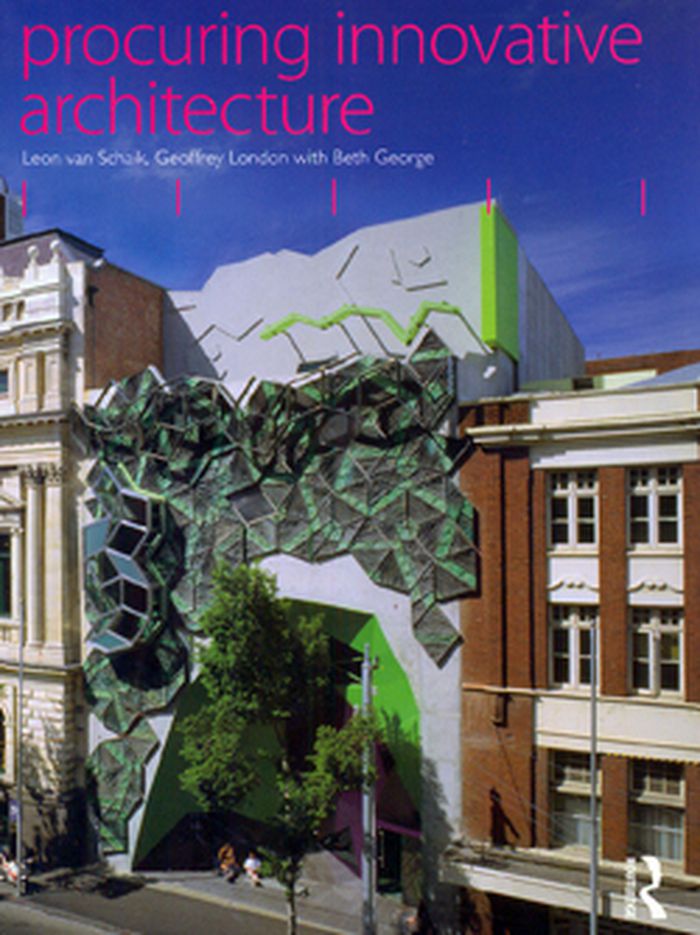
The case studies in this book describe how clients’ promotion of innovative communities of practice has led to important collections of architectural works. The book provides an assessment of the effectiveness of their approaches.
$69.50
(available to order)
Summary:
The case studies in this book describe how clients’ promotion of innovative communities of practice has led to important collections of architectural works. The book provides an assessment of the effectiveness of their approaches.
Title:
Procuring innovative architecture
Actions:
Price:
$69.50
(available to order)
Summary:
The case studies in this book describe how clients’ promotion of innovative communities of practice has led to important collections of architectural works. The book provides an assessment of the effectiveness of their approaches.
Procuring innovative architecture
Actions:
Price:
$69.50
(available to order)
Summary:
The case studies in this book describe how clients’ promotion of innovative communities of practice has led to important collections of architectural works. The book provides an assessment of the effectiveness of their approaches.
Form:
books
books
Publication:
July 2010
July 2010
Subject:
Contemporary Architecture
Contemporary Architecture
Form:
books
books
Actions:
Price:
$66.00
(available to order)
Summary:
In this new edition of his striking collection of street views from 1970 to 2010. Thomas Struth presents a series of urban streetscapes from cities such as Edinburgh, Lima, Pyongyang, Naples, and New York City, all taken in similar conditions--devoid of human activity. Struth refers to these mundane buildings, unpopulated streets and anonymous facades as "unconscious(...)
$66.00
(available to order)
Summary:
In this new edition of his striking collection of street views from 1970 to 2010. Thomas Struth presents a series of urban streetscapes from cities such as Edinburgh, Lima, Pyongyang, Naples, and New York City, all taken in similar conditions--devoid of human activity. Struth refers to these mundane buildings, unpopulated streets and anonymous facades as "unconscious(...)
Title:
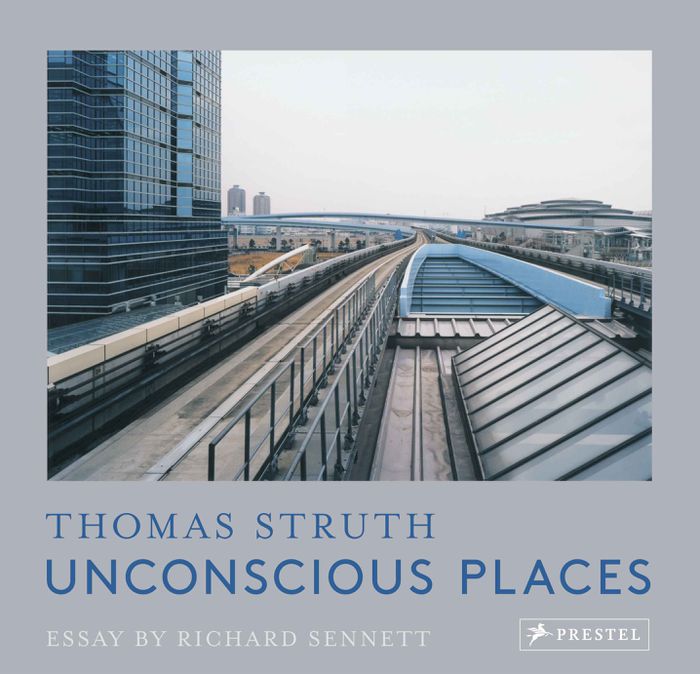
Thomas Struth: Unconscious places
Actions:
Price:
$66.00
(available to order)
Summary:
In this new edition of his striking collection of street views from 1970 to 2010. Thomas Struth presents a series of urban streetscapes from cities such as Edinburgh, Lima, Pyongyang, Naples, and New York City, all taken in similar conditions--devoid of human activity. Struth refers to these mundane buildings, unpopulated streets and anonymous facades as "unconscious places"--environments that are imbued with meaning only by the viewer. Captured with exquisite technical prowess and presented with powerful, restrained neutrality, Struth's images allow us to fully appreciate a city's character--from its telephone wires above to the pavement below. Richard Sennett's illuminating essay reveals how Struth's sober, lucid photography leads the viewer to create their own conclusions, rather than forcing a perspective. The resulting interplay among photographer, viewer, and landscape may hold the key to understanding how architecture affects our daily lives.
Thomas Struth: Unconscious places
Actions:
Price:
$66.00
(available to order)
Summary:
In this new edition of his striking collection of street views from 1970 to 2010. Thomas Struth presents a series of urban streetscapes from cities such as Edinburgh, Lima, Pyongyang, Naples, and New York City, all taken in similar conditions--devoid of human activity. Struth refers to these mundane buildings, unpopulated streets and anonymous facades as "unconscious places"--environments that are imbued with meaning only by the viewer. Captured with exquisite technical prowess and presented with powerful, restrained neutrality, Struth's images allow us to fully appreciate a city's character--from its telephone wires above to the pavement below. Richard Sennett's illuminating essay reveals how Struth's sober, lucid photography leads the viewer to create their own conclusions, rather than forcing a perspective. The resulting interplay among photographer, viewer, and landscape may hold the key to understanding how architecture affects our daily lives.
Form:
books
books
Publication:
September 2020
September 2020
Subject:
Photography monographs
Photography monographs
Form:
books
books
Actions:
Price:
$42.00
(available to order)
Summary:
Jill Jonnes’s Urban Forests is a natural history of the tree in American cities over the course of the past two centuries. Jonnes’s survey ranges from early sponsors for the Urban Tree Movement to the fascinating stories of particular species (including Washington, DC’s famed cherry trees, and the American chestnut and elm, and the diseases that almost destroyed them) to(...)
$42.00
(available to order)
Summary:
Jill Jonnes’s Urban Forests is a natural history of the tree in American cities over the course of the past two centuries. Jonnes’s survey ranges from early sponsors for the Urban Tree Movement to the fascinating stories of particular species (including Washington, DC’s famed cherry trees, and the American chestnut and elm, and the diseases that almost destroyed them) to(...)
Title:
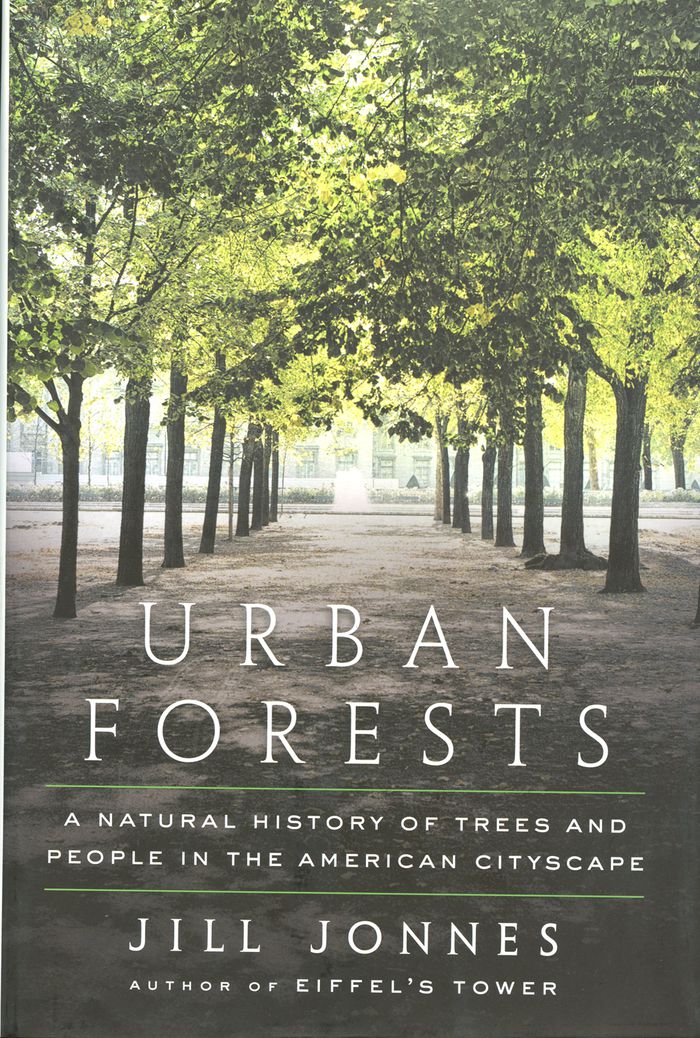
Urban Forests: a natural history of trees and people in the American cityscape
Actions:
Price:
$42.00
(available to order)
Summary:
Jill Jonnes’s Urban Forests is a natural history of the tree in American cities over the course of the past two centuries. Jonnes’s survey ranges from early sponsors for the Urban Tree Movement to the fascinating stories of particular species (including Washington, DC’s famed cherry trees, and the American chestnut and elm, and the diseases that almost destroyed them) to the institution of Arbor Day to the most recent generation of tree evangelists who are identifying the best species to populate our cities’ leafy canopies. The book examines such questions as the character of American urban forests and the effect that tree-rich landscaping might have on commerce, crime, and human well-being. As we wrestle with how to repair the damage we have wrought on nature and how to slow climate change, urban forests offer an obvious, low-tech solution.
Urban Forests: a natural history of trees and people in the American cityscape
Actions:
Price:
$42.00
(available to order)
Summary:
Jill Jonnes’s Urban Forests is a natural history of the tree in American cities over the course of the past two centuries. Jonnes’s survey ranges from early sponsors for the Urban Tree Movement to the fascinating stories of particular species (including Washington, DC’s famed cherry trees, and the American chestnut and elm, and the diseases that almost destroyed them) to the institution of Arbor Day to the most recent generation of tree evangelists who are identifying the best species to populate our cities’ leafy canopies. The book examines such questions as the character of American urban forests and the effect that tree-rich landscaping might have on commerce, crime, and human well-being. As we wrestle with how to repair the damage we have wrought on nature and how to slow climate change, urban forests offer an obvious, low-tech solution.
Form:
books
books
Publication:
October 2016
October 2016
Subject:
Urban Landscapes
Urban Landscapes
Form:
books
books
Price:
$30.00
(available to order)
Summary:
In volume 16 of The Conversation Series, Hans Ulrich Obrist presents an in-depth exchange with the venerable German-born artist and activist Gustav Metzger, which illuminates the artist's fascinating life and 60-year career. In 1959, Metzger penned a manifesto of Auto-destructive art, which states in part, "Auto-destructive paintings, sculptures and constructions have a(...)
$30.00
(available to order)
Summary:
In volume 16 of The Conversation Series, Hans Ulrich Obrist presents an in-depth exchange with the venerable German-born artist and activist Gustav Metzger, which illuminates the artist's fascinating life and 60-year career. In 1959, Metzger penned a manifesto of Auto-destructive art, which states in part, "Auto-destructive paintings, sculptures and constructions have a(...)
Subject:
Contemporary Art Monographs
Contemporary Art Monographs
Publication:
January 2009, Köln
January 2009, Köln
Title:
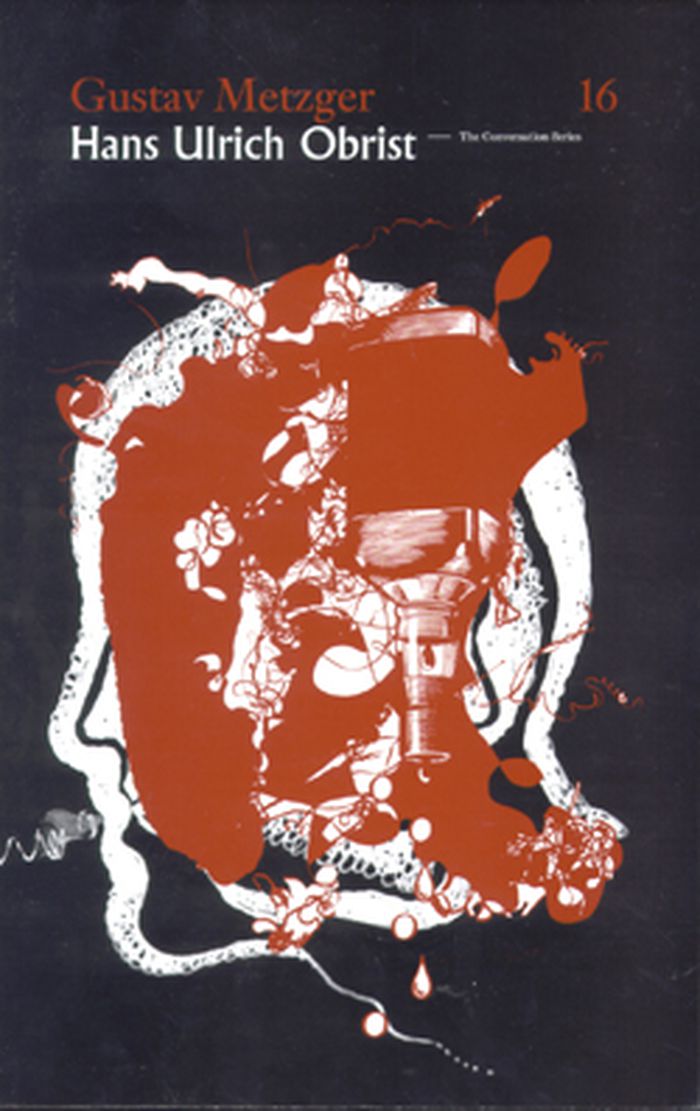
Hans Ulrich Obrist - Gustav Metzger: the conversation series 16
Actions:
Price:
$30.00
(available to order)
Summary:
In volume 16 of The Conversation Series, Hans Ulrich Obrist presents an in-depth exchange with the venerable German-born artist and activist Gustav Metzger, which illuminates the artist's fascinating life and 60-year career. In 1959, Metzger penned a manifesto of Auto-destructive art, which states in part, "Auto-destructive paintings, sculptures and constructions have a lifetime varying from a few moments to 20 years. When the disintegrative process is complete, the work is to be removed from the site and scrapped." In this volume, Metzger talks to Obrist about his past and present association with Auto-destructive art, how he has come to fuse his art practice with his political commitment to human rights and ecology, how he escaped the Holocaust at the age of 13 and the many projects he has yet to realize.
Hans Ulrich Obrist - Gustav Metzger: the conversation series 16
Actions:
Price:
$30.00
(available to order)
Summary:
In volume 16 of The Conversation Series, Hans Ulrich Obrist presents an in-depth exchange with the venerable German-born artist and activist Gustav Metzger, which illuminates the artist's fascinating life and 60-year career. In 1959, Metzger penned a manifesto of Auto-destructive art, which states in part, "Auto-destructive paintings, sculptures and constructions have a lifetime varying from a few moments to 20 years. When the disintegrative process is complete, the work is to be removed from the site and scrapped." In this volume, Metzger talks to Obrist about his past and present association with Auto-destructive art, how he has come to fuse his art practice with his political commitment to human rights and ecology, how he escaped the Holocaust at the age of 13 and the many projects he has yet to realize.
Form:
books
books
Publication:
January 2009, Köln
January 2009, Köln
Subject:
Contemporary Art Monographs
Contemporary Art Monographs
Form:
books
books
Actions:
Price:
$34.95
(available in store)
Summary:
Thios publication explores how Bostonians channeled country lakes through miles of pipeline to provide clean water; dredged the ocean to deepen the harbor; filled tidal flats and covered the peninsula with houses, shops, and factories; and created a metropolitan system of parks and greenways, facilitating the conversion of fields into suburbs. It shows how, in Boston,(...)
$34.95
(available in store)
Summary:
Thios publication explores how Bostonians channeled country lakes through miles of pipeline to provide clean water; dredged the ocean to deepen the harbor; filled tidal flats and covered the peninsula with houses, shops, and factories; and created a metropolitan system of parks and greenways, facilitating the conversion of fields into suburbs. It shows how, in Boston,(...)
Title:
Eden on the Charles:The making of Boston
Actions:
Price:
$34.95
(available in store)
Summary:
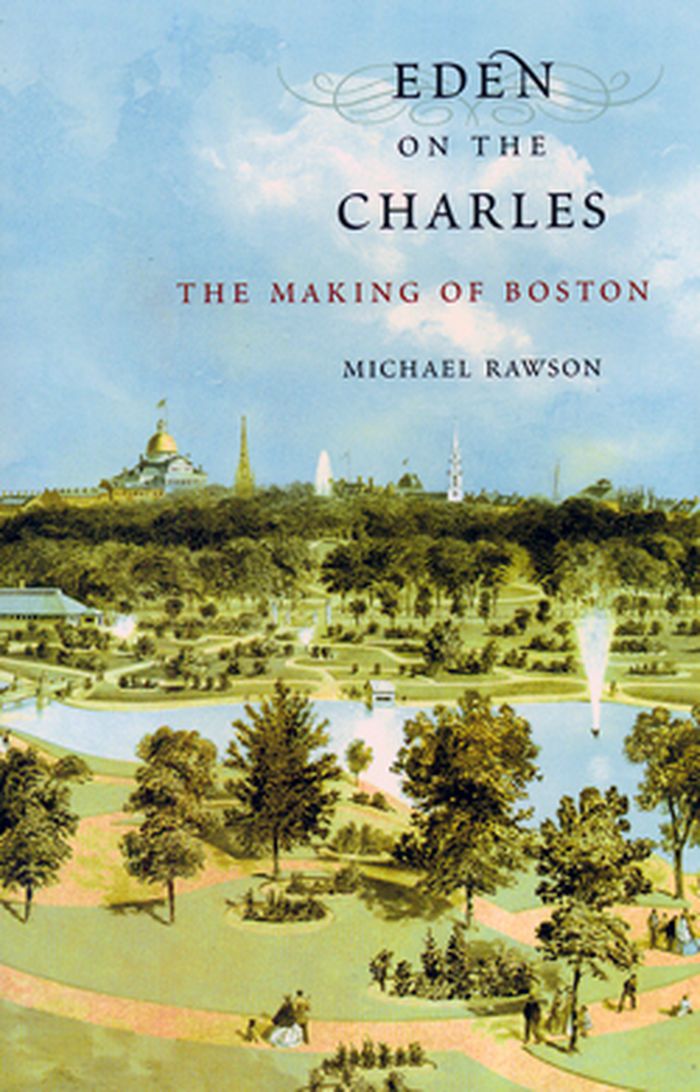
Thios publication explores how Bostonians channeled country lakes through miles of pipeline to provide clean water; dredged the ocean to deepen the harbor; filled tidal flats and covered the peninsula with houses, shops, and factories; and created a metropolitan system of parks and greenways, facilitating the conversion of fields into suburbs. It shows how, in Boston, different class and ethnic groups brought rival ideas of nature and competing visions of a “city upon a hill” to the process of urbanization—and were forced to conform their goals to the realities of Boston’s distinctive natural setting. The outcomes of their battles for control over the city’s development were ultimately recorded in the very fabric of Boston itself. In Boston’s history, we find the seeds of the environmental relationships that—for better or worse—have defined urban America to this day.
Eden on the Charles:The making of Boston
Actions:
Price:
$34.95
(available in store)
Summary:
Thios publication explores how Bostonians channeled country lakes through miles of pipeline to provide clean water; dredged the ocean to deepen the harbor; filled tidal flats and covered the peninsula with houses, shops, and factories; and created a metropolitan system of parks and greenways, facilitating the conversion of fields into suburbs. It shows how, in Boston, different class and ethnic groups brought rival ideas of nature and competing visions of a “city upon a hill” to the process of urbanization—and were forced to conform their goals to the realities of Boston’s distinctive natural setting. The outcomes of their battles for control over the city’s development were ultimately recorded in the very fabric of Boston itself. In Boston’s history, we find the seeds of the environmental relationships that—for better or worse—have defined urban America to this day.
Form:
books
books
Publication:
October 2010
October 2010
Subject:
History until 1900, North America
History until 1900, North America
Form:
books
books

Actions:
Price:
$59.95
(available to order)
Summary:
The export of American architecture began in the nineteenth century as a disjointed set of personal adventures and commercial initiatives. It continues today alongside the transfer of other aspects of American life and culture to most regions of the world. Jeffrey Cody explains how, why and where American architects, planners, building contractors and other actors have(...)
$59.95
(available to order)
Summary:
The export of American architecture began in the nineteenth century as a disjointed set of personal adventures and commercial initiatives. It continues today alongside the transfer of other aspects of American life and culture to most regions of the world. Jeffrey Cody explains how, why and where American architects, planners, building contractors and other actors have(...)
Title:
Exporting American architecture, 1870-2000
Actions:
Price:
$59.95
(available to order)
Summary:
The export of American architecture began in the nineteenth century as a disjointed set of personal adventures and commercial initiatives. It continues today alongside the transfer of other aspects of American life and culture to most regions of the world. Jeffrey Cody explains how, why and where American architects, planners, building contractors and other actors have marketed American architecture overseas. In so doing he provides a historical perspective on the diffusion of American building technologies, architectural standards, construction methods and planning paradigms. Using previously undocumented examples and illustrations, he shows how steel-frame manufacturers shipped their products abroad enabling the erection of American-style skyscrapers worldwide by 1900 and how this phase was followed by similar initiatives by companies manufacturing concrete components.
Exporting American architecture, 1870-2000
Actions:
Price:
$59.95
(available to order)
Summary:
The export of American architecture began in the nineteenth century as a disjointed set of personal adventures and commercial initiatives. It continues today alongside the transfer of other aspects of American life and culture to most regions of the world. Jeffrey Cody explains how, why and where American architects, planners, building contractors and other actors have marketed American architecture overseas. In so doing he provides a historical perspective on the diffusion of American building technologies, architectural standards, construction methods and planning paradigms. Using previously undocumented examples and illustrations, he shows how steel-frame manufacturers shipped their products abroad enabling the erection of American-style skyscrapers worldwide by 1900 and how this phase was followed by similar initiatives by companies manufacturing concrete components.
Form:
books
books
Publication:
March 2003, New York
March 2003, New York
Subject:
Architecture since 1900, Europe
Architecture since 1900, Europe
Form:
books
books
Actions:
Price:
$74.00
(available in store)
Summary:
is the story of how a structure of unprecedented size and technology was built over the East River, connecting, for the first time, the then independent cities of Brooklyn and New York, two of the most populous cities in America. This awe-inspiring bridge-built between 1869 and 1883 during an age of technological innovation-was not only a modern engineering feat of(...)
$74.00
(available in store)
Summary:
is the story of how a structure of unprecedented size and technology was built over the East River, connecting, for the first time, the then independent cities of Brooklyn and New York, two of the most populous cities in America. This awe-inspiring bridge-built between 1869 and 1883 during an age of technological innovation-was not only a modern engineering feat of(...)
Subject:
Engineering Structures
Engineering Structures
Publication:
October 2021
October 2021
Title:
Building the Brooklyn Bridge, 1869-1883: an illustrated history, with images in 3D
Actions:
Price:
$74.00
(available in store)
Summary:
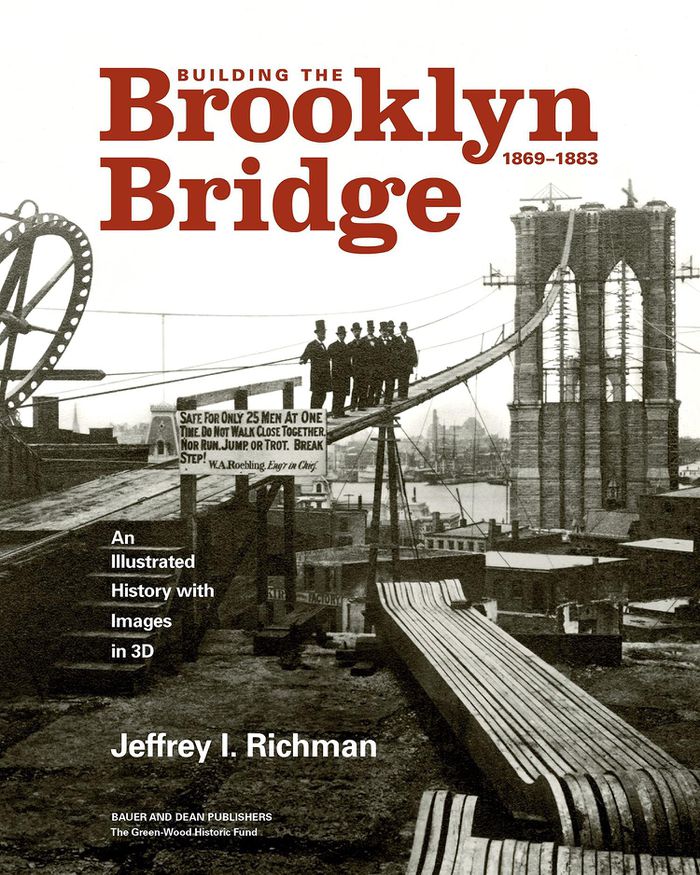
is the story of how a structure of unprecedented size and technology was built over the East River, connecting, for the first time, the then independent cities of Brooklyn and New York, two of the most populous cities in America. This awe-inspiring bridge-built between 1869 and 1883 during an age of technological innovation-was not only a modern engineering feat of extraordinary imagination, fortitude, and skill, it also was a towering beacon of human triumph. Author Jeffrey I. Richman describes in engaging detail how the Brooklyn Bridge was built and explains the function of each of its complex parts, from the anchorages and elegant towers to the massive cables, and the challenges each presented. Richman reminds us how profoundly modern and groundbreaking the bridge was.
Building the Brooklyn Bridge, 1869-1883: an illustrated history, with images in 3D
Actions:
Price:
$74.00
(available in store)
Summary:
is the story of how a structure of unprecedented size and technology was built over the East River, connecting, for the first time, the then independent cities of Brooklyn and New York, two of the most populous cities in America. This awe-inspiring bridge-built between 1869 and 1883 during an age of technological innovation-was not only a modern engineering feat of extraordinary imagination, fortitude, and skill, it also was a towering beacon of human triumph. Author Jeffrey I. Richman describes in engaging detail how the Brooklyn Bridge was built and explains the function of each of its complex parts, from the anchorages and elegant towers to the massive cables, and the challenges each presented. Richman reminds us how profoundly modern and groundbreaking the bridge was.
Form:
books
books
Publication:
October 2021
October 2021
Subject:
Engineering Structures
Engineering Structures
Form:
books
books
Actions:
Price:
$47.95
(available to order)
Summary:
This book is about the everyday life of memorials. It explores their relationship to the pulses of daily life, their meaning within a quotidian context, and their place within the development of modern cities. Through Andrew Shanken’s close historical readings of memorials, both well-known and obscure, two distinct strands of scholarship are thus brought together: the(...)
$47.95
(available to order)
Summary:
This book is about the everyday life of memorials. It explores their relationship to the pulses of daily life, their meaning within a quotidian context, and their place within the development of modern cities. Through Andrew Shanken’s close historical readings of memorials, both well-known and obscure, two distinct strands of scholarship are thus brought together: the(...)
Title:
The everyday life of memorials
Actions:
Price:
$47.95
(available to order)
Summary:
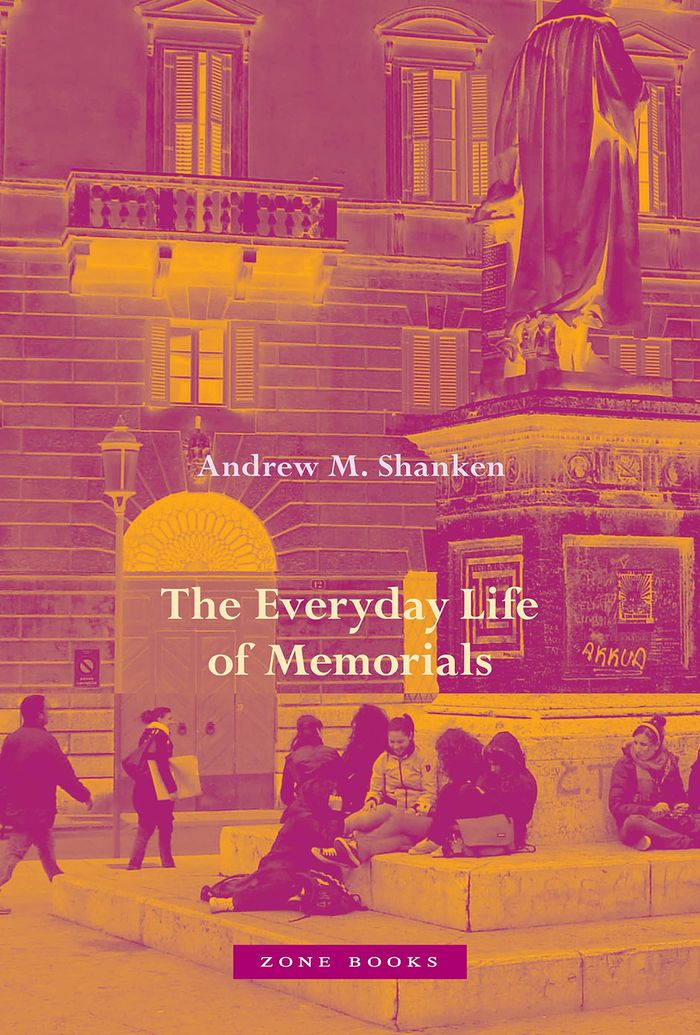
This book is about the everyday life of memorials. It explores their relationship to the pulses of daily life, their meaning within a quotidian context, and their place within the development of modern cities. Through Andrew Shanken’s close historical readings of memorials, both well-known and obscure, two distinct strands of scholarship are thus brought together: the study of the everyday and memory studies. This book explores how memorials end up where they are, grow invisible, fight with traffic, get moved, are assembled into memorial zones, and are drawn anew into commemorations and political maelstroms that their original sponsors never could have imagined. Finally, exploring how people behave at memorials and what memorials ask of people reveals just how strange the commemorative infrastructure of modernity is.
The everyday life of memorials
Actions:
Price:
$47.95
(available to order)
Summary:
This book is about the everyday life of memorials. It explores their relationship to the pulses of daily life, their meaning within a quotidian context, and their place within the development of modern cities. Through Andrew Shanken’s close historical readings of memorials, both well-known and obscure, two distinct strands of scholarship are thus brought together: the study of the everyday and memory studies. This book explores how memorials end up where they are, grow invisible, fight with traffic, get moved, are assembled into memorial zones, and are drawn anew into commemorations and political maelstroms that their original sponsors never could have imagined. Finally, exploring how people behave at memorials and what memorials ask of people reveals just how strange the commemorative infrastructure of modernity is.
Form:
books
books
Publication:
September 2022
September 2022
Subject:
Architectural Theory
Architectural Theory
Form:
books
books
Actions:
Price:
$54.95
(available to order)
Summary:
Now available in paperback, renowned writer and thinker David Leatherbarrow's groundbreaking Architecture Oriented Otherwise argues for a more profound, yet simpler, way of thinking about architecture, namely on the basis of how it performs. It's not only about how a building functions but also how it acts, including its effects on observers and inhabitants as well as on(...)
$54.95
(available to order)
Summary:
Now available in paperback, renowned writer and thinker David Leatherbarrow's groundbreaking Architecture Oriented Otherwise argues for a more profound, yet simpler, way of thinking about architecture, namely on the basis of how it performs. It's not only about how a building functions but also how it acts, including its effects on observers and inhabitants as well as on(...)
Title:
Architecture oriented otherwise
Actions:
Price:
$54.95
(available to order)
Summary:
Now available in paperback, renowned writer and thinker David Leatherbarrow's groundbreaking Architecture Oriented Otherwise argues for a more profound, yet simpler, way of thinking about architecture, namely on the basis of how it performs. It's not only about how a building functions but also how it acts, including its effects on observers and inhabitants as well as on the landscape that situates it. Drawing on an encyclopedic reading of contemporary philosophy, as well as from the work of architects whose work he admires, including Peter Zumthor, Renzo Piano, Le Corbusier, and Frank Lloyd Wright, Leatherbarrow challenges architects to think about their buildings in a vastly wider context, opening up the possibility of creating works that are richer in meaning, quality, and life.
Architecture oriented otherwise
Actions:
Price:
$54.95
(available to order)
Summary:
Now available in paperback, renowned writer and thinker David Leatherbarrow's groundbreaking Architecture Oriented Otherwise argues for a more profound, yet simpler, way of thinking about architecture, namely on the basis of how it performs. It's not only about how a building functions but also how it acts, including its effects on observers and inhabitants as well as on the landscape that situates it. Drawing on an encyclopedic reading of contemporary philosophy, as well as from the work of architects whose work he admires, including Peter Zumthor, Renzo Piano, Le Corbusier, and Frank Lloyd Wright, Leatherbarrow challenges architects to think about their buildings in a vastly wider context, opening up the possibility of creating works that are richer in meaning, quality, and life.
Form:
books
books
Publication:
March 2015
March 2015
Subject:
Architectural Theory
Architectural Theory
Form:
books
books
Actions:
Price:
$44.95
(available to order)
Summary:
Essays, projects, and interviews will examine emerging forms of sponsorship, new forms of connectivity - technological or social - that produce innovative modes of collaboration, and strategies for cultivating relationships that allow us to rethink typical hierarchies between those in power and those in service. One could argue that the profession of architecture has(...)
$44.95
(available to order)
Summary:
Essays, projects, and interviews will examine emerging forms of sponsorship, new forms of connectivity - technological or social - that produce innovative modes of collaboration, and strategies for cultivating relationships that allow us to rethink typical hierarchies between those in power and those in service. One could argue that the profession of architecture has(...)
Title:
Beyond patronage: reconsidering models of practice
Actions:
Price:
$44.95
(available to order)
Summary:
Essays, projects, and interviews will examine emerging forms of sponsorship, new forms of connectivity - technological or social - that produce innovative modes of collaboration, and strategies for cultivating relationships that allow us to rethink typical hierarchies between those in power and those in service. One could argue that the profession of architecture has traditionally been characterized by patronage. Throughout the twentieth century, private clients have enabled architects to develop and realize their most significant work. Today, the landscape of patronage is shifting. While the role of private clients is still central to the survival of the profession, an increasing number of architects and design practitioners are actively cultivating partnerships with not-for-profits, granting agencies, educational institutions, and other public organizations. How are these broader relationships redefining the role of patronage in architecture? Have our current economic, ecological, and political climates provoked architecture to confront its own priorities and assumptions? How can the practice of architecture be shaped not only through relationships of power, but also through strategies of empowerment? How are emerging practitioners today grappling with issues of inclusion and exclusion in the field?
Beyond patronage: reconsidering models of practice
Actions:
Price:
$44.95
(available to order)
Summary:
Essays, projects, and interviews will examine emerging forms of sponsorship, new forms of connectivity - technological or social - that produce innovative modes of collaboration, and strategies for cultivating relationships that allow us to rethink typical hierarchies between those in power and those in service. One could argue that the profession of architecture has traditionally been characterized by patronage. Throughout the twentieth century, private clients have enabled architects to develop and realize their most significant work. Today, the landscape of patronage is shifting. While the role of private clients is still central to the survival of the profession, an increasing number of architects and design practitioners are actively cultivating partnerships with not-for-profits, granting agencies, educational institutions, and other public organizations. How are these broader relationships redefining the role of patronage in architecture? Have our current economic, ecological, and political climates provoked architecture to confront its own priorities and assumptions? How can the practice of architecture be shaped not only through relationships of power, but also through strategies of empowerment? How are emerging practitioners today grappling with issues of inclusion and exclusion in the field?
Form:
books
books
Publication:
March 2014
March 2014
Subject:
Architectural Theory
Architectural Theory


