


36154 Results
Form:
books
books
Actions:
Price:
$56.95
(available to order)
Summary:
Le moment est venu d’archiver l’« architecture radicale ». Mais cela signifie de considérer ce moment comme le chapitre clé d’une trajectoire culturelle qui porte un autre titre : celui d’une architecture rationaliste comprise comme l’une des composantes du Mouvement moderne les plus expérimentales : machine à habiter, existenzminimum, less is more, etc. En se cantonnant(...)
$56.95
(available to order)
Summary:
Le moment est venu d’archiver l’« architecture radicale ». Mais cela signifie de considérer ce moment comme le chapitre clé d’une trajectoire culturelle qui porte un autre titre : celui d’une architecture rationaliste comprise comme l’une des composantes du Mouvement moderne les plus expérimentales : machine à habiter, existenzminimum, less is more, etc. En se cantonnant(...)
Subject:
Architecture Monographs
Architecture Monographs
Publication:
November 2019
November 2019
Title:
Le monument continu de Superstudio : excès du rationalisme et stratégie du refus
Actions:
Price:
$56.95
(available to order)
Summary:
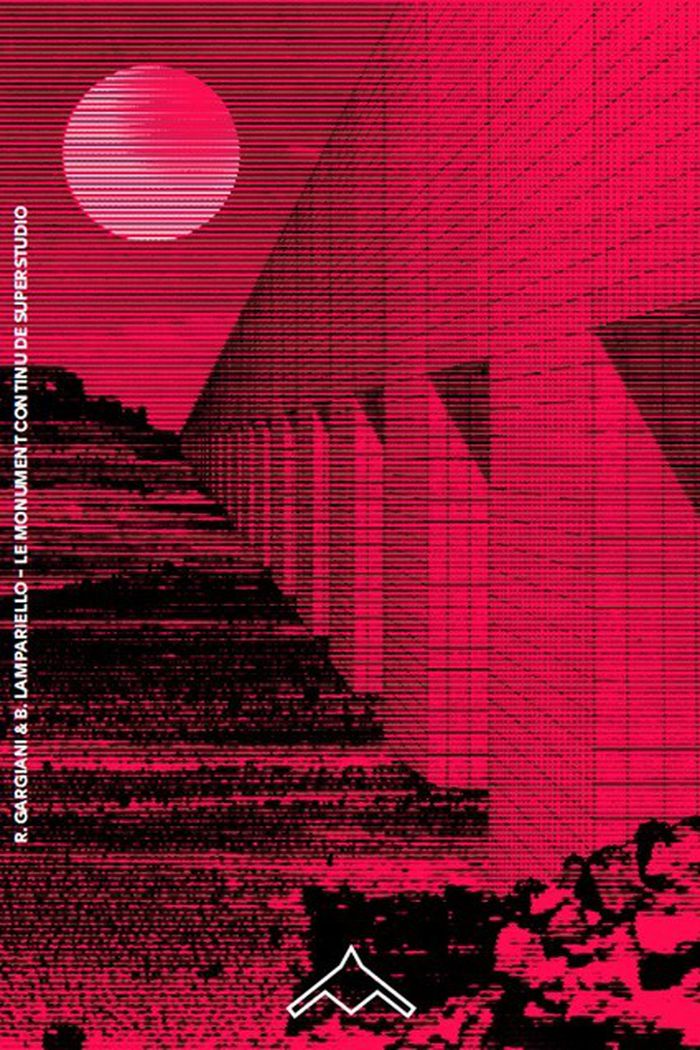
Le moment est venu d’archiver l’« architecture radicale ». Mais cela signifie de considérer ce moment comme le chapitre clé d’une trajectoire culturelle qui porte un autre titre : celui d’une architecture rationaliste comprise comme l’une des composantes du Mouvement moderne les plus expérimentales : machine à habiter, existenzminimum, less is more, etc. En se cantonnant à la période comprise entre mars et décembre 1969, Gargiani et Lampariello offrent ici une généalogie serrée du groupe Superstudio à travers leur iconique projet de Monument Continu. Les deux historiens reviennent sur leurs territoires philosophiques et mystiques, mais aussi sur ce qui rendit énigmatique et si fascinant leur hyper-rationalisme dans une époque de profonde rénovation sociale.
Le monument continu de Superstudio : excès du rationalisme et stratégie du refus
Actions:
Price:
$56.95
(available to order)
Summary:
Le moment est venu d’archiver l’« architecture radicale ». Mais cela signifie de considérer ce moment comme le chapitre clé d’une trajectoire culturelle qui porte un autre titre : celui d’une architecture rationaliste comprise comme l’une des composantes du Mouvement moderne les plus expérimentales : machine à habiter, existenzminimum, less is more, etc. En se cantonnant à la période comprise entre mars et décembre 1969, Gargiani et Lampariello offrent ici une généalogie serrée du groupe Superstudio à travers leur iconique projet de Monument Continu. Les deux historiens reviennent sur leurs territoires philosophiques et mystiques, mais aussi sur ce qui rendit énigmatique et si fascinant leur hyper-rationalisme dans une époque de profonde rénovation sociale.
Form:
books
books
Publication:
November 2019
November 2019
Subject:
Architecture Monographs
Architecture Monographs
Form:
books
books
Actions:
Price:
$25.00
(available to order)
Summary:
Découvrez tout ce que vous avez toujours voulu savoir sur Global Tools et le « Whole Earth Catalog » sans oser le demander : l'« accès aux outils » d'une globalité altermondialiste avant l'heure ! Car c'est bien à la vie sur notre petite planète que nous invite Simon Sadler. Face à la bible hippie éditée par Stewart Brand entre 1968 et 1972, des représentants de l'arte(...)
$25.00
(available to order)
Summary:
Découvrez tout ce que vous avez toujours voulu savoir sur Global Tools et le « Whole Earth Catalog » sans oser le demander : l'« accès aux outils » d'une globalité altermondialiste avant l'heure ! Car c'est bien à la vie sur notre petite planète que nous invite Simon Sadler. Face à la bible hippie éditée par Stewart Brand entre 1968 et 1972, des représentants de l'arte(...)
Title:
Tool globalism : solution pour une petite planète ?
Actions:
Price:
$25.00
(available to order)
Summary:
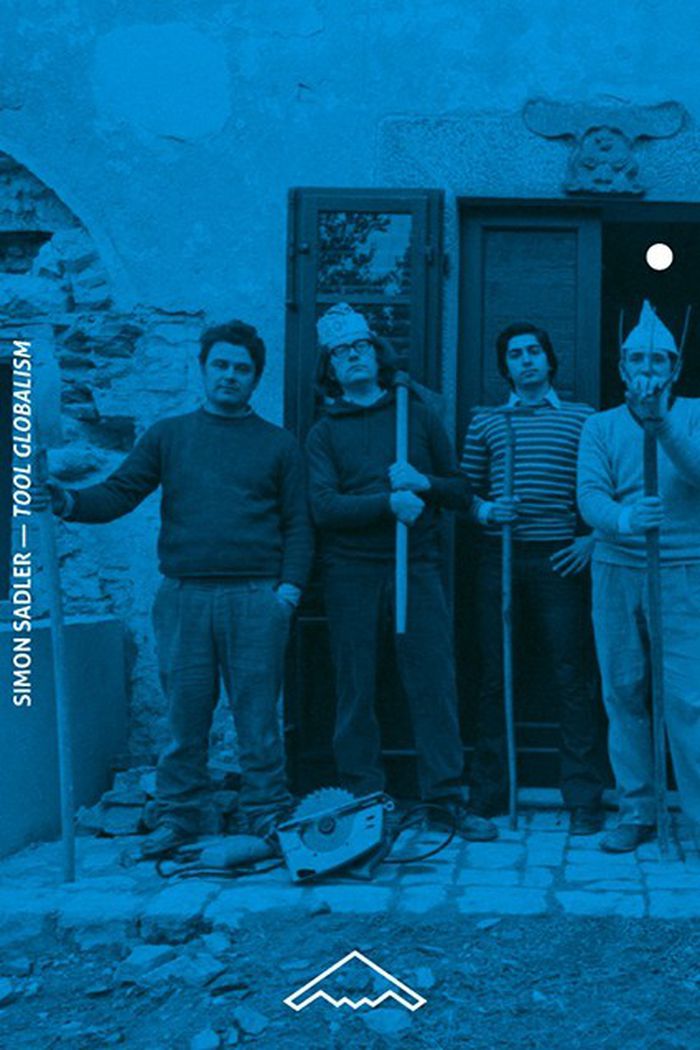
Découvrez tout ce que vous avez toujours voulu savoir sur Global Tools et le « Whole Earth Catalog » sans oser le demander : l'« accès aux outils » d'une globalité altermondialiste avant l'heure ! Car c'est bien à la vie sur notre petite planète que nous invite Simon Sadler. Face à la bible hippie éditée par Stewart Brand entre 1968 et 1972, des représentants de l'arte poveraturinois, de l'architecture « radicale » florentine et du contre-design milanais vont expérimenter, entre 1973 et 1975, une « contre-école » inspirée du livre d'Ivan Illich, Une société sans école(1971). À travers Superstudio et d'autres participants de l'exposition au MoMA « Italy : New Domestic Landscape » (1972), Nikola Jankovic revient sur les raisons de son échec annoncé.
Tool globalism : solution pour une petite planète ?
Actions:
Price:
$25.00
(available to order)
Summary:
Découvrez tout ce que vous avez toujours voulu savoir sur Global Tools et le « Whole Earth Catalog » sans oser le demander : l'« accès aux outils » d'une globalité altermondialiste avant l'heure ! Car c'est bien à la vie sur notre petite planète que nous invite Simon Sadler. Face à la bible hippie éditée par Stewart Brand entre 1968 et 1972, des représentants de l'arte poveraturinois, de l'architecture « radicale » florentine et du contre-design milanais vont expérimenter, entre 1973 et 1975, une « contre-école » inspirée du livre d'Ivan Illich, Une société sans école(1971). À travers Superstudio et d'autres participants de l'exposition au MoMA « Italy : New Domestic Landscape » (1972), Nikola Jankovic revient sur les raisons de son échec annoncé.
Form:
books
books
Publication:
October 2019
October 2019
Subject:
Architectural Theory
Architectural Theory
Form:
books
books

Actions:
Price:
$22.00
(available to order)
Summary:
L'architecture n'est peut-être rien d'autre que l'art de construire des climats : « corriger artificiellement ce que la nature a d’incommode », comme l'écrivait Vitruve. Pour Philippe Rahm, l'architecture existe parce que le climat naturel est le plus souvent inhospitalier au séjour des hommes : trop chaud ou trop froid ; trop sec ou trop humide ; trop sombre ou trop(...)
$22.00
(available to order)
Summary:
L'architecture n'est peut-être rien d'autre que l'art de construire des climats : « corriger artificiellement ce que la nature a d’incommode », comme l'écrivait Vitruve. Pour Philippe Rahm, l'architecture existe parce que le climat naturel est le plus souvent inhospitalier au séjour des hommes : trop chaud ou trop froid ; trop sec ou trop humide ; trop sombre ou trop(...)
Title:
Le jardin métérologique et autres constructions climatiques
Actions:
Price:
$22.00
(available to order)
Summary:
L'architecture n'est peut-être rien d'autre que l'art de construire des climats : « corriger artificiellement ce que la nature a d’incommode », comme l'écrivait Vitruve. Pour Philippe Rahm, l'architecture existe parce que le climat naturel est le plus souvent inhospitalier au séjour des hommes : trop chaud ou trop froid ; trop sec ou trop humide ; trop sombre ou trop ensoleillé.L'architecture doit adoucir, intensifier, mitiger : réguler le climat naturel pour le rendre habitable. Le réchauffement climatique modifiera l'écologie urbaine mondiale : unparc de 67 hectares à Taïwan en constitue un prototype tropical. Sous forme de contes, « Jardin météorologique », « Extérieur atténué » ou « Gradation d'intériorité » nous montrent la voie...
Le jardin métérologique et autres constructions climatiques
Actions:
Price:
$22.00
(available to order)
Summary:
L'architecture n'est peut-être rien d'autre que l'art de construire des climats : « corriger artificiellement ce que la nature a d’incommode », comme l'écrivait Vitruve. Pour Philippe Rahm, l'architecture existe parce que le climat naturel est le plus souvent inhospitalier au séjour des hommes : trop chaud ou trop froid ; trop sec ou trop humide ; trop sombre ou trop ensoleillé.L'architecture doit adoucir, intensifier, mitiger : réguler le climat naturel pour le rendre habitable. Le réchauffement climatique modifiera l'écologie urbaine mondiale : unparc de 67 hectares à Taïwan en constitue un prototype tropical. Sous forme de contes, « Jardin météorologique », « Extérieur atténué » ou « Gradation d'intériorité » nous montrent la voie...
Form:
books
books
Publication:
November 2019
November 2019
Subject:
Landscape Theory
Landscape Theory
Form:
books
books
Actions:
Price:
$65.00
(available to order)
Summary:
Sergei Eisenstein’s cinematic adaptation of Karl Marx’s Capital was never realized, yet it has haunted the imagination of many filmmakers, historians, and philosophers to the present day. 'Dance of Values' aims to conjure the phantom of Eisenstein’s Capital, presenting for the first time material from the full scope of the film project’s archival body. This 'visual(...)
$65.00
(available to order)
Summary:
Sergei Eisenstein’s cinematic adaptation of Karl Marx’s Capital was never realized, yet it has haunted the imagination of many filmmakers, historians, and philosophers to the present day. 'Dance of Values' aims to conjure the phantom of Eisenstein’s Capital, presenting for the first time material from the full scope of the film project’s archival body. This 'visual(...)
Title:
Dance of values: Sergei Eisenstein's Capital proect
Actions:
Price:
$65.00
(available to order)
Summary:
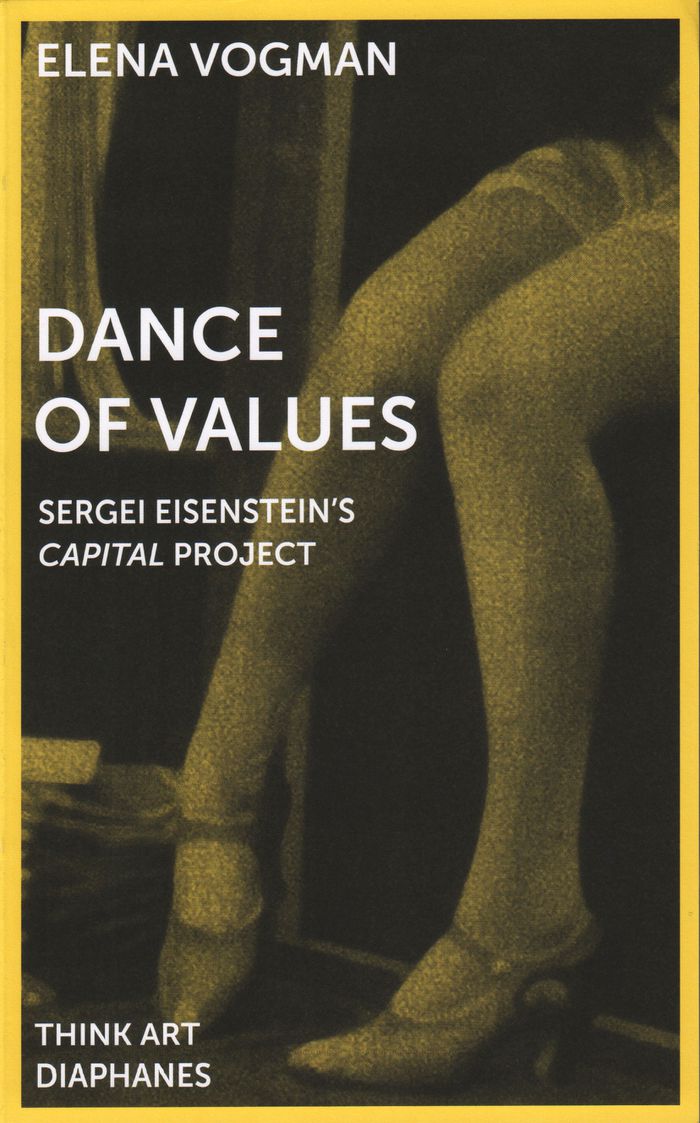
Sergei Eisenstein’s cinematic adaptation of Karl Marx’s Capital was never realized, yet it has haunted the imagination of many filmmakers, historians, and philosophers to the present day. 'Dance of Values' aims to conjure the phantom of Eisenstein’s Capital, presenting for the first time material from the full scope of the film project’s archival body. This 'visual instruction in the dialectical method,' as Eisenstein called it, comprises more than five hundred pages of notes, drawings, press clippings, diagrams, negatives, theoretical reflections, and extensive quotations. 'Dance of Values' explores the internal formal necessity underlying Eisenstein’s artistic choices, and argues that its brilliant adaptation of Marx’s Capital relied on the fragmentary and nonlinear state of its material. Published here for the first time, sequences from Eisenstein’s archival materials are presented in this volume not as mere illustrations but as arguments in their own right, a visual theorization of value.
Dance of values: Sergei Eisenstein's Capital proect
Actions:
Price:
$65.00
(available to order)
Summary:
Sergei Eisenstein’s cinematic adaptation of Karl Marx’s Capital was never realized, yet it has haunted the imagination of many filmmakers, historians, and philosophers to the present day. 'Dance of Values' aims to conjure the phantom of Eisenstein’s Capital, presenting for the first time material from the full scope of the film project’s archival body. This 'visual instruction in the dialectical method,' as Eisenstein called it, comprises more than five hundred pages of notes, drawings, press clippings, diagrams, negatives, theoretical reflections, and extensive quotations. 'Dance of Values' explores the internal formal necessity underlying Eisenstein’s artistic choices, and argues that its brilliant adaptation of Marx’s Capital relied on the fragmentary and nonlinear state of its material. Published here for the first time, sequences from Eisenstein’s archival materials are presented in this volume not as mere illustrations but as arguments in their own right, a visual theorization of value.
Form:
books
books
Publication:
January 2018
January 2018
Subject:
Architecture and Film, Set Design
Architecture and Film, Set Design
Form:
books
books
Actions:
Price:
$18.00
(available to order)
Summary:
"Charles Correa – seen by many in India as a sort of guru, as someone capable to transcend and grasp the ineffable reality that surrounds us – has left his noteworthy architectural heritage across the globe. In 2013, the Royal Institute of British Architects (RIBA) celebrated him as one of the greatest contemporary urban planners showcasing his work in an exhibition(...)
$18.00
(available to order)
Summary:
"Charles Correa – seen by many in India as a sort of guru, as someone capable to transcend and grasp the ineffable reality that surrounds us – has left his noteworthy architectural heritage across the globe. In 2013, the Royal Institute of British Architects (RIBA) celebrated him as one of the greatest contemporary urban planners showcasing his work in an exhibition(...)
Title:
The ineffable in Charles Correa
Actions:
Price:
$18.00
(available to order)
Summary:
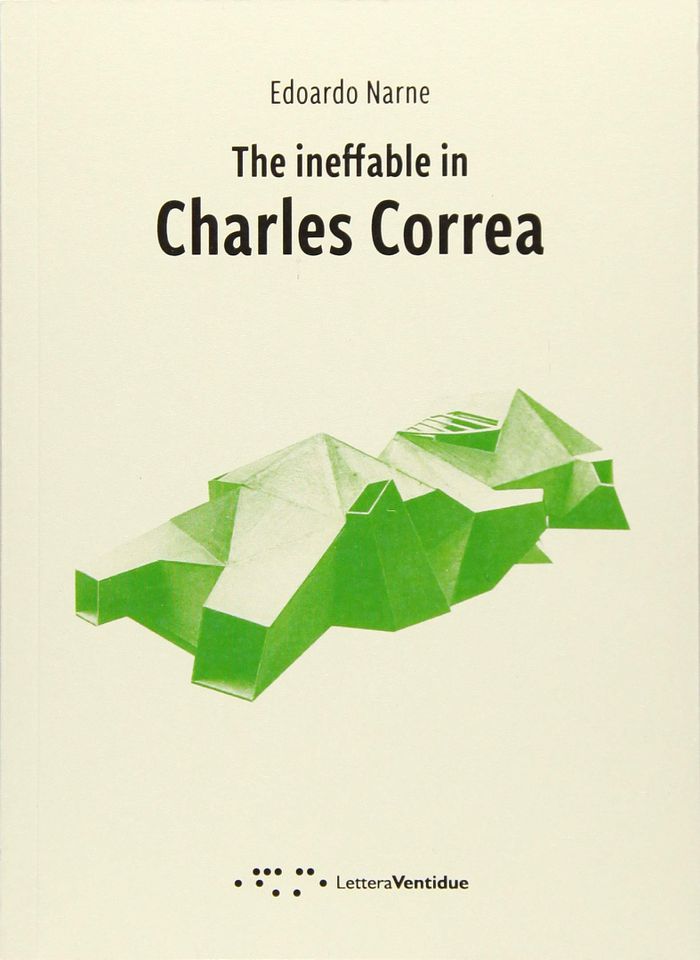
"Charles Correa – seen by many in India as a sort of guru, as someone capable to transcend and grasp the ineffable reality that surrounds us – has left his noteworthy architectural heritage across the globe. In 2013, the Royal Institute of British Architects (RIBA) celebrated him as one of the greatest contemporary urban planners showcasing his work in an exhibition called: 'Charles Correa: India’s greatest architect'. Profoundly tied to my Indian origins, to me Correa has been the master over distance, a personal benchmark to set my goals against. He was my inspiring thinker, architect and urbanist, or simply said, the designer I would have liked to be. Many of Correa’s last works show his deep-rooted search of the highest spiritual dimension in the attempt to trap part of the cosmic energy surrounding us into architectural works that were – and are – the shadow of his soul."
The ineffable in Charles Correa
Actions:
Price:
$18.00
(available to order)
Summary:
"Charles Correa – seen by many in India as a sort of guru, as someone capable to transcend and grasp the ineffable reality that surrounds us – has left his noteworthy architectural heritage across the globe. In 2013, the Royal Institute of British Architects (RIBA) celebrated him as one of the greatest contemporary urban planners showcasing his work in an exhibition called: 'Charles Correa: India’s greatest architect'. Profoundly tied to my Indian origins, to me Correa has been the master over distance, a personal benchmark to set my goals against. He was my inspiring thinker, architect and urbanist, or simply said, the designer I would have liked to be. Many of Correa’s last works show his deep-rooted search of the highest spiritual dimension in the attempt to trap part of the cosmic energy surrounding us into architectural works that were – and are – the shadow of his soul."
Form:
books
books
Publication:
October 2019
October 2019
Subject:
Architecture Monographs
Architecture Monographs
Form:
books
books

Actions:
Price:
$32.95
(available to order)
Summary:
Overlooking 31st street in Midtown West in New York City, Steven Holl recounts how his creative process originates and develops through a particular style of working, leading to what characterizes his form of architecture. It is through a description of his latest projects that the architect will illustrate the tools of his work and the place where this is conceived and(...)
$32.95
(available to order)
Summary:
Overlooking 31st street in Midtown West in New York City, Steven Holl recounts how his creative process originates and develops through a particular style of working, leading to what characterizes his form of architecture. It is through a description of his latest projects that the architect will illustrate the tools of his work and the place where this is conceived and(...)
Title:
Lake of the mind: a conversation with Steven Holl
Actions:
Price:
$32.95
(available to order)
Summary:
Overlooking 31st street in Midtown West in New York City, Steven Holl recounts how his creative process originates and develops through a particular style of working, leading to what characterizes his form of architecture. It is through a description of his latest projects that the architect will illustrate the tools of his work and the place where this is conceived and contemplated.
Lake of the mind: a conversation with Steven Holl
Actions:
Price:
$32.95
(available to order)
Summary:
Overlooking 31st street in Midtown West in New York City, Steven Holl recounts how his creative process originates and develops through a particular style of working, leading to what characterizes his form of architecture. It is through a description of his latest projects that the architect will illustrate the tools of his work and the place where this is conceived and contemplated.
Form:
books
books
Publication:
September 2018
September 2018
Subject:
Architecture Monographs
Architecture Monographs
Form:
books
books
Actions:
Price:
$34.95
(available to order)
Summary:
Mettre en oeuvre des matériaux à base de plantes à croissance rapide est une gigantesque opportunité pour stocker dès maintenant une grande quantité de carbone, et lutter ainsi contre les dérèglements climatiques. Habitat, équipements ou bâtiments d'activités, les 50 bâtiments biosourcés décrits dans cet ouvrage ont été choisis parmi les 226 candidats du FIBRA Award,(...)
$34.95
(available to order)
Summary:
Mettre en oeuvre des matériaux à base de plantes à croissance rapide est une gigantesque opportunité pour stocker dès maintenant une grande quantité de carbone, et lutter ainsi contre les dérèglements climatiques. Habitat, équipements ou bâtiments d'activités, les 50 bâtiments biosourcés décrits dans cet ouvrage ont été choisis parmi les 226 candidats du FIBRA Award,(...)
Title:
Architecture en fibres végétales d'aujourd'hui
Actions:
Price:
$34.95
(available to order)
Summary:
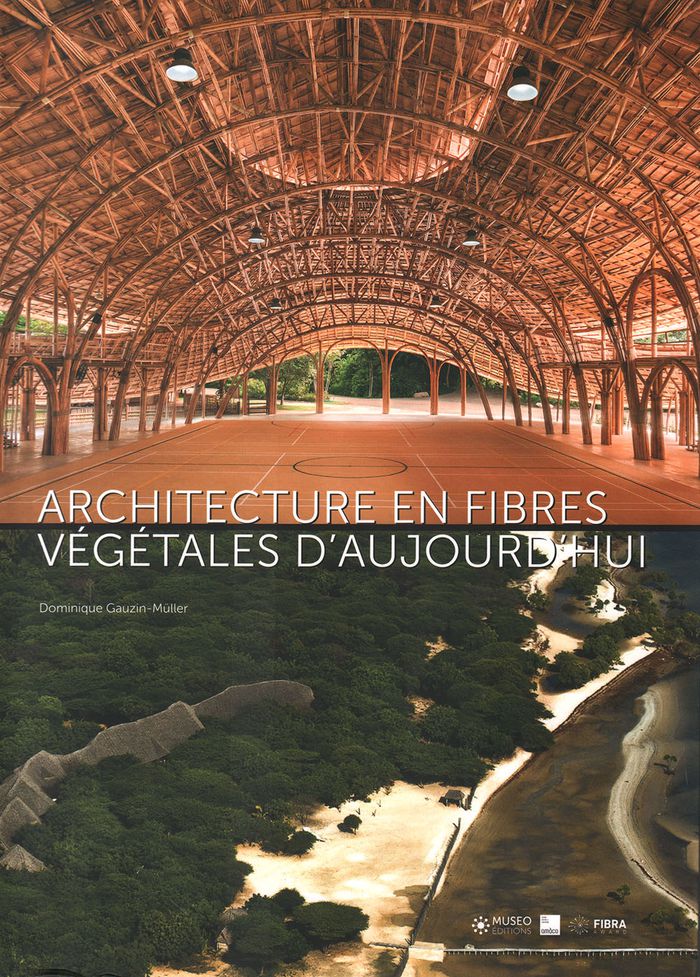
Mettre en oeuvre des matériaux à base de plantes à croissance rapide est une gigantesque opportunité pour stocker dès maintenant une grande quantité de carbone, et lutter ainsi contre les dérèglements climatiques. Habitat, équipements ou bâtiments d'activités, les 50 bâtiments biosourcés décrits dans cet ouvrage ont été choisis parmi les 226 candidats du FIBRA Award, premier prix mondial des architectures contemporaines en fibres végétales. Réalisés en bambou, chaume, paille, feuilles de palmier, écorces, herbes de la Mer du Nord ou du plateau andin, voire briques de champignons, ces exemples inspirants issus de 45 pays incitent à la redécouverte de matériaux abondants et bon marché, dont la transformation demande peu d'énergie.
Architecture en fibres végétales d'aujourd'hui
Actions:
Price:
$34.95
(available to order)
Summary:
Mettre en oeuvre des matériaux à base de plantes à croissance rapide est une gigantesque opportunité pour stocker dès maintenant une grande quantité de carbone, et lutter ainsi contre les dérèglements climatiques. Habitat, équipements ou bâtiments d'activités, les 50 bâtiments biosourcés décrits dans cet ouvrage ont été choisis parmi les 226 candidats du FIBRA Award, premier prix mondial des architectures contemporaines en fibres végétales. Réalisés en bambou, chaume, paille, feuilles de palmier, écorces, herbes de la Mer du Nord ou du plateau andin, voire briques de champignons, ces exemples inspirants issus de 45 pays incitent à la redécouverte de matériaux abondants et bon marché, dont la transformation demande peu d'énergie.
Form:
books
books
Publication:
October 2019
October 2019
Subject:
Green Architecture
Green Architecture
Form:
books
books
Title:
Biomimétisme et architecture
Biomimétisme et architecture
Actions:
Price:
$49.95
(available to order)
Summary:
Le premier essai publié en français sur les rapports entre biomimétisme et architecture. Michael Pawlyn passe en revue les grandes problématiques architecturales vues sous l’angle du biomimétisme : la solidité des structures, les matériaux de construction, la gestion des déchets, la circulation de l’eau, la climatisation, l’énergie. Il détaille les apports du biomimétisme(...)
$49.95
(available to order)
Summary:
Le premier essai publié en français sur les rapports entre biomimétisme et architecture. Michael Pawlyn passe en revue les grandes problématiques architecturales vues sous l’angle du biomimétisme : la solidité des structures, les matériaux de construction, la gestion des déchets, la circulation de l’eau, la climatisation, l’énergie. Il détaille les apports du biomimétisme(...)
Title:
Biomimétisme et architecture
Actions:
Price:
$49.95
(available to order)
Summary:
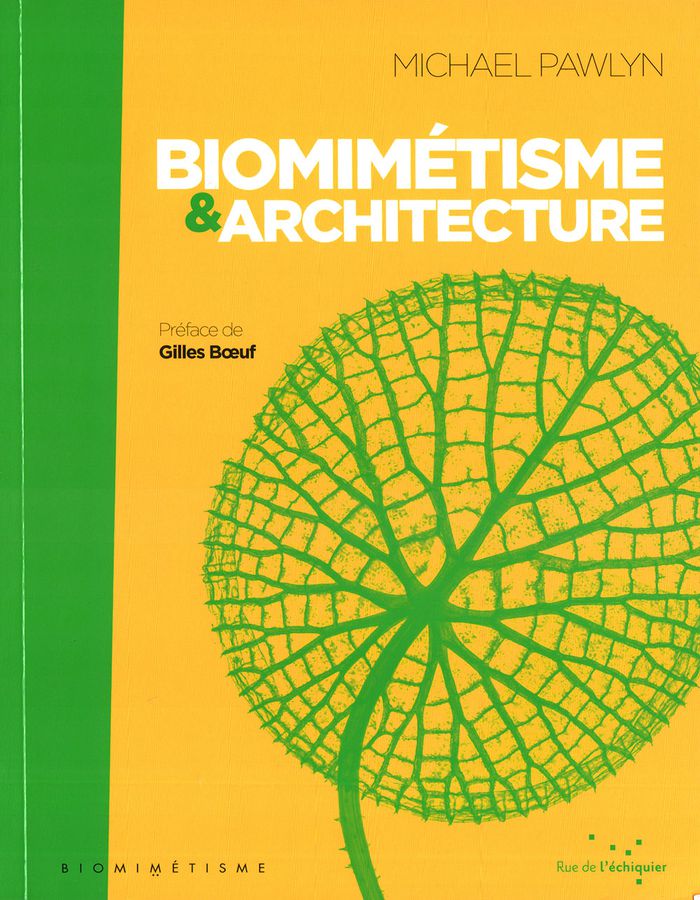
Le premier essai publié en français sur les rapports entre biomimétisme et architecture. Michael Pawlyn passe en revue les grandes problématiques architecturales vues sous l’angle du biomimétisme : la solidité des structures, les matériaux de construction, la gestion des déchets, la circulation de l’eau, la climatisation, l’énergie. Il détaille les apports du biomimétisme sur le plan de l’innovation et constitue une sorte de recueil de solutions face aux enjeux du développement durable.
Biomimétisme et architecture
Actions:
Price:
$49.95
(available to order)
Summary:
Le premier essai publié en français sur les rapports entre biomimétisme et architecture. Michael Pawlyn passe en revue les grandes problématiques architecturales vues sous l’angle du biomimétisme : la solidité des structures, les matériaux de construction, la gestion des déchets, la circulation de l’eau, la climatisation, l’énergie. Il détaille les apports du biomimétisme sur le plan de l’innovation et constitue une sorte de recueil de solutions face aux enjeux du développement durable.
Form:
books
books
Publication:
November 2019
November 2019
Subject:
Engineering Structures
Engineering Structures
Form:
books
books
Actions:
Price:
$26.95
(available in store)
Summary:
Le présent recueil réunit les textes que Nicolas Bouvier a écrits sur la photographie entre 1965 et 1996. À de nombreuses occasions, l’auteur genevois avait parlé de son métier d’iconographe, notamment dans le petit livre Le hibou et la baleine, paru en 1993, mais sa réflexion sur l’acte photographique restait à découvrir. Jusqu’à ce jour, les écrits qu’il a dédié à ce(...)
$26.95
(available in store)
Summary:
Le présent recueil réunit les textes que Nicolas Bouvier a écrits sur la photographie entre 1965 et 1996. À de nombreuses occasions, l’auteur genevois avait parlé de son métier d’iconographe, notamment dans le petit livre Le hibou et la baleine, paru en 1993, mais sa réflexion sur l’acte photographique restait à découvrir. Jusqu’à ce jour, les écrits qu’il a dédié à ce(...)
Title:
Du coin de l'oeil : écrits sur la photographie
Actions:
Price:
$26.95
(available in store)
Summary:
Le présent recueil réunit les textes que Nicolas Bouvier a écrits sur la photographie entre 1965 et 1996. À de nombreuses occasions, l’auteur genevois avait parlé de son métier d’iconographe, notamment dans le petit livre Le hibou et la baleine, paru en 1993, mais sa réflexion sur l’acte photographique restait à découvrir. Jusqu’à ce jour, les écrits qu’il a dédié à ce sujet (préfaces, articles de presse, introductions à des catalogues d’exposition) restaient dispersés. Près de quarante textes se trouvent ainsi rassemblés ici. Parmi eux, certains relatent également son activité de « chercheur-traqueur d’images », qui aura été son gagne-pain durant près de trente ans.
Du coin de l'oeil : écrits sur la photographie
Actions:
Price:
$26.95
(available in store)
Summary:
Le présent recueil réunit les textes que Nicolas Bouvier a écrits sur la photographie entre 1965 et 1996. À de nombreuses occasions, l’auteur genevois avait parlé de son métier d’iconographe, notamment dans le petit livre Le hibou et la baleine, paru en 1993, mais sa réflexion sur l’acte photographique restait à découvrir. Jusqu’à ce jour, les écrits qu’il a dédié à ce sujet (préfaces, articles de presse, introductions à des catalogues d’exposition) restaient dispersés. Près de quarante textes se trouvent ainsi rassemblés ici. Parmi eux, certains relatent également son activité de « chercheur-traqueur d’images », qui aura été son gagne-pain durant près de trente ans.
Form:
books
books
Publication:
November 2019
November 2019
Subject:
Theory of Photography
Theory of Photography
Form:
books
books
Actions:
Price:
$29.95
(available in store)
Summary:
L'architecture accompagne la sédentarisation de l'homme, notamment par la construction d'enceinte pour délimiter l'espace du territoire gagné sur la nature. Depuis les premières structures réalisées par l'homme de Neandertal, l'auteur propose en douze étapes une anthropologie de l'histoire de l'architecture, fondée sur cette constante du bâti humain.
$29.95
(available in store)
Summary:
L'architecture accompagne la sédentarisation de l'homme, notamment par la construction d'enceinte pour délimiter l'espace du territoire gagné sur la nature. Depuis les premières structures réalisées par l'homme de Neandertal, l'auteur propose en douze étapes une anthropologie de l'histoire de l'architecture, fondée sur cette constante du bâti humain.
Title:
Hors nature : L'enceinte, une figure de la sédentarisation
Actions:
Price:
$29.95
(available in store)
Summary:
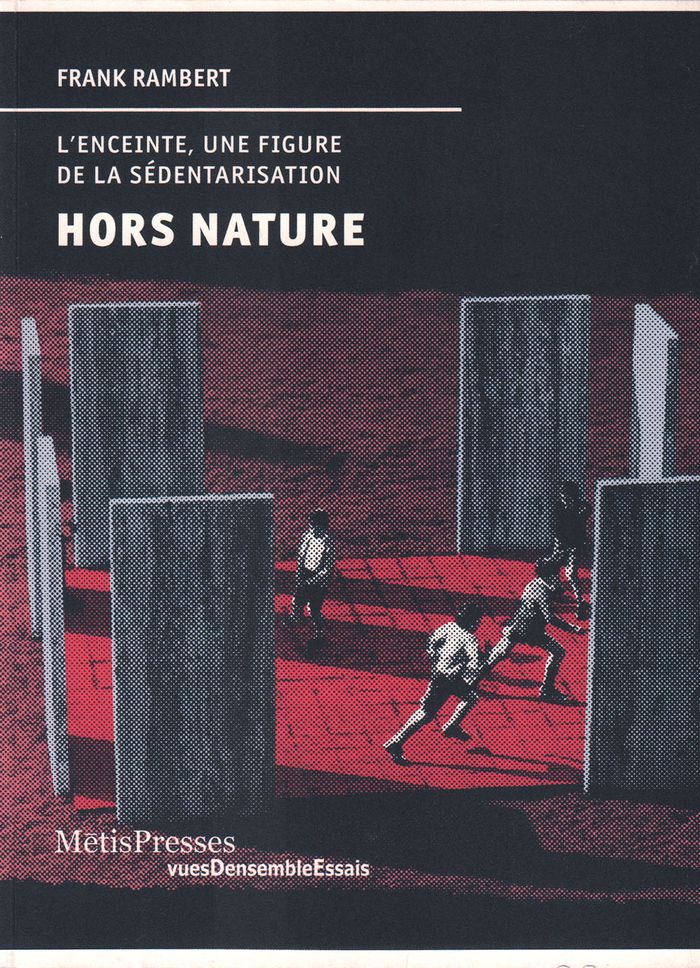
L'architecture accompagne la sédentarisation de l'homme, notamment par la construction d'enceinte pour délimiter l'espace du territoire gagné sur la nature. Depuis les premières structures réalisées par l'homme de Neandertal, l'auteur propose en douze étapes une anthropologie de l'histoire de l'architecture, fondée sur cette constante du bâti humain.
Hors nature : L'enceinte, une figure de la sédentarisation
Actions:
Price:
$29.95
(available in store)
Summary:
L'architecture accompagne la sédentarisation de l'homme, notamment par la construction d'enceinte pour délimiter l'espace du territoire gagné sur la nature. Depuis les premières structures réalisées par l'homme de Neandertal, l'auteur propose en douze étapes une anthropologie de l'histoire de l'architecture, fondée sur cette constante du bâti humain.
Form:
books
books
Publication:
November 2019
November 2019
Subject:
Architectural Theory
Architectural Theory


