


12372 Results
Form:
books
books

Price:
$130.00
(available to order)
Summary:
As Italian architect, engineer and curator Carlo Ratti puts it, "Architecture has always been a response to a hostile climate … our creations have always striven to bridge the gap between a harsh environment and the safe, livable spaces we require. Today, that dynamic approach is being taken to a new level—as climate becomes less forgiving. We have witnessed firsthand how(...)
$130.00
(available to order)
Summary:
As Italian architect, engineer and curator Carlo Ratti puts it, "Architecture has always been a response to a hostile climate … our creations have always striven to bridge the gap between a harsh environment and the safe, livable spaces we require. Today, that dynamic approach is being taken to a new level—as climate becomes less forgiving. We have witnessed firsthand how(...)
Title:
Biennale Architettura 2025: Intelligens. Natural. Artificial. Collective.
Actions:
Price:
$130.00
(available to order)
Summary:
As Italian architect, engineer and curator Carlo Ratti puts it, "Architecture has always been a response to a hostile climate … our creations have always striven to bridge the gap between a harsh environment and the safe, livable spaces we require. Today, that dynamic approach is being taken to a new level—as climate becomes less forgiving. We have witnessed firsthand how water and fire are attacking us with unprecedented ferocity." This two-volume publication accompanies the 19th International Architecture Exhibition in Venice, titled "Intelligens. Natural. Artificial. Collective." Contributions from more than 750 participants—including architects and engineers, mathematicians and climate scientists, philosophers and artists, chefs and coders, writers and woodcarvers, farmers and fashion designers, and many more—explore how effective methods of adaptation to our changing environment demand inclusivity and collaboration.
Biennale Architettura 2025: Intelligens. Natural. Artificial. Collective.
Actions:
Price:
$130.00
(available to order)
Summary:
As Italian architect, engineer and curator Carlo Ratti puts it, "Architecture has always been a response to a hostile climate … our creations have always striven to bridge the gap between a harsh environment and the safe, livable spaces we require. Today, that dynamic approach is being taken to a new level—as climate becomes less forgiving. We have witnessed firsthand how water and fire are attacking us with unprecedented ferocity." This two-volume publication accompanies the 19th International Architecture Exhibition in Venice, titled "Intelligens. Natural. Artificial. Collective." Contributions from more than 750 participants—including architects and engineers, mathematicians and climate scientists, philosophers and artists, chefs and coders, writers and woodcarvers, farmers and fashion designers, and many more—explore how effective methods of adaptation to our changing environment demand inclusivity and collaboration.
Form:
books
books
Publication:
November 2025
November 2025
Subject:
Biennial
Biennial
Form:
books
books
Title:
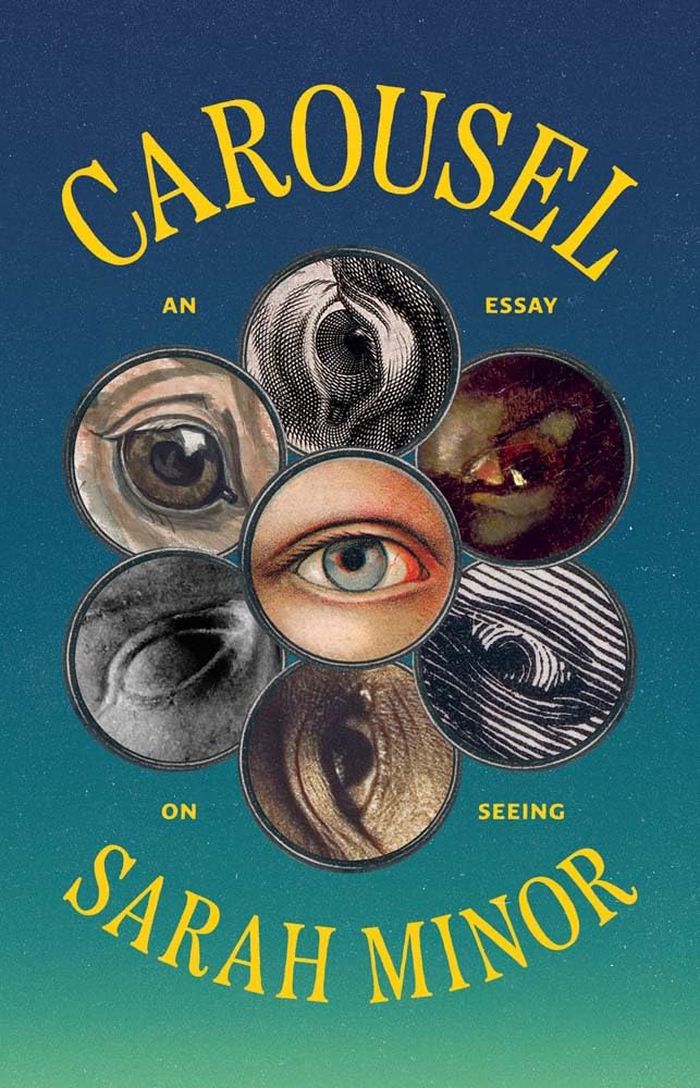
Carousel: An essay on seeing
Carousel: An essay on seeing
Actions:
Price:
$39.95
(available in store)
Summary:
''Carousel'' opens as a professor begins delivering a lecture to a hot room. Her students have the internet in their pockets, screens on their wrists, seeing in more directions than students ever could before. But what, in fact, are they looking at? In the spirit of John Berger’s ''Ways of Seeing'', Sarah Minor’s ''Carousel'' explores how the pursuit of panoramic(...)
$39.95
(available in store)
Summary:
''Carousel'' opens as a professor begins delivering a lecture to a hot room. Her students have the internet in their pockets, screens on their wrists, seeing in more directions than students ever could before. But what, in fact, are they looking at? In the spirit of John Berger’s ''Ways of Seeing'', Sarah Minor’s ''Carousel'' explores how the pursuit of panoramic(...)
Title:
Carousel: An essay on seeing
Actions:
Price:
$39.95
(available in store)
Summary:
''Carousel'' opens as a professor begins delivering a lecture to a hot room. Her students have the internet in their pockets, screens on their wrists, seeing in more directions than students ever could before. But what, in fact, are they looking at? In the spirit of John Berger’s ''Ways of Seeing'', Sarah Minor’s ''Carousel'' explores how the pursuit of panoramic vision frames power, distorts reality, and implicates both viewer and subject. Across short, loping sections that weave history with memoir, close looking with confession, Minor masterfully fuses the slide lecture with the lyric essay, tying medieval tapestries to surrealism and Instagram reels to predator drones. In language that captures the disorientation of that other carousel, the whirling carnival ride, Minor shows how the more we strive to see, the more we ultimately reveal ourselves.
Carousel: An essay on seeing
Actions:
Price:
$39.95
(available in store)
Summary:
''Carousel'' opens as a professor begins delivering a lecture to a hot room. Her students have the internet in their pockets, screens on their wrists, seeing in more directions than students ever could before. But what, in fact, are they looking at? In the spirit of John Berger’s ''Ways of Seeing'', Sarah Minor’s ''Carousel'' explores how the pursuit of panoramic vision frames power, distorts reality, and implicates both viewer and subject. Across short, loping sections that weave history with memoir, close looking with confession, Minor masterfully fuses the slide lecture with the lyric essay, tying medieval tapestries to surrealism and Instagram reels to predator drones. In language that captures the disorientation of that other carousel, the whirling carnival ride, Minor shows how the more we strive to see, the more we ultimately reveal ourselves.
Form:
books
books
Publication:
July 2026
July 2026
Subject:
Art Theory
Art Theory
Form:
books
books
Price:
$38.95
(available in store)
Summary:
Placing pressure on what it means to "do" feminist philosophy, "Feminist making, doing, and sensing" offers an innovative and critical rethinking of feminist philosophical practice and feminist philosophy as a disciplinary field of thought. The collection raises questions about how disciplines are made, how philosophy gets done, and the collaborative nature of thinking.(...)
$38.95
(available in store)
Summary:
Placing pressure on what it means to "do" feminist philosophy, "Feminist making, doing, and sensing" offers an innovative and critical rethinking of feminist philosophical practice and feminist philosophy as a disciplinary field of thought. The collection raises questions about how disciplines are made, how philosophy gets done, and the collaborative nature of thinking.(...)
Title:
Feminist making, doing, and sensing: Experiments in philosophy
Actions:
Price:
$38.95
(available in store)
Summary:
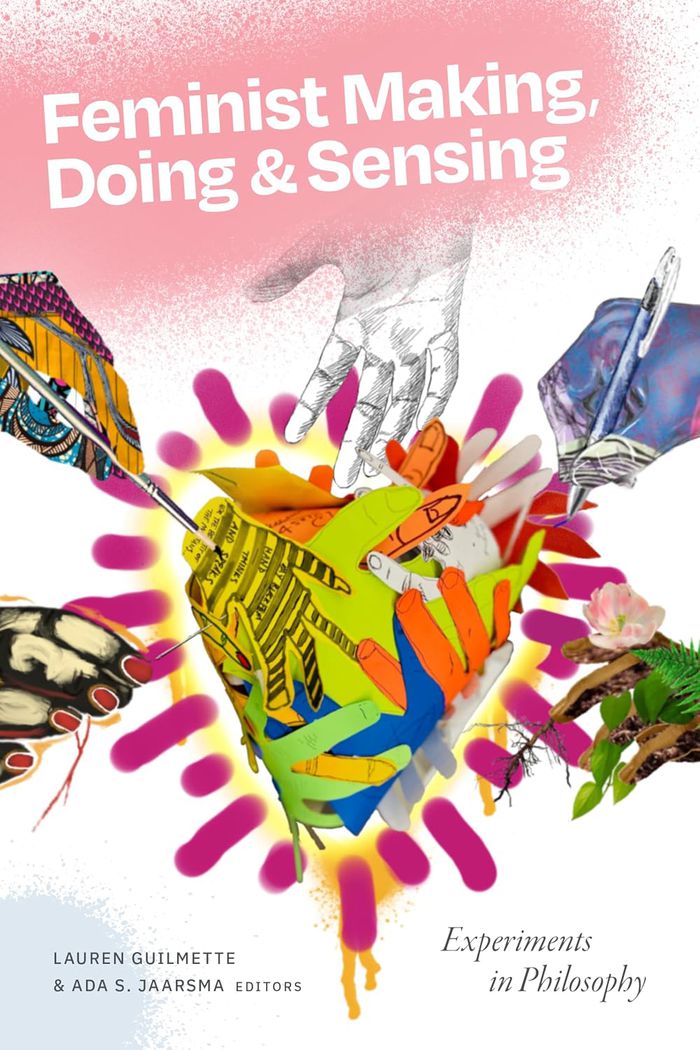
Placing pressure on what it means to "do" feminist philosophy, "Feminist making, doing, and sensing" offers an innovative and critical rethinking of feminist philosophical practice and feminist philosophy as a disciplinary field of thought. The collection raises questions about how disciplines are made, how philosophy gets done, and the collaborative nature of thinking. Seeking to decenter disciplinary norms about content, authority, and belonging, this collection disrupts the status quo of feminist philosophy through its insistence on formal experimentation and creative methods as well as its refusal to take philosophy and its disciplinary attachments at face value. The essays argue for ways of thinking, making, and doing philosophy that are participatory, relational, somatic, affective, sonorous, and sensorial, often looking to experimental and art-based practices such as film, music, poetry, comedy, crocheting, and more.
Feminist making, doing, and sensing: Experiments in philosophy
Actions:
Price:
$38.95
(available in store)
Summary:
Placing pressure on what it means to "do" feminist philosophy, "Feminist making, doing, and sensing" offers an innovative and critical rethinking of feminist philosophical practice and feminist philosophy as a disciplinary field of thought. The collection raises questions about how disciplines are made, how philosophy gets done, and the collaborative nature of thinking. Seeking to decenter disciplinary norms about content, authority, and belonging, this collection disrupts the status quo of feminist philosophy through its insistence on formal experimentation and creative methods as well as its refusal to take philosophy and its disciplinary attachments at face value. The essays argue for ways of thinking, making, and doing philosophy that are participatory, relational, somatic, affective, sonorous, and sensorial, often looking to experimental and art-based practices such as film, music, poetry, comedy, crocheting, and more.
Form:
books
books
Publication:
July 2026
July 2026
Subject:
Social
Social
Form:
books
books
Actions:
Price:
$29.95
(available to order)
Summary:
In nineteenth-century Europe and the United States, fashion—once the province of the well-to-do—began to make its way across class lines. At once a democratizing influence and a means of maintaining distinctions, gaps in time remained between what the upper classes wore and what the lower classes later copied. And toward the end of the century, style also moved from the(...)
$29.95
(available to order)
Summary:
In nineteenth-century Europe and the United States, fashion—once the province of the well-to-do—began to make its way across class lines. At once a democratizing influence and a means of maintaining distinctions, gaps in time remained between what the upper classes wore and what the lower classes later copied. And toward the end of the century, style also moved from the(...)
Title:
Fashioning the nineteenth century: habits of being 3
Actions:
Price:
$29.95
(available to order)
Summary:
In nineteenth-century Europe and the United States, fashion—once the province of the well-to-do—began to make its way across class lines. At once a democratizing influence and a means of maintaining distinctions, gaps in time remained between what the upper classes wore and what the lower classes later copied. And toward the end of the century, style also moved from the streets to the parlor. The third in a four-part series charting the social, cultural, and political expression of clothing, dress, and accessories, Fashioning the Nineteenth Century focuses on this transformative period in an effort to show how certain items of apparel acquired the status of fashion and how fashion shifted from the realm of the elites into the emerging middle and working classes—and back.
Fashioning the nineteenth century: habits of being 3
Actions:
Price:
$29.95
(available to order)
Summary:
In nineteenth-century Europe and the United States, fashion—once the province of the well-to-do—began to make its way across class lines. At once a democratizing influence and a means of maintaining distinctions, gaps in time remained between what the upper classes wore and what the lower classes later copied. And toward the end of the century, style also moved from the streets to the parlor. The third in a four-part series charting the social, cultural, and political expression of clothing, dress, and accessories, Fashioning the Nineteenth Century focuses on this transformative period in an effort to show how certain items of apparel acquired the status of fashion and how fashion shifted from the realm of the elites into the emerging middle and working classes—and back.
Form:
books
books
Publication:
May 2014
May 2014
Subject:
Fashion Design
Fashion Design
Form:
journals and magazines
journals and magazines
Title:
Perspecta 37 : famous
Perspecta 37 : famous
Actions:
Price:
$22.95
(available to order)
Summary:
Does fame empower architecture or undermine it? Does the star power or cult status of an architect enhance the art or dilute it? This issue of Perspecta examines the inner workings of fame as it relates to architecture though media and culture. It looks at how the commodification of architecture affects the design process - whether fame emphasizes all the wrong aspects of(...)
$22.95
(available to order)
Summary:
Does fame empower architecture or undermine it? Does the star power or cult status of an architect enhance the art or dilute it? This issue of Perspecta examines the inner workings of fame as it relates to architecture though media and culture. It looks at how the commodification of architecture affects the design process - whether fame emphasizes all the wrong aspects of(...)
Subject:
Magazines
Magazines
Publication:
June 2005, Cambridge, Mass.
June 2005, Cambridge, Mass.
Title:
Perspecta 37 : famous
Actions:
Price:
$22.95
(available to order)
Summary:
Does fame empower architecture or undermine it? Does the star power or cult status of an architect enhance the art or dilute it? This issue of Perspecta examines the inner workings of fame as it relates to architecture though media and culture. It looks at how the commodification of architecture affects the design process - whether fame emphasizes all the wrong aspects of architecture or provides the only way an architect can produce truly ambitious projects. How does architecture generate fame? And how does fame generate architecture? Celebrity permeates all levels of contemporary society; architecture, academia, the architectural press, and the mainstream media all play a role in promoting the mystique of the designer genius. The tradition of learning through apprenticeship and the struggle to have projects commissioned and built perpetuate the importance of the famous architect. Does this serve architecture or only the architectural star? The contributors to Perspecta examine both sides of the argument: Architecture moves forward through a process of innovation; fame provides the architect with the leverage needed to accomplish innovation. Or is it that fame, because of its relationship to the media and popular tastes, inevitably dilutes the quality of the architecture? Does "famous" architecture glorify only itself and neglect the people, the values, and the functions that it must serve?
Perspecta 37 : famous
Actions:
Price:
$22.95
(available to order)
Summary:
Does fame empower architecture or undermine it? Does the star power or cult status of an architect enhance the art or dilute it? This issue of Perspecta examines the inner workings of fame as it relates to architecture though media and culture. It looks at how the commodification of architecture affects the design process - whether fame emphasizes all the wrong aspects of architecture or provides the only way an architect can produce truly ambitious projects. How does architecture generate fame? And how does fame generate architecture? Celebrity permeates all levels of contemporary society; architecture, academia, the architectural press, and the mainstream media all play a role in promoting the mystique of the designer genius. The tradition of learning through apprenticeship and the struggle to have projects commissioned and built perpetuate the importance of the famous architect. Does this serve architecture or only the architectural star? The contributors to Perspecta examine both sides of the argument: Architecture moves forward through a process of innovation; fame provides the architect with the leverage needed to accomplish innovation. Or is it that fame, because of its relationship to the media and popular tastes, inevitably dilutes the quality of the architecture? Does "famous" architecture glorify only itself and neglect the people, the values, and the functions that it must serve?
Form:
journals and magazines
journals and magazines
Publication:
June 2005, Cambridge, Mass.
June 2005, Cambridge, Mass.
Subject:
Magazines
Magazines
Form:
books
books

Price:
$52.00
(available to order)
Summary:
In an age of globalization and connectivity, the idea of "mainstream culture" has become quaint. Websites, magazines, books, and television have all honed in on ever-diversifying subcultures, hoping to carve out niche audiences that grow savvier and more narrowly sliced by the day. Consequently, the discipline of graphic design has undergone a sea change. Where visual(...)
$52.00
(available to order)
Summary:
In an age of globalization and connectivity, the idea of "mainstream culture" has become quaint. Websites, magazines, books, and television have all honed in on ever-diversifying subcultures, hoping to carve out niche audiences that grow savvier and more narrowly sliced by the day. Consequently, the discipline of graphic design has undergone a sea change. Where visual(...)
Title:
Design studies : theory and research in graphic design, a reader
Actions:
Price:
$52.00
(available to order)
Summary:
In an age of globalization and connectivity, the idea of "mainstream culture" has become quaint. Websites, magazines, books, and television have all honed in on ever-diversifying subcultures, hoping to carve out niche audiences that grow savvier and more narrowly sliced by the day. Consequently, the discipline of graphic design has undergone a sea change. Where visual communication was once informed by a designer's creative intuition, the proliferation of specialized audiences now calls for more research-based design processes. Designers who ignore research run the risk of becoming mere tools for communication rather than bold voices. "Design studies", a collection of 27 essays from international design researchers, sets out to mend this schism between research and practice. The texts presented here make an argument for performing rigorous experimentation and analysis. Each author outlines methods in which research has aided their design — whether by investigating how senior citizens react to design aesthetics, how hip hop culture can influence design, or how design for Third World nations is affected by cultural differences. Contributors also outline inspired ways in which design educators can teach research methods to their students. Finally, "Design Studies" is rounded out by five annotated bibliographies to further aid designers in their research.
Design studies : theory and research in graphic design, a reader
Actions:
Price:
$52.00
(available to order)
Summary:
In an age of globalization and connectivity, the idea of "mainstream culture" has become quaint. Websites, magazines, books, and television have all honed in on ever-diversifying subcultures, hoping to carve out niche audiences that grow savvier and more narrowly sliced by the day. Consequently, the discipline of graphic design has undergone a sea change. Where visual communication was once informed by a designer's creative intuition, the proliferation of specialized audiences now calls for more research-based design processes. Designers who ignore research run the risk of becoming mere tools for communication rather than bold voices. "Design studies", a collection of 27 essays from international design researchers, sets out to mend this schism between research and practice. The texts presented here make an argument for performing rigorous experimentation and analysis. Each author outlines methods in which research has aided their design — whether by investigating how senior citizens react to design aesthetics, how hip hop culture can influence design, or how design for Third World nations is affected by cultural differences. Contributors also outline inspired ways in which design educators can teach research methods to their students. Finally, "Design Studies" is rounded out by five annotated bibliographies to further aid designers in their research.
Form:
books
books
Publication:
June 2006, New York
June 2006, New York
Subject:
Graphic Design and Typography
Graphic Design and Typography
Form:
books
books

Actions:
Price:
$35.95
(available to order)
Summary:
Anti-racist design interventions can be difficult. Well-intentioned conversations can fuel tensions, activate racialized trauma, and lead to misunderstandings, especially in spaces not typically focused on diversity, equity, and inclusion. Even when progress is made, white supremacy culture can resurface. We need anti-racist guidelines and approaches that lay bare(...)
$35.95
(available to order)
Summary:
Anti-racist design interventions can be difficult. Well-intentioned conversations can fuel tensions, activate racialized trauma, and lead to misunderstandings, especially in spaces not typically focused on diversity, equity, and inclusion. Even when progress is made, white supremacy culture can resurface. We need anti-racist guidelines and approaches that lay bare(...)
Title:
Racism untaught: Revealing and unlearning racialized design
Actions:
Price:
$35.95
(available to order)
Summary:
Anti-racist design interventions can be difficult. Well-intentioned conversations can fuel tensions, activate racialized trauma, and lead to misunderstandings, especially in spaces not typically focused on diversity, equity, and inclusion. Even when progress is made, white supremacy culture can resurface. We need anti-racist guidelines and approaches that lay bare racialized systems of oppression and fundamentally disrupt their replication. In Racism Untaught, Lisa E. Mercer and Terresa Moses, two veteran anti-racist educators, deliver this exact approach. Mercer and Moses provide a step-by-step guide to anti-racist interventions in academic, business, and community settings that benefits all participants. Adapted from their successful workshop series and filled with concrete examples and ample case studies, their book teaches participants how to analyze design—and reimagine racialized artifacts, systems, and experiences guided by anti-oppressive principles. They demonstrate how to examine positionality within the context of racism and oppression; help us understand how design can reinforce and perpetuate oppression; and reveal the unique relationship among equity, ethics, and responsibility that constitutes the core value of an anti-racist design discipline. In ''Racism untaught'', Mercer and Moses provide the framework we need to unlearn racialized design practices and move more generatively toward collective liberation.
Racism untaught: Revealing and unlearning racialized design
Actions:
Price:
$35.95
(available to order)
Summary:
Anti-racist design interventions can be difficult. Well-intentioned conversations can fuel tensions, activate racialized trauma, and lead to misunderstandings, especially in spaces not typically focused on diversity, equity, and inclusion. Even when progress is made, white supremacy culture can resurface. We need anti-racist guidelines and approaches that lay bare racialized systems of oppression and fundamentally disrupt their replication. In Racism Untaught, Lisa E. Mercer and Terresa Moses, two veteran anti-racist educators, deliver this exact approach. Mercer and Moses provide a step-by-step guide to anti-racist interventions in academic, business, and community settings that benefits all participants. Adapted from their successful workshop series and filled with concrete examples and ample case studies, their book teaches participants how to analyze design—and reimagine racialized artifacts, systems, and experiences guided by anti-oppressive principles. They demonstrate how to examine positionality within the context of racism and oppression; help us understand how design can reinforce and perpetuate oppression; and reveal the unique relationship among equity, ethics, and responsibility that constitutes the core value of an anti-racist design discipline. In ''Racism untaught'', Mercer and Moses provide the framework we need to unlearn racialized design practices and move more generatively toward collective liberation.
Form:
books
books
Publication:
October 2023
October 2023
Subject:
Design Theory
Design Theory
Form:
books
books
Title:
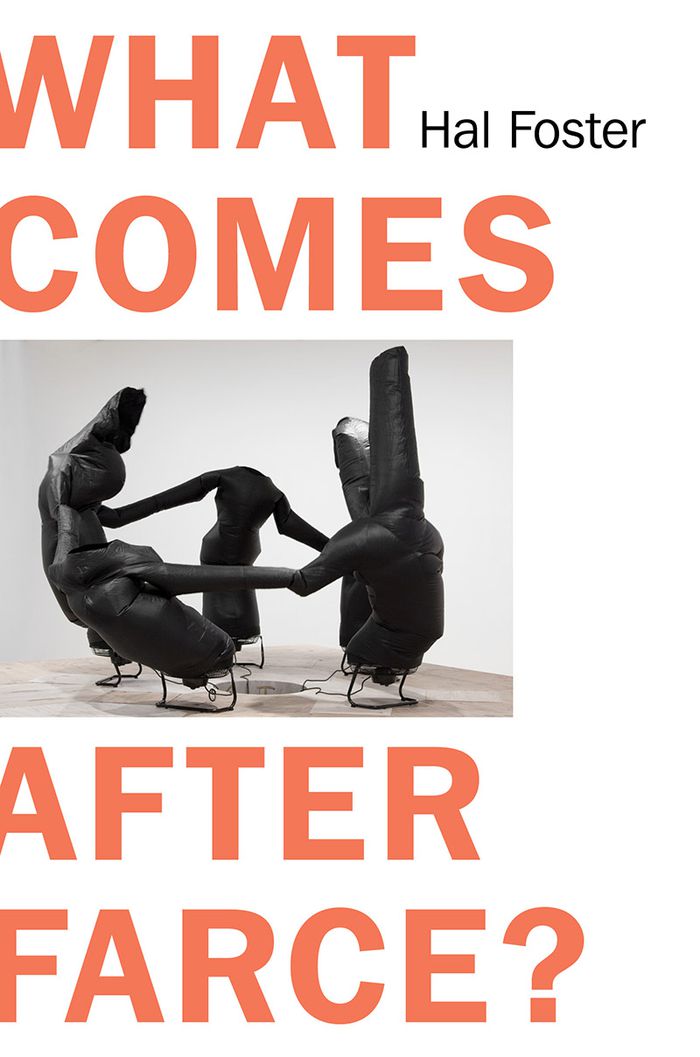
What comes after farce?
What comes after farce?
Actions:
Price:
$33.95
(available to order)
Summary:
If farce follows tragedy, what follows farce? Where does the double predicament of a post-truth and post-shame politics leave artists and critics on the left? How to demystify a hegemonic order that dismisses its own contradictions? How to belittle a political elite that cannot be embarrassed, or to mock party leaders who thrive on the absurd? How to out-dada President(...)
$33.95
(available to order)
Summary:
If farce follows tragedy, what follows farce? Where does the double predicament of a post-truth and post-shame politics leave artists and critics on the left? How to demystify a hegemonic order that dismisses its own contradictions? How to belittle a political elite that cannot be embarrassed, or to mock party leaders who thrive on the absurd? How to out-dada President(...)
Title:
What comes after farce?
Actions:
Price:
$33.95
(available to order)
Summary:
If farce follows tragedy, what follows farce? Where does the double predicament of a post-truth and post-shame politics leave artists and critics on the left? How to demystify a hegemonic order that dismisses its own contradictions? How to belittle a political elite that cannot be embarrassed, or to mock party leaders who thrive on the absurd? How to out-dada President Ubu? And, in any event, why add outrage to a media economy that thrives on the same? 'What Comes After Farce?' comments on shifts in art, criticism, and fiction in the face of the current regime of war, surveillance, extreme inequality, and media disruption. A first section focuses on the cultural politics of emergency since 9/11, including the use and abuse of trauma, paranoia, and kitsch. A second reviews the neoliberal makeover of art institutions during the same period. Finally, a third section surveys transformations in media as reflected in recent art, film, and fiction. Among the phenomena explored here are “machine vision” (images produced by machines for other machines without a human interface),“operational images” (images that do not represent the world so much as intervene in it), and the algorithmic scripting of information so pervasive in our everyday lives.
What comes after farce?
Actions:
Price:
$33.95
(available to order)
Summary:
If farce follows tragedy, what follows farce? Where does the double predicament of a post-truth and post-shame politics leave artists and critics on the left? How to demystify a hegemonic order that dismisses its own contradictions? How to belittle a political elite that cannot be embarrassed, or to mock party leaders who thrive on the absurd? How to out-dada President Ubu? And, in any event, why add outrage to a media economy that thrives on the same? 'What Comes After Farce?' comments on shifts in art, criticism, and fiction in the face of the current regime of war, surveillance, extreme inequality, and media disruption. A first section focuses on the cultural politics of emergency since 9/11, including the use and abuse of trauma, paranoia, and kitsch. A second reviews the neoliberal makeover of art institutions during the same period. Finally, a third section surveys transformations in media as reflected in recent art, film, and fiction. Among the phenomena explored here are “machine vision” (images produced by machines for other machines without a human interface),“operational images” (images that do not represent the world so much as intervene in it), and the algorithmic scripting of information so pervasive in our everyday lives.
Form:
books
books
Publication:
June 2020
June 2020
Subject:
Critical Theory
Critical Theory
Form:
books
books
Actions:
Price:
$49.00
(available to order)
Summary:
The analysis of sanitary spaces and places dedicated to personal care, as in a privacy observatory, helps with the in-depth assessment of social changes, allowing us to determine how the lives of users can be improved, how conflicts of use in public places can be resolved between populations of different sexes and ages, and how the quality of public and private health can(...)
$49.00
(available to order)
Summary:
The analysis of sanitary spaces and places dedicated to personal care, as in a privacy observatory, helps with the in-depth assessment of social changes, allowing us to determine how the lives of users can be improved, how conflicts of use in public places can be resolved between populations of different sexes and ages, and how the quality of public and private health can(...)
Subject:
Commercial interiors, Building types
Commercial interiors, Building types
Publication:
January 2023
January 2023
Title:
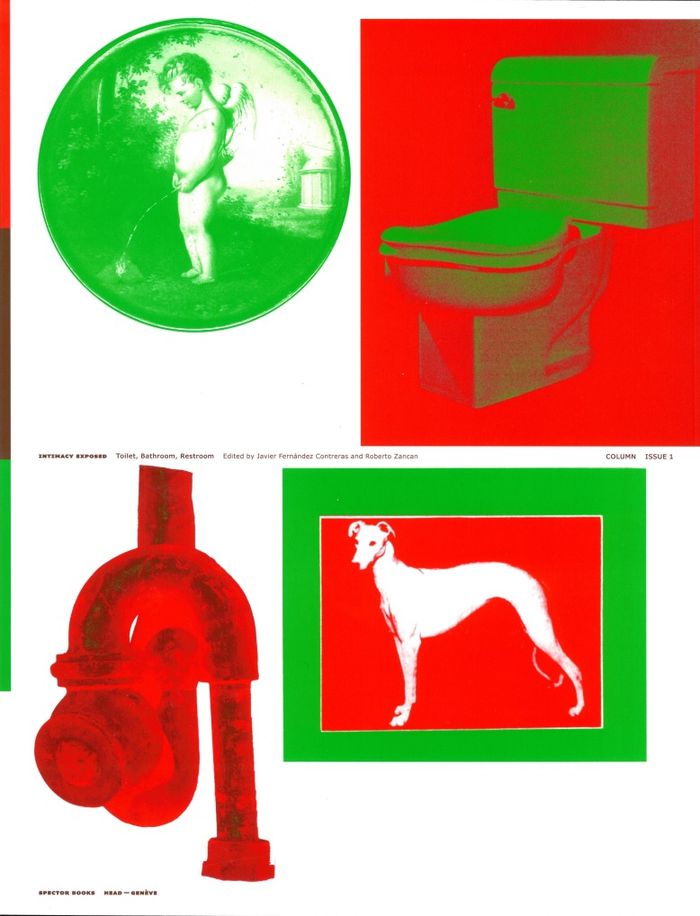
Intimacy exposed: toilets, bathrooms, restrooms
Actions:
Price:
$49.00
(available to order)
Summary:
The analysis of sanitary spaces and places dedicated to personal care, as in a privacy observatory, helps with the in-depth assessment of social changes, allowing us to determine how the lives of users can be improved, how conflicts of use in public places can be resolved between populations of different sexes and ages, and how the quality of public and private health can be enhanced. Observing these issues pushes us to explore the forms and meanings of bathrooms and private spaces in relation to their different functions, including those of transgressive and informal meeting places and spaces of inevitable and forced social coexistence. This book constitutes a new step in this field of research, presenting a series of scientific and artistic interventions that proves the diverse range of uses to which ''wet rooms'' can be put in social life, the evolution of the use of furniture, and the new meanings of details and objects in domestic bathrooms and public toilets. The texts, largely written for the 2018 symposium ''Intimacy Exposed: Toilet, Bathroom, Restroom'' (organized by the Department of Interior Architecture at HEAD – Genève) present a practice-based study of the recent past of modernist technologies and a vision of the future of personal and collective practices regarding the realm of the toilet.
Intimacy exposed: toilets, bathrooms, restrooms
Actions:
Price:
$49.00
(available to order)
Summary:
The analysis of sanitary spaces and places dedicated to personal care, as in a privacy observatory, helps with the in-depth assessment of social changes, allowing us to determine how the lives of users can be improved, how conflicts of use in public places can be resolved between populations of different sexes and ages, and how the quality of public and private health can be enhanced. Observing these issues pushes us to explore the forms and meanings of bathrooms and private spaces in relation to their different functions, including those of transgressive and informal meeting places and spaces of inevitable and forced social coexistence. This book constitutes a new step in this field of research, presenting a series of scientific and artistic interventions that proves the diverse range of uses to which ''wet rooms'' can be put in social life, the evolution of the use of furniture, and the new meanings of details and objects in domestic bathrooms and public toilets. The texts, largely written for the 2018 symposium ''Intimacy Exposed: Toilet, Bathroom, Restroom'' (organized by the Department of Interior Architecture at HEAD – Genève) present a practice-based study of the recent past of modernist technologies and a vision of the future of personal and collective practices regarding the realm of the toilet.
Form:
books
books
Publication:
January 2023
January 2023
Subject:
Commercial interiors, Building types
Commercial interiors, Building types
Form:
books
books
Price:
$102.00
(available to order)
Summary:
The leading landscape gardener of later Georgian England, Humphry Repton (17521818), was innovative and prolific, undertaking more than four hundred commissions during his thirty-year career. Repton worked for a wide variety of clients, notably the dukes of Portland and Bedford, and on many kinds of sites throughout England. He also promoted his profession(...)
$102.00
(available to order)
Summary:
The leading landscape gardener of later Georgian England, Humphry Repton (17521818), was innovative and prolific, undertaking more than four hundred commissions during his thirty-year career. Repton worked for a wide variety of clients, notably the dukes of Portland and Bedford, and on many kinds of sites throughout England. He also promoted his profession(...)
Subject:
Landscape Architecture, Monographs
Landscape Architecture, Monographs
Publication:
October 1999, New Haven
October 1999, New Haven
Title:
Humphry Repton : landscape gardening and the geography of Georgian England
Actions:
Price:
$102.00
(available to order)
Summary:
The leading landscape gardener of later Georgian England, Humphry Repton (17521818), was innovative and prolific, undertaking more than four hundred commissions during his thirty-year career. Repton worked for a wide variety of clients, notably the dukes of Portland and Bedford, and on many kinds of sites throughout England. He also promoted his profession in extensive writings about the theory and practice of landscape gardening. This book examines Repton's career and work in the context of the changing human geography of his time. Fully illustrated with many previously unpublished pictures, the book charts Repton's vision of England, how his style changed and persisted over time and from place to place, how he influenced his profession, and how he fashioned a social identity for himself. Stephen Daniels frames Repton's life and work in terms of five domains: the road, the county, the picturesque landscape, the aristocratic estate, and the urban periphery. Focusing on the way these domains shaped Repton's career and how he in turn attempted to shape them, Daniels examines in depth more than twenty representative commissions that delineate Repton's social and spatial theory of landscape. The author casts new light not only on the work of Humphry Repton but also on the role of landscape itself in English culture and society.
Humphry Repton : landscape gardening and the geography of Georgian England
Actions:
Price:
$102.00
(available to order)
Summary:
The leading landscape gardener of later Georgian England, Humphry Repton (17521818), was innovative and prolific, undertaking more than four hundred commissions during his thirty-year career. Repton worked for a wide variety of clients, notably the dukes of Portland and Bedford, and on many kinds of sites throughout England. He also promoted his profession in extensive writings about the theory and practice of landscape gardening. This book examines Repton's career and work in the context of the changing human geography of his time. Fully illustrated with many previously unpublished pictures, the book charts Repton's vision of England, how his style changed and persisted over time and from place to place, how he influenced his profession, and how he fashioned a social identity for himself. Stephen Daniels frames Repton's life and work in terms of five domains: the road, the county, the picturesque landscape, the aristocratic estate, and the urban periphery. Focusing on the way these domains shaped Repton's career and how he in turn attempted to shape them, Daniels examines in depth more than twenty representative commissions that delineate Repton's social and spatial theory of landscape. The author casts new light not only on the work of Humphry Repton but also on the role of landscape itself in English culture and society.
Form:
books
books
Publication:
October 1999, New Haven
October 1999, New Haven
Subject:
Landscape Architecture, Monographs
Landscape Architecture, Monographs


