


36154 Results
Form:
books
books
Title:
Picasso: Cut papers
Picasso: Cut papers
Actions:
Price:
$67.00
(available to order)
Summary:
Spanning the full career of Picasso (1881–1973), from his first cut drawings made in 1899 at nine years of age through to the 1960s with works he made in his eighties, ''Picasso cut papers'' features some of the artist’s most whimsical and intriguing works made on paper and in paper, alongside a select group of sculptures in metal, wood and ceramic. Although Picasso(...)
$67.00
(available to order)
Summary:
Spanning the full career of Picasso (1881–1973), from his first cut drawings made in 1899 at nine years of age through to the 1960s with works he made in his eighties, ''Picasso cut papers'' features some of the artist’s most whimsical and intriguing works made on paper and in paper, alongside a select group of sculptures in metal, wood and ceramic. Although Picasso(...)
Subject:
Contemporary Art Monographs
Contemporary Art Monographs
Publication:
September 2022
September 2022
Title:
Picasso: Cut papers
Actions:
Price:
$67.00
(available to order)
Summary:
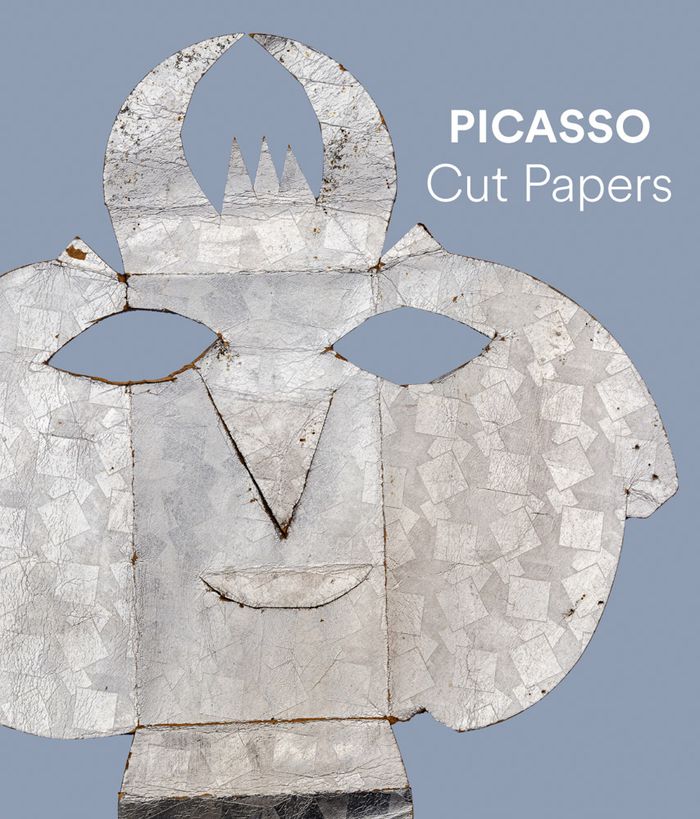
Spanning the full career of Picasso (1881–1973), from his first cut drawings made in 1899 at nine years of age through to the 1960s with works he made in his eighties, ''Picasso cut papers'' features some of the artist’s most whimsical and intriguing works made on paper and in paper, alongside a select group of sculptures in metal, wood and ceramic. Although Picasso rarely sold or exhibited his cut papers (or papiers découpés) during his lifetime, he signed, dated and archived them just as he did all his works. They were simply part of a more private studio practice, often made for family or as models for his fabricators. The first publication to focus solely on Picasso’s cut papers, this book features many works reproduced for the first time with newly commissioned photography, alongside new scholarship on a little-known aspect of one of the 20th century’s most pivotal practices, which contribute to the ongoing discourse surrounding innovation and abstraction at the roots of modern art. Also featured is a photo section that surveys Picasso’s engagement with cut paper and sculpture over the decades and documents his practice of cutting paper, both in and out of the studio.
Picasso: Cut papers
Actions:
Price:
$67.00
(available to order)
Summary:
Spanning the full career of Picasso (1881–1973), from his first cut drawings made in 1899 at nine years of age through to the 1960s with works he made in his eighties, ''Picasso cut papers'' features some of the artist’s most whimsical and intriguing works made on paper and in paper, alongside a select group of sculptures in metal, wood and ceramic. Although Picasso rarely sold or exhibited his cut papers (or papiers découpés) during his lifetime, he signed, dated and archived them just as he did all his works. They were simply part of a more private studio practice, often made for family or as models for his fabricators. The first publication to focus solely on Picasso’s cut papers, this book features many works reproduced for the first time with newly commissioned photography, alongside new scholarship on a little-known aspect of one of the 20th century’s most pivotal practices, which contribute to the ongoing discourse surrounding innovation and abstraction at the roots of modern art. Also featured is a photo section that surveys Picasso’s engagement with cut paper and sculpture over the decades and documents his practice of cutting paper, both in and out of the studio.
Form:
books
books
Publication:
September 2022
September 2022
Subject:
Contemporary Art Monographs
Contemporary Art Monographs
Form:
books
books
Title:
Alex Katz: Gathering
Alex Katz: Gathering
Actions:
Price:
$97.95
(available to order)
Summary:
Across decades of intense creative production, Alex Katz has sought to capture a state of ''absolute awareness'' in paint. Whether evoking a glancing exchange between friends or a shaft of light filtered through trees, he has aimed to create a record of ''quick things passing,'' compressing the flux of everyday life into a condensed burst of optical perception. Published(...)
$97.95
(available to order)
Summary:
Across decades of intense creative production, Alex Katz has sought to capture a state of ''absolute awareness'' in paint. Whether evoking a glancing exchange between friends or a shaft of light filtered through trees, he has aimed to create a record of ''quick things passing,'' compressing the flux of everyday life into a condensed burst of optical perception. Published(...)
Subject:
Contemporary Art Monographs
Contemporary Art Monographs
Publication:
December 2022
December 2022
Title:
Alex Katz: Gathering
Actions:
Price:
$97.95
(available to order)
Summary:
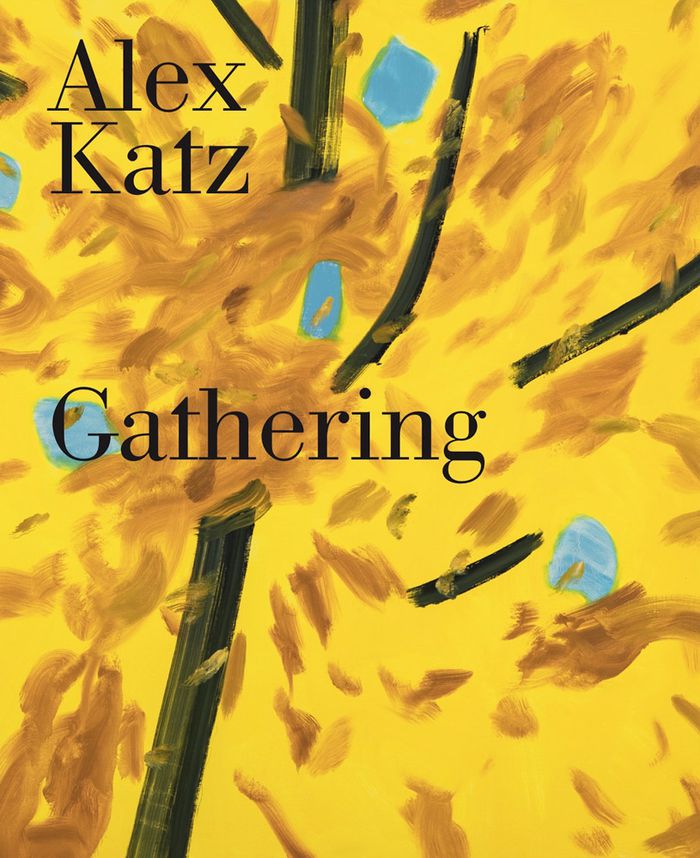
Across decades of intense creative production, Alex Katz has sought to capture a state of ''absolute awareness'' in paint. Whether evoking a glancing exchange between friends or a shaft of light filtered through trees, he has aimed to create a record of ''quick things passing,'' compressing the flux of everyday life into a condensed burst of optical perception. Published on the occasion of the artist’s first US career retrospective in more than 30 years, ''Alex Katz: Gathering'' offers a definitive account of Katz’s artistic project, demonstrating both its marked coherence and restless evolution. Generously illustrated, the book features the full breadth of the artist’s work across mediums and formats, from intimate sketches of riders on the New York City subway in the late 1940s to the rapturous, monumentally scaled landscapes that have dominated his recent production. Essays by artists, writers and art historians offer fresh, authoritative overviews of the artist’s practice alongside more focused considerations of specific facets of his art, including his flower paintings, collages, prints, freestanding ''cutouts'' and set design collaborations with the Paul Taylor Dance Company. A sourcebook of historical reviews, essays and poems rounds out the volume, which offers an overdue reassessment of the artist’s oeuvre.
Alex Katz: Gathering
Actions:
Price:
$97.95
(available to order)
Summary:
Across decades of intense creative production, Alex Katz has sought to capture a state of ''absolute awareness'' in paint. Whether evoking a glancing exchange between friends or a shaft of light filtered through trees, he has aimed to create a record of ''quick things passing,'' compressing the flux of everyday life into a condensed burst of optical perception. Published on the occasion of the artist’s first US career retrospective in more than 30 years, ''Alex Katz: Gathering'' offers a definitive account of Katz’s artistic project, demonstrating both its marked coherence and restless evolution. Generously illustrated, the book features the full breadth of the artist’s work across mediums and formats, from intimate sketches of riders on the New York City subway in the late 1940s to the rapturous, monumentally scaled landscapes that have dominated his recent production. Essays by artists, writers and art historians offer fresh, authoritative overviews of the artist’s practice alongside more focused considerations of specific facets of his art, including his flower paintings, collages, prints, freestanding ''cutouts'' and set design collaborations with the Paul Taylor Dance Company. A sourcebook of historical reviews, essays and poems rounds out the volume, which offers an overdue reassessment of the artist’s oeuvre.
Form:
books
books
Publication:
December 2022
December 2022
Subject:
Contemporary Art Monographs
Contemporary Art Monographs
Form:
books
books
Actions:
Price:
$60.00
(available to order)
Summary:
This hardcover exhibition catalog, curated by Silas Munro with Stephen Coles of Letterform Archive, tells the story of graphic design in protest with 250 images, including high-resolution reproductions from Letterform Archive’s collection, archival imagery of the art in action, informative historical features, and a contribution on type by Coles. The exhibition will(...)
$60.00
(available to order)
Summary:
This hardcover exhibition catalog, curated by Silas Munro with Stephen Coles of Letterform Archive, tells the story of graphic design in protest with 250 images, including high-resolution reproductions from Letterform Archive’s collection, archival imagery of the art in action, informative historical features, and a contribution on type by Coles. The exhibition will(...)
Subject:
Graphic Design and Typography
Graphic Design and Typography
Publication:
September 2022
September 2022
Title:
Strikethrough: Typographic messages of protest
Actions:
Price:
$60.00
(available to order)
Summary:
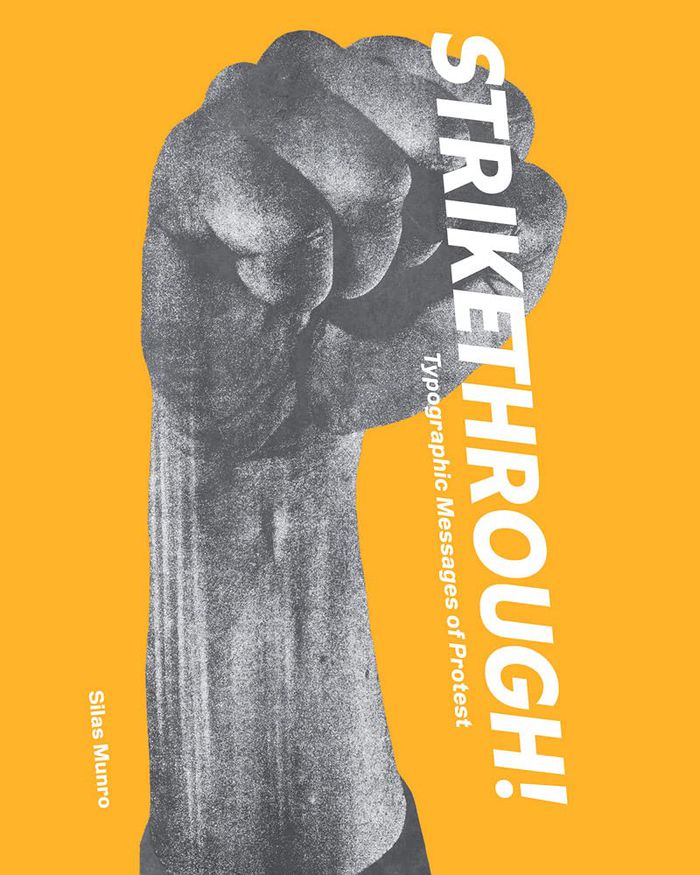
This hardcover exhibition catalog, curated by Silas Munro with Stephen Coles of Letterform Archive, tells the story of graphic design in protest with 250 images, including high-resolution reproductions from Letterform Archive’s collection, archival imagery of the art in action, informative historical features, and a contribution on type by Coles. The exhibition will featured more than 100 objects of protest spanning the 1800s to today. The visual history of protest on display ranged from nineteenth-century antislavery broadsides to the colorful affiches of the Paris 1968 uprising, from the revolutionary Black Panther newspaper to the public awareness posters of the AIDS crisis.
Strikethrough: Typographic messages of protest
Actions:
Price:
$60.00
(available to order)
Summary:
This hardcover exhibition catalog, curated by Silas Munro with Stephen Coles of Letterform Archive, tells the story of graphic design in protest with 250 images, including high-resolution reproductions from Letterform Archive’s collection, archival imagery of the art in action, informative historical features, and a contribution on type by Coles. The exhibition will featured more than 100 objects of protest spanning the 1800s to today. The visual history of protest on display ranged from nineteenth-century antislavery broadsides to the colorful affiches of the Paris 1968 uprising, from the revolutionary Black Panther newspaper to the public awareness posters of the AIDS crisis.
Form:
books
books
Publication:
September 2022
September 2022
Subject:
Graphic Design and Typography
Graphic Design and Typography
Form:
books
books
Actions:
Price:
$47.00
(available to order)
Summary:
Renowned philosopher Susan Buck-Morss collaborates with Kevin McCaughey of Boot Boyz Biz and Adam Michaels of Inventory Press on this experimental image-text renewal of McLuhan, Berger and Benjamin. "Seeing <—> Making: Room for thought" both studies and presents the creative process of constructing ideas with images. By activating the techniques of montage and analogy,(...)
$47.00
(available to order)
Summary:
Renowned philosopher Susan Buck-Morss collaborates with Kevin McCaughey of Boot Boyz Biz and Adam Michaels of Inventory Press on this experimental image-text renewal of McLuhan, Berger and Benjamin. "Seeing <—> Making: Room for thought" both studies and presents the creative process of constructing ideas with images. By activating the techniques of montage and analogy,(...)
Publication:
January 2024
January 2024
Title:
Seeing <—> Making: Room for thought
Actions:
Price:
$47.00
(available to order)
Summary:
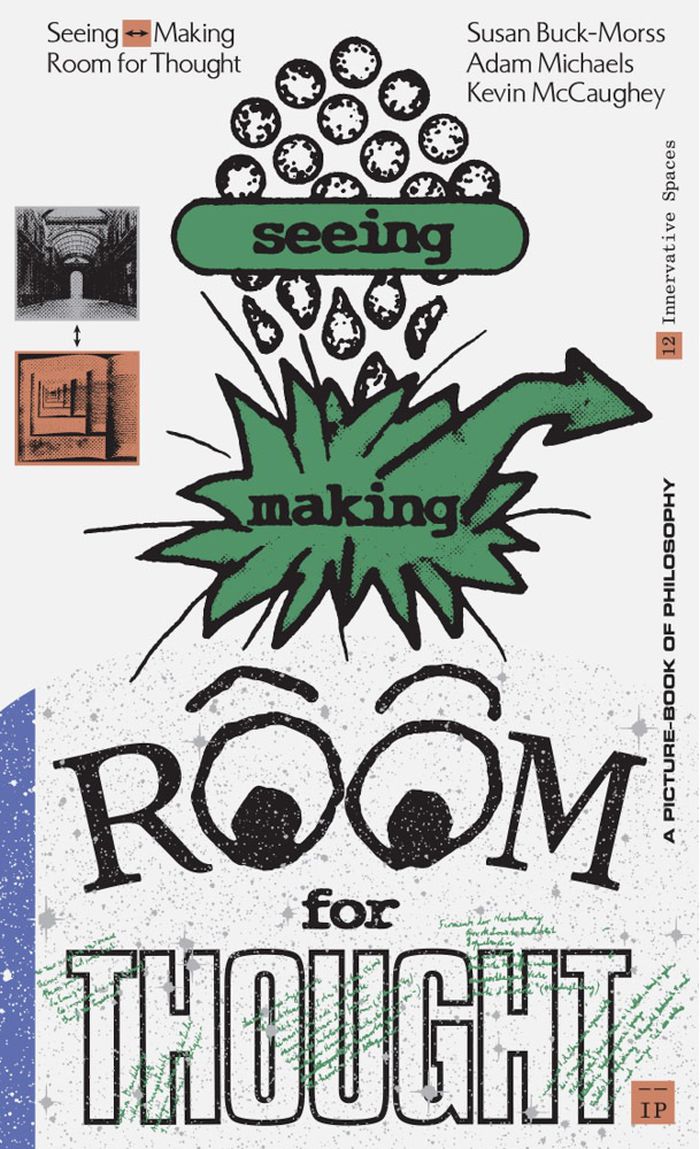
Renowned philosopher Susan Buck-Morss collaborates with Kevin McCaughey of Boot Boyz Biz and Adam Michaels of Inventory Press on this experimental image-text renewal of McLuhan, Berger and Benjamin. "Seeing <—> Making: Room for thought" both studies and presents the creative process of constructing ideas with images. By activating the techniques of montage and analogy, the book reveals a wide field of view and a space to engage new critical connections between a multiplicity of objects from the past and present. Realized through an intergenerational collaboration of three cultural producers committed to making theory visible, a transformative anthology of critical essays by Susan Buck-Morss anchors this kaleidoscopic project. Images and ideas sync with Buck-Morss’ perceptive texts on visual culture, history, politics and aesthetics, fusing criticism with visual play and linking collective imagination and social action. In both design and content, "Seeing <—> Making: Room for thought" builds upon the dynamic sensorium of Marshall McLuhan and Quentin Fiore's book "The medium is the massage", Walter Benjamin's "Arcades" Project and John Berger's "Ways of seeing". This innovative volume brings Buck-Morss’ more experimental, visually engaged work to the fore in a way that has not been available in the usual contexts within which her writing has appeared.
Seeing <—> Making: Room for thought
Actions:
Price:
$47.00
(available to order)
Summary:
Renowned philosopher Susan Buck-Morss collaborates with Kevin McCaughey of Boot Boyz Biz and Adam Michaels of Inventory Press on this experimental image-text renewal of McLuhan, Berger and Benjamin. "Seeing <—> Making: Room for thought" both studies and presents the creative process of constructing ideas with images. By activating the techniques of montage and analogy, the book reveals a wide field of view and a space to engage new critical connections between a multiplicity of objects from the past and present. Realized through an intergenerational collaboration of three cultural producers committed to making theory visible, a transformative anthology of critical essays by Susan Buck-Morss anchors this kaleidoscopic project. Images and ideas sync with Buck-Morss’ perceptive texts on visual culture, history, politics and aesthetics, fusing criticism with visual play and linking collective imagination and social action. In both design and content, "Seeing <—> Making: Room for thought" builds upon the dynamic sensorium of Marshall McLuhan and Quentin Fiore's book "The medium is the massage", Walter Benjamin's "Arcades" Project and John Berger's "Ways of seeing". This innovative volume brings Buck-Morss’ more experimental, visually engaged work to the fore in a way that has not been available in the usual contexts within which her writing has appeared.
Form:
books
books
Publication:
January 2024
January 2024
Form:
books
books
Price:
$42.95
(available to order)
Summary:
In the early years of the Cold War, the skyline of Moscow was forever transformed by a citywide skyscraper building project. As the steel girders of the monumental towers went up, the centuries-old metropolis was reinvented to embody the greatness of Stalinist society. This volume explores how the quintessential architectural works of the late Stalin era fundamentally(...)
$42.95
(available to order)
Summary:
In the early years of the Cold War, the skyline of Moscow was forever transformed by a citywide skyscraper building project. As the steel girders of the monumental towers went up, the centuries-old metropolis was reinvented to embody the greatness of Stalinist society. This volume explores how the quintessential architectural works of the late Stalin era fundamentally(...)
Title:
Moscow monumental: Soviet skyscrapers and urban life in stalin's capital
Actions:
Price:
$42.95
(available to order)
Summary:
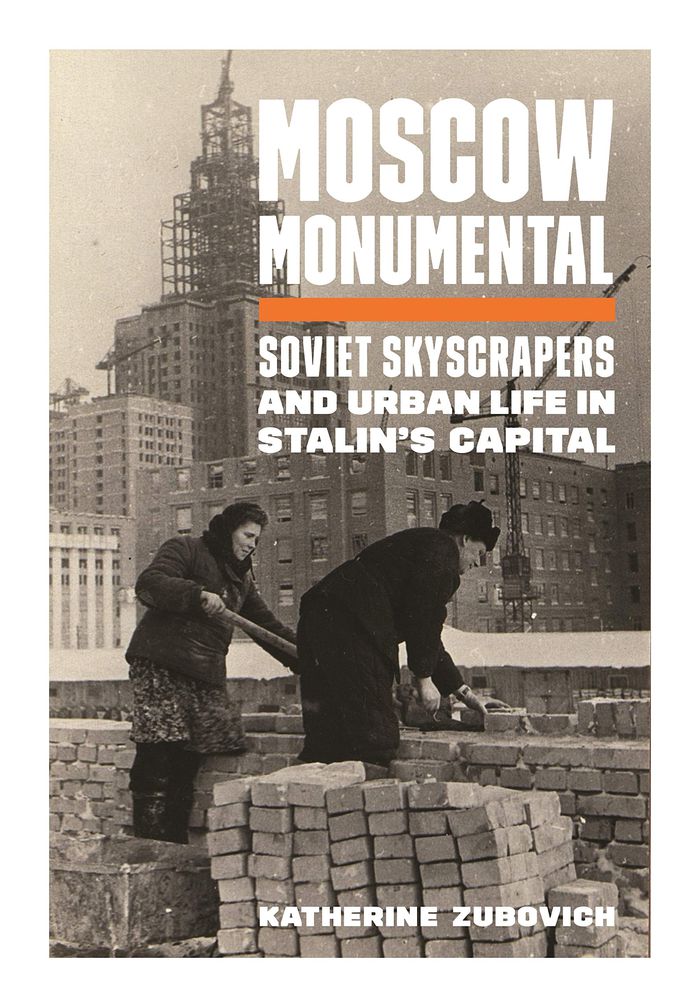
In the early years of the Cold War, the skyline of Moscow was forever transformed by a citywide skyscraper building project. As the steel girders of the monumental towers went up, the centuries-old metropolis was reinvented to embody the greatness of Stalinist society. This volume explores how the quintessential architectural works of the late Stalin era fundamentally reshaped daily life in the Soviet capital. It tells a story that is both local and broadly transnational, taking readers from the streets of interwar Moscow and New York to the marble-clad halls of the bombastic postwar structures that continue to define the Russian capital today.
Moscow monumental: Soviet skyscrapers and urban life in stalin's capital
Actions:
Price:
$42.95
(available to order)
Summary:
In the early years of the Cold War, the skyline of Moscow was forever transformed by a citywide skyscraper building project. As the steel girders of the monumental towers went up, the centuries-old metropolis was reinvented to embody the greatness of Stalinist society. This volume explores how the quintessential architectural works of the late Stalin era fundamentally reshaped daily life in the Soviet capital. It tells a story that is both local and broadly transnational, taking readers from the streets of interwar Moscow and New York to the marble-clad halls of the bombastic postwar structures that continue to define the Russian capital today.
Form:
books
books
Publication:
January 2023
January 2023
Subject:
Modernism
Modernism
Form:
books
books
Title:
David Hammons: Day's End
David Hammons: Day's End
Actions:
Price:
$64.95
(available to order)
Summary:
Published to commemorate David Hammons’s (b. 1943) public art project ''Day’s End'', located in New York City, this book documents the sculpture and offers broader context into Hammons’s enigmatic work. In 2014, Hammons sent the Whitney Museum of American Art a sketch for a monument to Gordon Matta-Clark (1943–1978), paying homage to Matta-Clark’s legendary ''Day’s End''(...)
$64.95
(available to order)
Summary:
Published to commemorate David Hammons’s (b. 1943) public art project ''Day’s End'', located in New York City, this book documents the sculpture and offers broader context into Hammons’s enigmatic work. In 2014, Hammons sent the Whitney Museum of American Art a sketch for a monument to Gordon Matta-Clark (1943–1978), paying homage to Matta-Clark’s legendary ''Day’s End''(...)
Title:
David Hammons: Day's End
Actions:
Price:
$64.95
(available to order)
Summary:
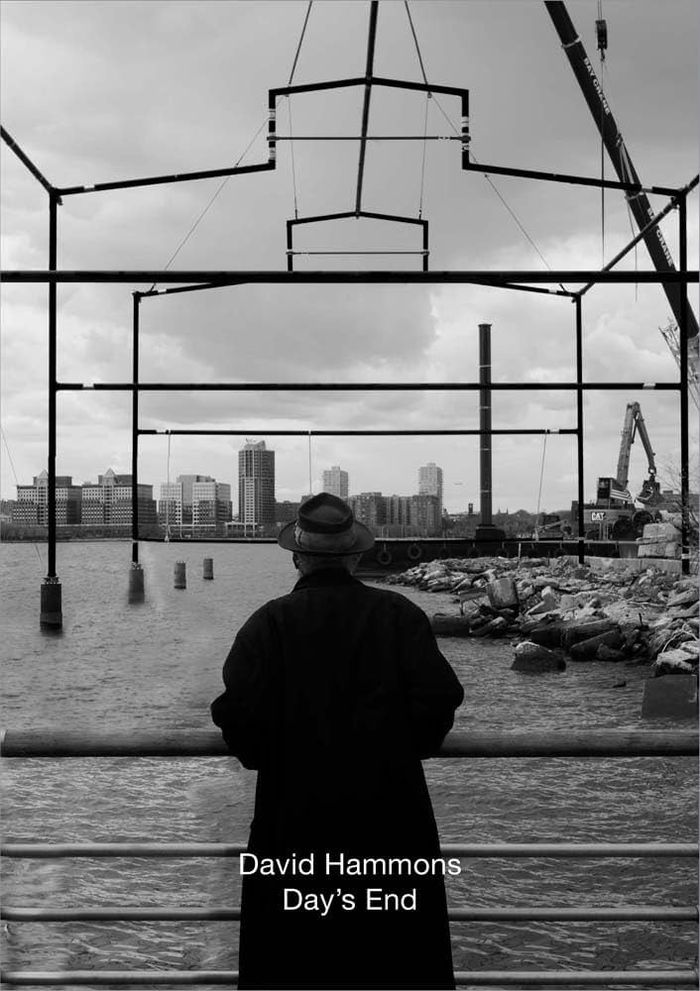
Published to commemorate David Hammons’s (b. 1943) public art project ''Day’s End'', located in New York City, this book documents the sculpture and offers broader context into Hammons’s enigmatic work. In 2014, Hammons sent the Whitney Museum of American Art a sketch for a monument to Gordon Matta-Clark (1943–1978), paying homage to Matta-Clark’s legendary ''Day’s End'' (1975)—an industrial, cathedral-like space of altered architecture—once located near today’s Whitney in Manhattan’s Meatpacking District. Completed in 2021, Hammons’s work, also titled ''Day’s End'', was realized by the Whitney in collaboration with Hudson River Park, and is on permanent view. One of the most important artists working in the United States, Hammons makes art across mediums, often outside traditional venues. In addition to photographic documentation, the book includes essays on the origins of ''Day’s End'', Hammons’s career scope, and a contribution by poet Ben Okri.
David Hammons: Day's End
Actions:
Price:
$64.95
(available to order)
Summary:
Published to commemorate David Hammons’s (b. 1943) public art project ''Day’s End'', located in New York City, this book documents the sculpture and offers broader context into Hammons’s enigmatic work. In 2014, Hammons sent the Whitney Museum of American Art a sketch for a monument to Gordon Matta-Clark (1943–1978), paying homage to Matta-Clark’s legendary ''Day’s End'' (1975)—an industrial, cathedral-like space of altered architecture—once located near today’s Whitney in Manhattan’s Meatpacking District. Completed in 2021, Hammons’s work, also titled ''Day’s End'', was realized by the Whitney in collaboration with Hudson River Park, and is on permanent view. One of the most important artists working in the United States, Hammons makes art across mediums, often outside traditional venues. In addition to photographic documentation, the book includes essays on the origins of ''Day’s End'', Hammons’s career scope, and a contribution by poet Ben Okri.
Form:
books
books
Publication:
June 2024
June 2024
Subject:
Contemporary Art Monographs
Contemporary Art Monographs
Form:
books
books
Title:
A Something Else reader
A Something Else reader
Actions:
Price:
$39.95
(available in store)
Summary:
This is a previously-unpublished anthology edited by Dick Higgins in 1972 to celebrate Something Else Press, the publishing house he founded in 1963 to showcase Fluxus and other experimental artistic and literary forms. Higgins had a firm vision that radical art could be housed in book form and distributed throughout the world and he worked endlessly to cultivate new(...)
$39.95
(available in store)
Summary:
This is a previously-unpublished anthology edited by Dick Higgins in 1972 to celebrate Something Else Press, the publishing house he founded in 1963 to showcase Fluxus and other experimental artistic and literary forms. Higgins had a firm vision that radical art could be housed in book form and distributed throughout the world and he worked endlessly to cultivate new(...)
Title:
A Something Else reader
Actions:
Price:
$39.95
(available in store)
Summary:
This is a previously-unpublished anthology edited by Dick Higgins in 1972 to celebrate Something Else Press, the publishing house he founded in 1963 to showcase Fluxus and other experimental artistic and literary forms. Higgins had a firm vision that radical art could be housed in book form and distributed throughout the world and he worked endlessly to cultivate new works that challenged conventional notions of both contemporary art and books. While other presses created extraordinary publications, none were able to achieve the breadth of titles and artists like Higgins, who successfully ran Something Else Press until 1974 in a manner that resembled a more traditional paperback publisher. The publication features a selection of writings from Claes Oldenburg, John Cage, Jackson Mac Low, Gertrude Stein, Bern Porter, Wolf Vostell, among others. An annotated checklist assembled by Hugh Fox and Higgins’s unpublished introduction are also included.
A Something Else reader
Actions:
Price:
$39.95
(available in store)
Summary:
This is a previously-unpublished anthology edited by Dick Higgins in 1972 to celebrate Something Else Press, the publishing house he founded in 1963 to showcase Fluxus and other experimental artistic and literary forms. Higgins had a firm vision that radical art could be housed in book form and distributed throughout the world and he worked endlessly to cultivate new works that challenged conventional notions of both contemporary art and books. While other presses created extraordinary publications, none were able to achieve the breadth of titles and artists like Higgins, who successfully ran Something Else Press until 1974 in a manner that resembled a more traditional paperback publisher. The publication features a selection of writings from Claes Oldenburg, John Cage, Jackson Mac Low, Gertrude Stein, Bern Porter, Wolf Vostell, among others. An annotated checklist assembled by Hugh Fox and Higgins’s unpublished introduction are also included.
Form:
books
books
Publication:
September 2022
September 2022
Subject:
Art Theory
Art Theory
Form:
books
books
Actions:
Price:
$49.95
(available to order)
Summary:
The project “Half Houses”, started in 2016 from an aesthetic puzzle (does the house lack the second half?). This project was rethought, and gradually shrouded in contexts and new layers. The compositional feeling of scarcity looking at the empty space next to the half-timbered houses of Vilijampole is a suggestive response to the loss experienced by this place, the lost(...)
$49.95
(available to order)
Summary:
The project “Half Houses”, started in 2016 from an aesthetic puzzle (does the house lack the second half?). This project was rethought, and gradually shrouded in contexts and new layers. The compositional feeling of scarcity looking at the empty space next to the half-timbered houses of Vilijampole is a suggestive response to the loss experienced by this place, the lost(...)
Title:
Inga Navickaité-Drasuté: Pusiniai namai / Half Houses
Actions:
Price:
$49.95
(available to order)
Summary:
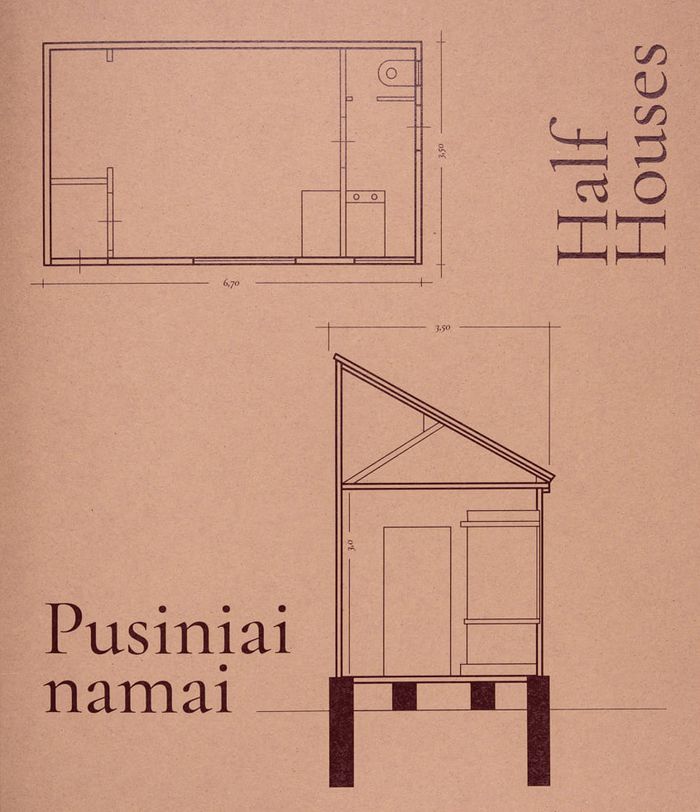
The project “Half Houses”, started in 2016 from an aesthetic puzzle (does the house lack the second half?). This project was rethought, and gradually shrouded in contexts and new layers. The compositional feeling of scarcity looking at the empty space next to the half-timbered houses of Vilijampole is a suggestive response to the loss experienced by this place, the lost side of the history of this city. In any case, both the houses and their residents do not forget what has been lost – it can be heard even in a short conversation, during a break between farm work. Already in the early 18th century, most inhabitants of the town of Vilijampole were Jewish. During World War II, the Vilijampole Jewish ghetto was established, which was turned into a concentration camp on 15 September 1943. Out of 37,000 Kaunas Jews, less than 3,000 survived the Holocaust.
Inga Navickaité-Drasuté: Pusiniai namai / Half Houses
Actions:
Price:
$49.95
(available to order)
Summary:
The project “Half Houses”, started in 2016 from an aesthetic puzzle (does the house lack the second half?). This project was rethought, and gradually shrouded in contexts and new layers. The compositional feeling of scarcity looking at the empty space next to the half-timbered houses of Vilijampole is a suggestive response to the loss experienced by this place, the lost side of the history of this city. In any case, both the houses and their residents do not forget what has been lost – it can be heard even in a short conversation, during a break between farm work. Already in the early 18th century, most inhabitants of the town of Vilijampole were Jewish. During World War II, the Vilijampole Jewish ghetto was established, which was turned into a concentration camp on 15 September 1943. Out of 37,000 Kaunas Jews, less than 3,000 survived the Holocaust.
Form:
books
books
Publication:
July 2022
July 2022
Subject:
Photography monographs
Photography monographs
Form:
books
books
Title:
Hunter with harpoon
Hunter with harpoon
Actions:
Price:
$22.95
(available in store)
Summary:
Published fifty years ago under the title "Harpoon of the hunter", Markoosie Patsauq's novel helped establish the genre of Indigenous fiction in Canada. This new English translation unfolds the story of Kamik, a young hero who comes to manhood while on a perilous hunt for a wounded polar bear. In this astonishing tale of a people struggling for survival in a brutal(...)
$22.95
(available in store)
Summary:
Published fifty years ago under the title "Harpoon of the hunter", Markoosie Patsauq's novel helped establish the genre of Indigenous fiction in Canada. This new English translation unfolds the story of Kamik, a young hero who comes to manhood while on a perilous hunt for a wounded polar bear. In this astonishing tale of a people struggling for survival in a brutal(...)
Title:
Hunter with harpoon
Actions:
Price:
$22.95
(available in store)
Summary:
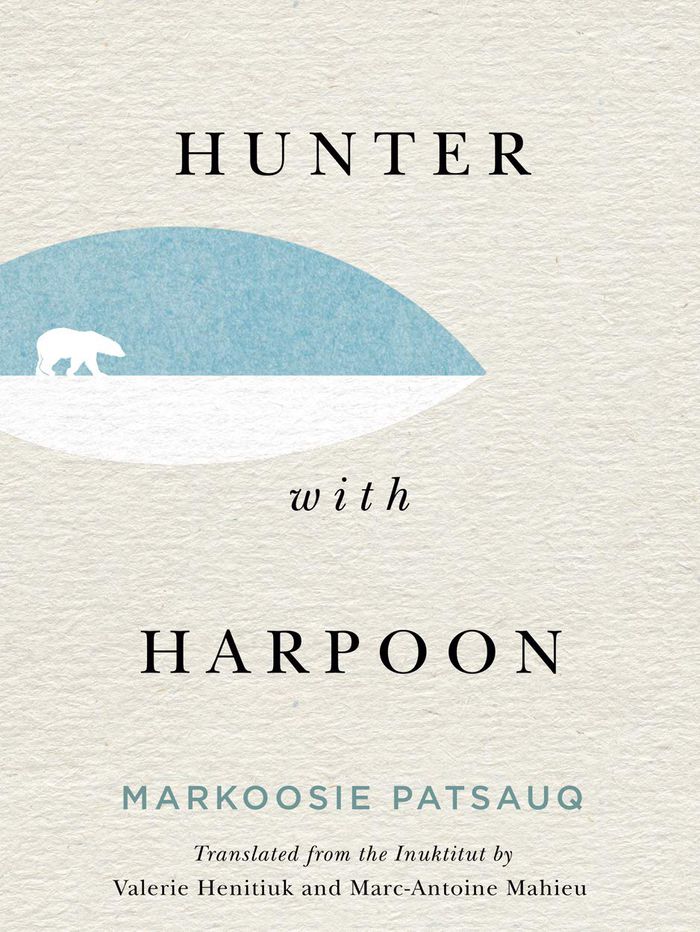
Published fifty years ago under the title "Harpoon of the hunter", Markoosie Patsauq's novel helped establish the genre of Indigenous fiction in Canada. This new English translation unfolds the story of Kamik, a young hero who comes to manhood while on a perilous hunt for a wounded polar bear. In this astonishing tale of a people struggling for survival in a brutal environment, Patsauq describes a life in the Canadian Arctic as one that is reliant on cooperation and vigilance. Whether revisiting this classic or discovering it for the first time, readers will find in this book a sophisticated coming-of-age tale illustrating a way of life not as it appeared to southerners, but as it has survived in the memory of the Inuit themselves.
Hunter with harpoon
Actions:
Price:
$22.95
(available in store)
Summary:
Published fifty years ago under the title "Harpoon of the hunter", Markoosie Patsauq's novel helped establish the genre of Indigenous fiction in Canada. This new English translation unfolds the story of Kamik, a young hero who comes to manhood while on a perilous hunt for a wounded polar bear. In this astonishing tale of a people struggling for survival in a brutal environment, Patsauq describes a life in the Canadian Arctic as one that is reliant on cooperation and vigilance. Whether revisiting this classic or discovering it for the first time, readers will find in this book a sophisticated coming-of-age tale illustrating a way of life not as it appeared to southerners, but as it has survived in the memory of the Inuit themselves.
Form:
books
books
Publication:
July 2022
July 2022
Form:
books
books
Actions:
Price:
$76.00
(available to order)
Summary:
The American artist Alison Knowles’ (born 1933) groundbreaking experiments—from painting and printmaking to sculpture and installation, sound works, poetry and artist’s books—have influenced art and artists for more than 50 years but remain relatively unknown among mainstream audiences. The first comprehensive volume on the artist, ''By Alison Knowles: A retrospective''(...)
$76.00
(available to order)
Summary:
The American artist Alison Knowles’ (born 1933) groundbreaking experiments—from painting and printmaking to sculpture and installation, sound works, poetry and artist’s books—have influenced art and artists for more than 50 years but remain relatively unknown among mainstream audiences. The first comprehensive volume on the artist, ''By Alison Knowles: A retrospective''(...)
Title:
By Alison Knowles: A retrospective, 1960-2022
Actions:
Price:
$76.00
(available to order)
Summary:
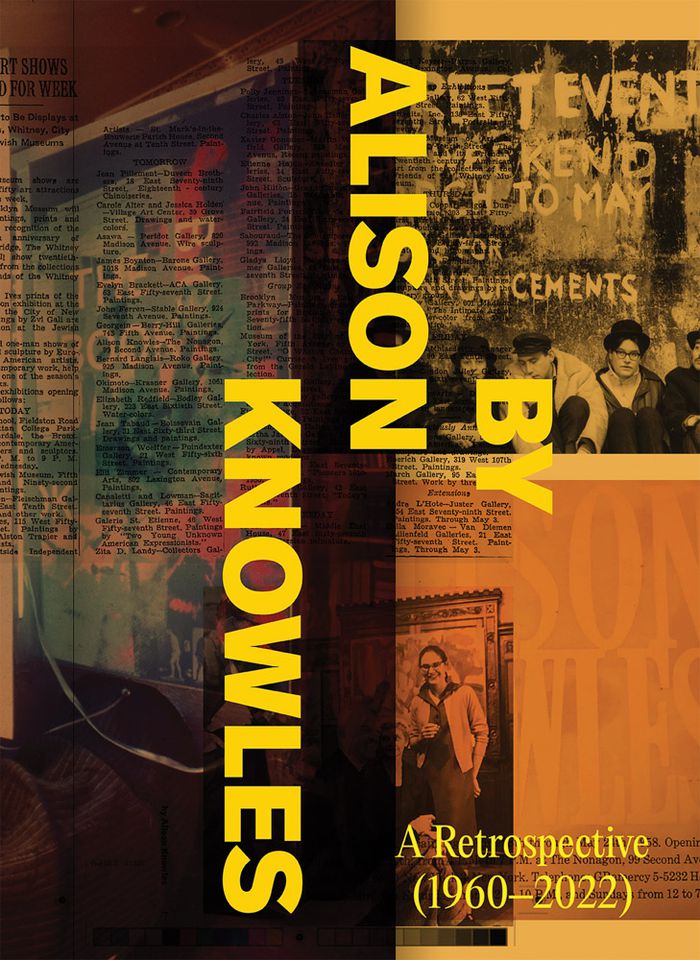
The American artist Alison Knowles’ (born 1933) groundbreaking experiments—from painting and printmaking to sculpture and installation, sound works, poetry and artist’s books—have influenced art and artists for more than 50 years but remain relatively unknown among mainstream audiences. The first comprehensive volume on the artist, ''By Alison Knowles: A retrospective'' presents more than 200 objects that span the entire breadth of her career, from her intermedia works of the 1960s to forms of participatory and relational art in the 2000s. The accompanying catalog features contributions by international Fluxus curators, historians and scholars, including lead essays by organizer Karen Moss, Hannah B. Higgins and Nicole Woods, and short contributions by Lucia Fabio, Lauren Fulton, Maud Jacquin and Sébastien Pluot. It also includes reprints of key articles by Benjamin Buchloh, Julia Robinson and Kristine Stiles, as well as a conversation between Alison Knowles and poet George Quasha. Illustrated with more than 250 images, the full-colour catalog, designed by Kimberly Varella, includes a softcover lay-flat binding, special coloured papers for each section, die-cut section dividers and a chronology. The cover of the book is a makeready (press sheets gathered from printing the interior of the book) produced during the printing of the interior pages. Each cover in the edition is unique.
By Alison Knowles: A retrospective, 1960-2022
Actions:
Price:
$76.00
(available to order)
Summary:
The American artist Alison Knowles’ (born 1933) groundbreaking experiments—from painting and printmaking to sculpture and installation, sound works, poetry and artist’s books—have influenced art and artists for more than 50 years but remain relatively unknown among mainstream audiences. The first comprehensive volume on the artist, ''By Alison Knowles: A retrospective'' presents more than 200 objects that span the entire breadth of her career, from her intermedia works of the 1960s to forms of participatory and relational art in the 2000s. The accompanying catalog features contributions by international Fluxus curators, historians and scholars, including lead essays by organizer Karen Moss, Hannah B. Higgins and Nicole Woods, and short contributions by Lucia Fabio, Lauren Fulton, Maud Jacquin and Sébastien Pluot. It also includes reprints of key articles by Benjamin Buchloh, Julia Robinson and Kristine Stiles, as well as a conversation between Alison Knowles and poet George Quasha. Illustrated with more than 250 images, the full-colour catalog, designed by Kimberly Varella, includes a softcover lay-flat binding, special coloured papers for each section, die-cut section dividers and a chronology. The cover of the book is a makeready (press sheets gathered from printing the interior of the book) produced during the printing of the interior pages. Each cover in the edition is unique.
Form:
books
books
Publication:
September 2022
September 2022
Subject:
Contemporary Art Monographs
Contemporary Art Monographs


