


40924 Results
Level of archival description:
Series
Series
Title:
Architectural projects
Architectural projects
Reference number:
AP018.S1
Description:
The Architectural Projects series, 1945-1986, is the largest series in the fonds and documents the projects worked on by Parkin’s two firms throughout his career. These projects include built work, urban planning, proposals, competitions and feasibility studies. The majority of the projects were based in Toronto and the surrounding area, but projects from across Canada and some international projects in the Caribbean, Middle East, and Northern Africa are also included. These individual projects were identified and separated based on distinct project numbers assigned by the creating offices. The general numbering rule at the offices was two digits to represent the year, followed by two or three digits to represent the consecutive project number for that year (YY###). For instance the 7th project taken on in the year 1980 would be assigned the project number 8007. This chronological ordering has been respected in the arrangement of this series. These projects are recorded primarily through textual records and drawings, but some photographs, paintings, artefacts and one book are also included in this series. The amount of drawings and textual materials for the projects vary greatly. Materials for projects before 1971, from the firm John B. Parkin Associates, are very sparse, sometimes with only a few files or drawings representing a project. Materials after 1971, from the firm Parkin Architects Planners, are much more complete and often contain drawings from initial sketches to finished construction work. Among these drawings are plans, elevations, sections, details, perspectives, and mechanical, electrical and structural drawings. Textual records for these projects typically include correspondence, meeting minutes, specifications, site reports, consultancy files and other construction documentation. The photographic materials in this series often show construction progress and completed work. Also present are presentation panels with mounted drawings, photographs and paintings for some projects. The artefacts typically consist of material samples for construction. The textual records for projects are almost always in English, but some drawings are in French or are bilingual for projects commissioned by the Government of Canada. Although John C. Parkin is the creator of this series, the partners at his firms and other employees played a significant role as creators of the contents. Especially in the material from Parkin Architects Planners, the names of his partners such as J.B. Mar, P.H. Warren, D.L. Wilson, and L. Payne are often marked as authors of the materials.
AP018.S1
Description:
The Architectural Projects series, 1945-1986, is the largest series in the fonds and documents the projects worked on by Parkin’s two firms throughout his career. These projects include built work, urban planning, proposals, competitions and feasibility studies. The majority of the projects were based in Toronto and the surrounding area, but projects from across Canada and some international projects in the Caribbean, Middle East, and Northern Africa are also included. These individual projects were identified and separated based on distinct project numbers assigned by the creating offices. The general numbering rule at the offices was two digits to represent the year, followed by two or three digits to represent the consecutive project number for that year (YY###). For instance the 7th project taken on in the year 1980 would be assigned the project number 8007. This chronological ordering has been respected in the arrangement of this series. These projects are recorded primarily through textual records and drawings, but some photographs, paintings, artefacts and one book are also included in this series. The amount of drawings and textual materials for the projects vary greatly. Materials for projects before 1971, from the firm John B. Parkin Associates, are very sparse, sometimes with only a few files or drawings representing a project. Materials after 1971, from the firm Parkin Architects Planners, are much more complete and often contain drawings from initial sketches to finished construction work. Among these drawings are plans, elevations, sections, details, perspectives, and mechanical, electrical and structural drawings. Textual records for these projects typically include correspondence, meeting minutes, specifications, site reports, consultancy files and other construction documentation. The photographic materials in this series often show construction progress and completed work. Also present are presentation panels with mounted drawings, photographs and paintings for some projects. The artefacts typically consist of material samples for construction. The textual records for projects are almost always in English, but some drawings are in French or are bilingual for projects commissioned by the Government of Canada. Although John C. Parkin is the creator of this series, the partners at his firms and other employees played a significant role as creators of the contents. Especially in the material from Parkin Architects Planners, the names of his partners such as J.B. Mar, P.H. Warren, D.L. Wilson, and L. Payne are often marked as authors of the materials.
People:
Date:
1945-1986
1945-1986
Title:
Architectural projects
Actions:
AP018.S1
Description:
The Architectural Projects series, 1945-1986, is the largest series in the fonds and documents the projects worked on by Parkin’s two firms throughout his career. These projects include built work, urban planning, proposals, competitions and feasibility studies. The majority of the projects were based in Toronto and the surrounding area, but projects from across Canada and some international projects in the Caribbean, Middle East, and Northern Africa are also included. These individual projects were identified and separated based on distinct project numbers assigned by the creating offices. The general numbering rule at the offices was two digits to represent the year, followed by two or three digits to represent the consecutive project number for that year (YY###). For instance the 7th project taken on in the year 1980 would be assigned the project number 8007. This chronological ordering has been respected in the arrangement of this series. These projects are recorded primarily through textual records and drawings, but some photographs, paintings, artefacts and one book are also included in this series. The amount of drawings and textual materials for the projects vary greatly. Materials for projects before 1971, from the firm John B. Parkin Associates, are very sparse, sometimes with only a few files or drawings representing a project. Materials after 1971, from the firm Parkin Architects Planners, are much more complete and often contain drawings from initial sketches to finished construction work. Among these drawings are plans, elevations, sections, details, perspectives, and mechanical, electrical and structural drawings. Textual records for these projects typically include correspondence, meeting minutes, specifications, site reports, consultancy files and other construction documentation. The photographic materials in this series often show construction progress and completed work. Also present are presentation panels with mounted drawings, photographs and paintings for some projects. The artefacts typically consist of material samples for construction. The textual records for projects are almost always in English, but some drawings are in French or are bilingual for projects commissioned by the Government of Canada. Although John C. Parkin is the creator of this series, the partners at his firms and other employees played a significant role as creators of the contents. Especially in the material from Parkin Architects Planners, the names of his partners such as J.B. Mar, P.H. Warren, D.L. Wilson, and L. Payne are often marked as authors of the materials.
Architectural projects
Actions:
AP018.S1
Description:
The Architectural Projects series, 1945-1986, is the largest series in the fonds and documents the projects worked on by Parkin’s two firms throughout his career. These projects include built work, urban planning, proposals, competitions and feasibility studies. The majority of the projects were based in Toronto and the surrounding area, but projects from across Canada and some international projects in the Caribbean, Middle East, and Northern Africa are also included. These individual projects were identified and separated based on distinct project numbers assigned by the creating offices. The general numbering rule at the offices was two digits to represent the year, followed by two or three digits to represent the consecutive project number for that year (YY###). For instance the 7th project taken on in the year 1980 would be assigned the project number 8007. This chronological ordering has been respected in the arrangement of this series. These projects are recorded primarily through textual records and drawings, but some photographs, paintings, artefacts and one book are also included in this series. The amount of drawings and textual materials for the projects vary greatly. Materials for projects before 1971, from the firm John B. Parkin Associates, are very sparse, sometimes with only a few files or drawings representing a project. Materials after 1971, from the firm Parkin Architects Planners, are much more complete and often contain drawings from initial sketches to finished construction work. Among these drawings are plans, elevations, sections, details, perspectives, and mechanical, electrical and structural drawings. Textual records for these projects typically include correspondence, meeting minutes, specifications, site reports, consultancy files and other construction documentation. The photographic materials in this series often show construction progress and completed work. Also present are presentation panels with mounted drawings, photographs and paintings for some projects. The artefacts typically consist of material samples for construction. The textual records for projects are almost always in English, but some drawings are in French or are bilingual for projects commissioned by the Government of Canada. Although John C. Parkin is the creator of this series, the partners at his firms and other employees played a significant role as creators of the contents. Especially in the material from Parkin Architects Planners, the names of his partners such as J.B. Mar, P.H. Warren, D.L. Wilson, and L. Payne are often marked as authors of the materials.
Level of archival description:
Series
Series
Date:
1945-1986
1945-1986
People:
Form:
photographs
photographs
Title:
Our Old Home
Our Old Home
Actions:
Reference number:
PH1979:0602.02
Description:
Nathaniel Hawthorne was born in 1804 in Salem, Massachusetts. He started writing seriously in 1846 and spent the years 1853 to 1857 in England as the American Consul in Liverpool. The collection of essays that constitute 'Our Old Home' comes from the journals he kept during his stay in England. After spending two years in Italy he returned to the United States and completed his final novel, 'The Marble Faun' and 'Our Old Home'. This 594-page book comprises 14 photogravures, one engraving, a Title page and a Contents and list of illustrations and Index : Title page: Our Old Home by Nathaniel Hawthorne annotated with passages from the author's note-book, and illustrated with photogravures Volume II. Cambridge. Printed at the Riverside Press. MDCCCXCI. Verso of title page: Copyright, 1863 by Nathaniel Hawthorne Copyright, 1870 By Sophia Hawthorne Copyright, 1883, 1890 By Houghton, Mifflin & Co. All rights reserved Two Hundred and Fifty Copies Printed No. 69 Contents and list of Illustrations: [Photogravures executed by A.W. Elson & Co. Boston] Lord Nelson Frontispiece NEAR OXFORD Blenheim The Thames at Oxford from Folly Bridge Magdalen College, Oxford, from the Cherwell SOME OF THE HAUNTS OF BURNS Robert Burns Burn's Birthplace, Alloway Parish, near Ayr The Auld Brig o' Doon, Ayr Alloway Kirk A LONDON SUBURB A Country House The Houses of Parliament UP THE THAMES London Bridge Tower of London, showing Traitor's Gate St. Paul's Cathedral Poets' Corner, Westminster Abbey OUTSIDE GLIMPSES OF ENGLISH POVERTY An English Almshouse CIVIC BANQUETS Index
PH1979:0602.02
Description:
Nathaniel Hawthorne was born in 1804 in Salem, Massachusetts. He started writing seriously in 1846 and spent the years 1853 to 1857 in England as the American Consul in Liverpool. The collection of essays that constitute 'Our Old Home' comes from the journals he kept during his stay in England. After spending two years in Italy he returned to the United States and completed his final novel, 'The Marble Faun' and 'Our Old Home'. This 594-page book comprises 14 photogravures, one engraving, a Title page and a Contents and list of illustrations and Index : Title page: Our Old Home by Nathaniel Hawthorne annotated with passages from the author's note-book, and illustrated with photogravures Volume II. Cambridge. Printed at the Riverside Press. MDCCCXCI. Verso of title page: Copyright, 1863 by Nathaniel Hawthorne Copyright, 1870 By Sophia Hawthorne Copyright, 1883, 1890 By Houghton, Mifflin & Co. All rights reserved Two Hundred and Fifty Copies Printed No. 69 Contents and list of Illustrations: [Photogravures executed by A.W. Elson & Co. Boston] Lord Nelson Frontispiece NEAR OXFORD Blenheim The Thames at Oxford from Folly Bridge Magdalen College, Oxford, from the Cherwell SOME OF THE HAUNTS OF BURNS Robert Burns Burn's Birthplace, Alloway Parish, near Ayr The Auld Brig o' Doon, Ayr Alloway Kirk A LONDON SUBURB A Country House The Houses of Parliament UP THE THAMES London Bridge Tower of London, showing Traitor's Gate St. Paul's Cathedral Poets' Corner, Westminster Abbey OUTSIDE GLIMPSES OF ENGLISH POVERTY An English Almshouse CIVIC BANQUETS Index
People:
Subject:
architecture
architecture
Date:
1891
1891
Title:
Our Old Home
Actions:
PH1979:0602.02
Description:
Nathaniel Hawthorne was born in 1804 in Salem, Massachusetts. He started writing seriously in 1846 and spent the years 1853 to 1857 in England as the American Consul in Liverpool. The collection of essays that constitute 'Our Old Home' comes from the journals he kept during his stay in England. After spending two years in Italy he returned to the United States and completed his final novel, 'The Marble Faun' and 'Our Old Home'. This 594-page book comprises 14 photogravures, one engraving, a Title page and a Contents and list of illustrations and Index : Title page: Our Old Home by Nathaniel Hawthorne annotated with passages from the author's note-book, and illustrated with photogravures Volume II. Cambridge. Printed at the Riverside Press. MDCCCXCI. Verso of title page: Copyright, 1863 by Nathaniel Hawthorne Copyright, 1870 By Sophia Hawthorne Copyright, 1883, 1890 By Houghton, Mifflin & Co. All rights reserved Two Hundred and Fifty Copies Printed No. 69 Contents and list of Illustrations: [Photogravures executed by A.W. Elson & Co. Boston] Lord Nelson Frontispiece NEAR OXFORD Blenheim The Thames at Oxford from Folly Bridge Magdalen College, Oxford, from the Cherwell SOME OF THE HAUNTS OF BURNS Robert Burns Burn's Birthplace, Alloway Parish, near Ayr The Auld Brig o' Doon, Ayr Alloway Kirk A LONDON SUBURB A Country House The Houses of Parliament UP THE THAMES London Bridge Tower of London, showing Traitor's Gate St. Paul's Cathedral Poets' Corner, Westminster Abbey OUTSIDE GLIMPSES OF ENGLISH POVERTY An English Almshouse CIVIC BANQUETS Index
Our Old Home
Actions:
PH1979:0602.02
Description:
Nathaniel Hawthorne was born in 1804 in Salem, Massachusetts. He started writing seriously in 1846 and spent the years 1853 to 1857 in England as the American Consul in Liverpool. The collection of essays that constitute 'Our Old Home' comes from the journals he kept during his stay in England. After spending two years in Italy he returned to the United States and completed his final novel, 'The Marble Faun' and 'Our Old Home'. This 594-page book comprises 14 photogravures, one engraving, a Title page and a Contents and list of illustrations and Index : Title page: Our Old Home by Nathaniel Hawthorne annotated with passages from the author's note-book, and illustrated with photogravures Volume II. Cambridge. Printed at the Riverside Press. MDCCCXCI. Verso of title page: Copyright, 1863 by Nathaniel Hawthorne Copyright, 1870 By Sophia Hawthorne Copyright, 1883, 1890 By Houghton, Mifflin & Co. All rights reserved Two Hundred and Fifty Copies Printed No. 69 Contents and list of Illustrations: [Photogravures executed by A.W. Elson & Co. Boston] Lord Nelson Frontispiece NEAR OXFORD Blenheim The Thames at Oxford from Folly Bridge Magdalen College, Oxford, from the Cherwell SOME OF THE HAUNTS OF BURNS Robert Burns Burn's Birthplace, Alloway Parish, near Ayr The Auld Brig o' Doon, Ayr Alloway Kirk A LONDON SUBURB A Country House The Houses of Parliament UP THE THAMES London Bridge Tower of London, showing Traitor's Gate St. Paul's Cathedral Poets' Corner, Westminster Abbey OUTSIDE GLIMPSES OF ENGLISH POVERTY An English Almshouse CIVIC BANQUETS Index
Form:
photographs
photographs
Date:
1891
1891
People:
Subject:
architecture
architecture
Form:
events
events
Actions:
Description:
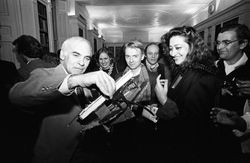
Visiting Scholar Irene Sunwoo presents her research: During the 1970s and 1980s, the Architectural Association (AA) in London tested a “marketplace” model of architectural education that supported an array of theoretical investigations. Exploring issues including politics, phenomenology, semiotics, sustainability, literature, and third-world housing, the school became a(...)
Visiting Scholar Irene Sunwoo presents her research: During the 1970s and 1980s, the Architectural Association (AA) in London tested a “marketplace” model of architectural education that supported an array of theoretical investigations. Exploring issues including politics, phenomenology, semiotics, sustainability, literature, and third-world housing, the school became a(...)
Location:
Shaughnessy House
Shaughnessy House
Date:
27 July 2017, 6pm
27 July 2017, 6pm
Title:
Visiting Scholar Seminar: Irene Sunwoo
Actions:
Description:
Visiting Scholar Irene Sunwoo presents her research: During the 1970s and 1980s, the Architectural Association (AA) in London tested a “marketplace” model of architectural education that supported an array of theoretical investigations. Exploring issues including politics, phenomenology, semiotics, sustainability, literature, and third-world housing, the school became a(...)
Visiting Scholar Seminar: Irene Sunwoo
Actions:
Description:
Visiting Scholar Irene Sunwoo presents her research: During the 1970s and 1980s, the Architectural Association (AA) in London tested a “marketplace” model of architectural education that supported an array of theoretical investigations. Exploring issues including politics, phenomenology, semiotics, sustainability, literature, and third-world housing, the school became a(...)
Form:
events
events
Date:
27 July 2017
6pm
27 July 2017
6pm
Location:
Shaughnessy House
Shaughnessy House
Level of archival description:
Sub-series
Sub-series
Reference number:
CI001.S2.D5
Description:
Charles Rohault de Fleury was architect for the Muséum national d'histoire naturelle from 1833 to 1862. His work for the Muséum is represented in the CCA collection by a diverse group of prints and drawings. In addition to documenting his built and unbuilt projects, the inclusion of prints and drawings of museum and zoo buildings by other architects record, if only partially, the resources available to Charles in designing his buildings. This reference material provides insight into the influences on Charles' work as well as the nature of the design process itself. His built works, with the exception of the 1854 addition to the greenhouses, are illustrated in a book of prints with a brief accompanying text - "Muséum d'histoire naturelle: serres chaudes, galeries de minéralogie, etc. etc." (published 1837) (DR1974:0002:004:001; a second copy is held by the CCA library) (1). While prints are included for the Galerie de minéralogie et de géologie, the monkey house and the reservoirs, the majority of the prints are of the greenhouses (serres chaudes) begun 1833 (2). Known for their technological innovations in iron construction, these greenhouses utilized the first multi-storey load-bearing cast-iron façades for the central pavilions as well as space frame roof structures and prefabricated parts. This structural system is well documented in the prints in the CCA collection. The design was apparently inspired by the English greenhouses - a plate of which are included in the book - that Charles saw on a tour of England. The use of prestressed beams and curved roofs in the lateral wings attest to this influence. Charles' greenhouses, in turn, influenced the design of other greenhouses in Europe especially those at the Jardins Botanique in Liège and Ghent, Belgium (3). Although Joseph Paxton saw the greenhouses in 1833, it is unclear if they had an impact on the design of the Crystal Palace constructed 1850-1851 (4). The innovations of Charles' greenhouses continued to be acknowledged into the 20th century. Giedion in "Space, Time and Architecture", while erroneously attributing them to Rouhault (5)(6), refers to the greenhouses as "the prototype of all large iron-framed conservatories" (7). In addition to the greenhouses for the Muséum, the CCA collection includes three proposals (dated 1841) for a private greenhouse designed by Charles Rohault de Fleury (DR1974:0002:002:008 - DR1974:0002:002:013). The designs utilize the same curved roofs as the wings of the greenhouses at the Muséum combined with classically detailed stonework. An different aspect of Charles' work for the Muséum national d'histoire naturelle is represented in the album of unexecuted proposals -the only design drawings for the Muséum in the collection - for a Galerie de zoologie (DR1974:0002:024:001-079). Building on the typology of his earlier classical Galerie de minéralogie et de géologie (constructed 1833 -1841), the proposals, which date from between 1838 and 1862, illustrate a gradual enrichment of Charles' classical architectural vocabulary (8). They vary in their spatial configurations and façade treatments ranging from austere colonnaded designs with little ornament to more elaborate ones with richly encrusted facades, complex rooflines and more dramatic interior spaces characteristic of the Second Empire. The majority of the proposals consist of preliminary drawings illustrating the essential formal, spatial and ornamental aspects of the building. One proposal, dated January 1846, is substantially more developed than the others; in addition to general plans, sections and elevations, more detailed drawings are included for the layout of spaces, the elaboration of the facades, the configuration of the structure and even the designs for the specimen display cases. It is also worth noting that this album includes several plans outlining Rohault de Fleury's ideas for the overall development of the Muséum national d'histoire naturelle. In 1846, an album of prints of the Museo di fiscia e storia naturelle in Florence (DR1974:0002:005:001-018) was presented to Charles by the Grand Duke of Tuscany in response to his request for tracings of that building. These prints were probably used as reference material for the design of the new Galerie de zoologie described above. The portfolio of record drawings (ca. 1862) of the zoos in Antwerp, Brussels, Marseille and Amsterdam (DR1974:0002:018:001-027) is probably a dummy for a publication on zoological gardens as well as background documentation for the renovation and expansion of the zoo at the Muséum national d'histoire naturelle in Paris. Both drawings of the facilities for the animals and visitors and general plans of the zoological gardens are included. The Paris zoo project was apparently never undertaken. (1) These prints were reused in the "Oeuvre de C. Rohault de Fleury, architecte" (published 1884) (DR1974:0002:029:001-044). (2) Rohault de Fleury's greenhouses were destroyed in the Prussian bombardments of 1870. The greenhouses, which now stand in their place, are similar in layout and appearance to the original design, but their structural system is different. (3) John Hix, 'The Glass House' (Cambridge, Mass.: The MIT Press, 1981), p. 115. (4) Ibid., p. 115. (5) This error has been repeated by other authors including Henry-Russell Hitchcock, 'Architecture: Nineteenth and Twentieth Centuries' (Baltimore, Maryland: Penguin Books, 1968), p. 120. (6) Leonardo Benevolo, 'History of Modern Architecture' Volume 1: The tradition of modern architecture (Cambridge, Mass.: The M.I.T. Press, 1971), p. 22. (7) Sigfried Giedion, 'Space, Time and Architecture; the growth of a new tradition' (Cambridge: Harvard University Press, 1941), p. 181. (8) Barry Bergdoll, "Charles Rohault de Fleury: Part two: Muséum d'Histoire Naturelle and Studies on analogous Constructions in Europe", 'CCA Research Report", n.d., p. 1.
CI001.S2.D5
Description:
Charles Rohault de Fleury was architect for the Muséum national d'histoire naturelle from 1833 to 1862. His work for the Muséum is represented in the CCA collection by a diverse group of prints and drawings. In addition to documenting his built and unbuilt projects, the inclusion of prints and drawings of museum and zoo buildings by other architects record, if only partially, the resources available to Charles in designing his buildings. This reference material provides insight into the influences on Charles' work as well as the nature of the design process itself. His built works, with the exception of the 1854 addition to the greenhouses, are illustrated in a book of prints with a brief accompanying text - "Muséum d'histoire naturelle: serres chaudes, galeries de minéralogie, etc. etc." (published 1837) (DR1974:0002:004:001; a second copy is held by the CCA library) (1). While prints are included for the Galerie de minéralogie et de géologie, the monkey house and the reservoirs, the majority of the prints are of the greenhouses (serres chaudes) begun 1833 (2). Known for their technological innovations in iron construction, these greenhouses utilized the first multi-storey load-bearing cast-iron façades for the central pavilions as well as space frame roof structures and prefabricated parts. This structural system is well documented in the prints in the CCA collection. The design was apparently inspired by the English greenhouses - a plate of which are included in the book - that Charles saw on a tour of England. The use of prestressed beams and curved roofs in the lateral wings attest to this influence. Charles' greenhouses, in turn, influenced the design of other greenhouses in Europe especially those at the Jardins Botanique in Liège and Ghent, Belgium (3). Although Joseph Paxton saw the greenhouses in 1833, it is unclear if they had an impact on the design of the Crystal Palace constructed 1850-1851 (4). The innovations of Charles' greenhouses continued to be acknowledged into the 20th century. Giedion in "Space, Time and Architecture", while erroneously attributing them to Rouhault (5)(6), refers to the greenhouses as "the prototype of all large iron-framed conservatories" (7). In addition to the greenhouses for the Muséum, the CCA collection includes three proposals (dated 1841) for a private greenhouse designed by Charles Rohault de Fleury (DR1974:0002:002:008 - DR1974:0002:002:013). The designs utilize the same curved roofs as the wings of the greenhouses at the Muséum combined with classically detailed stonework. An different aspect of Charles' work for the Muséum national d'histoire naturelle is represented in the album of unexecuted proposals -the only design drawings for the Muséum in the collection - for a Galerie de zoologie (DR1974:0002:024:001-079). Building on the typology of his earlier classical Galerie de minéralogie et de géologie (constructed 1833 -1841), the proposals, which date from between 1838 and 1862, illustrate a gradual enrichment of Charles' classical architectural vocabulary (8). They vary in their spatial configurations and façade treatments ranging from austere colonnaded designs with little ornament to more elaborate ones with richly encrusted facades, complex rooflines and more dramatic interior spaces characteristic of the Second Empire. The majority of the proposals consist of preliminary drawings illustrating the essential formal, spatial and ornamental aspects of the building. One proposal, dated January 1846, is substantially more developed than the others; in addition to general plans, sections and elevations, more detailed drawings are included for the layout of spaces, the elaboration of the facades, the configuration of the structure and even the designs for the specimen display cases. It is also worth noting that this album includes several plans outlining Rohault de Fleury's ideas for the overall development of the Muséum national d'histoire naturelle. In 1846, an album of prints of the Museo di fiscia e storia naturelle in Florence (DR1974:0002:005:001-018) was presented to Charles by the Grand Duke of Tuscany in response to his request for tracings of that building. These prints were probably used as reference material for the design of the new Galerie de zoologie described above. The portfolio of record drawings (ca. 1862) of the zoos in Antwerp, Brussels, Marseille and Amsterdam (DR1974:0002:018:001-027) is probably a dummy for a publication on zoological gardens as well as background documentation for the renovation and expansion of the zoo at the Muséum national d'histoire naturelle in Paris. Both drawings of the facilities for the animals and visitors and general plans of the zoological gardens are included. The Paris zoo project was apparently never undertaken. (1) These prints were reused in the "Oeuvre de C. Rohault de Fleury, architecte" (published 1884) (DR1974:0002:029:001-044). (2) Rohault de Fleury's greenhouses were destroyed in the Prussian bombardments of 1870. The greenhouses, which now stand in their place, are similar in layout and appearance to the original design, but their structural system is different. (3) John Hix, 'The Glass House' (Cambridge, Mass.: The MIT Press, 1981), p. 115. (4) Ibid., p. 115. (5) This error has been repeated by other authors including Henry-Russell Hitchcock, 'Architecture: Nineteenth and Twentieth Centuries' (Baltimore, Maryland: Penguin Books, 1968), p. 120. (6) Leonardo Benevolo, 'History of Modern Architecture' Volume 1: The tradition of modern architecture (Cambridge, Mass.: The M.I.T. Press, 1971), p. 22. (7) Sigfried Giedion, 'Space, Time and Architecture; the growth of a new tradition' (Cambridge: Harvard University Press, 1941), p. 181. (8) Barry Bergdoll, "Charles Rohault de Fleury: Part two: Muséum d'Histoire Naturelle and Studies on analogous Constructions in Europe", 'CCA Research Report", n.d., p. 1.
People:
Date:
[1837-ca. 1862]
[1837-ca. 1862]
Title:
Muséum nationale d'histoire naturelle
CI001.S2.D5
Description:
Charles Rohault de Fleury was architect for the Muséum national d'histoire naturelle from 1833 to 1862. His work for the Muséum is represented in the CCA collection by a diverse group of prints and drawings. In addition to documenting his built and unbuilt projects, the inclusion of prints and drawings of museum and zoo buildings by other architects record, if only partially, the resources available to Charles in designing his buildings. This reference material provides insight into the influences on Charles' work as well as the nature of the design process itself. His built works, with the exception of the 1854 addition to the greenhouses, are illustrated in a book of prints with a brief accompanying text - "Muséum d'histoire naturelle: serres chaudes, galeries de minéralogie, etc. etc." (published 1837) (DR1974:0002:004:001; a second copy is held by the CCA library) (1). While prints are included for the Galerie de minéralogie et de géologie, the monkey house and the reservoirs, the majority of the prints are of the greenhouses (serres chaudes) begun 1833 (2). Known for their technological innovations in iron construction, these greenhouses utilized the first multi-storey load-bearing cast-iron façades for the central pavilions as well as space frame roof structures and prefabricated parts. This structural system is well documented in the prints in the CCA collection. The design was apparently inspired by the English greenhouses - a plate of which are included in the book - that Charles saw on a tour of England. The use of prestressed beams and curved roofs in the lateral wings attest to this influence. Charles' greenhouses, in turn, influenced the design of other greenhouses in Europe especially those at the Jardins Botanique in Liège and Ghent, Belgium (3). Although Joseph Paxton saw the greenhouses in 1833, it is unclear if they had an impact on the design of the Crystal Palace constructed 1850-1851 (4). The innovations of Charles' greenhouses continued to be acknowledged into the 20th century. Giedion in "Space, Time and Architecture", while erroneously attributing them to Rouhault (5)(6), refers to the greenhouses as "the prototype of all large iron-framed conservatories" (7). In addition to the greenhouses for the Muséum, the CCA collection includes three proposals (dated 1841) for a private greenhouse designed by Charles Rohault de Fleury (DR1974:0002:002:008 - DR1974:0002:002:013). The designs utilize the same curved roofs as the wings of the greenhouses at the Muséum combined with classically detailed stonework. An different aspect of Charles' work for the Muséum national d'histoire naturelle is represented in the album of unexecuted proposals -the only design drawings for the Muséum in the collection - for a Galerie de zoologie (DR1974:0002:024:001-079). Building on the typology of his earlier classical Galerie de minéralogie et de géologie (constructed 1833 -1841), the proposals, which date from between 1838 and 1862, illustrate a gradual enrichment of Charles' classical architectural vocabulary (8). They vary in their spatial configurations and façade treatments ranging from austere colonnaded designs with little ornament to more elaborate ones with richly encrusted facades, complex rooflines and more dramatic interior spaces characteristic of the Second Empire. The majority of the proposals consist of preliminary drawings illustrating the essential formal, spatial and ornamental aspects of the building. One proposal, dated January 1846, is substantially more developed than the others; in addition to general plans, sections and elevations, more detailed drawings are included for the layout of spaces, the elaboration of the facades, the configuration of the structure and even the designs for the specimen display cases. It is also worth noting that this album includes several plans outlining Rohault de Fleury's ideas for the overall development of the Muséum national d'histoire naturelle. In 1846, an album of prints of the Museo di fiscia e storia naturelle in Florence (DR1974:0002:005:001-018) was presented to Charles by the Grand Duke of Tuscany in response to his request for tracings of that building. These prints were probably used as reference material for the design of the new Galerie de zoologie described above. The portfolio of record drawings (ca. 1862) of the zoos in Antwerp, Brussels, Marseille and Amsterdam (DR1974:0002:018:001-027) is probably a dummy for a publication on zoological gardens as well as background documentation for the renovation and expansion of the zoo at the Muséum national d'histoire naturelle in Paris. Both drawings of the facilities for the animals and visitors and general plans of the zoological gardens are included. The Paris zoo project was apparently never undertaken. (1) These prints were reused in the "Oeuvre de C. Rohault de Fleury, architecte" (published 1884) (DR1974:0002:029:001-044). (2) Rohault de Fleury's greenhouses were destroyed in the Prussian bombardments of 1870. The greenhouses, which now stand in their place, are similar in layout and appearance to the original design, but their structural system is different. (3) John Hix, 'The Glass House' (Cambridge, Mass.: The MIT Press, 1981), p. 115. (4) Ibid., p. 115. (5) This error has been repeated by other authors including Henry-Russell Hitchcock, 'Architecture: Nineteenth and Twentieth Centuries' (Baltimore, Maryland: Penguin Books, 1968), p. 120. (6) Leonardo Benevolo, 'History of Modern Architecture' Volume 1: The tradition of modern architecture (Cambridge, Mass.: The M.I.T. Press, 1971), p. 22. (7) Sigfried Giedion, 'Space, Time and Architecture; the growth of a new tradition' (Cambridge: Harvard University Press, 1941), p. 181. (8) Barry Bergdoll, "Charles Rohault de Fleury: Part two: Muséum d'Histoire Naturelle and Studies on analogous Constructions in Europe", 'CCA Research Report", n.d., p. 1.
Muséum nationale d'histoire naturelle
CI001.S2.D5
Description:
Charles Rohault de Fleury was architect for the Muséum national d'histoire naturelle from 1833 to 1862. His work for the Muséum is represented in the CCA collection by a diverse group of prints and drawings. In addition to documenting his built and unbuilt projects, the inclusion of prints and drawings of museum and zoo buildings by other architects record, if only partially, the resources available to Charles in designing his buildings. This reference material provides insight into the influences on Charles' work as well as the nature of the design process itself. His built works, with the exception of the 1854 addition to the greenhouses, are illustrated in a book of prints with a brief accompanying text - "Muséum d'histoire naturelle: serres chaudes, galeries de minéralogie, etc. etc." (published 1837) (DR1974:0002:004:001; a second copy is held by the CCA library) (1). While prints are included for the Galerie de minéralogie et de géologie, the monkey house and the reservoirs, the majority of the prints are of the greenhouses (serres chaudes) begun 1833 (2). Known for their technological innovations in iron construction, these greenhouses utilized the first multi-storey load-bearing cast-iron façades for the central pavilions as well as space frame roof structures and prefabricated parts. This structural system is well documented in the prints in the CCA collection. The design was apparently inspired by the English greenhouses - a plate of which are included in the book - that Charles saw on a tour of England. The use of prestressed beams and curved roofs in the lateral wings attest to this influence. Charles' greenhouses, in turn, influenced the design of other greenhouses in Europe especially those at the Jardins Botanique in Liège and Ghent, Belgium (3). Although Joseph Paxton saw the greenhouses in 1833, it is unclear if they had an impact on the design of the Crystal Palace constructed 1850-1851 (4). The innovations of Charles' greenhouses continued to be acknowledged into the 20th century. Giedion in "Space, Time and Architecture", while erroneously attributing them to Rouhault (5)(6), refers to the greenhouses as "the prototype of all large iron-framed conservatories" (7). In addition to the greenhouses for the Muséum, the CCA collection includes three proposals (dated 1841) for a private greenhouse designed by Charles Rohault de Fleury (DR1974:0002:002:008 - DR1974:0002:002:013). The designs utilize the same curved roofs as the wings of the greenhouses at the Muséum combined with classically detailed stonework. An different aspect of Charles' work for the Muséum national d'histoire naturelle is represented in the album of unexecuted proposals -the only design drawings for the Muséum in the collection - for a Galerie de zoologie (DR1974:0002:024:001-079). Building on the typology of his earlier classical Galerie de minéralogie et de géologie (constructed 1833 -1841), the proposals, which date from between 1838 and 1862, illustrate a gradual enrichment of Charles' classical architectural vocabulary (8). They vary in their spatial configurations and façade treatments ranging from austere colonnaded designs with little ornament to more elaborate ones with richly encrusted facades, complex rooflines and more dramatic interior spaces characteristic of the Second Empire. The majority of the proposals consist of preliminary drawings illustrating the essential formal, spatial and ornamental aspects of the building. One proposal, dated January 1846, is substantially more developed than the others; in addition to general plans, sections and elevations, more detailed drawings are included for the layout of spaces, the elaboration of the facades, the configuration of the structure and even the designs for the specimen display cases. It is also worth noting that this album includes several plans outlining Rohault de Fleury's ideas for the overall development of the Muséum national d'histoire naturelle. In 1846, an album of prints of the Museo di fiscia e storia naturelle in Florence (DR1974:0002:005:001-018) was presented to Charles by the Grand Duke of Tuscany in response to his request for tracings of that building. These prints were probably used as reference material for the design of the new Galerie de zoologie described above. The portfolio of record drawings (ca. 1862) of the zoos in Antwerp, Brussels, Marseille and Amsterdam (DR1974:0002:018:001-027) is probably a dummy for a publication on zoological gardens as well as background documentation for the renovation and expansion of the zoo at the Muséum national d'histoire naturelle in Paris. Both drawings of the facilities for the animals and visitors and general plans of the zoological gardens are included. The Paris zoo project was apparently never undertaken. (1) These prints were reused in the "Oeuvre de C. Rohault de Fleury, architecte" (published 1884) (DR1974:0002:029:001-044). (2) Rohault de Fleury's greenhouses were destroyed in the Prussian bombardments of 1870. The greenhouses, which now stand in their place, are similar in layout and appearance to the original design, but their structural system is different. (3) John Hix, 'The Glass House' (Cambridge, Mass.: The MIT Press, 1981), p. 115. (4) Ibid., p. 115. (5) This error has been repeated by other authors including Henry-Russell Hitchcock, 'Architecture: Nineteenth and Twentieth Centuries' (Baltimore, Maryland: Penguin Books, 1968), p. 120. (6) Leonardo Benevolo, 'History of Modern Architecture' Volume 1: The tradition of modern architecture (Cambridge, Mass.: The M.I.T. Press, 1971), p. 22. (7) Sigfried Giedion, 'Space, Time and Architecture; the growth of a new tradition' (Cambridge: Harvard University Press, 1941), p. 181. (8) Barry Bergdoll, "Charles Rohault de Fleury: Part two: Muséum d'Histoire Naturelle and Studies on analogous Constructions in Europe", 'CCA Research Report", n.d., p. 1.
Level of archival description:
File 5
File 5
Date:
[1837-ca. 1862]
[1837-ca. 1862]
People:
Form:
exhibitions
exhibitions
Title:
Cedric Price: Mean Time
Cedric Price: Mean Time
Actions:
Description:
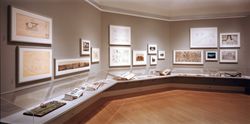
British architect Cedric Price draws upon the collection of the CCA to develop the complex relationships between time, movement, and space in the built environment. Looking at structures and building elements through the ages, including some of Price’s own projects, Mean Time presents photographs of an ancient Aztec sun dial, a railroad switching yard, a shot tower, and a(...)
British architect Cedric Price draws upon the collection of the CCA to develop the complex relationships between time, movement, and space in the built environment. Looking at structures and building elements through the ages, including some of Price’s own projects, Mean Time presents photographs of an ancient Aztec sun dial, a railroad switching yard, a shot tower, and a(...)
Location:
Octagonal gallery
Octagonal gallery
Date:
19 October 1999 to 27 February 2000
19 October 1999 to 27 February 2000
Title:
Cedric Price: Mean Time
Actions:
Description:
British architect Cedric Price draws upon the collection of the CCA to develop the complex relationships between time, movement, and space in the built environment. Looking at structures and building elements through the ages, including some of Price’s own projects, Mean Time presents photographs of an ancient Aztec sun dial, a railroad switching yard, a shot tower, and a(...)
Cedric Price: Mean Time
Actions:
Description:
British architect Cedric Price draws upon the collection of the CCA to develop the complex relationships between time, movement, and space in the built environment. Looking at structures and building elements through the ages, including some of Price’s own projects, Mean Time presents photographs of an ancient Aztec sun dial, a railroad switching yard, a shot tower, and a(...)
Form:
exhibitions
exhibitions
Date:
19 October 1999 to
27 February 2000
19 October 1999 to
27 February 2000
Location:
Octagonal gallery
Octagonal gallery
Level of archival description:
Series
Series
Reference number:
AP112.S2
Description:
The series documents the design of Beaver Lake Pavilion, built for the City of Montréal between 1955 and 1959 as part of the redevelopment of Mount Royal Park. Sise worked with architect Guy Desbarats (1925-2003) on the project. The pavilion was built as part of a larger public works project directed by the City during the 1950s and 1960s during which time many park facilities were built. Beaver Lake Pavilion is recognized to have encouraged a renewal in the architectural forms of public facilities (1). The file contains 43 working drawings which depict every aspect of construction of the pavilion (location plan, floor plans, elevations and sections, as well as numerous detail drawings). Included with the drawings is documentation collected by Sise to support his design, including a topographical map of the park (Mount-Royal - Design Map - 1877), as well as a 1955 book published by the City Planning Department of the City of Montreal (Montreal Master Plan - Open Spaces). (1) "Pavillon-restaurant du Lac au Castors, 1955-1958", ARQ, no 91 (juin 1996), p. 21. _____________________ La série documente la conception du pavillon du Lac aux Castors construit pour la Ville de Montréal entre 1955 et 1958, dans le cadre du réaménagement du parc du Mont Royal. Ce pavillon s'insère dans un vaste chantier dirigé par la Ville de Montréal durant les années 1950 et 1960 alors que de nombreux équipements de parcs furent construits. Sise s'était associé pour l'occasion à l'architecte Guy Desbarats (1925-2003). Le pavillon du Lac aux Castors est reconnu pour avoir favorisé le renouvellement des formes architecturales des équipements publics (1). Le dossier comprend 43 dessins d'exécution réalisés à la mine de plomb sur toile concernant tous les aspects de la construction du pavillon (plan d'implantation, plans des étages, élévations et coupes, ainsi que des dessins de nombreux détails). De plus, il contient la documentation colligée par Sise pour l'appuyer dans sa tâche de conception, soit une reproduction d'une carte topographique du parc du Mont-Royal (Mount-Royal - Design Map - 1877), ainsi qu'une publication réalisée par le Département d'urbanisme de la Ville de Montréal en 1955 concernant les espaces publics (Montreal Master Plan - Open Spaces). (1) "Pavillon-restaurant du Lac au Castors, 1955-1958", ARQ, no 91 (juin 1996), p. 21.
AP112.S2
Description:
The series documents the design of Beaver Lake Pavilion, built for the City of Montréal between 1955 and 1959 as part of the redevelopment of Mount Royal Park. Sise worked with architect Guy Desbarats (1925-2003) on the project. The pavilion was built as part of a larger public works project directed by the City during the 1950s and 1960s during which time many park facilities were built. Beaver Lake Pavilion is recognized to have encouraged a renewal in the architectural forms of public facilities (1). The file contains 43 working drawings which depict every aspect of construction of the pavilion (location plan, floor plans, elevations and sections, as well as numerous detail drawings). Included with the drawings is documentation collected by Sise to support his design, including a topographical map of the park (Mount-Royal - Design Map - 1877), as well as a 1955 book published by the City Planning Department of the City of Montreal (Montreal Master Plan - Open Spaces). (1) "Pavillon-restaurant du Lac au Castors, 1955-1958", ARQ, no 91 (juin 1996), p. 21. _____________________ La série documente la conception du pavillon du Lac aux Castors construit pour la Ville de Montréal entre 1955 et 1958, dans le cadre du réaménagement du parc du Mont Royal. Ce pavillon s'insère dans un vaste chantier dirigé par la Ville de Montréal durant les années 1950 et 1960 alors que de nombreux équipements de parcs furent construits. Sise s'était associé pour l'occasion à l'architecte Guy Desbarats (1925-2003). Le pavillon du Lac aux Castors est reconnu pour avoir favorisé le renouvellement des formes architecturales des équipements publics (1). Le dossier comprend 43 dessins d'exécution réalisés à la mine de plomb sur toile concernant tous les aspects de la construction du pavillon (plan d'implantation, plans des étages, élévations et coupes, ainsi que des dessins de nombreux détails). De plus, il contient la documentation colligée par Sise pour l'appuyer dans sa tâche de conception, soit une reproduction d'une carte topographique du parc du Mont-Royal (Mount-Royal - Design Map - 1877), ainsi qu'une publication réalisée par le Département d'urbanisme de la Ville de Montréal en 1955 concernant les espaces publics (Montreal Master Plan - Open Spaces). (1) "Pavillon-restaurant du Lac au Castors, 1955-1958", ARQ, no 91 (juin 1996), p. 21.
People:
Date:
1955-1959
1955-1959
Title:
Beaver Lake Pavilion, Montréal, Québec
Actions:
AP112.S2
Description:
The series documents the design of Beaver Lake Pavilion, built for the City of Montréal between 1955 and 1959 as part of the redevelopment of Mount Royal Park. Sise worked with architect Guy Desbarats (1925-2003) on the project. The pavilion was built as part of a larger public works project directed by the City during the 1950s and 1960s during which time many park facilities were built. Beaver Lake Pavilion is recognized to have encouraged a renewal in the architectural forms of public facilities (1). The file contains 43 working drawings which depict every aspect of construction of the pavilion (location plan, floor plans, elevations and sections, as well as numerous detail drawings). Included with the drawings is documentation collected by Sise to support his design, including a topographical map of the park (Mount-Royal - Design Map - 1877), as well as a 1955 book published by the City Planning Department of the City of Montreal (Montreal Master Plan - Open Spaces). (1) "Pavillon-restaurant du Lac au Castors, 1955-1958", ARQ, no 91 (juin 1996), p. 21. _____________________ La série documente la conception du pavillon du Lac aux Castors construit pour la Ville de Montréal entre 1955 et 1958, dans le cadre du réaménagement du parc du Mont Royal. Ce pavillon s'insère dans un vaste chantier dirigé par la Ville de Montréal durant les années 1950 et 1960 alors que de nombreux équipements de parcs furent construits. Sise s'était associé pour l'occasion à l'architecte Guy Desbarats (1925-2003). Le pavillon du Lac aux Castors est reconnu pour avoir favorisé le renouvellement des formes architecturales des équipements publics (1). Le dossier comprend 43 dessins d'exécution réalisés à la mine de plomb sur toile concernant tous les aspects de la construction du pavillon (plan d'implantation, plans des étages, élévations et coupes, ainsi que des dessins de nombreux détails). De plus, il contient la documentation colligée par Sise pour l'appuyer dans sa tâche de conception, soit une reproduction d'une carte topographique du parc du Mont-Royal (Mount-Royal - Design Map - 1877), ainsi qu'une publication réalisée par le Département d'urbanisme de la Ville de Montréal en 1955 concernant les espaces publics (Montreal Master Plan - Open Spaces). (1) "Pavillon-restaurant du Lac au Castors, 1955-1958", ARQ, no 91 (juin 1996), p. 21.
Beaver Lake Pavilion, Montréal, Québec
Actions:
AP112.S2
Description:
The series documents the design of Beaver Lake Pavilion, built for the City of Montréal between 1955 and 1959 as part of the redevelopment of Mount Royal Park. Sise worked with architect Guy Desbarats (1925-2003) on the project. The pavilion was built as part of a larger public works project directed by the City during the 1950s and 1960s during which time many park facilities were built. Beaver Lake Pavilion is recognized to have encouraged a renewal in the architectural forms of public facilities (1). The file contains 43 working drawings which depict every aspect of construction of the pavilion (location plan, floor plans, elevations and sections, as well as numerous detail drawings). Included with the drawings is documentation collected by Sise to support his design, including a topographical map of the park (Mount-Royal - Design Map - 1877), as well as a 1955 book published by the City Planning Department of the City of Montreal (Montreal Master Plan - Open Spaces). (1) "Pavillon-restaurant du Lac au Castors, 1955-1958", ARQ, no 91 (juin 1996), p. 21. _____________________ La série documente la conception du pavillon du Lac aux Castors construit pour la Ville de Montréal entre 1955 et 1958, dans le cadre du réaménagement du parc du Mont Royal. Ce pavillon s'insère dans un vaste chantier dirigé par la Ville de Montréal durant les années 1950 et 1960 alors que de nombreux équipements de parcs furent construits. Sise s'était associé pour l'occasion à l'architecte Guy Desbarats (1925-2003). Le pavillon du Lac aux Castors est reconnu pour avoir favorisé le renouvellement des formes architecturales des équipements publics (1). Le dossier comprend 43 dessins d'exécution réalisés à la mine de plomb sur toile concernant tous les aspects de la construction du pavillon (plan d'implantation, plans des étages, élévations et coupes, ainsi que des dessins de nombreux détails). De plus, il contient la documentation colligée par Sise pour l'appuyer dans sa tâche de conception, soit une reproduction d'une carte topographique du parc du Mont-Royal (Mount-Royal - Design Map - 1877), ainsi qu'une publication réalisée par le Département d'urbanisme de la Ville de Montréal en 1955 concernant les espaces publics (Montreal Master Plan - Open Spaces). (1) "Pavillon-restaurant du Lac au Castors, 1955-1958", ARQ, no 91 (juin 1996), p. 21.
Level of archival description:
Series
Series
Date:
1955-1959
1955-1959
People:
Form:
textual records, photographs
Quantity:
15 file
textual records, photographs
Quantity:
15 file
Actions:
Reference number:
ARCH242914
Description:
Nina Last (book) Review of White Walls Wilson - drafts of article by Mabel O. Wilson Kolbowski - correspondence regarding article by Silvia Kolbowski Bloomer (4000) - drafts of article by Jennifer Bloomer Vanstiphout, on Meier at The Hague - drafts of article by Wouter Vanstiphout Denis Ortiz, Jack's Underground - drafts Linder - drafts of article by Mark Linder Apter, Morocco in B/W - drafts of article by Emily Apter [Ernest] Pascucci, "White Forms, Forms of Whiteness" Cohen - article by Jean-Louis Cohen and Monique Eleb Appadurai - article by Arjun Appadurai Kwinter - drafts of article by Sanford Kwinter, correspondence Nelson - drafts of article by Steven Nelson, includes Guggenheim publicity kits with 8 photographs Browser Letter from Black Mountain College - drafts of article by Steven Browser Jazz Responses - includes Letters from New Orleans Images (5 photo contact prints)
ARCH242914
Description:
Nina Last (book) Review of White Walls Wilson - drafts of article by Mabel O. Wilson Kolbowski - correspondence regarding article by Silvia Kolbowski Bloomer (4000) - drafts of article by Jennifer Bloomer Vanstiphout, on Meier at The Hague - drafts of article by Wouter Vanstiphout Denis Ortiz, Jack's Underground - drafts Linder - drafts of article by Mark Linder Apter, Morocco in B/W - drafts of article by Emily Apter [Ernest] Pascucci, "White Forms, Forms of Whiteness" Cohen - article by Jean-Louis Cohen and Monique Eleb Appadurai - article by Arjun Appadurai Kwinter - drafts of article by Sanford Kwinter, correspondence Nelson - drafts of article by Steven Nelson, includes Guggenheim publicity kits with 8 photographs Browser Letter from Black Mountain College - drafts of article by Steven Browser Jazz Responses - includes Letters from New Orleans Images (5 photo contact prints)
People:
Date:
1996
1996
Title:
Article texts, correspondence, photos
Actions:
ARCH242914
Description:
Nina Last (book) Review of White Walls Wilson - drafts of article by Mabel O. Wilson Kolbowski - correspondence regarding article by Silvia Kolbowski Bloomer (4000) - drafts of article by Jennifer Bloomer Vanstiphout, on Meier at The Hague - drafts of article by Wouter Vanstiphout Denis Ortiz, Jack's Underground - drafts Linder - drafts of article by Mark Linder Apter, Morocco in B/W - drafts of article by Emily Apter [Ernest] Pascucci, "White Forms, Forms of Whiteness" Cohen - article by Jean-Louis Cohen and Monique Eleb Appadurai - article by Arjun Appadurai Kwinter - drafts of article by Sanford Kwinter, correspondence Nelson - drafts of article by Steven Nelson, includes Guggenheim publicity kits with 8 photographs Browser Letter from Black Mountain College - drafts of article by Steven Browser Jazz Responses - includes Letters from New Orleans Images (5 photo contact prints)
Article texts, correspondence, photos
Actions:
ARCH242914
Description:
Nina Last (book) Review of White Walls Wilson - drafts of article by Mabel O. Wilson Kolbowski - correspondence regarding article by Silvia Kolbowski Bloomer (4000) - drafts of article by Jennifer Bloomer Vanstiphout, on Meier at The Hague - drafts of article by Wouter Vanstiphout Denis Ortiz, Jack's Underground - drafts Linder - drafts of article by Mark Linder Apter, Morocco in B/W - drafts of article by Emily Apter [Ernest] Pascucci, "White Forms, Forms of Whiteness" Cohen - article by Jean-Louis Cohen and Monique Eleb Appadurai - article by Arjun Appadurai Kwinter - drafts of article by Sanford Kwinter, correspondence Nelson - drafts of article by Steven Nelson, includes Guggenheim publicity kits with 8 photographs Browser Letter from Black Mountain College - drafts of article by Steven Browser Jazz Responses - includes Letters from New Orleans Images (5 photo contact prints)
Form:
textual records, photographs
Quantity:
15 file
textual records, photographs
Quantity:
15 file
Date:
1996
1996
People:
Form:
textual records
textual records
Actions:
Reference number:
AP197.S3.002
Description:
This box is comprised of personal and professional correspondence, organized in chronological order, from 1984-1990. The box documents Frampton’s career as Ware professor at the Graduate School of Architecture, Planning and Preservation at Columbia University and his related professional activities. Correspondence in this box includes: various offers of teaching positions; requests to write articles, reviews, books and recommendation letters; invitations to teach, attend or present at lectures/symposiums/conferences; and requests to serve on juries such as the American Academy in Rome. Throughout this period, Frampton corresponded with architects, professors, publishers, and editors of various publications such as: Ignasi de Sola-Morales Rubio; Tadao Ando; Rafael Moneo; James Stirling; Marco Frascari; Alvaro Siza; Arata Isozaki; the Casabella; the Progressive Architecture; and Architecture and Urbanism. This correspondence includes Frampton’s invitation to be the Craig Francis Cullinan Visiting Lecturer at the School of Architecture, Rice University; correspondence with Rizzoli International Publications about the Tadao Ando book; correspondence with MIT Press for the Studies in Tectonic Culture publication; and correspondence about critical regionalism.
AP197.S3.002
Description:
This box is comprised of personal and professional correspondence, organized in chronological order, from 1984-1990. The box documents Frampton’s career as Ware professor at the Graduate School of Architecture, Planning and Preservation at Columbia University and his related professional activities. Correspondence in this box includes: various offers of teaching positions; requests to write articles, reviews, books and recommendation letters; invitations to teach, attend or present at lectures/symposiums/conferences; and requests to serve on juries such as the American Academy in Rome. Throughout this period, Frampton corresponded with architects, professors, publishers, and editors of various publications such as: Ignasi de Sola-Morales Rubio; Tadao Ando; Rafael Moneo; James Stirling; Marco Frascari; Alvaro Siza; Arata Isozaki; the Casabella; the Progressive Architecture; and Architecture and Urbanism. This correspondence includes Frampton’s invitation to be the Craig Francis Cullinan Visiting Lecturer at the School of Architecture, Rice University; correspondence with Rizzoli International Publications about the Tadao Ando book; correspondence with MIT Press for the Studies in Tectonic Culture publication; and correspondence about critical regionalism.
People:
Date:
1984-1990
1984-1990
Title:
Personal and professional correspondence from 1984-1990
Actions:
AP197.S3.002
Description:
This box is comprised of personal and professional correspondence, organized in chronological order, from 1984-1990. The box documents Frampton’s career as Ware professor at the Graduate School of Architecture, Planning and Preservation at Columbia University and his related professional activities. Correspondence in this box includes: various offers of teaching positions; requests to write articles, reviews, books and recommendation letters; invitations to teach, attend or present at lectures/symposiums/conferences; and requests to serve on juries such as the American Academy in Rome. Throughout this period, Frampton corresponded with architects, professors, publishers, and editors of various publications such as: Ignasi de Sola-Morales Rubio; Tadao Ando; Rafael Moneo; James Stirling; Marco Frascari; Alvaro Siza; Arata Isozaki; the Casabella; the Progressive Architecture; and Architecture and Urbanism. This correspondence includes Frampton’s invitation to be the Craig Francis Cullinan Visiting Lecturer at the School of Architecture, Rice University; correspondence with Rizzoli International Publications about the Tadao Ando book; correspondence with MIT Press for the Studies in Tectonic Culture publication; and correspondence about critical regionalism.
Personal and professional correspondence from 1984-1990
Actions:
AP197.S3.002
Description:
This box is comprised of personal and professional correspondence, organized in chronological order, from 1984-1990. The box documents Frampton’s career as Ware professor at the Graduate School of Architecture, Planning and Preservation at Columbia University and his related professional activities. Correspondence in this box includes: various offers of teaching positions; requests to write articles, reviews, books and recommendation letters; invitations to teach, attend or present at lectures/symposiums/conferences; and requests to serve on juries such as the American Academy in Rome. Throughout this period, Frampton corresponded with architects, professors, publishers, and editors of various publications such as: Ignasi de Sola-Morales Rubio; Tadao Ando; Rafael Moneo; James Stirling; Marco Frascari; Alvaro Siza; Arata Isozaki; the Casabella; the Progressive Architecture; and Architecture and Urbanism. This correspondence includes Frampton’s invitation to be the Craig Francis Cullinan Visiting Lecturer at the School of Architecture, Rice University; correspondence with Rizzoli International Publications about the Tadao Ando book; correspondence with MIT Press for the Studies in Tectonic Culture publication; and correspondence about critical regionalism.
Form:
textual records
textual records
Date:
1984-1990
1984-1990
People:
Form:
events
events
Actions:
Description:
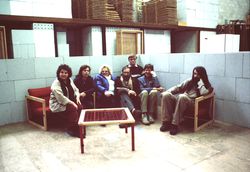
Following an intense period of work in the mid-1970s with Portugal’s post-revolutionary housing initiatives, in the early 1980s Álvaro Siza contributed projects to two of the most important urban renewal programs in Europe: Berlin’s IBA and The Hague’s Stadsvernieuwing als Kulturel Aktiviteit (Urban Renewal as a Cultural Activity). This lecture will examine the(...)
Following an intense period of work in the mid-1970s with Portugal’s post-revolutionary housing initiatives, in the early 1980s Álvaro Siza contributed projects to two of the most important urban renewal programs in Europe: Berlin’s IBA and The Hague’s Stadsvernieuwing als Kulturel Aktiviteit (Urban Renewal as a Cultural Activity). This lecture will examine the(...)
Date:
26 November 2015
26 November 2015
Title:
Álvaro Siza’s Archaeology of the Ordinary
Actions:
Description:
Following an intense period of work in the mid-1970s with Portugal’s post-revolutionary housing initiatives, in the early 1980s Álvaro Siza contributed projects to two of the most important urban renewal programs in Europe: Berlin’s IBA and The Hague’s Stadsvernieuwing als Kulturel Aktiviteit (Urban Renewal as a Cultural Activity). This lecture will examine the(...)
Álvaro Siza’s Archaeology of the Ordinary
Actions:
Description:
Following an intense period of work in the mid-1970s with Portugal’s post-revolutionary housing initiatives, in the early 1980s Álvaro Siza contributed projects to two of the most important urban renewal programs in Europe: Berlin’s IBA and The Hague’s Stadsvernieuwing als Kulturel Aktiviteit (Urban Renewal as a Cultural Activity). This lecture will examine the(...)
Form:
events
events
Date:
26 November 2015
26 November 2015
Form:
events
events
Title:
Learning from... Copenhagen
Learning from... Copenhagen
Actions:
Description:
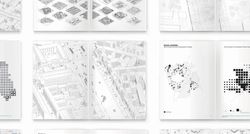
Deane Simpson presents the Atlas of the Copenhagens, a book project addressing an urban territory that has been posited in the media and celebrated by the municipality of Copenhagen as the world’s most sustainable and liveable city. Such claims suggest that Copenhagen is a fitting site to study and engage in a debate on sustainability and liveability. The Atlas operates(...)
Deane Simpson presents the Atlas of the Copenhagens, a book project addressing an urban territory that has been posited in the media and celebrated by the municipality of Copenhagen as the world’s most sustainable and liveable city. Such claims suggest that Copenhagen is a fitting site to study and engage in a debate on sustainability and liveability. The Atlas operates(...)
Location:
Paul-Desmarais Theatre
Paul-Desmarais Theatre
Date:
21 May 2015 , 6pm
21 May 2015 , 6pm
Title:
Learning from... Copenhagen
Actions:
Description:
Deane Simpson presents the Atlas of the Copenhagens, a book project addressing an urban territory that has been posited in the media and celebrated by the municipality of Copenhagen as the world’s most sustainable and liveable city. Such claims suggest that Copenhagen is a fitting site to study and engage in a debate on sustainability and liveability. The Atlas operates(...)
Learning from... Copenhagen
Actions:
Description:
Deane Simpson presents the Atlas of the Copenhagens, a book project addressing an urban territory that has been posited in the media and celebrated by the municipality of Copenhagen as the world’s most sustainable and liveable city. Such claims suggest that Copenhagen is a fitting site to study and engage in a debate on sustainability and liveability. The Atlas operates(...)
Form:
events
events
Date:
21 May 2015
6pm
21 May 2015
6pm
Location:
Paul-Desmarais Theatre
Paul-Desmarais Theatre


