


978 Results
Form:
books
books
Actions:
Price:
$53.95
(available in store)
Summary:
After more than three decades as a renowned global architect, Yasmeen Lari, the first woman to open her own architecture firm in Pakistan in 1964, developed Zero Carbon Architecture, which unites ecological and social justice. This volume, edited by Angelika Fitz, Elke Krasny, and Marvi Mazhar, presents Lari’s trajectory from exemplary modernist to zero carbon(...)
$53.95
(available in store)
Summary:
After more than three decades as a renowned global architect, Yasmeen Lari, the first woman to open her own architecture firm in Pakistan in 1964, developed Zero Carbon Architecture, which unites ecological and social justice. This volume, edited by Angelika Fitz, Elke Krasny, and Marvi Mazhar, presents Lari’s trajectory from exemplary modernist to zero carbon(...)
Subject:
Architecture Monographs
Architecture Monographs
Publication:
May 2023
May 2023
Title:
Yasmeen Lari: Architecture for the future
Actions:
Price:
$53.95
(available in store)
Summary:
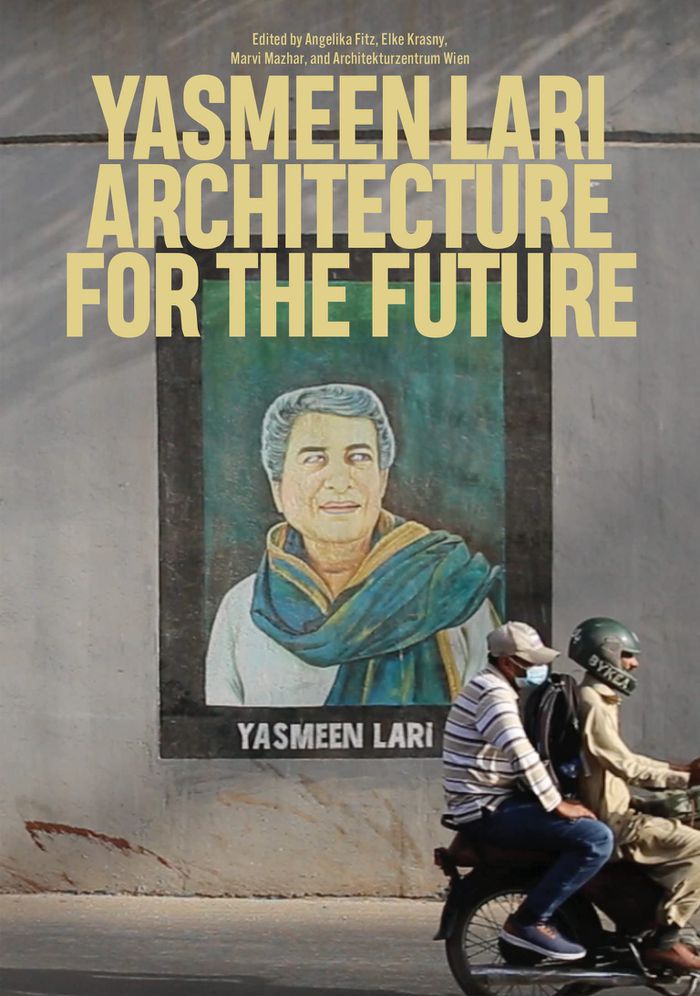
After more than three decades as a renowned global architect, Yasmeen Lari, the first woman to open her own architecture firm in Pakistan in 1964, developed Zero Carbon Architecture, which unites ecological and social justice. This volume, edited by Angelika Fitz, Elke Krasny, and Marvi Mazhar, presents Lari’s trajectory from exemplary modernist to zero carbon revolutionary, with a focus on her remarkable contributions to the global architectural movement to decarbonize and decolonize. Lari’s architectural thinking and activism have always gone beyond the quest for a singular built solution. Rather, she strategically plans systemic approaches and solutions, be it for housing, a heritage foundation, or zero-carbon shelters with communities at risk. Original essays from diverse international contributors contextualize Lari’s work; investigate architecture and the postimperial, postcolonial, and postpartition condition; and examine the intersections of architecture and human rights, climate change, decolonization, gender, care, activism, and vernacular innovation.
Yasmeen Lari: Architecture for the future
Actions:
Price:
$53.95
(available in store)
Summary:
After more than three decades as a renowned global architect, Yasmeen Lari, the first woman to open her own architecture firm in Pakistan in 1964, developed Zero Carbon Architecture, which unites ecological and social justice. This volume, edited by Angelika Fitz, Elke Krasny, and Marvi Mazhar, presents Lari’s trajectory from exemplary modernist to zero carbon revolutionary, with a focus on her remarkable contributions to the global architectural movement to decarbonize and decolonize. Lari’s architectural thinking and activism have always gone beyond the quest for a singular built solution. Rather, she strategically plans systemic approaches and solutions, be it for housing, a heritage foundation, or zero-carbon shelters with communities at risk. Original essays from diverse international contributors contextualize Lari’s work; investigate architecture and the postimperial, postcolonial, and postpartition condition; and examine the intersections of architecture and human rights, climate change, decolonization, gender, care, activism, and vernacular innovation.
Form:
books
books
Publication:
May 2023
May 2023
Subject:
Architecture Monographs
Architecture Monographs
Form:
books
books
Title:
Destruction
Destruction
Actions:
Price:
$33.50
(available to order)
Summary:
The effects and meanings of destruction are central to the work of many of our most influential artists. Since the early 1960s, artists have employed destruction to creative ends. Here destruction changes from a negative state or passive condition to a highly productive category. The destructive subversion of media imagery aims to release us from its controlling effects.(...)
$33.50
(available to order)
Summary:
The effects and meanings of destruction are central to the work of many of our most influential artists. Since the early 1960s, artists have employed destruction to creative ends. Here destruction changes from a negative state or passive condition to a highly productive category. The destructive subversion of media imagery aims to release us from its controlling effects.(...)
Title:
Destruction
Actions:
Price:
$33.50
(available to order)
Summary:
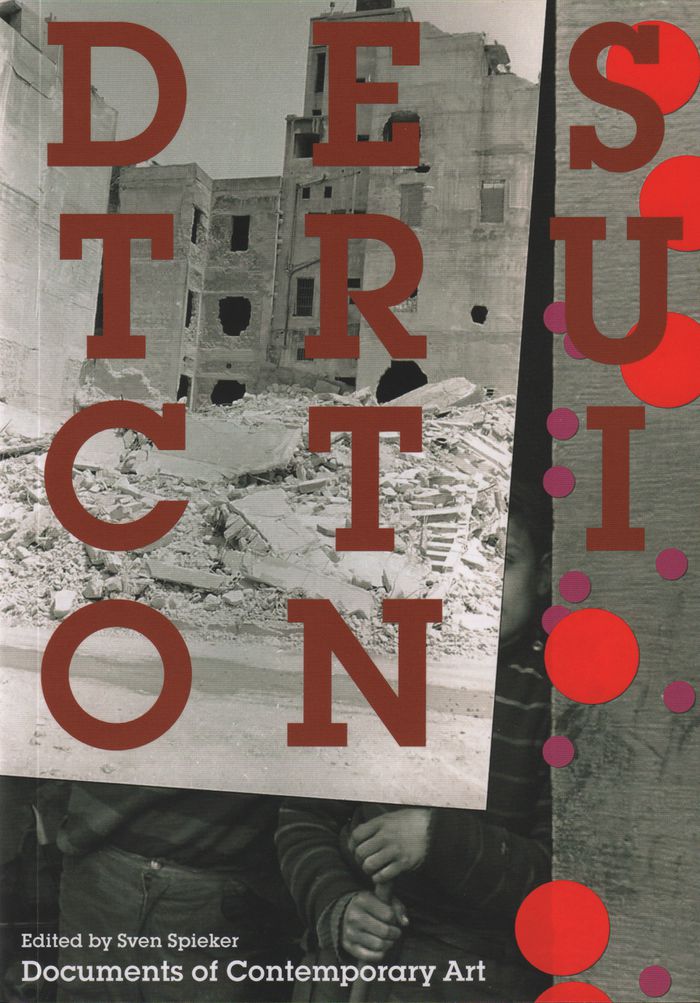
The effects and meanings of destruction are central to the work of many of our most influential artists. Since the early 1960s, artists have employed destruction to creative ends. Here destruction changes from a negative state or passive condition to a highly productive category. The destructive subversion of media imagery aims to release us from its controlling effects. The self-destructing artwork extinguishes art’s fixity as arrested form and ushers in the ephemeral and contingent "open work." This anthology explores artworks that convey the threat of destruction an how they have disrupted the perceived integrity of built structures and institutions. Artistic acts of iconoclasm or risk to the self have raised consciousness of authoritarian oppression. More understated works explore the theme of destruction in armed conflict, media violence, and threats to the environment. These text make up the first collection to be focused systematically on destruction in modern and contemporary art.
Destruction
Actions:
Price:
$33.50
(available to order)
Summary:
The effects and meanings of destruction are central to the work of many of our most influential artists. Since the early 1960s, artists have employed destruction to creative ends. Here destruction changes from a negative state or passive condition to a highly productive category. The destructive subversion of media imagery aims to release us from its controlling effects. The self-destructing artwork extinguishes art’s fixity as arrested form and ushers in the ephemeral and contingent "open work." This anthology explores artworks that convey the threat of destruction an how they have disrupted the perceived integrity of built structures and institutions. Artistic acts of iconoclasm or risk to the self have raised consciousness of authoritarian oppression. More understated works explore the theme of destruction in armed conflict, media violence, and threats to the environment. These text make up the first collection to be focused systematically on destruction in modern and contemporary art.
Form:
books
books
Publication:
August 2017
August 2017
Subject:
Art Theory
Art Theory
Form:
books
books
Title:
Potato (Object Lessons)
Potato (Object Lessons)
Actions:
Price:
$21.95
(available to order)
Summary:
''Object Lessons'' is a series of short, beautifully designed books about the hidden lives of ordinary things. Baked potatoes, Bombay potatoes, pommes frites . . . everyone eats potatoes, but what do they mean? To the United Nations they mean global food security (potatoes are the world's fourth most important food crop). To 18th-century philosophers they promised(...)
$21.95
(available to order)
Summary:
''Object Lessons'' is a series of short, beautifully designed books about the hidden lives of ordinary things. Baked potatoes, Bombay potatoes, pommes frites . . . everyone eats potatoes, but what do they mean? To the United Nations they mean global food security (potatoes are the world's fourth most important food crop). To 18th-century philosophers they promised(...)
Title:
Potato (Object Lessons)
Actions:
Price:
$21.95
(available to order)
Summary:
''Object Lessons'' is a series of short, beautifully designed books about the hidden lives of ordinary things. Baked potatoes, Bombay potatoes, pommes frites . . . everyone eats potatoes, but what do they mean? To the United Nations they mean global food security (potatoes are the world's fourth most important food crop). To 18th-century philosophers they promised happiness. Nutritionists warn that too many increase your risk of hypertension. For the poet Seamus Heaney they conjured up both his mother and the 19th-century Irish famine. What stories lie behind the ordinary potato? The potato is entangled with the birth of the liberal state and the idea that individuals, rather than communities, should form the building blocks of society. Potatoes also speak about family, and our quest for communion with the universe. Thinking about potatoes turns out to be a good way of thinking about some of the important tensions in our world.
Potato (Object Lessons)
Actions:
Price:
$21.95
(available to order)
Summary:
''Object Lessons'' is a series of short, beautifully designed books about the hidden lives of ordinary things. Baked potatoes, Bombay potatoes, pommes frites . . . everyone eats potatoes, but what do they mean? To the United Nations they mean global food security (potatoes are the world's fourth most important food crop). To 18th-century philosophers they promised happiness. Nutritionists warn that too many increase your risk of hypertension. For the poet Seamus Heaney they conjured up both his mother and the 19th-century Irish famine. What stories lie behind the ordinary potato? The potato is entangled with the birth of the liberal state and the idea that individuals, rather than communities, should form the building blocks of society. Potatoes also speak about family, and our quest for communion with the universe. Thinking about potatoes turns out to be a good way of thinking about some of the important tensions in our world.
Form:
books
books
Publication:
March 2019
March 2019
Subject:
Food
Food
Form:
books
books
Title:
Breathing aesthetics
Breathing aesthetics
Actions:
Price:
$33.95
(available to order)
Summary:
In this book, Jean-Thomas Tremblay argues that difficult breathing indexes the uneven distribution of risk in a contemporary era marked by the increasing contamination, weaponization, and monetization of air. Tremblay shows how biopolitical and necropolitical forces tied to the continuation of extractive capitalism, imperialism, and structural racism are embodied and(...)
$33.95
(available to order)
Summary:
In this book, Jean-Thomas Tremblay argues that difficult breathing indexes the uneven distribution of risk in a contemporary era marked by the increasing contamination, weaponization, and monetization of air. Tremblay shows how biopolitical and necropolitical forces tied to the continuation of extractive capitalism, imperialism, and structural racism are embodied and(...)
Title:
Breathing aesthetics
Actions:
Price:
$33.95
(available to order)
Summary:
In this book, Jean-Thomas Tremblay argues that difficult breathing indexes the uneven distribution of risk in a contemporary era marked by the increasing contamination, weaponization, and monetization of air. Tremblay shows how biopolitical and necropolitical forces tied to the continuation of extractive capitalism, imperialism, and structural racism are embodied and experienced through respiration. They identify responses to the crisis in breathing in aesthetic practices ranging from the film work of Cuban American artist Ana Mendieta to the disability diaries of Bob Flanagan, to the Black queer speculative fiction of Renee Gladman. In readings of these and other minoritarian works of experimental film, endurance performance, ecopoetics, and cinema-vérité, Tremblay contends that articulations of survival now depend on the management and dispersal of respiratory hazards. In so doing, they reveal how an aesthetic attention to breathing generates historically, culturally, and environmentally situated tactics and strategies for living under precarity.
Breathing aesthetics
Actions:
Price:
$33.95
(available to order)
Summary:
In this book, Jean-Thomas Tremblay argues that difficult breathing indexes the uneven distribution of risk in a contemporary era marked by the increasing contamination, weaponization, and monetization of air. Tremblay shows how biopolitical and necropolitical forces tied to the continuation of extractive capitalism, imperialism, and structural racism are embodied and experienced through respiration. They identify responses to the crisis in breathing in aesthetic practices ranging from the film work of Cuban American artist Ana Mendieta to the disability diaries of Bob Flanagan, to the Black queer speculative fiction of Renee Gladman. In readings of these and other minoritarian works of experimental film, endurance performance, ecopoetics, and cinema-vérité, Tremblay contends that articulations of survival now depend on the management and dispersal of respiratory hazards. In so doing, they reveal how an aesthetic attention to breathing generates historically, culturally, and environmentally situated tactics and strategies for living under precarity.
Form:
books
books
Publication:
October 2022
October 2022
Subject:
Critical Theory
Critical Theory
Form:
books
books
Actions:
Price:
$49.95
(available to order)
Summary:
Eating and drinking images may seem like an anomalous notion but, since antiquity, in the European and Mediterranean worlds, people have swallowed down frescoes, icons, engravings, eucharistic hosts stamped with images, heraldic wafers, marzipan figures, and other sculpted dishes. Either specifically made for human consumption or diverted from their original purpose so as(...)
$49.95
(available to order)
Summary:
Eating and drinking images may seem like an anomalous notion but, since antiquity, in the European and Mediterranean worlds, people have swallowed down frescoes, icons, engravings, eucharistic hosts stamped with images, heraldic wafers, marzipan figures, and other sculpted dishes. Either specifically made for human consumption or diverted from their original purpose so as(...)
Title:
Iconophages: A history of ingesting images
Actions:
Price:
$49.95
(available to order)
Summary:
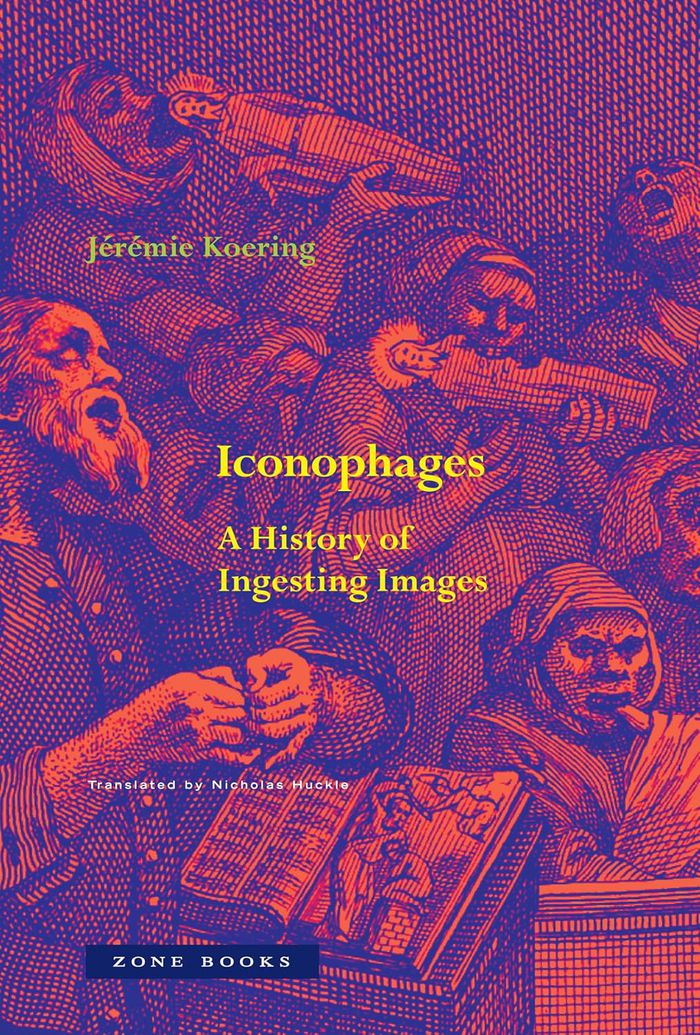
Eating and drinking images may seem like an anomalous notion but, since antiquity, in the European and Mediterranean worlds, people have swallowed down frescoes, icons, engravings, eucharistic hosts stamped with images, heraldic wafers, marzipan figures, and other sculpted dishes. Either specifically made for human consumption or diverted from their original purpose so as to be ingested, these figured artifacts have been not only gazed upon but also incorporated—taken into the body—as solids or liquids. How can we explain such behavior? Why take an image into one’s own body, devouring it at the risk of destroying it, consuming rather than contemplating it wisely from a distance? What structures of the imagination underlie and justify these desires for incorporation? What are the visual configurations offered up to the mouth, and what are their effects? What therapeutic, religious, symbolic, and social functions can we attribute to these forms of relations with icons? These are a few of the questions raised in this investigation into iconophagy.
Iconophages: A history of ingesting images
Actions:
Price:
$49.95
(available to order)
Summary:
Eating and drinking images may seem like an anomalous notion but, since antiquity, in the European and Mediterranean worlds, people have swallowed down frescoes, icons, engravings, eucharistic hosts stamped with images, heraldic wafers, marzipan figures, and other sculpted dishes. Either specifically made for human consumption or diverted from their original purpose so as to be ingested, these figured artifacts have been not only gazed upon but also incorporated—taken into the body—as solids or liquids. How can we explain such behavior? Why take an image into one’s own body, devouring it at the risk of destroying it, consuming rather than contemplating it wisely from a distance? What structures of the imagination underlie and justify these desires for incorporation? What are the visual configurations offered up to the mouth, and what are their effects? What therapeutic, religious, symbolic, and social functions can we attribute to these forms of relations with icons? These are a few of the questions raised in this investigation into iconophagy.
Form:
books
books
Publication:
August 2024
August 2024
Subject:
Art Theory
Art Theory
Form:
books
books
Price:
$63.00
(available to order)
Summary:
In 1976, critic Nancy Foote wrote that "for every photographer who clamors to make it as an artist, there is an artist running a grave risk of turning into a photographer." Traversing the fine line between artists who are photographers and artists who use photography, "The Last Picture Show" traces the development of conceptual trends in postwar photographic practice from(...)
$63.00
(available to order)
Summary:
In 1976, critic Nancy Foote wrote that "for every photographer who clamors to make it as an artist, there is an artist running a grave risk of turning into a photographer." Traversing the fine line between artists who are photographers and artists who use photography, "The Last Picture Show" traces the development of conceptual trends in postwar photographic practice from(...)
Title:
The last picture show : artists using photography 1960 - 1982
Actions:
Price:
$63.00
(available to order)
Summary:
In 1976, critic Nancy Foote wrote that "for every photographer who clamors to make it as an artist, there is an artist running a grave risk of turning into a photographer." Traversing the fine line between artists who are photographers and artists who use photography, "The Last Picture Show" traces the development of conceptual trends in postwar photographic practice from their first glimmerings in the 1960's in the work of artists such as Bernd and Hilla Becher, Bruce Nauman, and Edward Ruscha to their rise to art world prominence in the work of the Picture Theory artists of the late 1970's and early 1980's, including Silvia Kolbowski, Richard Prince, and Cindy Sherman. Intended as a major genealogy of the rise of a still-powerful and evolving photographic practice by artists, the exhibition catalogue includes a wide array of works by Vito Acconci, John Baldessari, Gilbert & George, Yves Klein, Barbara Kruger, Gordon Matta-Clark, Charles Ray, Jeff Wall, Andy Warhol, William Wegman, and others.
The last picture show : artists using photography 1960 - 1982
Actions:
Price:
$63.00
(available to order)
Summary:
In 1976, critic Nancy Foote wrote that "for every photographer who clamors to make it as an artist, there is an artist running a grave risk of turning into a photographer." Traversing the fine line between artists who are photographers and artists who use photography, "The Last Picture Show" traces the development of conceptual trends in postwar photographic practice from their first glimmerings in the 1960's in the work of artists such as Bernd and Hilla Becher, Bruce Nauman, and Edward Ruscha to their rise to art world prominence in the work of the Picture Theory artists of the late 1970's and early 1980's, including Silvia Kolbowski, Richard Prince, and Cindy Sherman. Intended as a major genealogy of the rise of a still-powerful and evolving photographic practice by artists, the exhibition catalogue includes a wide array of works by Vito Acconci, John Baldessari, Gilbert & George, Yves Klein, Barbara Kruger, Gordon Matta-Clark, Charles Ray, Jeff Wall, Andy Warhol, William Wegman, and others.
Form:
books
books
Publication:
November 2003, Minneapolis
November 2003, Minneapolis
Subject:
Theory of Photography
Theory of Photography
Form:
books
books
Actions:
Price:
$69.95
(available in store)
Summary:
How can we design the architecture of metabolism? How can architecture redefine resources, produce nutrients and contribute to regenerate land and protect communities at risk? "Building Metabolism" aims to reveal how architecture constructs, distributes, and leverages power via material recycling, interspecies alliances, biopolitics and excremental processes. This book,(...)
$69.95
(available in store)
Summary:
How can we design the architecture of metabolism? How can architecture redefine resources, produce nutrients and contribute to regenerate land and protect communities at risk? "Building Metabolism" aims to reveal how architecture constructs, distributes, and leverages power via material recycling, interspecies alliances, biopolitics and excremental processes. This book,(...)
Title:
Building metabolism: Recipes for food and resource cycles
Actions:
Price:
$69.95
(available in store)
Summary:
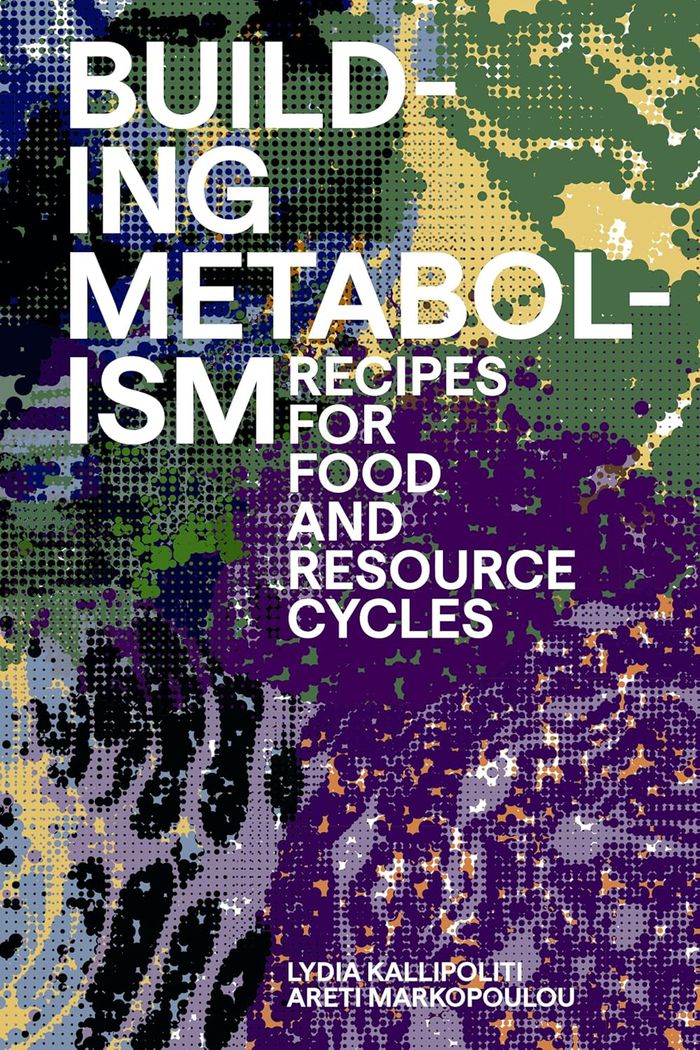
How can we design the architecture of metabolism? How can architecture redefine resources, produce nutrients and contribute to regenerate land and protect communities at risk? "Building Metabolism" aims to reveal how architecture constructs, distributes, and leverages power via material recycling, interspecies alliances, biopolitics and excremental processes. This book, stemming from the expanded work produced for the 2022 Tallinn Architecture Biennale—themed EDIBLE and curated by the authors—reimagines the "home" on both domestic and planetary scales as a digestive system, processing human output in its various forms and converting it into actionable resources. This portrayal of the "home" urges readers to look at resources in a visceral way; via the raw ecologies of our bodies and the understanding that the social problems related to climate justice are not simply statistical, abstract, and disembodied. Instead, they are intertwined with our own production and living processes, and they are landed on bodies: on the food we eat, the water we drink, and the air we breathe.
Building metabolism: Recipes for food and resource cycles
Actions:
Price:
$69.95
(available in store)
Summary:
How can we design the architecture of metabolism? How can architecture redefine resources, produce nutrients and contribute to regenerate land and protect communities at risk? "Building Metabolism" aims to reveal how architecture constructs, distributes, and leverages power via material recycling, interspecies alliances, biopolitics and excremental processes. This book, stemming from the expanded work produced for the 2022 Tallinn Architecture Biennale—themed EDIBLE and curated by the authors—reimagines the "home" on both domestic and planetary scales as a digestive system, processing human output in its various forms and converting it into actionable resources. This portrayal of the "home" urges readers to look at resources in a visceral way; via the raw ecologies of our bodies and the understanding that the social problems related to climate justice are not simply statistical, abstract, and disembodied. Instead, they are intertwined with our own production and living processes, and they are landed on bodies: on the food we eat, the water we drink, and the air we breathe.
Form:
books
books
Publication:
January 2026
January 2026
Subject:
Green Architecture
Green Architecture
Form:
books
books
Actions:
Price:
$35.95
(available in store)
Summary:
Climate change is already influencing how and where people live. In ''North'', Jesse M. Keenan argues that America is entering a new era marked by shifts in population that will transform everything from the physical landscape of cities to electoral politics. First, Keenan examines how human mobility is shaped by the environment and the economy. Next, he provides a(...)
$35.95
(available in store)
Summary:
Climate change is already influencing how and where people live. In ''North'', Jesse M. Keenan argues that America is entering a new era marked by shifts in population that will transform everything from the physical landscape of cities to electoral politics. First, Keenan examines how human mobility is shaped by the environment and the economy. Next, he provides a(...)
Title:
North: The future of post-climat America
Actions:
Price:
$35.95
(available in store)
Summary:
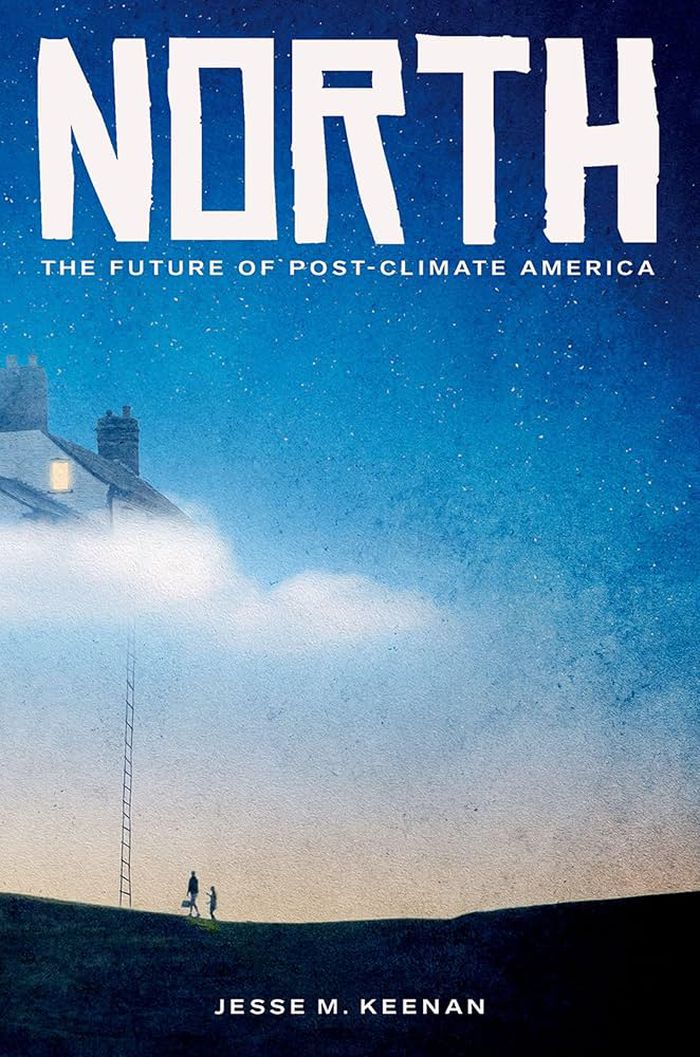
Climate change is already influencing how and where people live. In ''North'', Jesse M. Keenan argues that America is entering a new era marked by shifts in population that will transform everything from the physical landscape of cities to electoral politics. First, Keenan examines how human mobility is shaped by the environment and the economy. Next, he provides a conceptual and empirical overview of adaptation science, with a focus on how people, governments, and markets are preparing for and responding to climate impacts. He documents how physical impacts in the built environment, escalating costs, and public sector inertia are converging to drive people out of high-risk areas, while, at the same time, certain other areas are attracting people who seek a more sustainable way of life. ''North'' is not just a collection of scientific observations and projections about the peril of those left behind. It is also a projection of optimism about America's capacity for decarbonization, environmental stewardship, and economic mobility for those on the move.
North: The future of post-climat America
Actions:
Price:
$35.95
(available in store)
Summary:
Climate change is already influencing how and where people live. In ''North'', Jesse M. Keenan argues that America is entering a new era marked by shifts in population that will transform everything from the physical landscape of cities to electoral politics. First, Keenan examines how human mobility is shaped by the environment and the economy. Next, he provides a conceptual and empirical overview of adaptation science, with a focus on how people, governments, and markets are preparing for and responding to climate impacts. He documents how physical impacts in the built environment, escalating costs, and public sector inertia are converging to drive people out of high-risk areas, while, at the same time, certain other areas are attracting people who seek a more sustainable way of life. ''North'' is not just a collection of scientific observations and projections about the peril of those left behind. It is also a projection of optimism about America's capacity for decarbonization, environmental stewardship, and economic mobility for those on the move.
Form:
books
books
Publication:
December 2025
December 2025
Subject:
Architecture since 1900, Americas
Architecture since 1900, Americas
Form:
books
books
Actions:
Price:
$38.95
(available to order)
Summary:
Grant Jones, founding principal of the noted landscape architecture firm Jones – Jones, has practiced ecological design for more than 30 years and has been a pioneer in river planning, scenic highway design, zoo design, and landscape aesthetics. The latest addition to our successful Source Books in Landscape Architecture series, Grant Jones/Jones – Jones ILARIS, focuses(...)
$38.95
(available to order)
Summary:
Grant Jones, founding principal of the noted landscape architecture firm Jones – Jones, has practiced ecological design for more than 30 years and has been a pioneer in river planning, scenic highway design, zoo design, and landscape aesthetics. The latest addition to our successful Source Books in Landscape Architecture series, Grant Jones/Jones – Jones ILARIS, focuses(...)
Title:
Grant Jones / Jones & Jones Ilaris : the puget sound plan
Actions:
Price:
$38.95
(available to order)
Summary:
Grant Jones, founding principal of the noted landscape architecture firm Jones – Jones, has practiced ecological design for more than 30 years and has been a pioneer in river planning, scenic highway design, zoo design, and landscape aesthetics. The latest addition to our successful Source Books in Landscape Architecture series, Grant Jones/Jones – Jones ILARIS, focuses on Jones's "green print" plan for Puget Sound in Washington State. Working in collaboration with the Trust for Public Lands and using new GIS technology, Jones – Jones developed the software tool ILARIS. This CAD-like tool helps to evaluate the aesthetic resources of landscape regions and is used as a basis for future planning. The Puget Sound model can be applied to other landscapes at risk. Including an interview with Grant Jones, critical essays discussing his work, as well as numerous diagrams, plans, and photographs, Grant Jones/Jones – Jones ILARIS is a thorough study of an important project.
Grant Jones / Jones & Jones Ilaris : the puget sound plan
Actions:
Price:
$38.95
(available to order)
Summary:
Grant Jones, founding principal of the noted landscape architecture firm Jones – Jones, has practiced ecological design for more than 30 years and has been a pioneer in river planning, scenic highway design, zoo design, and landscape aesthetics. The latest addition to our successful Source Books in Landscape Architecture series, Grant Jones/Jones – Jones ILARIS, focuses on Jones's "green print" plan for Puget Sound in Washington State. Working in collaboration with the Trust for Public Lands and using new GIS technology, Jones – Jones developed the software tool ILARIS. This CAD-like tool helps to evaluate the aesthetic resources of landscape regions and is used as a basis for future planning. The Puget Sound model can be applied to other landscapes at risk. Including an interview with Grant Jones, critical essays discussing his work, as well as numerous diagrams, plans, and photographs, Grant Jones/Jones – Jones ILARIS is a thorough study of an important project.
Form:
books
books
Publication:
July 2007, New York
July 2007, New York
Subject:
Landscape Theory
Landscape Theory
Form:
books
books
Title:
Why public space matters
Why public space matters
Actions:
Price:
$46.99
(available in store)
Summary:
Public spaces — where people from all walks of life play, work, meet, talk, read, think, debate, and protest — are vital to a healthy civic life. And, as the eminent scholar of public space Setha Low argues in this book, even fleeting moments of visibility and encounter in these spaces tend to foster a broader worldview and our willingness to accept difference. Yet we are(...)
$46.99
(available in store)
Summary:
Public spaces — where people from all walks of life play, work, meet, talk, read, think, debate, and protest — are vital to a healthy civic life. And, as the eminent scholar of public space Setha Low argues in this book, even fleeting moments of visibility and encounter in these spaces tend to foster a broader worldview and our willingness to accept difference. Yet we are(...)
Title:
Why public space matters
Actions:
Price:
$46.99
(available in store)
Summary:
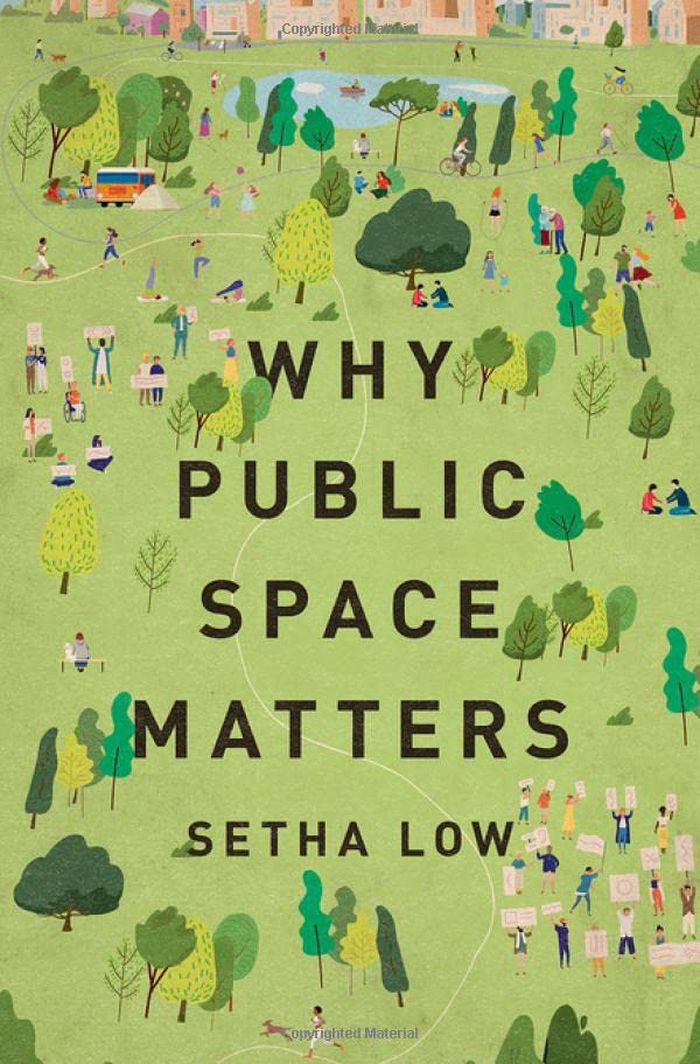
Public spaces — where people from all walks of life play, work, meet, talk, read, think, debate, and protest — are vital to a healthy civic life. And, as the eminent scholar of public space Setha Low argues in this book, even fleeting moments of visibility and encounter in these spaces tend to foster a broader worldview and our willingness to accept difference. Yet we are losing public spaces to accelerated urban development and the belief that public spaces are expendable. Low explores why public spaces matter today, how they are at risk, and what we can do about protecting these essential places that support our everyday lives. Finally, she shows how we can work to promote public space protection and expansion at both the grassroots and global levels. Throughout, she focuses on real public spaces and the people who use them in cities and regions across the Americas, from New Jersey to Costa Rica
Why public space matters
Actions:
Price:
$46.99
(available in store)
Summary:
Public spaces — where people from all walks of life play, work, meet, talk, read, think, debate, and protest — are vital to a healthy civic life. And, as the eminent scholar of public space Setha Low argues in this book, even fleeting moments of visibility and encounter in these spaces tend to foster a broader worldview and our willingness to accept difference. Yet we are losing public spaces to accelerated urban development and the belief that public spaces are expendable. Low explores why public spaces matter today, how they are at risk, and what we can do about protecting these essential places that support our everyday lives. Finally, she shows how we can work to promote public space protection and expansion at both the grassroots and global levels. Throughout, she focuses on real public spaces and the people who use them in cities and regions across the Americas, from New Jersey to Costa Rica
Form:
books
books
Publication:
December 2022
December 2022


