


974 Results
Form:
books
books
Actions:
Price:
$36.95
(available in store)
Summary:
Activism is a critical point of contention for institutions and genealogies of contemporary art around the world. Yet artists have consistently engaged in activist discourse, lending their skills to social movements, and regularly participating in civil and social rights campaigns while also boycotting cultural institutions and exerting significant pressure on them. This(...)
$36.95
(available in store)
Summary:
Activism is a critical point of contention for institutions and genealogies of contemporary art around the world. Yet artists have consistently engaged in activist discourse, lending their skills to social movements, and regularly participating in civil and social rights campaigns while also boycotting cultural institutions and exerting significant pressure on them. This(...)
Title:
Activism: Whitechapel Documents of Contemporary Art
Actions:
Price:
$36.95
(available in store)
Summary:
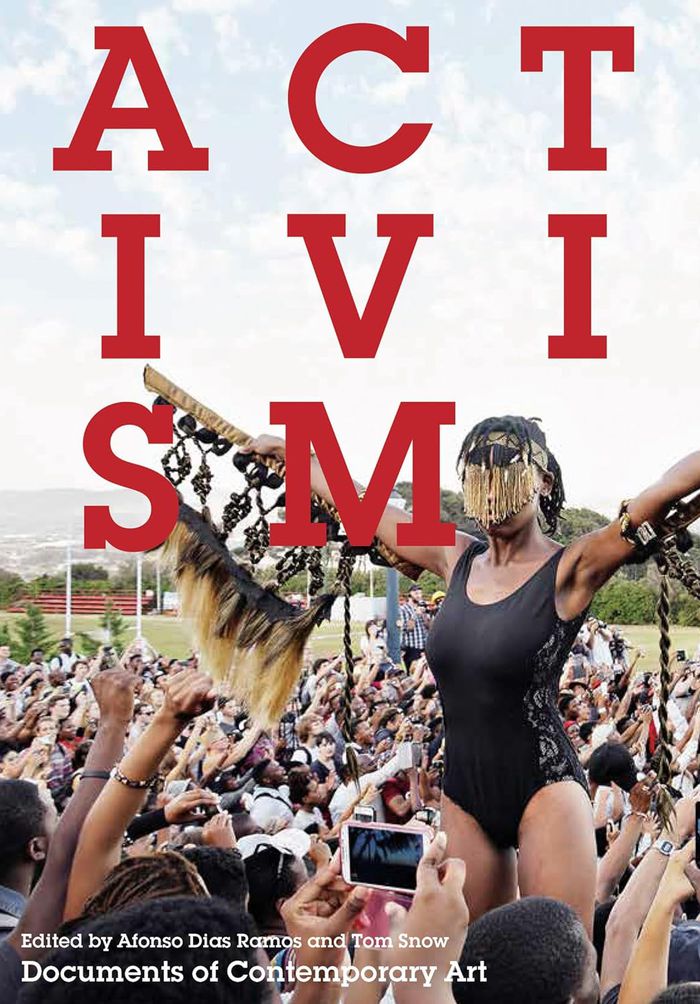
Activism is a critical point of contention for institutions and genealogies of contemporary art around the world. Yet artists have consistently engaged in activist discourse, lending their skills to social movements, and regularly participating in civil and social rights campaigns while also boycotting cultural institutions and exerting significant pressure on them. This timely volume, edited by Tom Snow and Afonso Ramos, addresses an extraordinary moment in debates over the institutional frameworks and networks of art including large-scale direct actions, as well as a radical rethinking of art venues and urban spaces according to racial, class, or gender-based disparities, including demonstrations against the extractive and exploitative practices of neoliberal accumulation and climate catastrophe. From ACT UP and its affiliate groups since the dawn of the AIDS crisis to the counter-spectacle and street theatrics of the so-called Arab Spring and Occupy, to ongoing protest movements such as Black Lives Matter, Rhodes Must Fall, and Decolonize This Place, activist aesthetics has proven increasingly difficult to define under traditional classifications. Resurgent campaigns for decolonial reckoning, ecological justice, gender equality, indigenous rights and antiracist pedagogies indicate that the role of activism in contemporary art practice urges a critical reassessment. One pressing question is whether contemporary art’s most radical politics now takes place outside, against, or in spite of, conventional sites of display such as museums, biennials, and galleries.
Activism: Whitechapel Documents of Contemporary Art
Actions:
Price:
$36.95
(available in store)
Summary:
Activism is a critical point of contention for institutions and genealogies of contemporary art around the world. Yet artists have consistently engaged in activist discourse, lending their skills to social movements, and regularly participating in civil and social rights campaigns while also boycotting cultural institutions and exerting significant pressure on them. This timely volume, edited by Tom Snow and Afonso Ramos, addresses an extraordinary moment in debates over the institutional frameworks and networks of art including large-scale direct actions, as well as a radical rethinking of art venues and urban spaces according to racial, class, or gender-based disparities, including demonstrations against the extractive and exploitative practices of neoliberal accumulation and climate catastrophe. From ACT UP and its affiliate groups since the dawn of the AIDS crisis to the counter-spectacle and street theatrics of the so-called Arab Spring and Occupy, to ongoing protest movements such as Black Lives Matter, Rhodes Must Fall, and Decolonize This Place, activist aesthetics has proven increasingly difficult to define under traditional classifications. Resurgent campaigns for decolonial reckoning, ecological justice, gender equality, indigenous rights and antiracist pedagogies indicate that the role of activism in contemporary art practice urges a critical reassessment. One pressing question is whether contemporary art’s most radical politics now takes place outside, against, or in spite of, conventional sites of display such as museums, biennials, and galleries.
Form:
books
books
Publication:
October 2023
October 2023
Subject:
Art Theory
Art Theory
Form:
books
books
Actions:
Price:
$85.00
(available in store)
Summary:
From early reports of the invention to its wide application during World War I, the idea of photography created anticipation and participation in the modern world. The first volume of ''A History of Photography in Canada'' captures this phenomenon by looking at hundreds of photographs generated in and about Canada-in-the-making and by listening to the chords they struck(...)
$85.00
(available in store)
Summary:
From early reports of the invention to its wide application during World War I, the idea of photography created anticipation and participation in the modern world. The first volume of ''A History of Photography in Canada'' captures this phenomenon by looking at hundreds of photographs generated in and about Canada-in-the-making and by listening to the chords they struck(...)
Title:
History of photography in Canada, Volume 1
Actions:
Price:
$85.00
(available in store)
Summary:
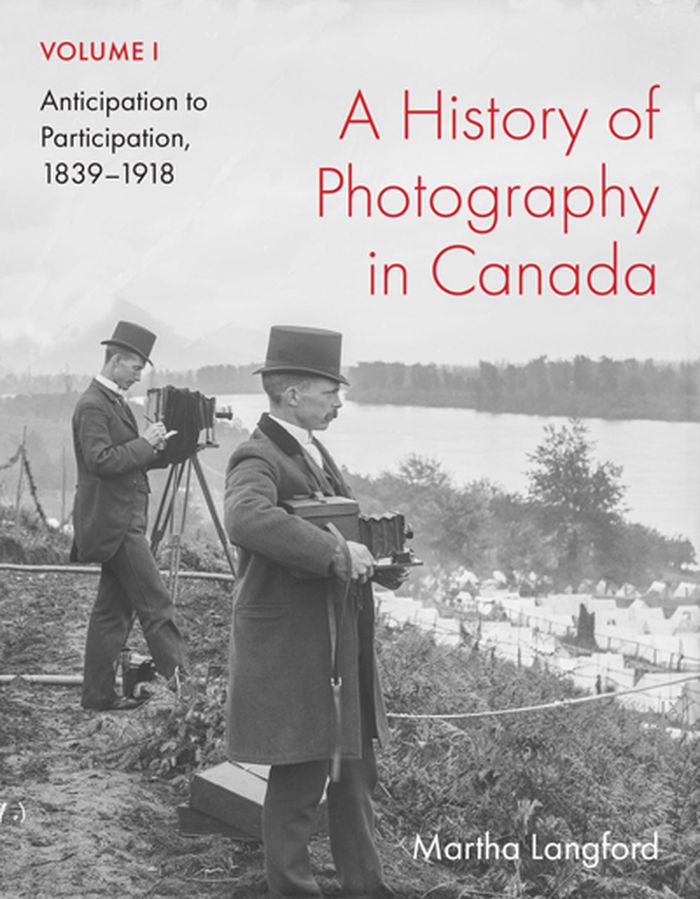
From early reports of the invention to its wide application during World War I, the idea of photography created anticipation and participation in the modern world. The first volume of ''A History of Photography in Canada'' captures this phenomenon by looking at hundreds of photographs generated in and about Canada-in-the-making and by listening to the chords they struck in the collective imagination. Emphasizing technological readiness and cultural eagerness for the medium, Martha Langford shows how photography served ideals of progress and improvement as Canada’s settler society looked to master the world by seizing its visible traces. The imposition of these programs on Indigenous Peoples and indentured labourers is confronted throughout this volume, which offers both narratives and counternarratives of subjectification. Reproducing images of people, places, events, and objects from the unceded territories of the First Nations, Inuit, and Métis, from British North America, and from the Dominion of Canada and the Dominion of Newfoundland, Langford asks where and when photographs were taken, why, and by whom. How did the making and preservation of a photograph alter the circumstances in which it was produced, and how did this affect individual and collective consciousness? Alongside accomplished portraits, landscapes, still lifes, and their vernacular counterparts, the book draws glimmers of photographic experience from treatises and doggerel, official reports and personal diaries, newspapers, magazines, letters, and travelogues.
History of photography in Canada, Volume 1
Actions:
Price:
$85.00
(available in store)
Summary:
From early reports of the invention to its wide application during World War I, the idea of photography created anticipation and participation in the modern world. The first volume of ''A History of Photography in Canada'' captures this phenomenon by looking at hundreds of photographs generated in and about Canada-in-the-making and by listening to the chords they struck in the collective imagination. Emphasizing technological readiness and cultural eagerness for the medium, Martha Langford shows how photography served ideals of progress and improvement as Canada’s settler society looked to master the world by seizing its visible traces. The imposition of these programs on Indigenous Peoples and indentured labourers is confronted throughout this volume, which offers both narratives and counternarratives of subjectification. Reproducing images of people, places, events, and objects from the unceded territories of the First Nations, Inuit, and Métis, from British North America, and from the Dominion of Canada and the Dominion of Newfoundland, Langford asks where and when photographs were taken, why, and by whom. How did the making and preservation of a photograph alter the circumstances in which it was produced, and how did this affect individual and collective consciousness? Alongside accomplished portraits, landscapes, still lifes, and their vernacular counterparts, the book draws glimmers of photographic experience from treatises and doggerel, official reports and personal diaries, newspapers, magazines, letters, and travelogues.
Form:
books
books
Publication:
July 2025
July 2025
Subject:
Photography Collections
Photography Collections
Form:
books
books
Price:
$64.99
(available to order)
Summary:
This publication combines traditional natural materials and modern construction methods. From adobe to straw bales, traditional building materials are being adapted to meet code-required standards for health and safety in contemporary buildings around the world. Not only are they cost effective and environmentally friendly, but, when used correctly, these natural(...)
$64.99
(available to order)
Summary:
This publication combines traditional natural materials and modern construction methods. From adobe to straw bales, traditional building materials are being adapted to meet code-required standards for health and safety in contemporary buildings around the world. Not only are they cost effective and environmentally friendly, but, when used correctly, these natural(...)
Subject:
Green Architecture
Green Architecture
Publication:
April 2005, Chichester
April 2005, Chichester
Title:
Alternative construction : contemporary natural building methods
Actions:
Price:
$64.99
(available to order)
Summary:
This publication combines traditional natural materials and modern construction methods. From adobe to straw bales, traditional building materials are being adapted to meet code-required standards for health and safety in contemporary buildings around the world. Not only are they cost effective and environmentally friendly, but, when used correctly, these natural alternatives match the strength and durability of many mainstream construction materials. This book examines a broad range of traditional and modern natural construction methods, including straw-bale, light-clay, cob, adobe, rammed earth and pisé, earthbag, earth-sheltered, bamboo, and hybrid systems. It also covers key ecological design principles, as well as current engineering and building code requirements. Experts on each building system have contributed core chapters that explore the history, development, climatic appropriateness, environmental benefits, performance characteristics, construction techniques, and structural design principles for each method. More than 200 visuals depict both construction processes and completed structures. An extensive resource guide shows where to go for further information, training, and research. In an increasingly resource-conscious era, alternative construction is truly an idea whose time has come. Whether you're an architect, designer, student, or homeowner, this book will help you to combine indigenous building materials with modern construction systems and design standards to create low-impact, high-quality buildings that meet the highest levels of comfort, health, and safety.
Alternative construction : contemporary natural building methods
Actions:
Price:
$64.99
(available to order)
Summary:
This publication combines traditional natural materials and modern construction methods. From adobe to straw bales, traditional building materials are being adapted to meet code-required standards for health and safety in contemporary buildings around the world. Not only are they cost effective and environmentally friendly, but, when used correctly, these natural alternatives match the strength and durability of many mainstream construction materials. This book examines a broad range of traditional and modern natural construction methods, including straw-bale, light-clay, cob, adobe, rammed earth and pisé, earthbag, earth-sheltered, bamboo, and hybrid systems. It also covers key ecological design principles, as well as current engineering and building code requirements. Experts on each building system have contributed core chapters that explore the history, development, climatic appropriateness, environmental benefits, performance characteristics, construction techniques, and structural design principles for each method. More than 200 visuals depict both construction processes and completed structures. An extensive resource guide shows where to go for further information, training, and research. In an increasingly resource-conscious era, alternative construction is truly an idea whose time has come. Whether you're an architect, designer, student, or homeowner, this book will help you to combine indigenous building materials with modern construction systems and design standards to create low-impact, high-quality buildings that meet the highest levels of comfort, health, and safety.
Form:
books
books
Publication:
April 2005, Chichester
April 2005, Chichester
Subject:
Green Architecture
Green Architecture
Form:
books
books
Title:
The subversive seventies
The subversive seventies
Actions:
Price:
$33.95
(available in store)
Summary:
A thought-provoking reconsideration of how the revolutionary movements of the 1970s set the mold for today's activism. The 1970s was a decade of "subversives". Faced with various progressive and revolutionary social movements, the forces of order--politicians, law enforcement, journalists, and conservative intellectuals--saw subversives everywhere. From indigenous peasant(...)
$33.95
(available in store)
Summary:
A thought-provoking reconsideration of how the revolutionary movements of the 1970s set the mold for today's activism. The 1970s was a decade of "subversives". Faced with various progressive and revolutionary social movements, the forces of order--politicians, law enforcement, journalists, and conservative intellectuals--saw subversives everywhere. From indigenous peasant(...)
Title:
The subversive seventies
Actions:
Price:
$33.95
(available in store)
Summary:
A thought-provoking reconsideration of how the revolutionary movements of the 1970s set the mold for today's activism. The 1970s was a decade of "subversives". Faced with various progressive and revolutionary social movements, the forces of order--politicians, law enforcement, journalists, and conservative intellectuals--saw subversives everywhere. From indigenous peasant armies and gay liberation organizations, to anti-nuclear activists and Black liberation militants, subversives challenged authority, laid siege to the established order, and undermined time-honored ways of life. Every corner of the left was fertile ground for subversive elements, which the forces of order had to root out and destroy--a project they pursued with zeal and brutality. In "The subversive seventies", Michael Hardt sets out to show that popular understandings of the political movements of the seventies--often seen as fractious, violent, and largely unsuccessful--are not just inaccurate, but foreclose valuable lessons for the political struggles of today. While many accounts of the 1970s have been written about the regimes of domination that emerged throughout the decade, Hardt approaches the subversive from the perspectives of those who sought to undermine the base of established authority and transform the fundamental structures of society. In so doing, he provides a novel account of the theoretical and practical projects of liberation that still speak to us today, too many of which have been all but forgotten.
The subversive seventies
Actions:
Price:
$33.95
(available in store)
Summary:
A thought-provoking reconsideration of how the revolutionary movements of the 1970s set the mold for today's activism. The 1970s was a decade of "subversives". Faced with various progressive and revolutionary social movements, the forces of order--politicians, law enforcement, journalists, and conservative intellectuals--saw subversives everywhere. From indigenous peasant armies and gay liberation organizations, to anti-nuclear activists and Black liberation militants, subversives challenged authority, laid siege to the established order, and undermined time-honored ways of life. Every corner of the left was fertile ground for subversive elements, which the forces of order had to root out and destroy--a project they pursued with zeal and brutality. In "The subversive seventies", Michael Hardt sets out to show that popular understandings of the political movements of the seventies--often seen as fractious, violent, and largely unsuccessful--are not just inaccurate, but foreclose valuable lessons for the political struggles of today. While many accounts of the 1970s have been written about the regimes of domination that emerged throughout the decade, Hardt approaches the subversive from the perspectives of those who sought to undermine the base of established authority and transform the fundamental structures of society. In so doing, he provides a novel account of the theoretical and practical projects of liberation that still speak to us today, too many of which have been all but forgotten.
Form:
books
books
Publication:
September 2023
September 2023
Subject:
Social
Social
Form:
journals and magazines
journals and magazines

Actions:
Price:
$33.00
(available to order)
Summary:
In July, Melbourne experienced a second wave of the virus and the introduction of further restrictions forced the city to a standstill. Workplaces, student accommodation and universities remained empty as local businesses were also required to close their premises. During this period, we witnessed public housing residents forcibly contained to several inner-city housing(...)
$33.00
(available to order)
Summary:
In July, Melbourne experienced a second wave of the virus and the introduction of further restrictions forced the city to a standstill. Workplaces, student accommodation and universities remained empty as local businesses were also required to close their premises. During this period, we witnessed public housing residents forcibly contained to several inner-city housing(...)
Title:
Politics of public space, Volume 3
Actions:
Price:
$33.00
(available to order)
Summary:
In July, Melbourne experienced a second wave of the virus and the introduction of further restrictions forced the city to a standstill. Workplaces, student accommodation and universities remained empty as local businesses were also required to close their premises. During this period, we witnessed public housing residents forcibly contained to several inner-city housing towers, and a small minority of anti-lockdown protestors used the Shrine of Remembrance as the backdrop for a supposed symbol of individual freedom. The structures of the state, city and its residents were again laid bare. This volume addresses many of these issues by gathering talks held prior to the pandemic alongside recent interviews. Kate Shaw shows how the recent lockdown of the housing towers in Flemington and North Melbourne reveals the government's underlying attitude towards public housing tenants. Tony Birch used the Shrine of Remembrance as the site for his talk on the Indigenous protest movement Camp Sovereignty and the significance of monuments in shaping collective values. Nicole Kalms outlines the experiences of women in Melbourne's public spaces through data gathered by XYX Lab. Sarah Lynn Rees discusses the complexities of engaging and working respectfully with Traditional Owners when intervening in the built environment. Andy Fergus & Brighid Sammon expose the failings of planning in the modern development of Melbourne, and Philip Brophy declares the general failings of the built environment profession at large.
Politics of public space, Volume 3
Actions:
Price:
$33.00
(available to order)
Summary:
In July, Melbourne experienced a second wave of the virus and the introduction of further restrictions forced the city to a standstill. Workplaces, student accommodation and universities remained empty as local businesses were also required to close their premises. During this period, we witnessed public housing residents forcibly contained to several inner-city housing towers, and a small minority of anti-lockdown protestors used the Shrine of Remembrance as the backdrop for a supposed symbol of individual freedom. The structures of the state, city and its residents were again laid bare. This volume addresses many of these issues by gathering talks held prior to the pandemic alongside recent interviews. Kate Shaw shows how the recent lockdown of the housing towers in Flemington and North Melbourne reveals the government's underlying attitude towards public housing tenants. Tony Birch used the Shrine of Remembrance as the site for his talk on the Indigenous protest movement Camp Sovereignty and the significance of monuments in shaping collective values. Nicole Kalms outlines the experiences of women in Melbourne's public spaces through data gathered by XYX Lab. Sarah Lynn Rees discusses the complexities of engaging and working respectfully with Traditional Owners when intervening in the built environment. Andy Fergus & Brighid Sammon expose the failings of planning in the modern development of Melbourne, and Philip Brophy declares the general failings of the built environment profession at large.
Form:
journals and magazines
journals and magazines
Publication:
June 2021
June 2021
Subject:
Magazines
Magazines
Form:
books
books
Actions:
Price:
$45.00
(available to order)
Summary:
Kenojuak Ashevak shot to fame in 1970 when Canada Post printed The Enchanted Owl, a print of a black-and-red plumed nocturnal bird, on a postage stamp. She later became known as the magic-marker-wielding "grandmother of Inuit art," famous for her fluid graphic storytelling and her stunning depictions of wildlife. She was a defining figure in Inuit art and one of the first(...)
$45.00
(available to order)
Summary:
Kenojuak Ashevak shot to fame in 1970 when Canada Post printed The Enchanted Owl, a print of a black-and-red plumed nocturnal bird, on a postage stamp. She later became known as the magic-marker-wielding "grandmother of Inuit art," famous for her fluid graphic storytelling and her stunning depictions of wildlife. She was a defining figure in Inuit art and one of the first(...)
Subject:
Contemporary Art Monographs
Contemporary Art Monographs
Publication:
May 2018
May 2018
Title:
Tunirrusiangit: Kenojuak Ashevak and Tim Pitsiulak
Actions:
Price:
$45.00
(available to order)
Summary:
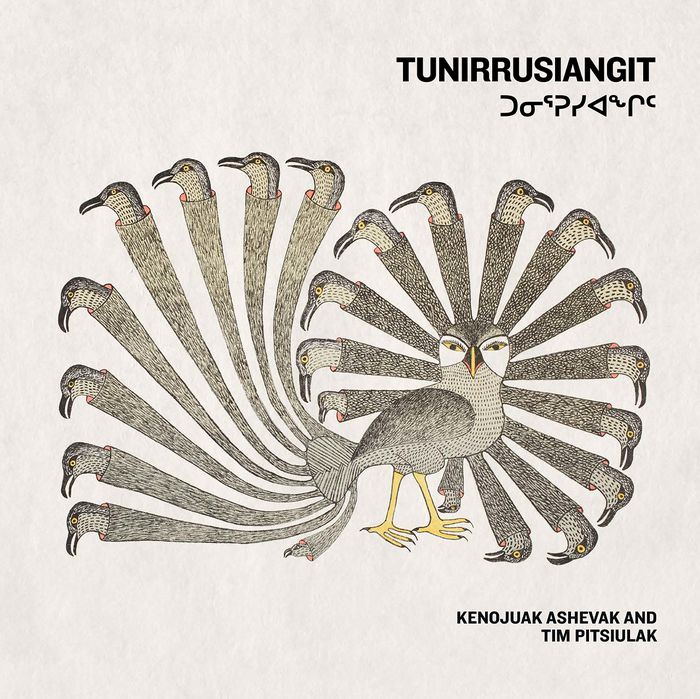
Kenojuak Ashevak shot to fame in 1970 when Canada Post printed The Enchanted Owl, a print of a black-and-red plumed nocturnal bird, on a postage stamp. She later became known as the magic-marker-wielding "grandmother of Inuit art," famous for her fluid graphic storytelling and her stunning depictions of wildlife. She was a defining figure in Inuit art and one of the first Indigenous artists to be embraced as a contemporary Canadian artist. Ashevak's legacy inspired her nephew, Timootee (Tim) Pitsiulak, to take up drawing at the Kinngait Studios. In his relatively short career, he became a popular figure, known for drawing animal figures with a hunter's precision and capturing the technological presence of the South in Nunavut. Tunirrusiangit, "their gifts" or "what they gave" in Inuktitut, celebrates the achievements of two remarkable artists who challenged the parameters of tradition while consistently articulating a compelling vision of the Inuit world view. Published to coincide with a major exhibition at the Art Gallery of Ontario, opening on 16 June and continuing until late August, ''Tunirrusiangit'' features more than 60 reproductions of paintings, drawings, and documentary photographs. Completing the book are essays by contemporary artists and curators Jocelyn Piirainen, Anna Hudson, Georgiana Uhlyarik, Koomuatuk Curley, Laakkuluk Williamson Bathory, and Taqralik Partridge that address both the past and future of Inuit identity.
Tunirrusiangit: Kenojuak Ashevak and Tim Pitsiulak
Actions:
Price:
$45.00
(available to order)
Summary:
Kenojuak Ashevak shot to fame in 1970 when Canada Post printed The Enchanted Owl, a print of a black-and-red plumed nocturnal bird, on a postage stamp. She later became known as the magic-marker-wielding "grandmother of Inuit art," famous for her fluid graphic storytelling and her stunning depictions of wildlife. She was a defining figure in Inuit art and one of the first Indigenous artists to be embraced as a contemporary Canadian artist. Ashevak's legacy inspired her nephew, Timootee (Tim) Pitsiulak, to take up drawing at the Kinngait Studios. In his relatively short career, he became a popular figure, known for drawing animal figures with a hunter's precision and capturing the technological presence of the South in Nunavut. Tunirrusiangit, "their gifts" or "what they gave" in Inuktitut, celebrates the achievements of two remarkable artists who challenged the parameters of tradition while consistently articulating a compelling vision of the Inuit world view. Published to coincide with a major exhibition at the Art Gallery of Ontario, opening on 16 June and continuing until late August, ''Tunirrusiangit'' features more than 60 reproductions of paintings, drawings, and documentary photographs. Completing the book are essays by contemporary artists and curators Jocelyn Piirainen, Anna Hudson, Georgiana Uhlyarik, Koomuatuk Curley, Laakkuluk Williamson Bathory, and Taqralik Partridge that address both the past and future of Inuit identity.
Form:
books
books
Publication:
May 2018
May 2018
Subject:
Contemporary Art Monographs
Contemporary Art Monographs
Form:
books
books
Actions:
Price:
$90.00
(available to order)
Summary:
In 2003, Frank Gohlke and Joel Sternfeld were commissioned to photograph one of the densest concentrations of ethnic diversity in the world, the borough of Queens in New York City. After more than a year of photographing everything from corner bodegas to the borough’s boundaries, Gohlke and Sternfeld had not only captured the complicated dynamic that sustains Queens and(...)
$90.00
(available to order)
Summary:
In 2003, Frank Gohlke and Joel Sternfeld were commissioned to photograph one of the densest concentrations of ethnic diversity in the world, the borough of Queens in New York City. After more than a year of photographing everything from corner bodegas to the borough’s boundaries, Gohlke and Sternfeld had not only captured the complicated dynamic that sustains Queens and(...)
Title:
Frank Gohlke & Joel Sternfeld: landscape of longing
Actions:
Price:
$90.00
(available to order)
Summary:
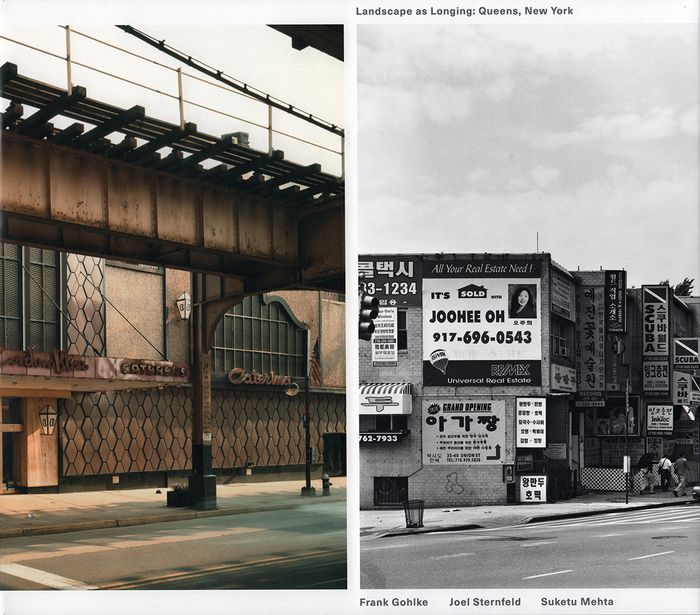
In 2003, Frank Gohlke and Joel Sternfeld were commissioned to photograph one of the densest concentrations of ethnic diversity in the world, the borough of Queens in New York City. After more than a year of photographing everything from corner bodegas to the borough’s boundaries, Gohlke and Sternfeld had not only captured the complicated dynamic that sustains Queens and its myriad communities; they had also evolved a unique theory of landscape photography in which landscape is a visible manifestation of the invisible emotions of its inhabitants. The collection inherits the strength of each photographer’s eye. Gohlke’s Queens consists of streets, houses, fences, gardens, parklands, shorelines, and waste spaces, the territory where human arrangement contends endlessly with the forces that undo it: unruly vegetation, weather, rot, decay, and the “creative destruction” of a voracious commercial culture. Sternfeld focuses on the indigenous shops, restaurants, mosques and temples that make a walk in Queens feel like a walk in Thailand, India or Peru—or all of them at once. Often tucked into homes or converted factories, these places signify a home country, or perhaps a home country that exists more in the mind than in actuality. In conjunction with an essay by the acclaimed writer Suketu Mehta, this book is a powerful instrument for understanding a landscape that seems to defy interpretation. Gohlke and Sternfeld successfully make the dizzying patchwork of Queens accessible and visible.
Frank Gohlke & Joel Sternfeld: landscape of longing
Actions:
Price:
$90.00
(available to order)
Summary:
In 2003, Frank Gohlke and Joel Sternfeld were commissioned to photograph one of the densest concentrations of ethnic diversity in the world, the borough of Queens in New York City. After more than a year of photographing everything from corner bodegas to the borough’s boundaries, Gohlke and Sternfeld had not only captured the complicated dynamic that sustains Queens and its myriad communities; they had also evolved a unique theory of landscape photography in which landscape is a visible manifestation of the invisible emotions of its inhabitants. The collection inherits the strength of each photographer’s eye. Gohlke’s Queens consists of streets, houses, fences, gardens, parklands, shorelines, and waste spaces, the territory where human arrangement contends endlessly with the forces that undo it: unruly vegetation, weather, rot, decay, and the “creative destruction” of a voracious commercial culture. Sternfeld focuses on the indigenous shops, restaurants, mosques and temples that make a walk in Queens feel like a walk in Thailand, India or Peru—or all of them at once. Often tucked into homes or converted factories, these places signify a home country, or perhaps a home country that exists more in the mind than in actuality. In conjunction with an essay by the acclaimed writer Suketu Mehta, this book is a powerful instrument for understanding a landscape that seems to defy interpretation. Gohlke and Sternfeld successfully make the dizzying patchwork of Queens accessible and visible.
Form:
books
books
Publication:
December 2016
December 2016
Subject:
Photography monographs
Photography monographs
Form:
journals and magazines
journals and magazines
Price:
$36.00
(available to order)
Summary:
The modern design and perception of the public domain is to a large degree determined by the tension between different memories - individual and collective, old and new, indigenous and immigrant. This makes memory a topical theme in the public domain, and its content, management and place are in urgent need of renewed consideration. How can one actively make use of the(...)
$36.00
(available to order)
Summary:
The modern design and perception of the public domain is to a large degree determined by the tension between different memories - individual and collective, old and new, indigenous and immigrant. This makes memory a topical theme in the public domain, and its content, management and place are in urgent need of renewed consideration. How can one actively make use of the(...)
Title:
Open 7 (no)memory : storing and recalling in contemporary art and culture
Actions:
Price:
$36.00
(available to order)
Summary:
The modern design and perception of the public domain is to a large degree determined by the tension between different memories - individual and collective, old and new, indigenous and immigrant. This makes memory a topical theme in the public domain, and its content, management and place are in urgent need of renewed consideration. How can one actively make use of the information that is stored in modern-day 'places of memory'? What role does art play in this? Is collective memory even a possibility these days? How can cultural heritage be made accessible without transforming city and countryside into one big open-air museum? And what are the implications of new media and digital storage technologies for the social and historical processes of preserving and remembering? Rudi Laermans analyses the modern-day 'heritage regime'. Frank van Vree examines the role of the contemporary monument. Cor Wagenaar advocates the introduction of time as an instrument for the Belvedere Policy. Wolfgang Ernst considers how the archive becomes a literal metaphor in a digital culture. Nico Bick photographed various archives. Jorinde Seijdel takes a closer look at the visual archive of Bill Gates. Sven Lütticken writes about the conspiracy of openness that is apparently at work in the mass media. Geert Lovink interviews artist and archivist Tjebbe van Tijen. Artists' contributions from Joke Robaard, Nico Dockx, Hans Aarsman, Arnoud Holleman and Barbara Visser. Other contributions by Henk Oosterling, Brigitte van der Sande, Stef Scagliola, Jordan Crandall and Paul Meurs.
Open 7 (no)memory : storing and recalling in contemporary art and culture
Actions:
Price:
$36.00
(available to order)
Summary:
The modern design and perception of the public domain is to a large degree determined by the tension between different memories - individual and collective, old and new, indigenous and immigrant. This makes memory a topical theme in the public domain, and its content, management and place are in urgent need of renewed consideration. How can one actively make use of the information that is stored in modern-day 'places of memory'? What role does art play in this? Is collective memory even a possibility these days? How can cultural heritage be made accessible without transforming city and countryside into one big open-air museum? And what are the implications of new media and digital storage technologies for the social and historical processes of preserving and remembering? Rudi Laermans analyses the modern-day 'heritage regime'. Frank van Vree examines the role of the contemporary monument. Cor Wagenaar advocates the introduction of time as an instrument for the Belvedere Policy. Wolfgang Ernst considers how the archive becomes a literal metaphor in a digital culture. Nico Bick photographed various archives. Jorinde Seijdel takes a closer look at the visual archive of Bill Gates. Sven Lütticken writes about the conspiracy of openness that is apparently at work in the mass media. Geert Lovink interviews artist and archivist Tjebbe van Tijen. Artists' contributions from Joke Robaard, Nico Dockx, Hans Aarsman, Arnoud Holleman and Barbara Visser. Other contributions by Henk Oosterling, Brigitte van der Sande, Stef Scagliola, Jordan Crandall and Paul Meurs.
Form:
journals and magazines
journals and magazines
Publication:
January 1900, Rotterdam
January 1900, Rotterdam
Subject:
Magazines
Magazines
Form:
books
books
Actions:
Price:
$29.95
(available to order)
Summary:
Moving the critical debate about photography away from its current Euro-American centre of gravity, "Photography’s Other Histories" breaks with the notion that photographic history is best seen as the explosion of a Western technology advanced by the work of singular individuals. This collection presents a different account, describing photography as a globally(...)
$29.95
(available to order)
Summary:
Moving the critical debate about photography away from its current Euro-American centre of gravity, "Photography’s Other Histories" breaks with the notion that photographic history is best seen as the explosion of a Western technology advanced by the work of singular individuals. This collection presents a different account, describing photography as a globally(...)
Subject:
Theory of Photography
Theory of Photography
Publication:
March 2003, Durham, N.C.
March 2003, Durham, N.C.
Title:
Photography's other histories
Actions:
Price:
$29.95
(available to order)
Summary:
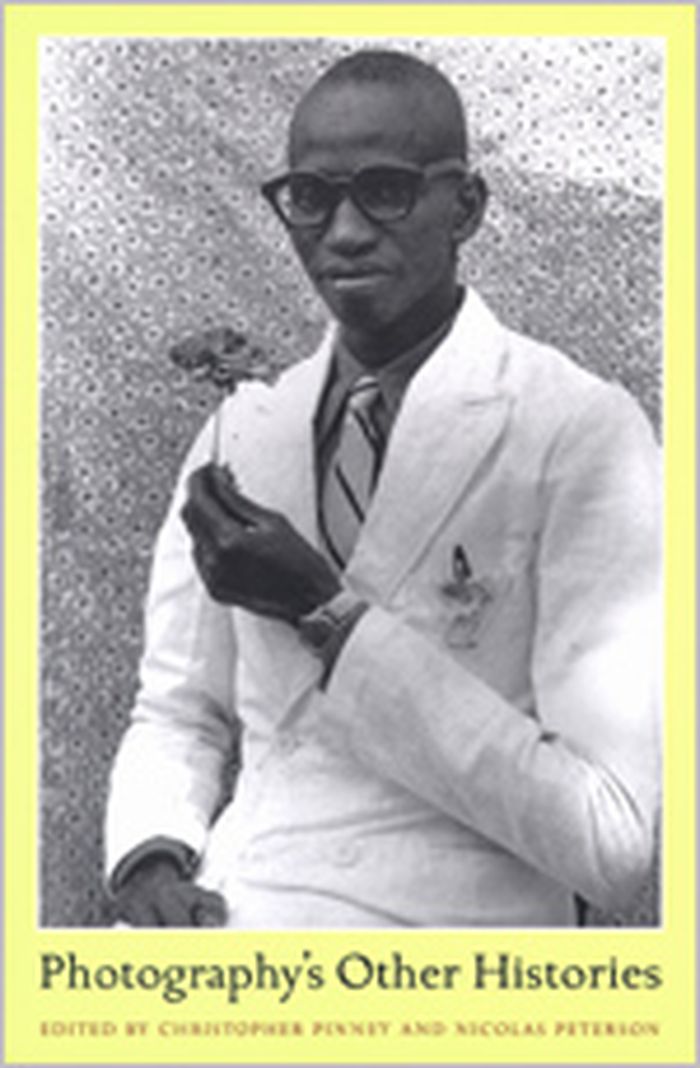
Moving the critical debate about photography away from its current Euro-American centre of gravity, "Photography’s Other Histories" breaks with the notion that photographic history is best seen as the explosion of a Western technology advanced by the work of singular individuals. This collection presents a different account, describing photography as a globally disseminated and locally appropriated medium. Essays firmly grounded in photographic practice — in the actual making of pictures — suggest the extraordinary diversity of nonwestern photography "Photography’s Other Histories" explores from a variety of geographic, cultural, and historic perspectives the role of photography in raising historical consciousness. It includes two first-person pieces by indigenous Australians and one by a Seminole/Muskogee/Diné artist. Some of the essays analyze representations of colonial subjects—from the limited ways Westerners have depicted Navajos to Japanese photos recording the occupation of Manchuria and from the changing nature of the "contract" between Aboriginal subjects and photographers to the surprising range of cultural influences evident in the photographs colonialist F. R. Barton took in New Guinea in the late 1800s and early 1900s. Focusing on photographic self-fashioning and the development of vernacular modernisms, other essays highlight the visionary quality of much popular photography. Case studies centered in early-twentieth-century Peru and contemporary India, Kenya, and Nigeria chronicle the diverse practices that have flourished in postcolonial societies. "Photography’s Other Histories" recasts popular photography around the world, as not simply reproducing culture but creating it.
Photography's other histories
Actions:
Price:
$29.95
(available to order)
Summary:
Moving the critical debate about photography away from its current Euro-American centre of gravity, "Photography’s Other Histories" breaks with the notion that photographic history is best seen as the explosion of a Western technology advanced by the work of singular individuals. This collection presents a different account, describing photography as a globally disseminated and locally appropriated medium. Essays firmly grounded in photographic practice — in the actual making of pictures — suggest the extraordinary diversity of nonwestern photography "Photography’s Other Histories" explores from a variety of geographic, cultural, and historic perspectives the role of photography in raising historical consciousness. It includes two first-person pieces by indigenous Australians and one by a Seminole/Muskogee/Diné artist. Some of the essays analyze representations of colonial subjects—from the limited ways Westerners have depicted Navajos to Japanese photos recording the occupation of Manchuria and from the changing nature of the "contract" between Aboriginal subjects and photographers to the surprising range of cultural influences evident in the photographs colonialist F. R. Barton took in New Guinea in the late 1800s and early 1900s. Focusing on photographic self-fashioning and the development of vernacular modernisms, other essays highlight the visionary quality of much popular photography. Case studies centered in early-twentieth-century Peru and contemporary India, Kenya, and Nigeria chronicle the diverse practices that have flourished in postcolonial societies. "Photography’s Other Histories" recasts popular photography around the world, as not simply reproducing culture but creating it.
Form:
books
books
Publication:
March 2003, Durham, N.C.
March 2003, Durham, N.C.
Subject:
Theory of Photography
Theory of Photography
Form:
books
books
Actions:
Price:
$75.00
(available in store)
Summary:
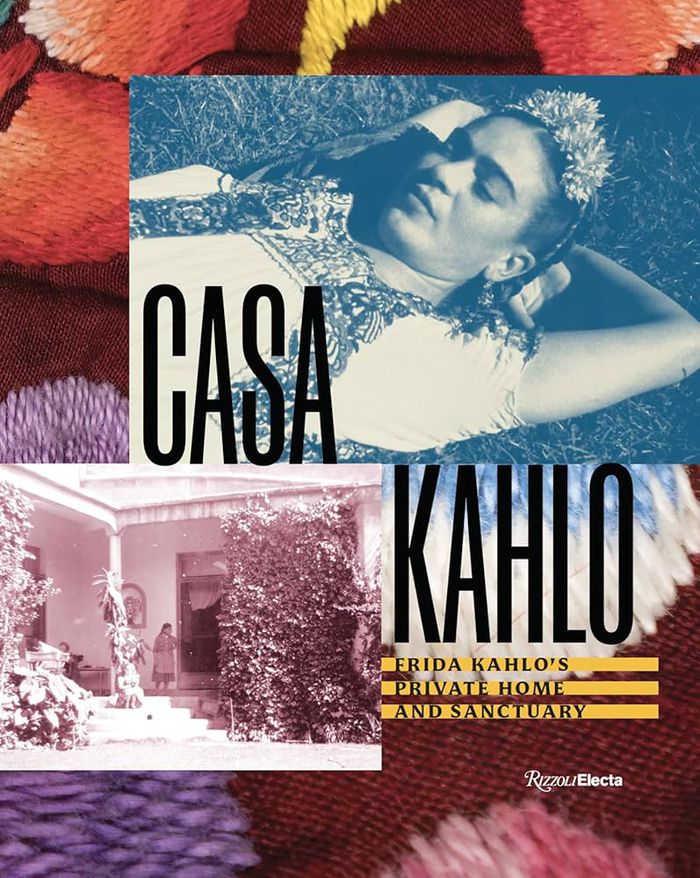
Curated and written by her great-nieces, who lived in the house throughout their lives, this book offers an unparalleled glimpse into Frida Kahlo, opening a new perspective into this iconic artist’s family home and refuge. Casa Kahlo was more than a second home—it was a place where Frida could truly be herself away from the house she shared with her husband, the artist(...)
$75.00
(available in store)
Summary:
Curated and written by her great-nieces, who lived in the house throughout their lives, this book offers an unparalleled glimpse into Frida Kahlo, opening a new perspective into this iconic artist’s family home and refuge. Casa Kahlo was more than a second home—it was a place where Frida could truly be herself away from the house she shared with her husband, the artist(...)
Subject:
Contemporary Art Monographs
Contemporary Art Monographs
Publication:
April 2026
April 2026
Title:
Casa Kahlo: Frida Kahlo's home and sanctuary
Actions:
Price:
$75.00
(available in store)
Summary:
Curated and written by her great-nieces, who lived in the house throughout their lives, this book offers an unparalleled glimpse into Frida Kahlo, opening a new perspective into this iconic artist’s family home and refuge. Casa Kahlo was more than a second home—it was a place where Frida could truly be herself away from the house she shared with her husband, the artist Diego Rivera. At Casa Kahlo—surrounded by her artistic family and the vibrant Indigenous culture she immersed herself in—she spent time with her closest confidantes (her sisters), her friends, and her lovers. The house also served as an additional studio space for Kahlo where she taught art classes to a legion of loyal students who referred to themselves as Los Fridos. Remarkably, Casa Kahlo has been occupied by Frida’s family since they bought the house in 1930. Meticulously documenting the interiors, this book features a rich array of personal items and never-before-published letters and postcards to her sisters, her mother, and her most beloved niece Isolda. Hundreds of personal items offer an intimate view into her artistic environment and personal life: from her early drawings and paintings (including the first painting she showed Rivera at eighteen years old) to later drawings; her distinctive jewelry and clothing; key documents, including her birth and marriage certificates; artworks; and keepsakes ranging from dolls to her taxidermy butterfly collection.
Casa Kahlo: Frida Kahlo's home and sanctuary
Actions:
Price:
$75.00
(available in store)
Summary:
Curated and written by her great-nieces, who lived in the house throughout their lives, this book offers an unparalleled glimpse into Frida Kahlo, opening a new perspective into this iconic artist’s family home and refuge. Casa Kahlo was more than a second home—it was a place where Frida could truly be herself away from the house she shared with her husband, the artist Diego Rivera. At Casa Kahlo—surrounded by her artistic family and the vibrant Indigenous culture she immersed herself in—she spent time with her closest confidantes (her sisters), her friends, and her lovers. The house also served as an additional studio space for Kahlo where she taught art classes to a legion of loyal students who referred to themselves as Los Fridos. Remarkably, Casa Kahlo has been occupied by Frida’s family since they bought the house in 1930. Meticulously documenting the interiors, this book features a rich array of personal items and never-before-published letters and postcards to her sisters, her mother, and her most beloved niece Isolda. Hundreds of personal items offer an intimate view into her artistic environment and personal life: from her early drawings and paintings (including the first painting she showed Rivera at eighteen years old) to later drawings; her distinctive jewelry and clothing; key documents, including her birth and marriage certificates; artworks; and keepsakes ranging from dolls to her taxidermy butterfly collection.
Form:
books
books
Publication:
April 2026
April 2026
Subject:
Contemporary Art Monographs
Contemporary Art Monographs


