


1046 Results
Form:
books
books
Price:
$395.00
(available to order)
Summary:
Cedric Price Works 1952-2003: A Forward-Minded Retrospective by Samantha Hardingham is a two-volume anthology, co-published by the Architectural Association (AA) and the Canadian Centre for Architecture (CCA), and is supported by the Graham Foundation and the Cedric Price Estate. The books bring together for the first time all of the projects, articles and talks of(...)
$395.00
(available to order)
Summary:
Cedric Price Works 1952-2003: A Forward-Minded Retrospective by Samantha Hardingham is a two-volume anthology, co-published by the Architectural Association (AA) and the Canadian Centre for Architecture (CCA), and is supported by the Graham Foundation and the Cedric Price Estate. The books bring together for the first time all of the projects, articles and talks of(...)
Publication:
January 2017
January 2017
Title:
Cedric Price Works, 1952-2003: A forward-minded retrospective
Actions:
Price:
$395.00
(available to order)
Summary:
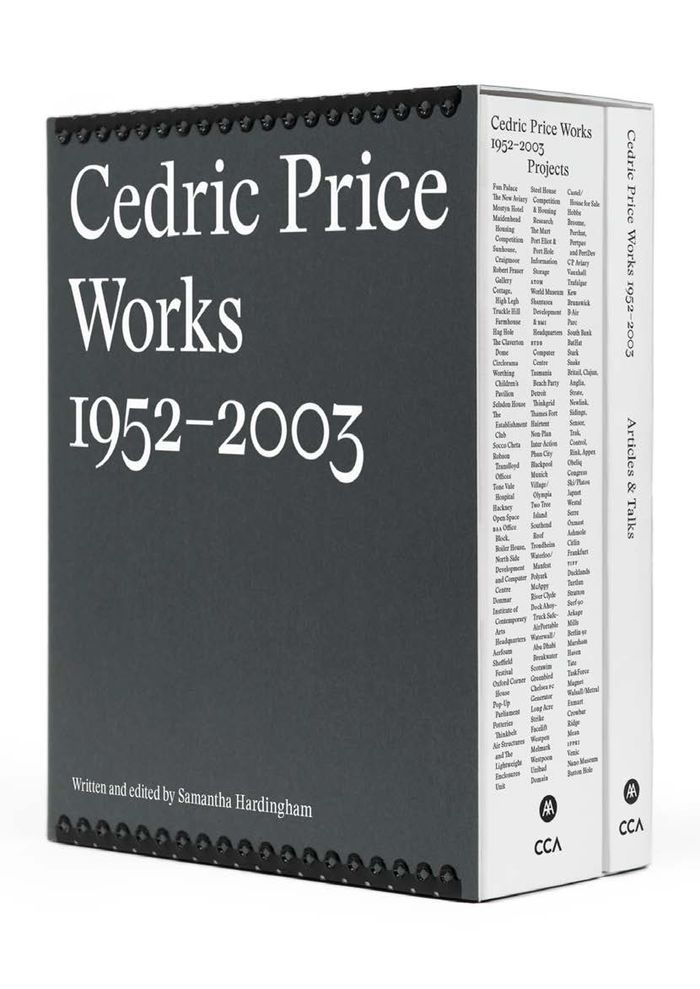
Cedric Price Works 1952-2003: A Forward-Minded Retrospective by Samantha Hardingham is a two-volume anthology, co-published by the Architectural Association (AA) and the Canadian Centre for Architecture (CCA), and is supported by the Graham Foundation and the Cedric Price Estate. The books bring together for the first time all of the projects, articles and talks of British architect Cedric Price, aiming to present his munificence as thinker, philosopher and designer. A student at the AA in the 1950s, Price established his office in London in 1960 and went on to produce some of architecture's most intensely imaginative and experimental projects of the latter half of the 20th century. His work is central in defining architectural discourse around the emerging postwar themes of mobility and indeterminacy in design. 2 Volumes in a custom-made slipcase, 912 pages and 512 pages respectively. 1,255 colour and b illustrations.
Cedric Price Works, 1952-2003: A forward-minded retrospective
Actions:
Price:
$395.00
(available to order)
Summary:
Cedric Price Works 1952-2003: A Forward-Minded Retrospective by Samantha Hardingham is a two-volume anthology, co-published by the Architectural Association (AA) and the Canadian Centre for Architecture (CCA), and is supported by the Graham Foundation and the Cedric Price Estate. The books bring together for the first time all of the projects, articles and talks of British architect Cedric Price, aiming to present his munificence as thinker, philosopher and designer. A student at the AA in the 1950s, Price established his office in London in 1960 and went on to produce some of architecture's most intensely imaginative and experimental projects of the latter half of the 20th century. His work is central in defining architectural discourse around the emerging postwar themes of mobility and indeterminacy in design. 2 Volumes in a custom-made slipcase, 912 pages and 512 pages respectively. 1,255 colour and b illustrations.
Form:
books
books
Publication:
January 2017
January 2017
Form:
books
books
Actions:
Price:
$39.95
(available to order)
Summary:
Designed to be a companion to the classic title "1000 Chairs", this edition contains a selection of over 1000 lights. Presented chronologically by decade are history’s most interesting electric lights, from Edison's first light to Tiffany's beautiful leaded glass shades to completely outrageous designs from the late 1960s and 1970s to the latest high-tech LED lamps. All(...)
$39.95
(available to order)
Summary:
Designed to be a companion to the classic title "1000 Chairs", this edition contains a selection of over 1000 lights. Presented chronologically by decade are history’s most interesting electric lights, from Edison's first light to Tiffany's beautiful leaded glass shades to completely outrageous designs from the late 1960s and 1970s to the latest high-tech LED lamps. All(...)
Subject:
Interior Design
Interior Design
Publication:
September 2006, Cologne
September 2006, Cologne
Title:
1000 Lights. 1000 Leuchten. 1000 Luminaires
Actions:
Price:
$39.95
(available to order)
Summary:
Designed to be a companion to the classic title "1000 Chairs", this edition contains a selection of over 1000 lights. Presented chronologically by decade are history’s most interesting electric lights, from Edison's first light to Tiffany's beautiful leaded glass shades to completely outrageous designs from the late 1960s and 1970s to the latest high-tech LED lamps. All major styles are represented here - Arts & Crafts, Art Nouveau, Art Deco, Modern Movement, De Stijl, Postwar, Pop, Radical, Post-Modern, and Contemporary. / La design des luminaires depuis l'invention de l'ampoule électrique. Découvrez plus de 1000 exemplaires de l'histoire des luminaires les plus intéressants : de la première ampoule d'Edison aux superbes abat-jours en vitrail de Tiffany et aux modèles les plus audacieux de la fin des années 1960 et des années 1970 jusqu'aux dernières créations à base de LEDs. Vous les trouverez dans cet ouvrage, présentés chronologiquement par décennie. Tous les grands styles sont présents dans 704 pages de créations lumineuses.
1000 Lights. 1000 Leuchten. 1000 Luminaires
Actions:
Price:
$39.95
(available to order)
Summary:
Designed to be a companion to the classic title "1000 Chairs", this edition contains a selection of over 1000 lights. Presented chronologically by decade are history’s most interesting electric lights, from Edison's first light to Tiffany's beautiful leaded glass shades to completely outrageous designs from the late 1960s and 1970s to the latest high-tech LED lamps. All major styles are represented here - Arts & Crafts, Art Nouveau, Art Deco, Modern Movement, De Stijl, Postwar, Pop, Radical, Post-Modern, and Contemporary. / La design des luminaires depuis l'invention de l'ampoule électrique. Découvrez plus de 1000 exemplaires de l'histoire des luminaires les plus intéressants : de la première ampoule d'Edison aux superbes abat-jours en vitrail de Tiffany et aux modèles les plus audacieux de la fin des années 1960 et des années 1970 jusqu'aux dernières créations à base de LEDs. Vous les trouverez dans cet ouvrage, présentés chronologiquement par décennie. Tous les grands styles sont présents dans 704 pages de créations lumineuses.
Form:
books
books
Publication:
September 2006, Cologne
September 2006, Cologne
Subject:
Interior Design
Interior Design
Form:
books
books
Price:
$22.95
(available in store)
Summary:
Comprised of two steel and concrete towers outfitted with 140 prefabricated living capsules, the ''Nakagin Capsule Tower'' in Tokyo is one of the most iconic and influential architectural marvels of the postwar period. A touchstone of the Metabolist movement, the tower was designed by the office of Japanese architect Kisho Kurokawa (1934–2007) and completed between 1970(...)
$22.95
(available in store)
Summary:
Comprised of two steel and concrete towers outfitted with 140 prefabricated living capsules, the ''Nakagin Capsule Tower'' in Tokyo is one of the most iconic and influential architectural marvels of the postwar period. A touchstone of the Metabolist movement, the tower was designed by the office of Japanese architect Kisho Kurokawa (1934–2007) and completed between 1970(...)
Title:
Kisho Kurokawa: Nakagin Capsule Tower. MoMA one on one series
Actions:
Price:
$22.95
(available in store)
Summary:
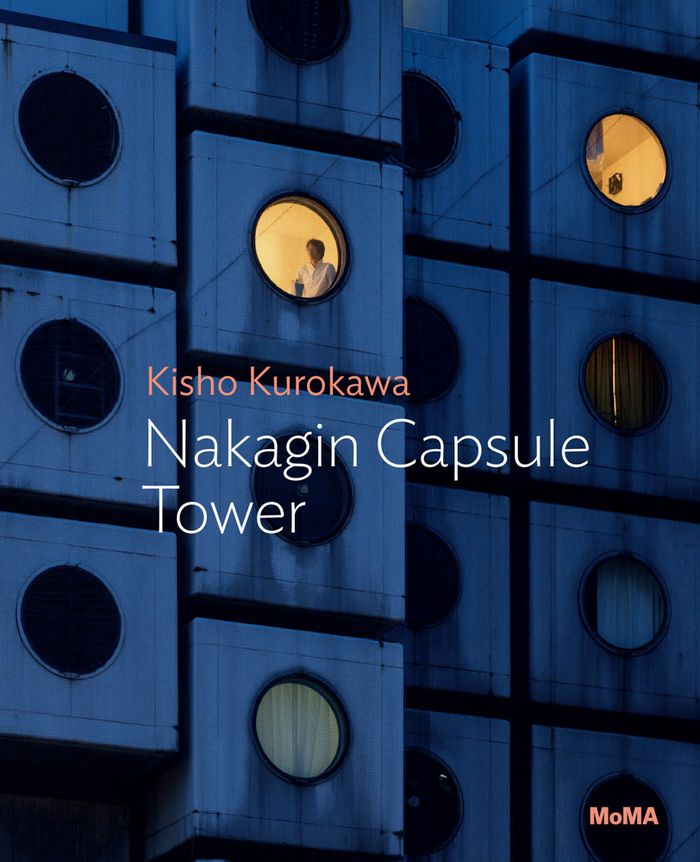
Comprised of two steel and concrete towers outfitted with 140 prefabricated living capsules, the ''Nakagin Capsule Tower'' in Tokyo is one of the most iconic and influential architectural marvels of the postwar period. A touchstone of the Metabolist movement, the tower was designed by the office of Japanese architect Kisho Kurokawa (1934–2007) and completed between 1970 and 1972. Each capsule was intended for single occupancy and came outfitted with its own ensuite bathroom, a foldout desk, a telephone, a reel-to-reel tape player, a Sony color television and a "porthole" window overlooking the city. In this volume of the MoMA ''One on One'' series, curator Evangelos Kotsioris delves into the groundbreaking design, construction, evolution and ultimate need for the demolition of this remarkable structure in 2022. It is published in advance of MoMA's exhibition of one of the original capsules, the first to be publicly shown in the United States.
Kisho Kurokawa: Nakagin Capsule Tower. MoMA one on one series
Actions:
Price:
$22.95
(available in store)
Summary:
Comprised of two steel and concrete towers outfitted with 140 prefabricated living capsules, the ''Nakagin Capsule Tower'' in Tokyo is one of the most iconic and influential architectural marvels of the postwar period. A touchstone of the Metabolist movement, the tower was designed by the office of Japanese architect Kisho Kurokawa (1934–2007) and completed between 1970 and 1972. Each capsule was intended for single occupancy and came outfitted with its own ensuite bathroom, a foldout desk, a telephone, a reel-to-reel tape player, a Sony color television and a "porthole" window overlooking the city. In this volume of the MoMA ''One on One'' series, curator Evangelos Kotsioris delves into the groundbreaking design, construction, evolution and ultimate need for the demolition of this remarkable structure in 2022. It is published in advance of MoMA's exhibition of one of the original capsules, the first to be publicly shown in the United States.
Form:
books
books
Publication:
August 2025
August 2025
Subject:
Architecture Monographs
Architecture Monographs
Form:
books
books
Title:
The gatherers
The gatherers
Actions:
Price:
$45.00
(available in store)
Summary:
Accompanying the major exhibition at MoMA PS1, The Gatherers brings together original texts on issues relating to waste, accumulation and excess. In a time when social and political lives are shaped by the glut of garbage and information, the exhibition draws methodological parallels between 14 artists across four continents. This compendium features full-color(...)
$45.00
(available in store)
Summary:
Accompanying the major exhibition at MoMA PS1, The Gatherers brings together original texts on issues relating to waste, accumulation and excess. In a time when social and political lives are shaped by the glut of garbage and information, the exhibition draws methodological parallels between 14 artists across four continents. This compendium features full-color(...)
Title:
The gatherers
Actions:
Price:
$45.00
(available in store)
Summary:
Accompanying the major exhibition at MoMA PS1, The Gatherers brings together original texts on issues relating to waste, accumulation and excess. In a time when social and political lives are shaped by the glut of garbage and information, the exhibition draws methodological parallels between 14 artists across four continents. This compendium features full-color illustrations of their artworks, which span sculptural installation, assemblage, painting, video and performance. In a longform essay, Ruba Katrib contextualizes their practices within the promises and failures of neoliberalism, the shifting constructions of East and West and the explosion of new technologies. Additionally, the catalog situates their practices within larger art historical trends, from Greek asàrotos òikos and Dutch still lifes, to 20th-century Surrealism and postwar assemblage. With newly commissioned texts on each of the participating artists by leading curators, theorists and writers from across the globe, the catalog offers incisive critical writing on issues in contemporary art and the 21st century.
The gatherers
Actions:
Price:
$45.00
(available in store)
Summary:
Accompanying the major exhibition at MoMA PS1, The Gatherers brings together original texts on issues relating to waste, accumulation and excess. In a time when social and political lives are shaped by the glut of garbage and information, the exhibition draws methodological parallels between 14 artists across four continents. This compendium features full-color illustrations of their artworks, which span sculptural installation, assemblage, painting, video and performance. In a longform essay, Ruba Katrib contextualizes their practices within the promises and failures of neoliberalism, the shifting constructions of East and West and the explosion of new technologies. Additionally, the catalog situates their practices within larger art historical trends, from Greek asàrotos òikos and Dutch still lifes, to 20th-century Surrealism and postwar assemblage. With newly commissioned texts on each of the participating artists by leading curators, theorists and writers from across the globe, the catalog offers incisive critical writing on issues in contemporary art and the 21st century.
Form:
books
books
Publication:
October 2025
October 2025
Form:
books
books
Title:
Bruce Goff: Material worlds
Bruce Goff: Material worlds
Actions:
Price:
$73.00
(available in store)
Summary:
Celebrated as one of the most innovative and daring architects of the twentieth century, Bruce Goff (1904–1982) imagined a truly independent modern American architecture throughout his six-decade-long career, which began when he was just twelve years old, working as an apprentice at an architectural firm in Tulsa, Oklahoma. Distinguishing himself from the restrained(...)
$73.00
(available in store)
Summary:
Celebrated as one of the most innovative and daring architects of the twentieth century, Bruce Goff (1904–1982) imagined a truly independent modern American architecture throughout his six-decade-long career, which began when he was just twelve years old, working as an apprentice at an architectural firm in Tulsa, Oklahoma. Distinguishing himself from the restrained(...)
Title:
Bruce Goff: Material worlds
Actions:
Price:
$73.00
(available in store)
Summary:
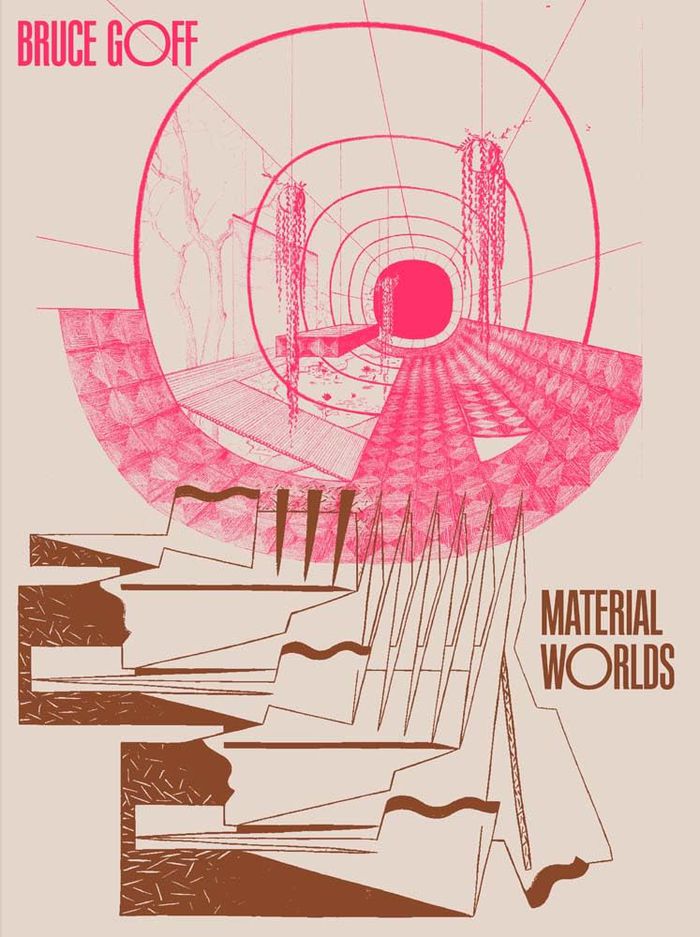
Celebrated as one of the most innovative and daring architects of the twentieth century, Bruce Goff (1904–1982) imagined a truly independent modern American architecture throughout his six-decade-long career, which began when he was just twelve years old, working as an apprentice at an architectural firm in Tulsa, Oklahoma. Distinguishing himself from the restrained modernism of the postwar period, Goff created single-family homes that were at once livable and adventurous, featuring radical spatial relationships, and designed fantastical large-scale commercial and industrial spaces. His architectural legacy often overshadows his equally experimental artistic career; this book explores the full sweep of Goff’s creativity, which flowed between media and artistic practices. It highlights 150 objects, including architectural drawings and models; abstract paintings; and photographs, ephemera, and building fragments. Inspired by a range of cultural and artistic traditions, from Native American art to Japanese joinery and the landscapes of science fiction, Goff’s work represents a unique synthesis of diverse influences.
Bruce Goff: Material worlds
Actions:
Price:
$73.00
(available in store)
Summary:
Celebrated as one of the most innovative and daring architects of the twentieth century, Bruce Goff (1904–1982) imagined a truly independent modern American architecture throughout his six-decade-long career, which began when he was just twelve years old, working as an apprentice at an architectural firm in Tulsa, Oklahoma. Distinguishing himself from the restrained modernism of the postwar period, Goff created single-family homes that were at once livable and adventurous, featuring radical spatial relationships, and designed fantastical large-scale commercial and industrial spaces. His architectural legacy often overshadows his equally experimental artistic career; this book explores the full sweep of Goff’s creativity, which flowed between media and artistic practices. It highlights 150 objects, including architectural drawings and models; abstract paintings; and photographs, ephemera, and building fragments. Inspired by a range of cultural and artistic traditions, from Native American art to Japanese joinery and the landscapes of science fiction, Goff’s work represents a unique synthesis of diverse influences.
Form:
books
books
Publication:
December 2025
December 2025
Subject:
Architecture Monographs
Architecture Monographs
Form:
books
books
Actions:
Price:
$42.00
(available to order)
Summary:
By the end of the twentieth century, US architecture and engineering firms held more capital than entire countries, employed more people than were housed in most cities, and rented offices in more nations than comprised the UN. Within them, architects were designing not single buildings but urban systems, including the multinational infrastructures, legal codes, and(...)
$42.00
(available to order)
Summary:
By the end of the twentieth century, US architecture and engineering firms held more capital than entire countries, employed more people than were housed in most cities, and rented offices in more nations than comprised the UN. Within them, architects were designing not single buildings but urban systems, including the multinational infrastructures, legal codes, and(...)
Title:
Incoporating architects: How American architecture became a practice of empire
Actions:
Price:
$42.00
(available to order)
Summary:
By the end of the twentieth century, US architecture and engineering firms held more capital than entire countries, employed more people than were housed in most cities, and rented offices in more nations than comprised the UN. Within them, architects were designing not single buildings but urban systems, including the multinational infrastructures, legal codes, and financial mechanisms on which those systems came to depend. However, despite the extraordinary power of these architects, their histories remain shrouded in myth and concealed—by design. This forensic analysis traces a history of architects at one such firm, AECOM, as they assembled their own multinational corporation and embedded themselves in the operations of American empire after World War II, shielding themselves from the instabilities of a postwar political economy. ''Incorporating Architects'' reveals how architects, through their businesses more than their drawings or buildings, modulated the political economy, gripped the reins of their profession, and produced the global injustices that define our neoliberal present.
Incoporating architects: How American architecture became a practice of empire
Actions:
Price:
$42.00
(available to order)
Summary:
By the end of the twentieth century, US architecture and engineering firms held more capital than entire countries, employed more people than were housed in most cities, and rented offices in more nations than comprised the UN. Within them, architects were designing not single buildings but urban systems, including the multinational infrastructures, legal codes, and financial mechanisms on which those systems came to depend. However, despite the extraordinary power of these architects, their histories remain shrouded in myth and concealed—by design. This forensic analysis traces a history of architects at one such firm, AECOM, as they assembled their own multinational corporation and embedded themselves in the operations of American empire after World War II, shielding themselves from the instabilities of a postwar political economy. ''Incorporating Architects'' reveals how architects, through their businesses more than their drawings or buildings, modulated the political economy, gripped the reins of their profession, and produced the global injustices that define our neoliberal present.
Form:
books
books
Publication:
June 2025
June 2025
Subject:
Architectural Theory
Architectural Theory
Form:
books
books
Actions:
Price:
$65.00
(available in store)
Summary:
''Constructive Clarity: Max Bill and His Time, 1940–1952'', the second installment of art historian Angela Thomas’s multivolume biography, continues her meticulous exploration of the life and work of the influential artist. Max Bill was undoubtedly one of the most versatile artists of the twentieth century––a designer, painter, sculptor, architect, graphic designer,(...)
$65.00
(available in store)
Summary:
''Constructive Clarity: Max Bill and His Time, 1940–1952'', the second installment of art historian Angela Thomas’s multivolume biography, continues her meticulous exploration of the life and work of the influential artist. Max Bill was undoubtedly one of the most versatile artists of the twentieth century––a designer, painter, sculptor, architect, graphic designer,(...)
Title:
Constructive clarity: Max Bill and his time
Actions:
Price:
$65.00
(available in store)
Summary:
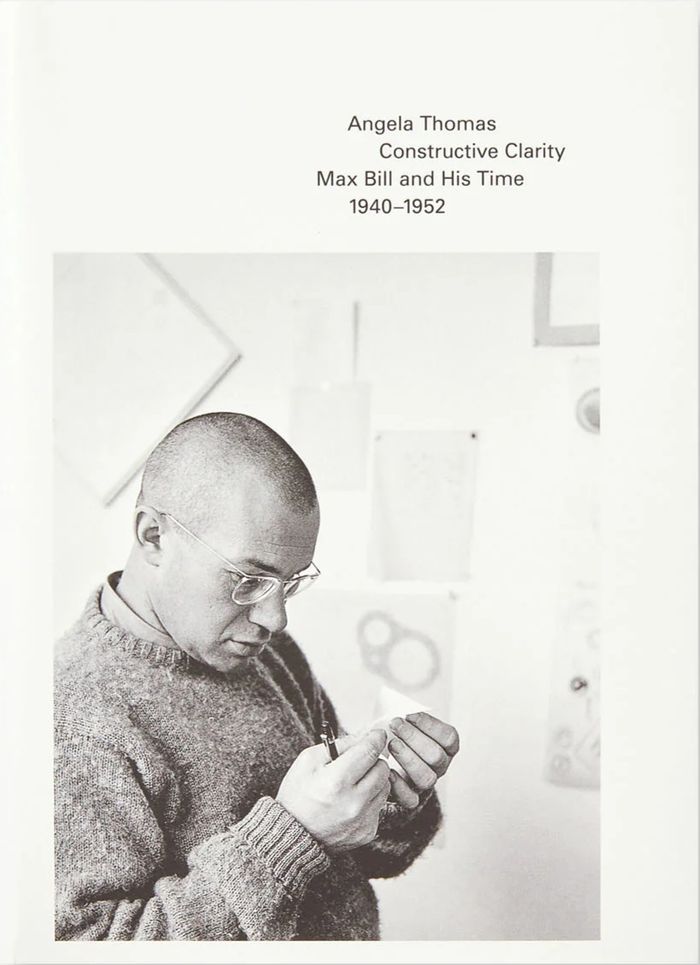
''Constructive Clarity: Max Bill and His Time, 1940–1952'', the second installment of art historian Angela Thomas’s multivolume biography, continues her meticulous exploration of the life and work of the influential artist. Max Bill was undoubtedly one of the most versatile artists of the twentieth century––a designer, painter, sculptor, architect, graphic designer, typographer, writer, curator, teacher, and politician––who influenced generations of artists. Picking up where the first volume left off,Thomas turns her attention to Bill’s life during World War II, exploring the ground-breaking artistic and intellectual networks to which Bill belonged: from his time at the Bauhaus in Dessau to his connections with the Parisian avant-garde and his lifelong friendship with Georges Vantongerloo. His importance as a writer, publisher, and exhibition organizer comes to the fore in this volume, as does his crucial influence on the development of Concrete art in South America and his active interest in urban planning and postwar reconstruction. contexts in which he worked.
Constructive clarity: Max Bill and his time
Actions:
Price:
$65.00
(available in store)
Summary:
''Constructive Clarity: Max Bill and His Time, 1940–1952'', the second installment of art historian Angela Thomas’s multivolume biography, continues her meticulous exploration of the life and work of the influential artist. Max Bill was undoubtedly one of the most versatile artists of the twentieth century––a designer, painter, sculptor, architect, graphic designer, typographer, writer, curator, teacher, and politician––who influenced generations of artists. Picking up where the first volume left off,Thomas turns her attention to Bill’s life during World War II, exploring the ground-breaking artistic and intellectual networks to which Bill belonged: from his time at the Bauhaus in Dessau to his connections with the Parisian avant-garde and his lifelong friendship with Georges Vantongerloo. His importance as a writer, publisher, and exhibition organizer comes to the fore in this volume, as does his crucial influence on the development of Concrete art in South America and his active interest in urban planning and postwar reconstruction. contexts in which he worked.
Form:
books
books
Publication:
October 2024
October 2024
Subject:
Graphic Designers, Monographs
Graphic Designers, Monographs
Form:
books
books
Actions:
Price:
$89.95
(available in store)
Summary:
Minor White, Aaron Siskind, and Harry Callahan carved out a new role for photographers and their art in the decades after World War Two. "Photography as a way of life" traces how these influential teachers and theorists reimagined the medium as a livelihood and a life’s work. Together with growing markets for snapshots and photojournalism, the postwar years saw the(...)
$89.95
(available in store)
Summary:
Minor White, Aaron Siskind, and Harry Callahan carved out a new role for photographers and their art in the decades after World War Two. "Photography as a way of life" traces how these influential teachers and theorists reimagined the medium as a livelihood and a life’s work. Together with growing markets for snapshots and photojournalism, the postwar years saw the(...)
Title:
Photography as a way of life: Minor White, Aaron Siskind, and Harry Callahan
Actions:
Price:
$89.95
(available in store)
Summary:
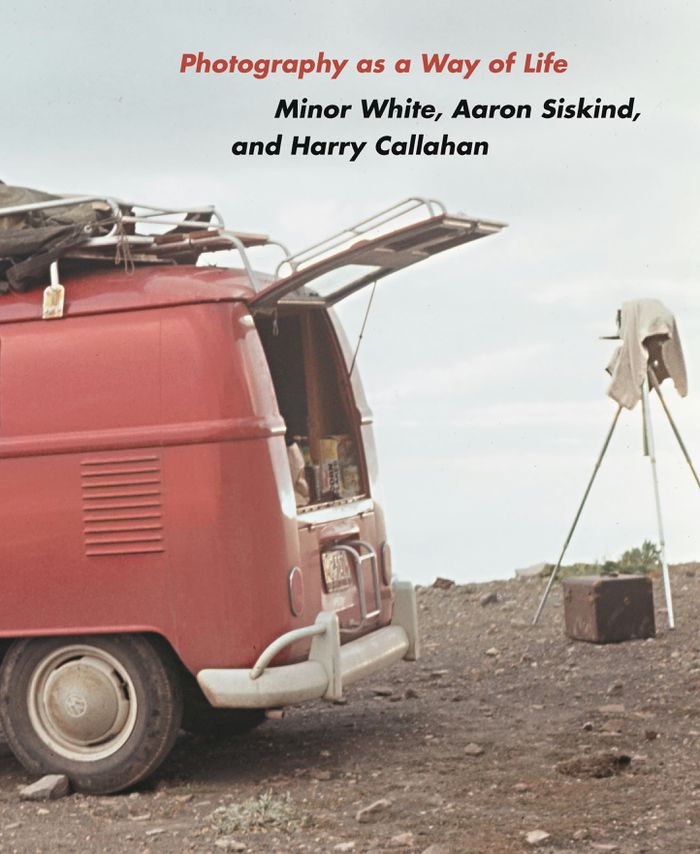
Minor White, Aaron Siskind, and Harry Callahan carved out a new role for photographers and their art in the decades after World War Two. "Photography as a way of life" traces how these influential teachers and theorists reimagined the medium as a livelihood and a life’s work. Together with growing markets for snapshots and photojournalism, the postwar years saw the emergence of photography as an established field of study in higher education. In this beautifully produced book, Brendan Fay takes readers from the late 1940s through the 1970s to explore how White, Siskind, and Callahan transformed the ways photography was taught, shown, and understood. Inclined toward abstraction and personally expressive images, they modeled a commitment to art in the face of commercial and professional pressures. In classrooms and private workshops and through exhibitions, photobooks, and magazines—including Aperture, with White as its founding editor—they offered training and inspiration while building a devoted audience for their pictures.
Photography as a way of life: Minor White, Aaron Siskind, and Harry Callahan
Actions:
Price:
$89.95
(available in store)
Summary:
Minor White, Aaron Siskind, and Harry Callahan carved out a new role for photographers and their art in the decades after World War Two. "Photography as a way of life" traces how these influential teachers and theorists reimagined the medium as a livelihood and a life’s work. Together with growing markets for snapshots and photojournalism, the postwar years saw the emergence of photography as an established field of study in higher education. In this beautifully produced book, Brendan Fay takes readers from the late 1940s through the 1970s to explore how White, Siskind, and Callahan transformed the ways photography was taught, shown, and understood. Inclined toward abstraction and personally expressive images, they modeled a commitment to art in the face of commercial and professional pressures. In classrooms and private workshops and through exhibitions, photobooks, and magazines—including Aperture, with White as its founding editor—they offered training and inspiration while building a devoted audience for their pictures.
Form:
books
books
Publication:
May 2026
May 2026
Subject:
Theory of Photography
Theory of Photography
Form:
books
books
Actions:
Price:
$35.00
(available in store)
Summary:
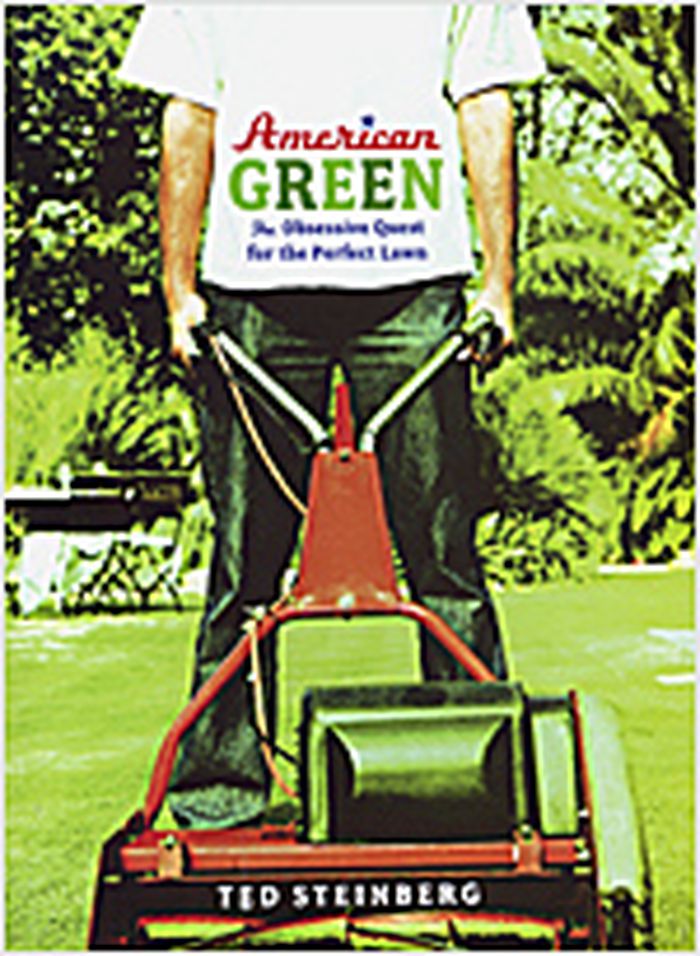
The rise of the perfect lawn represents one of the most profound transformations in the history of the American landscape. Today the lawn is one of America's leading "crops," outstripping cotton in acres by a factor of two. "American green", Ted Steinberg's exposé of this phenomenon, traces the history of the lawn from its explosion in the postwar suburban community of(...)
$35.00
(available in store)
Summary:
The rise of the perfect lawn represents one of the most profound transformations in the history of the American landscape. Today the lawn is one of America's leading "crops," outstripping cotton in acres by a factor of two. "American green", Ted Steinberg's exposé of this phenomenon, traces the history of the lawn from its explosion in the postwar suburban community of(...)
Title:
American green : the obsessive quest for the perfect lawn
Actions:
Price:
$35.00
(available in store)
Summary:
The rise of the perfect lawn represents one of the most profound transformations in the history of the American landscape. Today the lawn is one of America's leading "crops," outstripping cotton in acres by a factor of two. "American green", Ted Steinberg's exposé of this phenomenon, traces the history of the lawn from its explosion in the postwar suburban community of Levittown—just miles from where Steinberg grew up—to the present love affair with turf colorants, leaf blowers, and riding mowers. For half a century, Americans have been on a quest for the greenest, weed-free, ultra-trim turf imaginable. But perfection has its costs. Blending muckraking journalism and social history, Steinberg looks at both the lighter and the darker side of the all-American landscape, from mower accidents and pesticide poisonings to lawnmower racing and the man so addicted to perfection that he re-created Augusta's 12th hole in his backyard.
American green : the obsessive quest for the perfect lawn
Actions:
Price:
$35.00
(available in store)
Summary:
The rise of the perfect lawn represents one of the most profound transformations in the history of the American landscape. Today the lawn is one of America's leading "crops," outstripping cotton in acres by a factor of two. "American green", Ted Steinberg's exposé of this phenomenon, traces the history of the lawn from its explosion in the postwar suburban community of Levittown—just miles from where Steinberg grew up—to the present love affair with turf colorants, leaf blowers, and riding mowers. For half a century, Americans have been on a quest for the greenest, weed-free, ultra-trim turf imaginable. But perfection has its costs. Blending muckraking journalism and social history, Steinberg looks at both the lighter and the darker side of the all-American landscape, from mower accidents and pesticide poisonings to lawnmower racing and the man so addicted to perfection that he re-created Augusta's 12th hole in his backyard.
Form:
books
books
Publication:
March 2006, New York
March 2006, New York
Subject:
Landscape Theory
Landscape Theory
Form:
books
books
Actions:
Price:
$58.95
(available to order)
Summary:
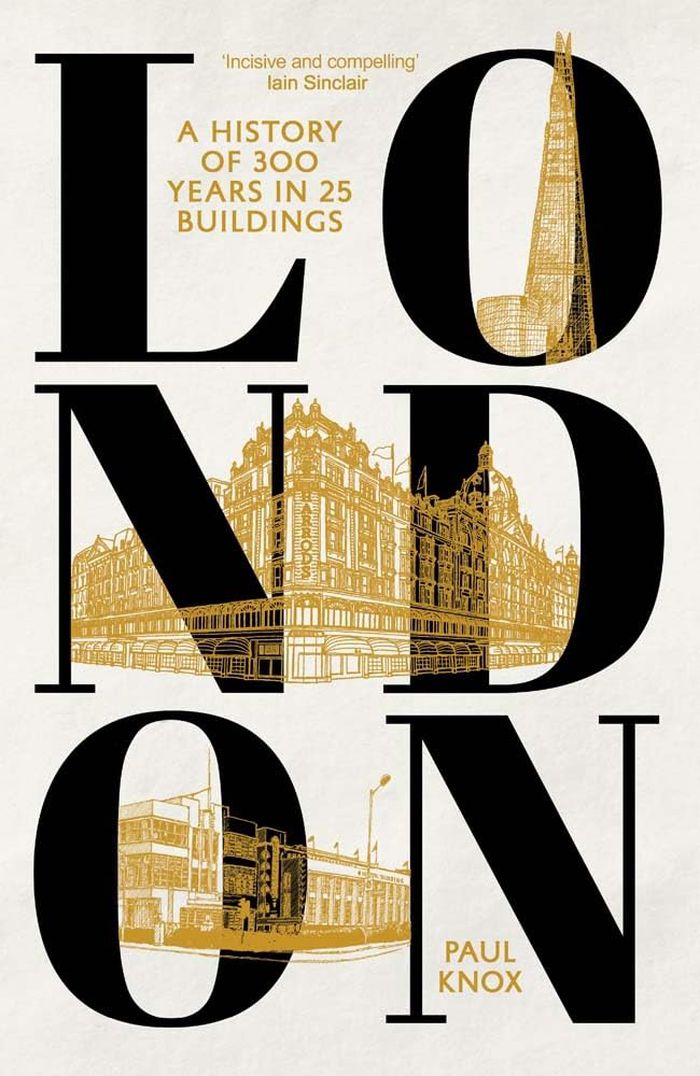
A walk along any London street takes you past a wealth of seemingly ordinary buildings: an Edwardian church, modernist postwar council housing, stuccoed Italianate terraces, a Bauhaus-inspired library. But these buildings are not just functional. They are evidence of London’s rich and diverse history and have shaped people’s experiences, identities, and relationships. In(...)
$58.95
(available to order)
Summary:
A walk along any London street takes you past a wealth of seemingly ordinary buildings: an Edwardian church, modernist postwar council housing, stuccoed Italianate terraces, a Bauhaus-inspired library. But these buildings are not just functional. They are evidence of London’s rich and diverse history and have shaped people’s experiences, identities, and relationships. In(...)
Title:
London: A history of 300 years in 25 buildings
Actions:
Price:
$58.95
(available to order)
Summary:
A walk along any London street takes you past a wealth of seemingly ordinary buildings: an Edwardian church, modernist postwar council housing, stuccoed Italianate terraces, a Bauhaus-inspired library. But these buildings are not just functional. They are evidence of London’s rich and diverse history and have shaped people’s experiences, identities, and relationships. In this engaging study, Paul L. Knox traces the history of London from the Georgian era to the present day through twenty-five surviving buildings. Knox explores where people lived and worked, from grand Regency squares to Victorian workshops, and highlights the impact of migration, gentrification, and inequality. We see famous buildings, like Harrods and Abbey Road Studios, and everyday places like Rochelle Street School and Thamesmead. Each historical period has introduced new buildings, and old ones have been repurposed. As Knox shows, it is the living history of these buildings that makes up the vibrant, but exceptionally unequal, city of today.
London: A history of 300 years in 25 buildings
Actions:
Price:
$58.95
(available to order)
Summary:
A walk along any London street takes you past a wealth of seemingly ordinary buildings: an Edwardian church, modernist postwar council housing, stuccoed Italianate terraces, a Bauhaus-inspired library. But these buildings are not just functional. They are evidence of London’s rich and diverse history and have shaped people’s experiences, identities, and relationships. In this engaging study, Paul L. Knox traces the history of London from the Georgian era to the present day through twenty-five surviving buildings. Knox explores where people lived and worked, from grand Regency squares to Victorian workshops, and highlights the impact of migration, gentrification, and inequality. We see famous buildings, like Harrods and Abbey Road Studios, and everyday places like Rochelle Street School and Thamesmead. Each historical period has introduced new buildings, and old ones have been repurposed. As Knox shows, it is the living history of these buildings that makes up the vibrant, but exceptionally unequal, city of today.
Form:
books
books
Publication:
May 2024
May 2024


