


12372 Results
Form:
books
books
Actions:
Price:
$33.95
(available to order)
Summary:
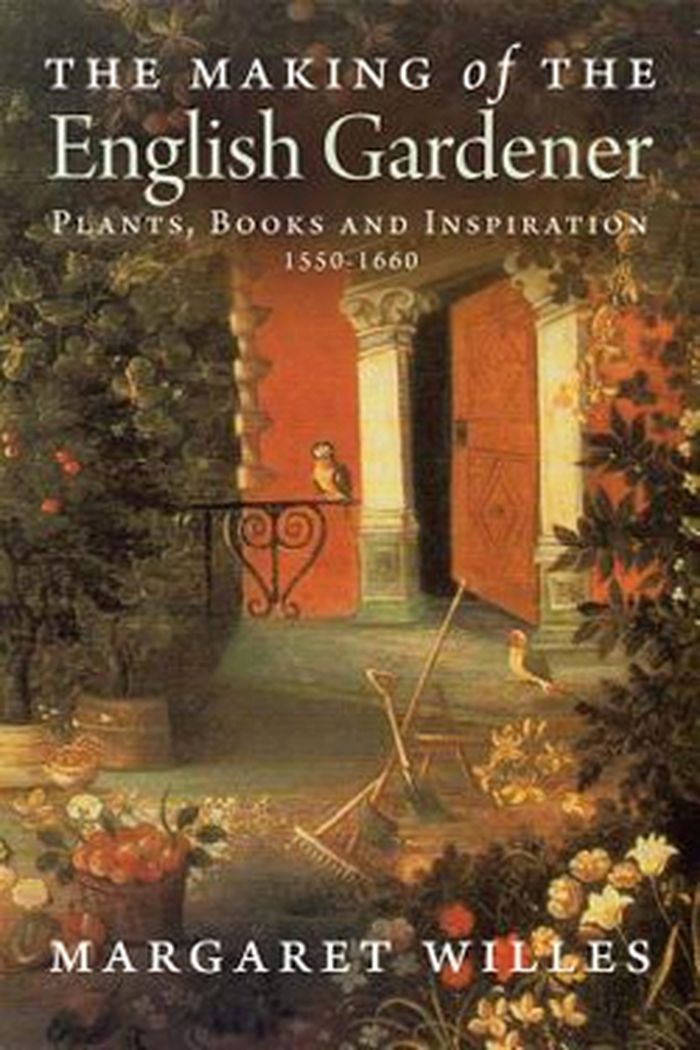
Margaret Willes introduces a plethora of garden enthusiasts, from the renowned to the legions of anonymous workers who created and tended the great estates. Packed with illustrations from the herbals, design treatises, and practical manuals that inspired these men — and occasionally women — Willes's book charts how England's garden grew.
$33.95
(available to order)
Summary:
Margaret Willes introduces a plethora of garden enthusiasts, from the renowned to the legions of anonymous workers who created and tended the great estates. Packed with illustrations from the herbals, design treatises, and practical manuals that inspired these men — and occasionally women — Willes's book charts how England's garden grew.
Title:
The making of the English gardener : plants, books and inspiration, 1560-1660
Actions:
Price:
$33.95
(available to order)
Summary:
Margaret Willes introduces a plethora of garden enthusiasts, from the renowned to the legions of anonymous workers who created and tended the great estates. Packed with illustrations from the herbals, design treatises, and practical manuals that inspired these men — and occasionally women — Willes's book charts how England's garden grew.
The making of the English gardener : plants, books and inspiration, 1560-1660
Actions:
Price:
$33.95
(available to order)
Summary:
Margaret Willes introduces a plethora of garden enthusiasts, from the renowned to the legions of anonymous workers who created and tended the great estates. Packed with illustrations from the herbals, design treatises, and practical manuals that inspired these men — and occasionally women — Willes's book charts how England's garden grew.
Form:
books
books
Publication:
August 2013
August 2013
Subject:
Landscape Theory
Landscape Theory
Form:
books
books
Actions:
Price:
$55.00
(available to order)
Summary:
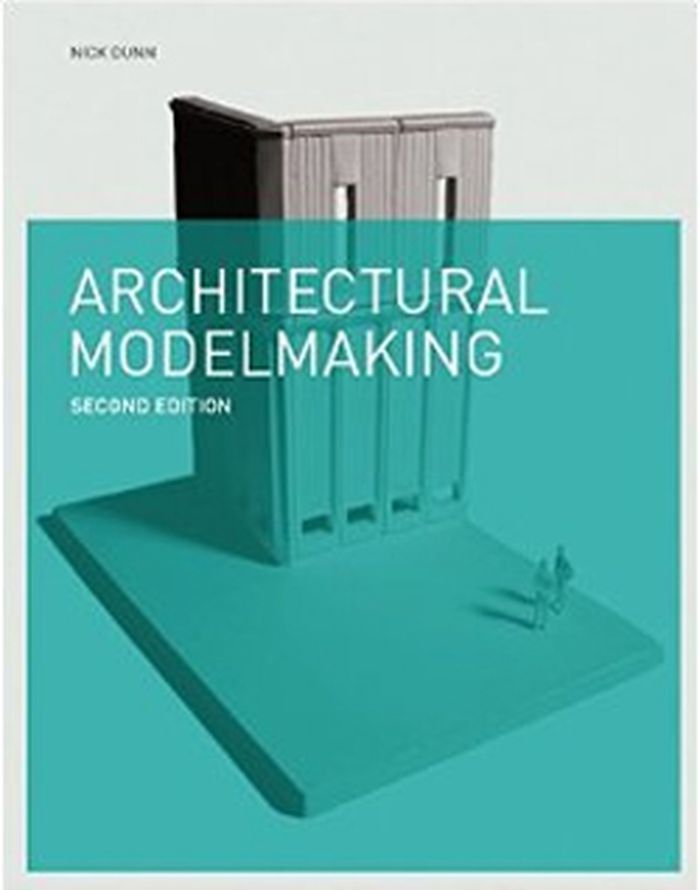
This book focuses on the inspiring possibilities for modeling the built environment with all the different media and techniques available. In describing the use of different models in different contexts, the book provides a practical guide to how and why models are used and what they are used for.
$55.00
(available to order)
Summary:
This book focuses on the inspiring possibilities for modeling the built environment with all the different media and techniques available. In describing the use of different models in different contexts, the book provides a practical guide to how and why models are used and what they are used for.
Title:
Architectural modelmaking, second edition
Actions:
Price:
$55.00
(available to order)
Summary:
This book focuses on the inspiring possibilities for modeling the built environment with all the different media and techniques available. In describing the use of different models in different contexts, the book provides a practical guide to how and why models are used and what they are used for.
Architectural modelmaking, second edition
Actions:
Price:
$55.00
(available to order)
Summary:
This book focuses on the inspiring possibilities for modeling the built environment with all the different media and techniques available. In describing the use of different models in different contexts, the book provides a practical guide to how and why models are used and what they are used for.
Form:
books
books
Publication:
September 2014
September 2014
Subject:
Models
Models
Form:
books
books
Title:
Nietzsche for architects
Nietzsche for architects
Actions:
Price:
$48.95
(available to order)
Summary:
Nietzsche’s philosophy is provocative and complex and has been hugely influential on modern intellectual history and European culture. But his critical approach and writing style invites misunderstandings, sometimes with disastrous consequences. His ideas—or those loosely associated with him—are often briefly cited in scholarly studies in architectural theory and history.(...)
$48.95
(available to order)
Summary:
Nietzsche’s philosophy is provocative and complex and has been hugely influential on modern intellectual history and European culture. But his critical approach and writing style invites misunderstandings, sometimes with disastrous consequences. His ideas—or those loosely associated with him—are often briefly cited in scholarly studies in architectural theory and history.(...)
Title:
Nietzsche for architects
Actions:
Price:
$48.95
(available to order)
Summary:
Nietzsche’s philosophy is provocative and complex and has been hugely influential on modern intellectual history and European culture. But his critical approach and writing style invites misunderstandings, sometimes with disastrous consequences. His ideas—or those loosely associated with him—are often briefly cited in scholarly studies in architectural theory and history. His ideas are thought to have influenced the theories and designs of such iconic architects as Le Corbusier, Henry van de Velde, Bruno Taut, Louis H. Sullivan, Lebbeus Woods, and Peter Eisenman, as well as competing approaches to architecture and design, such as those adopted by the Bauhaus School and the Nazis. In the bewildering array of architectural positions that lay claim to Nietzsche as an influence, how can we begin to make sense of Nietzsche’s own approach to architecture? And how can we identify within his complex philosophy the key ideas and themes we require to make sense of his contribution to architecture? This first introduction to Nietzsche’s philosophy written specifically for architects locates his evaluation of appropriate and inappropriate architecture in the body of his writings and presents a clear overview of Nietzsche’s insights into architectural design alongside his advice for architects and designers.
Nietzsche for architects
Actions:
Price:
$48.95
(available to order)
Summary:
Nietzsche’s philosophy is provocative and complex and has been hugely influential on modern intellectual history and European culture. But his critical approach and writing style invites misunderstandings, sometimes with disastrous consequences. His ideas—or those loosely associated with him—are often briefly cited in scholarly studies in architectural theory and history. His ideas are thought to have influenced the theories and designs of such iconic architects as Le Corbusier, Henry van de Velde, Bruno Taut, Louis H. Sullivan, Lebbeus Woods, and Peter Eisenman, as well as competing approaches to architecture and design, such as those adopted by the Bauhaus School and the Nazis. In the bewildering array of architectural positions that lay claim to Nietzsche as an influence, how can we begin to make sense of Nietzsche’s own approach to architecture? And how can we identify within his complex philosophy the key ideas and themes we require to make sense of his contribution to architecture? This first introduction to Nietzsche’s philosophy written specifically for architects locates his evaluation of appropriate and inappropriate architecture in the body of his writings and presents a clear overview of Nietzsche’s insights into architectural design alongside his advice for architects and designers.
Form:
books
books
Publication:
November 2025
November 2025
Subject:
Critical Theory
Critical Theory
Form:
books
books
Actions:
Price:
$24.00
(available to order)
Summary:
Strategically situated at the gateway to the Mississippi River yet standing atop a former swamp, New Orleans was from the first what geographer Peirce Lewis called an "impossible but inevitable city." How New Orleans came to be, taking shape between the mutual and often contradictory forces of nature and urban development, is the subject of "An unnatural metropolis".(...)
$24.00
(available to order)
Summary:
Strategically situated at the gateway to the Mississippi River yet standing atop a former swamp, New Orleans was from the first what geographer Peirce Lewis called an "impossible but inevitable city." How New Orleans came to be, taking shape between the mutual and often contradictory forces of nature and urban development, is the subject of "An unnatural metropolis".(...)
Title:
An unatural metropolis : wresting New Orleans from nature
Actions:
Price:
$24.00
(available to order)
Summary:
Strategically situated at the gateway to the Mississippi River yet standing atop a former swamp, New Orleans was from the first what geographer Peirce Lewis called an "impossible but inevitable city." How New Orleans came to be, taking shape between the mutual and often contradictory forces of nature and urban development, is the subject of "An unnatural metropolis". Craig E. Colten traces engineered modifications to New Orleans's natural environment from 1800 to 2000 and demonstrates that, though all cities must contend with their physical settings, New Orleans may be the city most dependent on human-induced transformations of its precarious site. In a new preface, Colten shows how Hurricane Katrina exemplifies the inability of human artifice to exclude nature from cities and he urges city planners to keep the environment in mind as they contemplate New Orleans's future. Urban geographers frequently have portrayed cities as the antithesis of nature, but in "An unnatural metropolis", Colten introduces a critical environmental perspective to the history of urban areas. His amply illustrated work offers an in-depth look at a city and society uniquely shaped by the natural forces it has sought to harness.
An unatural metropolis : wresting New Orleans from nature
Actions:
Price:
$24.00
(available to order)
Summary:
Strategically situated at the gateway to the Mississippi River yet standing atop a former swamp, New Orleans was from the first what geographer Peirce Lewis called an "impossible but inevitable city." How New Orleans came to be, taking shape between the mutual and often contradictory forces of nature and urban development, is the subject of "An unnatural metropolis". Craig E. Colten traces engineered modifications to New Orleans's natural environment from 1800 to 2000 and demonstrates that, though all cities must contend with their physical settings, New Orleans may be the city most dependent on human-induced transformations of its precarious site. In a new preface, Colten shows how Hurricane Katrina exemplifies the inability of human artifice to exclude nature from cities and he urges city planners to keep the environment in mind as they contemplate New Orleans's future. Urban geographers frequently have portrayed cities as the antithesis of nature, but in "An unnatural metropolis", Colten introduces a critical environmental perspective to the history of urban areas. His amply illustrated work offers an in-depth look at a city and society uniquely shaped by the natural forces it has sought to harness.
Form:
books
books
Publication:
September 2006, Baton Rouge
September 2006, Baton Rouge
Subject:
Urban Theory
Urban Theory
Form:
books
books
Actions:
Price:
$50.00
(available to order)
Summary:
How did the great architects of this century reconcile their vision of architecture with the realities of building? "The details of modern architecture" provides comprehensive analysis of both the technical and the aesthetic importance of details in the development of architecture. With more than 500 illustrations, this book is providing a valuable collective(...)
$50.00
(available to order)
Summary:
How did the great architects of this century reconcile their vision of architecture with the realities of building? "The details of modern architecture" provides comprehensive analysis of both the technical and the aesthetic importance of details in the development of architecture. With more than 500 illustrations, this book is providing a valuable collective(...)
Title:
The details of modern architecture volume 1
Actions:
Price:
$50.00
(available to order)
Summary:
How did the great architects of this century reconcile their vision of architecture with the realities of building? "The details of modern architecture" provides comprehensive analysis of both the technical and the aesthetic importance of details in the development of architecture. With more than 500 illustrations, this book is providing a valuable collective resource. They present the details of notable architectural works drawn in similar styles and formats, allowing comparisons between works of different scales, periods, and styles. Covering the period 1890-1932, Ford focuses on various recognized masters, explaining the detailing and construction techniques that distort, camouflage, or enhance a building. He looks at the source of each architect's ideas, the translation of those ideas into practice, and the success or failure of the technical execution. Ford examines Frank Lloyd Wright's Robie House and Fallingwater Le Corbusier's Villa Savoye, and buildings by McKim, Mead & White, Lutyens, Mies van der Rohe, and Schindler from a point of view that acknowledges the importance of tradition, precedent, style, and ideology in architectural construction. He discusses critical details from a technical and contextual standpoint, considering how they perform how they add to or detract from the building as a whole, and how some have persisted and been adapted through time.
The details of modern architecture volume 1
Actions:
Price:
$50.00
(available to order)
Summary:
How did the great architects of this century reconcile their vision of architecture with the realities of building? "The details of modern architecture" provides comprehensive analysis of both the technical and the aesthetic importance of details in the development of architecture. With more than 500 illustrations, this book is providing a valuable collective resource. They present the details of notable architectural works drawn in similar styles and formats, allowing comparisons between works of different scales, periods, and styles. Covering the period 1890-1932, Ford focuses on various recognized masters, explaining the detailing and construction techniques that distort, camouflage, or enhance a building. He looks at the source of each architect's ideas, the translation of those ideas into practice, and the success or failure of the technical execution. Ford examines Frank Lloyd Wright's Robie House and Fallingwater Le Corbusier's Villa Savoye, and buildings by McKim, Mead & White, Lutyens, Mies van der Rohe, and Schindler from a point of view that acknowledges the importance of tradition, precedent, style, and ideology in architectural construction. He discusses critical details from a technical and contextual standpoint, considering how they perform how they add to or detract from the building as a whole, and how some have persisted and been adapted through time.
Form:
books
books
Publication:
October 2003, Cambridge, Mass.
October 2003, Cambridge, Mass.
Subject:
Modernism
Modernism
Form:
books
books
Title:
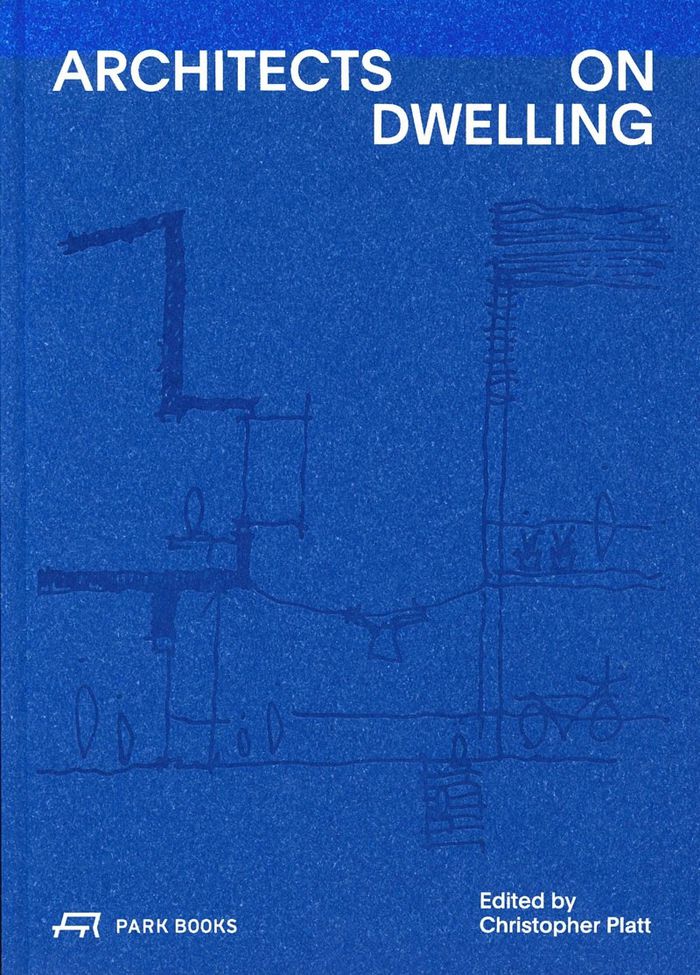
Architects on dwelling
Architects on dwelling
Actions:
Price:
$50.00
(available to order)
Summary:
While most books on architecture focus on the architectural outcome itself, ''Architects on dwelling'' takes a close look at how that outcome is created. To design any kind of dwelling, architects draw on both their reservoir of ideas as well as their own experiences as fellow inhabitants of such structures. This book explores how architects design the places we inhabit(...)
$50.00
(available to order)
Summary:
While most books on architecture focus on the architectural outcome itself, ''Architects on dwelling'' takes a close look at how that outcome is created. To design any kind of dwelling, architects draw on both their reservoir of ideas as well as their own experiences as fellow inhabitants of such structures. This book explores how architects design the places we inhabit(...)
Title:
Architects on dwelling
Actions:
Price:
$50.00
(available to order)
Summary:
While most books on architecture focus on the architectural outcome itself, ''Architects on dwelling'' takes a close look at how that outcome is created. To design any kind of dwelling, architects draw on both their reservoir of ideas as well as their own experiences as fellow inhabitants of such structures. This book explores how architects design the places we inhabit and how those places in turn inform the manner in which we live, in ways beyond lifestyle and personal taste. Through contributions by Stephen Hoey, Henry McKeown & Ian Alexander, James Mitchell, Stacey Philips, Christopher Platt, Adrian Stewart, and Miranda Webster—most of whom are Scotland-based practitioners as well as teachers in The Glasgow School of Art—it reveals the unique values and qualities that inform their design processes. In their essays, they focus mostly on one exemplary building, explaining how and why they design the way they do. Dick van Gameren, Simon Henley, and Graeme Hutton, distinguished experts and themselves architect-educators, place this work within an international context and provide insightful comment about what these design approaches inform us about contemporary design in Scotland. Complemented with a wide range of images, these essays both illuminate the architects’ motivations and inspirations and celebrate their featured works.
Architects on dwelling
Actions:
Price:
$50.00
(available to order)
Summary:
While most books on architecture focus on the architectural outcome itself, ''Architects on dwelling'' takes a close look at how that outcome is created. To design any kind of dwelling, architects draw on both their reservoir of ideas as well as their own experiences as fellow inhabitants of such structures. This book explores how architects design the places we inhabit and how those places in turn inform the manner in which we live, in ways beyond lifestyle and personal taste. Through contributions by Stephen Hoey, Henry McKeown & Ian Alexander, James Mitchell, Stacey Philips, Christopher Platt, Adrian Stewart, and Miranda Webster—most of whom are Scotland-based practitioners as well as teachers in The Glasgow School of Art—it reveals the unique values and qualities that inform their design processes. In their essays, they focus mostly on one exemplary building, explaining how and why they design the way they do. Dick van Gameren, Simon Henley, and Graeme Hutton, distinguished experts and themselves architect-educators, place this work within an international context and provide insightful comment about what these design approaches inform us about contemporary design in Scotland. Complemented with a wide range of images, these essays both illuminate the architects’ motivations and inspirations and celebrate their featured works.
Form:
books
books
Publication:
July 2022
July 2022
Subject:
Architectural Theory
Architectural Theory
Form:
books
books
Actions:
Price:
$58.00
(available to order)
Summary:
The purpose of this handbook is to introduce architects to those fields of marketing and communication design which are particularly relevant to their profession. The aim is to help architects to promote their services more creatively, to develop marketing strategies for their everyday needs, to use communication and media more professionally, successfully combining the(...)
$58.00
(available to order)
Summary:
The purpose of this handbook is to introduce architects to those fields of marketing and communication design which are particularly relevant to their profession. The aim is to help architects to promote their services more creatively, to develop marketing strategies for their everyday needs, to use communication and media more professionally, successfully combining the(...)
Publication:
November 2001, Basel
November 2001, Basel
Title:
Marketing and communication for architects : fundamentals, strategies and practice
Actions:
Price:
$58.00
(available to order)
Summary:
The purpose of this handbook is to introduce architects to those fields of marketing and communication design which are particularly relevant to their profession. The aim is to help architects to promote their services more creatively, to develop marketing strategies for their everyday needs, to use communication and media more professionally, successfully combining the theory with the practice. Copious examples, solutions and strategies are presented illustrating the broad spectrum of possibilities and the book goes on to illustrate how the individual architect can use them to personal advantage.
Marketing and communication for architects : fundamentals, strategies and practice
Actions:
Price:
$58.00
(available to order)
Summary:
The purpose of this handbook is to introduce architects to those fields of marketing and communication design which are particularly relevant to their profession. The aim is to help architects to promote their services more creatively, to develop marketing strategies for their everyday needs, to use communication and media more professionally, successfully combining the theory with the practice. Copious examples, solutions and strategies are presented illustrating the broad spectrum of possibilities and the book goes on to illustrate how the individual architect can use them to personal advantage.
Form:
books
books
Publication:
November 2001, Basel
November 2001, Basel
Form:
books
books
Price:
$25.95
(available to order)
Summary:
This study traces the emergence of community as an idea to South America, rather than to nineteenth-century Europe. Later, this sense of belonging was formed and reformulated at every level, from high politics to popular culture, through print, literature, maps and museums. Following the rise and conflict of nations and the decline of empires, Anderson draws on examples(...)
$25.95
(available to order)
Summary:
This study traces the emergence of community as an idea to South America, rather than to nineteenth-century Europe. Later, this sense of belonging was formed and reformulated at every level, from high politics to popular culture, through print, literature, maps and museums. Following the rise and conflict of nations and the decline of empires, Anderson draws on examples(...)
Title:
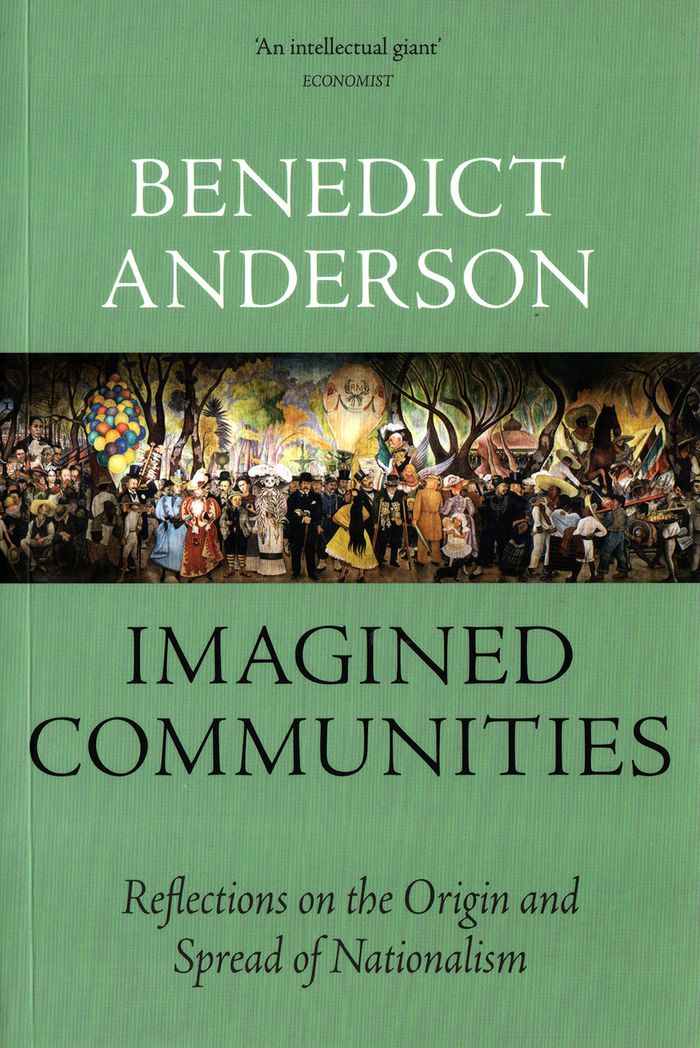
Imagined communities: reflections on the origin and spread of nationalism
Actions:
Price:
$25.95
(available to order)
Summary:
This study traces the emergence of community as an idea to South America, rather than to nineteenth-century Europe. Later, this sense of belonging was formed and reformulated at every level, from high politics to popular culture, through print, literature, maps and museums. Following the rise and conflict of nations and the decline of empires, Anderson draws on examples from South East Asia, Latin America and Europe’s recent past to show how nationalism shaped the modern world.
Imagined communities: reflections on the origin and spread of nationalism
Actions:
Price:
$25.95
(available to order)
Summary:
This study traces the emergence of community as an idea to South America, rather than to nineteenth-century Europe. Later, this sense of belonging was formed and reformulated at every level, from high politics to popular culture, through print, literature, maps and museums. Following the rise and conflict of nations and the decline of empires, Anderson draws on examples from South East Asia, Latin America and Europe’s recent past to show how nationalism shaped the modern world.
Form:
books
books
Publication:
September 2016
September 2016
Subject:
Critical Theory
Critical Theory
Form:
books
books
Actions:
Price:
$25.95
(available to order)
Summary:
In this easy-to-use new size, 'Black: Architecture in Monochrome' highlights the elegance of black in the built world through more than 150 structures. From ancient churches to contemporary skyscrapers, Black demonstrates how hues from ebony to onyx have been beloved by architects for centuries. Insightful texts paired with striking photography bring to life these(...)
$25.95
(available to order)
Summary:
In this easy-to-use new size, 'Black: Architecture in Monochrome' highlights the elegance of black in the built world through more than 150 structures. From ancient churches to contemporary skyscrapers, Black demonstrates how hues from ebony to onyx have been beloved by architects for centuries. Insightful texts paired with striking photography bring to life these(...)
Title:
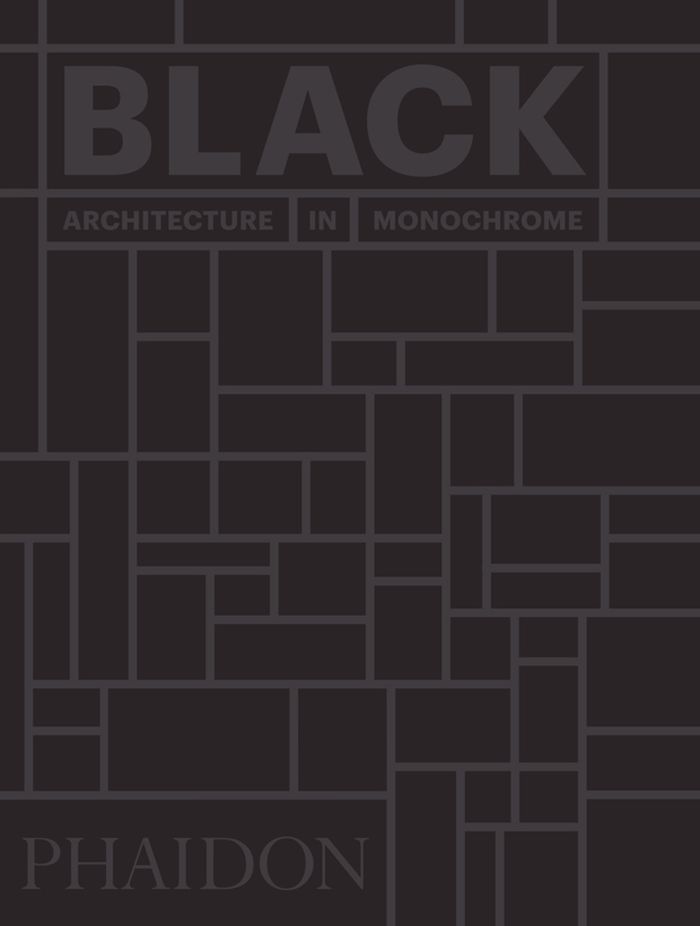
Black: architecture in monochrome, mini edition
Actions:
Price:
$25.95
(available to order)
Summary:
In this easy-to-use new size, 'Black: Architecture in Monochrome' highlights the elegance of black in the built world through more than 150 structures. From ancient churches to contemporary skyscrapers, Black demonstrates how hues from ebony to onyx have been beloved by architects for centuries. Insightful texts paired with striking photography bring to life these captivating buildings including works by Mies van der Rohe, Philip Johnson, David Adjaye, Jean Nouvel, Peter Marino, and Steven Holl.
Black: architecture in monochrome, mini edition
Actions:
Price:
$25.95
(available to order)
Summary:
In this easy-to-use new size, 'Black: Architecture in Monochrome' highlights the elegance of black in the built world through more than 150 structures. From ancient churches to contemporary skyscrapers, Black demonstrates how hues from ebony to onyx have been beloved by architects for centuries. Insightful texts paired with striking photography bring to life these captivating buildings including works by Mies van der Rohe, Philip Johnson, David Adjaye, Jean Nouvel, Peter Marino, and Steven Holl.
Form:
books
books
Publication:
January 2020
January 2020
Subject:
Contemporary Architecture
Contemporary Architecture
Form:
books
books
Actions:
Price:
$46.95
(available to order)
Summary:
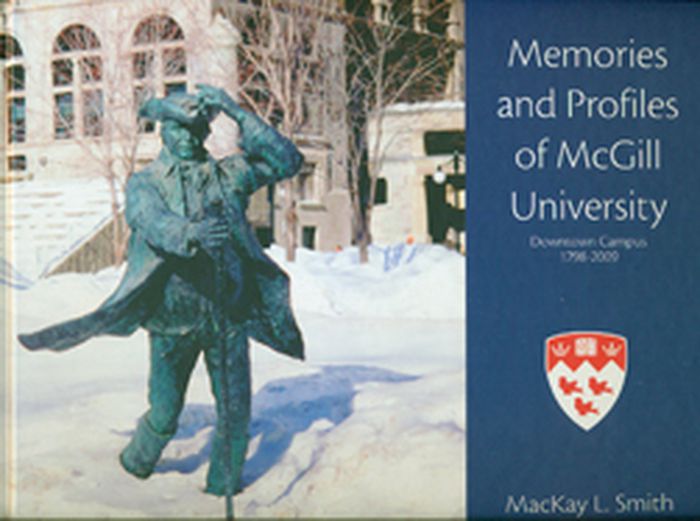
How to rationalize the complexity of university life at McGill is seemingly overwhelming with up to 40,000 people invading the downtown Campus’s 141 buildings on any given weekday. Walking the McGill Precinct, trying to commit to some style of methodology for a book took time, until the concept of the chronological acquisition by McGill gave the book its definitive(...)
$46.95
(available to order)
Summary:
How to rationalize the complexity of university life at McGill is seemingly overwhelming with up to 40,000 people invading the downtown Campus’s 141 buildings on any given weekday. Walking the McGill Precinct, trying to commit to some style of methodology for a book took time, until the concept of the chronological acquisition by McGill gave the book its definitive(...)
Title:
Memories and profiles of McGill University
Actions:
Price:
$46.95
(available to order)
Summary:
How to rationalize the complexity of university life at McGill is seemingly overwhelming with up to 40,000 people invading the downtown Campus’s 141 buildings on any given weekday. Walking the McGill Precinct, trying to commit to some style of methodology for a book took time, until the concept of the chronological acquisition by McGill gave the book its definitive shape. The buildings are the main thrust of the book that interlaces the personalities and the history of the University.
Memories and profiles of McGill University
Actions:
Price:
$46.95
(available to order)
Summary:
How to rationalize the complexity of university life at McGill is seemingly overwhelming with up to 40,000 people invading the downtown Campus’s 141 buildings on any given weekday. Walking the McGill Precinct, trying to commit to some style of methodology for a book took time, until the concept of the chronological acquisition by McGill gave the book its definitive shape. The buildings are the main thrust of the book that interlaces the personalities and the history of the University.
Form:
books
books
Publication:
December 2009
December 2009


