


19531 Results
Level of archival description:
Series
Series
Reference number:
AP115.S2
Description:
Cette série porte sur le travail de documentation photographique de Robert Duchesnay du dôme géodésique du pavilon des États-Unis à l'exposition universelle de 1967 (Expo 67) à Montréal, au Québec. Le dôme, conçu par Buckminster Fuller, mesure 249 pieds de diamètre et 200 pieds de hauteur. Un incendie en 1976 détruit de revêtement de polymère du dôme et ne laisse que la structure en acier. En 1990, la structure est intégrée à l'aménagement du bâtiment d'un musée du l'environnement et les enjeux socio-environnementaux contemporains, la Biosphère. La série contient une sélection d'images de la série intitulée Dome Project élaborée entre 1983 et 1992. Cette série, qui compte 25 photographies, montre le pavillon des États-Unis sous différents angles, depuis l'extérieur et l'intérieur de la structure, ainsi que plusieurs détails architecturaux. La série nous renseigne sur l'état de l'édifice après l'incendie de 1976 et avant qu'il ne soit restauré entre 1993 et 1995 pour devenir la Biosphère; elle nous renseigne aussi sur la pratique artistique de Robert Duchesnay alors que sa principale préoccupation consistait à documenter l'état de ruines du pavillion des États-Unis, afin de sensibiliser l'opinion publique du danger qui menaçait l'édifice de disparaître.
AP115.S2
Description:
Cette série porte sur le travail de documentation photographique de Robert Duchesnay du dôme géodésique du pavilon des États-Unis à l'exposition universelle de 1967 (Expo 67) à Montréal, au Québec. Le dôme, conçu par Buckminster Fuller, mesure 249 pieds de diamètre et 200 pieds de hauteur. Un incendie en 1976 détruit de revêtement de polymère du dôme et ne laisse que la structure en acier. En 1990, la structure est intégrée à l'aménagement du bâtiment d'un musée du l'environnement et les enjeux socio-environnementaux contemporains, la Biosphère. La série contient une sélection d'images de la série intitulée Dome Project élaborée entre 1983 et 1992. Cette série, qui compte 25 photographies, montre le pavillon des États-Unis sous différents angles, depuis l'extérieur et l'intérieur de la structure, ainsi que plusieurs détails architecturaux. La série nous renseigne sur l'état de l'édifice après l'incendie de 1976 et avant qu'il ne soit restauré entre 1993 et 1995 pour devenir la Biosphère; elle nous renseigne aussi sur la pratique artistique de Robert Duchesnay alors que sa principale préoccupation consistait à documenter l'état de ruines du pavillion des États-Unis, afin de sensibiliser l'opinion publique du danger qui menaçait l'édifice de disparaître.
People:
Date:
circa 1884-1990
circa 1884-1990
Title:
Pavillon des États-Unis, Expo 67, Montréal, Québec
Actions:
AP115.S2
Description:
Cette série porte sur le travail de documentation photographique de Robert Duchesnay du dôme géodésique du pavilon des États-Unis à l'exposition universelle de 1967 (Expo 67) à Montréal, au Québec. Le dôme, conçu par Buckminster Fuller, mesure 249 pieds de diamètre et 200 pieds de hauteur. Un incendie en 1976 détruit de revêtement de polymère du dôme et ne laisse que la structure en acier. En 1990, la structure est intégrée à l'aménagement du bâtiment d'un musée du l'environnement et les enjeux socio-environnementaux contemporains, la Biosphère. La série contient une sélection d'images de la série intitulée Dome Project élaborée entre 1983 et 1992. Cette série, qui compte 25 photographies, montre le pavillon des États-Unis sous différents angles, depuis l'extérieur et l'intérieur de la structure, ainsi que plusieurs détails architecturaux. La série nous renseigne sur l'état de l'édifice après l'incendie de 1976 et avant qu'il ne soit restauré entre 1993 et 1995 pour devenir la Biosphère; elle nous renseigne aussi sur la pratique artistique de Robert Duchesnay alors que sa principale préoccupation consistait à documenter l'état de ruines du pavillion des États-Unis, afin de sensibiliser l'opinion publique du danger qui menaçait l'édifice de disparaître.
Pavillon des États-Unis, Expo 67, Montréal, Québec
Actions:
AP115.S2
Description:
Cette série porte sur le travail de documentation photographique de Robert Duchesnay du dôme géodésique du pavilon des États-Unis à l'exposition universelle de 1967 (Expo 67) à Montréal, au Québec. Le dôme, conçu par Buckminster Fuller, mesure 249 pieds de diamètre et 200 pieds de hauteur. Un incendie en 1976 détruit de revêtement de polymère du dôme et ne laisse que la structure en acier. En 1990, la structure est intégrée à l'aménagement du bâtiment d'un musée du l'environnement et les enjeux socio-environnementaux contemporains, la Biosphère. La série contient une sélection d'images de la série intitulée Dome Project élaborée entre 1983 et 1992. Cette série, qui compte 25 photographies, montre le pavillon des États-Unis sous différents angles, depuis l'extérieur et l'intérieur de la structure, ainsi que plusieurs détails architecturaux. La série nous renseigne sur l'état de l'édifice après l'incendie de 1976 et avant qu'il ne soit restauré entre 1993 et 1995 pour devenir la Biosphère; elle nous renseigne aussi sur la pratique artistique de Robert Duchesnay alors que sa principale préoccupation consistait à documenter l'état de ruines du pavillion des États-Unis, afin de sensibiliser l'opinion publique du danger qui menaçait l'édifice de disparaître.
Level of archival description:
Série
Série
Date:
circa 1884-1990
circa 1884-1990
People:
Form:
textual records
textual records
Actions:
Reference number:
DR2012:0012:085:015
Description:
File containing documents in French, including contracts, correspondence, programs, and press clippings related to the group exhibition "De la perspective... dans l'art comtemporain", at Centre d'exposition du Vieux-Palais, in Saint-Jérôme, Quebec. The exhibition included the following artworks: - Houses on the prairie ... chez Keegstra; - St-Anne's in Reltaw ... forgotten cities; - Fragments of a forgotten city, no. 12. Original folder inscribed in graphite: VIEUX-PALAIS, ST-JEROME/1993 MAISON HAMEL-BRUNEAU, ST. FOY
DR2012:0012:085:015
Description:
File containing documents in French, including contracts, correspondence, programs, and press clippings related to the group exhibition "De la perspective... dans l'art comtemporain", at Centre d'exposition du Vieux-Palais, in Saint-Jérôme, Quebec. The exhibition included the following artworks: - Houses on the prairie ... chez Keegstra; - St-Anne's in Reltaw ... forgotten cities; - Fragments of a forgotten city, no. 12. Original folder inscribed in graphite: VIEUX-PALAIS, ST-JEROME/1993 MAISON HAMEL-BRUNEAU, ST. FOY
People:
Date:
1993
1993
Title:
Contracts, correspondence, programs, and press clippings related to the group exhibition "De la perspective... dans l'art comtemporain"
Actions:
DR2012:0012:085:015
Description:
File containing documents in French, including contracts, correspondence, programs, and press clippings related to the group exhibition "De la perspective... dans l'art comtemporain", at Centre d'exposition du Vieux-Palais, in Saint-Jérôme, Quebec. The exhibition included the following artworks: - Houses on the prairie ... chez Keegstra; - St-Anne's in Reltaw ... forgotten cities; - Fragments of a forgotten city, no. 12. Original folder inscribed in graphite: VIEUX-PALAIS, ST-JEROME/1993 MAISON HAMEL-BRUNEAU, ST. FOY
Contracts, correspondence, programs, and press clippings related to the group exhibition "De la perspective... dans l'art comtemporain"
Actions:
DR2012:0012:085:015
Description:
File containing documents in French, including contracts, correspondence, programs, and press clippings related to the group exhibition "De la perspective... dans l'art comtemporain", at Centre d'exposition du Vieux-Palais, in Saint-Jérôme, Quebec. The exhibition included the following artworks: - Houses on the prairie ... chez Keegstra; - St-Anne's in Reltaw ... forgotten cities; - Fragments of a forgotten city, no. 12. Original folder inscribed in graphite: VIEUX-PALAIS, ST-JEROME/1993 MAISON HAMEL-BRUNEAU, ST. FOY
Form:
textual records
textual records
Date:
1993
1993
People:
Form:
exhibitions
exhibitions
Title:
Starting From... Travel
Starting From... Travel
Actions:
Description:
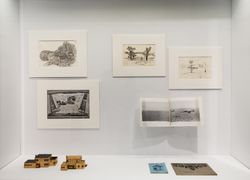
Interpreting the subject of travel to distant places, the exhibition charts an expanded notion of travel that spans imaginary journeys, strange sites, vanishing points, floating and portable houses, endless caves, swirling diamond domes, tombs, crypts and catacombs, tunnel adventures, formal studies, technical innovation, cultural imagination, and experimental(...)
Interpreting the subject of travel to distant places, the exhibition charts an expanded notion of travel that spans imaginary journeys, strange sites, vanishing points, floating and portable houses, endless caves, swirling diamond domes, tombs, crypts and catacombs, tunnel adventures, formal studies, technical innovation, cultural imagination, and experimental(...)
Location:
Hall cases
Hall cases
Date:
3 December 2008 to 1 May 2009
3 December 2008 to 1 May 2009
Title:
Starting From... Travel
Actions:
Description:
Interpreting the subject of travel to distant places, the exhibition charts an expanded notion of travel that spans imaginary journeys, strange sites, vanishing points, floating and portable houses, endless caves, swirling diamond domes, tombs, crypts and catacombs, tunnel adventures, formal studies, technical innovation, cultural imagination, and experimental(...)
Starting From... Travel
Actions:
Description:
Interpreting the subject of travel to distant places, the exhibition charts an expanded notion of travel that spans imaginary journeys, strange sites, vanishing points, floating and portable houses, endless caves, swirling diamond domes, tombs, crypts and catacombs, tunnel adventures, formal studies, technical innovation, cultural imagination, and experimental(...)
Form:
exhibitions
exhibitions
Date:
3 December 2008 to
1 May 2009
3 December 2008 to
1 May 2009
Location:
Hall cases
Hall cases
Form:
events
events
Title:
Nuit Blanche 2025: 38%
Nuit Blanche 2025: 38%
Actions:
Description:
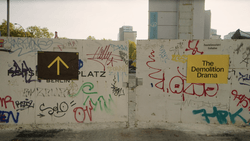
It is time for a systemic change in the way we design and value the built environment. The way we build is not ecologically sustainable. The building industry is responsible for 38% of the worlds annual production of greenhouse gases. During the Nuit Blanche at the CCA, we invite you to come and discuss, reflect and be inspired by the actions of the German architecture(...)
It is time for a systemic change in the way we design and value the built environment. The way we build is not ecologically sustainable. The building industry is responsible for 38% of the worlds annual production of greenhouse gases. During the Nuit Blanche at the CCA, we invite you to come and discuss, reflect and be inspired by the actions of the German architecture(...)
Keyword(s):
Nuit Blanche 2025
Nuit Blanche 2025
Date:
1 March 2025 to 2 March 2025, 7pm to 1am
1 March 2025 to 2 March 2025, 7pm to 1am
Title:
Nuit Blanche 2025: 38%
Actions:
Description:
It is time for a systemic change in the way we design and value the built environment. The way we build is not ecologically sustainable. The building industry is responsible for 38% of the worlds annual production of greenhouse gases. During the Nuit Blanche at the CCA, we invite you to come and discuss, reflect and be inspired by the actions of the German architecture(...)
Nuit Blanche 2025: 38%
Actions:
Description:
It is time for a systemic change in the way we design and value the built environment. The way we build is not ecologically sustainable. The building industry is responsible for 38% of the worlds annual production of greenhouse gases. During the Nuit Blanche at the CCA, we invite you to come and discuss, reflect and be inspired by the actions of the German architecture(...)
Form:
events
events
Date:
1 March 2025 to
2 March 2025
7pm to 1am
1 March 2025 to
2 March 2025
7pm to 1am
Keyword(s):
Nuit Blanche 2025
Nuit Blanche 2025
Form:
exhibitions
exhibitions
Actions:
Description:
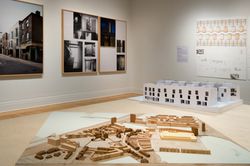
As part of the CCA’s ongoing exploration of key issues in contemporary architecture with a specific focus on urban, social, and environmental concerns, Some Ideas on Living in London and Tokyo by Stephen Taylor and Ryue Nishizawa features recent architectural projects that propose new solutions to the challenges of building homes in dense urban environments. London and(...)
As part of the CCA’s ongoing exploration of key issues in contemporary architecture with a specific focus on urban, social, and environmental concerns, Some Ideas on Living in London and Tokyo by Stephen Taylor and Ryue Nishizawa features recent architectural projects that propose new solutions to the challenges of building homes in dense urban environments. London and(...)
Location:
Main galleries
Main galleries
Date:
14 May 2008 to 26 October 2008
14 May 2008 to 26 October 2008
Title:
Some Ideas on Living in London and Tokyo by Stephen Taylor and Ryue Nishizawa
Actions:
Description:
As part of the CCA’s ongoing exploration of key issues in contemporary architecture with a specific focus on urban, social, and environmental concerns, Some Ideas on Living in London and Tokyo by Stephen Taylor and Ryue Nishizawa features recent architectural projects that propose new solutions to the challenges of building homes in dense urban environments. London and(...)
Some Ideas on Living in London and Tokyo by Stephen Taylor and Ryue Nishizawa
Actions:
Description:
As part of the CCA’s ongoing exploration of key issues in contemporary architecture with a specific focus on urban, social, and environmental concerns, Some Ideas on Living in London and Tokyo by Stephen Taylor and Ryue Nishizawa features recent architectural projects that propose new solutions to the challenges of building homes in dense urban environments. London and(...)
Form:
exhibitions
exhibitions
Date:
14 May 2008 to
26 October 2008
14 May 2008 to
26 October 2008
Location:
Main galleries
Main galleries
Form:
articles
articles
Title:
Lateral Gaze
Lateral Gaze
Actions:
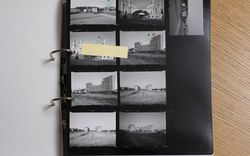
Stefano Boeri on Gabriele Basilico, in conversation with Stefano Graziani and Bas Princen
Published:
21 August 2023
21 August 2023
Title:
Lateral Gaze
Stefano Boeri on Gabriele Basilico, in conversation with Stefano Graziani and Bas Princen
Actions:
Lateral Gaze
Stefano Boeri on Gabriele Basilico, in conversation with Stefano Graziani and Bas Princen
Actions:
Form:
exhibitions
exhibitions
Actions:
Description:
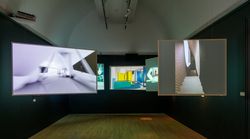
Archaeology of the Digital: Complexity and Convention is the third exhibition related to the development of a strategy for collecting and preserving digital archives at the CCA. The Archaeology of the Digital program comprises twenty-five projects for which digital materials are integral to an understanding of the design process. For projects included in the first two(...)
Archaeology of the Digital: Complexity and Convention is the third exhibition related to the development of a strategy for collecting and preserving digital archives at the CCA. The Archaeology of the Digital program comprises twenty-five projects for which digital materials are integral to an understanding of the design process. For projects included in the first two(...)
Date:
11 May 2016 to 16 October 2016
11 May 2016 to 16 October 2016
Title:
Archaeology of the Digital: Complexity and Convention
Actions:
Description:
Archaeology of the Digital: Complexity and Convention is the third exhibition related to the development of a strategy for collecting and preserving digital archives at the CCA. The Archaeology of the Digital program comprises twenty-five projects for which digital materials are integral to an understanding of the design process. For projects included in the first two(...)
Archaeology of the Digital: Complexity and Convention
Actions:
Description:
Archaeology of the Digital: Complexity and Convention is the third exhibition related to the development of a strategy for collecting and preserving digital archives at the CCA. The Archaeology of the Digital program comprises twenty-five projects for which digital materials are integral to an understanding of the design process. For projects included in the first two(...)
Form:
exhibitions
exhibitions
Date:
11 May 2016 to
16 October 2016
11 May 2016 to
16 October 2016
Form:
exhibitions
exhibitions

Title:
Take Note
Take Note
Actions:
Description:
Take Note presents selected pivotal moments in the ongoing relationship between writing and architecture. This exhibition is the fifth in a series of CCA exhibitions developed in collaboration with universities. Curated by Sylvia Lavin, University of California, Los Angeles.
Take Note presents selected pivotal moments in the ongoing relationship between writing and architecture. This exhibition is the fifth in a series of CCA exhibitions developed in collaboration with universities. Curated by Sylvia Lavin, University of California, Los Angeles.
Location:
Octagonal gallery
Octagonal gallery
Date:
4 February 2010 to 30 May 2010
4 February 2010 to 30 May 2010
Title:
Take Note
Actions:
Description:
Take Note presents selected pivotal moments in the ongoing relationship between writing and architecture. This exhibition is the fifth in a series of CCA exhibitions developed in collaboration with universities. Curated by Sylvia Lavin, University of California, Los Angeles.
Take Note
Actions:
Description:
Take Note presents selected pivotal moments in the ongoing relationship between writing and architecture. This exhibition is the fifth in a series of CCA exhibitions developed in collaboration with universities. Curated by Sylvia Lavin, University of California, Los Angeles.
Form:
exhibitions
exhibitions
Date:
4 February 2010 to
30 May 2010
4 February 2010 to
30 May 2010
Location:
Octagonal gallery
Octagonal gallery
Form:
exhibitions
exhibitions

Actions:
Description:
During the Second World War, exhibitions and publications played a critical role in the war effort. They were organized internationally as moments of reflection and propaganda, productions of a disciplinary approach to architecture and urban design. This display springs from Jean-Louis Cohen’s research for Architecture in Uniform: Designing and Building for the Second(...)
During the Second World War, exhibitions and publications played a critical role in the war effort. They were organized internationally as moments of reflection and propaganda, productions of a disciplinary approach to architecture and urban design. This display springs from Jean-Louis Cohen’s research for Architecture in Uniform: Designing and Building for the Second(...)
Location:
Hall cases
Hall cases
Date:
13 April 2011 to 18 September 2011
13 April 2011 to 18 September 2011
Title:
A Paper War: Pictures and words, 1939-1945
Actions:
Description:
During the Second World War, exhibitions and publications played a critical role in the war effort. They were organized internationally as moments of reflection and propaganda, productions of a disciplinary approach to architecture and urban design. This display springs from Jean-Louis Cohen’s research for Architecture in Uniform: Designing and Building for the Second(...)
A Paper War: Pictures and words, 1939-1945
Actions:
Description:
During the Second World War, exhibitions and publications played a critical role in the war effort. They were organized internationally as moments of reflection and propaganda, productions of a disciplinary approach to architecture and urban design. This display springs from Jean-Louis Cohen’s research for Architecture in Uniform: Designing and Building for the Second(...)
Form:
exhibitions
exhibitions
Date:
13 April 2011 to
18 September 2011
13 April 2011 to
18 September 2011
Location:
Hall cases
Hall cases
Form:
photographs
photographs
Actions:
Reference number:
ARCH256302
Description:
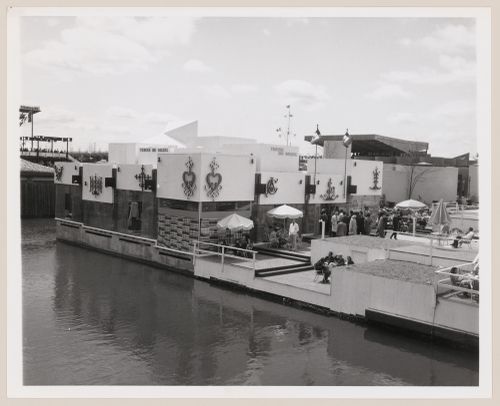
"Les éléments d'exposition du pavillon que la république de Haiti fait construire à l'Expo 67 illustreront le thème 'Haiti, terre de soleil'. L'édifice sera situé dans l'Ile Notre-Dame, à proximité des pavillons de Monaco et de la Yougoslavie. Il se reflétera dans deux des canaux de l'Expo. / The pavilion of the Republic of Haiti will stress the theme 'Haiti... land of the sun,' and will be located on Notre-Dame near the pavilions of Monaco and Yugoslavia. The pavilion's floor and external terrace will be a checkered motif stylizing the sun, while the roof will be made of 16 hollow tubes of varying heights. Total cost of the pavilion will be approximately $150,000.00."--Description.
ARCH256302
Description:
"Les éléments d'exposition du pavillon que la république de Haiti fait construire à l'Expo 67 illustreront le thème 'Haiti, terre de soleil'. L'édifice sera situé dans l'Ile Notre-Dame, à proximité des pavillons de Monaco et de la Yougoslavie. Il se reflétera dans deux des canaux de l'Expo. / The pavilion of the Republic of Haiti will stress the theme 'Haiti... land of the sun,' and will be located on Notre-Dame near the pavilions of Monaco and Yugoslavia. The pavilion's floor and external terrace will be a checkered motif stylizing the sun, while the roof will be made of 16 hollow tubes of varying heights. Total cost of the pavilion will be approximately $150,000.00."--Description.
People:
Date:
1967
1967
Title:
View of the Pavilion of Haiti, Expo 67, Montréal, Québec
Actions:
ARCH256302
Description:
"Les éléments d'exposition du pavillon que la république de Haiti fait construire à l'Expo 67 illustreront le thème 'Haiti, terre de soleil'. L'édifice sera situé dans l'Ile Notre-Dame, à proximité des pavillons de Monaco et de la Yougoslavie. Il se reflétera dans deux des canaux de l'Expo. / The pavilion of the Republic of Haiti will stress the theme 'Haiti... land of the sun,' and will be located on Notre-Dame near the pavilions of Monaco and Yugoslavia. The pavilion's floor and external terrace will be a checkered motif stylizing the sun, while the roof will be made of 16 hollow tubes of varying heights. Total cost of the pavilion will be approximately $150,000.00."--Description.
View of the Pavilion of Haiti, Expo 67, Montréal, Québec
Actions:
ARCH256302
Description:
"Les éléments d'exposition du pavillon que la république de Haiti fait construire à l'Expo 67 illustreront le thème 'Haiti, terre de soleil'. L'édifice sera situé dans l'Ile Notre-Dame, à proximité des pavillons de Monaco et de la Yougoslavie. Il se reflétera dans deux des canaux de l'Expo. / The pavilion of the Republic of Haiti will stress the theme 'Haiti... land of the sun,' and will be located on Notre-Dame near the pavilions of Monaco and Yugoslavia. The pavilion's floor and external terrace will be a checkered motif stylizing the sun, while the roof will be made of 16 hollow tubes of varying heights. Total cost of the pavilion will be approximately $150,000.00."--Description.
Form:
photographs
photographs
Date:
1967
1967
People:


