


10597 Results
Form:
books
books
Title:
AD : Spatial intelligence
AD : Spatial intelligence
Actions:
Price:
$50.00
(available to order)
Summary:
The book is organised into three distinct sections that in turn highlight the significance of spatial intelligence for architecture: the first section provides an overview of spatial intelligence as a human capability; the second section argues how the acknowledgement of this capability in architectural education and the profession should enable the demystification of the(...)
$50.00
(available to order)
Summary:
The book is organised into three distinct sections that in turn highlight the significance of spatial intelligence for architecture: the first section provides an overview of spatial intelligence as a human capability; the second section argues how the acknowledgement of this capability in architectural education and the profession should enable the demystification of the(...)
Title:
AD : Spatial intelligence
Actions:
Price:
$50.00
(available to order)
Summary:
The book is organised into three distinct sections that in turn highlight the significance of spatial intelligence for architecture: the first section provides an overview of spatial intelligence as a human capability; the second section argues how the acknowledgement of this capability in architectural education and the profession should enable the demystification of the practice of design,the final section explores opportunities for practice in the linking of real and virtual environments in the information age.
AD : Spatial intelligence
Actions:
Price:
$50.00
(available to order)
Summary:
The book is organised into three distinct sections that in turn highlight the significance of spatial intelligence for architecture: the first section provides an overview of spatial intelligence as a human capability; the second section argues how the acknowledgement of this capability in architectural education and the profession should enable the demystification of the practice of design,the final section explores opportunities for practice in the linking of real and virtual environments in the information age.
Form:
books
books
Publication:
December 2008
December 2008
Form:
books
books
Actions:
Price:
$24.95
(available to order)
Summary:
Values such as 'access' and 'inclusion' are unquestioned in the contemporary educational landscape. But many methods of addressing these issues - installing signs, ramps, and accessible washrooms - frame disability only as a problem to be 'fixed.' The Question of Access investigates the social meanings of access in contemporary university life from the perspective of(...)
$24.95
(available to order)
Summary:
Values such as 'access' and 'inclusion' are unquestioned in the contemporary educational landscape. But many methods of addressing these issues - installing signs, ramps, and accessible washrooms - frame disability only as a problem to be 'fixed.' The Question of Access investigates the social meanings of access in contemporary university life from the perspective of(...)
Title:
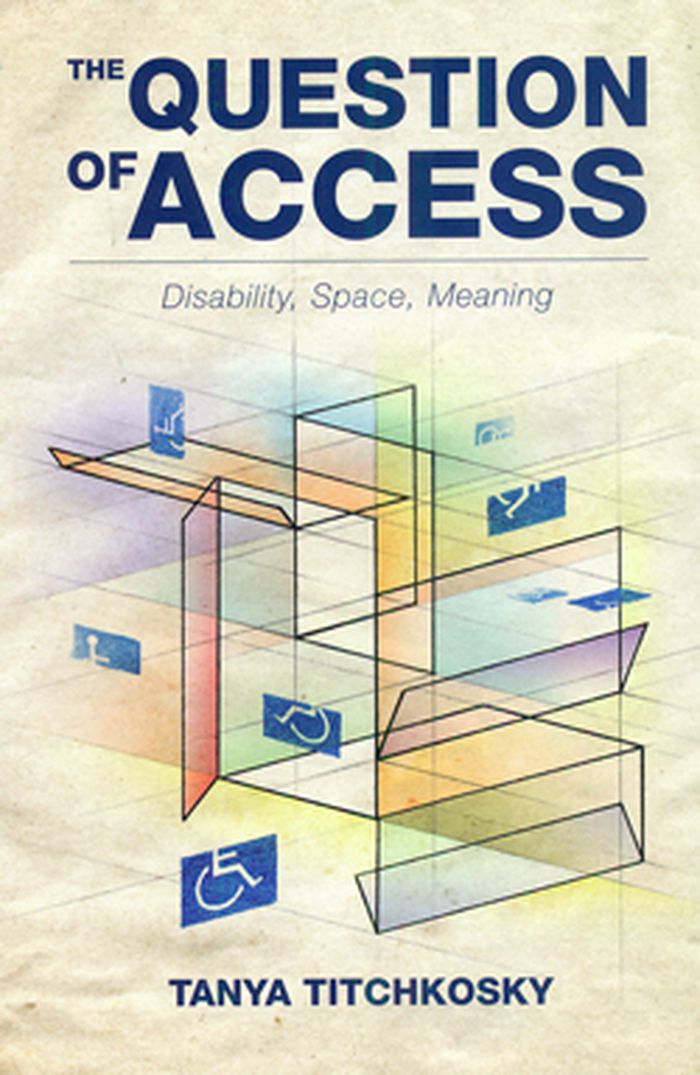
The question of access : disability, space, meaning
Actions:
Price:
$24.95
(available to order)
Summary:
Values such as 'access' and 'inclusion' are unquestioned in the contemporary educational landscape. But many methods of addressing these issues - installing signs, ramps, and accessible washrooms - frame disability only as a problem to be 'fixed.' The Question of Access investigates the social meanings of access in contemporary university life from the perspective of Cultural Disability Studies. Through narratives of struggle and analyses of policy and everyday practices, Tanya Titchkosky shows how interpretations of access reproduce conceptions of who belongs, where and when.
The question of access : disability, space, meaning
Actions:
Price:
$24.95
(available to order)
Summary:
Values such as 'access' and 'inclusion' are unquestioned in the contemporary educational landscape. But many methods of addressing these issues - installing signs, ramps, and accessible washrooms - frame disability only as a problem to be 'fixed.' The Question of Access investigates the social meanings of access in contemporary university life from the perspective of Cultural Disability Studies. Through narratives of struggle and analyses of policy and everyday practices, Tanya Titchkosky shows how interpretations of access reproduce conceptions of who belongs, where and when.
Form:
books
books
Publication:
September 2011
September 2011
Form:
books
books
Price:
$66.95
(available to order)
Summary:
101 Things that Open and Close the City. 50 leading experts provide tools for analyzing how the Open City is made and unmade. Urban History 101 teaches us that the built environment is not the product of invisible, uncontrollable market forces, but of human-made tools that could have been used differently (or not at all). The Arsenal of Exclusion & Inclusion is an(...)
$66.95
(available to order)
Summary:
101 Things that Open and Close the City. 50 leading experts provide tools for analyzing how the Open City is made and unmade. Urban History 101 teaches us that the built environment is not the product of invisible, uncontrollable market forces, but of human-made tools that could have been used differently (or not at all). The Arsenal of Exclusion & Inclusion is an(...)
Title:
Arsenal of exclusion/inclusion: 101 things that open and close the city
Actions:
Price:
$66.95
(available to order)
Summary:
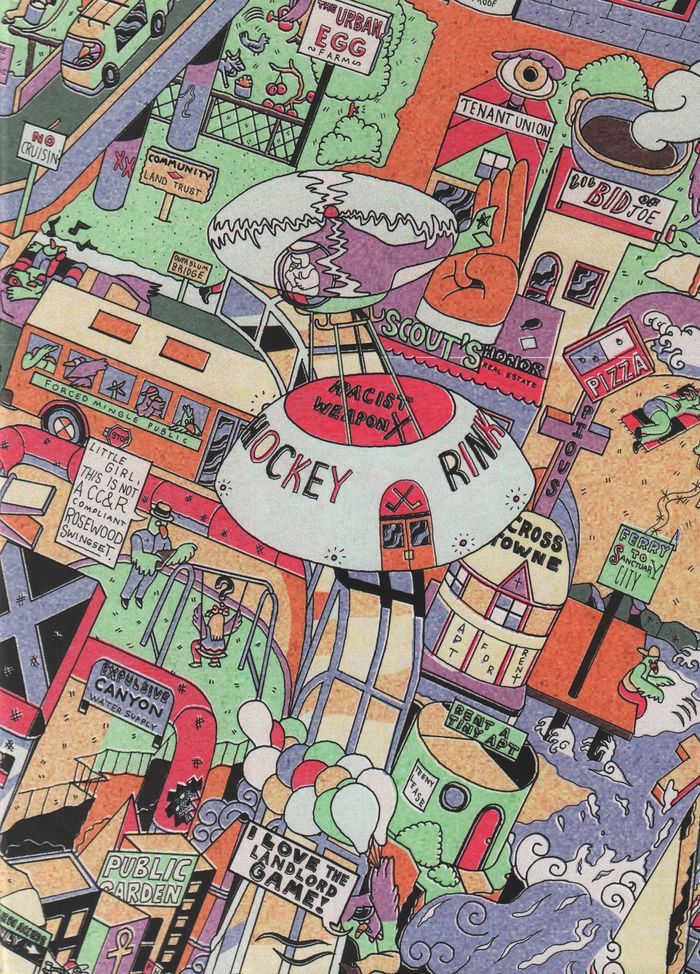
101 Things that Open and Close the City. 50 leading experts provide tools for analyzing how the Open City is made and unmade. Urban History 101 teaches us that the built environment is not the product of invisible, uncontrollable market forces, but of human-made tools that could have been used differently (or not at all). The Arsenal of Exclusion & Inclusion is an encyclopedia of the human-made tools used by architects, planners, policy-makers, developers, real estate brokers, activists, and other urban actors in the United States to restrict or increase access to the spaces of our cities and suburbs. The Arsenal of Exclusion & Inclusion inventories these tools—or what we call weapons—examines how they have been used, and speculates about how they might be deployed (or retired) to make more open cities in which more people feel welcome in more spaces.
Arsenal of exclusion/inclusion: 101 things that open and close the city
Actions:
Price:
$66.95
(available to order)
Summary:
101 Things that Open and Close the City. 50 leading experts provide tools for analyzing how the Open City is made and unmade. Urban History 101 teaches us that the built environment is not the product of invisible, uncontrollable market forces, but of human-made tools that could have been used differently (or not at all). The Arsenal of Exclusion & Inclusion is an encyclopedia of the human-made tools used by architects, planners, policy-makers, developers, real estate brokers, activists, and other urban actors in the United States to restrict or increase access to the spaces of our cities and suburbs. The Arsenal of Exclusion & Inclusion inventories these tools—or what we call weapons—examines how they have been used, and speculates about how they might be deployed (or retired) to make more open cities in which more people feel welcome in more spaces.
Form:
books
books
Publication:
June 2017
June 2017
Form:
books
books
Price:
$37.95
(available to order)
Summary:
By the end of the twentieth century, America’s suburbs contained more office space than its central cities. Many of these corporate workplaces were surrounded, somewhat incongruously, by verdant vistas of broad lawns and leafy trees. In Pastoral Capitalism, Louise Mozingo describes the evolution of these central (but often ignored) features of postwar urbanism in the(...)
$37.95
(available to order)
Summary:
By the end of the twentieth century, America’s suburbs contained more office space than its central cities. Many of these corporate workplaces were surrounded, somewhat incongruously, by verdant vistas of broad lawns and leafy trees. In Pastoral Capitalism, Louise Mozingo describes the evolution of these central (but often ignored) features of postwar urbanism in the(...)
Title:
Pastoral capitalism: A history of suburban corporate landscapes
Actions:
Price:
$37.95
(available to order)
Summary:
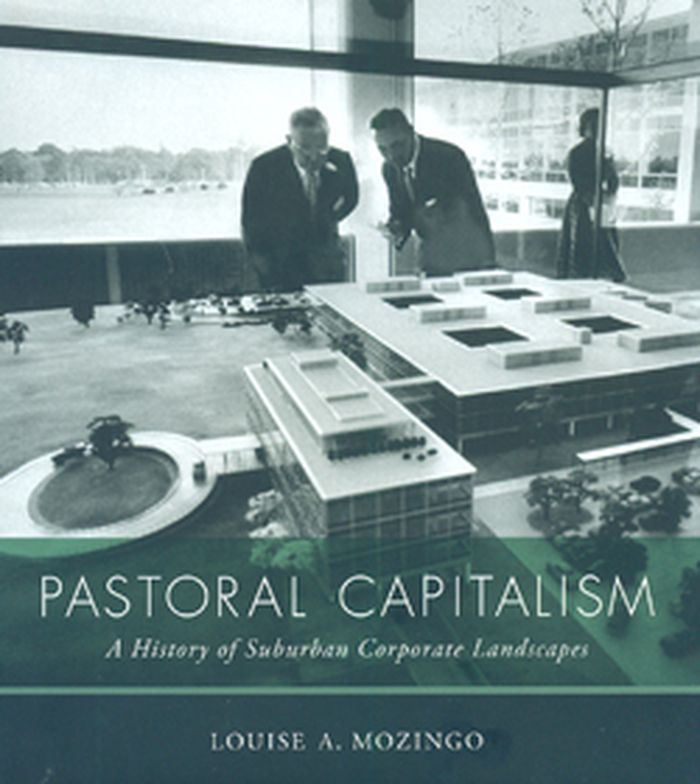
By the end of the twentieth century, America’s suburbs contained more office space than its central cities. Many of these corporate workplaces were surrounded, somewhat incongruously, by verdant vistas of broad lawns and leafy trees. In Pastoral Capitalism, Louise Mozingo describes the evolution of these central (but often ignored) features of postwar urbanism in the context of the modern capitalist enterprise. This book offers an indispensible chapter in urban history, examining not only the design of corporate landscapes but also the economic, social, and cultural models that determined their form.
Pastoral capitalism: A history of suburban corporate landscapes
Actions:
Price:
$37.95
(available to order)
Summary:
By the end of the twentieth century, America’s suburbs contained more office space than its central cities. Many of these corporate workplaces were surrounded, somewhat incongruously, by verdant vistas of broad lawns and leafy trees. In Pastoral Capitalism, Louise Mozingo describes the evolution of these central (but often ignored) features of postwar urbanism in the context of the modern capitalist enterprise. This book offers an indispensible chapter in urban history, examining not only the design of corporate landscapes but also the economic, social, and cultural models that determined their form.
Form:
books
books
Publication:
July 2011
July 2011
Form:
books
books
Actions:
Price:
$41.95
(available to order)
Summary:
Ce livre part d'un constat : une partie de l'art actuel accorde au déplacement un rôle majeur dans l'invention des oeuvres. En ce sens elle ne fait que participer de l'histoire générale de l'art dans laquelle la figure de l'homme qui marche est essentielle. La façon cependant dont cette question est aujourd'hui traitée par les artistes est suffisamment singulière pour(...)
$41.95
(available to order)
Summary:
Ce livre part d'un constat : une partie de l'art actuel accorde au déplacement un rôle majeur dans l'invention des oeuvres. En ce sens elle ne fait que participer de l'histoire générale de l'art dans laquelle la figure de l'homme qui marche est essentielle. La façon cependant dont cette question est aujourd'hui traitée par les artistes est suffisamment singulière pour(...)
Title:
Marcher, créer : déplacements, flàneries, dérives dans l'art de la fin du XXe siècle
Actions:
Price:
$41.95
(available to order)
Summary:
Ce livre part d'un constat : une partie de l'art actuel accorde au déplacement un rôle majeur dans l'invention des oeuvres. En ce sens elle ne fait que participer de l'histoire générale de l'art dans laquelle la figure de l'homme qui marche est essentielle. La façon cependant dont cette question est aujourd'hui traitée par les artistes est suffisamment singulière pour mériter une analyse à part entière. C'est ce à quoi s'applique cet ouvrage qui n'est pas un panorama de la fonction plastique du nomadisme mais un choix opéré à partir de recherches contemporaines (essentiellement Gabriel Orozco, Francis Alÿs, le laboratoire Stalker) exemplaires de cette question dont il met en évidence les règles et les mécanismes d'action. Apparaît alors un univers où le déplacement est non seulement le moyen d'une transaction spatiale mais également un fait psychique, un outil de fiction ou encore l'autre nom de la production. Cette cinéplastique qui fait de la ville son théatre d'opérations, ces déplacements aux multiples résonances tracent le visage d'un monde où le réel est un processus.
Marcher, créer : déplacements, flàneries, dérives dans l'art de la fin du XXe siècle
Actions:
Price:
$41.95
(available to order)
Summary:
Ce livre part d'un constat : une partie de l'art actuel accorde au déplacement un rôle majeur dans l'invention des oeuvres. En ce sens elle ne fait que participer de l'histoire générale de l'art dans laquelle la figure de l'homme qui marche est essentielle. La façon cependant dont cette question est aujourd'hui traitée par les artistes est suffisamment singulière pour mériter une analyse à part entière. C'est ce à quoi s'applique cet ouvrage qui n'est pas un panorama de la fonction plastique du nomadisme mais un choix opéré à partir de recherches contemporaines (essentiellement Gabriel Orozco, Francis Alÿs, le laboratoire Stalker) exemplaires de cette question dont il met en évidence les règles et les mécanismes d'action. Apparaît alors un univers où le déplacement est non seulement le moyen d'une transaction spatiale mais également un fait psychique, un outil de fiction ou encore l'autre nom de la production. Cette cinéplastique qui fait de la ville son théatre d'opérations, ces déplacements aux multiples résonances tracent le visage d'un monde où le réel est un processus.
Form:
books
books
Publication:
April 2012
April 2012
Form:
books
books
Actions:
Price:
$28.50
(available to order)
Summary:
The Spectacle of Disintegration takes the reader through the critique of political aesthetics of former Situationist T.J. Clark, the Fourierist utopia of Raoul Vaneigem, René Vienet’s earthy situationist cinema, Gianfranco Sangunetti’s pranking of the Italian ruling class, Alice-Becker Ho’s account of the anonymous language of the Romany, Guy Debord’s late films and his(...)
$28.50
(available to order)
Summary:
The Spectacle of Disintegration takes the reader through the critique of political aesthetics of former Situationist T.J. Clark, the Fourierist utopia of Raoul Vaneigem, René Vienet’s earthy situationist cinema, Gianfranco Sangunetti’s pranking of the Italian ruling class, Alice-Becker Ho’s account of the anonymous language of the Romany, Guy Debord’s late films and his(...)
Title:
The spectacle of disintegration: situationist passages out of the 20th century
Actions:
Price:
$28.50
(available to order)
Summary:
The Spectacle of Disintegration takes the reader through the critique of political aesthetics of former Situationist T.J. Clark, the Fourierist utopia of Raoul Vaneigem, René Vienet’s earthy situationist cinema, Gianfranco Sangunetti’s pranking of the Italian ruling class, Alice-Becker Ho’s account of the anonymous language of the Romany, Guy Debord’s late films and his surprising work as a game designer.
The spectacle of disintegration: situationist passages out of the 20th century
Actions:
Price:
$28.50
(available to order)
Summary:
The Spectacle of Disintegration takes the reader through the critique of political aesthetics of former Situationist T.J. Clark, the Fourierist utopia of Raoul Vaneigem, René Vienet’s earthy situationist cinema, Gianfranco Sangunetti’s pranking of the Italian ruling class, Alice-Becker Ho’s account of the anonymous language of the Romany, Guy Debord’s late films and his surprising work as a game designer.
Form:
books
books
Publication:
March 2013
March 2013
Form:
books
books
Actions:
Price:
$30.95
(available in store)
Summary:
When does an artists creation become art, and where? Does it occur in the solitary confines of an artists studio, or does it require the context of an art gallerys white cube? Studio and Cube is author Brian O'Dohertys long-awaited follow-up to his seminal 1976 essays for Artforum, republished in 1999 as Inside the White Cube : The Ideology of the Gallery Space. In Studio(...)
$30.95
(available in store)
Summary:
When does an artists creation become art, and where? Does it occur in the solitary confines of an artists studio, or does it require the context of an art gallerys white cube? Studio and Cube is author Brian O'Dohertys long-awaited follow-up to his seminal 1976 essays for Artforum, republished in 1999 as Inside the White Cube : The Ideology of the Gallery Space. In Studio(...)
Publication:
November 2012
November 2012
Title:
Studio and cube : on the relationship between where art is made and where art is displayed
Actions:
Price:
$30.95
(available in store)
Summary:
When does an artists creation become art, and where? Does it occur in the solitary confines of an artists studio, or does it require the context of an art gallerys white cube? Studio and Cube is author Brian O'Dohertys long-awaited follow-up to his seminal 1976 essays for Artforum, republished in 1999 as Inside the White Cube : The Ideology of the Gallery Space. In Studio and Cube, now available in paperback, O'Doherty expands his interpretation to include the artists studio, tracking the relationship between the artwork and the artist from Vermeer through late modernism.
Studio and cube : on the relationship between where art is made and where art is displayed
Actions:
Price:
$30.95
(available in store)
Summary:
When does an artists creation become art, and where? Does it occur in the solitary confines of an artists studio, or does it require the context of an art gallerys white cube? Studio and Cube is author Brian O'Dohertys long-awaited follow-up to his seminal 1976 essays for Artforum, republished in 1999 as Inside the White Cube : The Ideology of the Gallery Space. In Studio and Cube, now available in paperback, O'Doherty expands his interpretation to include the artists studio, tracking the relationship between the artwork and the artist from Vermeer through late modernism.
Form:
books
books
Publication:
November 2012
November 2012
Form:
books
books
Title:
AD narrative architecture
AD narrative architecture
Actions:
Price:
$55.00
(available to order)
Summary:
Since the early eighties, many architects have used the term "narrative" to describe their work. To architects the enduring attraction of narrative is that it offers a way of engaging with the way a city feels and works. Rather than reducing architecture to mere style or an overt emphasis on technology, it foregrounds the experiential dimension of architecture. Narrative(...)
$55.00
(available to order)
Summary:
Since the early eighties, many architects have used the term "narrative" to describe their work. To architects the enduring attraction of narrative is that it offers a way of engaging with the way a city feels and works. Rather than reducing architecture to mere style or an overt emphasis on technology, it foregrounds the experiential dimension of architecture. Narrative(...)
Title:
AD narrative architecture
Actions:
Price:
$55.00
(available to order)
Summary:
Since the early eighties, many architects have used the term "narrative" to describe their work. To architects the enduring attraction of narrative is that it offers a way of engaging with the way a city feels and works. Rather than reducing architecture to mere style or an overt emphasis on technology, it foregrounds the experiential dimension of architecture. Narrative Architecture explores the potential for narrative as a way of interpreting buildings from ancient history through to the present, deals with architectural background, analysis and practice as well as its future development.
AD narrative architecture
Actions:
Price:
$55.00
(available to order)
Summary:
Since the early eighties, many architects have used the term "narrative" to describe their work. To architects the enduring attraction of narrative is that it offers a way of engaging with the way a city feels and works. Rather than reducing architecture to mere style or an overt emphasis on technology, it foregrounds the experiential dimension of architecture. Narrative Architecture explores the potential for narrative as a way of interpreting buildings from ancient history through to the present, deals with architectural background, analysis and practice as well as its future development.
Form:
books
books
Publication:
June 2012
June 2012
Form:
books
books
Price:
$44.95
(available to order)
Summary:
Part architectural history, part cultural history, and part travelogue, Sex and Buildings explores how progressive sexual attitudes manifest themselves in architecture, asking what progressive sexuality might look like architecturally and exploring the successes and failures of buildings' attempts to reflect it. In search of structures that reflect the sexual mores of(...)
$44.95
(available to order)
Summary:
Part architectural history, part cultural history, and part travelogue, Sex and Buildings explores how progressive sexual attitudes manifest themselves in architecture, asking what progressive sexuality might look like architecturally and exploring the successes and failures of buildings' attempts to reflect it. In search of structures that reflect the sexual mores of(...)
Title:
Sex and buildings: modern architecture and the sexual revolution
Actions:
Price:
$44.95
(available to order)
Summary:
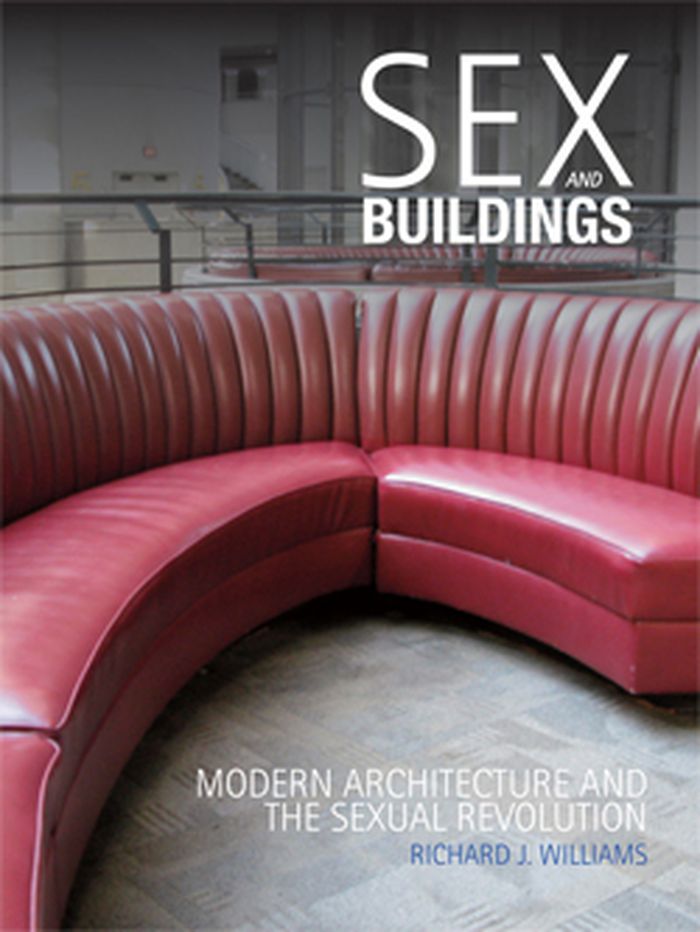
Part architectural history, part cultural history, and part travelogue, Sex and Buildings explores how progressive sexual attitudes manifest themselves in architecture, asking what progressive sexuality might look like architecturally and exploring the successes and failures of buildings' attempts to reflect it. In search of structures that reflect the sexual mores of their inhabitants, Richard J. Williams visits modernist buildings in Southern California, the Westin Bonaventure Hotel, the Playboy Mansion in Chicago, the Seagram in New York, communes from the 1960s, and more.
Sex and buildings: modern architecture and the sexual revolution
Actions:
Price:
$44.95
(available to order)
Summary:
Part architectural history, part cultural history, and part travelogue, Sex and Buildings explores how progressive sexual attitudes manifest themselves in architecture, asking what progressive sexuality might look like architecturally and exploring the successes and failures of buildings' attempts to reflect it. In search of structures that reflect the sexual mores of their inhabitants, Richard J. Williams visits modernist buildings in Southern California, the Westin Bonaventure Hotel, the Playboy Mansion in Chicago, the Seagram in New York, communes from the 1960s, and more.
Form:
books
books
Publication:
February 2013
February 2013
Subject:
Gender Theory in Architecture
Gender Theory in Architecture
Form:
books
books
Actions:
Price:
$18.00
(available to order)
Summary:
Treating cities as laboratories of the modern world, Infrastructures of the Urban examines how they are made and how they should be remade. The contributors— scholars and practitioners from architects and sociologists to physicists— bring to bear empirical analysis, ethnography, eyewitness reflections, cultural critique, and manifestos to explore how improving our(...)
$18.00
(available to order)
Summary:
Treating cities as laboratories of the modern world, Infrastructures of the Urban examines how they are made and how they should be remade. The contributors— scholars and practitioners from architects and sociologists to physicists— bring to bear empirical analysis, ethnography, eyewitness reflections, cultural critique, and manifestos to explore how improving our(...)
Publication:
February 2013
February 2013
Title:
Public Culture 70: Infrastructures of the urban
Actions:
Price:
$18.00
(available to order)
Summary:
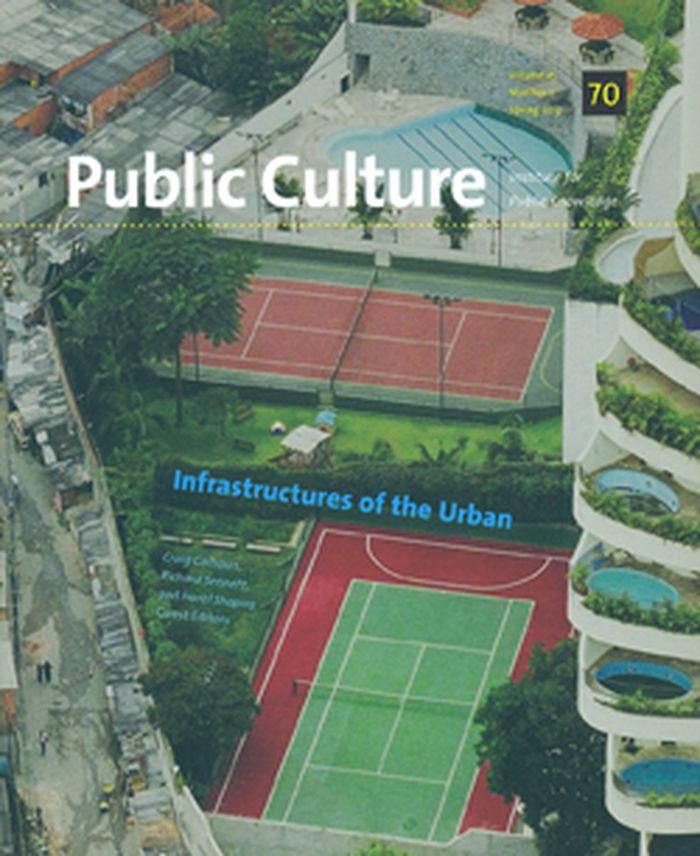
Treating cities as laboratories of the modern world, Infrastructures of the Urban examines how they are made and how they should be remade. The contributors— scholars and practitioners from architects and sociologists to physicists— bring to bear empirical analysis, ethnography, eyewitness reflections, cultural critique, and manifestos to explore how improving our material and cultural infrastructure can produce a better society. Topics include the World Trade Center memorial, the planning of the London Olympics, the informal redesign of shanty housing by slum residents in Mumbai and Mozambique, and the more formalized construction of highways and “tech-cities” like Sondgu, South Korea. The contributors show how cities are made and remade daily, as well as how the diverse, unexpected agents involved in the process break down the distinction between experts and laypeople.
Public Culture 70: Infrastructures of the urban
Actions:
Price:
$18.00
(available to order)
Summary:
Treating cities as laboratories of the modern world, Infrastructures of the Urban examines how they are made and how they should be remade. The contributors— scholars and practitioners from architects and sociologists to physicists— bring to bear empirical analysis, ethnography, eyewitness reflections, cultural critique, and manifestos to explore how improving our material and cultural infrastructure can produce a better society. Topics include the World Trade Center memorial, the planning of the London Olympics, the informal redesign of shanty housing by slum residents in Mumbai and Mozambique, and the more formalized construction of highways and “tech-cities” like Sondgu, South Korea. The contributors show how cities are made and remade daily, as well as how the diverse, unexpected agents involved in the process break down the distinction between experts and laypeople.
Form:
books
books
Publication:
February 2013
February 2013


