


12372 Results
Form:
books
books

Title:
What is the imagined North?
What is the imagined North?
Actions:
Price:
$20.00
(available to order)
Summary:
The North has been imagined and represented for centuries by artists and writers of the Western world, which has led, over time and the accumulation of successive layers of discourse, to the creation of an “imagined North” – ranging from the “North” of Scandinavia, Greenland, Russia, to the “Far North” or the poles. Westerners have reached the North Pole only a century(...)
$20.00
(available to order)
Summary:
The North has been imagined and represented for centuries by artists and writers of the Western world, which has led, over time and the accumulation of successive layers of discourse, to the creation of an “imagined North” – ranging from the “North” of Scandinavia, Greenland, Russia, to the “Far North” or the poles. Westerners have reached the North Pole only a century(...)
Title:
What is the imagined North?
Actions:
Price:
$20.00
(available to order)
Summary:
The North has been imagined and represented for centuries by artists and writers of the Western world, which has led, over time and the accumulation of successive layers of discourse, to the creation of an “imagined North” – ranging from the “North” of Scandinavia, Greenland, Russia, to the “Far North” or the poles. Westerners have reached the North Pole only a century ago, which makes the “North” the product of a double perspective: an outside one – made especially of Western images – and an inside one – that of Northern cultures (Inuit, Sami, Cree, etc.). The first are often simplified and the second, ignored. If we wish to understand what the “North” is in an overall perspective, we must ask ourselves two questions: how do images define the North, and which ethical principles should govern how we consider Northern cultures in order to have a complete view (including, in particular, those that have been undervalued by the South)? In this article, I try to address these two questions, first by defining what is the imagined North and then by proposing an inclusive program to “recomplexify” the cultural Arctic.
What is the imagined North?
Actions:
Price:
$20.00
(available to order)
Summary:
The North has been imagined and represented for centuries by artists and writers of the Western world, which has led, over time and the accumulation of successive layers of discourse, to the creation of an “imagined North” – ranging from the “North” of Scandinavia, Greenland, Russia, to the “Far North” or the poles. Westerners have reached the North Pole only a century ago, which makes the “North” the product of a double perspective: an outside one – made especially of Western images – and an inside one – that of Northern cultures (Inuit, Sami, Cree, etc.). The first are often simplified and the second, ignored. If we wish to understand what the “North” is in an overall perspective, we must ask ourselves two questions: how do images define the North, and which ethical principles should govern how we consider Northern cultures in order to have a complete view (including, in particular, those that have been undervalued by the South)? In this article, I try to address these two questions, first by defining what is the imagined North and then by proposing an inclusive program to “recomplexify” the cultural Arctic.
Form:
books
books
Publication:
June 2022
June 2022
Subject:
Current Exhibitions
Current Exhibitions
Form:
books
books
Actions:
Price:
$29.95
(available to order)
Summary:
This book explores the experience of driving cars as a way of encountering landscapes and cities around the world. A richly illustrated cultural history, drawing on social and urban history, art, literature and music, Drive explores in particular how car driving is portrayed in cinema and other moving images, from America to Europe and Asia, and from Hollywood to the(...)
$29.95
(available to order)
Summary:
This book explores the experience of driving cars as a way of encountering landscapes and cities around the world. A richly illustrated cultural history, drawing on social and urban history, art, literature and music, Drive explores in particular how car driving is portrayed in cinema and other moving images, from America to Europe and Asia, and from Hollywood to the(...)
Title:
Drive : journeys through film, cities and landscapes
Actions:
Price:
$29.95
(available to order)
Summary:
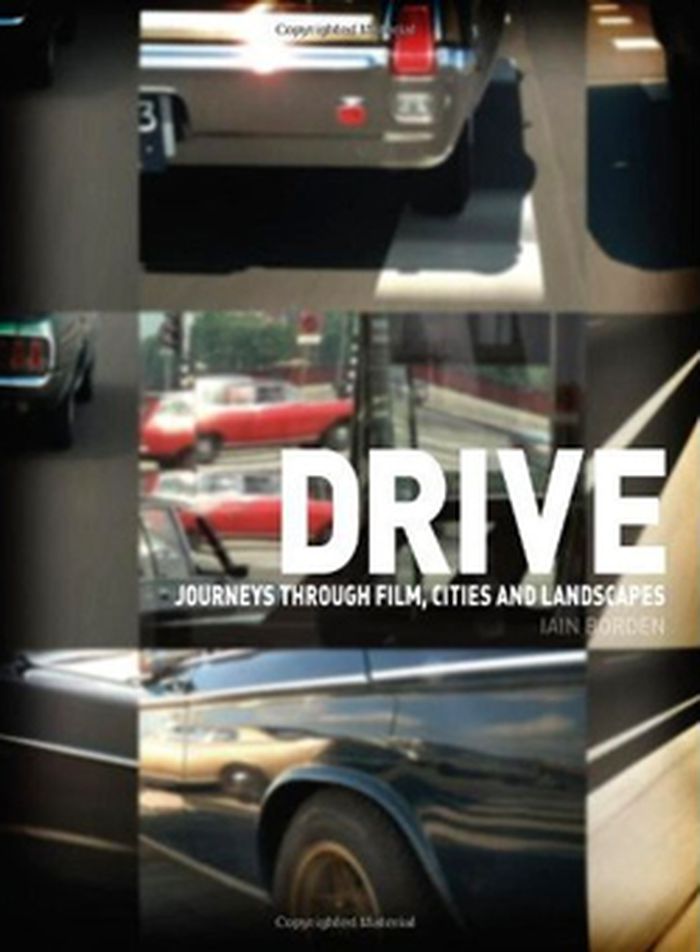
This book explores the experience of driving cars as a way of encountering landscapes and cities around the world. A richly illustrated cultural history, drawing on social and urban history, art, literature and music, Drive explores in particular how car driving is portrayed in cinema and other moving images, from America to Europe and Asia, and from Hollywood to the avant-garde. Drive is about dynamic journeys, experiences and speeds, rooted in specific places and roads, and expanded into the realm of cinema, art and video games. It moves from the gentle deserts of The Grapes of Wrath to the adventurous city streets of The Italian Job, from the aesthetic delights of Rain Man and Traffic to the existential musings of Two-Lane Blacktop, Thelma and Louise and Vanishing Point, from the contemplative freeway pleasures of Lift to the Scaffold, Radio On and London Orbital to the hallucinatory high-speed dangers of Crash, Bullitt, Death Proof and C’était un Rendezvous. It shows how various kinds of driving – with different speeds, cars, attitudes, roads and cities – provide experiences and values that we ignore at our peril.
Drive : journeys through film, cities and landscapes
Actions:
Price:
$29.95
(available to order)
Summary:
This book explores the experience of driving cars as a way of encountering landscapes and cities around the world. A richly illustrated cultural history, drawing on social and urban history, art, literature and music, Drive explores in particular how car driving is portrayed in cinema and other moving images, from America to Europe and Asia, and from Hollywood to the avant-garde. Drive is about dynamic journeys, experiences and speeds, rooted in specific places and roads, and expanded into the realm of cinema, art and video games. It moves from the gentle deserts of The Grapes of Wrath to the adventurous city streets of The Italian Job, from the aesthetic delights of Rain Man and Traffic to the existential musings of Two-Lane Blacktop, Thelma and Louise and Vanishing Point, from the contemplative freeway pleasures of Lift to the Scaffold, Radio On and London Orbital to the hallucinatory high-speed dangers of Crash, Bullitt, Death Proof and C’était un Rendezvous. It shows how various kinds of driving – with different speeds, cars, attitudes, roads and cities – provide experiences and values that we ignore at our peril.
Form:
books
books
Publication:
September 2012
September 2012
Subject:
Architecture and Film, Set Design
Architecture and Film, Set Design
Form:
books
books
Actions:
Price:
$26.95
(available to order)
Summary:
Measures are the subject of this unusual book, in which Robert Tavernor offers a fascinating account of the various measuring systems human beings have devised over two millennia. Tavernor urges us to look beyond the notion that measuring is strictly a scientific activity, divorced from human concerns. Instead, he sets measures and measuring in cultural context and shows(...)
$26.95
(available to order)
Summary:
Measures are the subject of this unusual book, in which Robert Tavernor offers a fascinating account of the various measuring systems human beings have devised over two millennia. Tavernor urges us to look beyond the notion that measuring is strictly a scientific activity, divorced from human concerns. Instead, he sets measures and measuring in cultural context and shows(...)
Publication:
August 2007
August 2007
Title:
Smoot's Ear : The measure of humanity
Actions:
Price:
$26.95
(available to order)
Summary:
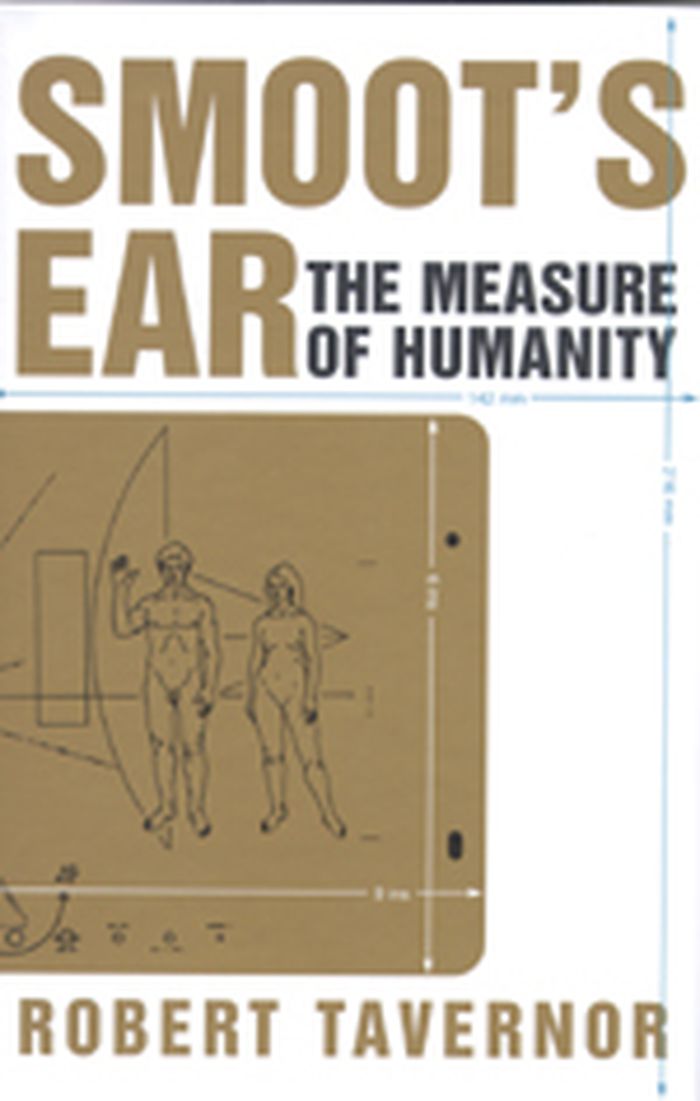
Measures are the subject of this unusual book, in which Robert Tavernor offers a fascinating account of the various measuring systems human beings have devised over two millennia. Tavernor urges us to look beyond the notion that measuring is strictly a scientific activity, divorced from human concerns. Instead, he sets measures and measuring in cultural context and shows how deeply they are connected to human experience and history. The book explores changing attitudes toward measure, focusing on key moments in art, sculpture, architecture, philosophy, and the development of scientific thought. It encompasses the journey of Western civilization from the construction of the Great Pyramid to the first manned flight to the moon. Beginning with a review of early measuring standards that referred to the feet and inches of ideal bodies, the book then tracks how Enlightenment interest in a truly scientific system of measure led to the creation of the metric system. This “rational” approach to measure in turn has inspired artists, architects, writers, and others to seek a balance that takes the human story into account. Tavernor concludes with a discussion of measure in our own time, when space travel presents to humankind a direct encounter with the unfathomable measure of the universe.
Smoot's Ear : The measure of humanity
Actions:
Price:
$26.95
(available to order)
Summary:
Measures are the subject of this unusual book, in which Robert Tavernor offers a fascinating account of the various measuring systems human beings have devised over two millennia. Tavernor urges us to look beyond the notion that measuring is strictly a scientific activity, divorced from human concerns. Instead, he sets measures and measuring in cultural context and shows how deeply they are connected to human experience and history. The book explores changing attitudes toward measure, focusing on key moments in art, sculpture, architecture, philosophy, and the development of scientific thought. It encompasses the journey of Western civilization from the construction of the Great Pyramid to the first manned flight to the moon. Beginning with a review of early measuring standards that referred to the feet and inches of ideal bodies, the book then tracks how Enlightenment interest in a truly scientific system of measure led to the creation of the metric system. This “rational” approach to measure in turn has inspired artists, architects, writers, and others to seek a balance that takes the human story into account. Tavernor concludes with a discussion of measure in our own time, when space travel presents to humankind a direct encounter with the unfathomable measure of the universe.
Form:
books
books
Publication:
August 2007
August 2007
Form:
books
books
Title:
Toronto sprawls
Toronto sprawls
Actions:
Price:
$24.95
(available to order)
Summary:
With a landmass spanning approximately 7000 square kilometres and a population of roughly five million, the Greater Toronto Area is Canada’s largest metropolitan centre. How did a small nineteenth-century colonial capital become this sprawling urban giant, and how did government policies shape the contours of its landscape? In Toronto Sprawls, Lawrence Solomon examines(...)
$24.95
(available to order)
Summary:
With a landmass spanning approximately 7000 square kilometres and a population of roughly five million, the Greater Toronto Area is Canada’s largest metropolitan centre. How did a small nineteenth-century colonial capital become this sprawling urban giant, and how did government policies shape the contours of its landscape? In Toronto Sprawls, Lawrence Solomon examines(...)
Title:
Toronto sprawls
Actions:
Price:
$24.95
(available to order)
Summary:
With a landmass spanning approximately 7000 square kilometres and a population of roughly five million, the Greater Toronto Area is Canada’s largest metropolitan centre. How did a small nineteenth-century colonial capital become this sprawling urban giant, and how did government policies shape the contours of its landscape? In Toronto Sprawls, Lawrence Solomon examines the great migration from farm to the city that occurred in the last half of the nineteenth century. During this period, a disproportionate number of single women came to Toronto, while at the same time, immigration from abroad was swelling the city’s urban boundaries. Labour unions were also increasingly successful in recruiting urban workers in these years. Governments responded to these perceived threats with a series of policies designed to foster order. To promote single family dwellings conducive to the traditional family, buildings in high-density areas were razed and apartment buildings banned. To discourage returning First World War veterans from settling in cities, the government offered grants to spur rural settlement. These policies and others dispersed the city’s population and promoted sprawl. An illuminating read, Toronto Sprawls makes a convincing case that urban sprawl in Toronto was not caused by market forces, but rather policies and programs designed to disperse Toronto’s urban population.
Toronto sprawls
Actions:
Price:
$24.95
(available to order)
Summary:
With a landmass spanning approximately 7000 square kilometres and a population of roughly five million, the Greater Toronto Area is Canada’s largest metropolitan centre. How did a small nineteenth-century colonial capital become this sprawling urban giant, and how did government policies shape the contours of its landscape? In Toronto Sprawls, Lawrence Solomon examines the great migration from farm to the city that occurred in the last half of the nineteenth century. During this period, a disproportionate number of single women came to Toronto, while at the same time, immigration from abroad was swelling the city’s urban boundaries. Labour unions were also increasingly successful in recruiting urban workers in these years. Governments responded to these perceived threats with a series of policies designed to foster order. To promote single family dwellings conducive to the traditional family, buildings in high-density areas were razed and apartment buildings banned. To discourage returning First World War veterans from settling in cities, the government offered grants to spur rural settlement. These policies and others dispersed the city’s population and promoted sprawl. An illuminating read, Toronto Sprawls makes a convincing case that urban sprawl in Toronto was not caused by market forces, but rather policies and programs designed to disperse Toronto’s urban population.
Form:
books
books
Publication:
April 2007, Toronto
April 2007, Toronto
Subject:
Architecture in Canada
Architecture in Canada
Form:
books
books
Price:
$29.50
(available to order)
Summary:
Photographer Annie Leibowitz collaborates with American Express on a portrait exhibition. Absolut Vodka engages artists for their advertisements. Philip Morris mounts an "Arts Against Hunger" campaign in partnership with prominent museums. Is it art or PR, and where is the line that separates the artistic from the corporate? According to Mark Rectanus, that line has(...)
$29.50
(available to order)
Summary:
Photographer Annie Leibowitz collaborates with American Express on a portrait exhibition. Absolut Vodka engages artists for their advertisements. Philip Morris mounts an "Arts Against Hunger" campaign in partnership with prominent museums. Is it art or PR, and where is the line that separates the artistic from the corporate? According to Mark Rectanus, that line has(...)
Subject:
Museums and Universal Exhibitions
Museums and Universal Exhibitions
Publication:
May 2002, Minneapolis
May 2002, Minneapolis
Title:
Culture incorporated : museums, artists, and corporate sponsorships
Actions:
Price:
$29.50
(available to order)
Summary:
Photographer Annie Leibowitz collaborates with American Express on a portrait exhibition. Absolut Vodka engages artists for their advertisements. Philip Morris mounts an "Arts Against Hunger" campaign in partnership with prominent museums. Is it art or PR, and where is the line that separates the artistic from the corporate? According to Mark Rectanus, that line has blurred. These mergers of art, business, and museums, he argues, are examples of the worldwide privatization of cultural funding. In Culture Incorporated, Rectanus calls for full disclosure of corporate involvement in cultural events and examines how corporations, art institutions, and foundations are reshaping the cultural terrain. In turn, he also shows how that ground is destabilized by artists subverting these same institutions to create a heightened awareness of critical alternatives. Rectanus exposes how sponsorship helps maintain social legitimation in a time when corporations are the target of significant criticism. He provides wide-ranging examples of artists and institutions grappling with corporate sponsorship, including artists' collaboration with sponsors, corporate sponsorship of museum exhibitions, festivals, and rock concerts, and cybersponsoring. Throughout, Rectanus analyzes the convergence of cultural institutions with global corporate politics and its influence on our culture and our communities. Mark W. Rectanus is professor of German at Iowa State University.
Culture incorporated : museums, artists, and corporate sponsorships
Actions:
Price:
$29.50
(available to order)
Summary:
Photographer Annie Leibowitz collaborates with American Express on a portrait exhibition. Absolut Vodka engages artists for their advertisements. Philip Morris mounts an "Arts Against Hunger" campaign in partnership with prominent museums. Is it art or PR, and where is the line that separates the artistic from the corporate? According to Mark Rectanus, that line has blurred. These mergers of art, business, and museums, he argues, are examples of the worldwide privatization of cultural funding. In Culture Incorporated, Rectanus calls for full disclosure of corporate involvement in cultural events and examines how corporations, art institutions, and foundations are reshaping the cultural terrain. In turn, he also shows how that ground is destabilized by artists subverting these same institutions to create a heightened awareness of critical alternatives. Rectanus exposes how sponsorship helps maintain social legitimation in a time when corporations are the target of significant criticism. He provides wide-ranging examples of artists and institutions grappling with corporate sponsorship, including artists' collaboration with sponsors, corporate sponsorship of museum exhibitions, festivals, and rock concerts, and cybersponsoring. Throughout, Rectanus analyzes the convergence of cultural institutions with global corporate politics and its influence on our culture and our communities. Mark W. Rectanus is professor of German at Iowa State University.
Form:
books
books
Publication:
May 2002, Minneapolis
May 2002, Minneapolis
Subject:
Museums and Universal Exhibitions
Museums and Universal Exhibitions
Form:
books
books
Price:
$38.99
(available to order)
Summary:
In 1982, the protests of antiporn feminists sparked the censorship of the ''Diary of a Conference on Sexuality'', a radical and sexually evocative image-text volume whose silencing became a symbol for the irresolvable feminist sex wars. ''In Visible archives'' documents the community networks that produced this resonant artifact and others, analyzing how visual culture(...)
$38.99
(available to order)
Summary:
In 1982, the protests of antiporn feminists sparked the censorship of the ''Diary of a Conference on Sexuality'', a radical and sexually evocative image-text volume whose silencing became a symbol for the irresolvable feminist sex wars. ''In Visible archives'' documents the community networks that produced this resonant artifact and others, analyzing how visual culture(...)
Title:
In Visible archives: Queer and feminist visual culture in the 1980s
Actions:
Price:
$38.99
(available to order)
Summary:
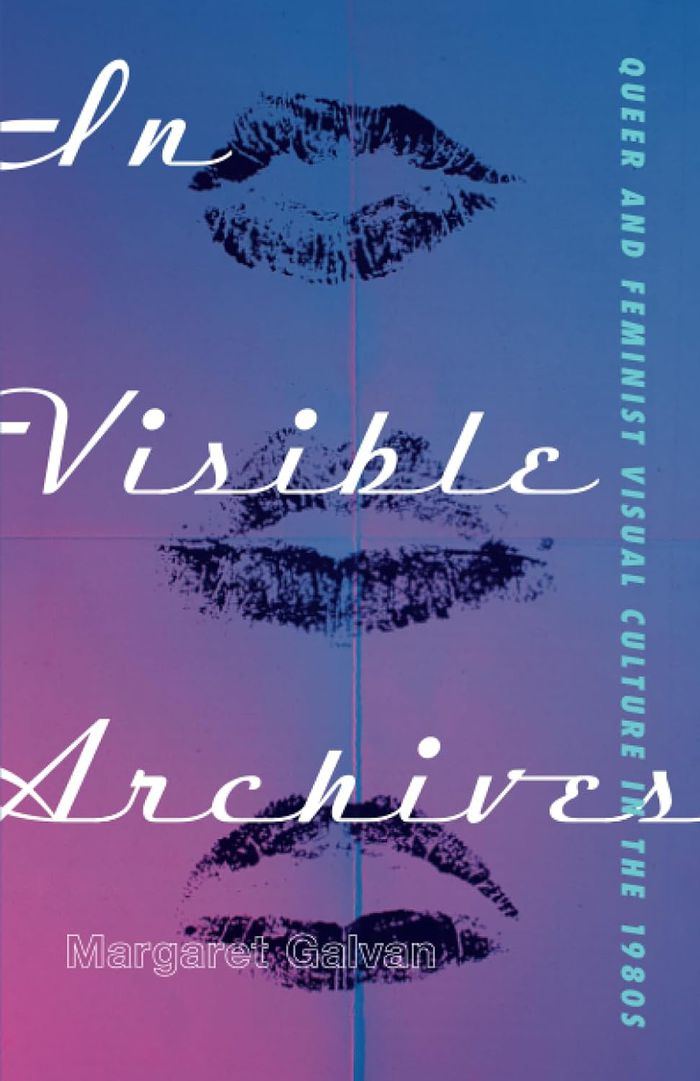
In 1982, the protests of antiporn feminists sparked the censorship of the ''Diary of a Conference on Sexuality'', a radical and sexually evocative image-text volume whose silencing became a symbol for the irresolvable feminist sex wars. ''In Visible archives'' documents the community networks that produced this resonant artifact and others, analyzing how visual culture provided a vital space for women artists to theorize and visualize their own bodies and sexualities. Margaret Galvan explores a number of feminist and cultural touchstones—the feminist sex wars, the HIV/AIDS crisis, the women in print movement, and countercultural grassroots periodical networks—and examines how visual culture interacts with these pivotal moments. She goes deep into the records to bring together a decade’s worth of research in grassroots and university archives that include comics, collages, photographs, drawings, and other image-text media produced by women, including Hannah Alderfer, Beth Jaker, Marybeth Nelson, Roberta Gregory, Lee Marrs, Alison Bechdel, Gloria Anzaldúa, and Nan Goldin. The art highlighted in ''In Visible archives'' demonstrates how women represented their bodies and sexualities on their own terms and created visibility for new, diverse identities, thus serving as blueprints for future activism and advocacy—work that is urgent now more than ever as LGBTQ+ and women’s rights face challenges and restrictions across the nation.
In Visible archives: Queer and feminist visual culture in the 1980s
Actions:
Price:
$38.99
(available to order)
Summary:
In 1982, the protests of antiporn feminists sparked the censorship of the ''Diary of a Conference on Sexuality'', a radical and sexually evocative image-text volume whose silencing became a symbol for the irresolvable feminist sex wars. ''In Visible archives'' documents the community networks that produced this resonant artifact and others, analyzing how visual culture provided a vital space for women artists to theorize and visualize their own bodies and sexualities. Margaret Galvan explores a number of feminist and cultural touchstones—the feminist sex wars, the HIV/AIDS crisis, the women in print movement, and countercultural grassroots periodical networks—and examines how visual culture interacts with these pivotal moments. She goes deep into the records to bring together a decade’s worth of research in grassroots and university archives that include comics, collages, photographs, drawings, and other image-text media produced by women, including Hannah Alderfer, Beth Jaker, Marybeth Nelson, Roberta Gregory, Lee Marrs, Alison Bechdel, Gloria Anzaldúa, and Nan Goldin. The art highlighted in ''In Visible archives'' demonstrates how women represented their bodies and sexualities on their own terms and created visibility for new, diverse identities, thus serving as blueprints for future activism and advocacy—work that is urgent now more than ever as LGBTQ+ and women’s rights face challenges and restrictions across the nation.
Form:
books
books
Publication:
September 2023
September 2023
Subject:
Social
Social
Form:
books
books
Title:
The tenants of East Harlem
The tenants of East Harlem
Actions:
Price:
$24.95
(available to order)
Summary:
Rich with the textures and rhythms of street life, "The tenants of East Harlem" is an unconventional biography of a neighborhood told through the life stories of seven residents whose experiences there span nearly a century. Modeled on the ethnic distinctions that divide the community, the book portrays the old guard of East Harlem: Pete, one of the last Italian(...)
$24.95
(available to order)
Summary:
Rich with the textures and rhythms of street life, "The tenants of East Harlem" is an unconventional biography of a neighborhood told through the life stories of seven residents whose experiences there span nearly a century. Modeled on the ethnic distinctions that divide the community, the book portrays the old guard of East Harlem: Pete, one of the last Italian(...)
Subject:
Urban Theory
Urban Theory
Publication:
August 2006, Berkeley, Los Angeles, London
August 2006, Berkeley, Los Angeles, London
Title:
The tenants of East Harlem
Actions:
Price:
$24.95
(available to order)
Summary:
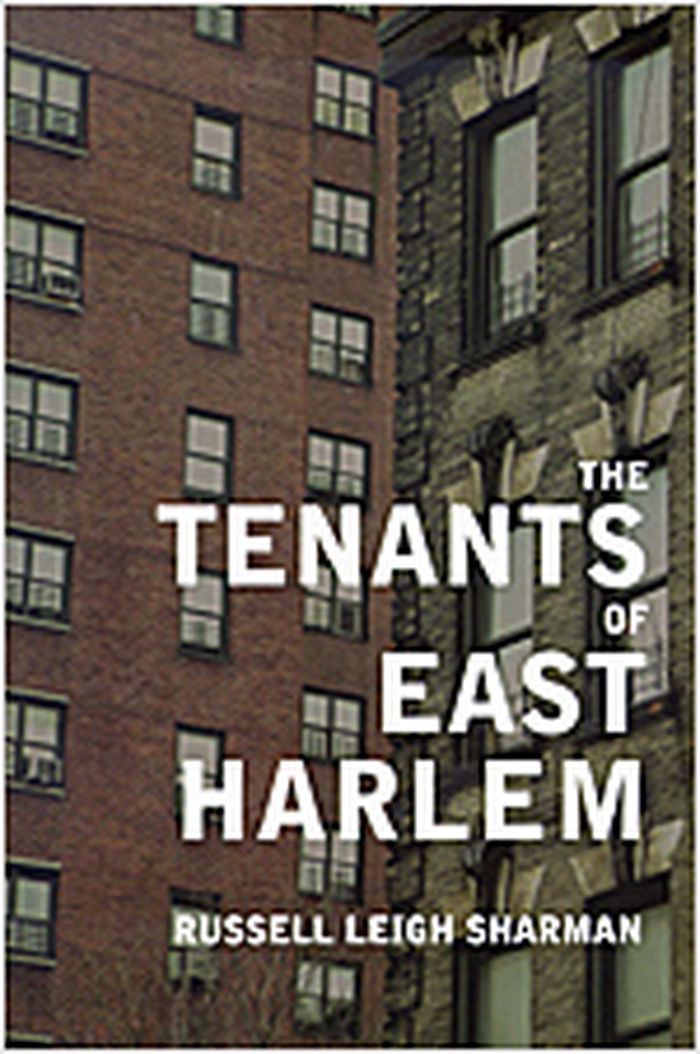
Rich with the textures and rhythms of street life, "The tenants of East Harlem" is an unconventional biography of a neighborhood told through the life stories of seven residents whose experiences there span nearly a century. Modeled on the ethnic distinctions that divide the community, the book portrays the old guard of East Harlem: Pete, one of the last Italian holdouts; José, a Puerto Rican; and Lucille, an African American. Side by side with these representatives of a century of ethnic succession are the newcomers: Maria, an undocumented Mexican; Mohamed, a West African entrepreneur; Si Zhi, a Chinese immigrant and landlord; and, finally, the author himself, a reluctant beneficiary of urban renewal. Russell Leigh Sharman weaves these oral histories together with fine-grained ethnographic observations and urban history to examine the ways that immigration, housing, ethnic change, gentrification, race, class, and gender have affected the neighborhood over time. Providing access to the nuances of inner-city life, "The tenants of East Harlem" shows how roots sink so quickly in a community that has always hosted the transient, how new immigrants are challenging the claims of the old, and how that cycle is threatened as never before by the specter of gentrification.
The tenants of East Harlem
Actions:
Price:
$24.95
(available to order)
Summary:
Rich with the textures and rhythms of street life, "The tenants of East Harlem" is an unconventional biography of a neighborhood told through the life stories of seven residents whose experiences there span nearly a century. Modeled on the ethnic distinctions that divide the community, the book portrays the old guard of East Harlem: Pete, one of the last Italian holdouts; José, a Puerto Rican; and Lucille, an African American. Side by side with these representatives of a century of ethnic succession are the newcomers: Maria, an undocumented Mexican; Mohamed, a West African entrepreneur; Si Zhi, a Chinese immigrant and landlord; and, finally, the author himself, a reluctant beneficiary of urban renewal. Russell Leigh Sharman weaves these oral histories together with fine-grained ethnographic observations and urban history to examine the ways that immigration, housing, ethnic change, gentrification, race, class, and gender have affected the neighborhood over time. Providing access to the nuances of inner-city life, "The tenants of East Harlem" shows how roots sink so quickly in a community that has always hosted the transient, how new immigrants are challenging the claims of the old, and how that cycle is threatened as never before by the specter of gentrification.
Form:
books
books
Publication:
August 2006, Berkeley, Los Angeles, London
August 2006, Berkeley, Los Angeles, London
Subject:
Urban Theory
Urban Theory
Form:
books
books

Actions:
Price:
$50.00
(available to order)
Summary:
"Private Places" offers an intimate glimpse into the personal gardens of Chicago residents, exploring how they carved out these quiet spaces of flora and greenery in the cityscape of concrete and brick. Temkin's camera lens captures the lushness and vibrancy of these backyard gardens, roving over the diverse natural and artificial elements contained in each. His images(...)
$50.00
(available to order)
Summary:
"Private Places" offers an intimate glimpse into the personal gardens of Chicago residents, exploring how they carved out these quiet spaces of flora and greenery in the cityscape of concrete and brick. Temkin's camera lens captures the lushness and vibrancy of these backyard gardens, roving over the diverse natural and artificial elements contained in each. His images(...)
Title:
Private places : photographs of Chicago gardens
Actions:
Price:
$50.00
(available to order)
Summary:
"Private Places" offers an intimate glimpse into the personal gardens of Chicago residents, exploring how they carved out these quiet spaces of flora and greenery in the cityscape of concrete and brick. Temkin's camera lens captures the lushness and vibrancy of these backyard gardens, roving over the diverse natural and artificial elements contained in each. His images chronicle how gardens are safe havens for these city dwellers, places where they can read, meditate, relax, and enjoy the experience of working with the soil and its fruits. Temkin notes, "The small gardens have bits and pieces of the person who owns them; found objects that are dear to them, keepsakes, statues, and personal items that reveal the person behind it."
Private places : photographs of Chicago gardens
Actions:
Price:
$50.00
(available to order)
Summary:
"Private Places" offers an intimate glimpse into the personal gardens of Chicago residents, exploring how they carved out these quiet spaces of flora and greenery in the cityscape of concrete and brick. Temkin's camera lens captures the lushness and vibrancy of these backyard gardens, roving over the diverse natural and artificial elements contained in each. His images chronicle how gardens are safe havens for these city dwellers, places where they can read, meditate, relax, and enjoy the experience of working with the soil and its fruits. Temkin notes, "The small gardens have bits and pieces of the person who owns them; found objects that are dear to them, keepsakes, statues, and personal items that reveal the person behind it."
Form:
books
books
Publication:
August 2005, Santa Fe, Chicago
August 2005, Santa Fe, Chicago
Subject:
Photography monographs
Photography monographs
Form:
books
books

Title:
Materials for design
Materials for design
Actions:
Price:
$65.95
(available to order)
Summary:
As architecture programs throughout the country break out of the classroom and adopt the holistic methods of design/build programs, the need for a textbook that bridges the gap between construction materials and design sensibility is sorely needed. Students must be taught how a choice of material affects the form and look of a structure; they must also learn how(...)
$65.95
(available to order)
Summary:
As architecture programs throughout the country break out of the classroom and adopt the holistic methods of design/build programs, the need for a textbook that bridges the gap between construction materials and design sensibility is sorely needed. Students must be taught how a choice of material affects the form and look of a structure; they must also learn how(...)
Subject:
Materials and Lighting
Materials and Lighting
Publication:
January 2006, New York
January 2006, New York
Title:
Materials for design
Actions:
Price:
$65.95
(available to order)
Summary:
As architecture programs throughout the country break out of the classroom and adopt the holistic methods of design/build programs, the need for a textbook that bridges the gap between construction materials and design sensibility is sorely needed. Students must be taught how a choice of material affects the form and look of a structure; they must also learn how inspired design can inject any material with true personality and zeal. Broken into five sections — glass, wood, metals, plastics, and concrete — "Materials for design" makes a thorough study of each material's properties, followed by a series of 10–12 case studies of that material put to imaginative use by today's architects from around the world.
Materials for design
Actions:
Price:
$65.95
(available to order)
Summary:
As architecture programs throughout the country break out of the classroom and adopt the holistic methods of design/build programs, the need for a textbook that bridges the gap between construction materials and design sensibility is sorely needed. Students must be taught how a choice of material affects the form and look of a structure; they must also learn how inspired design can inject any material with true personality and zeal. Broken into five sections — glass, wood, metals, plastics, and concrete — "Materials for design" makes a thorough study of each material's properties, followed by a series of 10–12 case studies of that material put to imaginative use by today's architects from around the world.
Form:
books
books
Publication:
January 2006, New York
January 2006, New York
Subject:
Materials and Lighting
Materials and Lighting
Form:
books
books
Actions:
Price:
$49.95
(available to order)
Summary:
Written with an international perspective that encourages cross-cultural comparisons, leading architectural and urban historian Eric Mumford presents a comprehensive survey of urbanism and urban design since the industrial revolution. Beginning in the second half of the 19th century, technical, social, and economic developments set cities and the world’s population on a(...)
$49.95
(available to order)
Summary:
Written with an international perspective that encourages cross-cultural comparisons, leading architectural and urban historian Eric Mumford presents a comprehensive survey of urbanism and urban design since the industrial revolution. Beginning in the second half of the 19th century, technical, social, and economic developments set cities and the world’s population on a(...)
Title:
Designing the modern city: urbanism since 1850
Actions:
Price:
$49.95
(available to order)
Summary:
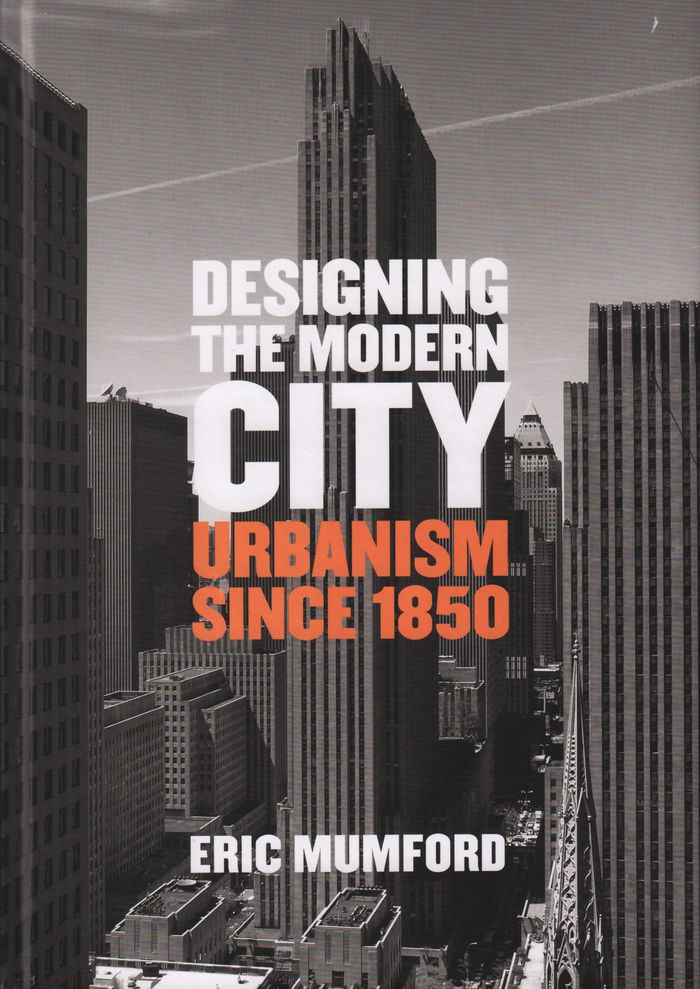
Written with an international perspective that encourages cross-cultural comparisons, leading architectural and urban historian Eric Mumford presents a comprehensive survey of urbanism and urban design since the industrial revolution. Beginning in the second half of the 19th century, technical, social, and economic developments set cities and the world’s population on a course of massive expansion. Mumford recounts how key figures in design responded to these changing circumstances with both practicable proposals and theoretical frameworks, ultimately creating what are now mainstream ideas about how urban environments should be designed, as well as creating the field called “urbanism.” He then traces the complex outcomes of approaches that emerged in European, American, and Asian cities.
Designing the modern city: urbanism since 1850
Actions:
Price:
$49.95
(available to order)
Summary:
Written with an international perspective that encourages cross-cultural comparisons, leading architectural and urban historian Eric Mumford presents a comprehensive survey of urbanism and urban design since the industrial revolution. Beginning in the second half of the 19th century, technical, social, and economic developments set cities and the world’s population on a course of massive expansion. Mumford recounts how key figures in design responded to these changing circumstances with both practicable proposals and theoretical frameworks, ultimately creating what are now mainstream ideas about how urban environments should be designed, as well as creating the field called “urbanism.” He then traces the complex outcomes of approaches that emerged in European, American, and Asian cities.
Form:
books
books
Publication:
March 2018
March 2018
Subject:
Urban Theory
Urban Theory


