


536 Results
Form:
events
events
Actions:
Description:
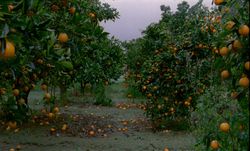
As part of our exhibition The fortune of the city is that it has never been perfect, Cinéma Public presents a series of three evenings in Parc Baile bringing together film screenings and workshops.
As part of our exhibition The fortune of the city is that it has never been perfect, Cinéma Public presents a series of three evenings in Parc Baile bringing together film screenings and workshops.
Location:
Parc Baile
Parc Baile
Date:
27 August 2026
27 August 2026
Title:
Ciné-Façade: Inhabiting the Imperfect
Actions:
Description:
As part of our exhibition The fortune of the city is that it has never been perfect, Cinéma Public presents a series of three evenings in Parc Baile bringing together film screenings and workshops.
Ciné-Façade: Inhabiting the Imperfect
Actions:
Description:
As part of our exhibition The fortune of the city is that it has never been perfect, Cinéma Public presents a series of three evenings in Parc Baile bringing together film screenings and workshops.
Form:
events
events
Date:
27 August 2026
27 August 2026
Location:
Parc Baile
Parc Baile
Actions:
Reference number:
ARCH252128
Description:
Two lectures delivered by William Turnbull at the IAUS in New York both moderated by Robert A. Stern as part of the "Architecture 5" lectures series under the theme "New Modernism/Post Modernism." The lectures are entitled: "Opportunities for Inhabitation" and "Post Modernism: Towards a Definition."
ARCH252128
Description:
Two lectures delivered by William Turnbull at the IAUS in New York both moderated by Robert A. Stern as part of the "Architecture 5" lectures series under the theme "New Modernism/Post Modernism." The lectures are entitled: "Opportunities for Inhabitation" and "Post Modernism: Towards a Definition."
People:
Date:
1976-10-19, 1976-11-16
1976-10-19, 1976-11-16
Title:
Audio recording of two lectures by William Turnbull for the series Architecture 5 New Modernism/Post Modernism entitled: "Opportunities for Inhabitation" and "Post Modernism: Towards a Definition"
Actions:
ARCH252128
Description:
Two lectures delivered by William Turnbull at the IAUS in New York both moderated by Robert A. Stern as part of the "Architecture 5" lectures series under the theme "New Modernism/Post Modernism." The lectures are entitled: "Opportunities for Inhabitation" and "Post Modernism: Towards a Definition."
Audio recording of two lectures by William Turnbull for the series Architecture 5 New Modernism/Post Modernism entitled: "Opportunities for Inhabitation" and "Post Modernism: Towards a Definition"
Actions:
ARCH252128
Description:
Two lectures delivered by William Turnbull at the IAUS in New York both moderated by Robert A. Stern as part of the "Architecture 5" lectures series under the theme "New Modernism/Post Modernism." The lectures are entitled: "Opportunities for Inhabitation" and "Post Modernism: Towards a Definition."
Date:
1976-10-19, 1976-11-16
1976-10-19, 1976-11-16
People:
Actions:
Reference number:
ARCH252135
Description:
Two lectures delivered at the IAUS in New York, by Stuart Cohen ("The Fall From Grace: Moore, Hardy, Venture"), moderated by Robert A. Stern, and by William Turnbull ("Opportunities for Inhabitation"), as part of the IAUS lectures series "Architecture 5," under the theme "New Modernism/Post Modernism."
ARCH252135
Description:
Two lectures delivered at the IAUS in New York, by Stuart Cohen ("The Fall From Grace: Moore, Hardy, Venture"), moderated by Robert A. Stern, and by William Turnbull ("Opportunities for Inhabitation"), as part of the IAUS lectures series "Architecture 5," under the theme "New Modernism/Post Modernism."
People:
Date:
1976-10-12, 1976-10-19
1976-10-12, 1976-10-19
Title:
Audio recording of two lectures by Stuart Cohen for the series Architecture 5 New Modernism/Post Modernism, entitled: "The Fall From Grace: Moore, Hardy, Venture" and "Opportunities for Inhabitation"
Actions:
ARCH252135
Description:
Two lectures delivered at the IAUS in New York, by Stuart Cohen ("The Fall From Grace: Moore, Hardy, Venture"), moderated by Robert A. Stern, and by William Turnbull ("Opportunities for Inhabitation"), as part of the IAUS lectures series "Architecture 5," under the theme "New Modernism/Post Modernism."
Audio recording of two lectures by Stuart Cohen for the series Architecture 5 New Modernism/Post Modernism, entitled: "The Fall From Grace: Moore, Hardy, Venture" and "Opportunities for Inhabitation"
Actions:
ARCH252135
Description:
Two lectures delivered at the IAUS in New York, by Stuart Cohen ("The Fall From Grace: Moore, Hardy, Venture"), moderated by Robert A. Stern, and by William Turnbull ("Opportunities for Inhabitation"), as part of the IAUS lectures series "Architecture 5," under the theme "New Modernism/Post Modernism."
Date:
1976-10-12, 1976-10-19
1976-10-12, 1976-10-19
People:
Form:
drawings
drawings
Actions:
Reference number:
ARCH275755
ARCH275755
People:
Date:
September 2014
September 2014
Form:
drawings
drawings
Date:
September 2014
September 2014
People:
Form:
articles
articles
Issue:
Ideas of living
Ideas of living
Form:
exhibitions
exhibitions
Actions:
Description:
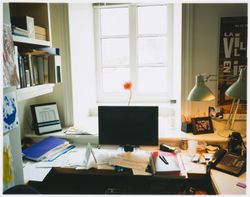
When the Canadian Centre for Architecture building was conceived and designed as an addition to the nineteenth-century Shaughnessy House, it also became an addition to the CCA’s extensive collection. Accordingly, the inaugural exhibitions in the new building in 1989 included a display on the Building and Gardens. The CCA, which plays an influential role in furthering(...)
When the Canadian Centre for Architecture building was conceived and designed as an addition to the nineteenth-century Shaughnessy House, it also became an addition to the CCA’s extensive collection. Accordingly, the inaugural exhibitions in the new building in 1989 included a display on the Building and Gardens. The CCA, which plays an influential role in furthering(...)
Location:
Hall cases
Hall cases
Date:
22 April 2015 to 30 November 2015
22 April 2015 to 30 November 2015
Title:
The CCA in Photographs, 1987–2015
Actions:
Description:
When the Canadian Centre for Architecture building was conceived and designed as an addition to the nineteenth-century Shaughnessy House, it also became an addition to the CCA’s extensive collection. Accordingly, the inaugural exhibitions in the new building in 1989 included a display on the Building and Gardens. The CCA, which plays an influential role in furthering(...)
The CCA in Photographs, 1987–2015
Actions:
Description:
When the Canadian Centre for Architecture building was conceived and designed as an addition to the nineteenth-century Shaughnessy House, it also became an addition to the CCA’s extensive collection. Accordingly, the inaugural exhibitions in the new building in 1989 included a display on the Building and Gardens. The CCA, which plays an influential role in furthering(...)
Form:
exhibitions
exhibitions
Date:
22 April 2015 to
30 November 2015
22 April 2015 to
30 November 2015
Location:
Hall cases
Hall cases
Level of archival description:
Project
Project
Actions:
Reference number:
AP207.S1.1986.PR01
Description:
The project series documents "Ombra", an installation presented for the first time at the Expo Arte of Galleria Speciale, in Bari, in 1986. It consists of an overcoat with flexible elements inserted in the lining of the fabric that form a structure to either create a seat for the wearer to sit on it or to stand on its own, if not worn. "So the multiplicity of roles, functions and subjects gives rise to an ambiguity, and a source of anxiety for he who, having conceived, made and “inhabited” it, perceives its more disquieting implications, those of an anomalous shadow, of another self that exists even in our absence." [1] The project series contains a sketch, photographs of the installation at the Galleria Speciale in 1986, a montage of film stills from Pettena's video explaining the installation, and digital versions of the installation film. Source: [1] Gianni Pettena website, https://www.giannipettena.it/italiano/opere-1/inst-armchair-1986/ (last accessed 11 December 2019).
AP207.S1.1986.PR01
Description:
The project series documents "Ombra", an installation presented for the first time at the Expo Arte of Galleria Speciale, in Bari, in 1986. It consists of an overcoat with flexible elements inserted in the lining of the fabric that form a structure to either create a seat for the wearer to sit on it or to stand on its own, if not worn. "So the multiplicity of roles, functions and subjects gives rise to an ambiguity, and a source of anxiety for he who, having conceived, made and “inhabited” it, perceives its more disquieting implications, those of an anomalous shadow, of another self that exists even in our absence." [1] The project series contains a sketch, photographs of the installation at the Galleria Speciale in 1986, a montage of film stills from Pettena's video explaining the installation, and digital versions of the installation film. Source: [1] Gianni Pettena website, https://www.giannipettena.it/italiano/opere-1/inst-armchair-1986/ (last accessed 11 December 2019).
People:
Date:
circa 1985-2015
circa 1985-2015
Title:
Ombra ["Shadow" Armchair] (1986)
Actions:
AP207.S1.1986.PR01
Description:
The project series documents "Ombra", an installation presented for the first time at the Expo Arte of Galleria Speciale, in Bari, in 1986. It consists of an overcoat with flexible elements inserted in the lining of the fabric that form a structure to either create a seat for the wearer to sit on it or to stand on its own, if not worn. "So the multiplicity of roles, functions and subjects gives rise to an ambiguity, and a source of anxiety for he who, having conceived, made and “inhabited” it, perceives its more disquieting implications, those of an anomalous shadow, of another self that exists even in our absence." [1] The project series contains a sketch, photographs of the installation at the Galleria Speciale in 1986, a montage of film stills from Pettena's video explaining the installation, and digital versions of the installation film. Source: [1] Gianni Pettena website, https://www.giannipettena.it/italiano/opere-1/inst-armchair-1986/ (last accessed 11 December 2019).
Ombra ["Shadow" Armchair] (1986)
Actions:
AP207.S1.1986.PR01
Description:
The project series documents "Ombra", an installation presented for the first time at the Expo Arte of Galleria Speciale, in Bari, in 1986. It consists of an overcoat with flexible elements inserted in the lining of the fabric that form a structure to either create a seat for the wearer to sit on it or to stand on its own, if not worn. "So the multiplicity of roles, functions and subjects gives rise to an ambiguity, and a source of anxiety for he who, having conceived, made and “inhabited” it, perceives its more disquieting implications, those of an anomalous shadow, of another self that exists even in our absence." [1] The project series contains a sketch, photographs of the installation at the Galleria Speciale in 1986, a montage of film stills from Pettena's video explaining the installation, and digital versions of the installation film. Source: [1] Gianni Pettena website, https://www.giannipettena.it/italiano/opere-1/inst-armchair-1986/ (last accessed 11 December 2019).
Level of archival description:
Project
Project
Date:
circa 1985-2015
circa 1985-2015
People:
Level of archival description:
Project
Project
Title:
Clay House (1972)
Clay House (1972)
Reference number:
AP207.S1.1972.PR02
Description:
The project series documents "Clay House", an installation undertaken by Pettena and a group of his students from the University of Utah, in Salt Lake City, in 1972. It consisted of covering an entire inhabited house with clay located in a middle-class neighbourhood of Salt Lake City. The installation "was another study on the “working” of material, or rather a statement on the re-naturalization of denatured places and materials [...]." It also transformed the house by changing its colour from the other houses in the area, "all devitalized by the anonymity as well as the uniformity of their coloring." [2] The project series contains photographs of the residence before being covered in clay, a photograph of Pettena's team working at covering the house with clay, photographs of the finished installation, and a photograph of the model. The project series also contains drawings for the installation, and a drawing showing four stages of the installation. Source: [1] [2] Gianni Pettena website, https://www.giannipettena.it/italiano/opere-1/nat-clay-house-1972-1/ (last accessed 11 November 2019)
AP207.S1.1972.PR02
Description:
The project series documents "Clay House", an installation undertaken by Pettena and a group of his students from the University of Utah, in Salt Lake City, in 1972. It consisted of covering an entire inhabited house with clay located in a middle-class neighbourhood of Salt Lake City. The installation "was another study on the “working” of material, or rather a statement on the re-naturalization of denatured places and materials [...]." It also transformed the house by changing its colour from the other houses in the area, "all devitalized by the anonymity as well as the uniformity of their coloring." [2] The project series contains photographs of the residence before being covered in clay, a photograph of Pettena's team working at covering the house with clay, photographs of the finished installation, and a photograph of the model. The project series also contains drawings for the installation, and a drawing showing four stages of the installation. Source: [1] [2] Gianni Pettena website, https://www.giannipettena.it/italiano/opere-1/nat-clay-house-1972-1/ (last accessed 11 November 2019)
People:
Date:
circa 1972-2016
circa 1972-2016
Title:
Clay House (1972)
Actions:
AP207.S1.1972.PR02
Description:
The project series documents "Clay House", an installation undertaken by Pettena and a group of his students from the University of Utah, in Salt Lake City, in 1972. It consisted of covering an entire inhabited house with clay located in a middle-class neighbourhood of Salt Lake City. The installation "was another study on the “working” of material, or rather a statement on the re-naturalization of denatured places and materials [...]." It also transformed the house by changing its colour from the other houses in the area, "all devitalized by the anonymity as well as the uniformity of their coloring." [2] The project series contains photographs of the residence before being covered in clay, a photograph of Pettena's team working at covering the house with clay, photographs of the finished installation, and a photograph of the model. The project series also contains drawings for the installation, and a drawing showing four stages of the installation. Source: [1] [2] Gianni Pettena website, https://www.giannipettena.it/italiano/opere-1/nat-clay-house-1972-1/ (last accessed 11 November 2019)
Clay House (1972)
Actions:
AP207.S1.1972.PR02
Description:
The project series documents "Clay House", an installation undertaken by Pettena and a group of his students from the University of Utah, in Salt Lake City, in 1972. It consisted of covering an entire inhabited house with clay located in a middle-class neighbourhood of Salt Lake City. The installation "was another study on the “working” of material, or rather a statement on the re-naturalization of denatured places and materials [...]." It also transformed the house by changing its colour from the other houses in the area, "all devitalized by the anonymity as well as the uniformity of their coloring." [2] The project series contains photographs of the residence before being covered in clay, a photograph of Pettena's team working at covering the house with clay, photographs of the finished installation, and a photograph of the model. The project series also contains drawings for the installation, and a drawing showing four stages of the installation. Source: [1] [2] Gianni Pettena website, https://www.giannipettena.it/italiano/opere-1/nat-clay-house-1972-1/ (last accessed 11 November 2019)
Level of archival description:
Project
Project
Date:
circa 1972-2016
circa 1972-2016
People:
Form:
exhibitions
exhibitions
Actions:
Description:
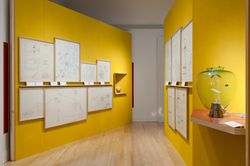
Rooms You May Have Missed reclaims the significance of inhabitation and is for that reason a collection of domestic spaces—entry porticos, kitchens, bedrooms, closets, dining rooms, courtyards, gardens, vestibules, living rooms, offices, dens, and washrooms—as reinvented in the work of two very different architects: Umberto Riva in Milan and Bijoy Jain in Mumbai. Common(...)
Rooms You May Have Missed reclaims the significance of inhabitation and is for that reason a collection of domestic spaces—entry porticos, kitchens, bedrooms, closets, dining rooms, courtyards, gardens, vestibules, living rooms, offices, dens, and washrooms—as reinvented in the work of two very different architects: Umberto Riva in Milan and Bijoy Jain in Mumbai. Common(...)
Location:
Main galleries
Main galleries
Date:
4 November 2014 to 19 April 2015
4 November 2014 to 19 April 2015
Title:
Rooms You May Have Missed
Actions:
Description:
Rooms You May Have Missed reclaims the significance of inhabitation and is for that reason a collection of domestic spaces—entry porticos, kitchens, bedrooms, closets, dining rooms, courtyards, gardens, vestibules, living rooms, offices, dens, and washrooms—as reinvented in the work of two very different architects: Umberto Riva in Milan and Bijoy Jain in Mumbai. Common(...)
Rooms You May Have Missed
Actions:
Description:
Rooms You May Have Missed reclaims the significance of inhabitation and is for that reason a collection of domestic spaces—entry porticos, kitchens, bedrooms, closets, dining rooms, courtyards, gardens, vestibules, living rooms, offices, dens, and washrooms—as reinvented in the work of two very different architects: Umberto Riva in Milan and Bijoy Jain in Mumbai. Common(...)
Form:
exhibitions
exhibitions
Date:
4 November 2014 to
19 April 2015
4 November 2014 to
19 April 2015
Location:
Main galleries
Main galleries
Form:
events
events
Actions:
Description:
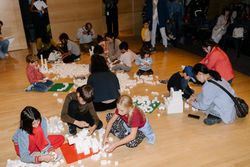
Every first Sunday of the month, from 11am to 12pm, we invite you and your children to dive into the world of construction games—Kapla, Mega Bloks, Lego, and many more. Together, discover how spaces are designed, transformed, and inhabited, while drawing inspiration from the objects, models, and drawings in our Collection.
Every first Sunday of the month, from 11am to 12pm, we invite you and your children to dive into the world of construction games—Kapla, Mega Bloks, Lego, and many more. Together, discover how spaces are designed, transformed, and inhabited, while drawing inspiration from the objects, models, and drawings in our Collection.
Date:
1 November 2026, 11am to 12pm
1 November 2026, 11am to 12pm
Title:
Architecture Playtime
Actions:
Description:
Every first Sunday of the month, from 11am to 12pm, we invite you and your children to dive into the world of construction games—Kapla, Mega Bloks, Lego, and many more. Together, discover how spaces are designed, transformed, and inhabited, while drawing inspiration from the objects, models, and drawings in our Collection.
Architecture Playtime
Actions:
Description:
Every first Sunday of the month, from 11am to 12pm, we invite you and your children to dive into the world of construction games—Kapla, Mega Bloks, Lego, and many more. Together, discover how spaces are designed, transformed, and inhabited, while drawing inspiration from the objects, models, and drawings in our Collection.
Form:
events
events
Date:
1 November 2026
11am to 12pm
1 November 2026
11am to 12pm


