


1897 Results
Form:
books
books
Title:
Buildings must die
Buildings must die
Actions:
Price:
$38.95
(available to order)
Summary:
Buildings, although inanimate, are often assumed to have “life.” And the architect, through the act of design, is assumed to be their conceiver and creator. But what of the “death” of buildings? What of the decay, deterioration, and destruction to which they are inevitably subject? And what might such endings mean for architecture’s sense of itself? In Buildings Must Die,(...)
$38.95
(available to order)
Summary:
Buildings, although inanimate, are often assumed to have “life.” And the architect, through the act of design, is assumed to be their conceiver and creator. But what of the “death” of buildings? What of the decay, deterioration, and destruction to which they are inevitably subject? And what might such endings mean for architecture’s sense of itself? In Buildings Must Die,(...)
Title:
Buildings must die
Actions:
Price:
$38.95
(available to order)
Summary:
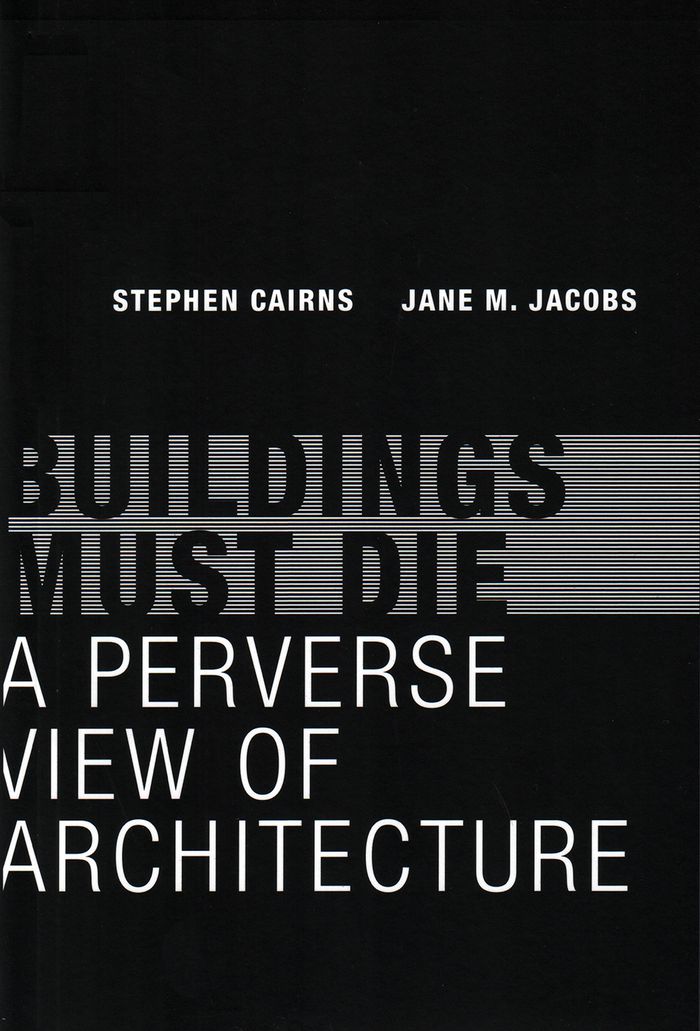
Buildings, although inanimate, are often assumed to have “life.” And the architect, through the act of design, is assumed to be their conceiver and creator. But what of the “death” of buildings? What of the decay, deterioration, and destruction to which they are inevitably subject? And what might such endings mean for architecture’s sense of itself? In Buildings Must Die, Stephen Cairns and Jane Jacobs look awry at core architectural concerns. They examine spalling concrete and creeping rust, contemplate ruins old and new, and pick through the rubble of earthquake-shattered churches, imploded housing projects, and demolished Brutalist office buildings. Their investigation of the death of buildings reorders architectural notions of creativity, reshapes architecture’s preoccupation with good form, loosens its vanities of durability, and expands its sense of value. It does so not to kill off architecture as we know it, but to rethink its agency and its capacity to make worlds differently. Cairns and Jacobs offer an original contemplation of architecture that draws on theories of waste and value. Their richly illustrated case studies of building “deaths” include the planned and the unintended, the lamented and the celebrated. They take us from Moline to Christchurch, from London to Bangkok, from Tokyo to Paris. And they feature the work of such architects as Eero Saarinen, Carlo Scarpa, Cedric Price, Arata Isozaki, Rem Koolhaas and François Roche.
Buildings must die
Actions:
Price:
$38.95
(available to order)
Summary:
Buildings, although inanimate, are often assumed to have “life.” And the architect, through the act of design, is assumed to be their conceiver and creator. But what of the “death” of buildings? What of the decay, deterioration, and destruction to which they are inevitably subject? And what might such endings mean for architecture’s sense of itself? In Buildings Must Die, Stephen Cairns and Jane Jacobs look awry at core architectural concerns. They examine spalling concrete and creeping rust, contemplate ruins old and new, and pick through the rubble of earthquake-shattered churches, imploded housing projects, and demolished Brutalist office buildings. Their investigation of the death of buildings reorders architectural notions of creativity, reshapes architecture’s preoccupation with good form, loosens its vanities of durability, and expands its sense of value. It does so not to kill off architecture as we know it, but to rethink its agency and its capacity to make worlds differently. Cairns and Jacobs offer an original contemplation of architecture that draws on theories of waste and value. Their richly illustrated case studies of building “deaths” include the planned and the unintended, the lamented and the celebrated. They take us from Moline to Christchurch, from London to Bangkok, from Tokyo to Paris. And they feature the work of such architects as Eero Saarinen, Carlo Scarpa, Cedric Price, Arata Isozaki, Rem Koolhaas and François Roche.
Form:
books
books
Publication:
August 2017
August 2017
Subject:
Architectural Theory
Architectural Theory
Form:
books
books
Price:
$35.00
(available to order)
Summary:
Cycle Space is the first book to view the city through the lens - or rearview mirror - of the bicycle. It features portraits of eight major cities and their respective cycling cultures: New York, Chicago, Portland, Amsterdam, Copenhagen, Budapest, São Paolo, Singapore and Sydney. Each of these cities has seen a groundswell of cyclists taking to its streets in recent(...)
$35.00
(available to order)
Summary:
Cycle Space is the first book to view the city through the lens - or rearview mirror - of the bicycle. It features portraits of eight major cities and their respective cycling cultures: New York, Chicago, Portland, Amsterdam, Copenhagen, Budapest, São Paolo, Singapore and Sydney. Each of these cities has seen a groundswell of cyclists taking to its streets in recent(...)
Title:
Cycle space : architecture & urban design in the age of the bicycle
Actions:
Price:
$35.00
(available to order)
Summary:
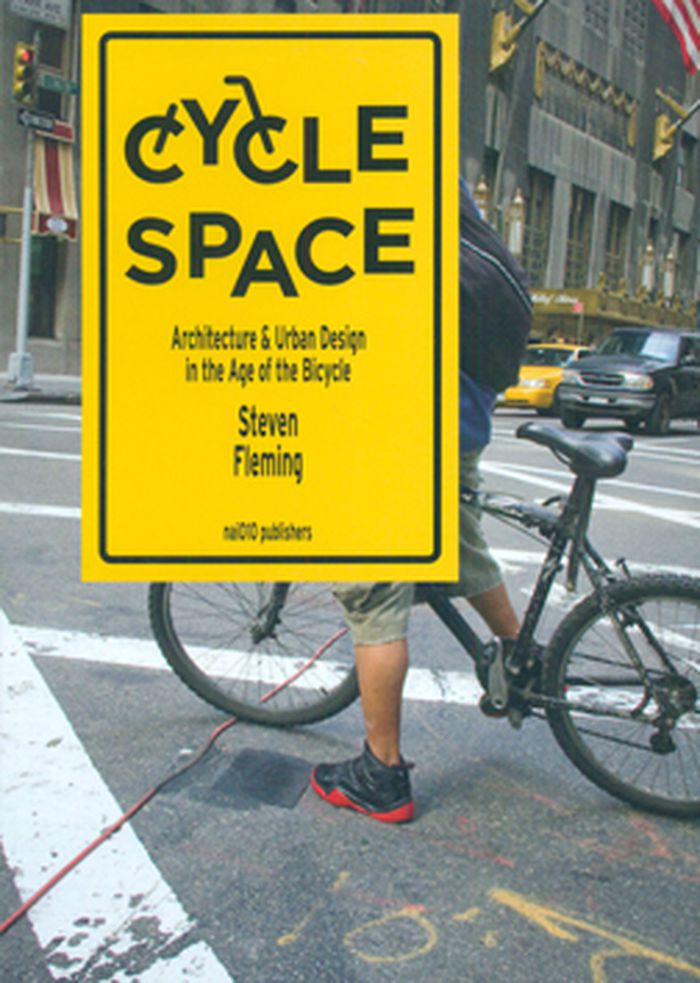
Cycle Space is the first book to view the city through the lens - or rearview mirror - of the bicycle. It features portraits of eight major cities and their respective cycling cultures: New York, Chicago, Portland, Amsterdam, Copenhagen, Budapest, São Paolo, Singapore and Sydney. Each of these cities has seen a groundswell of cyclists taking to its streets in recent years. From death-defying bike messengers to hipsters with a taste for cycle chic to commuters simply riding to work, cycling is now being viewed as more than just an alternative: it’s practical; it’s cool; it’s green.
Cycle space : architecture & urban design in the age of the bicycle
Actions:
Price:
$35.00
(available to order)
Summary:
Cycle Space is the first book to view the city through the lens - or rearview mirror - of the bicycle. It features portraits of eight major cities and their respective cycling cultures: New York, Chicago, Portland, Amsterdam, Copenhagen, Budapest, São Paolo, Singapore and Sydney. Each of these cities has seen a groundswell of cyclists taking to its streets in recent years. From death-defying bike messengers to hipsters with a taste for cycle chic to commuters simply riding to work, cycling is now being viewed as more than just an alternative: it’s practical; it’s cool; it’s green.
Form:
books
books
Publication:
October 2012
October 2012
Subject:
Transportation, Tourism, Migration
Transportation, Tourism, Migration
Form:
books
books
Actions:
Price:
$26.00
(available to order)
Summary:
From the 1990s until just before his death, the legendary art critic and philosopher Arthur C. Danto carried out extended conversations about contemporary art with the prominent Italian critic Demetrio Paparoni. Their discussions ranged widely over a vast range of topics, from American pop art and minimalism to abstraction and appropriationism. Yet they continually(...)
$26.00
(available to order)
Summary:
From the 1990s until just before his death, the legendary art critic and philosopher Arthur C. Danto carried out extended conversations about contemporary art with the prominent Italian critic Demetrio Paparoni. Their discussions ranged widely over a vast range of topics, from American pop art and minimalism to abstraction and appropriationism. Yet they continually(...)
Title:
Art and posthistory: Conversations on the end of aesthetics
Actions:
Price:
$26.00
(available to order)
Summary:
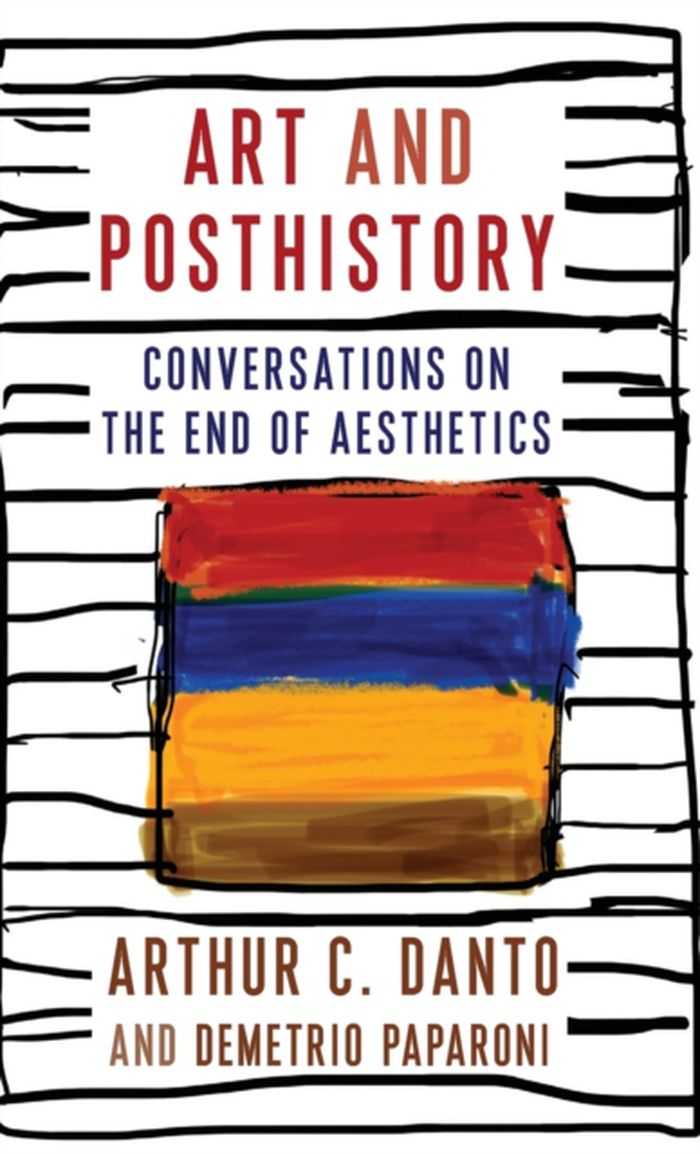
From the 1990s until just before his death, the legendary art critic and philosopher Arthur C. Danto carried out extended conversations about contemporary art with the prominent Italian critic Demetrio Paparoni. Their discussions ranged widely over a vast range of topics, from American pop art and minimalism to abstraction and appropriationism. Yet they continually returned to the concepts at the core of Danto’s thinking—posthistory and the end of aesthetics—provocative notions that to this day shape questions about the meaning and future of contemporary art. This book presents these rich dialogues and correspondence, testifying to the ongoing importance of Danto’s ideas.
Art and posthistory: Conversations on the end of aesthetics
Actions:
Price:
$26.00
(available to order)
Summary:
From the 1990s until just before his death, the legendary art critic and philosopher Arthur C. Danto carried out extended conversations about contemporary art with the prominent Italian critic Demetrio Paparoni. Their discussions ranged widely over a vast range of topics, from American pop art and minimalism to abstraction and appropriationism. Yet they continually returned to the concepts at the core of Danto’s thinking—posthistory and the end of aesthetics—provocative notions that to this day shape questions about the meaning and future of contemporary art. This book presents these rich dialogues and correspondence, testifying to the ongoing importance of Danto’s ideas.
Form:
books
books
Publication:
August 2022
August 2022
Subject:
Art Theory
Art Theory
Form:
books
books
Title:
Mourning diary
Mourning diary
Actions:
Price:
$27.50
(available to order)
Summary:
The day after his mother’s death in October 1977, the influential philosopher Roland Barthes began a diary of mourning. Taking notes on index cards as was his habit, he reflected on a new solitude, on the ebb and flow of sadness, and on modern society’s dismissal of grief. These 330 cards, published here for the first time, prove a skeleton key to the themes he tackled(...)
$27.50
(available to order)
Summary:
The day after his mother’s death in October 1977, the influential philosopher Roland Barthes began a diary of mourning. Taking notes on index cards as was his habit, he reflected on a new solitude, on the ebb and flow of sadness, and on modern society’s dismissal of grief. These 330 cards, published here for the first time, prove a skeleton key to the themes he tackled(...)
Title:
Mourning diary
Actions:
Price:
$27.50
(available to order)
Summary:
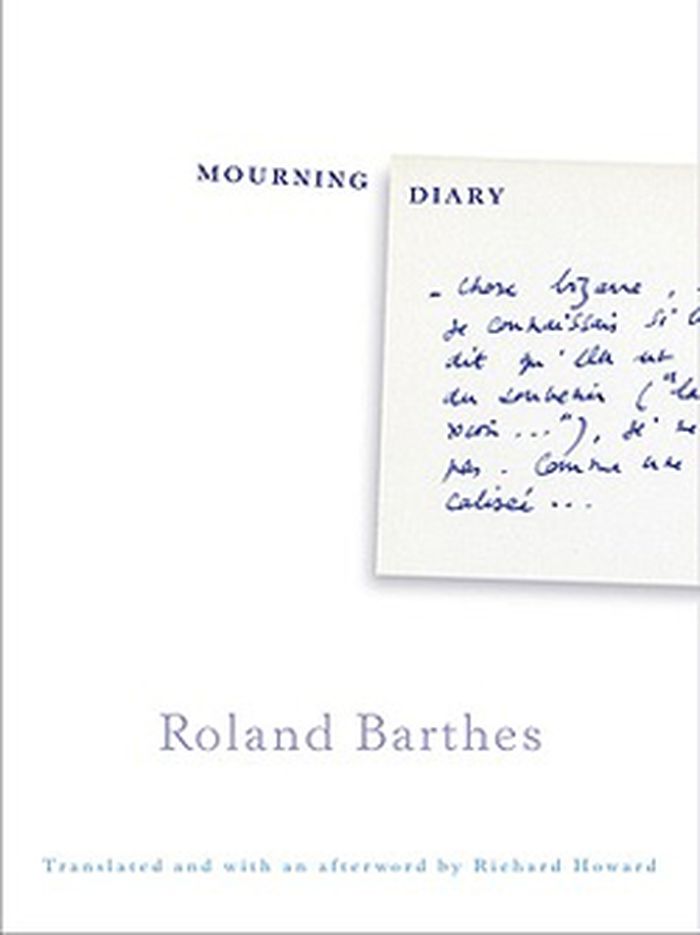
The day after his mother’s death in October 1977, the influential philosopher Roland Barthes began a diary of mourning. Taking notes on index cards as was his habit, he reflected on a new solitude, on the ebb and flow of sadness, and on modern society’s dismissal of grief. These 330 cards, published here for the first time, prove a skeleton key to the themes he tackled throughout his work. Behind the unflagging mind, “the most consistently intelligent, important, lay a deeply sensitive man who cherished his mother with a devotion unknown even to his closest friends.
Mourning diary
Actions:
Price:
$27.50
(available to order)
Summary:
The day after his mother’s death in October 1977, the influential philosopher Roland Barthes began a diary of mourning. Taking notes on index cards as was his habit, he reflected on a new solitude, on the ebb and flow of sadness, and on modern society’s dismissal of grief. These 330 cards, published here for the first time, prove a skeleton key to the themes he tackled throughout his work. Behind the unflagging mind, “the most consistently intelligent, important, lay a deeply sensitive man who cherished his mother with a devotion unknown even to his closest friends.
Form:
books
books
Publication:
November 2010
November 2010
Subject:
Critical Theory
Critical Theory
Form:
books
books
Price:
$27.00
(available to order)
Summary:
Isaac Cordal is a sculpture artist from London whose sculptures take the form of "little people" sculpted from concrete and placed in "real" situations. Cordal manages to capture much emotion in his vignettes, in spite of the little people's lack of detail or color. He is sympathetic toward his little people and we empathize with their situations, their leisure time,(...)
$27.00
(available to order)
Summary:
Isaac Cordal is a sculpture artist from London whose sculptures take the form of "little people" sculpted from concrete and placed in "real" situations. Cordal manages to capture much emotion in his vignettes, in spite of the little people's lack of detail or color. He is sympathetic toward his little people and we empathize with their situations, their leisure time,(...)
Title:
Isaac Cordal : cement eclipses, small interventions in the big city
Actions:
Price:
$27.00
(available to order)
Summary:
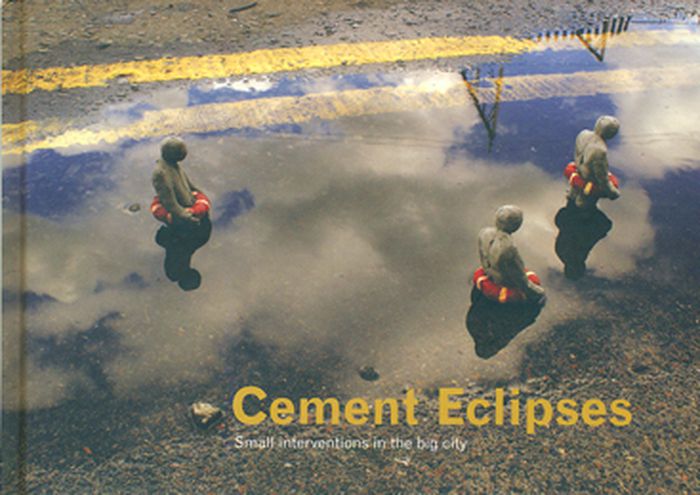
Isaac Cordal is a sculpture artist from London whose sculptures take the form of "little people" sculpted from concrete and placed in "real" situations. Cordal manages to capture much emotion in his vignettes, in spite of the little people's lack of detail or color. He is sympathetic toward his little people and we empathize with their situations, their leisure time, their waiting for buses and their more tragic moments such as accidental death, suicide or family funerals. His sculptures can be found in gutters, on top of buildings, on top of bus shelters - and in many other unusual and unlikely places.
Isaac Cordal : cement eclipses, small interventions in the big city
Actions:
Price:
$27.00
(available to order)
Summary:
Isaac Cordal is a sculpture artist from London whose sculptures take the form of "little people" sculpted from concrete and placed in "real" situations. Cordal manages to capture much emotion in his vignettes, in spite of the little people's lack of detail or color. He is sympathetic toward his little people and we empathize with their situations, their leisure time, their waiting for buses and their more tragic moments such as accidental death, suicide or family funerals. His sculptures can be found in gutters, on top of buildings, on top of bus shelters - and in many other unusual and unlikely places.
Form:
books
books
Publication:
November 2011
November 2011
Form:
books
books
Title:
C.P Cavafy: collected poems
C.P Cavafy: collected poems
Actions:
Price:
$40.00
(available to order)
Summary:
Daniel Mendelsohn--a classics scholar who alone among Cavafy's translators shares the poet's deep intimacy with the ancient world--is uniquely positioned to give readers full access to Cavafy's genius. The more than 250 works collected in this volume, comprising all of the Published, Repudiated, and Unpublished poems, cover the vast sweep of Hellenic civilization, from(...)
$40.00
(available to order)
Summary:
Daniel Mendelsohn--a classics scholar who alone among Cavafy's translators shares the poet's deep intimacy with the ancient world--is uniquely positioned to give readers full access to Cavafy's genius. The more than 250 works collected in this volume, comprising all of the Published, Repudiated, and Unpublished poems, cover the vast sweep of Hellenic civilization, from(...)
Publication:
January 2012
January 2012
Title:
C.P Cavafy: collected poems
Actions:
Price:
$40.00
(available to order)
Summary:
Daniel Mendelsohn--a classics scholar who alone among Cavafy's translators shares the poet's deep intimacy with the ancient world--is uniquely positioned to give readers full access to Cavafy's genius. The more than 250 works collected in this volume, comprising all of the Published, Repudiated, and Unpublished poems, cover the vast sweep of Hellenic civilization, from the Trojan War through Cavafy's own lifetime. Powerfully moving, searching and wise, whether advising Odysseus as he returns home to Ithaca or portraying a doomed Marc Antony on the eve of his death, Cavafy's poetry makes the historical personal--and vice versa.
C.P Cavafy: collected poems
Actions:
Price:
$40.00
(available to order)
Summary:
Daniel Mendelsohn--a classics scholar who alone among Cavafy's translators shares the poet's deep intimacy with the ancient world--is uniquely positioned to give readers full access to Cavafy's genius. The more than 250 works collected in this volume, comprising all of the Published, Repudiated, and Unpublished poems, cover the vast sweep of Hellenic civilization, from the Trojan War through Cavafy's own lifetime. Powerfully moving, searching and wise, whether advising Odysseus as he returns home to Ithaca or portraying a doomed Marc Antony on the eve of his death, Cavafy's poetry makes the historical personal--and vice versa.
Form:
books
books
Publication:
January 2012
January 2012
Form:
books
books
Actions:
Price:
$79.00
(available to order)
Summary:
For the past thirty years, Japanese photographer Naoya Hatakeyama has undertaken a photographic examination of the life of cities and the built environment. Each of his series focuses on a different facet of the growth and transformation of the urban landscape—from studies of architectural maquettes to the extraction and use of natural materials such as limestone, as it(...)
$79.00
(available to order)
Summary:
For the past thirty years, Japanese photographer Naoya Hatakeyama has undertaken a photographic examination of the life of cities and the built environment. Each of his series focuses on a different facet of the growth and transformation of the urban landscape—from studies of architectural maquettes to the extraction and use of natural materials such as limestone, as it(...)
Title:
Naoya Hatakeyama : excavating the future city
Actions:
Price:
$79.00
(available to order)
Summary:
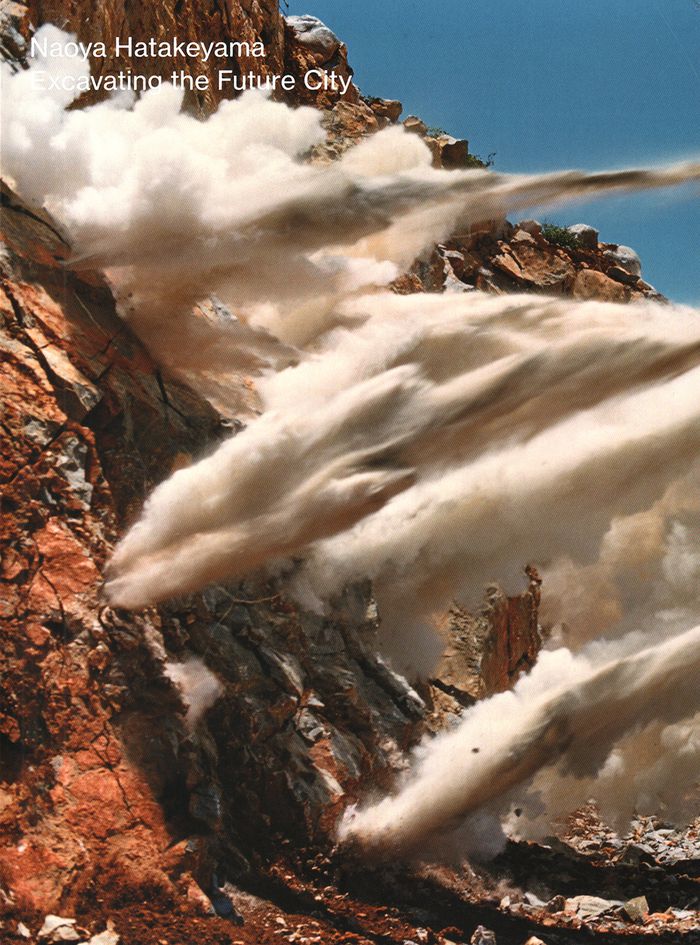
For the past thirty years, Japanese photographer Naoya Hatakeyama has undertaken a photographic examination of the life of cities and the built environment. Each of his series focuses on a different facet of the growth and transformation of the urban landscape—from studies of architectural maquettes to the extraction and use of natural materials such as limestone, as it is quarried via explosive blasts and subsequently incorporated into the construction of new buildings.These photographs hauntingly embody the death and rebirth of the city, manifesting a deeply personal connection to the ongoing intersection of geology, architecture, and time.
Naoya Hatakeyama : excavating the future city
Actions:
Price:
$79.00
(available to order)
Summary:
For the past thirty years, Japanese photographer Naoya Hatakeyama has undertaken a photographic examination of the life of cities and the built environment. Each of his series focuses on a different facet of the growth and transformation of the urban landscape—from studies of architectural maquettes to the extraction and use of natural materials such as limestone, as it is quarried via explosive blasts and subsequently incorporated into the construction of new buildings.These photographs hauntingly embody the death and rebirth of the city, manifesting a deeply personal connection to the ongoing intersection of geology, architecture, and time.
Form:
books
books
Publication:
April 2018
April 2018
Subject:
Photography monographs
Photography monographs
Form:
books
books
Actions:
Price:
$50.00
(available to order)
Summary:
From 1976 until his death in 1987, Andy Warhol was never without his camera. He snapped photos at discos, dinner parties, flea markets, and wrestling matches. In a way, Warhol's daily photography practice anticipated our current smart phone habits - our need to record our friends, our families, and our food. Warhol printed only about 17 percent of the 130,000 exposures he(...)
$50.00
(available to order)
Summary:
From 1976 until his death in 1987, Andy Warhol was never without his camera. He snapped photos at discos, dinner parties, flea markets, and wrestling matches. In a way, Warhol's daily photography practice anticipated our current smart phone habits - our need to record our friends, our families, and our food. Warhol printed only about 17 percent of the 130,000 exposures he(...)
Title:
Contact Warhol: photography without end
Actions:
Price:
$50.00
(available to order)
Summary:
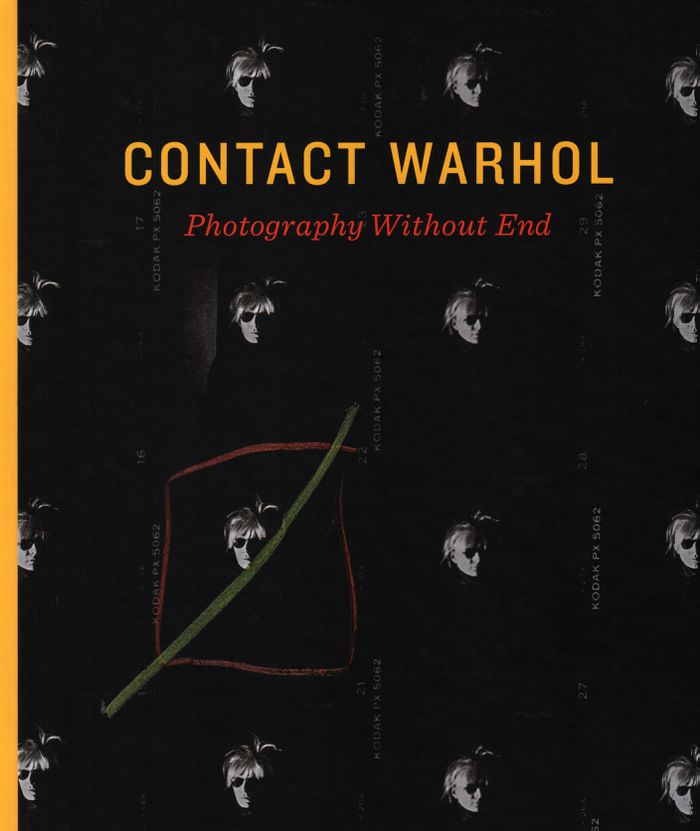
From 1976 until his death in 1987, Andy Warhol was never without his camera. He snapped photos at discos, dinner parties, flea markets, and wrestling matches. In a way, Warhol's daily photography practice anticipated our current smart phone habits - our need to record our friends, our families, and our food. Warhol printed only about 17 percent of the 130,000 exposures he left on contact sheets. In 2014, Stanford's Cantor Center for the Arts acquired the 3,600 contact sheets from the Warhol Foundation. This book examines and documents for the first time these contact sheets and photographs - Warhol's final body of work
Contact Warhol: photography without end
Actions:
Price:
$50.00
(available to order)
Summary:
From 1976 until his death in 1987, Andy Warhol was never without his camera. He snapped photos at discos, dinner parties, flea markets, and wrestling matches. In a way, Warhol's daily photography practice anticipated our current smart phone habits - our need to record our friends, our families, and our food. Warhol printed only about 17 percent of the 130,000 exposures he left on contact sheets. In 2014, Stanford's Cantor Center for the Arts acquired the 3,600 contact sheets from the Warhol Foundation. This book examines and documents for the first time these contact sheets and photographs - Warhol's final body of work
Form:
books
books
Publication:
October 2018
October 2018
Subject:
Photography monographs
Photography monographs
Form:
books
books
Actions:
Price:
$32.95
(available in store)
Summary:
This collection assembles all of the known correspondence of Canadian typographer and type designer Carl Dair (1912-67) concerning the conception, development and reception of his Cartier typeface. The letters span two decades, from Dair’s 1956?57 studies under the punchcutter P.H. Rädisch at the Enschedé typefoundry in Holland, to the voluminous response to the release(...)
$32.95
(available in store)
Summary:
This collection assembles all of the known correspondence of Canadian typographer and type designer Carl Dair (1912-67) concerning the conception, development and reception of his Cartier typeface. The letters span two decades, from Dair’s 1956?57 studies under the punchcutter P.H. Rädisch at the Enschedé typefoundry in Holland, to the voluminous response to the release(...)
Title:
Carl Dair and the Cartier typeface
Actions:
Price:
$32.95
(available in store)
Summary:
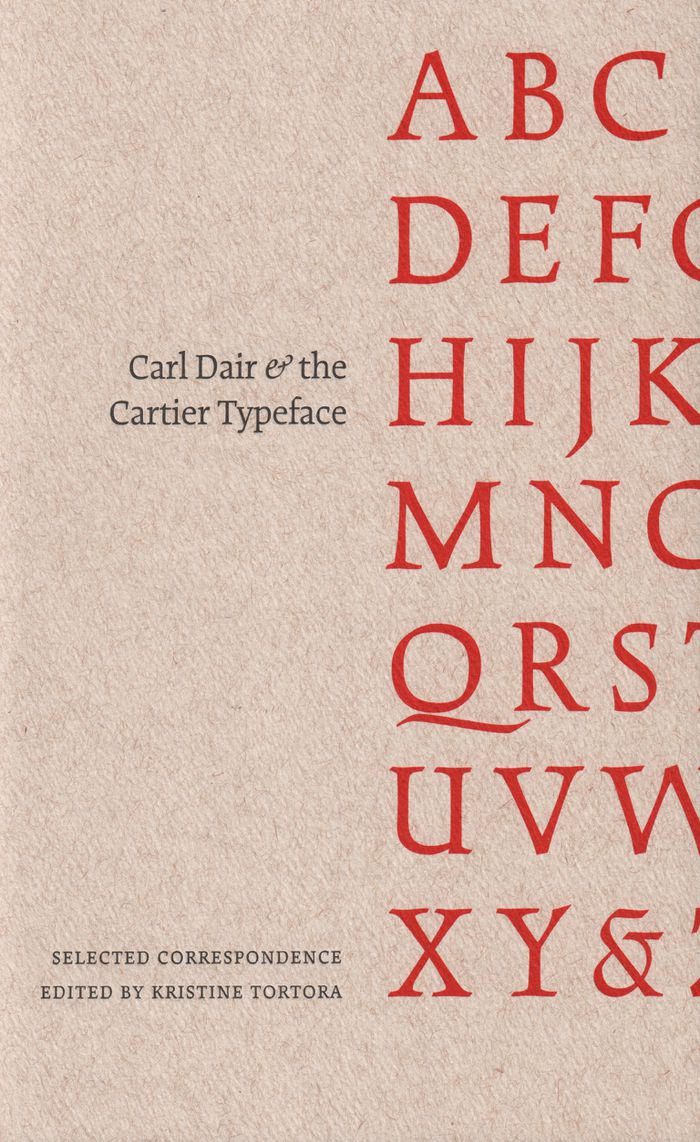
This collection assembles all of the known correspondence of Canadian typographer and type designer Carl Dair (1912-67) concerning the conception, development and reception of his Cartier typeface. The letters span two decades, from Dair’s 1956?57 studies under the punchcutter P.H. Rädisch at the Enschedé typefoundry in Holland, to the voluminous response to the release of the First Proof of Cartier in 1966 until his sudden death in 1967, including candid criticisms and detailed critiques from some of the twentieth century’s foremost typographic minds?Sem Hartz, John Dreyfus, Paul Standard, Beatrice Warde, Hermann Zapf and others.
Carl Dair and the Cartier typeface
Actions:
Price:
$32.95
(available in store)
Summary:
This collection assembles all of the known correspondence of Canadian typographer and type designer Carl Dair (1912-67) concerning the conception, development and reception of his Cartier typeface. The letters span two decades, from Dair’s 1956?57 studies under the punchcutter P.H. Rädisch at the Enschedé typefoundry in Holland, to the voluminous response to the release of the First Proof of Cartier in 1966 until his sudden death in 1967, including candid criticisms and detailed critiques from some of the twentieth century’s foremost typographic minds?Sem Hartz, John Dreyfus, Paul Standard, Beatrice Warde, Hermann Zapf and others.
Form:
books
books
Publication:
December 2017
December 2017
Subject:
Graphic Design and Typography
Graphic Design and Typography
Form:
books
books
Actions:
Price:
$19.95
(available to order)
Summary:
At the time of his death, Italo Calvino was at work on six lectures setting forth the qualities in writing he most valued, and which he believed would define literature in the century to come. Here, in "Six Memos for the Next Millennium", are the five lectures he completed, forming not only a stirring defense of literature, but also an indispensable guide to the writings(...)
$19.95
(available to order)
Summary:
At the time of his death, Italo Calvino was at work on six lectures setting forth the qualities in writing he most valued, and which he believed would define literature in the century to come. Here, in "Six Memos for the Next Millennium", are the five lectures he completed, forming not only a stirring defense of literature, but also an indispensable guide to the writings(...)
Title:
Six memos for the next millenium
Actions:
Price:
$19.95
(available to order)
Summary:
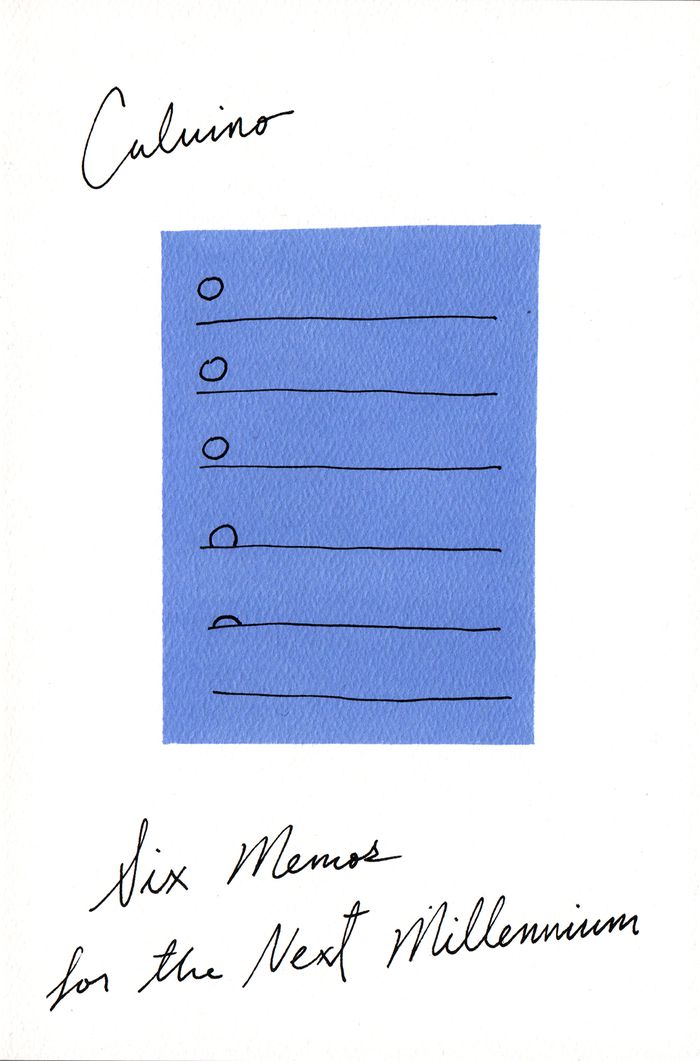
At the time of his death, Italo Calvino was at work on six lectures setting forth the qualities in writing he most valued, and which he believed would define literature in the century to come. Here, in "Six Memos for the Next Millennium", are the five lectures he completed, forming not only a stirring defense of literature, but also an indispensable guide to the writings of Calvino himself. He devotes one "memo" each to the concepts of "lightness, quickness, exactitude, visibility, and multiplicity", drawing examples from his vast knowledge of myth, folklore, and works both ancient and modern.
Six memos for the next millenium
Actions:
Price:
$19.95
(available to order)
Summary:
At the time of his death, Italo Calvino was at work on six lectures setting forth the qualities in writing he most valued, and which he believed would define literature in the century to come. Here, in "Six Memos for the Next Millennium", are the five lectures he completed, forming not only a stirring defense of literature, but also an indispensable guide to the writings of Calvino himself. He devotes one "memo" each to the concepts of "lightness, quickness, exactitude, visibility, and multiplicity", drawing examples from his vast knowledge of myth, folklore, and works both ancient and modern.
Form:
books
books
Publication:
August 2016
August 2016
Subject:
Literature and poetry
Literature and poetry


